Making of an Entrepreneur Season 4
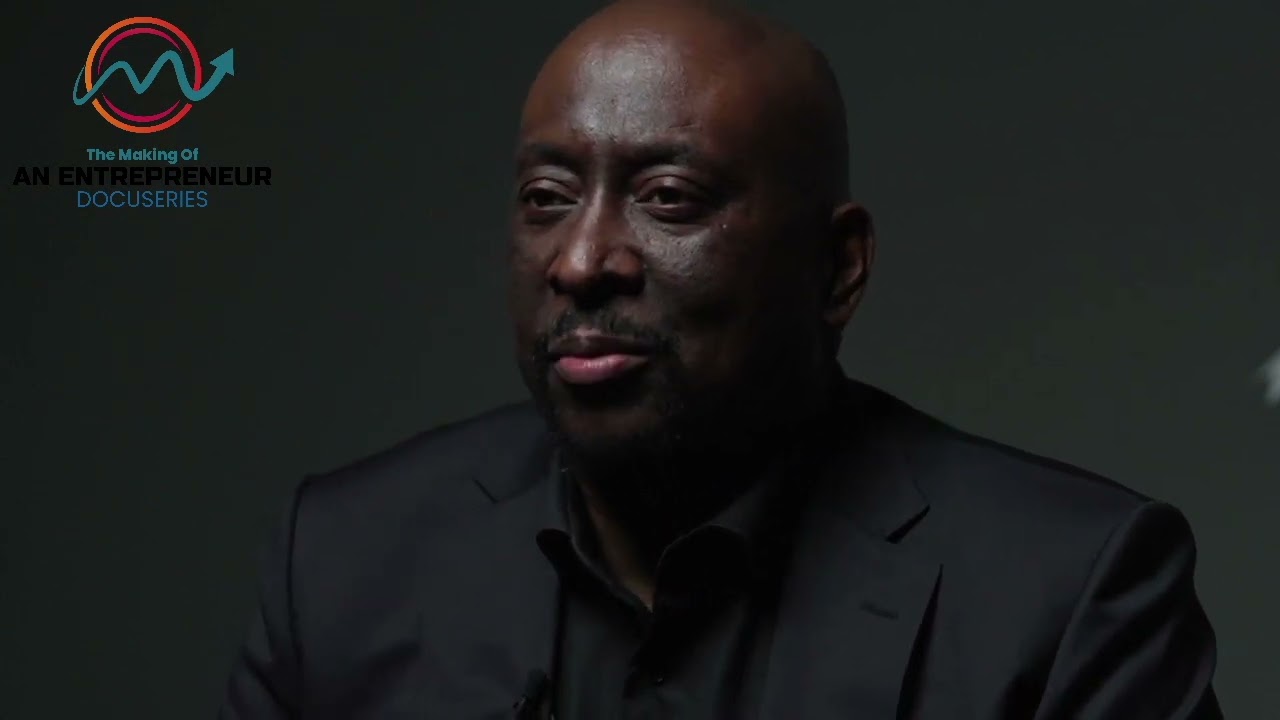
In this episode of Making of an Entrepreneur DB Bedford, an emotional‑intelligence (EI) performance coach from Oakland, shares his life story and the evolution of his business. He recounts early entrepreneurial hustles—pumping gas, reselling newspapers, and street‑level sales—followed by a period in the 1980s‑90s drug trade that taught him resilience, creativity, and relationship‑building. A violent incident that led to incarceration became the turning point that revealed the destructive power of unchecked emotions, prompting him to study and champion emotional intelligence. Bedford explains his core philosophy: the “purposeful pause,” self‑awareness, and the balance between emotion and logic. He then introduces the proprietary EI Code of Conduct, a set of 11 self‑operating principles (SOPs) that he teaches through hands‑on workshops, mock policy creation, and communication exercises. The program is positioned as personal development prerequisite for professional growth and is applied across sectors—healthcare, criminal justice, nonprofit, tech—to reduce workplace conflict, improve performance, and protect the bottom line. Bedford also outlines a certification pathway for EI performance coaches, aiming to certify over 1,000 coaches worldwide by 2024‑25, thereby scaling the impact of his methodology.
Chapters
My name is DB Bedford, and I'm from Oakland, California, and I'm an EI performance coach. An emotional intelligence performance coach. Making of an entrepreneur. My journey goes back to, I'm gonna say, back when I was about 10 years old. I remember I used to go over to my grandmother's house quite often, and she worked early in the morning. And so I used to walk her to the bus stop. She worked for like the cannery, like early in the morning, like 5, 6 in the morning. This was the summertime. And so after she would get on the bus, I would go over to this gas station over on 90th and Bancroft in Oakland, and it would be me and a couple other guys, and everybody would be pumping gas, right? That was the thing when you was younger. The hustle was to, you know, get to the pump first so you can pump gas. And so what that means is that when people would come to pull up, we'd be like, can we pump your gas for you? They give us a quarter or 15 cents, whatever. And that would be the hustle. We'd do that until like lunchtime and then take that change and go to the store or go swimming and things of that nature. And And some of us, including myself, we tried to get the first person that pulled up so we can go to like the Oakland Tribune box, which, you know, newspaper used to be inside of a box, and you put that first quarter in and we'd take all the newspapers and we'd sell those. And so I feel like the bug of becoming an entrepreneur happened really early. I realized relatively quickly that you can either do something directly to earn money where you could take a product or something and turn around and sell it. But the neighborhood that I grew up in, everybody was selling a lot of stuff, but it wasn't legal. Essentially, you know, starting in like '86, '87, I ended up selling drugs, which is, you know, a common backstory. What I learned in my journey from the '80s into the mid-'90s is that there's a lot of characteristics that come from having to be in that life. You know, a lot of us representing will talk about, uh, you know, being part of that life and doing what we had to do. But there's a lot of resilience that comes from being able to hustle on the streets. There's a creativity and tenacity that has to be implemented when you're in the streets. You have to build relationships to survive. And I believe that in my journey becoming an entrepreneur, I didn't know then, but today A lot of the challenges that some entrepreneurs have, I don't necessarily see them as a challenge because they've been baked into my DNA since day one. You know, being able to have to make something happen. They used to say you have to make a dollar out of 15 cents. I mean, I just learned to be very creative, and then you have to be creative when you're in an entrepreneurial space. You got to be innovative, you got to be creative, and you got to test. If something's not working, you got to jump back in, and you can't get caught up emotionally about how you feel about it. So really early, I got an opportunity to experience what life would be like of being an entrepreneur. And so what really got me on the path to becoming an emotional intelligence performance coach is because I was not always an emotionally intelligent individual. There was an incident in my life, it's like my signature story these days, where I lost my temper and tried to take a man's life. And I don't say that in a braggadocious way. I'm not proud of that, and I don't say that to impress anyone, but I do want to impress upon you the importance of never letting your emotions overpower your intelligence. Because the reason why I tried to take his life was so petty. And when I found myself incarcerated as a result of it, I remember sitting up in the county jail thinking— there was a moment that came over me where I was thinking to myself, man, you know, DB, you didn't even have to do that. And I know when you say that out loud it sounds silly because you'd be like, of course, duh, you shouldn't, you know you weren't supposed to do that. But that's the power of emotions, because in the moment I thought it was the only thing I needed to do because I was so angry, frustrated, and very passionate about what I believed. Emotional intelligence, I've seen it in my life when I go back and reverse engineer. There's a few times where it didn't go so well and it took my life on a trajectory that I almost couldn't come back from. And then I seen when you implement it how it can make everything be in And so I got— became committed to emotional intelligence because not only for myself, I realized that all of my poor decisions and lack of judgment came from me being in my feelings. And when I look to the left or to the right, where relationships surround me, most people make worse decisions, things that they regret when it comes to them being in their feelings. And so I just really feel like emotional intelligence is something That we all must bake into our everyday activities and be intentional about it because we never want to be in a space where we let our emotions overpower our intelligence. And so the challenges that really got me focused on this was just seeing how it was impacting people's livelihood, including my own. And I knew that I needed to do something and just became purpose work. I like to tell people. I didn't choose emotional intelligence, it chose me. And on my journey, I've just learned so much by being committed to emotional intelligence. You know, I really understand at a deep level that, you know, when emotions are high, logic tends to be low. It's like a scale, like the higher the emotion, the lower the logic. And I've seen so many individuals in the workplace make bad decisions and, you know, lose their jobs or strain relationships or miss promotions, send emails to the wrong people, CC everybody because they're in their feelings. It all is centered around how they're feeling. And so, you know, emotional intelligence, you know, is really rooted in your ability to be like self-aware, which really means just understanding your mood, Your attitude and your energy. But the bottom line is that—
It's like—
It's our behavior that puts us— it strains our relationships with our spouses, with our children, at work, personally and professionally. And so you have to maintain a level of self-awareness. You got to be able to manage the way you react to something, especially when you don't like it, you don't agree with it, or you don't understand it. That's when you tend to get emotionally charged. So you have to do, you know, something I coined, I like to call the purposeful pause. You got to be very intentional about putting space in between your responses. And the reason why you want to do that, because you always want to give logic an opportunity to balance out with your emotions. And you do that so that you can respond from wisdom not from the emotional side of things. And so each phase of my life becoming an entrepreneur, I have to be very mindful about how I'm feeling. And most people get up every day and they don't check their own temperature. You know, it's like Ice Cube said, you got to check yourself before you wreck yourself. You know, and you should always be consciously connected to your mood, your attitude, and your energy. And so that's My challenges— I've grown, I've got very emotionally mature around it, but my challenges along the way was not being in tune with how I was feeling and the impact it was having on the decisions I was making at that time. So it's very, very important to keep EI front and center in all the decisions that you make, and especially in the workplace, especially in the workplace, because that's where a lot of people struggle because, again, They run across things in a work environment that they don't like, they don't agree with, or they simply don't understand. So if I could circle back to my 21-year-old self, I would catch 21-year-old DB right after that time where one of his buddies had got murdered and He's right back over at the trap house, if you will, and he doesn't feel like life's worth living. But I would try to reengage, and I would reassure young DB that you will live to see 50 and beyond. Because back then, all of the tragedy that I was witnessing, you started— I started moving around with a sense of hopelessness. I would, I would advance him the principles that I live by now. And one is I'm committed to never letting my emotions overpower my intelligence. I would encourage him to always represent himself respectfully, and I would tell him to be intentional about taking that purposeful pause. And that is because it always gives you an opportunity not to say that first thing that comes— that's on your top of mind. And a lot of people don't understand the value in that. And then they strain relationships, and then they have to come back and try to correct the problem. So I would really encourage my young version of myself. Number one, I would assure him that he will see 50 and beyond, 'cause he didn't believe that at the time. Number 2, I will let him know to get out your feelings, stick to the facts. Don't let your emotions overpower your intelligence. Take that purposeful pause would be the third one. And when he said, why— when he asked me, why do I need to take a purposeful pause? Because you want to always give logic time to catch up with your emotions. You will always make better decisions when you're not in your feelings. That's the game I would circle back and give little DB. So today what I'm doing with my company, the EI Code of Conduct, You know, I've taken all of my personal life experiences, my professional experience. I've worked in the criminal justice system for over 20 years. I've, I was a compliance and standards supervisor. I've seen so many different levels of behavior. And so today, you know, we go into workforces and we bring their teams together and we have this conversation around how to use the 11 SOPs of the EI Code of Conduct. Now, in most organizations, an SOP is a standard operating procedure. Well, with the emotional intelligence, ours are self-operating principles because we strongly believe, you know, there's a lot of money being spent on professional development, but we know a little secret: you cannot professionally develop unless you are personally developed. And so the The EI Code of Conduct is all about personal development so teams and leaders can do the best and optimize their performance within the workforce. We do good exercises, we do different emotional intelligence communication exercises, we do mock policy exercises so they get a real hands-on effect on how this would actually work in their work environment. Because a lot of times they, you know, they attend trainings, I've attended trainings, And then you leave and you're like, okay, well, what do I do with that? And so we're very intentional about being hands-on. If we teach you about situational awareness or power perspective or the law of emotional energy or any one of the codes we share with you, we give you an opportunity to have a robust discussion around it and create mock policies around it that you can actually advocate for change within your work environment. I also certify EI Performance Coaches. So there are other people in the world— there's plenty of DBs out here in the world, there's plenty of people with the passion that want to help folks. They have a backstory, they have experience, but they just don't know how to realign it. They don't know where to put it. And so for those individuals who want to get out and want to help people be the best version of themselves, at the same time becoming a better version of themselves, we make sure we had a program to certify EI performance coaches so that you can go out and do workshops, coach others, and things of that nature. So I'm very excited about 2024 and beyond. You know, the EI Code of Conduct is my proprietary brand. It is something I created. It did not exist until I put it into play, and my number one goal is to certify over 1,000 coaches across the world, but I also want to make sure that every work environment— healthcare, criminal justice, nonprofit, tech— wherever there are people gathering, I want to set a new standard of behavior, and that's the Emotional Intelligence Code of Conduct. The number one reason why folks hire our company is because when you think about the future of work, you know, after the pandemic, things are different now. It was already challenging before that, and more and more I think there became a realization that when you have people together for long periods of time, day in and day out, conflict is bound to arise. And a lot of companies and leaders, because of other elements of their business, they don't really take the time to address the adult behavior. But they're starting to realize that that is having a direct impact on their bottom line, on getting things done. They bring us in because they want to neutralize and minimize those grievances and those complaints. They want their leaders to be more courageous about their one-on-ones and their performance reviews. They want to hit— they want to meet their objectives. They want to make the bottom line right. They want to hit their numbers, things of that nature. And they are starting to realize that the challenges of hitting those numbers is usually when one or two or a group of people are starting to feel strongly about something that bucks up against one of their beliefs, their values, Or challenge their experiences. And so now they're not showing up like the person that they hired in the first place. And so now that they understand that subtle secret that's been hidden in plain sight, they love to bring our company in 'cause we have a very fun and interactive way, uh, but very serious, uh, conversation around how to get better at managing the way you respond. To the things that are happening in your work culture that you don't like, you don't agree with, or you don't understand. And now you are courageous enough to be able to have those difficult conversations. You have more clarity, and you understand that it's super, super important to make emotional intelligence not just like some soft skill, some afterthought, and now it's being part of the culture So that everybody can have a great experience when they show up in their profession, just like the day when they sat in that interview table and they was excited about getting hired. We're bringing people back to their interview self so that you can get what you want and they can get what they want. And that is why people bring us in, to lace them with emotional intelligence code of conduct.
Dark side, somewhere inside my childhood witnessed my heart die. And even though we both came from the same places, the money and the fame made us all change places. How could it be? Through the misery that came to pass, the hard times make a true friend afraid to ask for currency. But you can run to me when you need, and I never leave. Honestly, someone to believe in, as you can see, it's a small thing to a true— What could I do? Real homies help you get through, and coming new, he'd do the same thing if he could. 'Cause in the hood, true homies make you feel good. And half the times we be acting up, call the cops, bringing a cease to the peace that was on my block. It never stopped. When my mama asked me, will I change? Tell her yeah, but it's clear always be the same until in the time these broken wings.
I need your hands to come and heal me once again. I said it ain't the time till the end of time. End of time.
More from DB






I was literally kicked off a Southwest flight before for being disrespectful.



