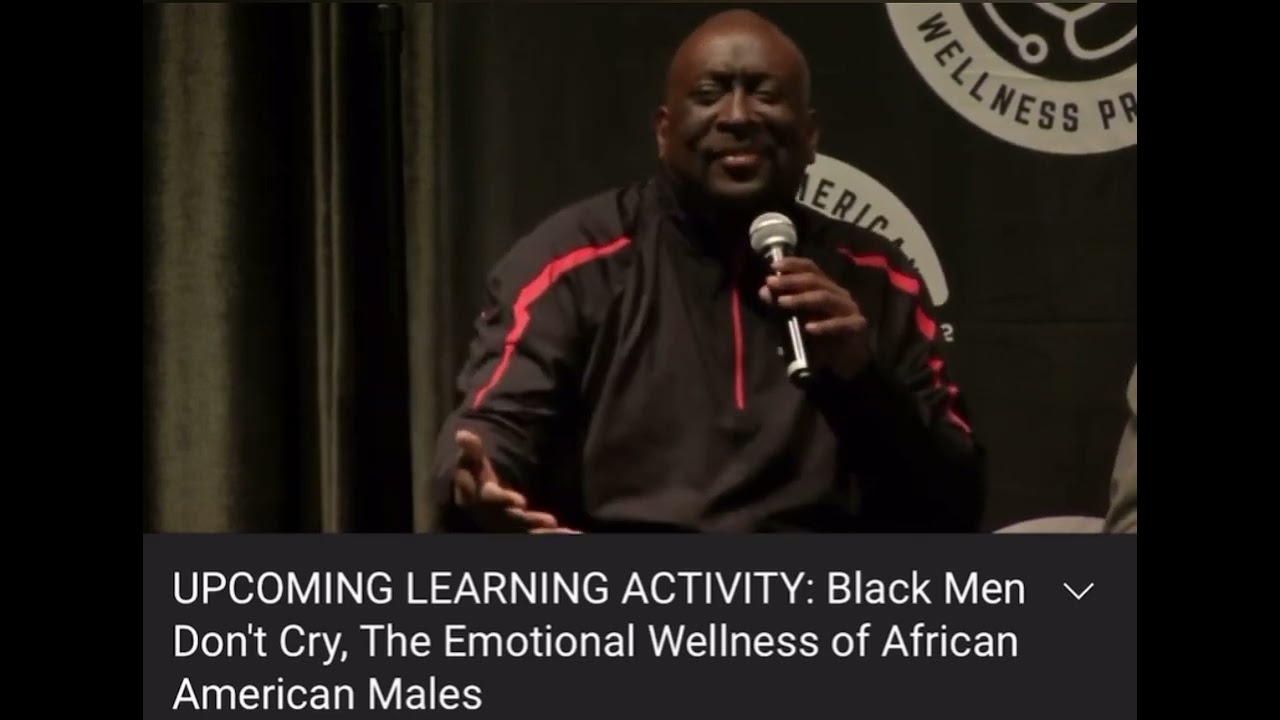
In this talk, the speaker reflects on how people are taught to react to disrespect and how those reactions evolve with age. He describes an old belief that disrespect obliges a person to retaliate or cause harm, and contrasts it with a newer belief that one can choose respect instead of escalation. He emphasizes that giving others power over one’s emotions is unnecessary, and that responding with words rather than aggression is more constructive. The speaker introduces the concept of projection bias—assuming others should react the way we think they should—and explains that this often leads to misinterpretations. He argues that recognizing this bias and cultivating self‑awareness, the first domain of emotional intelligence, allows individuals to manage their mood, attitude, and energy in conflict situations. The talk concludes with practical advice to “vibe responsibly,” encouraging mindful communication and emotional regulation when faced with perceived disrespect.
Chapters
Think about like what you were taught about being disrespected. Because I know a lot of us in here, if somebody disrespects you, what does that mean? Looks like she's shaking her head like, you just— you gonna get it, right? And when I was younger, I had a long list of stuff that I would not be disrespected for. But then you get older and you learn like that list is like that small now, right? Outside of you trying to put your hands on me, you could probably get away with anything because I don't give you that kind of power. But if you buck up against me and I determine something's being disrespectful, what is the next thing I'm gonna do? Respect. Based on what I believe about disrespect, where I come from, I got— I don't have no choice but to cause harm to you. At least that's what my old belief is. My new belief says you can have that, right? But it wasn't until I update updated that and processed that, that I could be the man that I am today. Doesn't mean I'm weak, soft, punk, none of that. Like I said earlier, I'm giving you a pass for both of us, right? Because it don't make no sense to go to the extreme. It doesn't make no sense to over-argue with you or to not like you. Like, if somebody, somebody hears somebody don't like them, what's the first thing you say? I don't like them either. Right? But you really— it ain't like you really don't like them. You just don't like the fact that you think they don't like you. Right? When you was little, they said use your words. Like, nobody want to use their words and find out what it's about. And I'll wrap it up by saying, within that, we have to be mindful of our emotional biases. And there's something called projection bias that I bet you everybody in this room do. And that— all that means is that When somebody does something or says something that you don't think it should have been said that way, it should have been handled that way, the first thing you do is look at them crazy and be like, why you say that? Where they do that at, right? You are projecting out how you think something should be handled. But the reality of it is everybody is programmed differently. So every time you try to tell somebody what they shouldn't be doing, Every time you talking mess about somebody, I mean, nobody in this room do that, but you know what I'm talking about. All you're doing is projecting onto others how you think things are. And the faster you get a hold on that, the first domain of emotional intelligence is self-awareness. And you have to be mindful of your own mood, your own attitude, and the energy that you bring to any situation. So we like to encourage people to vibe responsibly. Thank you, DB. Next question.