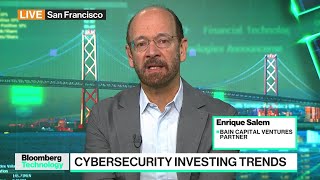
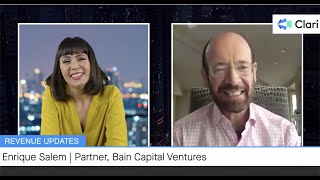
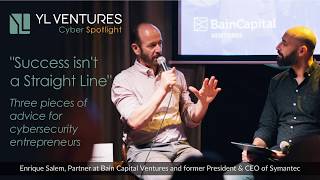
In this VC Spotlight interview, Enrique Salem discusses the escalating ransomware threat, noting its impact on a wide range of organizations—from small businesses to hospitals and even Starbucks—affecting roughly one in ten companies annually. He emphasizes that while prevention (identifying encryption and exfiltration behaviors) remains crucial, the primary focus now is on recovery strategies that enable decryption without paying ransom. Salem also highlights the growing importance of supply‑chain security following the SolarWinds breach, which prompted a presidential executive order and spurred startups such as StackLock and ChainGuard to address these risks. Finally, he shares how he advises his portfolio companies to prepare for the upcoming 2025 U.S. administration, stressing the need for robust cyber defenses and strategic positioning in a consolidating market.
We're all about this on VC Spotlight, continued focus on cyber. Does ransomware make a keen interest for you?
Well, obviously, it's one of the biggest attack vectors today. And what we're seeing is no one's immune. You've basically got small businesses, hospitals, governments. You saw recently that at Starbucks, the baristas couldn't access their schedules because of a ransomware attack. And you're seeing it pretty prevalent across all industries today.
Affecting 1 in 10 companies each year, according to JPMorgan. What are the best ways of preventing this? How is the technology changing to ensure that we're getting one-of-a-kind founders coming to the space?
Well, so we're always looking to find new solutions to how do you prevent an attack from happening. And that's, that's the key, is first try to prevent it. And what that means is try to understand what is the activity or behavior that a ransomware attack will do, which is ultimately try to encrypt the data on your computer and also exfiltrate it. But the most important thing now is be prepared to recover. How do you make sure that you can decrypt it successfully and get all your data back without having to pay the ransom, which is what they're targeting to try to get you to do?
Has that been some of the most fruitful areas to be allocating right now? There's also just— cyber is just so prevalent more generally. We're worrying about supply chain threats as well. Where else have you seen opportunities to be putting money to work?
Well, you talked about supply chain security. You know, we saw the major attack on SolarWinds, which hit 18,000 companies. And what we saw then was an executive order from President Biden that said every company needs to take supply chain security very seriously. And ultimately, that gave rise to a whole new set of companies, companies like StackLock, ChainGuard, and a number of others that are now actively providing solutions to businesses to protect their supply chains.
We find you so interesting because, of course, you were a CEO yourself. You're also appointed to President Barack Obama's management advisory board. You understand how politics works hand in hand with leading businesses. How are you advising your portfolio companies now as we start to look towards the next administration in 2025?
Well, I think it's going to be an interesting opportunity for a lot of companies. The biggest trend that we've all been talking about is, is AI. And AI is going to completely change how many of our businesses work. The attackers, you know, we've talked about security. What we're seeing is they can be so much more aggressive now on targeted phishing attacks that are custom made to really get somebody to react. You know, we're seeing deepfakes. And so we're telling all our companies, how do you take advantage of AI? And then the new administration, I think, will give us opportunities to drive potential consolidation, M&A. And we're hoping that the IPO market comes back in 2025.