In this video, the presenter demonstrates a live comparison between Ownify’s fractional co‑ownership model and traditional rent‑to‑own arrangements by prompting ChatGPT to generate a side‑by‑side summary. The speaker walks through the key distinctions: Ownify grants immediate equity through a 2% LLC membership stake that grows each month as the buyer purchases additional “bricks,” causing the rent portion to decline over time. Rent‑to‑own, by contrast, offers only an optional purchase at the end of a lease term, with rent credits that may be forfeited and no equity until the option is exercised. The video details down‑payment structures (Ownify’s low 2% upfront versus rent‑to‑own’s option fee and higher rent), monthly payment mechanics, and the fact that Ownify’s payments replace a mortgage and are typically lower. It explains the purchase option: Ownify’s buyer can buy the remaining shares (the balance) at any point, while rent‑to‑own buyers only have a right, not an obligation, to purchase. The presenter highlights Ownify’s pricing advantage—cash offers that close in 14 days, often 5% below list price—and its handling of taxes, insurance, and repairs, reducing unexpected costs for the buyer. The speaker concludes that the biggest differences are immediate, incremental equity and decreasing rent in Ownify versus the uncertain, credit‑based equity of rent‑to‑own, and previews a future chapter on the purchase option.
Chapters
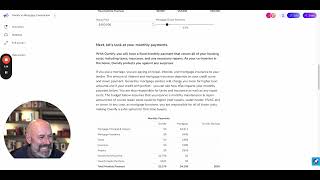
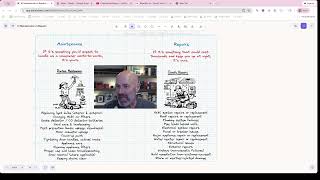
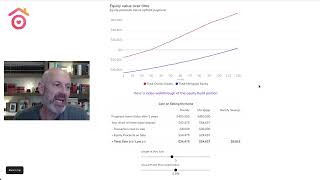
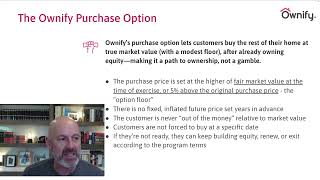
So one of the questions we often get is, how is Ownify and fractional ownership different from rent-to-own? So I can give you my explanation, but let's do something fun. And I have not done this before, so we're going to do it live and see what happens, uh, and hopefully it'll work. We're going to ask ChatGPT, um, to give us a comparison ownify versus rent-to-own. So I am going to ask it, um, write a summary, one-page comparison. I'm going to do this side by side. Um, write a one-page summary, side-by-side comparison of rent-to-own versus ownify fractional ownership. Let's see what it comes up with. It's gonna search the web, it's gonna reticulate the spline, and well, let's see what it did. All right, so ChatGPT is telling us that the core concept of rent-to-own is that a tenant leases a home with the option to purchase it later. A portion of rent may be credited towards the purchase. That's correct. And with Ownify fractional ownership, the buyer gains equity ownership Immediately via a co-ownership model, Ownify and buyer share ownership from day one. That is correct. So in our model, the customer buys 2% of the shares in the LLC and therefore is a 2% bona fide owner of the home from day one. The path to ownership. Rent-to-own generally has an option to buy at the end of the lease term. It's not guaranteed unless it's exercised. That's correct. And then Ownify really is equity accrues from day one. And as we've explained in other chapters, every month the customer buys incremental shares in the LLC going from 2% to 10%. So that true ownership stake kind of increases over time as a customer makes their payment. Down payment requirements, uh, is usually in rent-to-own, there's usually an option fee plus higher rent, and the credits may be applied later. Um, in own-a-fice fractional ownership, there's a low upfront payment, 2%, and there is no mortgage involved in either of the two scenarios. All right, I see— let me move myself out of the way a little bit just so you guys can see this a little better. All right, um, monthly payment in the rent-to-own model, rent that may include a premium, and often the programs out there have rent credits that can be applied or should be applied towards a down payment. They often don't work, and sometimes the customer forfeits these rent payments. In the Ownify model, the monthly payment replaces the mortgage, and often it's lower than the traditional mortgage payment. That is correct. So ChatGPT got that right. And one of the important components here is that in the Ownify model, rent actually goes down over time, right? Every time the customer buys incremental bricks, incremental shares in the home, the rent goes down ever so slightly. So the basic principle here is that the customer only ever pays rent on the fraction of the home that they haven't bought already. Equity accumulation in rent-to-own. Equity occurs if and when the purchase option is exercised. That's correct. As the name implies, rent-to-own means rent, rent, rent to own. And the big difference in fractional ownership is equity accrues every month as the customer buys shares in the home. So that is really probably the biggest difference between rent-to-own and fractional ownership is that the customer is a bona fide owner throughout the length of the term and increases ownership over time. The certainty of purchase, there's an option to buy, not an obligation in rent-to-own structures. Now Ownify also has a purchase option. However, the purchase option is for the balance i.e., the remaining bricks, the remainder of the home that the customer doesn't own. So, you know, on day 1, customer buys 2%, Ownify holds 98%, or investors hold 98%. And that means that the purchase option is always on the 98%. And a month later it might be on, you know, 97.9%, 97.8%, and so on and so forth. So the purchase option is always for the balance, the outstanding value of the home at that future value. Price negotiating power, a big difference here really is that Ownify uses cash offers and generally we've been able to close about 5% below list by making very attractive guaranteed cash offers to the seller, right? With a 14-day close, no contingencies, and obviously that's attractive and one of the big benefits to both the first-time buyer and quite frankly to our agent partners as well. Maintenance. I'm going to skip over financing and debt. That's really not relevant. Maintenance and repairs. Ownify handles taxes, insurance, and repairs as part of co-ownership, reducing unexpected costs for the buyer. You got to give it to ChatGPT. This is pretty good. I mean, it got it right. And on rent-to-own, responsibility often transitions at purchase. That's probably correct. Let me see, a bunch of this other stuff, probably less relevant. So I think for an experiment, ChatGPT got it basically right. Really, the big differences between Ownify and Rent to Own, just to summarize it, is that Ownify creates true ownership from day one through the brick purchase. As the customer increases their brick holdings, their rent goes down. At the end of the, uh, 5-year period, or at any point in time before then when the customer is ready, they can exercise their option to buy the remaining bricks and buy the home outright from the LLC, that's at that point a purchase transaction, not a refi transaction for our mortgage friends out there because the customer buys the home from the LLC. But contractually, you know, that purchase option is really for the balance of the outstanding shares. And so really the other big difference obviously is that as the customer, as you walk through time with Ownify, the rent for the consumer goes down. That's probably the biggest difference to a rent-to-own offering. And, you know, at the end of the day, the shares, the equity, the membership interest in the LLC that you own are true bona fide ownership stakes, right? They're not just a contractual right. They're, you know, shares in a private company under Delaware corporate law. That really gives you that bona fide ownership interest. Hope that was useful. The next chapter we'll talk about the purchase option in a little bit more detail, and we'll see you there.