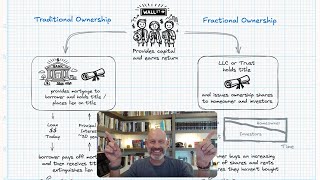
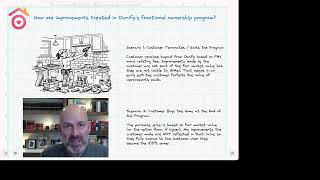
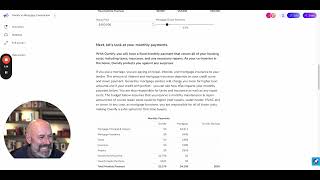
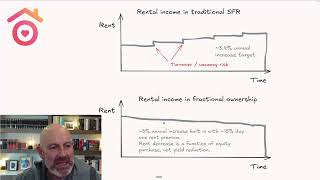
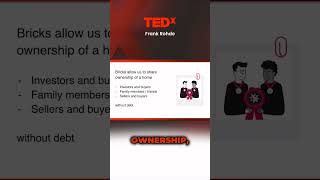
In this brief video, Frank Rhode of Ownify explains the two primary ways a home can be owned in the United States. He first outlines the traditional ownership model, where a buyer’s name appears on the county title, a mortgage lender places a lien, and the homeowner pays down principal and interest over typically 30 years, with the risk of foreclosure if payments default. He then contrasts this with Ownify’s fractional ownership model: a single‑purpose LLC (or trust) holds the title to each home and issues 10,000 shares—called “bricks.” The resident becomes both a tenant of the LLC and a shareholder, starting with roughly 2% ownership. Each month, additional shares are transferred to the resident, building equity. Eventually, the resident may elect to purchase the home outright from the LLC, converting the share‑based ownership back into traditional title ownership. Both models confer genuine ownership rights, but they are expressed differently—through title or through shareholdings. Frank invites viewers to ask questions.
Chapters
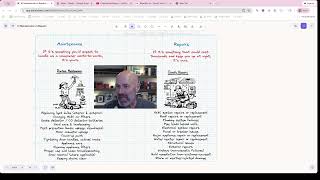
Hi everyone, Frank Rhode here with Ownify. I was just on a podcast earlier today, Housing Insiders, with Jonathan Lawless and Jeremy Potter, and one of the questions that came up is just how do you explain fractional ownership? So obviously a lot of education needed, and when most people think about ownership, right, they don't really have a good definition of what that means. So I wanted to take just 2 minutes to explain the difference between traditional ownership on one side, kind of on the left of this picture here, and then fractional ownership on the far right here, the way Ownify has built it and is bringing it to market. So traditionally, the way we think about ownership is, you know, a home buyer buys a home, and that means that their name goes on title, they file title with the county, and usually, especially first-time home buyers, aren't all cash buyers, they use a mortgage, right? So they go to a lender, bank, non-bank lender, they get a mortgage, and the lender places a lien on the title. That basically means that if you default on the mortgage, you don't make your payments, the lender can exercise that lien and effectively take over the home and foreclose through a foreclosure process, sell it, and any equity that might be in the home gets settled through that way. So really, you're not a free and clear title holder. You have a title, but you're paying it off over usually 30 years. Principal and interest. So that's kind of the traditional way, and that's what most counties in the US understand, and what most consumers and realtors and agents understand the traditional ownership model to be. Fractional ownership works different. So on the right here, all the way over, we've defined— and then pledges title to the lender. It is an entity that holds title. Now that entity, in our case, it's a limited liability company, an LLC, could be a trust, but it's effectively an entity, a corporate entity that exists solely for the purpose of holding title. So at Ownify, it's a single LLC for each individual home we finance for our customers. And that LLC holds title and issues shares. We issue 10,000 shares or bricks as we call them. And then over time, the customer, our customer who lives in the home is one, a tenant of that entity, but two, also a shareholder of that entity. So starting with 2% on day 1, you're a shareholder of the LLC that holds title to the home. And then in our model, every month more shares are transferred from the owner, the customer who lives in the home, and that's the vehicle by which equity and ownership is built. So the difference being for a traditional mortgage journey on the left, you hold title, you pay it off over 30 years, On the other side, you're a shareholder of the entity that holds title and you build your equity, your ownership, through share purchases in that entity. Eventually, you on the right have the opportunity or the option to then buy the home outright from the LLC, and that kind of puts you back onto the journey on the left, which is ownership the traditional way, holding title. So two different ways of being an owner in a home. Both are ownership, both have bona fide ownership interests, One expressed through title, the other one expressed through shareholdings in the entity that holds title. Any questions on this, please feel free to ping me, and always happy to help. Thanks.