The Buyer 2023 - Module 2
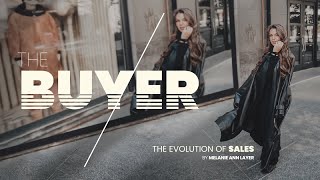
Melanie coaches Amanda, Lindsay, and Rita on buyer psychology and high-ticket sales. The session covers understanding buyer power, the difference between need and desire, and how to attract clients with integrity.
Sa Sam. Hello, gorgeous. Human beings of the fire. I am very excited for today's module. I'm excited to see the. The deepenings and the contemplations that you guys have been having, how you're feeling after the activation, what the vibes are. So I would love to see after the first module that we had and after the activation, what are some of the things that are really coming up for you? So if you want to type stuff in the comment section, like either what has been on your mind, either a fear or like, what kind of questions does this bring forward? And the reason I'm asking this is what really is the most powerful thing about this coaching is that it's supposed to bring forward thoughts that aren't typical in your mind. So what we realize is there are a series of thoughts that we have that are always there. And our thoughts kind of dictate our behavior and dictate our actions and dictate how we show up. And we have similar thoughts and we act kind of the same way and we think more thoughts that are kind of the same and we act the same way. So. And we're building a business kind of like, so, you know, I wonder why people are buying and so maybe I should do a live stream. And so I wonder why people didn't really watch the livestream. And so maybe I should write a post. And I wonder why people didn't do that. And then I wanted to do that. And so similar. And all the behavior is similar. And then all of a sudden there's a conversation that comes in and you have a different kind of thought or a different kind of fear or a different kind of like, I haven't thought about that before. And that's the thing I want to touch with you. Because if we, if we touch that, we're going to enter a different area of your brain, a different area of your mind where you don't often think about this. So let me have a look that I don't know what I offer. Okay. I trust my powerful buyer. I'm just pretty lost on where to find them and how to attract them. Okay, so this is interesting. I trust my powerful buyer, but I'm lost on where to find them. So then in that case, how do you justify that you do trust in them? If you don't like, who are the them that we're talking about, that means that you don't believe they're in your audience and you don't believe that they're already there and you don't believe that they're coming. So I would. I would question that. Is it really true that you trust in your buyer? Amanda says the power is not on the buying, but having the money to buy. I felt like the power was in the spending of the money, not having the money. This I want to bring up. After the activation. I'm in a peace feeling mode. That's amazing that my messaging might be confusing my buyer. Okay. So much more depth if there needs to be guidance. Otherwise, I have to do everything, and I have to entertain people. If there is need, there is guidance. Otherwise, I have to do everything, and I have to entertain people. Okay, so let's start with Amanda. I really. I really want to. To look at this. So the power is not in the buying, but having the money to buy. And I felt like the power was in the spending, not in the having the money. So let's. Let's look at that. So let's bring you up. Hello. Hello. How you feeling?
Really good. Really good.
That makes me happy. Yeah. All right, so tell me, where does this come in? Like, share with me.
I loved when you said that. It's. I've probably rewatched that part, I don't know, a hundred times. I can't get past it. I. I've just rewatched it. And because I think spending was like, oh, like, I have financial freedom is like the power. Like, I can purchase it. I spend the money, and it makes me feel better. I get the thing, you know, the shoes, whatever that item is. I think I was unconsciously thinking that was the power of getting that, you know, whatever that thing is. And then you were like. When you said, and I could be still absorbing this in my head, but the. Of having the money and then having the choice, I was like, am I buying that way? And I. And it has caused. It's been a theme in my relationships and partners and things like that. And I'm like, oh, my gosh. I always thought I had so much power, or I. I took so much, like, the. Not even the power, but, like, I was like, oh, my gosh. That's so much more valuable if you can spend the money, because that means you have, like, you're wealthy but not having the money. I don't know. It just, like, was, like, such a huge mind shift for me.
Oh, my gosh. I love this. And one thing I want to say, I think a lot of people feel that where it's like, if I can spend the money, then that means I'm wealthy. So if I've spent It, but then I spent it, so then I don't have it anymore.
I need more of it.
Yeah. And so what happens a lot of times is the minute I've spent it, I no longer feel it. So now I have a buyer's remorse. And for me, the worst thing in the whole world for me to ever think, oh, my gosh, would be the worst for me is if people had buyer's remorse. In my world, I don't want them to have that. And so what I really want is for people to buy things because they understand the value of them, they know they have the money to buy it, and they also have the power to say, no, Melanie, I am not buying this from you. But instead they're like, yeah, baby, I am buying this because I have the money and I want it, and I get to say yes. But the power was in having the money in the first place, and the power was in the knowing that I could have said yes or no. And then, you know, I. I buy. And why this is so important is because where a lot of people will mess up the high ticket sales is they'll make people feel shame. Or it's like, well, why wouldn't you buy this? You have the money. And for me, for a high ticket buyer, the minute it feels like someone's telling you that you'll never buy from them ever again. And I've. I've had people try to sell me things in that way, like the, Like a piece of jewelry that I. I thought was beautiful but was not for me. And the person was like, it's an investment. It's. It's such a good, you know, it's so. Such a rare piece and this and that. And I was like, I understand, and it is beautiful, but it's not for me. And just trying to explain to me, like, do you realize how much work went into this piece and this and that? And I'm like, yes. And I don't devalue the work. I'm just saying that this is not my piece, that it's not for me. And the feeling I was getting from this person is like, you have the money to buy this, why aren't you buying it? And in that moment, what that showed me is that that person had no money and no power. Because if you can't comprehend that when a person has money and power, they don't have to buy. You treat them so differently. When you imagine, if I had money, I had money, I'd buy this.
Yeah.
So then you're telling me you don't have the money and you wouldn't have power to save your life because you would buy things you wouldn't want. And so then that devalues the seller. And this is things we don't often take into consideration. But I feel safer buying from a seller that can hold their power. If I'm thinking that the minute I give you my money, I. You are going to feel more powerful because now you can go buy the next thing you want to buy. That doesn't feel like where I want to put my money. I want to. I want to buy from a seller who is super strong in what they're doing. And so for that, there can't be this, like, this is what a lot of people that are struggling with money mind think is a person who's rich, who doesn't buy a thing is cheap instead of the person that has the money and doesn't buy the thing, doesn't want the thing. Right? As we heal that, we create better products, better service, and we show up differently with much more respect than a person with money who feels respected spend spends way more. So this is such an important discussion. Is there anything else that feels sticky for you around this or do you feel solid?
I feel really solid. I feel like I'm a new. I'm a new little kid toddler, like walking because I'm like, I didn't even. I had no conscious awareness of that power of that choice, I think. And now I'm just like, oh, okay. Like, just my buying has changed dramatically since that. And also going through your process of like, you know, being an AFE and things like that. I didn't realize what it was like to be a respected buyer. And then I was like, oh, this feels really good. I like this. I want my. My clients to feel this way.
Okay, so this, this brings two points forward that I want to share with you. Last week, there was a person in my Instagram and because I was a few days ago, because I've been reading all the balance testimonials that I was getting. I was in my inbox a lot and this person asked if they could. They could have information on Matrix or something like that. And they got the information and it was too much for them. And they said, this isn't possible for me right now, but I'll put it on my vision board. And one day. And I said, that's amazing. I'll look forward to it, you know, one day with a heart or something. And so she asks later. And so she asks something my team responds to the other thing because I didn't. It wasn't a testimony or anything like that. So they were helping me in the inbox and she's like, can I ask a question? Who was I talking to before? Was it. Was it Melanie or was it somebody else? And so I saw that one, so I responded. I said, if there's no signature of another team member, you're speaking to me if it's on Instagram. So if it's my team, they sign. If it's not me, it's. If no signature, it's me. And so she was like, oh, my gosh, can I just tell you how impressed I am that you didn't try to sell me something else? And I was like, yeah, I don't, I don't do that. But like, the expectation that people have is they'll reach out to a person wanting to buy a $30,000 thing and it'll be like, well, that's too much for me. But then, oh, do you want to buy a fee? That's a great place to start. Do you want to buy this? That's a great place to start. I didn't do any of that because I was like, she wants to buy this. This isn't the right thing for her. When it's time, she'll buy the right thing for her. And the acknowledgment of like, this was surprising. That you didn't try to sell me something just shows me the state of affairs of the world we're in. It's like, this person has money. Let. Let's find something else they can give me the money for instead of the thing they want is not available. So let's wait until the thing that they want becomes available to them. And it's so interesting how having that mentality, a lot of people will be afraid. Shouldn't you try to get every dollar you can to be successful in business? And I'm over here saying, well, I'm very successful in business and I haven't. So it just kind of depends what you believe in.
Oh, so good.
So there's that. Now the other thing I want to talk to you about, and I think this is super valuable based on what you've shared your buy. This is something that, because this is like the, the well renowned paradigm on earth is that people will push you if they think you have the money. Have you ever told someone, you don't have the money for something just to get out of buying it?
Yes, I literally had that conversation with someone like, you know, A fitness coach that was trying to. And I'm like, you know, and I actually even walked away from the program and I said, you know, don't even refund me my money. Just don't contact me again. Just take, like, I don't have the money. I don't want to continue with it. Don't contact me because it was such a hard, like, just felt so icky and I have to get out of it. I, instead of saying, they know, they didn't accept no, but they accepted I don't have the money.
Yeah.
And that was dramatically different. They couldn't say, I said no multiple times. And I'm like, keep my deposit. I don't, I don't want it. I don't want it. And they're like, well, why?
Why?
And I'm like, fine, I don't have the money. I don't like. But I don't. I didn't like saying that either because it's not true.
It disempowered me.
And I'm like, I want nothing to do with this. It's not, not for me.
Right. So this is where people will destroy a high ticket sale. It is not true that because I have the money, I have to spend it with you. It is not true. And because women feel, and this is like very true for women or men who are very in touch with their emotions. People who are very in touch with their emotions in general. It's so easy to manipulate a person by being like, but why, why won't you buy this? You have the money. Why would you say no to me if you can?
Yeah.
This is a problem in so many different areas on earth and we need to change this as a world. And so, and I like what Sarah's saying. It's like, I don't want to be rejected, but if you definitely can't, then I'll have to accept it. And so the exercise here is being able to handle people saying to you, I have the money, but I'm not choosing to buy from you. Now, why is this so hard? Is because it hurts our ego. It hurts our ego a lot. That means. Because in this training, what I'm, what you're trying to wrap your head around is that there are people with money in your audience and you're having a hard time believing that because most people's excuses are that they don't have money, but that's not actually the truth. They just say that because it's the only way they can say no to you without feeling guilty. And we all do that. So the big issue or the big freedom, I should say, first of all, the freedom in believing in people in their power is I believe everybody has the money and I respect them enough to know that they don't have to buy from me. And because that's the truth, I don't get people tell me I don't have the money. They might tell me this isn't aligned for me right now. This isn't the correct timing. They might say that. Or they might be the kind of people who feel like they need to offer that up. I don't have the money right now, but they don't need to tell me that. Like, they just can say, no, thank you. But what I have found is that if I need every person who says no to me to tell me that they don't have money, I start to believe that everyone around me has no money, which makes it impossible for me to sell my high ticket stuff. What makes it impossible for me to imagine my audience is full of capable people with money. Because it's different to imagine everyone in front of me has the money and if I nail this for them and it's what they want, they'll buy it. I would be such a different seller. If I believe that, then if I believe these people have no money. And no matter what I do, unless I make them feel like they're going to die without it, they're probably not going to buy it. That that changes how I show up. And so the amount of respect I have for people and when I say I believe in people in their power is because I have completely detached from a person that has the money having to say yes to me for any reason. And I can, I can even say like, I have refused people in certain offers. No, they had the money, but I refused them because I felt there was, there was something that was incorrect for them. And I said no. And that has made me hold so much integrity in my business. Like, not because you have the money that you should be my client, not because you can afford it, that you should buy this. Is it right for you. That's what I care about. And the universe, God, Mother Nature have an energetic match for integrity like that. When you have the integrity to say it's not about the fact that you just have the money to buy it, it's the fact that you're the right buyer. But how can you be that selective? If you also believe no one has money, then you'd have to say almost nobody has money. Only a few people have money. Can I even be selective then, that the ones that do have the money need to be the right buyers. Now we're closing that window. So that's why we're so scared to do that. But if we remove the thought, if we remove the bias that everyone has no money, we show up differently in our sales pitch. We describe our offer differently. We ex. We experience people do have the money for this, and they will absolutely pay for this if it. If it's what's right for them, but not. They will pay for this if they have the money. That's the lie, and that's the lie that bad businesses are making a lot of money from. If they have the money, they'll buy it. That's not the right way to do business. So even when we dismantle that for ourselves, we open up a whole new world. Everyone here has the money for it, and you'll only buy it if it's right for you. Then it's more about my delivery, the way I sell my energy, my. My care in my product, my care about you, my care about my everything. Now we're on the same way, same wavelength. So thank you for everything you shared here. This was super valuable. Thank you. Thanks. Okay, let's see the next one that I really liked. Where was it? My. My messaging might be confusing my buyer. I want to know more about that. So, Lindsay, would you come up? Hello. Hello.
Hello again. How are you?
I'm so good. How are you?
I'm doing great. Thank you.
So tell me more. How could your messaging be confusing your buyer?
So yesterday or the day before, when you were talking about, like, attracting the right type of buyer verse, like, a lot of buyers that just hit home with me in such a deep way. And it really has been how I've been trying to run my company, but I've noticed that I'm still not, like, getting over the hump of attracting those buyers yet. Like, I'm still working with people that they know who I am as a person. They trust me. It's word of mouth. But then putting myself out on the Internet, I know it takes time. I know I'm planting seeds, and I trust that process. But I also just feel like, is there something in my messaging that it makes sense to me, but it's not making sense when I'm showing up online? So that's kind of where that comment was coming from.
Okay, well, what's cool about this is I feel. And I just saw Andrew needed to leave, and I was going to bring him up next, but Life happens. But I feel like it might be a very common thread here. So how. Why I'm so happy and how everything's working perfectly in this program is. This is very connected to what I was saying with Amanda. Right. So having tons of buyers is connected to. Anyone with the money will buy this. Having the right buyer means everyone has money. Only the right people will buy this. When we see it that way, everybody has money. Only the right people will buy this. Then what we're left with is how clear is my offer? Because before that, all our problems are, how do I find the people with the money? Where are the people with the money? How do I talk to people who have money? Where do I find them? How do I do that? It's so superficial. Because the only metric we have for whether someone is the right buyer for us or not is whether they can afford it, which is not correct. When it. Look, when we're looking to do what I'm discussing here, which is the higher end experience, it's not about who has the money, it's who values things. And so similar thing, like, if I walk into a fine jewelry store and I am obsessed with a certain kind of jewel and I value it deeply, well, then when they tell me this is the one of a kind thing and it's available right now, that might actually work for me, but not because I had the money for it, because I actually value that piece. When you try to get me to buy the piece I don't value just because I have the money, I feel disrespected by you and you lose your power. So if we look at your offer and we look at your buyer, your dream buyer, what do they need? What do they want? What are they going, oh, gosh, I would love to have that, you know, how could this help me? And so, based on what I know about you and your business, what I know is that you don't need to give to a charity in life. You don't need to do that. That just doesn't happen. You don't just sit at home, you're like, oh, my gosh, I can't function until I've given to that charity. I can't eat, can't sleep, like there's nothing works until. So it can't be a need, but it can be a desire of the soul. And feeling like I just know that I want to and I can't tell which one and I don't want to do the wrong one. I don't have time to look it up. And so I'm not doing it. Not because I. I don't want to, but because I just don't know who the right one would be. And if I. If I choose the wrong one, it could misrepresent my company. If I don't really do the research, I could give to someone that's not correct. I want to know who I'm choosing, why I'm choosing them. Like, I want to do it, but I want to do it right. And so your ideal buyer. Yes. Is a person that has money, but everybody has money. Your ideal person is the person who doesn't just care about giving to a charity. They want to give to the right one for the right reasons, where it represents themselves, their brand, their message, and they want to be educated on why. They want to be able to explain to people why. So don't just look like a superficial person. They gave to charity to not feel guilty about their money. They want to be connected to something that's your person. So how are you talking to that person? How do you. How do you open your mouth to speak to this person? On the Internet is so different. When you're just being like, you have a lot of money and you want to give to charity, you're not going to get that buyer. This buyer cares way deeper than the other thing. But you might feel bad talking about this buyer if you imagine not a lot of people have money because you'll be like, well, how many people could actually do this on this live stream? Like two. When in fact, maybe all. Maybe every single person on the live stream is connected to at least one person who needs this message. So when you speak indefinite, definitely, this is who I'm speaking for. Your message makes it to the right people. Because when you hear something that's exactly for you, you move. When you hear something that's exactly for someone you know, you tell them. So the more specific you can be about why you do what you do and who you care to serve, the more chances are that you are going to attract the right buyer. So in speaking about it like this, what's the next question mark that comes up?
To be honest, there isn't a question mark. This is just like, yes, this is it. And honestly, Melanie, even in Impact Academy, when you talked about the power of one, like when I'm posting on my social media now, like, I am so intentional. I'm getting clear. I'm sitting before I post, and I'm like, it's the power of one. It's this one person that, like this, they needed the proof of concept.
This.
They needed to get to know who I am. This is the person that's like, no, I want to be empowered and educated with where I'm donating my money. Like, each post is building on top of the other. So there are no other question marks. This is so clear. And it's just like that beautiful reminder to myself of, like, I'm doing it. I'm planting the seeds. I have to trust the process.
Right.
Like, and that's a part of life in the beautiful journey of it.
And.
And so thank you for that reminder and the power of one. And I will keep holding on to that.
That is brilliant. I'm so happy. Thank you. Thank you. Okay, let's see. Much more deep thoughts. If there is need, there is guidance. Otherwise, I have to do everything and have to entertain people. I want to. I want to hear more about that. So, Rita, would you come up?
Yes.
Okay, tell me more about that.
So, again, thank you so much for. For listening to me. All of you again. So I came to this place. I think I know where this came from, but it was very deep. Like, if there's a need, like, it's like somebody's coming to you with kind of an order, you know, she. She knows exactly what she wants. Okay. We are both focused on that track. Otherwise, this year and maybe on the last year as well, I received some very powerful people, like billionaires and things like that. And the first one I received, I was very afraid because I could see a lot of visions for her, a lot, A lot doing with legacy and everything. But she was like, in this thing of healing, you know, so she was all the time talking about the family and talking about issues with the husband, and I never knew what I would expect in the session, you know, and the second one as well, and the third one as well. And so then I had two others that weren't like this. But then I thought I came to this place of maybe when I don't have a need, when there's not a specific need on the other side and only the desire for expansion, I get a little bit insecure because I'm always questioning if I'm delivering the right thing, if they will be satisfied, if I'm providing a good path, process, whatever, you know.
Yeah, this is really important. So let's. Let's dig deeper into this when. So there's different energetics for the word need. It doesn't always mean the same thing. So sometimes I get on zoom like this before a meeting, and Emmanuel is on here. Emma Alpatine. And she has got any, any one of her new contraptions that she's found on the Internet. For example, she's wearing a face machine, masks or some weird forehead mechanism. And I'm like, what is that? And she's like, it's a thing. And you put your serum in it and you do this. And I'm like, I need that. Do I need that? No. But I say that because I like to say that because what I really mean is, I want that. That's brilliant. That's awesome. So I say I need that, but I don't mean I need that. I mean, oh my God, I need that. That is not the same. I love the clients that say, oh my God, I need this. I need this training. I need this conversation. Oh my God, I needed this. Love that. Because I know what they mean when they say it like that. It means it was so good. It means, oh, gosh, I needed that. I needed that massage. I needed that shopping day. I needed that thing. Like, I don't need it. Needing is like I can't breathe. Needing is like, I'm gonna die if I don't have it. None of us have that in what we're offering in our high ticket stuff. And if it were true that people needed it and we were offering high ticket, we would actually feel so guilty for charging that much money that we probably wouldn't be able to sell it anyway. So it's not true that people need it. That's not actually what we're doing. It's more about how are we delivering something that is right for someone. So if you can change the energetics in your body from like, well, if they don't need it, why would they buy it? Is this, like, amazing for them? Is this the, the greatest idea to buy this? Is this exactly right for them? That's what we really want to nail. And so sometimes when I'm having this conversation, people will misunderstand the energetics of need if they don't need it. It's like, it's flippant, like, okay, come, come have this conversation with me about attracting your ideal buyers. And you're like, well, I don't need that. Why would I buy it? Well, then, yes, of course that's not going to work. But it's like, is this really great for you? Is this super valuable to you? Is this going to bring extraordinary value to you, to your business, to your life? Yes. Oh, okay, yes. Then I want it, then I'm gonna buy it. I have the money for it. This feels valuable for me. I'm buying it. That's the energy we want to create. It's just that when we don't truly understand the energetics of need, we are the ones who warp it in our sales pitch because we're going to try to talk to a person who needs it. And when we speak to a person who needs it, unknowingly, we speak to an incapable person. We don't do this on purpose, but it will look like I would sell you, the buyer like this. You are not making the money you want to make. You're watching other people sell high ticket. You have no idea what you're doing. You've got to work so hard with your low ticket stuff and you're not even selling all that many of them and you've tried to raise your prices and it doesn't work. Anytime someone does spend a lot of money, they spend it with someone you know, but they never spend spend it with you. Like, that's not how I want to sell this program. And you may still hear it and go, well, that's me. And yeah, I feel that way. And yeah, but if that's the reason you buy the program, we are not going to have the same results. Because when I sell to you, you want to enjoy the sales process of high ticket stuff. You wonder, you want to understand the energetics of why people buy expensive things. You want to feel comfortable and confident offering these things and super and integr integrity with what you're doing. You'll still feel like, yes, that is me. But the person you show up as in the training different person. So what it is that I really want to work through with you guys is to get to a point where there's a difference between I need this and this is extremely valuable to me. We want to go for this is extremely valuable for people because dot, dot, dot. But not they need it or else, dot, dot, dot. And that's the difference in the selling. When people sell based on lack and problem, what they're doing is they're saying you need this or else all these bad things instead of this will be extremely valuable for you because all these great things and that's going to get you the empowered buyer who doesn't buy based on guilt or fear, that buys based on desire, who knows they have the choice to purchase from you or not. And the more you attract people like that, the more you believe people have money and power and can and will change their life, their business, their relationship, their health, their house, their car. Their insurance policy, their, their dentistry, their style, their fashion, their jewelry collection, whatever it is that you're wanting to sell. If you believe when people, when this is extremely valuable to you, you have the money and this is right for you, I am empowered to sell to you. You're empowered to buy. That's the dream experience for both of us and that's what we're aiming for. Does that clean it up a little bit?
Yeah, yeah, yeah. Absolutely. Absolutely. Thank you.
Thank you for sharing.
I love the, I love the valuable piece.
And this is language that changes everything because when you care about what's valuable to your client, you respect your client. When you just care about the fact that they could buy it, you don't care about your client. You care about your clients.
Yeah, no, it was more like when I, when we said, when we sat down to, to see what would the process be, I was like, like seeing so many things. She has so many books to launches a documentary, she has an empire, you know, And I was like, oh my God, we want to like give this legacy to the world, you know, And I was so excited. But then it turned up that many other things were on deeper layers, like things that you need to heal and so on. And, and for me it was like, oh my God. Did the process went a little bit on the side, but with the other one happened the same. So it looks like maybe my healing layer was more active at that time.
And.
And yeah, but that was the insecurity.
Either that or what was more valuable for that person in your presence was to work on this other thing you were also able to help her with. Yeah, and that happens. I'll sometimes have a one on one call with a client that hires me for business coaching and they're paying a rate for business coaching. But what feels valuable in that moment is to have a conversation about their marriage and use the call for that. And that's perfect because I'm here for what's more most valuable for my client. Thank you.
Thank you.
So where this is really powerful also, and I want to, I want to share this with you guys, is that when you're, when you're building your offers, when you're asking yourself what do people need? You're going to be far more restricted in your creativity because you're looking for where there's lack that you can fix. When you're asking yourself what would be valuable to people, like what's the value here? What's the added value here? How does this become so incredibly valuable for the right buyer? You're going to figure out how to talk about what you do in such a powerful way. And so I want to share this experience that I had with you just so that you have an understanding of how this ends up working. So I have this big project in the works right now and I had a bank meeting in order to get the funding for what we're doing. And it is a very big investment. And so we had to have this like board of bankers come in and they wanted to understand my business and what I do. And obviously this is in Quebec and this profession is not really well known. And, and so they needed to meet me. Even though I'm a business partnership with many other people, they needed to meet me and to understand what my business is and what I do. And so I'm sitting at this table with bankers and people that, that give multi million dollar loans to people all day, every day. And I'm sitting across the table from them and they're like, so what is the business and what do you do? And there is a million ways. I could have described that there's a million ways. But what I asked myself in a split second, because that's what I had at the time, was what would be valuable for them to hear about what I do. And so what I explained to them is I work with business owners that want to increase their, their revenue in a very big way without having to work excessively more hours, working smarter rather than harder. I'm working to bring more of a luxury industry into Canada because we're behind the scenes when it comes to other countries in the world with how we operate in high ticket and luxury. And so I'm bringing that to the forefront. Small businesses, medium sized businesses and big businesses. And I help people navigate whatever feelings they have about the receiving of that big money so it can happen easier. And I'm very passionate about doing that specifically for, so we can see more money in the hands of women. There was one man and five women sitting in front of me and they were all looking at me like this. Then the question started, what kind of clients are your, your, your clients? Does this work for any client? What about lawyers? Do you, what about men? Do you work with men? Do you have something for that? And all of a sudden my thing that had started being am I worthy of list loan? Turned into am I taking clients within one minute? That's what it turned into. But what was the difference? I didn't tell them what problem I solved. I didn't say people come to me because they Have a hard time doing this and they struggle with this and I help them do this. I said, this is the value I bring to the world. And everyone at the table that are used to speaking to people about money all day, every day completely forgot they were in a bank meeting. And next thing they were like, how do we hire you in one minute? I could feel it in their energy and their voice and their questions. So how much, how much does this run for? Approximately like how, how does this go? And so I need, I needed to take another meeting because in order to get the kind of business thing that I'm doing, it it needs an insurance, like a life insurance policy that's an energetic. There's a lot of things happening in my world. And so I end up having this conversation with the insurance company. And so they're asking me about my business. And so I did the same thing. So what do you do? And so I said, one of the things that I do is I help people who've got to close big clients do that with effortlessness and ease. Because there's a very difficult thing when you're paid a certain amount of salary, but you're wanting to close a high ticket thing. There's a lot of stuff that gets into the mind. There's bias about the people. There's also your own upbringing, the guilt, the shame about offering something that's beyond what you can afford. So I help people close high ticket sales when they don't have the salaries to do that. I do this for women. So it was a guy, he said, do you take men clients? His job in that moment was to decide whether or not I can repay the loan it had. He's supposed to be testing me, not hiring me. What's your website? The call ended. He asked me what my website was. And so what I want you to understand is people always have money and they're always listening and they always care and they always want what it is if it's valuable to them. But they don't want to be sold to and they don't want to be told where they're inadequate and they don't want to be looked at like they're not capable. And the minute you do that, you've lost the sale. If the person is capable. So it's a self fulfilling prophecy. You believe they're incapable, you've lost the sale. Because if they are powerful, they want to be respected that way. So the only way to get the sale is to believe that they're powerful, in which case you've Got to sell based on value. It's the only way. In order to get the high, high paying client, you've got to see their value and you've got to sell based on value, not problem. But then we, we worry that we're not valuable enough when in fact if we are focusing on the value providing conversation, all there is is yes. This is the thing. Like all there is is yes. When you present the right thing that is extremely valuable for a person and that's the best thing they could possibly buy. All there is is yes. So if you focus on that with people, that's all there is. There's nothing else but that. So the next thing that tends to get in the way is am I good enough? What if I'm not the right person? What if I can't help them? And that's where a lot of the work needs to be done. And so the crazy thing, and this is the other crazy thing is high paying clients, high ticket buyers tend to not want to tell their problems to a person they haven't hired yet. So for those of you who are in the coaching, consulting, mentorship, therapy, doctor, whatever it is, you're, you might be worried that until you know what their exact problem is, you can't tell them how you'll be valuable. But in fact, they won't trust you to tell you what the problem is until they've signed the confidentiality clause and they're already your client and they've already paid you. The whole thing is flipped. They're not, they're not testing you anymore. They're wanting what you have. They want to know if they apply. It's not about, are you good enough to help me? It's, can you help? Can you help me? What do I need to do? What do I need to sign? Where do I need to pay? It doesn't matter what or where or how or what. Because when it's valuable and it's right for me and I have the resources to do it, none of those other questions matter. But what we struggle with until we've ever experienced this is that this kind of effortlessness is possible. It's like, how does this happen? Who does this happen for? But you've got to get yourself in that vortex. You've got to get yourself in that zone of like, I provide extraordinary value. So this is one of the questions that often happens for me. People ask, how did you manage to charge, you know, six figures for private coaching? Multiple six figures for private coaching? How did people say yes to that? What did you have to say for them to buy it and have to say anything. They understand the value that comes with working with me, and that's the price, and they want the value. So if it's valuable, you pay. If it's not valuable, you don't. Who here owns a house? Just out of curiosity, if you own a house, okay, the price of that house, is there other things in your life that are equal to the price of your house that you own? Or is your house pretty much the biggest thing you own? House is the most expensive thing you own? Is it the most valuable thing you have of all the things you have, Is it the one thing you probably couldn't live without is the most valuable thing is your house? So obviously, yes, your business is the most, but the. Your business is not just something that you own. It's something you continue to build. So, I mean, own free and clear. It's yours. It's. It's your. It's like. It's just. It's like, I buy this. I buy a house, I buy a car, I buy a thing, right? So I own a building. So if you own a building, so can we can. If you're gonna buy the building that your business is hosted in, the reason you're buying this is because of the value of it. I couldn't get you to spend what you spent on that building, on a dress that you don't need, that you don't value. But the right. The value of having your own business in your own building, it's priceless. Like, that is the most intelligent business move so valuable for you. It's valuable, it's expensive. I want it. It's valuable. It's extremely expensive. I've already bought it because it's valuable. If a person said, I don't think it's valuable for me to buy a building because I can run my business from anywhere, and I don't think I want to operate out of a building, then they wouldn't, because it wouldn't be valuable to them. If a person feels like owning a house is the thing that they value the most, they will buy a house. If a person feels like being a nomad is the thing they value the most, they'll pay for travel instead of owning a house. If a person feels like having a car is valuable to them, they will buy a house, buy a car. If a person feels it's more valuable for them to have a driver, they'll have a driver. But if you try to sell a driver to the person who owns a Car. That doesn't make sense. This is why the, the beauty in all of this is saying what do I value? That's what I buy. We've messed it up with what I need. You don't need to own a house because you could rent one. You don't need to own a building because you could lease one. You don't need to own a car because you could lease one. You don't need a life insurance policy. People could just figure it out. You don't need these things. But do you value what it will do in your life if you have them? Do you value fashion? Do you value owning the building that your business is in? Do you value having your own home? Your do you value having a critical illness or life insurance policy? Do you value having this? Value having that? Because if you do, you will buy it. People buy what they value, not what they need. And why I know this is because people will buy a brand new iPhone and be late on their iPhone payments. People will have brand new shoes and be late on their mortgage payment. People pay for what they value. So when you understand value, you understand how to build your sales pitch. Why is it that I trust that there will always be a person that will pay for my highest ticket offer is because I know that I know the value I provide for the right buyer and I know that that buyer exists. So how could no one buy it If I know the value I provide for the right buyer and I know that buyer exists, it's just a question of that person buying it at the right timing for them. And I also value that they buy it when it's valuable to them. But if I ask myself who needs this then I need to cut my prices. Because who needs my coaching program or who needs my one on one coaching is the person who's making $100 a week, who's got three kids and their mortgage is about to be cancelled. That's who needs my coaching. But that's not who my buyer is. Who values my coaching and why do I want them to value me? Why do I want them to value the coaching? Because they value it. They respect me. If they need it, they don't respect me. Have you ever had the experience of selling someone something they needed and feeling like you've never been more disrespected in all of your career? Like right? Why? Why you need this? You think you would treat me with more respect? No. By the time someone needs something, they haven't valued it for so long because if they valued it they would have Bought it before they needed it. So I don't. I don't sell to need. Because you don't respect me when you need what I have. When you're in a place of need, you want to get what you want, and you want to get what you need. And it has nothing to do with me. You might just think I'm the fastest place to grab it. But when you value what I offer, you also value me. And if you value me, then we have. We're gonna have a much better relationship. Now. I can have boundaries and standards, and because you value me and my work, we're gonna have a good thing going on. That. That's where the magic really is. So what would happen if you built your offers based on what people profoundly value instead of what people need? How would that change what's in it and how you talk about it and how you sell it and how you believe that people would buy it? Because this is the other thing. By the time someone desperately needs something, that means they didn't buy it when they wanted it, which means they probably didn't value it or they didn't have the money for it, which means they're now in a position where they don't value it and they don't have the money for it, but they need it. Why would you want that person to be your client? They either didn't value it or didn't have the money for it. That's the person you're going to try to sell to. That's hard. So when people are saying it's so hard and people don't want to buy and they don't have the money, and they don't have the. The things is that they either don't have the money or they don't value it. Either way, that's the wrong buyer. They don't value you. Wrong buyer. They don't have the money. Wrong buyer. Wrong buyer. Wrong buyer. Who's the right value? The right buyer. They value it and they have the money. So you've got to write all your copy. You've got to contemplate all your offers. You've got to speak all of your offers through the lens of people value what I offer. They value me, and they have the money. It's the only way the buyer is coming. I feel valued by you, and you have the money to be here. You're the right buyer for me. If you don't value me, but you have the money, you're not the right buyer for me if you don't have the Money. And you don't value me. You're not. If you value me, but you don't have the money or not, it's like it's got to be that combo. You value me, you value what I do, and you have the money. And so when people are saying, I don't know where those buyers are, it's only because you've probably been selling to the people who need it, who don't value and who don't have the money for so long that you're used to seeing that audience and you are used to that being on your audience. And so you've now changed everything about your sales pitch, your intent, your angle, your energy, everything to serve the incorrect buyer. And this is a huge, huge breakthrough for us when it comes to high ticket stuff. Because when I am a person who. I'll give you an example. I was actually discussing one of these things with one of my clients, one of my masterminds. She was sharing with me that her style never mattered to her. As a matter of fact, she used to have to dress professional in one of her careers, and she had to do it for work. It was just part of what she had to do. And so she did it. And as soon as she became an entrepreneur, what she was so excited about is she just kind of ditched the whole uniform thing and loved that she could just sell in her PJs or like super chill sweatpants and built her entire brand about being super chill. And so she attracted a lot of people who valued being able to work from their sweatpants, from home. Does that make sense? Because she valued it and so they valued it. So that was kind of the bond she created with her clients. But then one day she wanted to change that a little bit. She wanted to dress up a little more. But the way she saw it in her head is she should dress up more because she was making more money now. So maybe she should. So instead of valuing style or valuing that she was making more money, she thought, you know what? I probably should now that I'm making more money dressed differently, so let me do that. And then her buyers didn't like it. And because the buyers didn't like it, what she thought in her head is, my buyers don't like it when I dress up, so I'm going to go back to being super chill because that's what they want from me. Now, this is a normal thing to think, but what really happened is that you didn't Val. She didn't value dressing up either. She was only doing it because she thought she should. So she went back to dressing down. But then something started creeping into her subconscious, which was the thought that she could never dress up because her buyers needed her to dress down. And then all of a sudden, dressing down didn't feel good anymore. It felt like the things she had to do for people to buy. And so she stopped valuing dressing chill. It started to feel like a prison that she couldn't break out of because or else people wouldn't buy. So then people stopped buying the chill version of her as well. Then it's like, wait a minute. Whatever I do, this is not working. Whether I dress down or dress up doesn't matter. Well, what's the real truth is that people buy when you're in alignment with what you value. And so when you love to dress with all of your fashion, you value that. People who value that or value that you live your life the way you want, whatever it is, they'll feel drawn to you. When you feel like you want to be chilling in your sweatpants, no effort, no makeup, no nothing. And that's what you value. People will value your freedom. They'll value that. They could do that sometimes. They'll value whatever it is. It'll work. But it's what you value that attracts people. It's never the surface level thing you're doing. It's the thing you deeply value. So whether you want to sell fashion to or you want to be buying fashion, whether you want to be buying cosmetic, you know, changing your hair, changing your teeth, changing your whatever it is about your something, do you value that? Or are you doing it because you think people will love you more? If you do it because you think people will love you more, it won't make a difference. But if you do it because it's your dream. I always dreamed I could fix my teeth, and now I do. And I smile all the time. Probably that that will be valuable for you, and everybody will compliment you on your smile. But if you're like, oh, for sure, if I fix my teeth, I'll get more clients, probably won't. So every single thing that you're doing in your life, you've got to ask yourself deeply, profoundly, do I value this, or am I doing this to try to get something? Do I value this? Is this correct for me? Because that's how you live, in alignment. And this is a topic, I think, I feel people just kind of wish wash it all over the place. What's alignment? It means it felt good. It's not what alignment is. Alignment means you value it. And sometimes it's really hard to do what's in alignment for you. It doesn't always mean alignment is easy. It means it's what you deeply value and you live in alignment with that value. Being in alignment is living by what you value. So in the buyer paradigm, you live in alignment by what you value, and other people live in alignment by what they value. And what you offer them is what they value. How are they not buying? It's impossible. They live by what they value. There's no other way than yes when you're in alignment in the buyer paradigm. And that's why it becomes so easy, because it's people that have the power to say yes or no, but they say yes because it's valuable to them, because that's how people buy when they have the power. And you don't need them to say yes just to serve some sort of need of yours, because you're also in alignment and you value clients who value your work. So you wouldn't take on a buyer that was wrong for you anyway. Everything's in alignment. Everything's an energetic match. And you, you would think that this is harder. It's the easiest thing. Every single person that's in this program that's in afe, they bought it. And I didn't have to say one thing to you. I didn't have to push you and have to prod you and have to poke you. You bought it because. You bought it because it was valuable to you. And it's valuable for me to run it, and it's valuable for me that you're here and I honor you and I respect you and I'm grateful that you're here. And so it's easy for us. It was one decision for you, and you're here and we're here, and that's it. That's how it's supposed to be. It's not supposed to be that you're pulling teeth. I magnetized you, but I didn't do that. I didn't try to magnetize you. I live in what I value, and that is magnetizing. So it really is the easiest thing. You live in alignment with yourself and your truth. You attract people who live in alignment with themselves and their truth. You're powerful. They're. They're powerful people on their power. People and their power deals done over and over and over and over again. That's why there's so much more money in the buyer paradigm than the seller paradigm, because the seller is what's wrong with you, what's missing, what's lacking that you haven't given to yourself? And how do I contort myself into a million ways to make you trust that I can give you the thing that you haven't valued until now? It's a lot of work. So this is actually far more light and it requires you to live in alignment with your spirit. So a lot of times, and this is where a lot of people misunderstand this teaching that I'm telling you right now, people misunderstand this because it's been cheapened through the industry. People will say things like, if you're not in alignment, no one will buy from you. And so you've got to be in alignment. And so then people say, well, I'm in alignment, I'm in integrity. And then, well, I've done everything in integrity and in alignment, so why aren't people buying? How do you, how do you say you're in alignment and an integrity? If the thing you're trying to do is failing, it's impossible that you're in alignment and integrity. If everything you're doing is not working, where are you out of alignment and out of integrity? Because people with alignment and integrity choose people with alignment and integrity and they do it this fast, with this much ease and this much flow. So if you've done something out of alignment or you're feeling, acting, being out of alignment, you're going to attract all the people that are feeling, being, acting out of alignment and those sales are going to be harder and people are not going to do what they've got to do and it's going to be so much more difficult. So what do you need to face within yourself? Where are you not doing what's valuable in your life, in fact, instead you're doing what's more pleasant, what's more fun, what's more easy, and you're calling that alignment because it's what feels like a yes for you. That is the most immature version of alignment on the planet. Alignment is. This is what is valuable for me and my business. This is what is valuable for me to be doing, thinking about acting in alignment with. This is what's valuable. This is what's valuable for my relationship. This is the conversation that's valuable. Is it the easy one? No. What's on TV tonight and who's making the popcorn is the easy one. What's the valuable conversation? I don't want to have that one. What's valuable? What is the valuable move? And so it's not always easy to make that move at first when you're in your head about it. But when you start getting in the flow with that, you start to gain personal power. And power attracts power, people and their power. That is what the buyer paradigm is about. If I have personal power, I want to do business with people who also have personal power. If I am in alignment, I want to do business with people who are also in alignment. If I am in integrity, I want to do business with people who are also in integrity. And on the flip side, if I am out of integrity, I'm going to feel triggered by everyone who is in integrity because I'm going to want them to break the rules for me. I am going to want them to do what I want them to do. I'm going to say, well, you could bend the rules for me because I bend the rules, so you should bend them, too. They'll say, well, they'll be triggered by your alignment. They'll be triggered by your power instead of feeling at home with it. And so, really, the more you try to get a person into your world, the harder it's going to be to maintain that connection. Because as hard as it was to help people come in, will be hard to keep them in. So let's see. There's a few questions here. I want. I want to see what this discussion is bringing forward. Can you share when you address the problem or issue, or is this only inside the program, not your content ever? So let's look at that. Can you come up? Hi. Hello. Okay, so give me an example.
Okay, so let's say that there's something that, you know, like, I see as, like the gateway or I've experienced as the gateway to somebody experiencing something. And it's like a missing piece. And I want to illustrate that I've lived through this. This is the work that I do. And I want to just give you that.
This is it. I don't want to tell you how.
To get it in my content, but I want to make you aware.
Give me a real scenario.
A real scenario. Okay, well, your conversation this morning about forgiveness, and that was, like, so good because my program is. I have a program called the F word. I went into a lot of this about forgiveness work.
So.
And it was because, you know, my story, it was like such a huge opening piece. So what I did is I ended up doing a reel that shared the. The impetus between impact or inner work, and impact is forgiveness. And so I share that. And I shared the. The way that unforgiveness Looks like these are the masks of the ego and what it looks like. And this would be a sign to like, take a look and follow the fruit to the root to discover where it might be coming from. This is like your next level. Right? So that was. That was kind of the gist of that real. And that was a content piece. And so I. I gave the problem or I gave like the solution basically to the issue or to the desire that they wanted. The desire being maybe it's more impact, maybe it's more fulfillment, happiness, whatever that might be. And I wondered if that was maybe not the right thing to say.
So there's no right or wrong, but there's an impact either way. So if you say, what's the impact? Well, if I asked you what was the impact of doing it that way?
Well, the impact of doing it that way is like it rose awareness that maybe this is an area of my expertise or think something my own embodiment, something that I've helped my clients with, that it. It might have been a value piece for them. And if they valued it, then they would pay attention to it, I suppose, yeah.
So when you ask, is it right or wrong? It's like, well, what was the impact? Well, if that's the impact, that's valuable.
Okay, good.
Now if you would have said to me the impact on that is that then when I made a sale at the end, nobody bought it because they got so much information in the live stream, then we would have said, well, it was not valuable to the sale. The impact is that it wasn't valuable to the sale. It was valuable to the listener, but not to the buyer. And so in that case, it would have been saying, what would a buyer have valued to hear about in order to receive. Receive that as the coaching?
Okay, well, the buyer, I think, would just want to know that this is. That forgiveness work is valuable. That it is. It's like. Like leading with your heart and then getting back to your truth. And you know, that frequency of love is something that they value. And so if that is the. The pathway to their next level ascension, whether it's whatever other impact, whatever it is that they desire, then yeah, I think you're right. I think a buyer would appreciate that.
They would because they value that. And that's the beautiful thing. Like, the person who values forgiveness as inner work is your correct buyer. So hearing that would be valuable for them. And if they didn't find the conversation valuable, they also wouldn't find the coaching valuable, in which case they're not the Right. Buyer.
Right. Okay. Okay. So I'm just gonna. Okay, thank you for mirroring that back to me so that I could walk myself through that and answer my own question. Because that was. That was really valuable for me to. To do it. Because I do that a lot where I'm like, was that right? Was it wrong? What, Did I. Did I nail it? Did I not? But you just helped me to work through those questions that I have when they come up.
Yeah. And for anybody listening, that's a really good thing to ask yourself instead of, was it okay to do that? Was it not okay? Was it valuable? And if you don't know, say, well, what was the impact of doing it? You know, someone got mad. Okay, they got mad. But then what happened? Well, then we had a conversation, and now we're stronger than ever. So, yes, it was valuable. Yeah. Sometimes we've just got to take ourselves through things. Valuable doesn't always mean easy, fun, effortless. A lot of people see the superficial thing of value like, this is going to be great. This is going to be fun. This is going to be easy. This is why I feel Alpha FM really transcended a lot of paradigms in the last decade or my brand. Melanie and Layer transcended a lot of paradigms. Because for me, value doesn't mean ease and flow and effortlessness. For me, value means whether it's easy or hard. I'm in. That's value. Value is like, I want to know what to do when it's fun and awesome, and I want to do when it's. I want to know what to do when it's hard, and I don't know what to do, and I want all of it that's valuable. And so because I've always carried the duality, my brand has transcended all the times. But a lot of people who had the brand of it's easy and it's effortless and it's easy and it's fun. As soon as times got hard, the brand fell because it wasn't valuable to go through hard times within that brand. So it's always looking for timelessness inside of our offers and saying, is this valuable regardless of the times we're in, or is this only valuable when it's hard? Or is this only valuable when it's easy? A lot of brands also failed when things got easy again. So it was valuable while things were hard. And as soon as ease came back, the brand was no longer valuable. It was only valuable when things were hard. So you want to constantly be questioning Your offerings. Is this valuable when times are good and bad? Is this valuable on. On happy days and sad days? Is this valuable when people are successful and when they're. They're struggling? Is this valuable all the time? That will create a timeless brand. I love that. Thank you for this.
Thank you.
Can you. So Michael says, can you say exactly what alignment and integrity mean to you in this context? Well, anything that pertains to your offer. So I'll give you an example. Let's say I. My thing that I sell is homes. I sell homes and I really value the right buyer being in the right home. I value that so deeply. I want the right clients to be in the right home. That's what I want. The odds that the people who really want to buy their dream home are going to find me are very high because I'm in alignment and I'm integrity with not selling the wrong home to a correct person. It's like, we're going to get what we need here. We're on the same page. Whereas if I'm like, look, I need to make money, so let's not tell the buyer that this piece of the house is not very good and let's not tell them that this needs to be fixed and let's just not tell them that because I need to make this sale. You'll probably get the person who's also lying about their credit score and kind of, kind of forgot to tell you that they were arrested last year and kind of forgot to tell you. And then you'll be like, why do I attract people like that, I wonder? Because it's the same kind of thing. You're. You'll attract the person who's like, I feel comfortable with you. I have space for my crap. Like when people are riddled with non alignment, they feel very uncomfortable with aligned people because it's like there's no space for me to be crooked in your straight lines. When I'm straight lines and you're straight lines, we're just going top speed on the highway. It's easy. But if you're crooked and I'm straight lines, you're going to bump into me everywhere you go. You're going to feel trapped, stressed, triggered, you're going to have to leave. And so it's really noticing where in when it pertains to your business. If I'm a fitness mentor and I am struggling with caring about what I eat or working out or not, but I make posts about what other people should do and then I get the people who don't get the results. They. They've been working with me for nine months and they haven't lost one pound. As a matter of fact, they've gained five. And it's like, I wonder why. Well, because you're not actually valuing the thing that you're teaching, right? If I'm selling, I'm selling success. I'm selling success and money. But I'm broke and I'm behind all my payments on everything and I'm a whole mess. It's not going to work. If I value fulfillment or I say I value fulfillment, but I spend my entire life in front of a computer trying to make money, it's not going to work. People are not going to buy me my services as a fulfillment expert while I'm sitting there trying to make money. It's trying to look at, where's the thing where I say I value something and I sell this so that people understand that they should also value this thing when I'm not the representation of that whatsoever. As as much as possible, the work is like, how do I become the embodiment of the value that this is? I value this and I do the research about it, the healing about it, the. The learning about it. I. I would not take a client that's not the right client for me. The. The most healing work in the buyer paradigm is don't take on the wrong client. Like, you want to attract the right client. Stop allowing the wrong one in. You start saying you're not. We're not the right fit and watch who comes next. It's a little bit like the leaders are bridges and bridges are tested conversation. It's like, I really value the right buyer coming into my world. Okay, prove it. Here's the wrong buyer with money. Oh, but I want a new bag. Okay, maybe one bad buyer, just one. It's their fault. No, it's like, if it's not right, then it's not right. If I can have that integrity, then I'm building this solid thing. Like, you are correct for me. You are correct for me. You are correct for me. This is what I want. This is what I stand for. It's reputable companies. When you think, when you watch the animation for the buyer, this is sustainable longevity in business. Reputable companies that really withstand time are the companies that stand for their alignment and their integrity in business. And so when you do what you need instead of what's valuable to your brand, you drop out of the buyer paradigm. You're the one that leads. You're the one that Leads that conversation for the buyer. You're the one that creates the space that people can come in either in a straight line with you or crooked against you. So the homework that I would love to present for you for this module is to really look in your business as it is right now. Where have you gotten really stuck on looking for people who need it? Where have you even found an. An attachment where you thought, they'll probably buy it more if they need it? Where have you thought to yourself, how do I get them to understand that they need it instead of what makes them value it? Why is this valuable? How do I make my offer even more valuable and see how that changes what you're thinking about what you're feeling about what your words look like, and if you ever bump against. Yes, but where am I going to find these people? Just remember, everyone has the money for what they value. And the best example of this is in Montreal. There's this guy at the metro station that asks for money. Metro in Montreal is the subway. Asks for money and stuff. And I remember I had an ex boyfriend once. We were walking through the metro station. This guy's asking for money, and he had better shoes than we did on his feet, per the. And he was asking for me. He was super charismatic. Asking for money in the subway, and he had the best freaking trainers. What he valued was the shoes, but he slept on the street. But he had epic shoes. That's what he valued. If someone at the shoe store would have said, this person's never buying shoes. They don't have a place to live, they would have been wrong. People buy what they value. I'm gonna cough. One moment, please. Well, I have a tickle in my throat. Perfect timing at the end, but that's the vibe. So I want you to really look at that. People buy what they value. They don't necessarily buy what they need. That guy needed an apartment, not shoes. Needed a shower, not shoes. He valued shoes, so he bought the shoes. People buy what they value. So how is your offer valuable? Not needed. And if you can take this as a piece of love that you can give to any person, even as a job, if you have kids, if you have a person in your life that has a job, people don't keep people on staff because they need them. They keep them on staff because they value them there. If the company is going through a hard time, they will let go of the employees they don't need, but they will keep the employees they value. They will pay minimum wage to the employees they need. And they will give promotions to the employees they value. Don't be a person anybody needs, and don't try to get buyers that need you. The key is work with people who value you. Work with and that you value and you will never run out of money. Value sees value ring a bell? So thank you so, so, so much for being here on this session. Enjoy this, contemplate. I'm concerned. I just want to see this last thing. I'm concerned about the limit of my beliefs about my buyers. We're going to work on that throughout the program, so don't worry about it and notice them. If you want to talk about what your your concerns are, what your fears are, write them in the group. This is just going to be helpful. There's more work coming from Jacqueline. She's paying attention to everything you guys are feeling and what you're thinking. So be vocal, do the work, tell us what you're going through, and then we can customize the personalization of this so you can get the breakthroughs you need. My intention is that by the end of this, you feel so powerful in what you offer the world because you understand your value, and you understand that there are people in the world that will pay whatever the heck it costs because they value what you offer. When you get that, you do not run out of business. That is the magic of the buyer paradigm. Thank you for your time. I love you. You're beautiful, you smell nice, and I shall see you on the Internet. There's more work coming from Jacqueline. She's paying attention to everything you guys are feeling and what you're thinking. So be vocal, do the work, tell us what you're going through, and then we can customize the personalization of this so you can get the breakthroughs you need. My intention is that by the end of this, you feel so powerful in what you offer the world because you understand your value and you understand that there are people in the world that will pay whatever the heck it costs because they value what you offer. When you get that, you do not run out of business. That is the magic of the buyer paradigm. Thank you for your time. I love you. You're beautiful. You smell nice, and I shall see you on the Internet. Sa Sam.