Using Walking Movement in Therapy
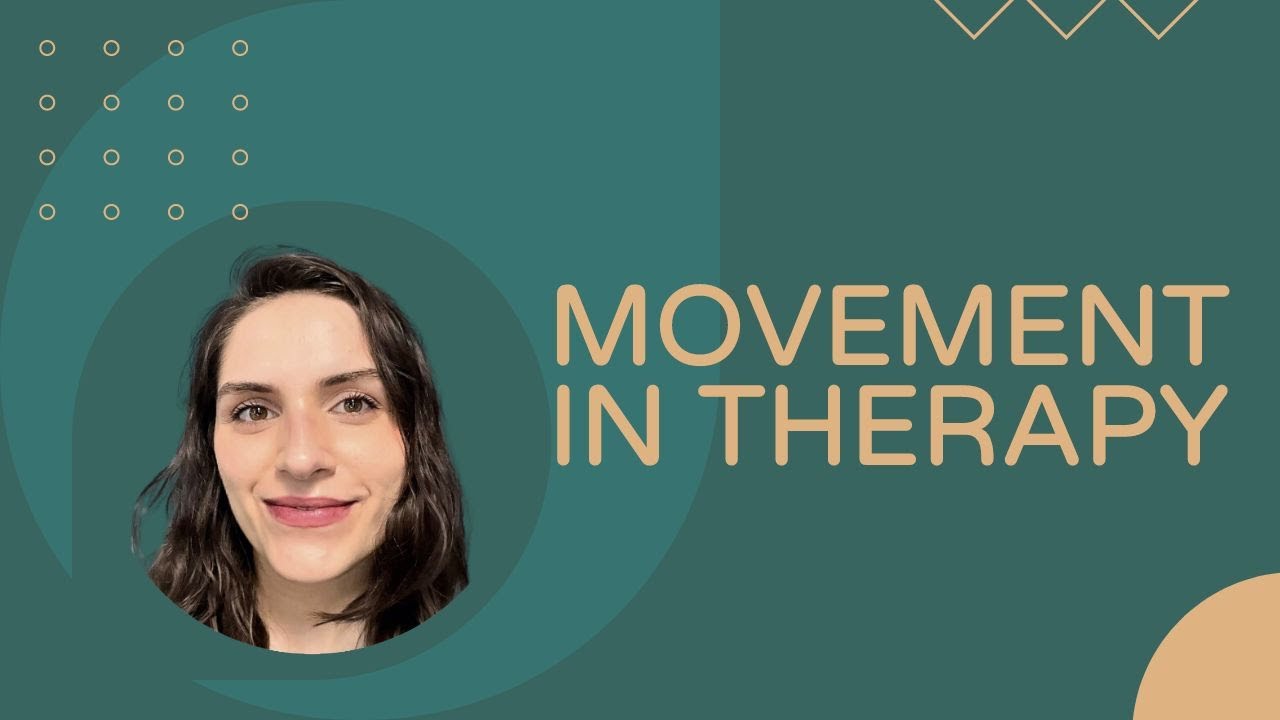
Therapist Sarah explores how walking and movement in sessions can shift power dynamics, help with dissociation, and reduce reliance on sitting and talking alone. She covers practical concerns like confidentiality and neuroaffirming approaches to therapy.
Chapters
Hey, I'm Sarah and I'm a therapist, and today I want to talk a little bit about the benefits and things to think about if you are looking into incorporating movement or walking into your therapy journey. First, a little disclaimer that this is not medical advice and I am not speaking to you as your personal therapist in this video. Like, you do what's best for you and, and all that good stuff. And here are some things to think about with walking or movement therapy. So the first thing that I really like about incorporating movement or walking of some kind into therapy is that it can be a really cool way to, uh, challenge one's relationship with movement, especially if one has a relationship where they feel like they're focused on numbers or achieving goals, and it feels very sort of like inner critic heavy when it comes to movement, it can be cool to bring movement into a therapeutic space because it's just kind of a different vibe. Like when I utilize movement with clients, like I never am like, well, we have to reach these amount of miles or steps or any of that. It's just not numbers focused. And it's more about like, let's just flow with it and not keep track of those things. So it can be a really cool adjustment for some folks, or just almost like a reinforcer of a more sort of like holistic way of looking at movement. Additionally, especially if you are taking walking like in therapy to a trail or doing maybe some stretching in a park during your therapy or something like that, it can be a really cool way to connect with nature. And incorporate nature as part of your therapeutic journey. I love virtual therapy and I think it has brought therapy to such an accessible space. I think it often allows us to like have therapy feel safe 'cause you can literally do therapy like wherever you want. Like right now I'm sitting, I have a fidget toy, I have my favorite blanket and I'm super comfy cozy, right? Like that's awesome. And also, I think sometimes we tend to get a lot of screen time, and walking therapy can be a way to step aside from the screens and be in nature. And I actually recently heard that there's been some research done to say that being in nature, moving your body, how like all of these things can be helpful to sort of repair after we've had a little bit too much screen time. So something to think about there within itself. Additionally, you know, I want to say that I think bringing movement into therapy can be a way of adjusting this power dynamic that often shows up in therapy. Like, I don't know, as a therapist, I, I'm aware that there's this like, "Oh, I'm a therapist" kind of a vibe out there. But if I'm meeting a client on a trail, it's just like, "Hey, I'm a human, you're human, like obviously like there are boundaries to this, but like let's just meet and connect, right?" And I think it can make therapy feel a lot more approachable or also even like more comfortable for folks who maybe don't love like the direct eye contact with therapy and that kind of thing. Additionally, One of my favorite things about using movement or walking or any sort of like, you know, dynamic stuff with therapy is that it can be a really cool tool for some folks who are experiencing dissociation during therapy. So dissociation is a whole other topic. But for those who are like, "What is that?" It's essentially this sort of like internal protective mechanism that comes in. Where we might be feeling emotional and then our body sort of just like shuts down because it's too overwhelming. This could look like daydreaming, feeling numb. I often say it's like instead of feeling like you're up here and present, you feel maybe a little back here, like even back here, like talking in the back of your head. And this isn't like a bad thing. I don't want to demonize dissociation in any way. Like it's something that I think is useful to have sort of a compassionate approach looking at it. And if we want to be able to come back to the present and not dissociate, walking can be a tool to get there because inherently when we're walking, we are like putting our feet on the ground, we are connecting with the earth, and it promotes this sort of dynamic energy. I think the same can be true for like stretching or even doing like power poses or maybe dance or qigong or like all of those kinds of things too. Also, in this spirit of bringing dynamics into therapy, I do think that there is something to be said about using movement specifically with experiences that are related to projection, because some emotional experiences we have are sort of this thing that we really want to own and that we're like, "This is mine. I want to own it. I want to hug it. I want to like sit with it." Right? But there are other emotional experiences that we might talk about in therapy that are literally about like other folks or messages societally like being put onto us and the work isn't necessarily about sitting in it and taking it in and hugging it and soaking it and it's more about like I gotta give this back, this is not mine, like take that back kind of a vibe. And even just saying that, like it has this sort of like movement to it, like no, take that away. And I, of course, I think there's space to do that sitting, but you might find it feels more fruitful or physical or, to walk with it or stretch with it or something like that. Additionally, I think something really cool about therapy is that we used to think of it in this way where it's like, I am sitting and you are sitting and we are talking like this. But there's so much space for that. Like, it's so powerful and I don't want to like diminish that in any way. But I also think that there's times where like that is just not gonna work for everyone. And it can be sort of like neurotypical in this box kind of thing where therapy can like, like, let's be neuroaffirming and accommodating. Like maybe someone just feels like they freeze if they're sitting for a whole 50 minutes or an hour and maybe they would feel a little bit more regulated or able to sort sort of sit, like ironically sit with their emotions, or I should say be present with their emotions, if they were to have some sort of movement involved. You know, and I just think this phrase of sitting with our emotions, and I literally just said it, it's so interesting because it's like, well, do we always have to sit with our emotions? Is that always the most helpful thing? Maybe we need to move with and through our emotions. And, you know, maybe it's not even about sitting with an emotional experience at all. It's like less— it's more about instead of turning away from this experience, can I turn toward it, which is dynamic within itself. So again, there's just so many metaphors when it comes to movement and therapy that we can think about. So I do want to say that like obviously movement-based therapy, it's not going to be for everyone. And that's okay. Like, totally cool. I know there's also some confidentiality things you want to think about if you were to meet a therapist on a trail, and that's something that you and your therapist would talk about before meeting on a trail. At least that's what I do with my clients before we meet. And if this is not something for you, like, that is totally cool. And if this is something that you think could be helpful for you, maybe it's something you would like to explore further. Thank you so much for watching, and let me know your thoughts or questions in the comments below.








