Episode 263. “As soon as I took ownership, my life skyrocketed”
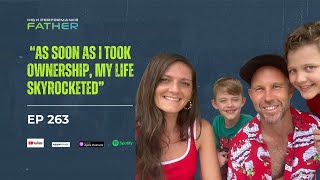
HPF Coach talks with Luke O'Brien about his journey through family struggles, fertility issues, and self-improvement. Luke credits taking ownership for turning his life around, and the conversation covers his pull-up achievements and what changed when he stopped blaming circumstances.
Awesome. Strap yourselves in. Mem. We're in for a another big podcast. Whether you're watching this on YouTube or. Actually, Luke hasn't given me permission. He's a very handsome man. That's why I was going to put on YouTube track the start high performance mother with 50000 members. But this dude's. This dude is crushed my goals. Bastard. The 500 pull ups. We'll talk about that. We'll talk about. We've got a member joining us, Mr. Luke O'. Brien. Mate, thanks for giving us the time and jumping on our session today. Absolutely.
Pleasure to be here, mate.
They can't wait to share your story, man. Six months into the journey and actually it was you and me that spoke and I remember our corners. What I really loved about. Yeah, look, love, love all the members but what I really love about you and our core was hey, life's not bad. I just want more. And, and I. You know what's funny in today's world, Luke, like me man, so many, so many men are either A ashamed to admit that or B, don't publicly advocate for a desire for more and or C, don't allow their actions to do that, which means they're subconsciously by default just pulling themselves away. Even if you've got an above average life, you're still like, well me man, how much can you do? How far can you go? So I really, I really enjoy that, you know, and that doesn't take away the, you know, the value in helping men. Hey, I don't know what's going on here. I don't get women and my wife just fucking said this and that and I get that, man. But I really enjoyed our call because in some aspects, and you obviously you can see differently now, but in some aspects, quote unquote, compared to other people who'd be like, oh, what do you got to complain about? Well, there's no need to do anything there. There's no reason to do anything. And that's, that's what I love most, man. I think I'd never share this with one of the other podcasts with Hutto or not, but I've definitely shared it with the coaching team. Like your character and strength in life is always best built off the back of challenging yourself when you don't need to. But everyone waits until life them in the ass and then they're oh wow, I've got a job. Like they're passively moving through and then they get challenged then mate, boom. That's like a steam train just, just Knocks you and you're done. Yeah, so I just, just reflecting man, I was like yes, I remember our chat. It's, it's, it's pretty awesome because that's how I roll. I love that. I like to be proactive and like I said you technically you had no real reason to do anything above and beyond or even join hpf. But yeah, here you are, you had that hunger, that thirst and ambition we'll probably dig into a bit today but I fucking love that man. Like I live and breathe that like what's the alternative? Right, but mate, we'd love to share I guess your story first start with like and just a bit about yourself. Get the listeners here, whether it's members or non members just to obviously the members have seen you high flying with the, with the hundreds and thousands of pull ups that you've been doing which is awesome. But yeah, love for you to share a bit about yourself man and we can walk through the journey together of what led to HBF and what you've done so far.
Yeah, cool mate, thank you and thanks for inviting me on. It's definitely an honor. Yeah. So my story. 41 years old, married to beautiful wife Jesse, two kids, two boys, Maverick who's seven and Harvey who is nine. Yeah, like I said, not a lot to complain about in my life. You know, we've had our ups and downs and whatnot but originally from Victoria, Jess and I moved up, what is it, 12, 13 years ago now to Darwin NT. We're coming up for 12 months and then going to head home to get married and have kids and very typical Darwin story where we're still here, kids are, yeah, kids are here and we're still here. We could be here for life I think much to my parents dismay. But anyway, yeah and yeah, life's good mate, works good like provide well Jess isn't like she isn't working, she hasn't had to work since we've had kids which has been something that's been really important to me to keep that sort of family unit and the mum at home with the kids. Yeah, had two boys and then we actually had a third on the way and then lost that one to like a late, late pregnancy term pregnancy, lost that one and that hit us really hard and sort of got, got back into it you know after certain amount of waiting period and whatnot thinking I, you know we'll keep going and then four and a half years later, couldn't get it done. Like first two, first three pregnancies really, really quick like first go sort of thing. So then, yeah, I, you know, it was super sad. We're sort of treating it as a lost pregnancy rather than a lost child sort of thing at the time, thinking that, you know, we get. Get another one in and, and life goes on. But yeah, four, four and a half years later and we still, we couldn't get it done. We were the healthiest we've ever been. We, you know, putting all the effort in doing all the right things and just, just not getting there. And our, I don't know, I sort of felt our focus as a family or as a couple. It was just baby, baby, baby. And it was, you know, I was starting to feel on the outer a fair bit. You get, you get booked in for that few days a month and then, you know, feel like you're. You're on the outer again, which is totally understandable. That's not having to dig at Jess at all. But, you know, as, as a man and a husband and not being able to get the job done, like, there's a lot of things sort of, you know, that eat you up a bit. So, yeah, just sort of feeling last in line, I guess, with that focus being on the baby. So, yeah, rather than, Rather than just like, I was sort of. I was sort of ready to accept that and settle is not a good word, but I was sort of just like, this is how my lot in life sort of thing. Like, no, no thoughts of breaking up or anything like that. Like, it wasn't going down that path, but it was, it was just like, well, this is what, you know, what my life is, what my role is now. But then I thought, no, that's. That's not what I do. You know, sit back and do nothing. Like, I usually jump. Jump at stuff. Pretty, pretty head on and started sort of researching different programs. I'd signed up for a couple of different, you know, different ebooks and the likes and seminars and stuff like that, like in the, in the men's space. And they were okay. But then your, your head kept popping up on the ads all over Facebook and typical story to all the guys on the inside. It was like, you're speaking directly to me in, in probably all of the ads that popped up. It's like, who is this bloke? Like, you know, so, yeah, jumped on the podcast and just went hard for two weeks straight. I don't know, probably listened to 100 of them in that time. It was over Christmas, so I was off work and just going hard on it and it just really spoke to. And the whole concept of becoming the prize, like, the issues I thought that, you know, we're having as a couple sort of thing. And, you know, I'm doing all this, I'm providing you don't have to work and, you know, rah, rah, rah. Like, why. Why am I sort of last in line, I guess. And yeah, that. That concept of becoming the prize, like, that was. That was the turning point for me. And I'm like, holy. I'm definitely not the prize that I thought. Sort of thought I was. I hadn't. Hadn't really looked at it that way. And I'm thinking like, yeah, it's. She's not the answer. Like, I'm the answer. I've got to do better here. Like, you know, support her more and become a better man and, you know, fill that role properly rather than moping around thinking poor old me. And yeah, that's. That's what led me to. I bought the Marriage Playbook. And yeah, just whiz through that. Like, I'm a big consumer. I'm always on podcasts and whatnot, but sort of don't follow through with a lot. I got a lot of knowledge that I learned from all that. And then, you know, but the hpf, like, podcast and then the Marriage Playbook, and I'm like, no, I'm. I'm into this. So put the inquiry through. I was lucky enough to get. Get you call me. And then, yeah, that was New Year's Eve 2024, which I wasn't stoked about the date because I. I don't know why, but I didn't want it to be like a New Year's resolution. But yes, anyway, kind of was, I guess, day one. You had the charge up on New Year's Day. I remember. Remember that and just have not looked back since. Like it's been. Been unreal life. So that's me in a nutshell.
Yeah, man, that's not. There certainly hasn't been a news resolution, was it 92% fail in the first four weeks, I think is the stat. So let's write that off, mate. Certainly wasn't a. A typical one anyway. Typical one anyway. Pretty powerful stuff you just shared, man. Like, I made a few different notes here. The. I guess I'd like to work back. Probably back reverse order becoming the prize. So. So we talk about this and look, some. Some wives say to their husbands, look up, you know, we're in hpf. Look, it's good you're doing hpf, all this sort of stuff. But one thing I struggle a bit with is that, you know, else has that become the prize. And so we've had that feedback with a couple of fathers asking, I guess, tips or advice, or I'm like, yeah, well, look, the thing is, we've. We've swung. We've swung the pendulum so far where we go above and beyond and provide. And typically, like. Like yourself, man, and all of us, we. We do everything or throw on the wall, see what sticks. So the. The depth of value given the effort we're giving out is not always reciprocated. So it's like, all right, well, I'm like a martyr, and we talk sacrificing yourself. So we've got to bring that pendulum back a little bit by overcorrecting, saying, well, hang on, like we said, be 100 to give 100, not, not hold it, not keep it, not save it, be 100. So you can give it out firstly. But secondly, there's a second part to that. Become the prizes. Become the prize for your family. Like, we're not all here on an island chanting stuff, building things, lifting weights, and on our own. Like, we. We're here to invest in ourselves, to become more for what matters in us, in our heart and soul and in and around us in life. Which is the most closest sources? Obviously your family, that's under the same roof. So it's. It's an interesting concept, man. I'm curious, though. And all the men listening to this who aren't members, just. Just know, like, you. You've got something, you know, like, so when I say the rest of the world, the masses, most men are duds. I'm not judging the identity, I'm judging the action. So. So when I say that, I'm not saying this to men who listen to the podcast. You listen to the podcast, man. It's awesome. Whether you're ever a member or not, well done. But yes, Luke, for most people, they just stay in victim mode, man. And. And I. I don't get that. And that's. And some of you guys who are listening might be stuck in that mode. So I do get it, but I don't get why you stay there. It's like a pity party, but you're the host, you handed out the invites, you have the power to turn the lights off. So I'm very curious on that one. What shifted for you, man, where it's like, not. Not that I'm saying you're a victim, but I get it. It's like me, man, I'm doing So much. I'm getting nothing. But, mate, I felt that my wife's about to have our fourth. We're going through like a tough.
Like, not.
Not tough, but it's compared to what it was before hbf. But we're going through a tough period where it's like, oh, I'm obviously lucky and wise enough through hbf. I'm like, we're going through a tough period, which I know is coming and it is what it is. Crin can't give me the energy, the time, blah, blah. So we're sweet. It's just we are, logistically, physically, mentally, it's a tough time. I'm not crying, poor me, but. But a lot of men don't have HPF the wisdom to steal. Like, how did that change for you, man? Because that's quite a common thing, just to hold on to that grudge and that's what leads to the rupture, the big one. But, yeah. So how'd that change for you?
Yeah, like, I definitely would say I was having a pity party in those periods where, you know, you sort of think I am doing all this and then. And, you know, just not getting that. Not getting any return for it sort of thing. And those expectations and chasing and whatnot that we learn about, obviously, in hpf. But the changing point. Don't know. Like, it was definitely victim mentality, which is funny now because, like, I. I can't stand people that sit in the, you know, play the victim for life sort of thing. They'll be like, oh, my childhood. So therefore I can't do this. And when I'm 45, you know what I mean, I can't stand it. And I. I see through it so easily. But then looking back, it was like that, you know, to a degree, that's what I do. Not all the time, but it was these, you know, two, three, four day periods where you sort of get in your head and you notice, hang on, I'm done this stuff. And then, you know, I'm not getting any praise for it. And, you know, definitely, like, yeah. And I'd get in my head about it and it just build up, build up and build up until it blew up into an argument. And we. It was the same pattern, you know, it happened once every, whatever, two months, four months, we never blow up about it. And then, you know, it'd be sort of eggshells a little bit, and. And then, you know, it. It'd be great. And then it'd happen again. So it was just this reoccurring Pattern. And I could just say that if that kept going, like, where's that going to end up? You know, like I said, we weren't on death's door, anything like that. But it's like, you know, five years more of this or 10 years more of this. Like, you know, we're gonna. We're gonna grow apart, I guess, or I'm gonna, you know, I'll be out in the shed drinking every night, so I'm not in the house, you know, being the Viking and being grumpy and, you know, no one wants to be around me sort of thing. So that was probably the change, like, just looking forward, like, I'm a. I'm a problem solver, I'm a man. So that's what we do. And I kept trying to solve, I think, the relationship problem or her problem. And then after zooming out, and it wasn't her problem, it was. It was me. Like, it was 100 me. And I think in our call, our initial call, like I said, it's sort of hard to even remember what the problem we had were because they're just. They've disappeared now that I've zoomed out. Like, people on the inside probably laugh at me saying zoomed out because that's what. That's what HPF is to me is just, you know, instead of being stuck in the moment and not knowing where at you. You take, you know, you zoom out. You're like, oh, now I can see you know where the issue is there. And, you know, this is how you fix it, or you don't know how to fix it. And you jump on and you talk to some of the other guys and it's like, yeah, I've been through that. This is, you know, this is what helped me. Or this is how you shouldn't do it. I didn't do it. You know. You know, there's just so much advice within hpf. So that's probably. Yeah, it was me looking to the future and realizing that, you know, something needs to be done, and that's. That sort of pulled me out of. Yeah, looking forward, like looking ahead and then seeking. Seeking help, basically. Like I said the other courses and then finding hbf, but that's that changing point, I suppose, is not not wanting to just let it keep going in the same pattern.
Makes perfect sense, man. Like, we talk about, like, why. Why men need to lead, right? And with women, bless them, they're emotionally regulating and volatile creatures. Left, right, left, right. That's just the way they operate, you know, like six Lane Highway. So what you shared just then, that was. That was a bit of an epiphany I just got. Because, like, that's how women are wired, which is why they struggle to see deep into the future. So I can. You can go into the future through emotion. Like, oh, you know, I'm worried Luke won't be with me. And that's, you know, and then what will that mean for the kids? But when you're typically. This is what I got from it anyway, mate. When you're typically in a charged emotional state, if you do that before, the logic you actually can't see. It becomes foggy. Whereas the opposite is. If I can look at logic. Okay, well, let's go down in the. Because that's what I'm getting from you. I actually had the vision. Vision and foresight to go, where would this go? Okay, that will be the outcome. So you actually went logic first, and then, okay, well, then how would I feel? That's really. Is that. Is that why you like. So why do you think men. That's what I got from that. It's like, well, if you do logic first, let's forecast in the future. And then the emotional attachment to the positive and the negative, they're more empowered to do something about it. Whereas if you're just emotionally charged in that state, you just can't see. Like, is that. That. Is that what. Like, why do you think so. So you did it. You saw it. And many hpf, and that's what we do. Hpf. We're big on that. But is that why you think a lot of men can't snap out of. Because a lot of guys, it just keeps going in the boom is because they're just still too. Either poor me or emotional. And I get it. It's not your fault to feel that way, but it's your responsibility to do something with it. You know, like, it's like we all. We've all felt that way unappreciated. But, yeah, it's your responsibility as a man to do something about it. But, yeah. Why do you think men can't make that? Is it because they don't do that exercise and just go, okay, where is this actually going? Or what. What do you think's the block? Because that's most men.
Yeah, I think there's a lot of Just blame. Blaming other people. You know, it's her fault. She's like this. She's a. She's ra. And it's always like. And I think it's a lot of the Whole family, self and service. And they're usually strong in service. They're like, I go and I work eight hours a day and I do this and ra ra. And you know, what do I get for it? And then they think I'm doing my part and it's blaming the woman for not doing her part. So I wasn't, I wasn't like that. I guess in those moments I probably got like that. I thought, geez, you've got a good life. And you know, why aren't I, you know, praised more or whatever? And yeah, so I guess in, in some moments I wasn't looking forward and it wouldn't, it wasn't in those, you know, three, four days of moping around that I was having the foresight. It was usually in the, the day after or a couple of days after. I'd always reassess how, you know, how the, the blow up went. And I always think, did I handle that well? Or what's her point of view? Like, I've always sort of been like that, but I didn't have the answers. I could see I was not happy with how I handled it. But I'm like, I just can't get my point across. I'm saying ABC and it's like, she's here in bloody XYZ and you know, and that was just. We weren't getting anywhere in that, in that regard. But going back to other, other blokes, not reaching out or not looking ahead. Yeah, I think, I don't know, I think it's just not looking at that family self and service, not even being aware of it and just going, I'm, I'm killing it at work. So that's all I need to do. And I was definitely like that as well. Yeah, hands up. That was, that was me too. Like, I figured I'm providing, so therefore I'm done sort of thing. And even just being lazy around the house and helping out and whatnot. And I'm thinking about, well, she's not, she doesn't have to work. Like, you know, it's fine. She's doing the lunches and the washing and the cleaning the kids and this and that and whatever. And it's like, absolutely. It's a harder job than what I've got by far. But I think because of the money side of things, you know, I'm providing the money. That, that, that was enough. But it's, it's really not separate. Like 100% separate.
Shit, man. I think, can you run the HPF ads for us? From now on, moving forward or fuck me. What you said then is gonna. Because obviously I've had a lot of conversations. It's gonna resonate with a lot of you guys listening. It's. It's so true. And it's. Yeah. What I got from that is like we feel significant at work because we're important. We're getting a. Typically with work you'll get a faster feedback loop, you know, like, yeah, cool. Have more sex with the wife. That's a byproduct of the dance, the romance, the connection, the intimacy, the respect which then can build into more affectionate love because you're giving each other the time. And whereas work, it's like I do this, I get that I do. It's like shooting baskets, you know, I either get it in the basket or not. But then if you're tripling down on work, you're typically doing well even if you're under the pump. Which means there's people around you that would see you as a leader. So they're championing you. So the fulfillment and the reward is it works. Oh well, at least I've get appreciated work. So we start to plan these things make and definitely see that. I can see that being a pattern with most people. And when my marriage fell apart which started hbf, it was that it was only a one hour drive to work. But yeah, it was a two hour turnaround. But at the same time, mate, I was just too like way too much into work emotionally invalidating that as my identity. It wasn't even the time with or without the family. It was where I placed significance. That's what I love, man. Founding principle like the first thing we ever created. I feel blessed somehow. That was a lucky one because all things from there on I certainly didn't cradle was inspired from the men but family solvent service mate that has never ever been threatened rocky or shaky ground. It's just so true. Other thing too you mentioned man. If we keep blaming people, why a lot of men probably struggle is because if you, if you keep casting blame outwards. Think of it this way, if you're giving the reasons to something other than yourself, well then you're also giving that power. Like you're forfeiting your power and control, aren't you? Don't do anything about it. So if a man's just doing that, it's like, well I'm giving up any chance I have to do something about it which probably has them stuck, I guess. But you so up in Darwin you don't like the Melbourne weather. You don't like Victoria Nice.
Like I lived there for 30 years and it was the normal. And then we got up here. I'm like, what? It doesn't have to be cold and.
Pale five seasons in a day.
Yeah. Five, six, whatever they're up to now. Like, yeah. My mum, my mum keeps getting like because she's dirty that you know, we've got the kids up here but she's like, well you lived here for so long, you know, it's not that bad. And it's like, yeah, true. But it doesn't have to be like, you know. So it is hot, it's sweaty, it's humid up here for half the year and then it's paradise for the other half. But the hot and humid and sweaty, I'd give that any day over sideways.
High wind and you'll never have dry skin. You get shredded. Mate. I was up there for a holiday. It was beautiful, man. I loved it. I got shredded in a week.
That's it. People think I'm crazy because I've got a sauna out in the shed and they're like, what? I'm like, yeah, well that one doesn't get that hot, you know.
But the sort is to cool down the sort of. To bring back memories of Melbourne.
Me and the mate were putting it together out in the shed and it was a stinking hot day and we're sweating our ass off in there like what are we doing like. But no, it is good.
People who send you the company would have been like, this is the only order we've ever had for the Northern Territory pretty much. But that's gone.
It's been like getting down to 14 overnight. It's been freezing. Everyone's getting around in hoodies and pants. My kids don't know what's happening. They're like, yeah, 14 cold.
That's so funny, man. So funny. I went to Victoria for. Went to Melbourne for a catch up and made it just cut me in half the wind and I'm in Sydney. I'm like. And I couldn't believe just the change. So yeah, 14 would be cold for the. The climate that you're used to. It would be made. It'd be good for us at the moment. It's been freezing down here. Be a hot summer day is an interesting man. I guess I'd love to get your take on because you've obviously, you know, you're very driven businessman in great shape. You're pushing up. We'll talk about some challenges with. With pull ups and whatnot in a sec. Family, man. Wanting to build family, self and service. 1% man in life, hit the top. Love it, man. It's, it's tough the challenges you went through, Luke. You know, we did IVF for, for our first two and our expecting fourth. Roman was surprised, but it's really hard. I think that's when I mentioned earlier, like your character's best built off challenging yourself when you don't have to. People see that as a waste because you don't have to. Oh, why would you, man? Why? Why? This is the reason. Like I don't know about you, but when I was young, man, I saw babies everywhere. So I didn't think it would be that hard. And mate, Roman was so easy. It was a surprise. But the others were really tough. Lots of struggles, lots of mental emotional stress for Corinne and for me because you're failing but you can't really do anything as a man. And yeah, and it's like, so when I was young, I never thought, I thought I'll grow up and I'll be a dad and she'll be right. But after two years, Crin and I were actually contemplating such mind boggling that we're on the way to having four. But we're like, oh, we might just be one of those couples who never has kids, like my uncle, because my uncle never had, never had children. Couldn't conceive just like what you went through, man, I don't think people quite understand. It's not, not like we're trying to just be some sort of tough warriors or Spartans. Like, man, you need to prepare because life has things for you that you can't think of. You don't know. You have no idea what could exist that could challenge you. And that's why it's a challenge. It's not something you're preparing like a game of footy. It's like you just don't know. That would have been tough for you, man. Like I guess, walk me through, like, how did you, how did you, you know, and just sort of manage to move through that because that is, that is tough. But also, what do you think is a common problem out there for men today which really catches them short and they, they find themselves on the short end or, or chasing the tail or, or not getting to where they need to.
So, yeah, the fertility side of things was hard. It was hard, yeah. Not, not to get the job done. From a male's point of view, like the reason we lost the baby was actually like a chromosome issue that I carry that. We found out. So then going forward then we knew that there was also risk with the. The next child, you know, can. Can still have it, but there's more tests than that you can do to sort of mitigate or not mitigate it, but find out early enough and all that sort of thing and doesn't get as far along as we got to the first time. Yeah, but just, Just helplessness, like, you know, knowing that. That she. She really, really needs another baby or wanted. Needed. Like I keep saying it's terrible word, but replacing the one that we lost, it's not the right word, but fulfilling the, the gap that was left, I suppose, and not being able to provide that as a husband, like, that's pretty, you know, there's shame around that, I guess. But also knowing, well, there's not much more I can do about it, like, you know, and I'm. I don't know, I'm a pretty positive guy. And knowing, like, hey, we've got two happy, healthy boys. They're great. They're awesome kids. I could sort of see that. And I'm like, I'm content with that. Like, another one's great and happy to do it and want to do it, but if it doesn't happen, it doesn't happen. I'm content. But then that's not how, you know, she sees it, which is perfectly fine. Women are so much different. They carry them. They've got that completely different connection than what we have. You know, obviously we don't see them until they come out, but it's. It's life they're carrying and creating inside them. So I absolutely get where she's coming from. But, yeah, we're just as male and female, obviously feel different things about it. And, yeah, just not being able to provide that for her is, you know, that was hard. And. And also another part of it is like, you know, it was four and a half years and there was times there where, like, you know, it's probably not going to happen and whatnot. And when do we cut it off sort of thing, get on with our lives? I was sort of getting a bit over, you know, life just being on pause. It felt like, like we weren't progressing in any other areas, weren't chasing, you know, development within us or anything like that, because it was just baby, baby, baby, and, and even like, putting the pressure on her to, like. We had discussions about, you know, when do we call it quits? And it's like, well, that's up to you, because I don't want you to resent me. If I draw the line in the sand and we, you know, go forward, we never have another baby, you'll resent me. And that was just being weak. I think, looking back at it now, because I should have been the leader and the man and taken that burden on from her, you know what I mean? Like, not at year one or two or whatnot, but it got to a point where we sort of. The writing was on the wall. It wasn't going to happen. So that's, that's something about being the leader of the family and the, you know, is, you know, you do have to carry some burdens or take burdens away from them where you can. I think that's our responsibility and not poor me for, you know, having to. To carry them. I think that's. That's just the way it is and that's sort of. That's a bit of a regret through that time, which I can't change now, obviously, but I can just, you know, be. Be a better leader of us going forward. It's just motivation to. To sort of not, I guess not hide behind anything like that in the future is to hit it like, head on. And yeah, that's sort of where. Where that is on the fertility front and getting past it, like we got to a point where, yeah, I don't know, it was just. It was just time. I think she'd sort of come to the realization and that's. I wanted to let it get there naturally. So it wasn't that it was mainly selfish. So it wasn't resent towards me, resentment towards me, but. And she probably needed to get there too. If I cut it off early, there would be extra resentment there. But then getting to that point and then it was like, right, you know, it's sad, but we really have to be thankful for what we've got. And then, you know, she's jumped into. And I've sort of pushed her into like a real, like vigorous. Not vigorous, but a fitness campaign. She's always been fit and healthy and we're very much on the. On the health. Health train, especially in the fertility. You know, four years that we were trying, like, you get. You're always finding healthier and healthier ways to live. So we actually live a very healthy lifestyle. But yeah, sort of giving back to her or her giving to herself rather than the whole baby path. And yeah, she's paid for some, some courses, like some, you know, paid training and whatnot. And she's doing really well in it. And that's been a good line in the sand from her. For her, I think, like, yeah, baby's sort of in the past now. Now it's working on herself and it's paying dividends. Like she's. Yeah, she's getting so much more confident in herself and, you know, a lot happier. And it's. The baby thing's always going to be there. And I get that. Like, I don't, you know, it's easier for me to sort of think, well, that's. I'm done with that now. I'm happy and content. But obviously that's going to be there forever for her. That's just, you know, the difference between male and female. So I have to have to respect that and help her through it. But, yeah, sort of been a good, A good line in the sand is her focusing on herself rather than the baby thing. That's sort of what's moved us forward. That's the definitive point, I guess, where we stopped trying that and, you know, moved on. So finding something better. You know, you say no to something, you've got to, you know, to say yes to something else. So we've got to move through that.
Yeah, that's what I love about you, man. Like, you're. I wrote a couple of things here around focus. Like, you really like men. What you focus on becomes your life, the end. Like it really is. Whereas it's not about being delusionally optimistic or positivity fairies. It's literally you. You focus on. Okay, and, and not as a robot either. Like this. There's. There's real emotional attachment to most things that we experience in life. So we need to allocate that accordingly. Sure, but, but you had a good blend of both where there's like, there's obviously an emotional connection to this, but there's also a passageway forward possibilities. What can we do? How can we focus on ourselves? How can we rebuild, you know, and then. And move forward? That's. That's a really, that's a really tough one though, man, because I absolutely get what you're saying. So I think, I think he did really, really well in that situation. The only thing I would look at that there is like, yeah, it'd be hard for me to give Corinne a def. Time because no matter what, no matter what date you set, 20 years time, we're going to stop. They'll be like, well, you. What if it was 20 years in one day? Like, we know how women are. So. No, I think you did the right thing, man. The hardest part is Managing the hardest part is leadership that can softly lead one towards following through the same parameters you would follow. So it'd be a case of, look, Corinne, there's a. And that's what I love about just being transparent, open. Look, Corinne, there is a real risk that if I just went hard with this for your protection so we could move forward. You may carry resentment, however, here's some food for thought. I want you to go through this exercise. What would need to be true or what timeline would possibly exist for me to be ready to move on with this. And if timelines never, that's okay. But what's something you're willing to accept? You know, is it 18 months? Is it 111 days? Is it 247? And. And just navigate towards. It's almost like I would train and try and just instill in her mind a, A deadline without saying, that's the deadline and that's even then, man. Like, yeah, so I don't think you did anything wrong there. But that's a, that's a delicate one too, which I think you, you massage quite well. Really well. What. What do you think's. And then the second part of that. So definitely what you focus on your. I guess this will lead to that second question I asked you about where do you think men missed the mark in life? That's essentially what the question was. But I'd love to answer both in one go. Like, why are you so ambitious, man? Like, driving you? Like, that's a real, like, we've spoken and, and I think there's massive goals for you, man. I really see you just warming up, even though you're already crushing it. But, like, what's driving you, man? Why are you so ambitious? And what. And why or how do you think men are missing the mark today where they're just. Just not living up to their potential?
Why am I so ambitious? I do not know. Like, I, I feel it. I, I don't know why. I just, I guess I just look around and like, no disrespect to other, other men, but that are happy just working until they're, you know, they're going to be 70 now and they can retire and whatnot, and they're just content. And I guess that's from a service point of view, but like ambitious in, in the service field. Like, I mean, construction and invest, like property investment and whatnot. Like, I just think, why not? Like, why settle for a job working for someone else for so long to get like, it provides bloody life support basically. Like, and you're just trapped there. And that doesn't bring freedom, like time freedom, I guess. I guess that's what I'm sort of chasing. I'm going pretty hard this year financially, putting balls on the wall and on the line and, you know, going for it. But it's for the. Yeah, the drive to do that, I guess, is just. So it's probably, probably a lazy drive so I don't have to work for someone forever.
But that's a good excuse. It's a good. Yeah, but you're ambitious in life, man. Like, walk us through the pull ups, because it's pretty crazy. So I did 500 a couple of years ago on Good Friday and that was that just. That crushed me for a few months, actually. I, I don't know if I shared that, but yeah, man, I was, I was struggling for a little while. You're setting high standards for your two young boys. You know, you're turning them into weapons. Obviously the relationship with, with Jess and fostering that through the stages because, you know, it's not. We're not teenagers anymore. And yeah, of course, work. So you're, you're not.
Not.
Hey, I'm a hungry, money hungry man who just doesn't want to work like you, you, you, you've got the gene, man. But like, is it a gene? That's why I don't want to discredit the guys who, you know, aren't in HPF or haven't done what you've done. But, but you do have it. Like, you've got. That's why I'm just like, you're so ambitious, man. That's. It's awesome. I love that. Like, it's because. Yeah, why not? Like, you've got one shot. You're gonna be dead one day. Why would you want it? Look.
Yeah, yeah.
People say why. I say why not? But yeah, I'm just curious on that. And then, yeah, walk us through the pull ups as well, man.
Yeah, well, I guess it's probably. Yeah, why not? Is. Is probably a big part of it and. Or you've got a little helper behind you. Yeah, why not? You know, why. Why settle? Why not have a crack? And definitely since HPF is the glass ceilings. I've spoken about this before, but yeah, identifying these glass ceilings, go. Hang on. Why? Why can't I do that? Other people are doing it. Why the hell can't I do it? Like, and with the. I suppose getting into the pull ups, that was. Yeah. So when I joined up and you know, see a Couple of the guys within, you know, hitting pull ups for their training and whatnot. And it was actually hodgies episode. I know it's 2:30 because I've forwarded onto a heap of mates like before I even started. I think it was 2:30 and he was talking about, you know, not being able to do a single pull up and then just persisting and training and I think at the time recording mine 250 or 350 or something around that.
In 40 or 50 minutes. It's pretty good.
Yeah, he's going for it. And so then when I started like one of the things with my coach Eric, who's a legend, big German giant, happy birthday yesterday, he, you know, setting goals and whatnot as you do when you, when you join up with coach and going through things and I'm like, he goes, what about you know, fitness and whatnot? I'm like, I've never, never considered myself fit or strong like cardio wise. Just never even playing footy in juniors. I just didn't feel like I had the gas tank like running around with everyone else. I just felt I was lacking in that area. So I've sort of, that's been a story I've told myself for you know, the next 30 years that I'm just not fit like that. So I didn't pursue it and the whole, you know, wouldn't call myself strong. And then he's like well what would have to be true to call yourself fit and strong. And I'm like well in the strength side of things. I'd heard that you'd done you know, heap of pull ups and I thought oh, if I could do Al's record, you know, I'd be pretty still pretty strong if I could do that. He's like right by the end of the 12 months, if you can do you know, 500 pull ups in 98 minutes or whatever it was, that's, you know, that yep, I'd be strong if I could do that. And then with the, the fitness it was running like just not a strong point and said right, 10 k's in 50 minutes we'll do hit 5 minute k's and I went January, whatever it was, I thought I'm going to run 10Ks. I've been running a little bit with a mate like once a week we'd go for a jog sort of thing and definitely wasn't setting any records. And even running next to him like he just seemed naturally fitter. We were doing the same work and all that but it Just, just. And it was a story because since then, like, I think I was averaging 7 minute k's on that first 10k run I did. And I was dead like, headache all day. I was sleeping in the afternoon like it wrecked me. And now, like I'll run 10ks two or three times a week before work and geez, that was good. That was a good, good workout sort of thing. I've got the time down to. I did a fun run, which I never thought I'd say this. Did a fun run June 1st, it was 12 and a half K's and I averaged 5 minute 21. So I mean, I've taken big chunks out of it. And now, like even saying, yeah, I enjoyed that running race I entered, it's like I never thought I'd utter those words ever. So, yeah, still, still ticking it off for the, the fitness side of things. But yeah, the pull ups. Yeah. So I set this big, lofty goal. I thought, I'll, I'll time myself half an hour, see how many I can do so I can set a benchmark. And I got 80 that first time, which I was really happy with because I don't, don't train them, but I'm light enough. I'm 82 kilos. I'm not 116 like you were. And, and yeah, I got through that. I was really happy. I couldn't have done a single extra one. Like, I was buggered. And I was, you know, sore for five days and. And then I've put it out there and you and I were texting and. And you're like, go for a big goal. I'm like, right, oh, I'm gonna hit 501. I'm gonna hit your, your goal, your target. I'm gonna beat it by the end of the year. And you're like, yep, love it. Good luck. Can't wait to see you do it. And I'm then I'm like, oh, and waited a week and then jumped on the bar again. Thought, right, I'll get into this. And I've grabbed the bar and I'm like, I couldn't even do one. I wasn't sore anymore, but I was just so fatigued and I'm just like, I've put this out to 500 blokes. So, yep, this is my target and I'm gonna look like the biggest. But then, yeah, just sort of kept chipping it away, chipping away at it. And Hodgie was really, really helpful. Sent me 10 minutes worth of voice messages on do this Train that don't just go hard at the pull ups, you'll wreck your shoulders and you know, all these exercise in the background and just kept chipping away at that. And yeah. And then once a month I'd do another time test. And I think the second month I was so I went from 80, I think up to 134, 135. And I thought like I was really happy with that. And yeah, and then you know, kept sort of plugging away and then I'd extend the time out to an hour. And then I thought, right, I'll do the 100 minutes or 98 minutes. I'll do that one time thinking, starting at a pace and thinking, yeah, I'll drop off after half an hour or whatever and it'll slow up. And I've sort of maintained the pace the whole way through. And I was 222, I think I got that time. I was like, holy. And then I'm thinking I am sort of, you know, halfway there nearly. And then yeah, each month I did it. And then in April, Thomas done a couple of months but then April I had a crack and I got 460 odd. And I'm like, holy. And that scared the hell out of me because. And I put this up in a video to the tribe. I'm like, it scared the hell out of me like with 10 minutes to go because I'm like that means I'm, I'm gonna hit this record and like I'm gonna have to set a bigger one. Like I was actually no, I was scared before I even hit the first one. I'm like I'm gonna hit it next month and that I hit it in May and I'm like, so how low am I aiming everywhere else in my life that I've set this goal that in January I thought was think I would do it. Like I didn't think I'd do it. And then I'm thinking I'm going to hit this in May. So what else am I aiming low on? And yeah, anyway, May rolled around and yeah, had had my kids out there because you know, they've been a part of this as well. Like they're how many pull ups you do today, dad? Like and that's what I love now the example I'm setting for them, like that's the, the biggest part of HBF and I'm sure we'll get to that. But yeah, they're, you know, how many, how many did you get to and when are you doing the next one? And oh, can I time it with you? Can I count and can I write on the board and all that sort of of stuff. But, yeah, got out there and, you know, thought, right, I'm going for the 501. I didn't announce I was going to try it or anything because I wasn't sort of confident. I was quietly confident. But like, I get nervous before doing it. And then, yeah, kept like, got into it, maintained the pace throughout it. And the boys are like, you're gonna do how many minutes to go? How many you got to do? I'm like, no, we're doing it, we're doing it. Got there and I, yeah, went past and hit 526. So like the, you know, I was pretty pumped. I was buggered. But the kids, you know, they're jumping around and yeah, he did it. He did it like they think I'm bloody Superman. So, yeah, but before I'd hit that goal, I put it out there, I said, look, I've hit 460, whatever, I'm gonna hit this next month. And that scares me, but I'm resetting a higher goal. So before we go to cozy in November, that I was gonna, well, I did more numbers than you, but you were carrying a little bit more weight. So out of that 500 times your bulky frame with 58, 000 kilos or something, you lifted at 707. So that's where I said, right, oh, 7, 10 before cozy. And thinking, I am, you know, just progression, you know, it'll be all right. And then did the 5, 26. And then thought, right, I need to add another two every minute for the, you know, for the working minutes. And then the first time I tried it, just as I thought, I'll do 10 minutes of it and see, you know, six, seven minutes. And I was like, oh, no, I'm cooked. And I'm like, what have I done again? But then I remind my how I felt in January when I set the first one. So it's just, it's like you, you messaged me one time. It's brick by brick. And that's exactly what it is. And that's been a metaphor for so many other things is, you know, even not tackling the pull ups head on. There was so much in the background doing the dead hangs and scapular pull ups and the rows and all that sort of thing. Before I even started actually training proper, proper pull ups, I thought, I've got to do the work in the background. And then like the first month I Don't think I really did any pull ups that weren't like either assisted or, you know, negatives or whatnot. I thought, no, I'm not going to do them. I'm going to focus on these. This work in the background did that. And then when I come back to it, that's when I hit the 143 and I'm like, holy. Like I went, you know, whatever percentage, not from actually doing pull ups but from doing other work in the background. And that's, that's definitely rang true across so many areas within my development. I guess since hitting HPF is not tackling the issues, you know, with the misses head on, you, you know, you tackle your own, your own issues and work on them and you're heading up the path here and all those things, it's like, oh, hang on now that's fallen into place and that's fallen into place. Not even tackling them head on. I think when you chase those results head on, it ends up pushing them away and it's, it all comes back to developing yourself and, you know, leveling up yourself and being aware of where you're falling short and whatnot. And just focusing on that, it sort of feels selfish, but it's not because others around you benefit so much more from it than you just focus on them. So that's where I use pull ups to sort of guide my life.
That is incredible, man. Like, that's the way you, you broke all that down and articulated it and shared it and tied it into life, mate. It's so true. So true. Luke. That's a big goal too, man. That's a big goal. 7:10. I told you offline, I'm like, mate, I want to get, but I want to get, you know, I want to get jacked for Cosby and maybe I'm down to 100, 506, but then I'll have to do more play ups too because I'm lighter. So I might have to be 580 or 600. But, but man, that's an incredible share. You know, even with the kids, like how, how awesome is that? You know, the young blokes watching you and just seeing like just. It's so much more powerful than a word like the example and watching energy in motion, watching you move, watching you calculate things, break things down. Like it's, that's so funny, man. Do you think it's fear of success? What is that? Like, that's a funny feeling you mentioned. I know I'm going to hit this goal because maybe I've been too reckless in, in my goal setting or I've never been. I'll share this on an owl's insight where I've never been the best. It's like as soon as I get great at something, it's not that I jump ship and try and grace. I try and evolve. Right, what's next? Okay, didn't. Didn't make it as an athlete or went through. And then went through the grades and didn't make. Okay, cool. I'm going to keep growing, going. Okay, what about a business with gyms and, and I've always tried to just go for something bigger and larger, so I've never, man, I've never given myself a easy target and hit it. So I actually have never really hit my goals. That's a bit weird, isn't it? But, but I've never had that. People tell me about that fear of success, like, oh, am I setting the bar too low? And, and look, you can set it too high and just be a dreamer with no, no direction. I don't believe that's what I've done either because hpf's got a pretty vivid path on where we're going. It's. It's exciting.
But.
Yeah, what do you think that is, man? Do you think it's fear of success or what's the. And walk us through, walk us through the boys, mate, and the impact you've had with them, mate. That's. That's so awesome. We'd love to get insights on those two points though, for sure.
Yeah. Fear of success, I don't know. I have a habit of getting 99 of the way somewhere and then I don't finish that. And yeah, I'm like, okay, now there's another goal here or whatnot. That's sort of been a theme that I've been aware of and I put things off with that tiny little bit to finish. And I don't know if it's fear of judgment when something's complete and I say, there you go, that's my best. And then that's the time when someone, they, you know, they have their opinion and I'm maybe worried about what that opinion is. Probably not founded, you know, I sort of deliver pretty well, I think. But fear of success, I don't know. I definitely don't set the bar lower. I'm all about setting it high and even higher and higher now. And it's like, you know, if you set it up here and you fall short by this much, it's like it's still you so much further than that low bar. You know what I mean?
Yeah. You know what I'm saying? Is it more like you think just like the natural anticipation nerves of our what's possible and then the unknown or what do you. Yeah, yeah. I don't think it would be that. Yeah, I agree with you man. I think it's because you achieve so much. Like that's you had an 80 improvement with not even doing pull ups. You went from 80 to 143.
It's like yeah, yeah, but, yeah, but then on to the kids. Like that's been the, the biggest, biggest change and I wasn't even expecting that coming into hpf. Like I said the reasons I sort of found HPF and whatnot. But I guess with prior to hbf I'd always. I was dirty on myself because when I played with the boys like it felt like a chore and I was so dirty on myself of feeling that way. And it wasn't that I didn't enjoy it. It was more because I, I got so much going on, on in my life. I'd say I've got a lot of plates spinning and whatnot and then I'd be playing with them and I'd be thinking oh, I should be doing this or I should be doing that and sort of dirty on myself because I wasn't organized. I should have done that job today but I didn't. So now I'm going to do it tonight and I'm kicking the footy with the boys and just not, you know, not I wasn't present basically. And that that changed within the first week of being in hpf. Like Eric, my coach put me onto the get well and which is you know, work life balance I think we call it now the course. And yeah, I'd always sort of had the story. I can't run a calendar because I've got to be reactive with work and you know, people can call me and this, that and the other but doing that and again this is about tackling something else for myself rather than that feeling with the boys and you know, trying to be present with them. Let's tackle this and get myself in order first the structure and the time and whatnot. And so we did that and quite quickly and he's like no, we're following the calendar. We're doing it like it's your time and you your charge up that first one on January 1st about the chunks of life like that saying it's not time you're wasting, you're wasting chunks of life. And that one, like, it hit me straight away and I'm like, who is this wizard? But. And. Oh, yeah, yeah, got on the.
One of the members said that, but yes, yes, I'll claim partial credit.
Yeah. And then I, yeah, got. Got the calendar in order and had the time and I had it allocated for all the jobs and stuff. And I'm thinking right now I can put that out of my head and, you know, hang out with the kids. And the other part was, was I started the 21 day challenge when I started and that was luckily enough, it actually timed when we did the Primal Pairs, so everyone did the 21 day challenge together. So it was really good to start that. And one of those is, you know, 10 minutes, one on one time with. With one of your children at whatever they want to do. And the excitement they got knowing it was their day and they got to pick. And it's like they'd say goodbye in the morning and be like, oh, it's my day, dad today, dad. And you know, I'm like, yep. What are you going to pick? I don't know. I'll see you in six hours after school. And like, just knowing that my time was organized, that I could be with them and I didn't feel like I had to be with someone else. And just being present with them like that, like that, that changed so quickly. Like, it was the lowest hanging fruit, I guess. And it was so unexpected. Like I mentioned to you, we're going traveling next year. We're hitting the road in the caravan for a year. And that came about like, I've always wanted to do it, but that sort of came about in the last couple of years because I'm like, I didn't feel that connection with the boys that I felt I should have had. Always doing something, renovating the house we bought next do doing this, or I'm late with work or I'm on the phone all the time. I'm thinking that we need to do this trip so I can get away from that and build that connection with the boys and come second week in January. I'm like, what do we need to do this trip for? Like, it took so much of the, the, the need to do the trip because I'm like, I've already got it in such a short time. Like the simple, you know, the tiny little course corrections and have such profound impact. And that's like, that's just grown and grown. And I really notice now when I like, if we're not doing it I'm drop the ball and they're like, what about my 10 minutes, dad? And it's like, yep. And I like, that's so important to them and it's so important to me now. And it's 10 minutes, like it's, it always goes longer, but it's 10 minutes and it's like, if I haven't got time for that, like, what am I doing sort of thing. But that's been the big change with the boys and also the, the change in what I'm showing them because they, they obviously watch everything we do, they see everything. And I can tell them like, I always sort of spoke to them like, like a few levels above what they are. Like, you know, explain things, you know, this is why I'm doing this or doing that and whatever. But then my actions wouldn't back it up. And then I think like getting so much into the fitness and looking after myself and whatnot. And even like this past month in winter wars, you know, took on, we had gas tank challenge where there was, you pick one of six, you know, gas tank challenges, 200Ks on the bike, 50Ks running, you know, all the pull ups, sit ups, burpees, all that sort of thing. I thought, bugger, I'm gonna pick them all, you know, feeling pretty fit. So I picked them all, took them all on. So I was getting up at 4:30 in the morning, head torch on, riding laps of our block at home and whatnot. And the boys are coming out in their Jamie some of the mornings. What have you done today, dad? Like, they're just, that's what they expect of me now and that's what they see, you know, a dad is, is that the guy that's getting up before everyone being, being fit, getting strong, eating healthy, you know, all those things as opposed to, I guess back in the past it was like, I know you've mentioned it before on other podcasts. It's like I told him to, you know, go grab some beer out of the fridge, how good's this? And like that was me, you know, No, I wasn't a heavy drinker, especially in the last four or five years with the whole fertility thing. That had definitely slowed up, but it was, that was what they were learning and that was what I was showing them, that normal was sort of thing and that, that. I guess that's probably another reason why I'd never call myself strong or fit in the past is because, you know, you'd hit, I'd start on these, these, you know, workout plans and all that and I'd do it for two weeks, then get on the piss with the boys one Saturday night and feel wrecked. And that exercise thing was out the window. So I've never sort of stuck at it and that's been a big thing, sticking at it. But yeah, the boys don't see me as a drinker anymore. Like I don't see myself as a drinker anymore. Like it's, I've changed that story from, you know, I drink to or at the start it was like I'm having a year off drinking but now it's like, no, I don't drink. So that's been a big part that I'm really proud of, I guess. And changing that now with the boys that's, you know, hopefully it's sort of early enough and I think it definitely is. But they're not going to be growing up just thinking, you know, as soon as they can they, they want to be getting beers and you know, doing all that sort of stuff. And like I had a great time growing up, don't get me wrong, like form some pretty good friendships with mates that I'll be friends with till the day I die. Like around drinking and what not. But also like it wasn't a requirement and I think if I can that path of health and fitness a lot earlier than I came to it, you know, late 30s or. Yeah, late 30s I guess really, you know, I'll be doing something right there, I think. So that's good. Yeah. And they get involved now. Like Mav can do a pull up now. Like he gets out there and they, they'll jump up on the bench and you know, sort of jump, jump, pull ups. They can both do them now but Mav's getting bit more involved in it and, and putting the work in every day and he's like, he's there now and he's like dad, I did up and Harvey's now sort of, they're pretty competitive and he's out there like you know, trying the same. So it's yeah, proud moments seeing that sort of impact on them. I guess so, yeah, yeah. Wasn't even aware of like I wasn't even looking at it like that in the past sort of thing. Wasn't even considering the impact I was having on them. Just going through the motions sort of thing. On that front, the happy surprise of HPF is the impact on the boys.
That's phenomenal, man. You know like you even the wording you mentioned with the alcohol, right, Like I not, I can't drink Almost like you're depriving of something you should be doing. No, I don't. It's just not what I do. And my son Roman doesn't even know what a beer is. Yes, that's crazy. You know, like he's only four and obviously like. Yeah, I don't, I don't, I don't drink. But yeah, that's, that is pretty funny though. But mate, that's just. Yeah. And that might seem. Those listening who obviously aren't like in on the inside with HPF might seem a bit odd. Right. Or high performance father, you know, and to Luke, surprise it maybe, but it's like it's a title man. Like high performance father is the after effects of lining everything up. Conditions that raise the children in the households. Obviously your relationship with your wife matters. The standards you set by example.
Example.
It's not just communicating with your sons, it's you being fit as and, and following through them. Watching you and how you interact with Jess and watching you go out and hunt, which no doubt you know, you, you'll talk of and, and like I do, I educate my children on, you know, an exchange of value and money and business and the. You'll never learn in school, but you need to teach your kids that stuff. And so there's, there's, there's so much value to you as a man being the prize, being hundred so and so forth that then has you as the natural byproduct of being, being a high performance father. And maybe we don't. And, and well, we do, but, but maybe we don't. Or maybe we need to just highlight that a little bit more through exercises as, as well, Luke, because we absolutely involve it. There are, there are a group of fathers who went and did a, did a camping trip. The fathers and the kids, mate. How unreal was that? I think it's about eight or nine of the guys up there, mate. The best. So good. But, but one thing I wrote down, I was writing as you were sharing that was, was the boys. You know, it's, it's so powerful that that example, and this is for you guys who are listening to think through these questions I have here. Who do you actually see? And look could be sons or daughters. But this is what I had for you, Luke. Like, who do you actually see your sons as? Who do you see your sons as? What do you see them doing? How are they behaving? You know, that's a real question for you men listening to this. Like, are my children going to grow up and call Their children idiots. Because that's what I'm calling them. You know, like that's a, that's a real like, you know, what behaviors will they have? What are you actually saying? How are you operating? Yeah, that's a, that's a real thing to fast forward. So I guess with that being said, Luke, the health and fitness, the relationship, the time you're spending, special time. Awesome. All that stuff. Who do you see your sons as growing up? Where do you see him? Because that's a really cool exercise. We haven't necessarily done in hpf. We have in some ways we've done eulogies and that sort of stuff, which is pretty confronting. But especially if you've got work to do, which we always do. But you're painting a pretty solid picture. So walk me through this, man. It's 10 years time. The boys are 19 and 17. Like given what they're seeing and what you're doing, mate, they got to be crushing. But let's not just say that. What do you actually see him doing, man? What do you think? If you keep planting these seeds as young men and family self and service, how do you see them operating? Where do you see them going?
Yeah, it's probably not something I've, I've looked out 10 years like done this exercise. But just while you're talking about it then thinking like, I'm very aware that it's not going to be hard for kids these days growing up to stand out because I think the bar is getting lower and lower and I tell that to the boys. I'm like, you don't have phones or iPads or whatever. And like they feel like they're missing out that. But I'm like, if, you know, if, okay, if we let you have a phone, Harvey, you would just be in your room for eight hours a night after school and you know, where's that going to get you sort of thing. So we're very conscious of that. I'm sure our kids don't love us for it now, but I'm hoping they will in the future. But yeah, I think it's going to be easy for, for kids to stand out as, as high performers, I guess going through life and just building work ethic and like, like you say, teach them about like about money and whatnot. Like the boys are on 5% interest a month, which is the best interest you'll get anywhere but with their, their pocket money and they do jobs and they get paid and if, yeah they, they can buy one decent toy a month out of Their money. Because Harvey just wants to buy something every day. And like. And right. You get once a month. You can buy it on the 1st or the 31st or wherever, but it's one go. And it's sort of teaching them that. That value of money. And, you know, if you go and spend 40 bucks on something, you know, now, and it gets ticks over to the end of the month, that's 40 less that you're getting that interest on. So there now, like Maverick. It's funny the difference in them. Harvey's just can't wait to the first, and he's got a toy in mind. He goes and buys it. Whereas Maverick's like, no, I haven't bought anything this year. Because, you know, he's up to. He's getting. He's past Harvey's money now. And, you know, Harvey had a heat for birthday money, whatnot, but Mav's just chipping away at it. And he's getting like. He's getting 11 interest a month now. And he. They're working out the interest payments and all that sort of thing. And I'm like, you're right. They don't learn that in school. And. Well, not in the right context. Like, they'll learn the maths, but it's not, you know, we. We cannot live and survive in the world without money, yet we don't learn about it. And I'd like. I'll talk about it till the day I die. I'm open about. I'll tell you how much money I've made, how much I've lost. Like, I don't care. It's so. It's such a big part of our lives, yet I've got friends that won't even, like, I don't know what. What money they're getting paid or anything. Like it's like a taboo subject. And I don't. I just don't see it like that. And I think it's so important to understand how it works, how to get it, how to lose it, you know, what to do, what not to do. So in that regard, like, not just money either, but in relationships and friendships and their work ethic and all those sort of things. I'm becoming like, I'm more and more aware the more I become aware of, you know, things, but for them as well. So I'm. I'm actively trying to teach them in those areas as well, as opposed to, you know, like, we. We asked the school for homework and stuff because one of them wasn't getting homework all of a Sudden and the other one was. And we're like, we're asking for it. And they're like, a lot of the parents just don't want it, don't do it. So we're just not going to do it. And we're like, no, we want to do it like and we put effort in after school with the homework, but especially guests that we want them to do that. We don't want to just rely on the schools to raise them at a, whatever standard, you know what I mean? Like again, why, why just settle for this? And you know, they love reading and like I'm a big reader. Jess is now a big reader. We banned phones out of the bedroom probably, I don't know, five years ago I said not the reading books, you know, so we did that. And now she loves reading. But you know, the boys are loving that as well. So I guess if I look at 10 years and if I can not to pat myself on the back for this, but if I and Jess, we can keep, keep, keep these standards up, I guess and show them, show them what hard work is, show them finances, show them, you know, friendship, show them how to have self worth. All these different things, like we've got chickens and we've raised pigs for food and all that sort of thing. Just teaching them real world things like I think they'll be miles in front of the normal and not, not to bag out parents that are in that, you know, the normal. That's just, you know, how can they not, you know, how can they not be unless something sort of woken them up to, to whatever and they're busy too, like cost of living. You sort of have to have both parents working, you know, I understand it, it was something I set out to like no, it's not going to happen that way for us, but I totally get it. And don't begrudge anyone that has got both parents working. Like it's sort of a, it's a un, you know, unfortunate necessity in this day and age it seems if we want to live the lifestyles we live. But yeah, that was something. I'm pretty proud that I've been able to provide that and I think it'll serve the kids pretty well.
That's incredible, man. They're doing pull ups now too. They're just going to be absolute weapons. So just even health, well being relationships, you know, like your, your sons are gonna be very well versed on what to look for because you're standard and, and also, yeah, you'll have them go through the Marriage playbook as well, mate. Before they're even married. Not to do. It's, you know, it's, it's good. Like, it's that they won't even. Yeah, they're going to be in such good shape, which I'll be teaching Roman and my daughters. You know, what to look for in a good man and, and a good man to allow to take lead and. And know that he's earned that. I don't want my women, my little girls, to become monsters like a lot of women these days who. You need that balance and blend. But with my son, absolutely. I'll be teaching him skills around relationships, communication and all the things you mentioned too, man, like how, how, how awesome. And if proud's the word, so be it, because they are a collective of us, given they came in on a blank canvas, mate, so that's awesome. How you finding hpf, man? How you finding the journey? What are you enjoying? What do you love most about it? Love to get some shares on the journey. What you've done. It's been awesome talking to you. We've gone through some pretty. Pretty cool stuff. But how are you finding everything?
It's all right.
Yeah, that's right. I got a coach who's German, big thick accent. Baby's got a beard. Jeezy. Got a beautiful beard I'm jealous of.
Yeah, no, it's been. Oh, mate, it's been life changing. I think I brought it up in, in one of our chats once about, like, how do you describe HPF in one sentence or one paragraph? Because I just can't. There's so many facets to it and I'm like, one day it's like, oh, it's this, it's the coaching and it's unreal. And I get so much from this. And then it's like, oh, the coursework, I've been through this. But I think coach Ben explained to me when we come down to Brizzy and he's like, he explains it, you know, 25 is coaching, 25% is, is the coursework, and then 50% is the community. And I wholeheartedly believe that, like, that's been the strongest. I don't know the strongest part of it, like, not taking away from the coaching or the coursework. But that wouldn't be what it is without the other blokes in hbf. And it's just having, you know, four or five hundred guys around that have been. Been through it and they're all on, like, the way I sort of do describe it is. Everyone's. Everyone's on the same path to becoming better, which you don't find everywhere outside of hpf. There's a lot of just settling for whatever, but in within, like, it's. It's always just an upwards path and that might be from down here, it could be from up here and that doesn't matter. But everyone's on the same path and everyone speaks the same language because we have done the coursework and, you know, the coaching.
More from HPF
Episode 273. From Broken to Builder: Matt Leman on Fatherhood, Work, and Winning the Real War