Episode 126 - Eating Tags And Quality Of Life
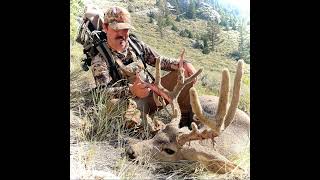
A conversational podcast episode (Jeff Lona interviewing Jaden Bales) about hunting, the monetary and experiential costs of tags (especially out-of-state), and the trade-offs between paying for experiences versus other entertainment. They discuss pragmatic tag strategies (learning a unit, over‑the‑counter vs draw tags), budgeting choices to afford hunting trips, recouping costs via meat, and lifestyle trade-offs of living in outdoor hubs (Bozeman, Alaska). The episode also covers broader themes: self-reliance, purposive challenge, shifting wildlife/management (wolves, elk), and practical advice on writing/publishing as a side pursuit.
Chapters
What is up, everyone?
I'm Jeff Lona. This is the mediocre Alaskan podcast. Talking with Jayden Bales today. Second time on the podcast here. Jaden is from Back Country Fuel Box. I talked to him back in September. Helped me out a lot with some elk and antelope techniques in Wyoming, even though I did not get an antelope and my girlfriend ended up getting an elk without me, which is too bad. But thanks for taking some time out of your Tuesday to join me, man.
Yeah, man, thanks for having me on again. I always like talking with you. I know.
Shoot.
We text a bunch anyway, so might as well just clear up a bunch of them texts all in one go.
Yeah, it's funny. It seems like I have the same messages to or the same questions to ask, and I know I've asked my girlfriend a bunch of times. Still trying to figure out Wyoming and then the what. What I'm gonna do. And I think I've. I figured it out. I'm gonna go with that, that cow elk tag, which I won't draw, but if I do draw it, I'm gonna try to do archery in September. That's the.
I.
That's the plan.
And I think, you know, we were talking about it briefly, but I think that's such a good move for a lot of guys. Like I was telling you, I burned. Well, I guess it was. It was definitely five bull elk tags that I had in my pocket before I got an elk. So I got an elk on my sixth one. And as an out of stater, obviously an Alaskan who has to buy an out of state license every year, man, I think it makes a lot of sense to try to just get time around those critters before you're. Before you're dropping almost a grand every time you go try to kill a bull, you know?
Yeah, that's the thing people talk about. I finally got one. Finally got one. But it didn't occur to me that, oh, finally means there was failures, but there's also the money attached to it. So, like, my brain goes to years and hours, but then I'm like, oh, wow, if these were out of state tags, that's money too. When I drew the elk tag up on Edeland island that Cody's going for, funny, it was just a plane ride there. And so, you know, I forked the 900 bucks to get up to this place. We got flown into a lake. My buddies and I hunted it, but it ended up being like a great hunting trip. But the tag itself didn't cost anything except for the draw, which was 10 bucks. So it really wasn't much.
Right.
Plus travel, getting flown out to a lake. Yeah. You know, but still, like, I used the perm fund check for that, so it wasn't really out of the pocket. I didn't have to save. And it ended up being an epic camping trip. So once you start looking at the out of state licenses, it's different.
Sure. And I know. So obviously when we first met, I was living in Wyoming. Now I'm in Montana. And both these states have some of the higher price tags. But I think in all technicality, if you're trying to hunt Nevada for elk, you're putting in $1300. That's an expensive camping trip when you're talking about your travel to get there, just like you're saying, plus the time and the energy and the resources and making it all happen. It's incredible the amount of folks who come out and, you know, success rates, especially with a bow or 10, 20% in a good unit. Mm.
You're still kind of new to a lot of that stuff. People talk about, you know, your tag strategies and this and that, but where are you at on that? You know, what are you putting in for? How many states have you put in for, you know.
Yeah.
How far are you.
So when I moved. So I grew up in Oregon, where effectively I grew up in the northeast corner where there's a lot of mule deer, there's a lot of Rocky Mountain elk. It's not like the west side where it's blacktail and Roosevelts, but on that east side. I grew up in a unit that was a trophy elk unit. And then I grew up in that same unit that had pretty limited deer tags. So when I was growing up, it was every other year. So basically you needed a preference point to draw. So starting early in order to even hunt on our. On our place, because our family has like 160 acres of kind of mule deer habitat where I shot my first deer. You had to be in the game. Right. You had to be part of the application process to be part of that. So I've been kind of diving into that for a long time. And then when I moved away from Oregon is when I started looking at applying to Wyoming in particular, because I was moving there. I picked up an Idaho elk tag that year to hunt with my dad, who was living there. And then I. That same year, I kind of. I ate that elk tag. I shot an antelope in Wyoming. And then I was kind of bored in November and drove two hours to Nebraska and hunted in Nebraska with my bow for mule deer that year. So that one, you know, fall I hunted effectively. I hunted in Oregon, Idaho, Wyoming and Nebraska. And then this last fall in 2019, I hunted all in Wyoming. And then like I was saying, I ended up moving to Montana mid season but went back down for my, for my Wyoming deer tag. To answer your question more directly, I'm applying in like four states right now.
Do you think price impacts how you hunt? If there's a level of desperation that comes with a more expensive tag, is that kind of an unavoidable thing? Because I'm, you know, again, I'm, I'm new to this. I'm looking for the cheapest tags possible. The antelope tag that I ate last year was 38 bucks or whatever was, you know, it wasn't too much. But do you think that that impacts the way people hunt?
Man, I think it shouldn't. So. So Cody and I have talked about this a lot. So Cody Rich was on your podcast, was it last week or two weeks ago?
Two weeks.
Two weeks ago. And him and I talk about a lot. He's at this level where he is looking for hunts that fulfill a niche. Right. Like he has a goal for each hunt. And it, the, the, when you look at the overall investment in time and money and energy, the difference between a $600 tag and a $900 tag doesn't make a big difference to him. Right. If you're at the level where you're trying to get these experiences, we really, really have, Cody and I beat this horse to death, especially on the podcast. But like, we talk about getting in a place where you can hunt frequently and you can hunt it year after year. So I guess it's more like if you can get into an Idaho over the counter unit that you can learn, do that over trying to get a better Montana tag, for instance, every other year or every third year. Just because learning the unit is, you know, going to. Learning the unit, learning the animals in it, learning where pressure's at is going to make a bigger difference in your experience than the type of tag you have. So when you're looking at the difference of 2, 3, $400 between tags, it is more of like, do you value your time in that unit more so or less so than the difference in tag price? That makes sense.
It's such a different program than up here being that we have a five month season.
Yeah.
So you go to the spot and you think, okay, there might Be some people around, but if someone is there, I can go a little bit further or. Oh, man. You know, there were some guys here Saturday, so Sunday I'm going to try somewhere else. There's just so much more opportunity.
So.
Especially if you have a boat, whereas down there, it just seems okay. You know, you spend the whole time. You have such a short amount of time to be able to do this. And with the travel, it just seems like, okay, I gotta get my money's worth.
Yeah.
So to step back, you know, even it wasn't a lot of money, but I learned so much about stalking antelope and just paying attention to all those things. That's gonna help with deer hunting. Just. Or did help with deer hunting up here because you eliminate all things that can hide you because you're out on the prairie, man, and there's nothing to hide you at all. And it's. It was. It was cool and it was fun, but it's hard to take a lesson like that that's so expensive. And then. Oh, in the long run, it worked out. But I'm just hoping that I don't end up getting too frantic when I go down there next, next fall for hopefully elk. If not, then probably maybe antelope if that turn that works out.
Yeah. And again, kind of. I went through that process, especially with that season. So it was two seasons ago in particular, when I had two. I really had three out of state tag. I had a doe tag in Wyoming that didn't go filled. I had a Nebraska deer tag that didn't get filled. Then I had that Idaho elk tag that didn't get filled. And it was eating at me that I didn't fill these tags that I spent money on. Right. I mean, right there. Oh, you're looking at 50 bucks for that whitetail doe tag, 250 for roughly for the Nebraska tag. And then another like 600 bucks, including license in Idaho. Right. So you're basically $1,000 down the drain. But the experiences I got out of that are worth way more than. Than necessarily the blow to the pocketbook, which. Which is probably the mindset I had to learn by doing that. Just because going into it, I was like, oh my God, I wasted that money. The other thing, that Idaho hunt was with my dad. So that was a big bonus. You know, I'd pay 600 bucks to spend a week with my dad anytime. So just working in that experience, like, what. What are you really putting your money towards? Was a big mental shift for me.
Yeah. I was thinking about this Today about the money and the cost and burning the tags. And have you been following at all the big old scandal with the Astros cheating and stealing signs?
No, I haven't followed it, but go ahead and explain a little bit. Just to give me.
You've. You. You've kind of heard about it, though, right? Just from accidental learning.
Yeah.
Where they stole signs and were able to, you know, you don't know this pitch is coming, and so you have a better chance to hit it. I was thinking about the people who buy tickets, and if you get season tickets, you're looking at, you know, three to four grand for better, better tickets. If you get a season ticket for, you know, way out in the outfield or something like that, it's probably 1500 bucks or something like that. So I think, all right, well, if I'm going and watching a sport team, that's terrible, or I buy. I'm a Rockies fan. And so if I. If I were to have spent 1500 or $2000 on season tickets, I'm going there to watch a losing franchise. They've been okay lately, I guess. But it kind of puts it in a little bit more perspective that I'm sitting in a stadium watching something I can't control for 2000 bucks versus I'm spending $2000 on a ticket and a tag to go somewhere and have this experience. So it might be a lot shorter, but it's one of those things that you look back and think, man, this was amazing. That. That hunt that I did in Montana or Wyoming or Alaska, that was awesome. I saved up for it, and I had a great experience versus how other people spend the money. And it's not to say that, you know, if you're wasting your money, if you go have season tickets to the Lakers or to the Rockies or to, you know, any. Any sports team, but you have so much more control over your happiness and what happens when you're having a visceral hunting or fishing experience than you do if you're just watching a team from the standpoint?
Oh, absolutely, man. I think of it also in the way that I spent in college. I worked at a ski shop, and I think of it as lift tickets. I live here in Bozeman. Big sky is not too far from here, Big Sky Ski Resort. And I want to make sure that I get this right for you. But I think that a day pass at Big sky, one day is like 160 bucks, and there are hundreds and hundreds of folks who go and have $160 days. I think Dude, I'm one of them that would be stoked to have, you know, to go ski that epic mountain. But that said, you know, if you're, you know, it's a different thing. It's just, it's slightly different to have that chance at filling your freezer and having this epic like interaction with the critters as well as being out in outdoors and camping and like giving you some real, like, I think of it as like camping with a very serious purpose with very possible rewards that, that are freaking epic. Like, I mean, I was just talking with my roommates today. Like, I'm thinking about picking up a shoulder season cow tag here because like, I am just itching to go, to go fill the freezer again. So. Yeah, $165 at Big sky for a day pass?
Yeah, yeah, it's. I've had buddies that I golfed when I was in California a little bit. We go to the, the really cheap seven dollar Twilight nine hole executive course. Because that's kind of, you know, but you have people who do, you know, you buy your year pass and you're a member or whatever and that's fine. You'd buy the clubs. It's just something that we do. So it's not that it's crazy, it's just people do it. And it's not to say that one's better than the other, but this is the type of thing that happened. You got to figure out what's worth the investment and you know, it is worth the.
Yeah.
Otherwise you don't end up doing anything. You know, you save money for what or you're that perfect experience. But there has to be some sort of risk.
Are you a spreadsheet guy, like a budget? Do you budget pretty aggressively?
That's my brother. He is the frugal budget guy. I've gotten a lot better. I'm not so much a sucker. But yeah, you know, I just, I try to put more weight to everything and that way, you know, save money, you can have better experiences rather than. I'll never afford it. Well, no, I might be able to afford if I just cut back on certain things here. I can do better things. So I'm a lot, I'm a lot better with money than I was.
Right. So that's one of the things, like I think a lot of folks don't have that conversation of like, where is my money actually going in order to afford these experiences because like, at the end of the day there are adult things you need to take care of. You need to have Be saving up for retirement or house or whatever, doing all those things. And, you know, let's say that's 80% of your income, you know, the very necessities. But then 20%, where does that go, man, you won't find me. I mean, I really. So this year, like I was saying, I'm applying and Wyoming, Nevada. I don't think I'll apply in Oregon, even though I've got a pile of points there still. But I'll apply in Idaho and then pick up tags in Montana. So there's five states. I don't go out drinking very often. You know, I went on the weekend after New Year's and I looked at my bank accounts and spent 50 bucks at bottom the bars at night and was like, oh, yeah, that's like. That's a fifth of my Nevada deer tag right there. Not doing that again for a while.
Yeah.
You know, and it's just looking internally and being like, what's really. What's really important to me. Going to Nevada and buying that deer tag is a little bit more important than. Than going and drinking what they call shifties at the kitty. Yeah, that's. It was. It was a good night.
Yeah. I did this when I first moved back to Ketchikan. I thought I was very aware of. All right, it's going to be winter time. I got to make sure I'm social. I got in my head that I was going to get, like, cabin fever. I'm like, dude, you grew up here, man. Yeah, you're going to be okay. But so I justified going out for breakfast and then justified going out to eat just so I could be out, just so I could be social. I'm like, dude, I'm spending a lot of money going out to eat. If you don't spend money to go out to eat, you saved a ton.
Yeah.
And then you stay at home, but being productive in other things, in reading or podcasting or writing or something, that's valuable, then you're not going to do the cabin fever thing. If you're sitting at home watching everything on Netflix, it's going to get really dark really fast and really cold. Whereas if you're at home and you're reading your podcasting, it's dark, but you don't notice it because your. Your brain is consumed. Your brain is engaged, and you're saving a ton of money. And like you said, if you add all that stuff up, like, dude, a tag or a flight south is just five months of not eating out as much. Yeah. And you get in that habit and you're like, dude, yeah, I don't eat out. I don't miss it and I'm benefiting by not eating out. It's just, it's just, it's unreal, especially up here because things are a little.
Bit more expensive, right?
So you want to support some local businesses and whatnot. But man, having that extra cash, it's doable.
The other thing is, in particular to the folks who go hunting and fishing is that luckily in a lot of ways, you can recoup some of those costs. I'm not going to tell you that it's definitely not cheaper to go hunting and get me. Well, maybe in Alaska it is with your free tags.
After years of fine print contracts and getting ripped off by big wireless providers, if we've learned anything, it's that there's always a catch. So when I first heard that Mint Mobile offers premium wireless Starting at just 15 bucks a month, I thought, what's the catch? But after talking to them and using their service, it all made sense. There isn't one. Mint Mobile's secret sauce is that they're the first company to sell wireless service online only. They cut out the cost of retail stores and pass those sweet savings directly to you. For anyone who hates their phone bill, Mint Mobile offers premium wireless for just 15 bucks a month. I was hesitant about having to get a new phone and a new phone number. But with Mint, you can use your own phone with any Mint Mobile plan and keep your same phone and your same phone number along with all of your existing contacts. Mint Mobile gives you the best rate whether you're buying for one or for a family. And at Mint, families start at two lines. All plans come with unlimited talk and text, plus high speed data delivered on the nation's largest 5G network. Switch to Mint Mobile and get premium wireless service starting at just 15 bucks a month. To get your new wireless plan for just 15 bucks a month and to get the plans shipped to your door for free, go to mintmobile.com waypoint that is mintmobile mintmobile.com waypoint cut your wireless bill to 15 bucks a month at mintmobile.com waypoint but it's not cheaper to.
Go hunting out of state and even kill an elk or a mule deer and fill your freezer. But again, if you're looking at like, you know, the offset of your entertainment value of that tag and then you recoup a little bit of it in meat that you save from the grocery store, man, I think that's like, so Worth it. I was just talking to my roommates today, like, about going and trying to get a cow, and I'm just like, hey, would you guys be interested in, like, I don't necessarily have the freezer space for an entire cow elk, but if I'd be happy to share it, you know, and there's a lot of value in just that aspect of it from a hunters and fisherman's perspective. Yeah.
If I look back at 2019, I'm not looking back at. Man, that was so great. I remember that burger I ate at this restaurant, you know, in. In August. Oh, gosh, that was such a great meal. You know, you. You look at what I saved up for and the traveling I did and that month at that Wyoming trip, and then it just. That's what you do. That's what you look forward to, and that's what makes it totally worth it. But you just got to keep your mind on that, because in that moment, it's. I don't feel like cooking, man. I could just go and I could just get it paid for. Just buy this. But, you know, hey, five bucks, ten bucks, go to the store, you got a meal plus leftovers for tomorrow. That's definitely the way to go.
Have you ever tried to run. Oh, I just remembered that I didn't set out any meat tonight, but have you ever. Have you ever tried to run your food stock to zero? Because, you know, when you were growing up, you'd be like, mom, there's nothing to eat. And she's like, yes, the fridge is full. Or this happens with significant others too. Like, oh, my God, let's just get takeout. There's nothing to eat. You know what I mean?
Yeah.
Have you ever tried running it to zero?
My girlfriend Abby is pretty frugal, so she's all about staying at home and getting what, you know, we can out of the freezer. So she brought some elk up from the elk that she got, and we were just running through, like, we had elk and we had venison.
And that was it.
And I don't think we ate any other meat. She was up here for three and a half weeks, and that was all the meat that we ate outside of, like, pizza once. I think we ate out breakfast once or twice, but it was. Yeah, she was running it down to, if you. You have something, just buy something else to kind of accompany it. You know, buy the salad that goes with it or whatnot. But yeah, it was get, get. Bare fridge, bare freezer. Eat, eat what you have. And that was. That Was good. We saved a good amount of money.
I traded. When I went home for Thanksgiving, I traded my. My grandpa, he went on a big tuna thing fishing trip. And I traded him elk meat for tuna. And he worked on a potato, works on a potato plot and he had about 15 pounds of potatoes. So I traded him elk meat for tuna and potatoes. And I am bound determined to run my stock to zero before I go grocery shopping again. I don't know if my body likes this idea, but it's so much better too, man.
Yeah, you taste the difference. It's so much better. You just feel better after you eat. It doesn't sit like a rock, man. And it just. It's just healthy. It's good.
Yeah. I got to get into the whole gardening thing. I don't know. Do you got. Do you do any gardening up there?
No, I don't. There are. There's a really good growing season during the summer. So it's shorter. But the longer days, especially up in the interior, up in the Fairbanks area, I mean it's of kind crazy because you got 20 hours. Those things just grow so much. You can almost watch them grow. But yeah, I don't have. Dad. Dad tried to do some tomatoes and we had some rhubarb at mom's house. But yeah, I don't. I don't do haul. You can do. You can go pick sea asparagus and you can go get like cranberries. We have low bush cranberries and you got blueberries, huckleberries. But yeah, I don't. I don't really have a greenhouse to.
Speak of one of. So I went to. This is a very. This could go down a rabbit hole, but whatever one. I went to Mongolia in high school and the chaperone I stayed with was professor in Anchorage. And he had the best green thumb. He literally. We stayed. I would. I not joking. We were at a host family's house for two weeks and he grew a freaking garden out of the. Or he like made salads out of the stuff that was outside their house. And they. They loved it. But that was always like what I thought of when I think of like Alaskans now is folks with big gardens because they can't buy them because you guys can't buy it for very cheap anywhere anyway.
It's expensive and it's gotten better. That stuff gets up here a little bit faster. But yeah, you know, there's always ways that you can kind of.
Kind of work your way, try to.
Supplement, get your own. Pick the berries. I feel terrible Every time that I'm going and I'm buying it stuff at the store. But yeah, I don't have my own place. I rent a bottom part of a duplex. But once I kind of stretch out a little bit, get my own place, it'll be nice to maybe put something.
Now in your defense. My girlfriend, ex girlfriend now, she had this great idea as we were living in a rented space to start growing stuff inside the house. We also grew plenty of bugs with it. So don't feel bad that you're missing out on that whole deal. Wait till you get an actual garden.
Yeah, that's not good.
Yeah, not ideal.
So how's you've been in Bozeman for a couple months now, and it's kind of the hub of kind of the outdoor world. How easy is it to live the brochure in Bozeman? And it's kind of a trick question because I know that everybody or people are much better at reciting the brochure than they are living the brochure. But how have you adapted to living in Bozeman and how good is life there?
So I lived in Bend, Oregon for a year and a half before going to Wyoming. And it's one of those places where Bend and Bozeman kind of have the same, the same feel where Instagram shows this lifestyle of always playing or always being on the ski hill or always looking at critters. Man, it takes an hour to go do that stuff just to get there. So when you look at your actual time allocation, especially in the winter, you know, your short days, it is dang hard to do the brochure lifestyle and have a 9 to 5 or in some people's case, like mine, an 8 to 6. It's just like it not feasible to make sure you're doing all those things at the same time. Last night I went and scouted for deer on the winter range. I just, I enjoy looking at deer and elk, and I did a ton of it when I lived in Laramie. It was a little closer when I lived there, but it took me an hour, hour and 15 minutes just to get to kind of a winter range area from Bozeman that I wanted to look at critters on. And, you know, like when you have when it gets dark at 5 or 5:30, it is dang hard to try to get a full day of work in. You know, we left at 3:30pm and I was able to run up there for the last hour of light. So, yeah, the brochure lifestyle. There are People who live is definitely not everybody, though. You know, people still have to go to work every day and you have to, you know, generate an income. Probably way more than it looks like on Instagram.
Yeah, I visited a buddy in la and when I went and visited him, every time we did, we did cool stuff, did the LA things, and he said, you know, I don't do any of this stuff unless someone's in town because it's too expensive, takes so much time and you can't. Yeah, you just can't afford the time and the money to be able to live what everybody thinks LA is. People talk about great restaurants and you can go do this and this and this, but there's just. It's impossible. Not enough hours, not enough money to be able to do that. The nice thing about living here, it's a lot shorter as far as I think the sun's setting at like 4 o', clock, so, you know, you get maybe an extra 15, 20 minutes afterwards. But on the way home from school today, I checked my, my Martin traps, which, you know, and I got back home before the sun was totally, like, it was totally dark. So it was after sunset, but it wasn't totally dark yet. So to be able to live in this place where after work, you know, granted teachers, we get out early. So I'm leaving school at 3:15, but I can go check traps on the way home if I choose to. But that doesn't, you know, that's not everybody. And there was even part of me that's like, I just go home and hang out for a little bit and get ready for the podcast. It was, no, dude, go check the traps. Just go there because you can do it. That's the part of the living the thing. And you can recite the brochure and you can make Ketchikan sound really, really good. But there's a difference between you saying that you can do all this stuff and whether or not you really, really do it. And I think there's a huge discrepancy also. You can project a lifestyle that you wish you lived on Facebook or Instagram, but it's that difference that only you know about could, you know, be the thing that kind of makes you feel like you're missing out on things.
Yeah, I. So when I grew up in that. I grew up in a town of like 300 folks in Northeast Oregon and lived on a farm most of the time. And anyway, before I shot my first deer and I had to be at the school by 11am on a Saturday for our junior high football game. Right.
I thought you were gonna say Saturday school.
No, mom taught me how not to do that, so. But. So, yeah, so I went out when I was 13. We went and shot my first deer and we butchered it and was still there in time for the junior high football game. I didn't realize how valuable that was until I moved, like, until I moved away, because I would. So I stayed with my brother over both the holidays, Thanksgiving and Christmas. And I go, tyler, have you seen any deer? You know, up there on the hill? You can literally glass the hillside where I shot my bear a couple years ago from his house. He goes, no, I don't really do that. Like, what? Like, you can literally sit in your. You can drink coffee in your underwear with a spotting scope out your window and look at deer and elk on the hillside. And he. He's like, yeah, just. I just don't do it, man. And I'm like, oh, my goodness. What I would give right now. I live down by the college in Bozeman. What I would give right now to be able to wake up in the morning, look out my window and see the mountain right here out my window and look at animals like, it. It is worth a ton. And I think a lot of times when we think of, you know, this happens in Colorado, I think a lot too. People like, ah, gotta move to Colorado. Gotta move to Denver and Boulder for Collins. And then you get there and realize, like, oh, no, I mean, it's still a production to make that lifestyle go. Folks who can make a living in these areas, like Ketchikan or La Grande, Oregon, or wherever, that's way out in the boonies. The quality of life is something that I am aiming to get back to as soon as possible. It's just. It's. It's priceless, man.
Yeah, it's funny, you kind of need that perspective. When I moved to California, where I. Where I taught, people advocated for the area because they said it was two hours from the beach, two hours from the city, two hours from skiing. And I thought, oh, it's great. But then after a little bit, I thought, wait, you know what that means is that it's nowhere and to do anything cool, you have to drive. And if you grow up there, it's a little bit different because. Because you're used to that. So for someone that was used to Alaska, where everything is so accessible, that started to feel like a lot of work. And I spent a lot of money during the weekends driving around trying to get that feel Rejuvenated. So when I went back to school on Monday, I felt better because the better you are going into your job or work, the better you do your job. If you don't get recharged, if you don't have a good life outside of work, then the work can suffer. So. So it's been nice to be back here, but then, you know, you. You kind of lose that. You get a little bit spoiled. I, when I first moved back, almost, you know, once or twice a week I was doing like a new hike. And then you kind of do the hikes and you kind of settle into a more relaxed routine and you got to get back that sense of urgency to live each day.
And.
It'S important to be. To be able to remind yourself of that and then have that be accessible so you don't have to work. And the more convenient it is, the better bettered off.
Oh, I totally agree. And it's one of those things where. So I've got a. I've got a friend of mine who just picked up, not just, but he has three hounds. In Oregon, you can't run cougars with hounds or bears, but you can run bobcats. And this dude lives. He lives out in, oh, 30 miles from town, so 30 miles from LeGrand, which is already a small town. And, and he just kind of like is one of those dudes who you could not ever take. It does not matter the amount of money that Dave would make. You could not take him away from being accessible to wilderness and stuff. But in the last. Definitely in the last 18 months, more like in the last 12, he's kind of raised these dogs up and spent a ton of time teaching them how to catch. Catch bobcats. In the last week, he's caught four, which is like, I, you know, I look at that and go, that dude has spent. You. You have to spend so much time to do four in a week. Like, he is. That is the life he is living. He will not, you know, you. You look at him and go, dang, Ty, you are not going to retire on bobcat fart for. But I don't think there's any other thing that he'd be rather be doing right now. You know, it's pretty. It's pretty admirable. And you know, again, you. You asked me about the brochure lifestyle in Bozeman, man. I, I think the brochure lifestyle is the one that we're not talking about still like the real people living on the edge of. Of what it looks like to be outdoors Everybody, every day to be part of. And really, like, it's being part of the landscape every single day is just. That's the dream.
Well, it's not that long ago that, you know, there's a lot of socioeconomic, political, historical, you know, stuff to go into. But, you know, 200 years ago, there was so much wild still available in North America. And then as things got settled, things got, you know, humanity caught up and whatnot. But just that the people who went west and found such wildness and the people who were already living there, you know, that sort of lifestyle that was just so you had a purpose, you know, and people didn't talk about, you know, not having a purpose or feeling left out because there was something to do. And the life was. Was very rugged and very difficult, but there was no question that you were interacting with the wilds. And people lived astonishing, astounding lives. And now it's over, and there's nowhere else left to go explore, you know, again, historically, exploit, you know, manipulate, whatever, conquer, which is terrible, bad history. You know, you can go down that realm, but just that that type of human, it's different now. There's nowhere else to go. And for a lot of people, you know, all we can get is, like a sedated version of what used to exist and used to be the norm.
So when I. I 100% agree. And when I moved up to Bozeman, you kind of know the story. But for folks don't know, when I moved up to Bozeman, I didn't have an operating vehicle, I didn't have a place to live, and at least I had a job, right? Like, that was good girlfriend. And I just broke up or whatever. It was kind of a downer moment for me. And I was talking to my grandpa. So my grandpa's the one who runs the farm, and he, for all intents and purposes, is like, the main father figure in my life. I talked to Grandpa Bill, and I was like, God dang it, Grandpa. Like, this is really not that fun. I'm gonna be honest. And he's like, you know, when your grandpa came out to this farm, he loaded up a wagon when he was 16 and came out and, like, had no clue what he was doing. And, you know, think about just the possibilities of going somewhere and not having a freaking clue what it was going to be like when you showed up out west, you know, living off. Off horseback or whatever the case was. And I was like, yeah, I have it pretty good.
Yeah.
And. And that's, you know, when you put it into that perspective, you're just like, it reinstills. For me, anyway, for some folks, maybe it's. It's discouraging because you're like, oh, my goodness, we live so posh and there's no major challenges whatever. For me, it makes me want to go and find more challenges because I realized, man, we live so good. So for the last, like, four months, here's a good example. I've been working on my truck myself, and it. I finally got it to go forwards and backwards the other day. And I don't think, besides killing an elk this year, I haven't been so elated. You know, it's just like, oh, my gosh, this big thing. I just overcome. It felt so good. And a lot of times, especially when we're doing the LA lifestyle or just the normal American lifestyle, where you wake up, brush your teeth, maybe go to the gym, go to work, come home, make dinner, watch Netflix, go to bed over and over again. There's not a lot of challenge in that. And I think that's where it can be so easy to really get into a slump and get down. And, you know, I think maybe that's where a lot of outdoorsy folks find a lot of that challenge or that interest to keep them going or things that they're interested in. And it doesn't have to be hunting or fishing. It can be like you're saying golfing or whatever people get obsessed with and, like, it really gives them something to be striving for every day. Makes things go pretty dang. I mean, I just. I love having something to be striving for.
Yeah. Last year in my adventure lit class, I brought in an article that talked about 10 obsolete man skills. And three of the skills, I don't remember all of them, but one of them was working on a truck or automobile. Another one was hunting, and another one was fixing up the house. And I thought obsolete, because in the article it said, you know, why don't you just hire someone?
What?
Well, who are you going to hire, right? If that's an obsolete man skill, you're hiring someone who knows how to do that. And it was just crazy that. Just that I understand the idea of the toxicly masculine person, which is the man who believes that only a man can do certain things and know you're a misogynist, chauvinistic, whatever. I get that. I'm talking about just, you feel good when you create something, when you overcome something, or when you see what you're made of. You see, you Know if you have what it takes. Like we're all descended from people who survived plagues or sickness or travel or whatever. I mean, that's still in our DNA. We haven't totally, you know, bred that out. It's still there. And so when you do those things, those visceral things like working on your. Is it tundra that you just put the engine back into or. Yeah, yeah, that's a good feeling. Like, why would you want to make that obsolete? Why would you want to deprive people of the feeling of accomplishment? It's just crazy. I don't know what we're doing.
So do you listen to the Joe Rogan podcast?
Oh, yeah.
Okay. I was. What about the Meat Eater podcast?
Occasionally.
Okay, so both of them, I've heard them talk about this most recently on the Meat Eater Podcast about, like, there is something about being self reliant that I think we oftentimes lose when we have so many options. For instance, to call a plumber or to drop the truck off at the dealership and get it worked on. And when you take away, when you take away those options and force yourself to be, I guess thrifty might be a good way crafty, you realize, like, oh man, there's a lot you can do. A lot more than you originally thought. I know. It's one of the reasons why I look up, you know, especially as a stereotype. I look up to folks who live in Alaska like yourself, because I know there you had, you have to have some fortitude to live up there where resources are scarce. Right. I look up to folks like my, my grandpa and my uncle who work on the farm two hours from a major metropolitan area, two and a half. If something breaks, we got to make it or fix it and there's no other option. You can't, you can't go, I'm just gonna pay Joe Schmo to do this or whatever. When it comes down to that self reliance, I think that's also, that's part of maybe why we end up having some, like you're saying in that article, the obsolete man skills, because there's not a necessity for self reliance. And then, you know, when there's not a necessity, we start devaluing it a little bit. I think it's admirable for folks to want to be self reliant and not necessarily pay every Tom, Dick and Harry to do something else specialized for them.
I was thinking a lot about that when I was there this summer and I'm trying to put together a manuscript just Writing kind of the thoughts and ideas when you look at it on the Wyoming landscape and just what it was, you know, and you're. You're driving through areas that were part of the Oregon Trail and, And just kind of writing down the thoughts of how that exists and what it was like and how different things are and how, you know, that's not that long ago. But yeah, like you said, like, there was no choice. It wasn't. Oh, the wagon's broken.
Yeah.
Well, that's it, you know, like you had to do stuff.
Yeah, I, Man, I. So this is the, this is the paint. I'm gonna paint you a picture of like the quintessential Wyomingite, this dude Rod Miller ran for. I think it was representative, State representative against Chaney. I forget her name. Stick Cheney's daughter. Anyway, I was talking to Rod after he, he. Liz Cheney is her name. Okay. And he was telling me his background because I, I just. He looked like a character. Right. He's got some sunspots and wears a cowboy hat that is very faded and sweat out. I was kind of asking him about his upbringing. He grew up on a big ranch outside of Rollins. Did you drive through that part when.
You were in Wyoming? Yeah, I think, yeah, at least once along I 80. Yeah.
Not a lot out there, that's for sure. And that's coming from a guy who lived in Laramie. Like. Yeah, there's not a lot going on. And he was telling me about, you know, how he grew up on the ranch riding horses. Like, they didn't have four wheelers and, you know, you had. He had his pickup that you could take to town, but really horses were their main mode of transportation and he had to have cancer removed on the upper, like on the top of his hands. Because when he was riding his horse and he rode him so often, the only thing that would show in the sun was his hands as he was holding the reins. And there's something super romantic about this old cowboy, in my opinion, about this old cowboy riding so much, you know, working cows and fixing fence, that his hands got, you know, skin cancer. It's kind of like a weird. It's a weird romantic thing I got going on with this picture painted in my mind. But that dude is 70 years old. That lifestyle is like, still happening where folks like, you know, have to rely on non machine power to make a living. God, I just love that. I wish we had. We were more in touch with what that looks like because, you know, dang it, I might not have a very good operating My tundra might not run very well, but I still have a mode of transportation to and from work, you know.
Yeah.
I don't have to saddle up every day.
Yeah. I think one of the things that people do, they feel the need to challenge themselves against something. And because there isn't that natural, just my lifestyle and work is difficult and life is difficult enough. You know, we have to test ourselves. And you know, after Jon Krakauer wrote Into Thin Air.
Yeah.
About a disaster and people dying on Mount Everest, more people than ever go up there and it's crowded. You look at pictures now there's tons of people up there and that's desperately trying to find something to validate themselves or to compare themselves to see if they have what it takes. Because we've lost that. That ability to survive, function, whatever, and now we've, we're just. I'm gonna, you know, do the seven summits, I'm gonna do Everest, I'm gonna do skydive, I'm gonna do whatever it is some. So I'm gonna pay for it. Which, you know, doesn't really solve anything. You know, you're not. It's just different.
Yeah.
Unfortunate.
Have you read all of the Krakauer books or all the teach Into Thin.
Air and Into the Wild.
Those are really the two staples though, you know. Really? Yeah, yeah, they're both of those books. I read them in high school and I read them, actually reread them in college. And I, you know, what you said right there is like, I probably would be more interested. I do a fair amount of backcountry skiing and fair amount of just climbing stuff to climb stuff. I would be way less interested in both of those things. I'd probably be more of a SnowMobiler and a four wheeler guy had I not read those books. You know, just like open your mind's like, oh, yeah, that sounds hard and that sounds interesting at some level, man. I think that that is definitely. You talk about like your interest being shaped by nature. Nurture. Dang, that was nurtured out of me, that's for sure.
Yeah, it's. We forget that, you know, that. That warrior nature that we all have, men and women, you know, something that, you know, we can do it. And when we, when you read something or we see something that kind of stirs that within us, it's like, hell, yeah, I've been deprived of that because things are so easy right now. And so it's not really surprising that people want to go out and want to do those sort of Things because, you know, it's in our DNA. We had to do that. It was just the norm not long ago.
But yeah, yeah, man. And again, so Rick Hutton is. Do you know who he is?
No, I don't.
So he, Rick Hutton is the kind of right hand man at FHF Gear. They make vinyl harnesses and attachments for all sorts of accessories kind of on a chest rig. So they make fishing stuff and hand warmer muffs. Anyway, they are the warehouse two doors down from us. And Rick and I talk about this. It's dangerous. I know. Rick and I talk about just how the landscapes have changed. And we are. If you're, if you're not aware of different change, like differences in how things are moving and changing around you, you can wake up one day and go, this is not the, this is not the same we landscape that I remember. So we went to a, we went to a season setting meeting last week in Bozeman and there was a lot of guys who were at that, at that season setting meeting going, you know, man, elk hunting is real hard. We should stop shooting elk in January and February because the. On private ground, because the public ground doesn't have enough critters. And I think folks are like, tied to this whole thing of like, back in the day, maybe public ground was a little bit better than what it is now. Elk numbers were higher on that public ground. And now the dynamics have shifted. And instead of us adapting to different, like to the changing landscape around us, we want it to stay stagnant and to stay like the way it was. And I think that is a dangerous cycle to get into because when we're not looking at everything like you're saying, like, you don't look at that as like, okay, I need to change the way I do things. You know, take it as a challenge and not necessarily as a. Take it as a challenge and not necessarily as something that is defeating you. That is a complete mental, you know, it's a mind shift difference. Instead of being more of like a victim of wolf introduction, now you're taking it and being proactive of figuring out how to do this thing. Now that they're wolves on landscape, for instance, man, we lose, we lose that and fall into that victimhood, I think. Pretty awesome.
Yeah. It's kind of scary to see where this is all going to lead, you know, 20, 30 years. And it seems like we're in a transition point for a lot of these outdoor. The, the idea of outdoors, what you do outside is like a real visceral thing. Versus a sterile zoo type thing versus, you know, the resource. What, what's hunting going to look like in 20 years? What's, what's, what's fishing going to look like in 20 years? And it's kind of, it's kind of scary to look forward it is it?
The other night, man, the other night there was a prop to reduce the amount of wolf tags given out along Yellowstone border because a lot of times those wolves will come out of Yellowstone and guys will hunt the border.
Where.
There are people taking pictures of wolves on one side of the road, Nat Geo type folks and then on the other side you've got guys waiting for him to cross the road so they can shoot. And you know, the proposal was to reduce it from one to two tags or from two tags to one tag. There was a, it was a room of hunters for the most part. No one opposed it. You know, everyone was like, you know, we all disagree with this or I guess no one agreed with the reduction in tags. We all want to see more wolves taken out of the landscape because that means better hunting in theory. And then one gal stood up, she's probably college age, I'm in a college town, I assume she probably goes to school here. And she says, you know, those wolves come out of the park and you know, they really are used to people and they're used to people taking photos of them. And I agree with this reduction in tags. Then another guy stood up who's like, you know, it really. She makes a good point. It does not look good for folks who are sitting there taking photos to then see someone walk out with their 7mm and smack one right across the road. You know, and I think about how we have to think about, let's see if we put this in the right way. We now have to think about the public perception of hunting. And I don't like to have to think about that. Yeah, because, because that means that we are on, on the defense and that means that, that it is going to, has potential to go away or change. Just like what I was saying, we have to be, we do I think have to adapt as hunters and fishermen to like what the public as a whole, not just the public who are interested in hunting and fishing think and how they react to the things that we do in order to maintain the lifestyle that we want to live. I don't know what you have seen or heard or found up in Alaska if there's any of that sentiment, but that's definitely something that I know that we are keeping in mind.
Especially in a town like, well, the wolf thing is huge here, especially in southeast Alaska, because the center for Biological Diversity funded a study about the Prince of Wales wolf population. And it was just kind of after the spotted owl in Oregon, which became kind of the icon for, if you can continue to log, then spotted owl's gonna be gone. And so they kind of took up the cause for the wolf on Prince of Wales Island. There was all kinds of ridiculous things about, well, wolves can't swim, and so they're stuck here. And how the wolves that live on Prince of Wales island are a unique strand. And so it's not a different. You know, it's a different wolf. And so if these go extinct, then they're gonna be gone forever. And so people down south who know, when they think of wolves, they think of nearly eradicated, almost extinct, you know, barely hanging on. In some areas, they've been reintroduced. And so that's wonderful. They're not seeing that. Prince Wales island is the third largest island in the U.S. it's got 900 miles of coastline, and there's like 3,4000 people. And a lot of people are relying on wolves or are relying on deer for food. And wolves obviously eat the food. And you have people who their livelihood is logging. And people don't know that down south, instead of spending a ton of money and they're advocating for save the wolves. Save the wolves. I'm like, well, do you know this guy? This guy logs. His family is dependent upon him having a job logging. And because you don't think logging is socially acceptable anymore, you want him to not have a job anymore, but he can't just drive down to the next town to get a job. He doesn't have enough money to be able to move from this island to another island just because you don't think it's socially acceptable anymore. So the logging thing is kind of crazy. And then the wolf thing is kind of crazy because there's so much money that goes into that perception. So they try to protect the wolves and get them on the endangered list. And it was crazy because people were posting pictures of, hey, this is a wolf swimming. This is what you say cannot happen. And there's so much misinformation out there. And the voice of people from Prince of Wales island is so much smaller than that of the people who are advocating for wolves. And you can't. It's impossible to get a really accurate count of how many wolves live on Prince of Wales island because things are so thick and so dense. Two weeks ago, When I was on the podcast with Cody, or Cody was on my podcast, he was asking which was, you know, crazier terrain, western Oregon or Prince of Wales, southeast Alaska. I was like, dude, it's. It's pretty crazy up here. It's pretty rugged, and there's no way that you can get a count of wolves. And it's just. There's so many, and people are trapping, you know, packs of wolves, and there's still plenty out there. And it's. But it's not. It's not. It doesn't get nearly the press as down south because there's just not a lot of people who either write about it up here or get that national sort of audience about sort of things. But it's.
It's.
Yeah, the wolf thing up here is crazy.
I wonder if it also is a factor of, like you just were saying, the amount of folks that live there is so small that there. There's no counter voice, I would imagine. You know, maybe there's something to that. We found that in northeast Oregon, where wolves from Idaho have been moving in for a while now. Like, not. It's not recent at this point. And people on the east side of the state or like, especially ranchers, folks like my family are like, hey, so we're losing cattle and we can't really do anything about it. That voice in itself is not going to make a splash in a state of 4 million people. And in the two counties where it happens the most, pretty sure Union and Willowa county probably have under 30,000 people, maybe 40 out of 4 million. That's a difficult. That's. That's a tough voice to make heard or at least an opinion or a perspective to. To bring light to. Yeah, and it's important. I'm not saying that the wolf shouldn't be there, but it's an important. It's important to know how it affects people on the ground.
Yeah. And that's the idea of that. You know, these are obsolete skills. These are things that we've evolved past. Well, that's your perspective from an urban setting. You know, there's a lot of people who live out and who are going to be much more impacted by the realness of how this. This happens rather than, you know, your perceived moral high ground or, you know, so I think some people once, if they were to be educated on, they'd be like, oh, wow, I'm a reasonable person. I get this. I didn't know that this was this complex. I was just going based on this information, which I. The Only thing that I heard. And so they would be reasonable about it if they were able to hear the other perspective. Anyway, we're getting on an hour here, man. So what else you got?
I know it. Oh, I could. I know I could sit here and talk with you all day long. I think we about solved all the world's problems in one hour, didn't we?
Something like that?
Yeah, man. No, I just. I know we could talk for hours, but if there's anything else that, you know, you had questions about, you know, especially hunting lower 48 or anything like that, I'm happy to help.
You had a couple of questions about writing. What do you got?
So I know. Do your podcast listeners know some of the publications you've been in? You should just go over that real quick. Like, how often do you write?
I write every other week. I write a column for the Juneau Empire. I write for Western Hunting Journal. I've written for Anchorage Data News, the Drake, which is a fly fishing magazine. I used to write for the Capital City Weekly, Blanking on Alaska Magazine, written for Alaska Magazine, California Sportsman. So freelancing here and there, but pretty consistently, most consistently with the Juno Empire.
Did you just start writing one day or.
When I was living, my degree is in journalism, and so I would write for the school paper at University of Arizona. I covered sports, and then I got a job teaching. And so it was a couple years into the teaching that I was. I would go back to Alaska every summer. And so during that time, after a couple of years, I thought, hey, man, I'm going to write a column about what I'm doing up here. Because I was bringing some of my buddies from Manteca up there. And so I sent an article to the editor and said, hey, man, I'm up in Alaska. This is what's going on here. I'm writing a column about, you know, I live in Manteca. If you want to publish this, it's kind of like you're. It's like a travel writer, because people love travel writers. And I didn't get a response. And so I sent an example article about a month later of like, hey, this is, you know, I sent an email to the editor, I sent this one to the sports editor and said, hey, man, just, you know, seeing if you'd be interested in something like this. He's like, dude, this is great. So he published it, but it was for no money. And then once the summer was over, because I was up there for two months, I said, I'll keep writing an outdoor Column, if that's okay and you guys can pay me. And so it was 25 bucks per column. But I did that for a couple years, and from that point, I expanded on, wrote for a couple other magazines. But most of the time, you just kind of send out, like, I wrote this and then send it off to a magazine. They either don't get back to you, or they get back and say no.
Like writing on spec then, Right. Like, you. You have a story or you have something you're interested in, you write it and then you pitch it.
Yeah. And there's some people, like, you send a query letter about, hey, here's what I would write about. But I thought, you know, what if there's a difference between what they're expecting to get and they say yes to.
Sure.
And then I send this thing in, like, ew, that's not what we expected. So I thought, this is exactly what it is. If you want this, then pay, publish, whatever here. Exactly what it is. You know what it is. So, you know, just. Just kind of do that. And from that point on, you know, you. You endure some rejections, and then you write some more and get published. And, you know, it's. It's kind of cool as a side hustle, you know, it's. It's not going to be something that's going to, you know, support me, but it's nice to have a teaching job and then do this on the side.
Do you only write about things that you're interested in, or do you get asked to write about things that you have to then go research and dig into?
I've had some people want me to write certain things, but that's kind of for an agenda. It's like they want an article that fits this. I'm thinking, dude, things are a little bit different than you might expect. People are especially. I live in southeast Alaska, and so it's hard for me if someone were to say, hey, write an article about how it's important to produce, protect the tongass in the roadless room, like, okay, yeah, I could definitely do that. However, I know people who are loggers. I know their kids. And this whole idea of, you know, don't open up, don't log. Yeah, I like that idea. But at the same time, I know someone who would not have a job as a result of it. So it puts you in a tough spot.
Yeah. When you're in that tough spot, would you then go, like, I'll do this article for you, but I need to also present, you know, the context that goes with this slant. I mean, not necessarily slant, but that goes with this goal.
I wrote an article that kind of was here's the whole thing and then it got rejected. So I've actually never had that article that is that so everything that's been published has been like kind of how I see things and more of like a first person type thing. Not, not, not really a lot of reporting. It's kind of nice to be able to write. Here's what I experience, here's kind of some insight. But it's a lot more the entertainment to and rather than inform. So I would call myself more of like an outdoor columnist than I would a journalist who researches stuff and does that. I'm more the enjoyment typewriting because that stuff kind of stresses me out. It's just way too nuanced to really hammer down.
Yeah. And I could see especially as a side hustle, like where that might be that might get you really strung out on those different articles trying to get to what journalists would consider the truth.
Yeah, well, it makes a difference to it if you are, if you have a reputation. You know, when I first started writing, it was, people said that the best way to get published is to have been published, which is, you know, funny. You know, you have to get out there so people will come to you if you have established yourself as writing a journalist that has a certain take or has certain credibility when it comes to reporting on this sort of thing. So if you're just an outdoor writer, you know, there's a lot of those people and most magazines would rather send their own person there, their own buddy, their own person who's in the, in the area or who writes for them. They'd rather send them to Alaska or send them on those things because they know what they're going to get. You know, they're used to that rather than trust someone who we're not really sure or, you know, how does this guy fit in? So, and that's fine. You know, I don't begrudge, you know, magazines for sending their own people to come up and do the stuff and the travel things. It's, you know, it is the way it is and it's. And it's fine.
So you're more of a Patrick McManus esque for sure.
And Bill Heavey. I, I, yeah. And that's, you know, there's so many experts and I'm like, you know, write who you are and I'm the guy that's just, I'm just trying to figure it out, man. And I. I'm not ashamed to admit the failures and those sort of things because I think that's something that's kind of missing. And, you know, everyone. Everyone wants to be a professional. Everyone wants to, you know, be the guide type expert. And I will fully embrace the. I struggle. Like, I. And, you know, even one of the things I like about. About Cody's podcast is he talks about, you know, failing and getting over those sort of things and how you make mistakes and whatnot. And like, you know, when you. You were talking on the podcast, the mistakes that you had made, too, and kind of advancing from that 101 to that 1 or that 201 level. And I just think that that's kind of lacking. And it's a lot more honest and it's easy because that way you don't have to hide the truth at all. You don't have to mask it or try to make it sound better. You can just tell it what happens and laugh and be okay with it. Not take yourself too seriously.
Yeah, man. I think a lot of folks I think about, I grew up reading a lot of. I should have expanded more because I loved reading Patrick McManus. I should have expanded to more authors, but I really didn't. But there was something about that humility of being able to be like this didn't go well. And like you said, we laughed about it and enjoyed. We enjoyed it nonetheless. I think a lot of folks, like you're saying, take themselves so dang seriously now. It takes away from. It takes away from being, you know, it almost puts folks on us on a pedestal. Instead of being like, this is how I did it. This is how I failed at it. And this is how you learn, especially when you look at the world of, let's say, a professional hunter type.
Well, those people have so many different opportunities. And so if one of the episodes of their show is not being successful, that's one of five or six or even 12 or however many trip of a lifetime opportunities that they get. So it's a lot easier for them to say, you know what? I didn't. You know, I passed on it. I didn't feel good about it. Whereas the common person, you know, who's paying all that money to do it, it would be like, dude. And so stressed out. And, gosh, you know, I talked up this trip that I was going to go and I was going to get this elk or I was going to get this antelope, and it didn't happen. And I'm almost embarrassed Because I was so excited for it. You know, you watch the shows and it's so, oh, it's no big deal. It's fine. It's gonna be okay. And in that moment, I didn't feel like pulling the trigger, whereas the vast majority of people were like, oh, my gosh, dude, I can't believe I didn't even have that chance. I would kill for that chance and hope I wouldn't screw it up.
Right, man. I think, okay, I think you're. You're onto something there. You just gave me, like, a big brain. You just gave me, like, a big, like, oh, aha. Because it's not necessarily writing, but whenever we think about what we're doing with the podcast, it is that. It is the. You're trying to provide the most value to folks, you know, trying to help people out through getting on a podcast and talking. And I know, for instance, Cody and I have been talking about, like, where do we want to go with the rich outdoors? And it's probably the same process you go with an article is like. And it makes it way easier when you go, this is my experience. It's. I'm not trying to. I'm not trying to sell you on this thing or that. This is my experience.
Yeah. And being yourself. And Cody and I talked about that a little bit. It's like, you know, be yourself, because then you don't have to, you know, does this fit with the Persona that I've created, or, you know, this is me, you know, and it just makes it a lot easier. This is what I did. This is how it happened, and it's going to resonate with a lot more people. And that's. You know, there are some people. And Cody and I talked about this with, like, a band. If, you know, a band when they're really young and their first noise and they come out and it's all awesome and it's great. And then once they get big, it seems like they sell out. Everything that you liked about that band was that they weren't known and that they were. You know, it was. They were passionate about it. And so once they aren't unknown, you can't like them for being unknown because they're no longer unknown. And so you can't like them for the same things, and you're just. Oh, so then you call them a sellout or. It's just different. The vibe changes. And. Well, I used to like them, but now they're. They're just mainstream, and it. It changes the vibe for you. Do you Think if you're first in on this stuff, it's different.
Do you think so? I was just. This is a. Let's stretch back to the writing situation where you are as a writer on the side. Do you feel like that. Remain like that keeps your writing more pure just because you're like, you don't need to. Right. For a living. You're there because you enjoy doing it. And it's a good side hustle. But do you think, let's say you had an article published in the New York Times and then you all of a sudden started getting these great article deals and wouldn't that change the game for you?
Yeah, and that's funny because that's kind of the goal. Yeah. Right. Like there's. And so the goal is to be like, the opposite of why people like you. Which. Which is weird, but, you know, that's kind of how it works. But, you know, you'd hope you. You'd be able to keep that authenticity and you'd be able to still relate to the audience, you know, and still provide the product that they liked. But, yeah, it's tough, you know, if you're not in that situation. Who knows what you end up becoming because of that.
It's always like.
Or how you're perceived.
Yeah. Yeah. And it's always like, how does that go? The sophomore album from an artist is always their best. The junior album, the third one, is an absolute tank. It just goes in the trash. Because it's all about, like, you're saying, they doc. Every album is a story of them documenting the process of how they're gonna make it. And then once they make it on their second album, the first one gets them a little notoriety. Second one is super good because they're like, I'm freaking here. And then. And then the third one is like, what do you have to talk about now?
Yeah. Yeah. Because the struggle is now gone. You're. You're driving a Lamborghini. Like, it's hard to talk about the struggle now. Yep.
Yep.
Yeah.
Alrighty, man. Well, thank you so much for answering those questions. I know. I. You know, the. The thing is, I had all these thoughts of, like, man, aren't. Are there these tips and tactics to freaking get in and really, it just seems like start writing and. And. And then pitch some articles. Beer. Beer. And it's.
Yeah. And you know, the biggest hit is going to be when you're yourself. But then someone says no. So it's like, it's not good enough or you're not entertaining enough. Or you're not in that circle and you just think, man, that's messed up. Like, here I am, I'm. I as an Alaskan, you know, I live here. But you want someone from down there to talk about Alaska and that's, you know, that is what it is. It's the same thing about me going down and me thinking it's an interesting angle to talk about being in Wyoming. Well, like, maybe that perspective is entertaining, but just that here's what I am, here's who I am, here's what I'm doing. And then someone saying no to it, but just saying, okay, that's fine, I can move on and I can find somewhere else for it being okay with.
That kind of going. I won't go down that route. Kind of like, yeah, I will kind of go to the bar. You're gonna get some rejections.
Yeah, well, you know, not equating your self worth to that. Yeah, there's a difference between.
That's okay.
Yeah. If you get your self worth from yourself, not like an egotistical sort of way, but if you, if you look at this newspaper, this, this woman or this whatever rejected me, that means I'm worthless. Like, no, they just, they said no to what you wrote. That doesn't mean that, you know, you're a bad person or whatever. So that's, that's, that's pretty different. Just like, you know, Cody posted that response that someone had or that review that they posted on those itunes. Right. Scathing, scathing review of the, the Rich Outdoors podcast. But, you know, you kind of suffer. Yeah. You know, that's someone's opinion. So you take it into account. But, you know, you can't put too much weight on that. Otherwise, you know, you, it's disproportional. You know, it looks like most of the people who, like, who listen to the podcast like it. And so you maybe want to take some of the good points into consideration, but you don't want to be totally drugged down by one person's opinion.
Yeah. Yeah, man. And it's. I don't know. So do you follow Gary Vaynerchuk? Gary B. Much?
No.
He talks about he's really lucky. And I don't know where I, maybe I have the same mindset, maybe I don't. I don't know. But he talks about where his mom freaking loved on him so much that he made. She made him feel like a, A champion all the time. Doesn't matter how he did. And so he had like all this self confidence of like oh, it doesn't matter what grades I get in school, doesn't matter how poorly I do in basketball. Like, I'm still gonna be, you know, who I am. And, you know, you look at, like, those scathing reviews or like you were talking about, man, I wonder how many books of minor are holding up a desk leg.
Yeah.
And I think you look at. It's easy to look at those and be like, man, like, there's a lot of people that dislike this thing that I did or do or whatever. But really the power, I think, comes in looking at how many people really do like it and how many people really enjoy what you're doing. And I think about this when I post on Instagram because I'm kind of like, yeah, like, I'm kind of annoyed by some of the folks who are just posting every day, loading up their story all the time. But you know what? If one person enjoyed what I said, did, saw, you know, took a picture of, or whatever, that'd be worth it. So it doesn't matter how many followers you have, as long as you've got one person, even if it's your mom who appreciates it, I think it's worth doing.
Yeah, for sure. But any closing thoughts?
Man, that was. I feel like that one's gonna be the one I stick with. If that was a good closer and then the other button thing to wrap that up. I think it's okay if. If it. If you do stuff just for yourself, too. Just for your own day. I have. I have multiple. I've. Oh, probably four or five articles I've written that I've written more for myself. Like, I haven't pitched them to anybody. I wrote them probably a year ago, and they're just sitting there. But it felt good to write about it, and I think that's okay.
Yeah, I would say yes. However, sometimes people tell themselves that it's just for themselves as a way to prevent themselves from. From being vulnerable or to put themselves out there. So I would be careful about, like, you know, you're proud of what you did, that's great. But at the same time, make sure that that's not preventing you from getting that out there. And rejection is part of it. But that doesn't mean that it's bad. It just means that that person doesn't want it at this point or doesn't understand or doesn't have a opportunity for it.
But I'm gonna send you some articles.
Yeah, that's the balance. Yeah. You know, I'll figure that out. Yeah.
Okay.
But if you get them published, then maybe we'll. We'll look at, like, a surcharge or.
That's fine. Yeah. Hey, Jeff, thank you for having me on, man. I really appreciate your podcast.
Well, thanks, man. I appreciate that. Thanks for being on here.
Yeah, you bet. All righty. We'll take care, man. And I'm sure we'll. We'll be talking again soon.
Sounds good.
More from Jaden


Bulls, Bears And Bows With Jaden Bales | Eastmans' Life of A Bowhunter Podcast #30