Work Smarter NOT HARDER! | EJP #71
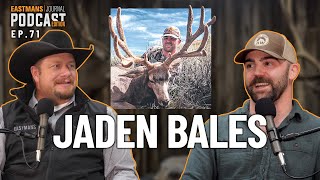
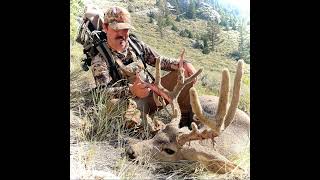
Ike Eastman talks with hunting consultant Jaden Bales about Wyoming tag strategies, mule deer and elk hunting, and what actually moves animal populations. They cover draw timing, outfitter versus DIY, and how drought and predation control reshape where to hunt.
Chapters
Hey folks, I'm Ike Eastman, your host for Eastman's Journal podcast edition. Today I'm going to sit down with Jaden Bales. And Jaden, not only does he write our Wyoming misses, he took the baton from Guy and has taken it to the, to the next new level of what's happening in Wyoming. He's really involved in the Wyoming Legislature. The Wild Wildlife Federation does a ton of volunteering in the wildlife space. But he also has Hunts west, which is kind of, kind of a boutique, I call it a psychiatry take on hunting where he, you can talk to him and bounce ideas off of Hunt Strategies and so that you have the ability to take that once of a lifetime trip or over years. And we talk about Argentina. He just got back from Argentina, which is a really cool adventure. If you're looking for something to keep those, something to do in March and to keep those skills sharp, that's a great option. So without that, let's join Jaden and we'll talk Hunt Strategies and Wyoming specifically. Today's sponsor is Forever Barnwood. Guys, we have been using this in our renovation of our building here in Powell, Wyoming and I am here to tell you it is amazing. They are a premier supplier of barnwood across the US Their products come from fresh cut Wisconsin white pine which has been kiln dried way below standard lumber and hand processed into various products like barn doors, bags, beams, flooring and wall covering. This type of lumber product provides all of the advantage of reclaimed barnwood at a fraction of the cost, not to mention how easy it is to work with because it's straight lumber and it doesn't have all the waste. Their barn wood products are a renewable resource and come in a variety of widths and lengths, large sizes for countertops, beams, posts, stairs and railing systems as well as wall covering and everything else. Their prices are only a fraction of the cost elsewhere and they can ship anywhere you need it. With their innovative Barnwood products, you'll have the right piece at the right time for your special project. So check them out@your foreverbarnwood.com no matter what your project is, Forever has with their innovative Barnwood products, you'll have the right piece at the right time for your special project. So check them out@foreverbarnwood.com and no matter what your project is, Forever Barnwood has you covered. This episode is sponsored by Securit, the gun storage system. Have you ever wondered the best way to store your guns, ammo and actually all your valuables? There is a fine line between safety and accessibility. There's also something to be said about being able to customize your safe for your needs. If you are storing long guns, handguns, ammo or just need a wall to hang your equipment on some secure it has your back. They have cabinets, rooms and everything in between. Secure it safes are simple, strong, straightforward and by the way, they don't keep your combination codes. Secure it. Jaden, thank you for, for coming. You, you're, you know, you live down the road down to Lander, but you're actually coming back from a really cool trip. And we're just coming through Powell and I was like, hey, let's sit down and talk to Jaden about Wyoming strategies and the, you know, Wyoming draws coming up and the application here's in a couple months. This is the first part of April and so you know, you have some nuggets I'm sure for, for our audience on how to build that Wyoming strategy and how to hunt in Wyoming if you're a non resident or if you're a resident. And so you know, hunt, you know, the, the hunt planning, the hunts west hunting is it Hunts west.
Hunt west, yeah. Hunt west. What is that?
Well, actually, yeah. What is that?
So a few years ago I basically was just, just helping friends playing hunts around the west and I realized like they really liked it when they could bounce ideas off of somebody to figure out where they wanted to go or where they wanted to be in their hunts. And then I was like, well, maybe I can make a business out of this. And so I started charging people just who I knew through, who were contacting me through social media and stuff like this. And then it got big enough, I ended up kind of just making it my full time gig. So in the fall when hunt planning is not as big, I'm out there guiding and I obviously hunt for myself. But then this time of year I am just talking to people trying to help figure out where they need to go to reach whatever goals they have or where they're wherever, how many points they have or more times than not it's like how can we find you a hunt or an approach to a hunt that matches their physicality or their access to livestock or private land? You know, there's a lot of factors to this game. So it's trying to help match people up with what's going to make them happy.
So you sound like you're a hunting psychiatrist. You got a couch you sit them all on and you sit and go. So how does that make you feel?
Yeah, so often it is more about Just like finding out what someone's good at or what they like. And I oftentimes will ask them like, okay, so would you kill a cow on this outcome? They'd be like, well, yeah. And I'm like, okay, well you probably don't need the horses, you know, or like you probably don't need to do this thing. And oftentimes it's more of like sitting them down and letting them actually verbalize what they need or want. And most people don't do that though. I don't think most of the time people are sitting there going, yeah, this year I think I want to just take it easy. You know, everyone just thinks they have to do, do one thing or another every time they go out.
So a bit there's, there's probably a list of questions you start with. I mean, we do the same thing here. I'll be sitting, standing at expo and a guy will walk up, I got 14 out points of Wyoming, what do I do? And you know, there's a list of questions, well, do you want a backcountry? Do you want a truck hunt? Do you want, you know, bears? No bears. You know, you just start going down the list of, of of things to narrow that search down, which, you know, then you start hopping on a tool like Tag Hub and going, okay, here's our search criteria. And you can use that to narrow down areas and when to put in and how many points it's going to take and all of that stuff. I'm sure. Do you guys. So you probably have like repeat clients, right?
Yes.
You're doing multi year strategies.
Yes, exactly. A lot of people will like to come sit down with me the first time and go, what's it look like for the next five years? And that's really fun to do. It's also frustrating when you're planning and, and states are changing things year after year. But it's really help because if someone's like, hey, I just get points in Colorado, nowhere else, I'm like, oh buddy, like you got a long road to hoe here. But if someone's like, well, I've started building in these four states and I don't know what to do now, then I'm like, sweet, we got something to play with, you know? Right? So yeah, that's a huge piece of it.
I just, I did a, recently I did a podcast with Kevin Monteith, Dr. Kevin Monteith, which I know, you know, yeah, absolutely. And we were talking about points and when to use points and you know, in Wyoming, our winners are so crazy and so critical to antler growth and, you know, body growth and all that stuff. You can almost guess within a few years, depending on winners, when you need to burn those points. And if you're using something like your service and tag hub, you can actually go, okay, I have the three year window. These are the three years. And whatever winter it was or is.
Yep.
And whatever the summer conditions are, that's when I'm going to pull the trigger. Which is cool in Wyoming because we don't have to apply until May 31st for DNA. Deer and antelope. Now elk there, you got to do it in January as a non resident. But the cool thing is with elk is they're less affected by all of that.
Yeah, absolutely. It's a good time to be an elk hunter right now. So it's, you know, not as severely impacted. The one thing, and I saw this especially bad in 2024, this last hunting season is if we get a drought come like mid, middle of September or middle of the summer through September, October. Gosh, you got a lot of broken bulls and you got a lot of like brittle antlers that make it hard to be really picky once you're actually out there. But besides that factor, there's not much that really impacts them.
Yeah, well, they got feed grounds and they had, you know, they're, they're. I jokingly say this, that if there ever is a nuclear winter, we're going to have a cockroach, a whitetail, a coyote and an elk. That's what's going to be left. That's exactly right. Or survivors.
They are even those. I mean, even in that harsh winter, you see, you know, these yearlings are out there and they're getting around just fine. Like they're not having any issues really. I think everyone, especially when you read big bad winter line headlines, you're like, oh, it's got to hit the elk too. And I almost, like, didn't really think about it.
Yeah, I was just like, yeah, it wasn't a factor. So. So Europe in Oregon, right?
Yeah. I grew up in Oregon, Eastern Oregon, the dry side, which is important to, to decipher. We have mule deer and it looks just like Wyoming.
It looks, I mean, it is, it is plains, sagebrush, flat mountain. You know, there's a ton of big mountains.
Yep.
You have the eagle cap, wilderness, all of that stuff. And it, you know, it's very similar to Wyoming. The hunting styles are exactly, exactly the same. You don't have the winners, but you have just as extreme Hunting as anywhere. Yeah.
It's funny, like, grandpa grew up or growing up. Grandpa would tell me about horse packing into the eagle caps because that was the place before they set up the big three units in Oregon. That was the place where big bulls were. So all guys were all packing 15 miles into the eagle caps and doing the thing. And. And then they created the limited entry, you know, highly premium stuff. Stuff in that northeast corner, which is kind of where I grew up. Right. But yeah, yeah, it's been. Hunting is a really important part of the culture growing up there. And it's weird how many friends of mine either ended up in the hunting industry or guiding or, like, doing things around this because there's no timber jobs. There's very few ranching jobs left. Like, this is about the only space left if you grow up there.
Yeah, I mean, I know a fair amount of guys. Eric and Ty and those guys. Yeah, that. That worked at Cryptic. You know, I've been out there. We did a thing with Rocky Mountain out foundation with. What is that forest?
Was it Hancock Ground or.
No, it's a funny name. Anaha or something like that.
Oh, the Im. Naha.
Yeah. Yeah. And they opened up that rmf, got grants to buy that property and open it up to public land, which helped the eagle cap. I mean, the access is way better now because of that.
Well, and it's funny, the place that they bought and like, swapped around for land. I remember first time we went spring bear hunting with my dad, we stopped at the edge of the highway right there and glassed up bears on that. On that private land. Yeah. It's like. It's good country and it's beautiful, gorgeous.
So grew up in Oregon. What bring you to Wyoming? What was. What was the. The. Was it a natural migration, Too many crazies in Oregon, or, like every good.
Story, it started with a girl.
Good story. Yeah.
No, no. And so she was going to school in Laramie, and I was like, yeah, let's do it. I want to go to Wyoming bad. And. And then that didn't work. But I stayed, you know, I was like, yeah, Wyoming sank his teeth in. And so, yeah, yeah, that's why I'm still here. And I started volunteering for Wyoming Wildlife Federation right when I moved. Moved here, and then they had a job position open up. Okay. And so I took that job and moved to Lander. So I've been around, oh, seven, eight years now. But the other thing is, is, like. And I wanted to make sure, you know, I've been living and breathing this stuff for seven years, eight years. So I've got a lot of current information, but this is where I love like leaning on you guys for the historical stuff. You know, you and Guy have, and your whole family has so much deep history here. It's good to balance out both, because you want to know where things were at one point and. But like we were talking about beforehand. That can only help you so much when you're actually planning for this year or the next five or ten years, whatever's coming down the road.
Yeah. And you know, the, the historic thing, the historic stuff is really neat. We've done a ton of films and obviously the family, our family's been in this for a long time. It's really thin. It's fun to think about. And you know, I appreciate you taking the baton from Guy on this stuff and going, you know, taking it, continuing it and it's. But the stuff that's happening right now is really, if you're looking at tag strategies, if you're looking at hunting in Wyoming, it's fun to think about what it was like in the 60s and 70s, but guess what? It's not that anymore. And we'll never see it. We'll never see that again. And so what's happening now? What are, what are some of the things that guys need to be thinking about in, in Wyoming? Tag strategy? You know, maybe we, maybe we hit if you have zero points, if you have, you know, average points, if you have max points. Those are three different guys. But what, what do they need to be thinking about here?
So you kind of hit on it earlier with. Talking about Monteith is like if you're trying to hunt this year, you should be not thinking about the last year or the year before even, but five, six years ago. Especially when you're talking like mule deer, antelope, maybe three, four years ago. You know what, what's happening in those populations in the past because that's going to provide the critters that people are looking for now. So I just got back from Argentina. When I was down there, those guys love their midday naps, right? I loved it because we would stop and I would take the middle of the day to study up on all the biologists videos. I watched all their videos for this year and gosh, there are some awesome fond numbers that are coming out of this year. Crazy numbers, crazy numbers. Highest fawn ratio ever recorded in bags. Really close to the highest ratios in region G down outside Mountain View. From Mountain View to Kemmerer, it was the highest since 1990.
Wow.
Which I don't know if anybody can infer this. That's before I was born.
So 1990 was. We had a really bad winter. 92, 93. And so 90 was the last of the. Yep.
Yeah.
In fact, in 91 I hunted G. And you could still hunt through November then you can still hunt on the rut.
Could you have two tags? Buck tag?
No, they had gotten rid that just years before that. But it was one tag. But still I remember my dad and I rolling around north of Pinedale on the winter range, looking at deer that were high country, mule deer that were migrating. And you know, it was 10 below zero, so it was really not a lot of fun to get out of the vehicle. But you could hunt them, you could shoot them. And I remember very vividly I was. I think I was 14, I think it was the first year I could deer hunt. I remember my dad saying, well, I just don't feel good about this anymore, you know. And he hadn't hunted, he hadn't done that in a long time. And it was fun to go with him and see it. But he, he got to the point in his life, he's like, this isn't right. We shouldn't be hunting these deer right now. The numbers aren't there. And then of course we had the bad winter 92, 93. And it's never been, it's never recuperated fully. And in the, the knowledge and the stuff, the management style because of the information that we have more of now is changed. Carry carrying capacity has changed slightly. You know, it's just. It's a different world.
Yeah, for sure. You talk all the, all, you know, depending on how much impact it has. Maybe you can have an argument about that. But like that whole mesa is changed from the 90s to now. It's just looks totally different with the development on it. So like you said, it's probably not ever going to go back to the heyday, but.
No, and, and that's okay. I mean it is what it is, right? We still have deer they didn't kill all die in 9290 or in 92 93. And they didn't all die in 22 23.
Yeah.
And they're coming back. So what did, what did you find out with those biologist videos?
Oh man. So we got fawns out the yin yang even though that there's some pretty low populations in places. But basically if it was a place that got hit by winterkill bad, there's fawns everywhere really, which I really like that for someone who's planning. If you've got zero, one or two points, man, I'd be licking my lips and being like, five years down the road. Like, let's go make it happen. Like, that should be. That should be good. Other winters notwithstanding. Right, right. On the other side of that, though, that if you're looking to hunt this year, that doesn't really help you too much.
Buy a point.
Yeah, exactly.
Buy a tag. So they still have money to manage it, but don't.
Yeah. And it's funny, though. I went and this is where, you know, if you compare Wyoming to the rest of the west right now, we. Wyoming does such a unique job of managing each herd with different season dates and different antler point restrictions. There are some places, I think, in Wyoming where a guy can still go have a pretty good hunt, but you got to grade it on a curve. Right. You're not grading it against 2016 Wyoming. You're grading it against. What other options are there across the west right now? And that's where, you know, you compare to Idaho or northern Utah or other places that got hit, and you compare the season dates and you go like, oh, what kind of hunt do I want? You know, then you can start filtering through where you can be going this year. Central, central Wyoming, their deer numbers are pretty good in some places and, like, better than. Better than others anyway. And they didn't get hit near as hard. I think it's probably because that wind blows so dang hard. The snow was in. The snow was in Nebraska. You know, it didn't stick around.
Doesn't even hit the ground.
Yeah. Yeah, exactly. So some of those places, like, I really like, you're looking at those spots where you might be not looking at the western part of the state. I think if someone wanted to hunt the western part of the state and they've got the points for it, you can go in and just. Again, there's, like, graded on a curve. You'd be like, instead of looking at 30 bucks in the basin, I'm gonna look at 10 or 15. And you're looking for the one that made it, that was five years old and now is seven. You know, something like that.
Yeah. In, you know, the knowledge that we have and the. The information that is so accessible now, you can look at that type of stuff. We. I hunted a fair amount in the northeast Wyoming this year because it didn't get hit as hard. And, you know, they were in a drought, but the antler growth was still good. There was still a Ton of deer out there, lots of opportunity. We took one of our hunt winners up there. It was, you know, there's still opportunity. We have a tendency to blanket statement that the winter in Wyoming was horrible. And that's, you know, that's western Wyoming, not all of it. It's a big state. It takes you, it takes you a fair amount of hours to drive across it as you're about to find out.
Oh yeah, well, and that's the other thing is like, I mean even where we're sitting up here in the Bighorn basin, it didn't hit near as hard. And you know, watching those biologists presentations, they're like we've got better deer numbers than we've had in five, seven years. So it's looking, it's looking better here in some places. But then again like there's other parts that were impacted by the drought specifically right before the hard winters that are looking pretty poor.
Right.
So it's just like more complicated than just saying Wyoming is this thing right now. Yeah.
So how much does predation take into that, do you think? You know, they talk about it much in the biology world.
They didn't talk about it too much. But I think what like Monteith has shown is like if you get low, low prey populations and your predator population wasn't impacted, then you get like predator swamping where they end up with having a bigger impact than they would before the winter kill. So I think that's going to make an impact in some places. But I also know like our county predator boards and stuff or they're putting the hammer down on some critters. So I think that there's places that they're going to really lessen the impact. I was talking to some guys outside of Lusk, which is like region B for instance and they got a huge influx of funds to, to really put the hammer down. Especially it's sheep country, like domestic sheep country and they're seeing some improved fawn ratios out there on the back of all of that predator control. So I mean again I think it's place dependent and depends on how low that population of deer got. But yeah, and it's weird, Wyoming doesn't publicize how much predator control they actually do, but they do a lot of it well.
And you know, I was talking to Monteith about the Wyoming range herd and they actually put the whopping on the coyotes during that fawn season. You know, the first that 45 days when all those does are dropping their fawns, you know, they were shooting out of the air, hundreds of coyotes just trying to get those fawns a couple weeks age before, before they become prey. And you know, they went from fawn recruitment in the teens and low 20s to this last year was 83% the highest that they'd ever recorded.
Yeah.
And you know, obviously habitat's a huge portion of that, A winter, huge portion of that. Human involvement is a huge portion of that. But predators as well. Just getting those fawns, you know, a couple of weeks old.
Yeah. And I think it's one of those things where if you look at long term, if you're hammering the predators long term, it might not be as good of a use of money as it is putting it into the habitat.
Right.
Getting those, like you said, getting those fonts to that place where then the habitat can take over. I think is the sweet spot where Wyoming's trying to find. Yeah.
And any, any, you know, it's kind of a double. You have your short term approach, which short term is let's try and get those deer, the current herd, dumping babies and grow that instantly. And then the long term approach is habitat. You know, you can go plant a bunch of sagebrush to. But from an infant sagebrush plant, not a seed. An infant sagebrush plant to get it to grow to the point where it dumps seed is 10 years. So that's a 10 year span. You're not going to. That's not going to affect deer for 15, 20 years down the road. That's not going to help grow from 4,000 animals to the current 12,000 animals. Now that's, you know, that's a different problem short term versus long term.
I think you're so right. And we've got it. We've got a project outside Lander that I'm helping kind of keep going. And it's bitter brush plant planting. And this place, I killed a pretty nice buck out of there in 2020, right when we got hit by that first real hard drought. And it killed a bunch of the, the bitter brush. And they talk about, wait, maybe it was a locust or something else came through and wiped it all out. But now it looks like crap. Just in the last five, six years. Well, we're trying to replant it, but like you said, it's going to be 10 years before we see plants, you know. Yeah. But you got to have both. You got to have both ends of that spectrum for you to feel like you're ever going to make a difference. Yep.
And then there's fire suppression and a bunch of Other stuff on my podcast with, with Monteith, it was an hour and a half of him giving us the. It's not an, it's not this or that, it's all of these things kind of synopsis. So what are you seeing in for 2025? You know, what's a, what's a strategy for, you know, a long term strategy for a guy that's got, you know, five deer points that it doesn't have enough to draw. Region G doesn't, you know, has probably enough for a B tag or you know, the northeast Wyoming. But is it the right time to pull that trigger or is there, you know, a different option?
So I feel like a lot of people probably have looked past trying to get private land access, but whether it's a trespass fee or going guided, it's a really good time to do that right now. I think that those places, just because they have such few hunters and they especially on the east side of the state where it's primarily private land. Right. They've got a few more options for guys over there. There's also some stuff like some limited quota stuff that I really like where there's just pretty low hunter pressure. And I think if someone wanted to go burn a tag on a limited quota area this year, like half, half dozen points or more, that's not a bad option. A lot of those hunts, and this is the funny thing about Wyoming's tag, like season dates in general, even the limited quota tags are in October when it's dang tough to find a good buck. And they're there, you know, like you'll see them on the winter range especially you look at that south central part of the state and like you go out there in November, December and you're like, holy crap, there's some studs out here. And I had some clients hunting down there. That first couple of weeks of October, it was tough. Like they didn't have an inch of rain for, what is it, 30 days? Something like that was a long time.
Dry fall, hot.
Yeah, we were driving around, we had some elk hunters at the time and we, we looked like we were hunting people in Afghanistan more than hunting out because we were covered head to toe and dust and just riding around in the side by side. It was brutal. But yeah, that's where you kind of again, you got to go like, okay, I'm going to hunt where there's the deer I'm looking for, knowing that it's going to be hard to find them and. But Wyoming does a good job of Putting seasons in times when it's hard to find those deer. And that I think keeps Wyoming's age class pretty good, you know, and you.
Know, the success rate's just because of the sheer number of animals.
Yeah.
But maybe not the quality when you. And hey, it's hunting, it's, it's weather dependent. It's like farming. Sorry. We didn't get the moisture, we didn't get the cold or, you know, around here, we didn't get the snow. So the animals didn't come out of the high country until Christmas.
Yeah.
You know, and it was, it was tough. But hopefully, you know, hopefully we have a good wet spring here, we get good antler, antler growth and we have a decent summer. Last year, I can't remember last year. I think last summer was probably the driest, hottest summer I can remember in a really long time. There were so many days that were right at that 100 degree mark and everything was dry and it was like corn flakes and big, huge fires everywhere. In fact, my daughter, she had a tag just out here and they had a fire in there a week before it opened up and so they shut it down. Cool thing, though. Wyoming gave her a tag back. So she has a tag for. For 25.
Yeah.
Which I got to remember that in planning. I need to put that on the schedule. But you know, it's, it's that type of stuff that affects hunting. And that's why they call it hunting, not killing, so.
Yeah, exactly. But then, you know, like, you're talking about these fires. I'm looking at the handful of big, big fires that happened last year and kind of licking my chops to like, try to get into some of those places.
So what do you think? How does that affect.
So I killed my biggest buck in a fire that burned in July, and I killed him in October in that fire that same year.
Same fire.
Same fire because it was green, it was greened up. And I think that that just green.
Up from July to October.
Yeah, really, it was when we had that monsoon a couple years ago that was really good.
Yeah. Yeah.
And I was like, oh, so if the food's there, if we have the moisture and the food's there, the critters are going to be in there. They don't really care that it looks black. You know, as long as the groceries are in that place, I think those fires are looking like good places to look for critters. And obviously when you open up the canopy, it makes it a lot easier to find them. Now I think A lot of people know that, right. So they're probably going to be busy, especially on the edges where the road systems are at. You're probably going to see people be bopping around in there. But yeah, I think if a guy wants to go especially scout it first and make sure they are in there, that's pretty good. Pretty good place to start.
We. So we're the place that we hunt in Southern Colorado in 2002, I think, had a huge fire and it was all standing, huge timber, and they burnt that and oak brush and everything. And it was funny for probably damn near 10 years. You know, that timber, it burnt so fast that the timber still standing. For 10 years, it was still standing. And those elk could be standing there, thinking they were in the timber, hidden. You're like, yeah, it's all gone, it's burnt. But they're just used. You know, it's ingrained in them that that's where they go bad. And they're laying on an open hillside in the middle of the day in the sun, probably going, I don't remember this being this. This place being this hot last year.
Yeah. Yeah, exactly. I love it, man. Especially like, I really like just sitting at one spot and glassing all day long. And that's where I think that that strategy in a burn like that can open up new country to hunt. Then you have some fires that happened out on the plains, though, in eastern Wyoming, and you know that's going to be a mix of stuff. Some of those juniper hills got burnt, which is great. That'll be helpful. But then some of it was actually just like torch. Scorched earth. Yeah, not so great.
Yeah. We were driving between Buffalo and Gillette a couple times last. Last fall after those big fires, and it was. It's like the surface of the moon. I mean, we were having wind. We were having dust devils that were black.
Yeah.
Just absolutely crazy. And I was talking to one of the biologists for the Mule Deer Foundation, Steve Belinda, and they have a big project, Wyoming Game of Fish has a big project to replant that with sagebrush. He was telling me how hard that is. That is crazy. Did you know they have to do it at the certain right amount of time because you can't. A sagebrush seed. He said 4 million seeds will fit in your palm of your hand. And so they're really, really small, but they can't be planted more than a sixteenth of an inch into the soil. And it has to be moist soil. Like, how do you do that? Yeah, he said the Best way we found is we dump it on top of snow. And so that seed, as the snow melts, it hits the dirt and it melts into the dirt and it's the perfect. But it'll be 15 years before that sagebrush comes back.
Yeah.
If it does and doesn't get choked out by whatever native grasses are in there.
No doubt. And it's actually kind of cool. We did some projects between Jeffrey City and Lander where there was these old uranium mines. And the only other way to do it is to have someone with a greenhouse that gets them to 6, 7, 8 inches tall. And then you got to get as many people as possible out there with little tiny shovels and putting them in the dirt.
And even then it's got to be perfect.
Yes. And here's the other catch. It has to be planted in October. So who do you think is going to be out there?
You're not getting a lot of hunters as volunteers.
Volunteer, no. So that's a big problem.
Sounds like a good project for school kids.
Yeah, yeah, yeah, exactly.
Little hands.
Little hands. So, yeah, that whole eastern part of the state is going to have a little bit of that problem. But again, I had a. I had a guy kill a pronghorn and maybe we should talk more about them, but killed the pronghorn in one of the. In the middle of the black last year in one of those eastern Wyoming fires.
So standing out there going, there's nothing to eat out here. I should have packed a lunch.
Yeah. And luckily, man, like we're getting. I was talking to a guy who hunts on or lives on that side outside Gillette and he was saying, dude, it is such a muddy mess over here right now. We don't have snow necessarily, but we're getting a lot of rain and really like. Yeah, he said it's looking. I mean, this is the time of year when I think that stuff for the next two, three months is going to make a big difference as to what that fire looks like in the, the fall. So I'm hopeful. Well, I was not just cheatgrass.
I was looking recently. I was looking through on tag up. One of the layers we have is drought and just from year to year. And last year that area was all red. I mean like it was really bad. And already this year it's yellow and so it's coming back. Green is obviously the average. And then blues, you know, over, over the top moisture. Red is scorched earth. And that's, that's really exciting. Super exciting.
Yeah. And as like what you're talking about as like a farmer or whatever. You don't really get to. As a hunter, you don't really get to decide what year you get. You know, you get a tag. You're just hoping that you land on a good year. Like, I had an elk tag right after the hard winter in a, In a kind of a drier place. And I was like, oh man, this is going to be great. You know, I bet you the. Because I hunted often, the bull quality was probably 10, 15 inches less than normal. And I was like, this is the.
Year, you know, and I drew it. Thank God I burnt. You know, we don't have points, but yeah, seriously, I'm not gonna get this for another five.
So that's just the name of the game though. I think if someone spends too alpha much time trying to time it up perfectly, they're gonna get disappointed. So you got to go in with a grain of salt. It's part of the reason why I just, I kind of just keep going and I'm like, I have a thing that I'm looking for when I'm hunting. Probably you do too. It's just like. And if it's not there, no big deal. Yeah. You know, but like we're just gonna go now. Obviously you're. When burning a bunch of points, then it plays a little bit more of a factor.
So that's one of the things that I got asked this year at Hunt Expo. A fair amount is, you know, I have 16, 16 points. I'm 60 some years old.
Yeah.
What do I do? I just want to burn them. What is the best option?
I really like, again, especially in those upper points. I really like those mid to late October hunts that are limited quota in Wyoming especially because if you. There's a real correlation between having that many points and how. How hard those mountains are on your knees. Yeah.
So that's what they're getting at. I'm 60 something years old. I. I can't wait another five.
I would much rather have a hunt where you can drive and have more access and, and be able to look over a lot of deer and maybe be happy with a 160, 170 buck than looking at the big mountains and being like, I know there's giants up there, but I can't get to it. You know, I'd rather just go have fun and look over a lot of critters instead of. Of trying to make something that happen that can't. Yeah.
And that's one of my other. My next question after that is okay, is an outfitted hunt maybe something that you should consider in that situation, an outfitted hunt or an access fee or something to just, you know, to, to bring you back to square one? Yeah, you're not going to go hike those big mountains, but maybe the outfitter can, has access or has, you know, something that will help you still take that, that hunt of a, you know, still take that trophy of a lifetime and you still have an awesome hunt. Let them worry about the logistics of, of camp and food and, you know, vehicles or stock or whatever.
Yeah, I, you know, one of the things that I think the number like makes people more successful is hunting a place year after year after year. If you're burning a whole pile of points, even if it's one of the best units in the state, you're not going to have the historical information that a guide or someone who's been there year after year can, can provide.
That's so true.
You know, I was in, you know, central Wyoming where there was a really, really good unit for deer takes max points. And last year while elk hunting, I saw these three bucks in one drainage that I was like, oh, those are next year's deer that we're going to be targeting. You know, and going with an outfitter gets you that information, gets you that kind of intel and, and when you don't have a lot of time left to try to keep coming back, I think it's well worth it.
Well, and honestly, you know, with, yes, people are like, oh, that's, you know, that's, that's honey. The honey is for the rich. And you start adding it up, the logistics and the stuff that you're going to have to purchase or, or rent or, you know, just use versus using an outfitter who has all that gear and has all that stuff and has the access and has, you know, let them beat their truck up on those dirty old roads, that type of stuff, it starts to become a wash. Oh, absolutely.
And then. Okay, let's just say, you know, you, you factor those things in and you haven't even began to factor in your time like what your time is worth, right?
Yeah. Because it could be three or four trips before you know the area enough to even be successful.
That's exactly right. And that's like if you're doing a five day hunt, you're only gone for seven because you got one day of travel on either side and you're going to have a much better hunt than if you spent 60 days out there. You know, the other piece of that though, is just, you know, like, again, like, at the time, at the end of the day, you only have so much time this fall and then also for future fall. So if you're going to be out here scouting for this tag, you're not doing something else in September. Right. It's always an opportunity cost of what your schedule allows.
Right.
So maybe if you're like me and you don't have kids and, like, you do have the time. Sure. Like, let's. Let's just keep grinding on the DIY public land stuff. But if you're getting up there and you can make it, swing it, like, it's probably worth it.
So let's talk about pronghorn. You know, we talked about deer, talked about elk. We're really not affected that much other than the 20, 15, 20 points. Yeah. With the. With the drought, late, late summer drought, how did it affect the pronghorn?
I think you saw the biggest winter kill areas for. For mule deer also got clobbered for pronghorn. But that said, they cut tags really aggressively in a lot of places. So, you know, and I had this happen last year where I got a tag, second choice, where the numbers have been cut. And I did that the same the year before. And instead of it being an absolute war trying to find the couple of the pronghorn that are on public, you got the place to yourself. So I do like that part about where we're at with pronghorn. There's some. A lot fewer tags than there were, actually. I saw it. It was like. Like half as many tags as 2020 right now. So the experience is still good. And even with half as many pronghorn on the landscape, Wyoming's got a lot of pronghorn.
Yeah, we're more pronghorn than people.
Yeah.
And I. I can't remember. The guy did this statistic one time on the number of pronghorn in North America and how many. It's some ridiculous number. Like 60% of them live in Wyoming. I mean, it's in. Then the next state behind us is Montana. We have 470,000. We had 470,000 pronghorn at the peak, and there was only 170 or 120 in Montana. Yeah. You know, four or five times the size. Yeah. So interesting. One of my buddies drew an antelope tag in central Wyoming this year. And it's an area that I've hunted. You know, I've hunted there since I was 14. I know really, really well ins and outs and how to get around the private land. And, and what, you know, what private land we could hunt on and you know, where the public land is. And, and it seemed to me that because we were seeing huge antelope.
Yeah.
I was like, man, this is really weird. We're not seeing a ton of antelope, but the bucks we do see are pretty dang big. Yeah. And driving bounced around out there. It occurred to me that the antelope growth cycle on their horns is so much different than deer and elk, especially deer. They're almost opposite on the calendar. And, you know, antelope drops his sheets in November and he starts growing those horns immediately. Yeah. And then they're done by May, June, they're over. And if you look at our moisture last, last spring, we had a really good wet spring.
Yeah.
But then it dried up and poof, done. I think those antelope grew better and they weren't brittle. And, you know, he shot a 83 inch goat and, and we were chasing one before we bumped into him. We were chasing another one that was well over 80.
Yeah. Well, and I think, I don't mean to spot burn any particular unit, but if you look at a grouping of them from Casper to Laramie.
Yeah.
Even right after the winter, the biologists were like, yeah, we kind of have, we've got plenty here. We could even increase tags in a couple units. And then there was a lot of, you know, social pressure to not to do that. And then you'll see, this year, I would imagine a lot of those will get a tag boost. And it was funny. Like, I was out there, we were stalking this herd, elk in kind of pronghorn country with a client. And the client, I don't know if he knows what a pronghorn looks like, but he tapped on, on my shoulder and was like, hey, isn't that a big pronghorn? I'm like, we're in the middle of stocking an elk. What are you looking at antelope for? He's like, no, no. Like, look at it. And I turn my head and I'm like, like, oh, man, that is a stud. And then, so then another guide killed it and it was 86 incher, just like, oh, my goodness. So, yeah, there's still big ones to be had. And I, I, I'm right there with you. I think if you look closer at, you know, what your expectations are, there's some pockets that got missed, some pretty big pockets that got missed in the winter kill. So.
Well, antelope's just such a fun hunt. Like, this guy's the guy that I took, he's 70. He'll be 76 in a few weeks. So he's older. You know, he doesn't hear the best, doesn't walk. He says this all the time. I can do the same thing I used to do. I just do it a lot slower. Yeah, you know, he doesn't, we don't, we don't do a lot of walking and you know, shooting is a little bit more of a struggle than it once was. And antelope is just so much fun because you're like, well, that's okay, there'll be another one. And that's what happened. We blew a stock on one. We just couldn't get the stars to align for him and bumped along on this little two track road and over the hill there's this huge one.
Yeah.
And he stood there just too long.
That's perfect. Well, it's funny though, you think about it from a non resident perspective and the first year I moved here, I picked up a non resident second choice pronghorn tag in the regular draw and had a good hunt. I killed a goat and I was like, man, this is great. So people probably used to less than a dozen, half dozen years ago getting a second choice tag and still building points. Unfortunately, at the stage of the game with the tags that's probably not happening anymore. So guys are going to have to have three or four points to kill a public ground go or more. But once you're in that sweet spot, five to 10, man, you can have some pretty darn good, pretty darn good pronghorn hunting still. And I really like that spot.
Well, and if you're doing it with a group of guys or a family, you and your kids, you can stagger those points and maybe party draw. In Wyoming you can party draw. What's that mean?
Yeah, when everyone puts in under one code, it's like one party name. Then you average your points out and you go into the draw as one application and basically everyone gets a tag if you, if your number gets drawn. So I think that's a really great way to do it. Especially if you got someone who's maybe 10 or more points and you got someone with just a couple, man, just average them out. Go have a fun hunt. Especially being that, you know, especially in those, those red desert units, the numbers are a little bit down, you'll have a really good hunt for those midpoint levels. That said, you know, there's still some giants that they pull out of like the traditionally good areas. If you're at the top point level, blue chips. The blue chips, man, they're still really, really good right now. And actually one of the outfitters I work for, they. They shot this goat. He was so goofy. One side would have been like 106 inch goat but then the other side was normal. So really it was. Yeah, I'll actually show you pictures. But regardless, they, I mean he's got the chance and the genetics for some absolute freaks still in Wyoming.
Yeah. And I'll shoot a freak over a big one every day. Yeah, every day. I have yet to kill a freak. A super freak antelope. There's one over there that's got one one horns. Missing a prong. Never grew any. He just grew his. His one side is just a big giant blade.
Yeah, that's sweet.
Everybody's like, why'd you shoot him? I'm like, look at that. That's so cool. Yeah, he didn't blow it off. That's how he grew.
That's super cool.
But so yeah, the other thing I like, I like doing the party tags especially with kids so that everybody to do a tag and you're out there spending time with your kids. Some of the best time on. On that I've had with my two girls is hunting. You know, it's lots of fun conversations and, and lots of fun understanding each other and watching them struggle, watching them be happy, watching them, you know, learn how to be strong and all that stuff. It's pretty cool. So party tags, what is some of the, the things that, that you're looking for? You know, if you were new in hunting or new to the Wyoming. You were, you were saying this before we got on that there's a guy that was only has Colorado points, has no Wyoming points. What do you, you know, what's the strategy there?
I really love it when people start looking at some of the easy draw tags that you can get. Second choice for non residents in particular, whether that's a cow tag or you've got whitetail type 3 tags in places that you eventually want to go hunt for the other species, like you know, for elk. Obviously that the example there is you go get a cow tag in a place that you want to hunt bulls in future. Right. Especially if you're talking about bull still being in with the cowherds like it's the same hunt, you just shooting the other one. I really love it when people go.
Do that same thing because you're learning the area, you're learning where they're at, you're learning how to get in and out, all that stuff.
Same thing if you're a deer hunter and you can get an elk tag in an area like that. You know, I think about this oftentimes with your region G and H kind of people. Right now, if you can go get a cow elk tag and go learn that place before you go back with deer and maybe just treat it as like a scouting mission with the chance of bringing home meat. Like you'll know what you're getting yourself into before you burn those points.
And same thing with pronghorn.
Yeah, same deer. Yeah. Yeah. I did a. I tried to do it pretty often, but I got a second choice whitetail buck tag in a place that I had my pronghorn tag and it was kind of reversed. We shot pronghorn opening day that I was out there. And then we went whitetail buck hunting and which it was early October. What are we doing? White and hunting whitetail bucks in early October. But it's still fun. Like you can kind of cross over those things in Wyoming and I think that that helps you learn more about the place and make it more successful when you come back for whatever the. The big thing is that you're burning your points on.
Right.
Yeah.
So Wyoming Mrs. Data is in the next issue of ehj, right?
Yes.
So it's. No, it's. It's an ebj. I can't remember. They all blur together for me.
I just write a man. It's also extended. The extended articles are up on Tag Hub too.
Right. That helps a lot in the digital version. So if you're a subscriber, you get the full, you know, you get the full Wyoming misses Write up and all of your comments and stuff.
Yeah.
On the digital version of the. Just the magazine, which is cool. If you're a regular print subscriber, you can get online and look at that digital subscription and get the full thing because it, you know, we'll take a 48 page Mrs. That gets printed in the magazine, which. That's huge. And It'll be almost 100 pages digitally because it's everything.
It's huge.
It's the, all of the charts. It has, you know, it has all the cow tag, cow, elk statistics, all of that stuff. So check that out. So what. What's now? Well, tell me a little bit about Argentina. I've always been curious about. I've never done it. I've had, I have a lot of friends that have done it and they, they're like, I'm going back at some point. I'm going back.
Yeah. So a little background is one of my best buddies who grew up in Sheridan. He speaks Spanish fluently. He's a cat. Like, he's just normal cowboy kid. And he went down there was cowboying in Argentina for their summer. And he goes, hey, you should come up and we'll. We'll guide slash translate for guys. You're talking about. I grew up on a. On a farm and a ranch. And, like, we had a bunch of Hispanic dudes. I studied a bunch of Spanish and I can speak it. Okay, he's fluent. And so we went down to try to just experience it, guide for guys and just see what it was all about. And we went in March, so that is the southern hemisphere. September.
Right.
And all the red stags are roaring at that time. And some places, like this ranch was 90,000 acres. Big, big place, low fence. And half of it, or maybe a third of it was this really thick, nasty brush, kind of mesquite country like you'd see in Texas. Then the other half was sand dunes, kind of open country, rolling hills. And so we were able to, you.
Know, some days, no stags live in that.
Yeah.
Really? I just picture stags in the forest.
They were. It was awesome. So you'd be in there in like, the mesquite country, and, like, you'd hear them roaring and you'd be moving in just like you're moving in on an elk in September. Everyone was hunting with rifles for the most part, but it would be a good bow hunt, too.
Will they let you?
Yeah, yeah, they'll let you. We had a couple guys bring them, and then they were like, ah, this is.
Maybe it came a long ways.
Yeah, it came a long ways. I'm going to bring out the rifle. But. And then we, you know, Hayden and I being, you know, western hunters, we always tried to opt to go to, like, the open country. And we'd sit on the sand dunes and we would just glass our eyes out, out. And you'd look over 30 stags in a day. A whole bunch of cows, you know, Heinz is what they call them. And we would just look over a bunch until we saw one that we wanted to chase. And we'd go with the client. All right, buddy, let's go.
Just walk in and walk. Can you. Can you call them like elk?
You. You can call Adam and get them to respond, but none of those guys. I bet you if someone dedicated like they did in the US to learn it, they could probably figure it out. But, yeah, we. We basically just when they were roaring, you'd move in and oh man, it was fun. They also have this species, they have a black buck.
Oh yeah.
And that was, that was a kick in the pants. I actually got to kill a black buck. And it was just like pronghorn hunting.
Really?
Yeah, just like they're out in the wide wide open. You got to figure out a way to get close because you can see them from a long ways. And then the other thing is, is these guys obviously are measuring in centimeters but, but the difference between.
So you could convert it.
Yeah.
2.3.
Yeah, well the diff. They were like 48 centimeter is okay, 50 centimeter, that's what you're going for. And I'm like that's an inch. Wait a minute. You're like ah shoot. So it was like up there, all this glassing knob with my spines.
What are we antelope hunting now?
Yeah, exactly. And I think it was tougher to judge those suckers than it was a pronghorn. And I was just like oh my God. It was fun though because it was like that. You just, just. It was really laid back. You're looking at a bunch of them and you try to figure out how you get close. That was cool.
So before we get into what that looks like and how you know what it costs and you know what that adventure is, let's take a break right here. Thank our sponsors. Secure it Safes Browning Rifles Hornady Ammunition Low pulled optics and we'll take a space a little break, go through some of that stuff. You guys can learn about that products. Make sure you go and thank those guys for bringing this content to you. They are really supportive and I couldn't do it without them. This episode is brought to you by Browning Firearms. Guys, Browning has been manufacturing rifles since 1878 and is still recognized as a classic traditional company with a long proud history. If you fast forward 147 years and they they still are continuing to deliver high quality rifles to the market. The newest addition to the Browning lineup is the Browning X bolt 2 rifle. The X bolt 2 represents the next generation of award winning bolt action rifles from Browning. This new rifle is designed with the concept of total accuracy in mind featuring elements that work together to help you perform at your best whether at the range or in the field. New features include the Varitech stock which provides the adjustability of a chassis style stock while maintaining the traditional Browning appearance without adding extra weight. Check them out@browning.com Browning the best there is this episode brought to you by Leupold Optics. The folks at Leupold have been manufacturing top notch glass for over a hundred years. They're a family owned business just like mine. And that's why I'm so, so proud to partner with them to bring you these genuine conversations. If you're in the market for a rifle scope, look at the VX5HD series. The VX5HD line of scopes are the workhorse for the backcountry hunter. While you're at it, don't forget to check out the Leupold's full line of range finding binos. Regular binos and their spotting scopes that are second to none and field tested in some of the hardest conditions on Earth. Earth. The Leupold gold ring is the gold standard. Not to mention, in an extremely unlikely event that your Leupold glass has a hiccup, Leupold offers a lifetime guarantee that won't let you down. Leupold be relentless. This episode is sponsored by Secure it the gun storage system. Have you ever wondered the best way to store your guns, ammo and actually all your valuables? There is a fine line between safety and accessibility. There's also something to be said about being able to customize your safe for your needs. If you are storing long guns, handguns, ammo, or just need a wall to hang your equipment on, Secure it has your back. They have cabinets, rooms and everything in between. Securit safes are simple, strong, straightforward and by the way, they don't keep your combination codes. Secure it. So Gene, we were talking about before the break, we were talking about Argentina and it's one of those places we talk a lot in this office. What can you do to extend your season? Keep those skills sharp and have an adventure and experience that is, you know, very similar to something we're used to that gets that adrenaline pumping. Yeah. Argentina has always been one of those places. New Zealand, Hawaii, you know, Texas. Audad. What, what is, you know, what's it look like to get to Argentina? What's the cost? Is it hard to get there? Is it, you know, is it hunting similar? What, what does that look like?
So if you do it on the cheap like I did, I actually got my plane ticket for less than a thousand bucks to get. Wow. Now you got to stay the night.
On the wing or what?
Yeah, yeah. You got to stay the night in Mexico City to get there.
You better speak Spanish.
Yeah, yeah.
One of my worst airport experiences ever was in Mexico City.
It is in Mexico City is pretty darn dirty and stinky. It is like, rough. I didn't feel that great in Mexico City. But then you get to Buenos Aires and Argentina and it's totally different. It feels like you're just in New York City or Chicago or something. It's a normal big city. And of course there's like, crappy parts of it. You're in South America, right? But where every place that you're going through the airport, you know, getting rides or whatever, it's really easy. And you know, I asked my friend, I was like, so, do I need to worry about my money? He's like, no, these are the kind of people, like, if you leave your $10 sitting on the counter, they're going to come by and be like, whose $10 is this? And I was like, really? Yeah, yeah. Which actually, it did happen to me. My. There's a gal there that was doing laundry and I left some money in my pocket. And she comes back, hey, you left your money in your pocket. Don't be doing that. And I was like, oh, sweet. So thank you. Yeah, thank you.
Here's $4.
Yeah, they. So they're super awesome. And I, like, I left some of the hunting gear that I brought with some of the guys because I was like, hey, I know you guys can't get this very, you know, easily. So gave a guy a set of gators, another dude, like a sick jacket or whatever, and they all, all of them wouldn't take anything for free. They'd go, okay, let me find something to trade you. Oh, really? So I got a.
No, don't pull your tooth out.
Yeah, leave that in there. I don't want that. So they give me knives and different stuff. So it was cool. So the people down there are awesome and they're like, really easy going. The easy going part is frustrating sometimes because things just move at a different pace. Like island time. It's island time for sure. But they're really dang good at hunting. And their style, like, hunting the thick stuff, they're really sneaky. They know where to be. They. They watch the wind and you know you're talking about a training hunt for something else. It's like they don't start their day unless they step out the truck, pick up some sand and throw it in the air and figure out which way the wind's going and where it's going to be going for the next however many hours you're hunting.
Right.
There's a lot of really important lessons I think those guys are good at. So that was fun. There's a lot of tracking Also, like, I don't do a ton of tracking, but next time, like, you know, I'm trying to find a big buck and I see he goes into this timber or whatever. Like, you know, you think back of those guys doing it, they're just following a track, you know, and going real slow and those kind of stalking. Yeah, still hunting and stalking. And it's like. Like, it's really good. It's good practice.
That's really cool. Is it expensive? If you were to go down. If I was gonna go down there and hunt on that place, what do they charge?
So it's like six grand or seven grand, depending on. For a stag, which is cheaper than any of the outfitted hunts that I do for elk.
Yeah, I was gonna say that's like a mule deer hunt here in the States. Is there a trophy fee on top of that? If. Depending on how big you kill.
Not for the free range stuff. No.
Okay.
No. And then for, like, you can add. So this is the fun part. And probably where gala guys get into trouble, you can add more species, you know, as you want.
As you're down there, it's the African style. At the end, you're like $15,000. How did I get there?
Yeah, but it's really cheap. Like a black buck. 1800 bucks. You issue wild boar $800, like you think. And again, when I say cheap, it's. It's comparing to our us, you know, tags and stuff. Like, for a special price of a pronghorn, you can go and shoot a black buck down there.
So.
So I just. I was like, wow, this is really good. So I'm gonna have to go back.
Good accommodations. I mean, are you staying in lodges or tents or how does that work?
So they built this. The place I was at, they built this lodge in 2019, and it was like, next level. Way better than any elk camp I stayed at, so. And better food. They had like a three course meal. They had an appetizer, main dish, and dessert at every lunch and dinner.
Oh, my gosh. That's a good way to go down there and get on some weight.
I. Yeah, that's exactly what happened. I'm like, out here. Like, God. It's a good thing it's shed season because I gotta shed some weight.
Oh, that's awesome.
Yeah.
So you killed a black buck. Did you kill a stag while you're there?
I didn't kill a stag, but I killed a boar. They were like. All the guys were like, hey, we need to roast a pig over the fire. Can you go find us one? And I was like, okay, so you know, gringo, I'm like, I'm just gonna go walk around in the brush, you know, and that's really hard to find one. So then they said, well, the way us locals do it, you go sit water at night. And I was like, okay, let's do that. They have a little tree stand thing and at midnight these pigs come in and I'm just looking at them and it's a full moon, but I'm looking through the rifle scope. No, no night imagery or anything. And I'm talking to my buddy and he's like, I think that one on the left is bigger. And I was like, I can just see the shadow. He's like, try it. And I was like, okay, boom, here we go. He's like, did you get it? I was like, I don't know, I can't see.
Did you hear a whack?
I don't know exactly, but we got it and put it on the fire. Yeah. So that was really cool.
So can you hunt suppressed there?
You can. A lot of those guys didn't and these guys actually. And I think it's important, like, it depends on the outfit. You go with guys I was with, God, they had really nice rifles. They had all sorts of brands, but it was all the good ones, you know.
So you don't necessarily have to take your own rifle.
No, I would recommend not. They're shooting pretty cheap ammo. But all the shots are pretty close too. Okay.
You're not making 500 yard shots on a stag.
I had one guy who did, but that was. They thought it was insane. They're like, what? And I was like, well, I was running this dope chart for him and he like, you know, figured it out and made a good shot. So that was good. But. And I had it digiscope too. So they were like, oh my God, you got it on the. Oh, that's cool. They tried to buy my spot and scope off me. I gotta have this. This is mine. Like, I gotta take it home. So anyway, yeah, no, it's pretty fun. It was a good experience. And like you said, you know Dan, he goes every year.
Yeah. He just left. Left today to go to New Zealand and him and, and Sam Davis and a bunch of guys.
Yeah.
That are in our circles are going over there, shoot red stag and he's going to try and shoot a fallow deer.
Oh, that's excellent. So you all, and especially you talk in the day and age of like, where you're at with preference points if you're like, well, I'm. I have the time to do multiple hunts, but I've got the preference points to do one hunt a fall. This gives you that other option another time of the year. I really like that.
Yeah, so that's what he's saying. It's a great. You know, and he. He's one of the cheapest people I've ever been around, but he does it every year. And this is what he prefers to spend his money on. He drives a 1994 Ford Ranger that's got three different colors on it and doesn't care about that. He spends his money on hunting. And that's. That's who he is in any. You know, he says this is a great time for him to. To find holes in his gear before hunting season to test out new stuff before it's that once in a lifetime, you know, hunt in that. In that kill zone of that big, huge bull and his sights messed up or whatever. Just testing everything. So.
Yep, that's exactly right. And boy, if you want to test out your rip stop fabric, go to this part of Argentina. I was home. I had my girlfriend picking out thorns on my hands and stuff. I was like, I cannot get these sensor out.
But anyway, at some point they'll fester out, right?
Yeah, exactly. But no, it was a good trip. And yeah, definitely recommend folks to check it out because. Yeah, what else are you doing in March?
Yeah, it's a great time. It's, you know, snow season's over. We call it the mud season here in March, April.
Yeah.
You know, there's not much to do. You can't shed hunt yet because it's not May 1st. You know, it's a great time. So did you. Did you do any dove hunting while you're down there?
That was. So the dove hunting was always like, after you've killed your stag, that's what you do to fill the rest of your days. A lot of times, if you weren't going to shoot more big game. So, yeah, every day there's somebody dove hunting. And oftentimes those guys were like, okay, I've shot five boxes of ammo. I think I'm good.
You know, I can't feel my shoulder.
Yeah, exactly. There's just a ton of them. And the northern part of Argentina is known for like, the big, big numbers from what they were telling me. But there was an awful lot of them down where I was at.
So you were in southern Argentina.
It was like in the middle of the state, in the pampa region. Yeah. Okay. So. But yeah, that's a. That's a good one. And then they also hunt this little. It's like a mixture of a rabbit and a raccoon called the viscach. Yeah. And they go spotlight them at night. And I was surprised. I thought, you know, it was gonna be kind of like prairie dog hunting, where they, like, shoot them and leave them or whatever. No, they were eating every single one they could get their hands on. And they tasted great, actually.
Do they?
Yeah, they tasted really good.
I don't think I'm gonna eat a raccoon.
Yeah, I. I was a little nervous at first, but they just served it, and it was, like, on this beautiful plate, and I was like, I guess I'll try it.
No one else has died. It obviously isn't their first time. Yeah.
They would, like, prefer it over blackbuck inside. Really?
Yeah, but that's interesting. That's really interesting. So you got spring hunts. Shed hunting. You were talking about that.
Yep.
Bear hunting. Any bear hunts lined out?
Oh, yeah. So we'll have. I do this trip. First trip on the books. Next is a turkey trip.
Oh, yeah.
You know, you got to go get one of those weekends out of the way.
What do they call it? Poor man's elk hunt.
Yeah. No way. I'm not.
I say that to the guys around here. Dan just shakes his head like, no.
Yeah, we. We do some turkey, like, in the evenings. This is the super fun part about Wyoming is our leaves aren't on the trees yet.
Right.
So in the evenings, we'll grab a nice beverage, sit up high on a glassing knob and glass for where they, like, fly into the trees where they roost. And then we'll get in there early in the morning and. And that's a fun hunt. And then at the end of April, I've got a black bear hunting client, and then I'll do another big black bear hunt in May, so. Oh, that's coming up.
Yeah, it's coming up. Never ends.
No.
Never ends.
Especially when you add Argentina in March. Man, that never ends. Yeah.
So is there anything legislatively. You know, the last thing I want to talk about is legislatively here in Wyoming that guys need to be thinking about. I know. Obviously, the corner crossing thing happened. We've. We've covered that. If you haven't seen it, we've done some blogs on it. Onx did a really cool breakdown on what. What that means and what states it is. It's only a few Number of states. It's not all the states. Montana doesn't. It wasn't in that.
Right.
You know, crazy enough but Wyoming, Colorado, Utah, they're in those, in the, in that ruling. Is there anything legislatively that, that these guys need to be thinking about, you.
Know, at this point in the game? I think we came out of the legislative session last year relatively unscathed, which was, you know, we did a bunch of reporting on Eastman's blog about the different bills that were coming up and for the most part everything seemed to be status quo. So from a state level, I don't see anything big for people to pay attention to just yet. There's always things that are in the works that you got to watch out for. One of the things in response to the corner crossing Supreme Court decision, I could see this next year maybe some legislation being written up that might try to either A, reverse it in some statute way or B, maybe codify it so it is definitely legal. So I think either direction you're going to see legislature prevent present some stuff on that front. So it would be nice if we could clear it up for once, once and for all. But I could see them trying to really put a nail in it too. So keep an eye on it.
One of the last thing I'm going to ask you, and hopefully this isn't a baited question, but I got sideswiped by a couple guys in Salt Lake at the hunt expo saying that they were looking at the stats in Wyoming and it was more your draw odds were less with the more special. With the more expensive special draw. Is that true?
They must have found some unique cases.
Okay.
Because like for instance, I drew a type 9 tag in Wyoming last year and I looked, I was like, just curious, what's the, what are the odds for non residents here? And it took 10 regular preference points for non residents in two for the special.
Oh my gosh. Yeah.
So I think you're gonna have to just look at the details of the hunt. I'm sure these guys probably found something.
That was like, I think was an antelope tag. Was it in the red desert, if I remember right. But yeah, I was like, I haven't heard that.
I think for elk especially like you saw like in the south tag as well, a big discrepancy between the two. And so I don't know. You know, it's hard to predict what's going to happen. But I think the, for the most part, across the board, making a general statement, the special tag increase did create more separation Besides a couple of special cases. Okay. So hopefully, you know, the guys who can afford it or whatever, hopefully they'll still be able to cut a couple years off their weight by doing that, but you never know.
Yeah, it is, it is the tag game, the gamble, the hunting, gambling, what we do. Right.
You should have seen the look on these guys's faces in Argentina when we're trying to tell them everyone's a lottery and you kind of get more of a chance every year, but not every year do you get more of a chance. And even they were just looking at us like we got a third eye on our play.
Kino for hunting.
Yeah, exactly. So, yeah, it's kind of unique. I mean, it is a way that everyone can kind of have a chance at some level, but it is complicated. So hopefully services, you know, like Eastman's and others like, we'll just help make that into plain English, because if you're new to it, good luck. Yes.
Well, I appreciate it, Jaden. I know you got social media handles, you got Hunt West. Hopefully you can pick up a good couple decent clients by coming on here and explaining some of this and, and, you know, entertaining us with. With some Argentina stores. You're gonna go back next year?
Yeah, I think I'm gonna take half a dozen guys down and try to do like a hosted style, so that way I'll take care of the logistics for guys.
So you're not gonna make them stay the night in Mexico City, are you?
No, no, we're gonna do the upgraded flight this time and I'd love to bring my bow, you know, do the whole thing. But, yeah, no, I appreciate you having me on. And yeah, if anybody has any questions, I'm pretty active on social media, obviously read the Mrs. Articles that we've put together. A lot of data, a lot of research and statistics goes into those as well as actually just talking to hunters like that makes as big of a difference as anything when you're talking to people with recent information knowing that the Ferris Elk unit had some serious break broken up bulls last year or whatever the case is, that's where I think you find some real value in the Mrs. For sure.
Well, I'm thinking of it in a bigger, broader picture, you know. Yeah, those bulls got broken up last year, so they. They survived. So this year, if they don't, you're gonna have a better crop of elk.
Exactly.
So. Well, I appreciate it. Thanks for joining us on the Eastman's Hunting Journal podcast edition. I'm your host, Ike Eastman again. Thanks, Silencer. Central Leupold Optics, Browning rifles. Secure it. Safes. Go tell those guys that you heard about them here. And thanks for watching. We'll see you next time. And that's one more page in Eastman's Journal.
Thanks for having me.
So they, they survived. So this year, if they don't, you're going to have a better crop of elk.
Exactly.
So I appreciate it. Thanks for joining us on the Eastman's Hunting Journal podcast edition. I'm your host, Ike Eastman. Again, thanks. Silencer, Central Leupold Optics, Browning rifles. Secure it Safes. Go tell those guys that you heard about them here. And thanks for watching. We'll see you next time. And that's one more page in Eastman's Journal.
Thanks for having me.
More from Jaden


Bulls, Bears And Bows With Jaden Bales | Eastmans' Life of A Bowhunter Podcast #30