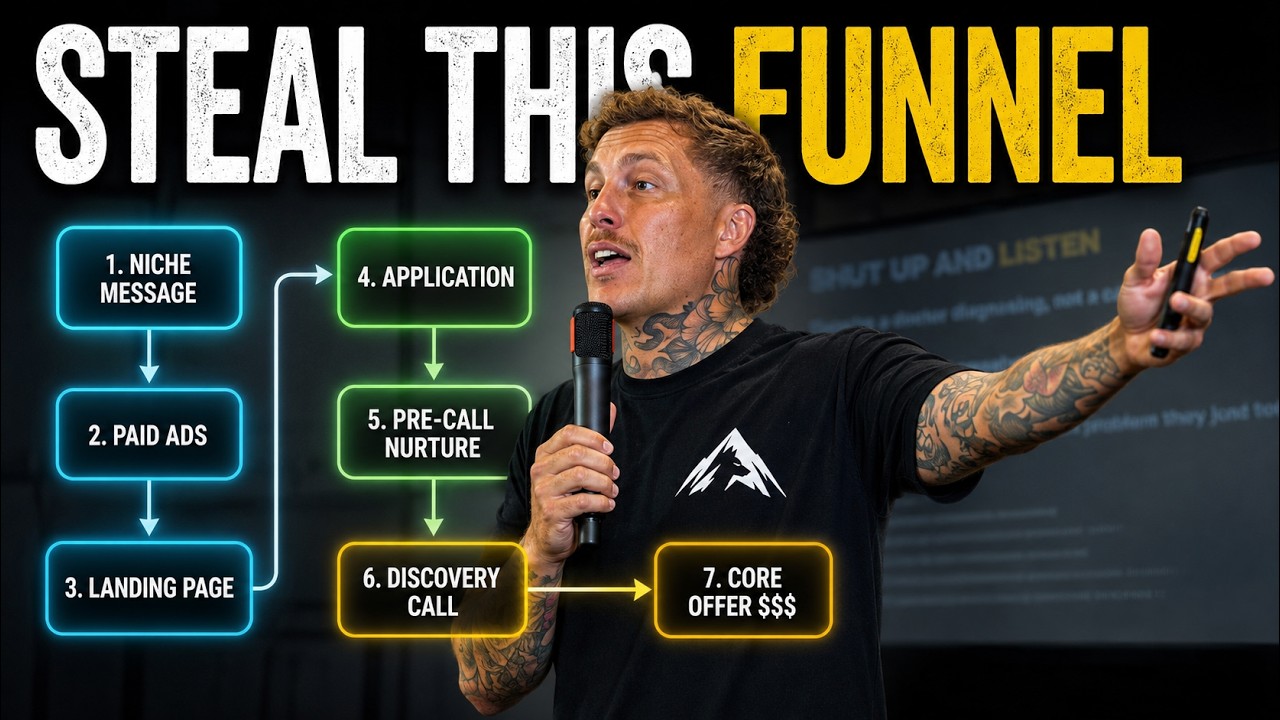
In this solo advisory video, Jacob Morgan argues that the primary reason dog trainers (and other service‑based businesses) lose sales is not a lack of money in the market but a pervasive trust deficit. He explains how the era of quick direct‑response ads and short sales cycles has ended, replaced by skeptical prospects burned by bad trainers and conflicting advice online. To overcome this, Morgan outlines a multi‑step framework: (1) create a lower‑tier "bridge" or downsell product (e.g., a single consultation, micro‑session, or digital guide) that lets prospects make a low‑risk commitment and experience the trainer’s competence; (2) add pre‑call friction and qualification assets (video notes, detailed PDFs outlining who can be helped, pricing, expectations) to weed out tire‑kickers and prime serious leads; (3) nurture non‑buying prospects with email sequences so that when their problem escalates they return as "bluebirds" ready to purchase; (4) invest in long‑form content (YouTube videos, podcasts, blogs) to build authority and a parasocial relationship, effectively completing 80% of the sales cycle before a call. He stresses that selling harder or cheapening offers is the wrong response; instead, cultivating trust through risk‑reduction and authority is essential. The video ends with a call‑to‑action to join his mentorship for deeper implementation.
Chapters
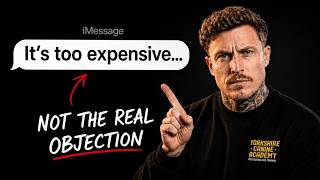
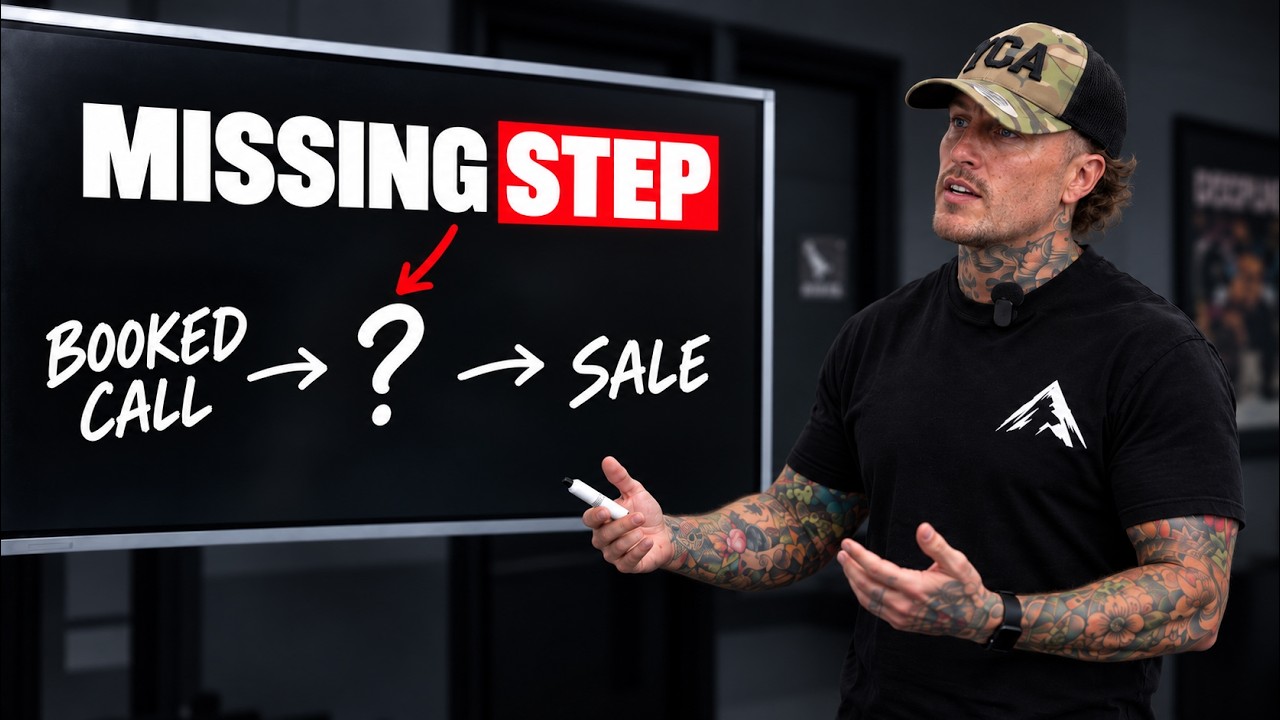
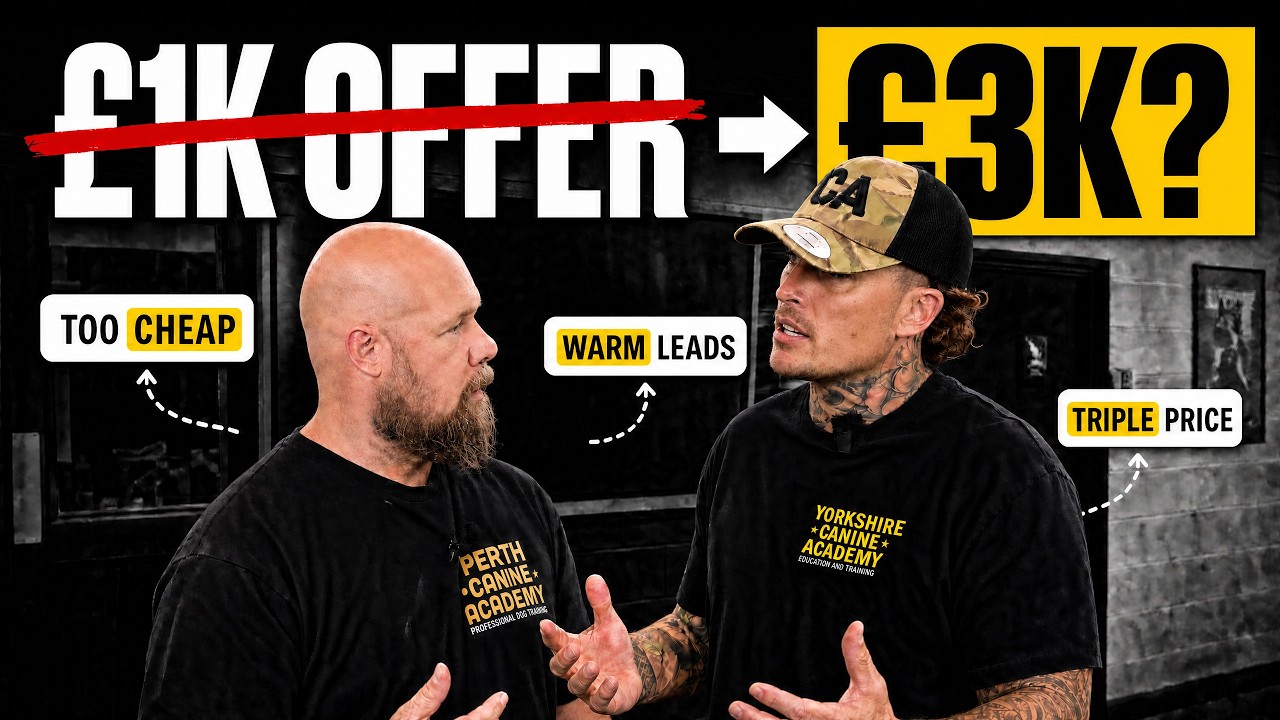
People aren't buying from you because they've got no money. They're not buying from you because they do not trust you. It's not because your marketing is bad or your leads are poor quality, or like I said, don't have any money anymore. It's because you are operating in a market that has a massive trust deficit. So hear me out. A few years ago, you could just run a direct response ad, get a lead, jump on a very quick call and close a £2,000, £3,000 board and train. The sales cycle was short. People were willing just to take a punt, and that era is dead. Today people are more skeptical than they ever have been. They've been burnt by bad dog trainers. They've bought online courses that didn't work. They've spent thousands on balanced dog trainers who might have just slapped an e-collar on the dog, or a force-free dog trainer who threw hot dogs at a reactive Malinois for 6 months. They're watching dog trainers argue on the internet about who's right, who's wrong, and just slagging each other off. They spent hundreds, if not thousands, of hours on YouTube looking for the solution for their reactive dog's behavior with zero results. So the friction is higher, the objections are much louder, and your response to this is to probably try and sell harder, or worse yet, make yourself very cheap to try and overcome objections on the phone, to send countless DMs to try and convince people to buy your shit. But that's the wrong approach. You don't need better sales tactics, you need cultivate more trust. So let's talk about the downsell strategy you can use for this. Most dog trainers have maybe one core offer. If not, you definitely should be. You shouldn't be selling per session. If you're doing that, you're already fucked and you should probably click one of the links in the descriptions to find out more about how I can help you. Anyway, maybe your core offer is a board and train. Maybe it's a high-ticket one-to-one package. Maybe it's some sort of boot camp like we do at our company. And when someone gets on the call with you, they'll maybe balk at the price. What do you do? You probably try and like justify the value. You explain how much time you're going to spend with the dog. You talk about your experience and the prospect just says it's too much money. What they're actually saying is, I don't trust you enough to give you this amount of money yet. It's not that they don't have the cash. It's about the risk of handing over that cash. And this is where a downsell comes in. You need bridge product. If they don't commit to the, I don't know, the £3,000 board and train package, you don't just let them walk away. You offer them a lower tier entry point, maybe a consultation, maybe one single session, maybe a digital product, a micro-commitment. You say, look, I get it, it's a big investment, but let's do this instead. Let's, I don't know, do the single consultation. It's £200. I'll come out, assess the dog. I'll give you a roadmap. If you decide to move forward with the full package, I'll deduct the $200 from the total price. If not, you walk away with a clear plan. So what happens then is you go there, you overdeliver, you show them you know what you're accurately talking about, uh, you demonstrate a comprehensive understanding of their internal pain. And if you can do that, they will presume that you can solve their problem. Ideally, you're able to. You prove your competence, you bridge the trust deficit. You do not then go into rolling one-to-ones. Like I said, you say, okay, Now we're at this point. Are you ready for the full thing? And 9 times out of 10, they're going to ascend to your core offer, your main offer, because you remove the risk. You can't just rely on downsells, though. You need to try and fix the trust issue even before they get on the phone with you. This is where pre-call friction comes in, or pre-call assets. If you're getting on the phone with every single person who fills out a form, you're wasting your time. You are talking to a lot of tyre kickers that maybe aren't going to have the level of commitment that you require an owner to have. In order to get great results. You need to add some friction to have owners qualify themselves to work with you. When someone books a call with our company, we're going to send them a very quick video note on WhatsApp and say, hey, thanks for booking. I'm super busy at the moment. We're getting 5 or 10 calls a day, which we do. We actually get near 20 to 30. I've sent over a document outlining exactly who we can help, who we can't help, and what the expectations are. Give it a read on a call. We include a few more bits and bobs as part of that FAQ. But as you know, I reserve the secret sauce for those actually in my mentorship program. I'd be a fucking idiot to give all the valuable information I have in here and in my program away for free on YouTube. Just giving you a taste, you know, in that document you can disclose your prices. You even disclose your methods if you want to. The bad leads will ignore it and cancel the call. The good leads will read it, understand the investment, and show up ready to buy. And if they don't buy, if they no-show, don't just delete their number, put them into a, I don't know, a monthly email nurture sequence. Because here's the reality of dog training, their problem isn't going to go fix itself in a month, their dog's reactivity is likely going to be worse. In 3 months, they're going to have a really bad walk that pushes them over the edge. And they're going to reach out to you. Ideally, when that happens, or better yet, when that happens, we have the, the right time effect, whereby you're the person already sitting there in their inbox. And we call these bluebirds. They come out of the woodwork 3 months after you've spoken to to them, and they close immediately because the pain finally outweighed the price. Finally, let's talk about one of the best things you can do for your business, and that is long-form content. Most of you are spending all your time on Instagram and TikTok. You're posting 15-second reels of dog walking nicely on the fucking lead and trending audio over the top, and that's maybe great for a bit of attention, but it's terrible for authority. Attention gets you views, authority gets you paid. If you want to shorten your sales cycle, you need to start producing some long-format YouTube videos, podcasts, long format written posts, blogs, shit like that. Uh, you need to give people the opportunity to spend hours with you before they ever speak to you. When someone watches a 10-minute YouTube video of you breaking down the psychology of a reactive dog, they aren't just learning about dog training, they are learning about you. They're learning about how you think, how you speak, what your values are, what you believe in. They are building a parasocial relationship with you. By the time they book a call, The sales cycle is 80% complete. They don't need to be sold to. They just need to know the logistics of how to fucking pay you. Stop trying to force people to buy through short sales cycle in a high friction, high skepticism market. Build bridge products to lower the risk. Add pre-call friction to qualify the leads. Nurture the ones who aren't ready yet and create long format content to build authority. This is the long game. There is no such thing as get rich quick. Stop selling, start cultivating that trust. If you want to learn exactly how we can structure your offer in a way that sells like hotcakes, if it wasn't for a better term, and help you deliver high-quality, high-ticket programs and to be able to sell them, to be able to create content, how to weaponize AI to work for you in your business, then click the link in the description. I'll see you in the next one.