How to Make Millions Owning Franchises | w/ Jeff Dudan
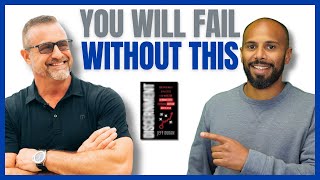
Jeff Dudan built Advantaclean over 24 years before selling it, then launched Homefront Brands as a portfolio approach to franchising. He explains why home services franchises work, what separates successful franchisees from the rest, and how he invests in training and tech to help them win.
Questions this video answers
January 1, 2019.
24 years and 11 months.
Undercover Boss, filmed/appeared in 2017.
The Business Athlete's Regimen for a Great Life Through Better Decisions.
Five (one inventory concept was discontinued; they are developing five).
Chapters
I was on the edge of my seat the entire time. It was, you know, really incredible.
One of the first things I want to find out from a partner is how does that partner make their money? Know thyself and knowing your values and knowing what you'll tolerate and what you won't tolerate, which is something tons of people say out there, but, you know, that's another decision filter that you have. There's four times in my life that had I not, had I chose differently, my life would be some other alternative universe somewhere. Put a value on your time in terms of dollars and that will create a floor to the decisions that you make.
It's easy to want the present day Jeff portfolio company, multiple brands, you know, podcast that receives hundreds of thousands of views a month. Without going through that 24 year journey of pretty much being all in on one thing.
The person who has the most to do with what happens to you is you. And then you just get very adept at solving these problems to where like, you know, you, you, you become too stupid to fail. You know, the biggest, the biggest problem with our society today? Kids have too many good options. I always chose the path of most resistance.
Why?
Because that's where the action was. 50 is too young to go away, man. What am I gonna do? Our learning management system is the highest rated thing coming out of training by our franchisees.
If you want to truly understand how to build an empire and build an awesome business that makes all of your dreams come true, then this is the episode. I sat down with Jeff Duden, who is not only featured on the hit TV series Undercover Boss, but he's been a wildly successful serial entrepreneur. Jeff built his restoration business at Vantaclean from scratch over a 24 year period into a juggernaut of a franchise brand. In 2019, he sold it to Home Franchise Concepts, who is the parent company of Budget Blinds and nine other franchise brands. Jeff then went on to create his own portfolio franchise brands called Homefront Brands that has five different franchise brands focused in the property services space. Now he's also the host of the top rate podcast called on the Home Front where he's had, he's had guests like Dr. Ben Carson on and I recently got to see Jeff deliver a keynote at a conference. I was absolutely blown away by his message and I knew I had to have him on the podcast. So I have a feeling you're going to be blown away too. Now in this episode you're going to walk away with a strategy on how to be even more successful. We dove into decision making filters so you can make decisions, better decisions that create the results that you want in your business and in your life. And we talked about why, why he didn't just retire after having a massive exit selling his business in 2019. And then I got to ask one of my favorite questions and get Jeff's insights on what's the difference between the franchisees that win big versus the ones who don't. Now, now, if you want to buy a franchise in the next 12 months, you should check out my free franchise masterclass@franchempire.com and if you want to work with me and my team on finding or buying a franchise or resale business, then you can go to franchiseempire.com checkterritory and you can schedule a free call to see what's available in your area. The link is also in the description below. With that said, sit back, relax, and enjoy the episode. Welcome to the Franchise Empire Show. They say Rome wasn't built in a day, and building your empire doesn't happen overnight. My name is Tarik Johnson, and owning franchises is what helped me go from employee to employer and start building my empire for my family. So this podcast is for you, the empire builders. For those of you who want to build something that stands the test of time. This is for those of you who are crazy enough to believe that, that you can make the dream in your head come to life. This podcast is all about bringing you real people who are building real empires so you can get inside their mind and heart and get proven strategies and actionable insights that will catapult you to build, grow, and scale your empire. All right, welcome to another episode of the Franchise Empire Show. I've got Jeff Duden here. Thanks for coming on, man.
Arc. Always a pleasure, my friend.
Yes, sir. So I saw you speak just a couple weeks ago and, you know, I, I was on the edge of my seat the entire time. It was, you know, really incredible. Probably the most notes, I think that I, that I took out of the, all of the speakers there. So just, just wanted to drop that there. Man, that was a, that was awesome.
Well, thank you. I appreciate that. It was a good conference down at Palm Beach Atlantic University at the Titus center, and, and there was a couple of panels that I thought were excellent as well on the marketing side. Some things that we're doing right now from a demand generation perspective and they just like got all over the target with it. And so, yeah, it was a, I was, you know, even though I was a keynoter, I, it was worth the time. And if people in franchising haven't been to that event down there at the Titus Center, I highly recommend it.
Yeah, it was, it was excellent.
So, yeah, Dr. John Hayes, man, he's. I tell you what, man, that guy, I mean, he wrote like David Sandler's book. You know, Sandler Sales. I mean, he's been around franchising for like 40 years. Some of the more well known companies out there he's had a hand in. So I didn't know John until maybe over the last year and I can't believe I hadn't bounced across him. But he, he's doing good work. I mean, it's a passion play. He's got to raise the money for his program down there and they have one of the, they're one of the few universities in the United States that has a concentration in franchising. So there's a bunch of good young franchise people coming out of Palm Beach Atlantic University. So if you're interested in that space, I definitely check out their, check out their programming and, and see what they're up to.
Yeah, definitely. I actually had him on the podcast, I don't know, a month or two ago and man, what just a brilliant guy. But I'd love to just set the stage. So what, what is the, the Duden Group and, and just tell us about your portfolio of companies.
So the Duden Group, I mean it's, it's really, it was loosely a moniker that we gave to kind of our family office. I built a business in the restoration and remediation environmental services space over 24 years and 11 months called Advantaclean and I sold it January 1, 2019. My brother who was, we, we had a business together in college and then he went off into public accounting, ultimately finished as the CFO for the Carolina Panthers. And he was on the deal team that led the sale from Mr. Richardson to the Tepper Group and for the Carolina Panthers in 2018. And so we got back together. You know, he was, he did nine months in transition, which was fair, but after 16 years with the Panthers, he was ready for something new. And you know, we had some money to put to work, so we got back together and kind of coined ourselves as the Duden Group at that time. And we started making investments. Some, when I say correlated investments, I think things related to franchising. The NFL is a franchise. Oh, by the way, you know, one of the most notorious franchise systems out there. So we invested in some fitness concepts, some health and wellness. We invested in some franchise Servicing companies, variety of things, franchise sales organizations and whatnot. And then. And also a bunch of stuff with other family offices. Like we're a partner. We got into a partnership earlier with a company called pmc, which is Parking Management Company, which is now, I think, the second largest parking management company, valet service and parking lot owner in the United States. We got in really, really early, and I think we were 13th in the country. And then through Covid, we had a lot of cash on the balance sheet, so we went out and did a ton of acquisitions, still do to this day. And so getting involved with things like that through different family offices. But then we decided about three years ago that we were going to go back into operating and create this concept of Homefront Brands. And we really had a very specific outcome that we were looking for with Homefront Brands. We're looking from the inventory of companies that we've brought in with their economics. You know, they needed to be of a certain size. We're looking for a smaller number of large franchisees. We're looking to do it in the. In the very, very durable property services space. So we created this concept of Homefront Brands, and we spent the last two and a half years putting that platform together and taking it to market in 2023. And we had best year ever.
That's awesome. So, and how many do you guys have? 6 brands or do you have more now? What are the brands that you have in that portfolio?
No, no, I mean, we're developing five actually at this point. So there's one of the. One of the concepts that as we, as we started to see who our franchisee was, we felt that one of the concepts wasn't really a fit for it, and we had not awarded any franchises to it. It was, you know, it was something that we. We put in inventory. We had an opportunity to bring it into inventory in an easy way and. But we didn't award any franchises in it, and we're going to discontinue that particular one. So we're really developing five this year. And we'll add not more than two brands a year. I would think we'll add one because we're very specific about the economics and the space, the really the qualities of the brand that we want to bring in that are going to be a good fit for the types of franchise owners that we've been fortunate enough to attract.
My intention with this podcast is to help you build your empire. If you've gotten a single piece of value, one of the best ways you can help me and the podcast is to simply press the like button on YouTube. Lastly, share this podcast. Share it with someone who, you know, who is an empire builder. Imagine the impact you can have by helping them learn something that can build their business and empire. People will associate the value they got from this information from you, the person that shared it with them, all because you shared it with them. I appreciate you and your support. Let's get back to the episode. I'm curious how you decision making is something that's fascinating to me. Obviously you've made many decisions, big and small, some of the things that you're executing on. But I'm curious because I, I watched an interview with Bezos that he did with, I think, what was it? Lex Friedman, and he talked about decision making and how most decisions are a revolving door. So you're talking about, okay, we intended to franchise this business, brought it in the portfolio, now we changed our mind. How do you approach unwinding a decision like that or just knowing when to kind of knowing when to hold them, knowing when to fold them. What's your mindset around that?
Well, so I actually wrote a book on decision making called the Business Athlete's Regimen for a Great Life Through Better Decisions. So since you asked me about decision making, I have to mention that and it talks a lot about what are your filters in decision making. What I would suggest to you is that wisdom is a cumulative thing and it's based upon your experiences and how you take your experiences in life and how you categorize those, how you internalize those, kind of how you sort those and how you create models of thought around your experiences, things that you've learned. So one of the things, you know, I do a lot with partners and things like that and one of the first things I want to find out from a partner is how does that partner make their money? There's all different kinds to make money. 99% of them are just fine. And you know, and there's some that are illegal and people make their money that way and obviously that's nothing that we're interested in being a part of. But some people are more transactional, some people are, you know, they want a table scrape along the way and it's, you know, speed to first dollar in their pocket. Some people are looking to build a more quality company and are willing to take a longer term approach to it and investment to it. So getting aligned with partners and understanding how they make their money, I mean that's a, that's a decision filter. That's a model of thought that I've learned over time that before I enter into anything, I'll say, well, that's going to be a filter for me. What are the filters that I put in front of the decisions? Knowing who you are, know thyself, and knowing your values and knowing what you'll tolerate and what you won't tolerate, which is something tons of people say out there. But, you know, that's another decision filter that you have. So I've got a set of family values, and I share the story in the book about, you know, sitting down to decide if we were going to do Undercover Boss. I was on undercover boss in 2017. It was great for us, but nobody in our town really knew the economics of our business. We didn't. You know, we. We were just kind of in the community coaching kids, doing the. Doing the stuff with the schools and all that. And, you know, one of the decision filters was, well, hey, if we do the show and if it. Regardless of how it goes, people may look at you guys differently. You know, your 7.1 million people saw the show. They saw me give away a quarter million dollars of stuff. The company came off in a positive way. So, you know, people might look at and say, well, you know, kids, you guys are, you know, you're rich kids, or something like that. So we had a set of family values, and we sat there and, you know, it was, you know, live fun, respect others, be a servant, leader, be humble, trust yourself to take chances, always do the more as expected, fail fast and move forward. Those types of things, like, it's. Those are family values that we have up on the. We've had for a decade. And inside of that, like, you couldn't. We knew that there was going to be risk and an inflection point. And I will tell you, your decision making around your inflection points is particularly impactful in your life. And what I've realized is that inflection points have three conditions around them. Number one, there's people that are involved, people you're responsible for, people that you care about, people that are aligned with you and want to accomplish something. There's always going to be people involved. The second thing is that there's going to be a great adventure or an opportunity at hand, something better, something you're reaching for. And then the other thing is there's going to be risk of loss. So on any inflection point, you've got to give something up to get something. In any inflection point in your life, if you can get good Enough to realize when you're in one and you can take a step back and make a better decision at that fork in the road, which I think there's like four in my life that I made, that I. If I look back, there's four things. There's four times in my life that had I not. Had I chose differently, my life would be some other alternative universe somewhere. And so your ability to realize that, you know, you're at an inflection point and then. And then going down and sorting, okay, well, what. Who am I really? And if I'm. If I make this decision today, am I going to be trapped in a situation in 12, 24 or 36 months that's not consistent with who I am and who I wanted to be, not consistent with my vision? And your values are a good way to do that. I recommend the book on the On Purpose person by Kevin McCarthy. Spend 10 bucks, man, and you run through this process and you come out with this. I exist to serve by. So you know, when I do. When I did that 15 years ago, it was different. Today I exist to serve by educating, entertaining, and inspiring entrepreneurs, man. That's what I do. So this is on purpose for me today. So once you know who you are, right, and then, you know, you understand your values, now you got to go against your models of thought and say, okay, is this going to be worth my time? One thing that I coach people when they ask is put a value on your time in terms of dollars, and that will create a floor to the decisions that you make. I mean, if you say, I want to make $50 an hour, there's lots of things you can do. If you say, at the end of the year, when I go back and do the math I needed to make $500 an hour, you have more limited options. I've got a friend who says $25,000 an hour. Think about the things that you can do to actually create enough value at 25,000 an hour and how particular you're going to have to be about making decisions against a threshold like that. I mean, there's only a few things, like you better, like you can't touch anything that's not going to be worth $100 million in five years because it's just not going to. It's not going to math out. So these are the types of things, like when you get, you know, when you. So you get these models of thought around these things, and as you're faced with a decision, you get disciplined about running it through these filters. And usually it's going to. Most things are going to end up as a no.
Yeah. How has that. I'm curious how, how that has changed for you over the years because you were. How many years did you operate at Vantaclean before exiting it?
24 years and 11 months.
24 years. So that, I mean, that's a huge shift. And was that your, your first major exit from a business selling that to hfc?
At the time, it was my largest, but I had had different exits along the way from different investments or other small businesses or partnerships or real estate, things like that. Excuse me. So, yeah, so. But that was, you know, it was definitely. It was an intentional time. You know, one of the things about decision making, if we're down that path is one of the things that changed my life was I joined a thing called YP. First I joined Vistage, which is a local type CEO group where you get in there with CEOs and you go once a month. And then I had an incredible coach, David Zierfoss, who I was with for nine years. And once a month we would, you know, he would coach me. So a lot of what I fundamentally learned about thinking differently. He built Husqvarna North America from 29 million to 530 million over 18 years of leadership there as their president. And he did it through a dealership model. So that applied pretty close to franchising. But then, you know, how he led, how he thought about things, his experiences that he shared. I mean, I couldn't have found a better mentor and coach inside of that. And then that was through Vistage. Yeah, that was through Vistage. You pay about 1,500 bucks a month. You get in there with 12 to 16 other people for a full day. They bring in good education and all of that. Then you get your one on one out of it. So I highly recommend for people. And then, then I joined ypo, which is very similar to eo, which Verne Harnish started. But you get around a group of other business owners. I joined ypo, it's got some higher qualifications. I was fortunate enough to qualify there, got into leadership. And really when I was rolling around in ypo, it's like, man, I'm one of the few people in here that hasn't sold a big business and I have one. And you know, but I could, I couldn't unless I got on. I never knew what it would look like on the other side until I was around these people. And I'm like, well, they sold their family business or their whatever. And now this is all the things that they're doing. So you got to go out and you got to get the experiences, you know, to see like what it could look like. And then I decided at 48, I said, well this is, you know, I could do this the rest of my life and that's fine and I'm good at it, I'm comfortable with it, or I could sell it and at 50 I could have optionality to decide what I wanted to do for the rest of my life and where I wanted to make an impact and which by the way impacting future generations. Like that's our purpose statement at Homefront Brands.
And I want to dive into Homefront Brands a little bit more in a minute. But I do want to unpack a little bit about building up Advantaclean because what's interesting to me and what I can be guilty of sometimes as well as a, you know, a guy, you know, at the beginning end of really my entrepreneurial journey is it's easy to want the present day Jeff portfolio company, multiple brands, you know, podcast that receives hundreds of thousands of views a month without going through that 24 year journey of pretty much being all in on one thing. So what, what, what did it take in that journey? Can you just give us a lens? Because I heard some of it and the things that you did and the traveling and buying trucks and the infrastructure, but it wasn't just like you stumbled on what it is that you're doing now.
I don't know where I found that invisible hand that is in the middle of my back that constantly pushes me forward. Some of it's psychological, some of it's experiential. My dad had a small business, an engineering shop. I saw him work seven days a week. Didn't go great. I mean it was him and a partner and I mean I think that they're high water Mark. They had maybe five employees. But I did see him build a business and commit to being an entrepreneur in a way. And then I also saw the fact that he didn't, they didn't have sales, they didn't really work on their brands. They, you know, they're, they were, they were, if you look, you know, they were in the E myth. I mean they were technicians, right? So they, they, they just did work for people that called them and ultimately that I saw other companies scale in the same time way beyond them. And you know, ultimately, I mean it was, it was fine, but it wasn't great. And so, but I did see that Entrepreneurial thing. But I've always been, I've always been rewarded for taking chances and I always liked. And then I think in, in the way that I grew up in a family structure that was less than optimal, I would think not by any means. I mean, we grew up, you know, middle. Lower middle class type thing in northwest suburbs of Chicago. Always had a roof overhead, always had food in the fridge, you know, you know, had several different colors of tough skins, you know, so I was, I was pumping, but, you know, I mean, we were fine, right? No, no real complaints there. But it was, it was unsupervised. So, you know, running around. I mean, I worked in a Mexican restaurant when I was 12 and 13 years old. On the weekends, I'd work till 1 in the morning. I worked in the bar. I worked as a busboy. I, you know, and my parents would come in, sit in the bar and know, whatever, and then they'd take us home around 1 in the morning. And I was 12, dude. You know, I was 12 working behind a bar lighting people cigarettes. So that's, you know, that's, you know, a little vest on and, you know, and, and, you know, working with that, with that, with the staff and it was, you know, it was pretty cool experience. So I never had this. And I'm very grateful, like, so, I mean, ideally I'm grateful for the way that I grew up in that way, because I didn't have all of these boundaries around me. I mean, it was like nobody was home. Like nobody was home. I could stay out all night if I wanted to. And I. And we did. So, you know, in doing that, like, I got a lot of, I got a lot of growing up out of the way before I ever left high school. I mean, I had a lot of experiences, you know, not all good, but also to, you know, realizing that if, if it was going to be, you know, like Ben Carson, he's one of my idols, man. You know, he says the person who has the most to do with what happens to you is you. And you know, I knew that and I had, I had the benefit of athletics, so I was able to get around coaches, basketball coaches and football coaches that set a good example for me and put me, put some structure around my life and showed me how to work hard and how to train and, and then had some success in that, which then allowed me to get, I mean, if it wasn't for football, I mean, you know, our money ran out. Like, our money ran out When I was a freshman in college, like, I, we Didn't you know, I was. That was it. I mean, there was no more tuition. There was no more anything. So, you know, I had. I dropped back to. Out of a University of Northern Iowa to Harper College. I mean, tuition was $400 a month or a year, you know, $400 a semester, and I lived at home and. And that was. It had my Chevy Monza, it was pumping, and, you know, worked hard, and I got a football scholarship, but had I not got a football scholarship, like, there was no. There was going to be no college for no university for me at all. And then was able to reach back into that same situation and pull my brother out and bring him out to Appalachian State University. And I had bought a house. Owner financed 100%. He lived in it and got some roommates, so he had. No, no, he didn't have to pay for any rent. And then he had to. And then he took over the painting business that I had started, and he put himself through college and he ends up as the CFO of the Carolina Panthers. So, you know, that's a good. It's a good story. But like, it's. It just all. Every, at every step of the way, it was. It just made sense to me. There was just a little bit of a problem to solve. Money, resources, geography, whatever it was. And then you just get very adept at solving these problems to where, like, you know, you, You. You become too stupid to fail. I mean, you're just not fear. You're just. You're just not fearful.
Hey, I hope you're enjoying the podcast episode so far. One of the most consistent things that we hear from people that reach out to us is that buying a franchise feels really confusing. There's so many options out there. It's a scary decision. They don't know how to vet or do the due diligence, really narrow down on the right franchise for them, and. And then they really feel alone in the process. You might be the only one in your family who's ever pursued buying a franchise or being an entrepreneur. Or maybe you've tried to start a side hustle before or other businesses like me. Like before franchising, I was not able to crack the code on entrepreneurship. I'd like to invite you to reach out and work with us. We've helped many clients buy franchises, get them profitable or buy resale businesses that are thriving. Thriving. Talking about highly profitable resales, great value allowed many of our clients to actually quit their job right away and replace their income immediately. So if you want to work with me, and my team on finding or buying a franchise, doing due diligence, vetting it or resale, then go ahead and go to tarhnson.com consulting and we're happy to see if we can help. All right, Enjoy the rest of the episode. But it was a grind. But it was a grind for you. I mean, you're. You're.
You're.
You're talking about. You guys were chasing storms and hurricanes and. And going down there for what? I mean, months at a time. I mean.
Yeah. How fun is that?
I mean, it doesn't. Doesn't sound fun. I mean, time away from the family and. And just living on the road, but. But I feel like it's the. It's the price that not many people would pay. So I guess why. You were. At a certain point, you're already successful in the business. Why are you willing to pay that price at that point in time? It's not about money at that point.
You know, the biggest problem with our society today, Kids have too many good options. You know, I always chose the path of most resistance.
Why?
Because that's where the action was. That's where the opportunity was. That's where you could connect your vision. You know, I. I struggled for significance, man, so, like, I wanted to own it. I wanted to star. I mean, like, if, you know, I needed attention. Like, honestly, I mean, if you look at it, I needed attention. So my need for attention made me work really hard on the basketball team to start. Made me really work hard to be a football star. You know, it made me work hard to start a business. Like, I. I didn't want to. And then once I developed that autonomy, you know, I. You know, I would never. I couldn't do anything else, but, you know, put myself in situations where I had the control and I had. You know, I had control over what happened to me. So that was just. I mean, it's. It's a. You know, I could say, well, you know, I grew up and, you know, the family life could have been better, but, know, bull crap, man. It. It may. It. It. You know, steel sharpens steel and iron sharpens iron or whatever that is. And. And it made me, you know, it. It made me very resilient. And walking into a disaster, a storm or driving into it as an advanced crew and not having anywhere to stay and having, you know, very limited resources and not knowing what's going on, like, that was just like, I. There's nothing I loved more than. Than going into a disaster zone. And then. And then I had a heart for people and then being able to help people inside was the most rewarding and fulfilling thing for me, which is why I probably coached over 30 seasons of my kids sports and why I love franchising because I get to help people be entrepreneurs inside of this free have freedom within a framework to really change their life. I mean franchising is transitional and transformational in people's lives. They can transition from one, you know, whoever they are into entrepreneurship and then they can, if they do well at it, man, it's transformational from the economics and the freedom that they can get from it. So they can be a different person coming out of the, out of the end and they were going in and I'm a catalyst to that. So like if I don't do anything else and I can look back at the thousands of people that I've put in business and you know, they didn't all take full advantage of it, but many of them did. And I can, at the end of the day I can feel pretty good about that. Also contributing to generational wealth, economic stability on Main street usa Small business is a huge part of our gdp. It's a strong middle class, it's fundamental to a healthy society and we're contributing to all of those things. And then also too we get to. I did partner with Ben and Candy Carson and their Carson Scholars. And so we're building reading rooms across the country in Title 1 areas, providing resources to schools, children that don't otherwise have access to these things. And then we partnership with Operation Home Front to help transitioning US veterans. So at the end of the day like I get to go to work and do all these things and then we get to actually impact future generations by the things that we're doing. And for me, the one thing I learned when I sold my business was I'm not nearly enough, I'm not nearly financial motivated enough. You know, I know people that like it's every dollar and the compound interest and you know, save money in every transaction and all of those types of things. And that's fine, right? I mean that's fine, but it's not what it's not at the top of the house for me. And I, you know, maybe, you know, I mean it's certainly important because you can't have any outcomes until you have income. So we want to be good, we want to keep score, we want to be good business people, we want to be conforming, we want to deliver shareholder value. So we certainly do all that. But like, it's like I Get a little bit more excited about going down to Palm beach and keynoting and like holding that room. Like I held every eye in that room for an hour and 15 minutes. I didn't see anybody look away. I didn't see anybody. And when I asked what was the biggest, most important thing you got out of it, it was like 20 people, like they just went boom, boom, boom, boom. So I knew people were paying attention. And by virtue of that, I knew that they had found something that they could take with them and help them in their life. And for me, that, that was it. You know, look, message delivered. Whatever these people do with it, they do with it. But that made it worthwhile for me to invest the time and the energy and the money to get down there and do it.
Yeah. And so that, that moment in time, so 2019, you sell Advantaclean to, you know, HFC, the one of the parent company who owns Budget Blinds, which I'm sure was a sizable transaction. So you're sitting there going, okay, most entrepreneurs, that's the dream, right? Build a business, have a huge exit, go retire into the sunset. But then you go and you purchase Rockbox, you start home front brands, I guess, why not just retire into the sunset? Why? It seems like you have your foot on the gas harder now than you did before. Is that accurate?
Great question. And one of the answers is I didn't want my kids to see me doing nothing and I wanted to have an in. So my oldest son, now he did all of our M and A and he leads our development. So I get to work with my son now, you know, my daughter decided to go to law school, so she's a first year law student at nyu. So, you know, gotta pay for that. I mean, yeah, we could pay for it, but I mean it's, it's, you know, there's also, there's an engagement of activity going on. And then my youngest, who's an engineering student at Georgia Virginia Tech, he's on the podcast team and he's figured things out around the podcast. So like, so I get to engage with all of the, all of my kids and around business. So I mean, like I told him, I said, look, if I was a farmer, I would teach you farming. If I was, you know, but I'm a franchise guy. So like my contribution to you guys is to stay active long enough to be able to trans, to be able to get some reps with you in business, to teach you what I, at least to give you what I've learned to help you on your way and to help you maybe manage you, you're going to need to be capable to manage whatever it is that Tracy and I are going to leave behind to these guys. So there was that. The other thing is, is why would I spend 25 years getting beat up and going through this, building a business and then just run away with it? I mean, there's like, what's, what's the benefit to society from going living on a yacht and only coming off to go play golf? Like, I think, you know, I don't think. I think you would be surprised how many people that you see that as part of their lifestyle, but they still stay active. Like, you've got to stay active in what you're doing. 50 is too young to go away, man. What am I going to do? You know, so, you know, but. And maybe, you know, so the podcast, I enjoy, the speaking I enjoy because it's an opportunity again, if I know my, if my coach, Dave, he said, hey, whatever you decide to do from here, go deeper into your purpose. So I reran the exercise and I came up with, I exist to serve by, you know, educating entertaining and inspiring entrepreneurs. So now I know, like, that's my North Star. So when I'm speaking and I've, you know, they didn't pay me to do that. I could get paid for speak. I could get paid. I mean, people offer to pay me to come keynote their conferences, but. And that's fine. I will as I can. But, like, that's not the real reason I'm, I'm doing that. Like, so, you know, go and speak, do the podcast. I get to kick off our training with all of our great Homefront brands franchisees. I get to do my building your team thing, which is a lot of what you saw in that keynote, to help them understand how to build a great team. So by pouring into these people in all these different places, they get to go forth and impact their lives. They get to, they get to build something for their family or the people that are closest to them or the people that they care about. They get to impact. You know, you talk about this charity stuff, man. People climb over the bodies of the people that are closest to them to go and, you know, help somebody halfway around the world when there's people that you can touch every day that are, you know, that are, that have a need so they can make an impact through business and entrepreneurship. So, so that's it, you know, like, that's, that's, that's what, that's why that was my why and coming back. But I did take a couple of years without operating to, you know, to, to make sure which opportunity was going to be the one that I would probably want to finish with. And that's ended up as Homefront Brands.
Yeah. And I think late 2021 was when you and I first met at, at, at a, at a conference. So it's just, and I didn't know anything about you at that point. You know, I didn't, I didn't, I didn't know what you had done and what you had. To me, it's just, it's fascinating that, you know, there you are at the conference, showing up, doing the blocking and tackling as if it was like day one in, you know, in business. And I, I, I just, I don't know, I see all these, you know, see all these folks on Instagram and YouTube and, and portraying a certain image or lifestyle when, what, what, what I've seen from, from some of the most successful entrepreneurs and people like you, it's literally just showing up every day and doing the blocking and tackling and doing the boring stuff, and that's typically what leads to the result. So I'm fascinated by that, but so host.
Well, let me comment on that. So, you know, we're a scaling up company. We use, you know, Vern Harnish's scaling up methodology for running our business. We were a traction shop before. I think we've migrated to a scaling up philosophy because it's, we have a more complex kind of bigger, faster growing business. One of the three barriers to growth is marketing. Like, one of the three constraints to scale is lack of good marketing. Like, people can't buy from you if they don't know you. So as much as I am reticent to post on social media, by evidence that I never did, I mean, I just, I just watched all of these trends just go by me and I watched other people get real estate out there. You got to do it. I mean, like, it's, it's, you know, I have an obligation to the franchisees at Homefront Brands and other business partners to, to do what I can to promote and create awareness around the things that we're doing. And by virtue of that, you know, you get more comfortable podcasting, posting, you know, creating Facebook groups with people showing up at conferences. Like, that's, I mean, when, when we hired a, we have a very talented C suite at Homefront Brands. I mean, chief legal officer, service Master, you know, $5.5 billion company, our president of franchising and COO has led four multi billion dollar brands over his tenure. Our CFO, Carolina Panthers, Hertz, marketing officer, Hertz and Pods. I mean it's really talented group and it's like, well, what do you need from me? They're like, we want you to go promote the platform. We want you to just, just go and you know, just, we've got the operations piece of it and you know, work on the strategy with us. You know, create the purpose, meaning and direction of the platform, but be visible with franchisees, be visible in the marketplace and just expand the reach and relevance of the franchise sector and homefront brands within it. So yeah, I mean you, you, you see people out there, you know, like I used to think like, oh, you know, because you know, as a boomer, like I am it'.
Right.
Well I'm going to post. But like here's what I think. Nobody cares. Nobody cares. Like why would anybody care? But the point is, is if you're not there, you're not there. And if you're somebody else, if you're not there, somebody else is in their face. So you know, it's, it's, you know, as, as much as people my age tend to not want to be disciplined about promotion, it's absolutely critical to commit to it.
Yeah, for me it's particularly interesting that you're in the property services space because one of the things that we try to do with our platform is just to expose people to what franchising really is. Because most people, when they think of the mass audience, right. And populace, they think food immediately. McDonald's, Taco Bell, KFC. And the reality is, I think there's so many people that are not taking advantage of franchising in a way that could be meaningful and impactful to their families, to them, to their communities, you know, through some of these other avenues. So I guess what do you, who do you guys look for? Like I know you talked about people that want to build quality, you know, big businesses, but like what is that ideal franchisee look like and what do they need to have in their DNA to be successful?
You can't measure somebody's heart, you can't measure their grit, you can't measure their need. So we will have executives or professionals that have, that maybe are young in their careers and they don't have a big nest egg and they need to make it happen and they're going to make this their full time gig. Love that. You know, they've, they've got some sales chops, they've been in Corporate America, they, they're fearless in terms of it and they're just like, I've got to make this work. And you see them go out and just fully commit to it. Work on our 90 day plan, which is the way we introduce ourselves to the community and the referral partners and just go out and they don't wait on anything. There's nothing, there are no constraints that are going to stop them from building a great reputation in their local markets. More and more because of the size of our various businesses, the large average unit volumes up into the multimillion dollars, we were just named, I mean we invested millions in technology. We were just named by Microsoft as the, as one of their SMB partners for their co pilot, which is their AI tool. We're in the press release, you know, as Satya was over there at Davos. So Homefront Brands is a, yeah, it's a big deal, but we've, I mean we've really created a, you know, the kind of platform that you would only find at a, you know, 30 year old multibillion dollar franchise platform with Dunkin Brands or somebody like that. And these people are walking into what they would consider to be an emerging platform. Even though our brands are 2006, 2007, they're all, you know, they've been around for a while, but not under home front brands. And they walk in here and they get those enterprise level technology solutions, you know, dashboards, relative dashboards that they see radically transparent data, all of these tools and things. So, you know, so we're, we are attracting very high net worth people that know what they're looking at. So they're like, okay, I, I ran sales for, you know, the, the Asia division of this multibillion dollar company and like, I recognize that these people know what they're doing. So we're getting a, you know, we'll have a, we do two meet the team days a month. We'll have 12 to 15 candidates, sometimes 20 in each one. That'd be 30 or 40 million dollars worth of balance sheet sitting in that room. And they look around and they see each other and they're like, okay, well this is the community that I resonate with. This is the room that I want to be in. If they're here, then I'm here. And then they see the leadership and they see the tools and they're like, okay, you know, this is, this is better than anywhere else I've been or anything else I've looked at. And so we're getting a lot of those Types of people who are, you know, looking for their last thing and they want to build something material or they're just not going to do it. I mean, you know, it's got to be something that has some scale to it or they're just not, they're just not interested. It's not worth their time.
Yeah, that makes sense. I know we have only have a couple more minutes here. I want to get a couple of questions in. But for, you know, for some, for people that aren't familiar with what the opportunity is in the home services category overall, why, why this space as opposed to food or what people are typically accustomed to? Like what, why did you get into this space? And what do you see as the really the pros and the opportunity set?
So think about this. There will be 100 million more people in this country by 2050. We already have a housing shortage and houses are expensive and there's an increased migration because of remote work and people making more choice about where they want to be. So you've got many, many markets that are growing exponentially and there's just not enough housing for these people to be in. You've got the, you know, the building inventory that's been built is not of the quality that it was years and years and years ago. So when you have people moving, migrating from one place to another, you already have an increasing population. I mean, you think, you know, I mean, 2000 y2k seems like yesterday. 2050 is not that far away. We're going to have this massive increase of population and all there's going to have to be new building, remodeling, retrofitting. When somebody leaves, they're going to have to fix the house. When somebody moves in somewhere else, they want to make it their own. And then we have all of this new building and stuff that's going to need to get done. So we believe property services is the most durable thing that you can do. If you commit to property services, you should be able to have a compound annual growth rate year over year and just continue to build a bigger and bigger business. I'd like to say that you'll never see a home front brand business stuck between a Blockbuster and a Curves. You know, there's no, there's no obsolescence to our businesses. So if you really want to commit to something and grow at year, you know, 10, 15, 25% a year, property services is a great place to do it. And especially when you come into a platform like Homefront Brands and you create this leverage in customer acquisition and brand and technology and learning. We have a, we, we invested massive in learning management. I mean, so we have an incredible, our learning management system is the highest rated thing coming out of training by our franchisees.
Wow.
So for the franchisees, for their employees, for people to be able to, you know, we, we, we went and hired an expert, you know, from a 5,000 seat company who had been 20 years of learning management development and put them in there. And for two years he's been building learning management tools for our franchisees. We had to have the courage to make the investments in the platform before we invited, you know, the mass of franchisees in. We're just in time with some things, we're fast growing, you know, but by and large, you know, we were well ahead infrastructure wise. So, so you got that. And, and so, so, you know, property services is, there's always going to be demand for these things. And you know, franchise platforms like us and others, what we get very adept at is intercepting the lead at a higher and higher point and it makes it very difficult for individual operators, small businesses to really compete with us as we circle the customer and we capture it in our app and make it easy for people to buy and like all the things. Right. We kind of disintermediate the marketplace by our ability to provide a better customer experience to the consumer.
Yeah. From my perspective, I think what's cool is the intersection of almost private equity like backing financial status, investment, but with the experience and fabric that you've been on the front lines doing it, you're not some big corporate guy in a suit that you've just been making decisions from an ivory tower your whole life, been on the front lines doing it. And I, I, I don't think that's some, that's not something that every business franchisor, you know, portfolio company can, can bring. Right. And so I think that's interesting. But I have one last question before we go, which is, you know, despite how proven franchising as a model is, there are still franchisees who fail and there are some franchisees that are super successful. So as the closing question, what's the difference between the franchisees that win and succeed versus the ones who don't?
Yeah. So if I knew that. Right. Because you always get surprised. So we, man, we use a tool called the culture index. We don't use it as disciplined on the front end as maybe we haven't as we're going to. But you know, there we all have our own different personality types and our tendencies and we all have a certain battery. You know, how long can we be somebody who we're not at work, if that's what the job requires? So really, getting an insight into who the people are could give franchisors a better opportunity to understand the potential for success or failure within a candidate. A lot of it just comes down to, you know, intellectual humility. Like, are they going to try to bend, which is hard to measure, like, are they going to try to bend the business to what makes them comfortable? Are they willing to be uncomfortable to execute the business in the way that's required for it to be successful? Because I can tell you there's generally like one good way to run any franchise. So all of the variation is generally in the owner. You could say this market, that market, or something like that. But generally, you know, the majority of the variations in their own owner and their approach to the business, their commitment to the business, their ability to resolve conflicts in a healthy manner with employees, customers, neighboring franchisees, the home office, so that, you know, their approach to it and their commitment to it is a big thing. If you're willing to be curious and intellectually humble and learn and then you're willing to say, all right, and then you can get focused on the, what needs to happen in the business. Generally those people are going to be successful if people try to game the business or, you know, consultants are bad for this, right? I mean, not, not franchise consultants, but people, you know, they'd be like, well, you know, so they put their consultant hat on and they spend the first month of the business, you know, figuring out everything that they can tell it. And then we'll get a, you know, a 14 page report that says, here's all the things you should really consider doing to improve the business. Well, that's six weeks that you spent not executing the plan. Like, they can't, they can't shake it, man. That's just like, that's what they've been doing for 20 years. And they just need to put all that aside now. They need to be somebody else. They need to be an executor, they need to be a leader. They need to, you know, they need to sell. They need to encourage people to help them build their vision of that business in their marketplace. And it's just not what they do. So you could say, well, this person advises billion dollar companies and you know, but yeah, you know what they do, they write a report and then they walk out the door and they let somebody else do all the work. It doesn't work. It Just it's, you know, I've seen that pattern multiple times. Smart people, good people, nothing wrong with the people, they just, they just can't change that much. So I think when you get people, you know, good, clear expectations, great education process, people that are executors and operators that see the business clearly, you know, those are people that are going to be success. But I think the industry statistic is 93 to 95% continuity rate for the best of class mature franchises. Which means that every year 5 to 7% of people are going to sell their business because they're doing great and they want to scrape the table. They go through a divorce, parent sick, they've got to move, they decide they just don't want to do it anymore. There's some, and so you've got to accommodate that, that turn. There's always going to be resales in a franchise system and it's, it's, and it's for a variety of reasons. Now what you don't, what you want to, you want to do is you want to have a reasonably long term franchisee that had success, that met their financial goals and is now looking to do something else, retire, whatever it is. I mean that's nothing wrong with that. I mentioned earlier the franchising is transitional and transformational. You can, I mean especially in a home service like very, very low investment to get in. You're not doing lease and upfit and all of this stuff. And you know, I mean we're a heavy subcontractor model in some of our brands so you just don't have a lot of upfront investment and then you can generate the capital and the earnings and generate the cash and the earnings and then you can sell it to somebody else and you can really get a big bag of money that you wouldn't otherwise been able to get. Now you can take that and take what you learned in building a business and go do something else. So it's good for business, is good franchising is good for people.
Yeah. Awesome man. Well Jeff, thanks so much for coming on. For folks that want to just stay in tune with what you're doing or get in touch and look into the brands, you know, how can they best do that?
Best place to go is homefront brands.com if you want to get to the podcast, you just click on the podcast navigation at the top of the page. We are on YouTube. We are on, on the Homefront podcast on YouTube. It is on Apple, Spotify, anywhere you get your podcast. So big numbers going on there. And if you're interested in talking to us about Homefront brands again, just go to homefrontbrands.com and you will navigate to a brand you can find your way to us and get on a. Get on a call with us if you want to. And just. I like people. Hit me up on LinkedIn. There's a link to my Undercover Boss episode right there in my profile. So if you. If you got 42 minutes that you just want to torture yourself, you can watch that episode. We filmed 100 hours to get the 42 minutes, so it was. It was a lot of work. But you watch it there. And of course, we're on Instagram. LinkedIn and Instagram are probably our two main platforms today.
Cool.
Jeff Duden. D U D A N J F F awesome.
All right, man. Thanks for coming on Tarek.
I appreciate you, man. Thank you. Good to talk to you.
Yes, sir. Hey, before we go, thank you so much for listening to this episode. Please subscribe here on YouTube if you haven't already. And the biggest thank you that you could ever give me is to share this episode with someone who you think will benefit. That means that we can share this message with more people and hopefully positively inspire them like we have you. So thank you. And until next time, go build your empire.
More from Jeff

Franchising 101: Heroes On The HomeFront #HomeService #franchising Home Service Franchise