Mindfulness and Weight Loss
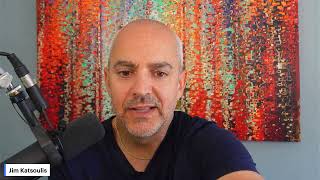
Transcript of a Yourself Thin Podcast episode hosted by Jim Katsoulis about using mindfulness to support sustainable weight loss. Jim outlines three stages of eating—anticipation, consumption, and consequence—argues mindfulness across those stages shifts choices toward healthier options, and links the method to his Program Yourself Thin (PYT) system, including hypnosis tools, community app (Circle), and rehearsal techniques.
Chapters
It.
Foreign.
Welcome to today's program Yourself Thin Podcast. Today we're talking about mindfulness and weight loss. Mindfulness really is one of your best friends when it comes to losing weight. And I don't think mindfulness alone is necessarily going to get the job done, but it's a real crucial, super helpful piece of the puzzle moving forward for you, because one of the most valuable things you can do when you're more mindful of the food choices that you're making. Right. So again, there's kind of mindfulness in a couple different categories. We'll go through them. So let me back up. Let me start from the beginning. Basically, there's three stages of eating. There's anticipation, consumption, and consequence. Okay? And. And what you want to start doing is recognizing those three phases. So anticipation, obviously, is before you eat, when you're thinking about what you're going to eat. The consumption is when you're actually eating. That's usually a couple minutes. And then there's the consequence phase, which can last for hours to days after. Okay? And so the more mindful you become of each of these phases, the more healthy your choices are going to become automatically, like, almost without exception, because especially when you start focusing on the consequence phase and becoming mindful of what the consequences are of the foods you just ate, if you just do that, what's going to start to happen is you're going to realize the almost immediate negative impact and effect that overeating, eating the wrong foods has on you physically, mentally, and emotionally. All right? So this is what you want to start focusing on. If you only did this, if this is all you did, I can almost guarantee you will start to make healthier food choices over the next couple of weeks. Okay? And so the reason this is so important is because you are operating under a delusion. And the delusion is that the foods that you're eating and the way you're eating them is really, really pleasurable. And you need to stop the pleasure. You need to deprive yourself of the pleasure in order to lose weight. And what I'm telling you is that if you start being more mindful and paying attention to the consequence phase, that starts six seconds after the last bite and goes on for at least hours, potentially days. What's going to happen is you're very quickly going to realize that these foods are not pleasurable, not when you look at the whole picture. They may be pleasurable during the consumption phase, but they are not pleasurable during the consequence phase. And we've got to take that into account. This is like, it's the equivalent of going to the mall and, you know, racking up thousands of dollars on debt. And so it's fun to buy that stuff, but then you got to pay the piper, okay? And so it's the same thing with the food. And so when you start to naturally pay attention to the consequences that follow, whatever decision you make, there's always a consequence following. And so when you make good, healthy choices, notice the consequence, become mindful of it. When you make unhealthy, poor choices, notice the consequences. And what happens is it starts to clarify in your nervous system that healthy, good food choices feel good, have good consequences, are pleasurable and unhealthy. Overeating option choices are unpleasant and painful, physically, mentally, and emotionally. And there is no way around this, okay? I want you to understand this. There is no way around this. Every single time you overeat, every time you choose the wrong foods, you're going to not feel well. So it's not about tricking yourself. It's literally just becoming mindful of what is already happening. And when you start to do this, you start to redefine how you think of these foods from being primarily pleasurable to classifying them as being pleasurable. But if I eat too much of them, it's not pleasurable, I get a food hangover, I don't feel well. It's not worth it, okay? And this is where mindfulness can really, really be helpful. Now, once you get good at this part, paying attention to the consequence phase, now we kind of come back to the first phase, which was the anticipation. So the more mindful you can become of what you're thinking about food, what food you're expecting, and anticipating to eat throughout the day, you're going to start to notice that you're pre programming yourself a lot of times to make unhealthy choices. You're just assuming or expecting that you're going to make an unhealthy choice for lunch, breakfast, dinner, whatever, and it's happening ahead of time. And so if you become mindful, you start to realize this, and this is where you want to start in your mind imagining alternative solutions. So instead of just expecting that, you're going to show up in the restaurant and magically just choose the salad or the healthy option, what you want to do is you want to start expecting that you're going to choose the healthy option far before you even get into the restaurant, because you're already doing this with the unhealthy foods, especially if it's a restaurant you've been to many times. What happens is when you think about that restaurant, you expect to go there. You're already anticipating that you're going to order what you normally order. And so to walk in there with all that momentum and anticipation, expectation, and, and expect it at the last second, you say, no, it doesn't work that way. So we want to get as far ahead as we can and start expecting that we're going to make healthy, good choices and start to prepare for them. And so the more mindful we become of what we're anticipating and expecting, and the more mindful we become of the consumption and how much we're eating, and then the more mindful become of the consequence phase. Most importantly, what happens is you start to retrain your brain naturally. Again, you've got the truth on your side, folks. Either eating healthy natural foods and not overeating, unhealthy natural foods feels way better. All right, and then there's the final phase of being mindful. This is when most people only focus on this one, which is when you're actually eating. And so when you usually hear mindful eating, this is the phase you're usually hearing about when you're actually consuming the food. And it helps to be mindful here, too, to slow down, to enjoy the food, to recognize how much of it you've eaten in. And where is the sweet spot? Where is the sweet spot where you get the most return on investment, the most enjoyment possible? Again, going way past your satisfaction point and way, overstuffing yourself is not the most pleasure. We're looking for that sweet spot. And the more mindful you are during the consumption phase, the more likely you are to hit that bullseye right in the middle. So again, mindfulness is something that you really cultivate and work on and practice. Some ways to develop mindfulness, obviously meditation, whether it's sitting meditations, guided meditations, walking meditations, anything that kind of quiets your mind, is really helpful for developing mindfulness. Concentration exercises, focus exercises. There's a lot of different things you can do to cultivate mindfulness and awareness. And then once you start developing that, you can also develop it through paying attention to your eating and the three phases we talked about. But then when you develop it in other ways, you can also bring that ability back into your eating. And again, I'm telling you, the more mindful and aware you are of what you're eating in those three phases, you will just naturally start making better food choices. Because again, you do have the truth on your side. That it does feel better. And this has nothing to do with weight, by the way. I'm talking about short term consequences. And what you will quickly find out is that the short term and medium term consequences of making good, healthy choices is way more pleasurable than you ever realized. And the short and medium term consequences of making the wrong food choices or overeating is more painful than you ever realized. But you will never recognize these things until you become more mindful and pay attention to them. But once you do, it is an absolute game changer that changes things so dramatically that it's almost impossible to continue eating the same way that you're eating. And I say that knowing that. That sounds like a bold claim, but. But I really mean it. This is what I've experienced and what many of my clients have experienced as well, that once you start paying attention and being more mindful, you naturally start to make better choices. All right, so give this a shot. And if you want some help doing this, click the link in my bio. Go get the free hypnosis session I give you, watch the training I made you, read the emails I send you, got a bunch of cool stuff coming, and you'll be in my world once you do that. So go check that stuff out. If you got any questions, feel free to ask them. Happy you're here today. Hope you have a nice Friday. What's up, Julie? How's it going? It's going New York. New York City. It's hot here in Massachusetts, but actually it's kind of nice today. It's. It's calmed down a little bit with humidity. What's up, Bri? Bri says Jim, thanks for your program and mindset tips. I'm £100 down with 60 to go. Thanks for all you do, Bri. Congrats. That's awesome. Great job. Wow, £100, huh? That's something else. Good for you, Bri. Proud of you. 60 to go. Keep going, right? And that's amazing. Yeah. £100. How long you been doing that for? That's super, super duper. Yeah. That's what happens, you know? And the beauty is, you know, the best part of all this. And again, the weight loss is always exciting. But the best part for me and for my clients, when they lose the weight, they're set up to keep it off. That's the big difference I always feel, between dieting and program yourself then is that program yourself then is really built for living at your goal weight, and it's a difference of focus. And it may sound like the same thing. In the beginning, but it's not. I promise you. The difference between wanting to lose weight and wanting to live at your goal weight are miles apart. And I think it's crucial that you have the goal of wanting to live at your goal weight because that is your true goal. You know, yes, you're going to lose weight to get there, but ultimately you don't want to just lose weight because you don't want to lose weight and put it back on. You've done that before. What you're looking to do is figure out how to get to your goal weight and live the rest of your life there on your autopilot. So hopefully you're on that path for you. And great job. You're well on your way. £100. That's very impressive. So keep that up. Nice job.
Yeah. Here we are on a Friday, if anyone's got any questions. I don't know, it's funny, I know this is kind of the last gasp of kind of the summer. Summer mode where sometimes people kind of ignore because I know, like, September is a big month. People really get focused in on September a lot of times.
This year is different anyways. I've noticed that it's. It's a weird time scale this year compared to other years, but Julie's working too hard. Yeah, well, you get that new job, right, Julie? So hopefully that's going well. And like, I. I did read your email, by the way, and I thought that was great, that, that, that helped you to realize that you will get better at what you're doing even with a new job. You. If you just put that work and, you know, I think that's such a fascinating concept. I think about this all the time with a lot of things, but especially guitar. I've been playing guitar for over 30 years, and I find it so interesting that even now, like, when I go and approach, like a new song that I don't know how to play, my brain will be like, oh, you're never gonna be able to learn this, you know, and it's so negative. And I mean, I've learned hundreds of songs and so it's like, I don't know every time. My brain can be so negative because my brain has said that with every song that I've learned, and I've learned tons of songs and. And I know all it takes, you just need to practice it. If you just practice it enough, you're just going to be able to play it, you know, but my brain will just doesn't say that, you know, what I mean, my brain is not necessarily supportive.
So, you know, that's a good example, though, of, you can't change that because that's a negativity bias. We all have a negativity bias. It's hardwired into us. It's a cognitive bias. There's no changing it, but there's recognizing it and strategizing around it. So, you know, every time I go to the song, I'm. I'm expecting that negative voice. Oh, we're never gonna be able to. And I was like, yeah, you say this every time. So it's like, I expect that negative voice, and it's right there. And it's there. Never lets me down. But then the positive voice, my coach voice, comes in and says, come on, man, you say this every single time. And we've learned all these songs, so just relax. You know the story. We just have to practice it. And we practice enough, we're going to learn the song. And so. So now I have an antidote response to that voice in my head. Okay. So I'm glad I. When you said that, Julie, I really loved hearing that. That. Yeah, if I'm struggling with. With learning this new thing, when you first struggle with it, you go into a stress state. And in a stress state, you don't think clearly, you know, so that's what you have to recognize at first. There's mindfulness here, too. The awareness first. Oh, my God. I go into this negative place and I freak out. Recognize that and then bring this other voice in and calm yourself down, relax. You can figure this out. Look at all the things you've learned in your life. Let's just relax, calm down, ground ourselves, and let's just start working on it. Let's figure it out. Let's get. Let's keep practicing. Well, we're going to learn this, you know, and to wrap that up, one of the things I said to Julie that kind of helped her was the idea. And this comes down to weight loss. When you have the right system is that a lot of you, you know, you.
You. You kind of look at your weight loss, it really kind of comes back to the fixed mindset. It's really what it is. And you just think that you are what you are. And you think of weight loss as really a measurement of your willpower and self control. And so you're going to do some plan you've tried 50 times, but this time you're going to do it. You're going to be more focused, more willpower, more self control. And that's how you're going to succeed with it, you know, and it's not true. You know, the real path to weight mastery is learning and growth. And so the example I like to use a lot of times is this has nothing to do with your, your ability to lose weight right now. It comes down to what you know. And the example is if you were going to be a mechanic and you have no mechanical aptitude, right? You've never even used a tool. You just fumble around with it. But if you go and sign up for mechanic school and go through the courses and do the trainings and do the learnings, you're gonna end up a mechanic. And again, you may not be the best mechanic, but you're gonna be a mechanic. And the same goes for everything. You go to accounting school. You know what I mean? You suck at numbers. Well, you're going to do the same stuff so much. You're going to learn how to do that. And so weight loss is the same thing. When you learn a systemic, holistic, comprehensive structure that covers your mindset, lifestyle, and eating strategically, and you go through it and you do the work, you come out the other side with abilities that you do not have now, knowledge that you do not have now, strategies you do not have now. And when you have those, it becomes a lot easier. So you're always thinking about losing weight from the place you're at right now. And it's crazy because you have no skills. You have no weight loss skills, folks. Just having some vague idea of what you should eat is not a weight loss skill. How are you going to manage your mindset? How are you going to manage your emotions, your motivation? How are you going to manage setbacks? How are you going to change your habits? How are you going to influence your thinking? I mean, good lord, there's a lot going on here. And the idea that you just think that you're, you know, everything you need to do, you just need to get yourself to do it. That's bullshit. That is total bullshit. That's like saying, I've never played the piano before, but it's like, I know how to do it. I mean, just push the keys in the right order in the right time, and you got songs. What's, what's the problem? It's just easy. Okay, well, play me a song then. Well, you know, yeah, like, you can't do it, but yeah, you can explain to me in a very vague way how to play a piano. That doesn't mean you can play it. And that's the same Thing with you and weight loss. You can explain it to me in vague ass term. Oh, yeah. I got to cut out the carbs. I got to reduce my sugar. I got to control my portions, you know. Okay, great. That's. That's so vague. It means practically nothing in the real world. That's not going to help you lose weight. No, Jim, I know what I got to do. I've lost weight on Weight Watchers five times. I know what I got to do. I just got to do it.
No, you don't know what to do. You have no idea. No idea how to limit your goal weight. Not a clue in the world. You have no idea how to think like a thin, healthy person. So you got to learn stuff, you know, and if you take it on that way, learning stuff's not that hard, really. You know, I mean, it takes a little bit of time and effort sometimes, but I mean, learning is really. It's not rocket science. You just need consistent reinforcement, you know, the right information. Anyways, so. That's great, Julie. I'm glad that helped you out. Yeah. Okay. From Hilton and Marriott. Yeah. Yeah. Different systems. Yeah. Couldn't sleep. I get it. So, yeah. You know, again, when I go into stuff like that, like if I was. If I was switching jobs and it's. It's. The first thing I'm doing is I'm assuming it's stressful. I know it's stressful because uncertainty is stressful to humans. So going into a new position, even if it's kind of similar to the old position, it's new people, it's new place, it's new computer software, it's new clients, it's a new, you know, everything's different as well. And that stresses us out. So if I start a new job, I'm really. In the first couple of weeks, I'm like, absolutely prioritizing my sleep because I want to let myself, you know, as much as I can. And I know sometimes you're not sleeping, then I'm probably toward. Has my relaxation, you know, because I'm looking to recover as much as possible this first few weeks because I know it's so overwhelming. And then I'm gonna relax, and then I'm gonna again put the work in to learn whatever I need to learn consistently and strategically. And I know for a fact I'm gonna come out the other side knowing how to do it, you know, so I'm glad to help you out. Same Brie says it's been over the last two years or so, this time left Felt way more manageable than. Than when I've lost before. That's awesome, Bri.
Yeah, Brie. Losing 100 pounds over two years, folks. And that's what I want to say is that it's over two years. This is what I'm talking about. Program yourself then. Do you hear that? It's. It's losing weight and it's like. That's what my people are like, oh, yeah. Two years, three years, four years. It's been six years. That's the difference with programming yourself thin and diets. You know, I don't give a. About how fast you lose weight and how much you lose in a week or two. I'm really concerned with how long you're able to keep it off. And diets are not very good at keeping the weight off, as far as I can tell.
But great job, Bri. I'm proud of you. Good Lord, what a. What a great job. I'm glad it's feeling better, too. That's the point. Right again, folks. The way you. The way you lose weight is the way you're going to stay at your goal weight. So if you hate how you're losing weight, you're in a real shitty position to stay at that weight because it's really hard to keep doing things you hate doing. So again, how you lose weight is how you're going to stay at your goal weight. I know you don't believe that because I know you think once you get to your goal weight, some magical thing happens where you just stay at your goal weight. I don't know why.
Considering the number of times you've gotten your goal weight and put the weight back on, but, you know, you still walk around in this fantasy land of thinking that you're going to get your goal weight and then it's going to stay there. Well, why. If you hate what you're doing to lose weight, you're not going to stick with it long.
So that goes. So. Great job, Bri. Kicking ass. What's up, Kim? Kim says hello from New York City. I hit a plateau of minus 100 pounds over the last two years. So this week I started fasting through the morning until lunch and can already feel a difference. Yeah, great, Kim. I mean, as long as that fasting feels sustainable and comfortable for you. That's the key thing. Again, we can't just. We can't just evaluate weight loss strategies by how much weight we lose. That may sound strange. Let me say it one more time. You can't just purely eval evaluate a weight Loss strategy just by how much weight you lose. Because listen, the absolute fastest way to lose weight is just completely stop putting anything in your mouth. Complete dry fasting, no food, no water, nothing. That's going to be the fastest way that you can lose weight, but it's also going to be the shortest and least sustainable way you can lose weight simultaneously. Okay? So we can't just evaluate a weight loss plan by how much weight we lose, how fast we lose it. We've got to look at how comfortable we are doing the plan, doing that thing. So again, Kim, great job shifting things up and taking action. And just make sure that the fasting piece feels comfortable to you, okay? Now, by the way, that doesn't mean. I'm not saying that you have to stop fasting either if it doesn't feel comfortable, because, you know, here's another thing, especially with intermittent fasting. All the diets, they're so rigid in the way that we approach them. And intermittent fasting is funny to me because I started intermittent, a form of intermittent fasting. Intermittent fasting. Police are going to come get me if I say I'm intermittent fasting because I only do it for 12 to 13 hours. I don't do the full 16 hours. So some people, you can't call yourself an immune faster. But anyways, so I started intermittent fasting over 30 years ago just on my own. There was no intermittent fasting back then. Okay? But what happened is I wanted to make a bigger window of time between when I stopped eating, when I went to bed. And so I made that window bigger and bigger and bigger. And eventually I'm at the point now where I usually stop eating around 6, 7 o' clock at night, wake up the next morning, eat 7, 8 o', clock, somewhere around there. And that I've been doing forever. And it feels amazing. Felt amazing when I first started doing. Incredible. Okay? But my point is that sometimes I see a lot of intermittent fasters that come to me and they say, oh my God, the last two hours I'm just ravenous and starving. And I wait and I wait and I wait. But then when I start eating, I'm overeating, I'm binging. And so a lot of times, intermittent fasting, ironically, can be a real good training for binge eating because you're getting yourself so hungry and so anxious each day when you can't eat that by the time you can eat, you're way overeating. And so I, again, I'm not saying that's your, your experience, Kim, but I'M just saying that's a common experience people have. And what they try to do is they try and fight through that instead of saying, you know what, let me just fast until 9, 10 o', clock.
You know what I mean? For a little while, you could fast till 9, 10 o', clock, get comfortable with it, and then you can push 10, then 11, then 12 if you want to. But we don't have to jump right into the deep end. That's the thing with dieting that really unifies every single diet on the planet. Doesn't even matter if it's vegan, it doesn't matter what diet it is. The thing that unifies them is that you're going to jump into the plan 100% on day one. Every single diet, you're starting on a Monday, 100% in doing it perfectly. And it's overwhelming. It's overwhelming to completely change your eating in one day. It's really a crazy idea. So, anyways, good job taking action, Kim. And just make sure, you know, again, if it doesn't feel good, you know, realize you can be flexible with what you're doing and still lose weight. Make sure what you're doing is feeling comfortable for you. Okay. What's up, Mari? Love being on board with you so far. I feel so supported. Thank you. Yes, thank you, Mario. I'm glad, glad you said that. Yes. Mario just joined the program and yeah, it's. It's hella support. And the support is going to get better, too. I'm excited to. To say so. There's a lot of cool stuff coming. I know I've been saying that. But I will tell you, this week has been funny for me. I just got back from vacation last week, and I'm not gonna lie, I've been in a little bit of a vacation mode, honestly, for the last couple weeks, but this week as well, just different stuff going on too. But I. I've been working on the workbook and I, I know I've been talking about that and that was harder than I expected because I was picking pictures out for it and it's like I get real. Oh, I just wish I could just, you know, it's how it is. Let's. Sorry. I, you know, I always say my program's perfectionists. You know what I mean? And. And I'm the same way. And I try and deal with it. So it's taken me, it took me the whole week to finally pick out these six pictures. It's so stupid. But anyways, it's the new Workbook's coming, but then over the next couple weeks there's going to be even more support through the Circle app. We're going to start doing some cool things coming through there. But I'm glad you're feeling supported so far. Again, that's a key part in my opinion, of creating change. I think it's very hard to create change in a vacuum by yourself, you know, because what you don't realize is probably one of the number one things that fact that affects you in your life is your environment. And your environment's everything. I mean your environment, your physical environment, your mental environment, what you're scrolling through on your phone, what you're seeing regularly, what you're interfacing with and so program yourself. Then I very intentionally have created to be within itself a support system. And a big part of that comes through the app we have. And so again that app is going to start to really blossom. You're going to see it over the next couple months. But even right now, when you get in the program, it's, it's delivered, you have a membership area you can always have lifetime access to and you can always access everything in there. But through the app you really get consistent messaging. Everything's in there. Every morning you're getting, you know, your morning session, you get your sessions. At night, you listen to, you're bookending your day. There's consistent reminders and it helps keep you on track in bite sized ways. And I find that that is really, really important for creating long term change. So awesome job, Mari. I know, I'm super proud of you for taking action and I'm glad, glad you're enjoying it. What's up, Sherry? Sherry says hi. Jim, you taught me with PYT about how to integrate mindfulness to help me be the best version of myself. It was the missing piece I've been searching for my whole life and I'm so happy with it. That's awesome. Sherry, screenshot that. Love that. Yeah, the mindfulness really is. I don't use that word a lot too. It's funny like when I was thinking about what I wanted to talk about today. I don't use the word mindfulness a lot. So it's funny to me like to use in a sense however, and I don't, I don't use a lot simply because mindfulness I think has at this point people have a lot of preconceptions about it, you know, so I try to come at it from different angles just to keep it seem fresh. But mindfulness just, just Basic, straight up mindfulness is so valuable and it's really at the heart and core of program yourself then, because I believe that you can't. We always say in the program, awareness precedes change. And you can't change if you're not aware of what's going on. And you become aware through mindfulness, you know, and so a lot of program yourself then is built around developing mindfulness and awareness of what you're thinking, what you're feeling and what you're doing and why you're doing it. And the more awareness you have of that, the more strategic it can be in resolving the challenges and issues. So, yeah, mindfulness is just crucial, crucial piece of the puzzle. And I know and I think people are starting to come around and realize just how important it is. But yes, it really is. Yeah. If anyone's got any questions, feel free to ask them. You know, take tick tock. If I get back to you all, what's up, Bramley? Bramley Apples. When you have a routine that works in place, how do you cope with hunger spikes during monthly cycle? Okay, well, Bramley, great job. Right? When you have a routine that works in place, great. But that what you're thinking right now, what you're saying, Bramley is just saying, like, when I have a weekly routine in place that's working, what do I do when the weeks come where I'm extra hungry because my cycle. Okay, so now what happens? You zoom out and now you make a routine for the month. Does that make sense? So it's like you're thinking within a week. But not every week has to be the same because not every week is the same. Right. If you're, if you're a woman who's going through your menstrual cycle, there's a good chance that some weeks you're going to be hungrier than other weeks. It's up to you to be aware of it first, acknowledge it, and then start to strategize around it so that, yeah, you have a plan that works these three weeks really well. And this week here, I have to tweak a little bit to make it work for me. So what that would look like for me probably is I have these three weeks where it's really working well. This other week I actually eat a little bit more because I'm on my cycle, I'm a little hungrier. And so this is where. This is a sweet spot for me during this week. This is what I do these other three weeks. So I hope that makes sense. But great Job taking action. Bramley. That's exactly the question you want to ask. Because as you go down this path, you just get better and better and better at it. I always say this to my clients and remind myself of this, that program yourself then, and really, weight loss, or I should say weight mastery, living at your goal, weight loss, it's really a process of, of mastery, of learning. Kind of like if you want to play guitar, you get better and better and better at it. Any skill that you keep practicing and keep getting better, that is, that's how you want to start thinking about your weight. And it's never thought about that way. Weight loss is always kind of like, let's just see what you can do. It's always like, okay, because it has nothing to do with what you know, right? I'm going to tell you what to do. Eat this way. Now you're on your own. Do it. And the only thing you have to do is try and use your willpower to make it happen. But you have no idea how to influence your mindset, no idea how to motivate yourself, no idea how to, you know, kind of shift your personality and your, your self image, no idea how to deal with your habits, your emotions, how to think like a 10 healthy person, how to maintain through the difficult times, setbacks, all that stuff, you have no idea. You have no strategies how to do that. So what do you know exactly? What that you should eat less carbs, you shouldn't eat for 16 hours? What exactly do you know? Because I don't think you know much of this mindset stuff. If I had to guess, most people don't. And if you don't know that mindset stuff, what are you doing? How are you dealing with it? Or is it just not important? Is it not important to be motivated? Does motivation just not matter? Your self image and how you think about yourself, does that just not matter at all? With your weight, your habits, like how you're gonna influence your habits and knowing how to habits run and how to influence them strategically, does that not matter? Because you're just gonna use willpower, you're just gonna stop yourself emotions. No, I don't need to worry about my emotions. Really? Really? Because have you noticed like when you eat the most, it's usually when you're in emotional state, you don't think that matters at all. What, you're just gonna fight against your emotions with your willpower? Is that your plan? How to think like a thin, healthy person? Because if you don't know how to think like A thin, healthy person. What do you know how to think like? What do you know how to think like, the weight you're at now. So you don't think it matters how you think, what questions you ask, what you say to yourself. You don't think that's going to affect your weight, your maintenance strategies. Do you know how to bounce back from a mistake? Do you know how to bounce back when the scale goes up a little bit because you had a little. Hit a rough spot? Do. Do you have any strategies to deal with that if you don't have any of those things? I. I don't know. I'm not sure what you're doing. Maybe you don't want to lose weight. Maybe you don't really care. Maybe. But how could you say these things aren't important? I just don't know. You know, to me, they're crucial, and once you know them, you know, it's like. It's like music, right? So it's like guitar. It's like if I just picked up a guitar on my own and I just start plucking things around, I ain't coming up with chords. I'm not just gonna magically give me a guitar and I'm gonna magically come up with chords, huh? I'm just gonna magically come up with scales. I'm magically learned songs like, I. How's that going to happen? That's kind of what you're like with the dieting. You know, it's like. It's kind of like you're trying to learn a musical instrument without any instruction. That's kind of like what you're doing with dieting.
You know? So anyways, what's up, Mary Jane? Mary Jane says Sweden here. Thank you. What are your apps? My app? Well, listen, it's. It's actually a program. My program is called Program Yourself Thin. And I deliver it through an app called the Circle. It's a circ. I say I stutter here because it's called Circle, but when you download, it's called Circle Communities. But it's basically a community app where I put the program in and it's really cool because everything's there for you and you get messaged every day. You know, everything's in there. And it's going to be a lot more cool stuff there. But we have a Weekly calls. The replays are in there. Everything's in there. So that's an app you get access to after you buy the program or for my clients. There. It is gonna. I'm gonna have free access coming up for that. I know I've been talking about this for a month or so, but it's gotten backed up with some stuff. But very quickly there's going to be a free part of the Circle app so that even if you're not in the program, you'll be able to get in there. And I'll start. I'm gonna start putting more stuff in there because again, and I was really thinking about this today.
My mission in life is to help as many people as possible live at their goal weight. And that, that is really what I've been setting myself up for for a while here. And a big part of that is going to be the free, the free part of the Circle app. So again, get on my email list if you're not. I see you're over on Facebook, Mary Jane. So I'm gonna, I'm just gonna put this link in there, but most of you could just click on the link in my bio and go get the free hypnosis session I give you. And once you do that, you're kind of in my world. You're on my email list and you'll get updated and notified of all the new stuff coming. And again, a lot of it's just free. All right. I do have a program, but I also give you tons and tons of free stuff. So go check that out. Mari says my question is, do you yourself top up with self hypnosis to keep your own weight under control, Jim, or is it totally natural to you? Now that's a great question. I absolutely still I don't top. Well, let me. Okay. I don't use a lot of the self hypnosis sessions. What I use primarily is the program yourself then technique. So I am constantly in my head programming myself like all the time. Now most of the time it is natural to me. I have programmed myself to pretty much most of my eating is pretty much on autopilot. Most of my lifestyle behaviors are on autopilot. So I just kind of naturally do the right stuff. That keeps me at my goal weight most of the time so I don't have to think about this stuff constantly. But if I like the other night I went and I wasn't really happy with my eating choices. And so immediately I'm in my head doing the redo rehearsal technique, which is the program yourself then technique is the redo rehearsal technique. And so it's a 60 second self hypnosis exercise. And so it is self hypnosis, but it's not the self hypnosis sessions. I don't. I don't really listen to those so much anymore. Um, because I've got all those thoughts, to be honest. Me talking here, me coaching, me recording the sessions. I do so much of it that it's like. That is almost like the self hypnosis I listen to every single day. But what's most valuable ultimately, in my opinion, and has been the whole time, is the program yourself and technique, because that gives you control over your mind and it helps you resolve mistakes and learn from them very, very quickly and very effectively. Because now instead of just listening to kind of a general hypnosis session, now you have to understand and program yourself. Then there's over 60 hypnosis sessions in the daily part. Okay. And each one's different, so you're getting constantly these. These little different messages that are there to give you a thin, healthy mindset. So the hypnosis part of the program is designed to install into your mind a thin, healthy mindset so that you naturally start thinking like a thin, healthy person. Okay. But I think that way now. Okay. I still make mistakes, though. And so when I make mistakes, I'm correcting. Am I learning from them with the reader rehearsal technique. And I'm still using the rehearsal technique as well. Like, if I'm going into a situation tomorrow and I want to, you know, kind of reinforce and make the right decisions, I'll use that there. So I'm kind of doing the redo rehearsal program yourself in technique most of the time. Okay. Um, that's the primary thing I use, and I've been using it for 30 years. I use it less now because I just make less mistakes. I use the redo rehearsal technique more of the time now, unlike work and other areas of my life that I'm actively really working on changing some things. But I've kind of dialed my mindset, lifestyle and eating as far as weight goes pretty well. So a lot of that stuff really is running on autopilot. And I don't really have to correct things too often, but when I do, I use the reader rehearsal technique. You know, that's the most important piece of the whole program, in my opinion. And they're all important. But that's the real important one part of that is going to be the free. The free part of the Circle app. So again, get on my email list if you're not. I see you're over on Facebook, Mary Jane. So I'm gonna. I'm just gonna put this link in there, but most of you could just click on the link in my bio and go get the free hypnosis session I give you. And once you do that, you're kind of in my world. You're on my email list and you'll get updated and notified of all the new stuff coming. And again, a lot of it's just free. All right. I do have a program, but I also give you tons and tons of free stuff. So go check that out. Mari says my question is, do you yourself top up with self hypnosis to keep your own weight under control gym, or is it totally natural to you? Now that's a great question. I absolutely still I don't top. Well, let me. Okay. I don't use a lot of the self hypnosis sessions. What I use primarily is the program yourself then technique. So I am constantly in my head programming myself like all the time. Now, most of the time it is natural to me. I have programmed myself to pretty much most of my eating is pretty much on autopilot. Most of my lifestyle behaviors are on autopilot. So I just kind of naturally do the right stuff. That keeps me at my goal weight most of the time. So I don't have to think about this stuff constantly. But if I like, the other night I went and I wasn't really happy with my eating choices. And so immediately I'm in my head doing the redo rehearsal technique, which is the program yourself then technique is the reader rehearsal technique. And so it's a 60 second self hypnosis exercise. And so it is self hypnosis, but it's not the self hypnosis sessions. I don't, I don't really listen to those so much anymore because I've got all those thoughts. To be honest, me talking here, me coaching, me recording the sessions, I do so much of it that it's like. That is almost like the self hypnosis I listen to every single day. But what's most valuable ultimately, in my opinion, and has been the whole time, is the program yourself then technique. Because that gives you control over your mind and it helps you resolve mistakes and learn from them very, very quickly and very effectively. Because now instead of just listening to kind of a general hypnosis session, now you have to understand and program yourself. Then there's over 60 hypnosis sessions in the daily part. Okay. And each one's different. So you're getting constantly these, these little different messages that are there to give you a thin, healthy mindset. So the hypnosis part of the program is designed to install into your mind a Thin, healthy mindset so that you naturally start thinking like a thin, healthy person. Okay. But I think that way now. Okay. I still make mistakes, though. And so when I make mistakes, I'm correcting my learning from them with the reader rehearsal technique. And I'm still using the rehearsal technique as well. Like, if I'm going into a situation tomorrow and I want to, you know, kind of reinforce and make the right decisions, I'll use that there. So I'm kind of doing the redo rehearsal program yourself in technique most of the time. Okay. Um, that's the primary thing I use, and I've been using it for 30 years. I use it less now because I just make less mistakes. I use the redo rehearsal technique more of the time now, unlike work and other areas of my life that I'm actively really working on changing some things. But I've kind of dialed my mindset, lifestyle, and eating as far as weight goes pretty well. So a lot of that stuff really is running on autopilot. And I don't really have to correct things too often, but when I do, I use the reader rehearsal technique. You know, that's the most important piece of the whole program, in my opinion. And they're all important, but that's the real important one because that's what gives you control of your mind and your behaviors, how you think, how you feel, how you behave, and then ultimately, you know what your results are going to be. October cat says, I'm 62 with type 2 and 50 pounds overweight. Best way I can lose the pounds. Yeah, I mean, the best way you can lose the pounds is the same as everyone. It doesn't matter what position you're in, no matter, you know, type 2 diabetes or not. It's always the same answer that the best way to lose the weight is to reduce your average calorie consumption. So I just want to keep it simple. And that's always the same answer, no matter what the situation is, is that you always, to lose weight, need to reduce your average calorie consumption in the easiest, most comfortable way possible. So that's my answer to everyone. And whether you have type 2 diabetes or, you know, Hashimoto's or PCOS or slow metabolism or thyroid issues or whatever the issue is, it's always the same answer that you need to reduce your average calorie consumption in the easiest, most comfortable way possible. And so that would be my suggestion to you. And in order to do that, I can say that to you, but in order to actually pull that off and do it. You're probably going to need to change your time frame too so that you stop thinking about how fast you can lose the weight and start thinking about how long you can lose the weight for.
And with type 2 diabetes, depending on how long you have been a type 2 diabetic, there is a very good chance that you could reverse that as well. You know, in addition to losing the weight, depending how long you've been a type 2 diabetic, there's a very good chance that you can turn that around, reverse it so. And then you won't even have that, you know, in addition to losing the weight. But yes, the answer is always the same. Always the same.
Oops.
Time is it Almost one, Almost one o' clock on Friday. All right, anyone else? They got any questions? We'll wrap it up here. I got a busy day, I've had a busy week and I have not, work wise, I have not bounced back too quick this week. I definitely vacation mode, kind of lingered a bit this week.
Which is okay though, you know, again, I think there's times, times when that's the right thing, you know, and this week it felt like the right thing. So. All right, let me get out of here. All right everyone, if you are not in my world, click the link in my bio. Go get the free hypnosis session. Go listen that session. Go watch the training I made for you. Get on my email list or go to program yourself then.com and you can sign up for it there as well. All right? Yeah, October, how can I get your free hypnosis? Yeah, go get the just October cat. You're on TikTok. So just click the little picture of me up in the top left and you'll see, you'll see the link for it, okay? And just click that. It takes you 30 seconds to answer a couple questions and then you have the session almost instantly. It takes, it takes like a couple minutes to send it to you, but then you'll have it and, and I give you a free training as well. Julie says, do you do hypnosis every day? I do do hypnosis every day. I do like in my world, like self hypnosis. Like I think of hypnosis sessions as hypnosis sessions. Like when you're listening to a hypnosis session, it's not like it's kind of self hypnosis in a sense, but the most purest self hypnosis in my opinion is what you're thinking and saying to yourself in your head. And that's what the program yourself then is meant to deal with is to allow you to take control of that conversation, your head, what you think about, how you use your mind. And that's what I, what I teach my, my clients to do. So yes, I do that every single day. Every single day. I'm doing the program yourself then technique on myself. For me now at this point, it's not always about weight, but I do it every single night. I'm playing something and then I'm rehearsing tomorrow the way I want to be. So I'm always doing that. Oh, to your own voice? Yeah, I don't listen to a lot of my own hypnosis sessions and I see Mari saying that. Thank you, I appreciate. She says, Jim, your voice is suited to the hypnosis sessions. I'm sure that's not the case with everyone. I, I appreciate that, thank you. I mean to be honest, again, not to toot my own horn. I'm one of the highest paid hypnotists on the planet. So it's, you know, it's a skill. I've been doing hypnosis professionally for over 20 years, so this is not the voice I started with. I will let you know. And I've been practicing and doing that over 6,000 private weight loss sessions. I've. Holy crap. How many hypnosis sessions ever recorded? A lot. So yes, it's well practiced and I appreciate the feedback. But no, I don't listen to my own voice that much. And honestly, I don't listen to a lot of hypnos sessions. I like hypnosis sessions enough. I think of them more as like a supplement. And the core thing I rely on though is my own programming of my own mind. So again, I call that in a very pure technically, I call it self hypnotic programming, you know, but it's a little, it's, it's different than listen to a hypnosis session, but it's more effective, you know, so anyways, but they're both helpful. So yes, you can get that hypnosis session for free. Everyone just click the link in my bio or go to program yourself then.com and you can get that. Like I said, it just takes a couple minutes and you'll have it and you can go check it out. Vicki says you may have already mentioned this, but when will the Circle app be out to non members?
Next couple weeks. And I know I, I kind of sound like the. Is that like the Money Pit? I know. You ever seen Money Pit? Where, When's it gonna be finished? Two weeks I'm kind of a little bit like that sometimes, but I got a little delayed with some stuff. But yes, the Circle app for free for non members is, is coming down the pike. So next couple weeks, you know, two, three weeks and, and for members, the Circle app's gonna start to. It's gonna start to blossom. It's gonna. There's gonna be more cool stuff kind of coming through there in the next couple weeks as well. So keep an eye on that, you know. Right. Like I said, I've been working on the workbook. I redesigned it and it's almost finished. So as I said, for my clients that are. That are part of the program now, that will be updated on digital version. You'll have update to that probably. I'm thinking like the final version will be done next week. Now I was hoping to get it done this week, but probably by next Tuesday, Wednesday, the new design. But now it's gonna be the same information as the one you have now. I just make that clear. But this one will be formatted different, just looks cool. And, and then I'm going to have physical copies ready. If you, if you want those. If you're in the program and you want the physical printed copy, those will be available probably starting at the end of next week. Again, there will be a fee for those. If you want those, it'll probably be something like 30 or 40 bucks or something. And. But if you don't want them, you just print them or you can just use them online. You're gonna have access to a fillable PDF and you can print them out yourself. If you want, you can bring it to Staples and have them print it out for a couple bucks. I don't know how much would be. And. Or you can get the printed version. So you have a couple different options. So that'll be coming next week as well. And can't wait for you to see that October cast. My parents were from Historia Greece. All right. Yeah. Nice. Yeah, My, my grandparents were from Greece. So I'm what, second generation? Yes, second generation. So that's awesome. All right, everyone, have a super duper weekend and we'll talk soon. Bye, everyone.
More from Jim

Think Like a Thin Person, Not a Dieter #programyourselfthin #weightlosshypnosis

I Am Thin: Weight Loss Hypnosis Session #programyourselfthin #weightlosshypnosis
The Nutrient That Reduces Hunger and Helps You Lose Weight #programyourselfthin



Weight Loss Visualization: Wake Up in Your Dream Size #programyourselfthin #weightlosshypnosis
