Where To Begin To Change Your Eating
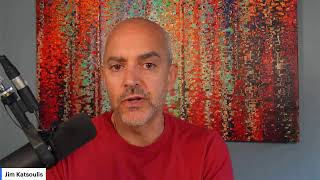
This is a YouTube video titled "Where To Begin To Change Your Eating" created on July 15, 2025. The content likely focuses on guidance or advice related to starting changes in eating habits. No conversational elements or multiple speakers are indicated in the excerpt.
Hey, everyone. Welcome to today's program yourself Thin Podcast. Today we're talking about where to begin to change your reading. This can feel really overwhelming and is overwhelming for most dieters, right? When you want to lose weight again, dieting has taught you to just change everything all at once. And so by definition, dieting is overwhelming because you, again, you have to think of it as a approach philosophy. It's not just nutritional philosophy. So it's not, it's not just you're going to count points, you're going to kind cut carbs, or you're going to try and lower fat. That's one piece of a diet. But the more important piece is that you're. Whatever the diet is, you're going to try and approach it 100% on day one, right? You're going to jump into whatever plan you pick and you're going to jump in 100%. Change everything all at once. That's the part I'm talking about. And so subconsciously, when you think about weight loss, when you think about changing your reading in order to lower your weight, you subconsciously assume that you have to change everything all at once. And it feels, it creates a sense of overwhelm, you know, worry, nervousness, all this negative stuff that is not going to support you. And so where do you start? This is a hurdle most dieters never overcome, right? Because again, they'll jump into their plan. But, but when they're on their own trying to think about, how should I start this? Because this is what happens with people. They do the diets, they get overwhelmed, something says the diet's not working. And at some point they say, okay, let me just try and do this myself. And so I'm going to start changing it. And this is when you're, you're just struck by, I don't know what to do, your flummox. Because you've never learned, you've never learned how to strategically change your eating. You've never learned how to strategically approach your weight so that you can reduce your average calorie consumption and lower your weight for good. Like, you've, you've never learned how to think, live and eat like a thin, healthy person. You've been trained your entire life to approach your weight like a dieter. And dieters, again, just do these, these wild, unstrategic plans. Again, the metaphor I've been sticking with lately is that you're basically, you're running a marathon, but you're running it like a sprinter, right? You're trying to sprint the whole marathon. And that can never happen. You can't do that. Your body's not literally able to do that. And so this, to some degree is kind of what you're doing to yourself with a diet. You're jumping in so fast, so extreme that it's almost impossible to keep it up for very long. And then though, the other side of it, though, this is what I'm mainly talking about here, is that once you realize they say, okay, I got to slow down, I got to do it differently, you have no idea how to figure out where to start with your reading most the time. Okay. So that kind of just sets the stage for where we're at. So right now, when you want to change your reading in order to lose weight, what we need to first step back and realize is that this is not just about losing weight as quick as possible. You know, this is about living at your goal weight and the big difference being the time frames that they exist within. Right? Because if we're talking about just losing weight, we're talking about probably a couple weeks, couple months, you know, maybe a couple years, you know, depending on what you got to lose. And that's how your brain thinks of it, is thinks of it as a temporary thing I'm going to do until I get to my goal weight. And so just by the nature of thinking it that way, you think in a short term time frame, which leads you to the more extreme, you know, approaches. So what we want to do is we'll start realizing I'm going to be doing this forever. I want to live at my goal weight for the rest of my life. Not just for the next couple months or a couple years, forever, for the rest of my life, I want to live at my goal weight. So how can I make that happen? Now we're starting to get to a place of where to start. Okay, because again, we can't just say, where do I start my eating to change, lose weight? Because again, subconsciously we're thinking about the old diet mindset, what can I change in my eating now? Where do I get started to lose the weight short term? What can I do intensely? And our brain just starts going towards overwhelm. So we want to bring back here and say, listen, I'm not just about losing weight as fast as possible. Yes, I'd like to lose it quick, fine. But I'm more interested in losing it for good. I want to keep the weight off for the rest of my life. I want to live at my goal weight. That's my main goal. And as you articulate this as the goal over and over again. What happens is it trains your brain to realize there's no rush here. Okay, so, so now how do I start changing my eating in this paradigm of wanting to live in my goal way for the rest of my life? Well, now it becomes almost obvious, right, because there's lots of things you can work on. We can't change them all at once. Right? So where do you start with your eating? And I suggest you kind of break it down into two categories. The first category is what you want to stop doing or what you want to improve, let's say. Okay, so let's just say, and the way I think about this is that you, you start by identifying the calorie habit you have. The highest calorie habit you have. Right. The eating habit you have that brings the most calories into your body over a week. Right. So it might be a habit you have every day or multiple times a week. Things like snacking at night, overeating at dinner, grazing in the afternoon, you know, coffee and muffin in the mornings, things like this. Right. That are happening regularly. And so that's the first thing we focus on, is what's the highest calorie habit I have that shows up every day or multiple times a week. Right. And then we go to work on strategically fixing that. Right? Now, again, in program yourself, then we use the three R's. Reduce, replace, remove. So it's not just remove. Right. Again, back to the diet mindset. Most dieters only think black and white, all or nothing. So as soon as they identify a problem, well, I'm just going to stop it. Okay, that sounds great on paper, but in real life, that can be very overwhelming and we don't do it. Okay? So the alternative to that is that we give ourselves some choices. You know, you recognize a pattern. Let's say it's snacking at night, you snack six nights out of the week, you're snacking. Okay? So we want to realize we got three options with that. We can reduce the snacking, we can replace the snacking with something healthier and lower calorie. And. Or we can remove it. You know, we have three options depending on where we're at in the whole process and what feels like the right one for that moment. And then we go and approach it. Here's the difference, what we're doing. And we're going to the good one in a second too. But, but again, the key idea I want to share with you is that what we're doing is we're Focusing our attention, our willpower, energy like a laser. See, I think a lot of times dieters, their, their focus, energy and willpower is too diffused, right? Because they're trying to change everything. I'm going to change all the meals, all of my eating is going to change instantly, right? And again, you're like that sprinter in a marathon. You just burn yourself out. You just run out of gas quick, okay? But if we start to hold back a little bit and start being more strategic again, stop running like a sprinter. Stop. As soon as you hear the gun, you're just going 100 miles an hour as fast as you possibly can. And instead you start to moderate yourself, you know what I mean? You start to be more strategic with your energy. And you don't run a hundred mile, you don't run 100%. You know, maybe you, you coasted 70%, you know, and so it's the same thing here that what we're looking to do is instead of changing all the eating again, we strategically focus on the eating habit that's bringing the most calories in consistently. And then the other one that we're going to focus in on is the best habit that you can start to install. Now, the best habit can be a number of things, okay? Meaning it could be a low calorie breakfast, okay? So it could be focused mainly on calories. Now, usually it's going to involve a couple of these categories, but. So one thing you can focus on is what's a low calorie breakfast? I could implement in my Monday through Friday breakfast, right. What I like to focus on primarily is my healthy thing that I want to install. So I'm basically looking to improve a current behavior or install a new behavior, and I'm looking to do both of those. That's about all I'm going to focus on at a time. Okay. And so the positive one is what do I want to start doing? And so again, you can take into account calorie levels. But what I usually focus on most with my healthy thing is what's the healthiest, most nourishing food I can put in my body. And I will look to ritualize that. So again, I'm a big fan of like, let me lock down Monday through Friday breakfast. Let me make it really healthy and nourishing those meals, and I'll kind of ritualize it. So most of the days I have. And again, you have as much variety as you want. But I one, two or three really healthy, nourishing breakfasts that set you up for success and so you work on that, and then simultaneously you work on whatever your kind of highest calorie habit is. You work on both those things at the same time. And trust me, there's plenty to work on, you know, because you gotta like either one of them. Let's just take the, the, the, you know, the behavior you want to fix. First thing, you gotta understand it. You know, most people, again, as a dieter, you just have this vague idea that you're gonna use willpower to fix everything. You're going to use willpower to just always make the right choice. But a lot of times the choices you're making that are unhealthy are being made at a very deep level. You know, you're kind of programmed to do it. And this idea that you're just going to use willpower to stop it, it really doesn't bear out in reality. So a lot of times we need to understand the behavior more deeply. You know, what's triggering the overeating? Is it boredom? Is it, you know, because I've been eating a lot of sugar? Is it, you know, what's, what is the cause, what's the root cause of this eating behavior? Let me dive into this behavior and really understand it because the more you, the behavior, the more ability you have to change it strategically to find a real genuine resolution to it. Okay? And so I will spend. I mean, I did this when I dropped 50 pounds. My first main focus was my snacking at night, eating at night. I would eat every single night. And so I worked on that for months and months and I came up with strategy, I tried different things and I worked, I understood it, I deep dove it, and I did all this stuff and I came out to a place where I had a plan that was custom fit for me to deal with this. And so, yeah, I didn't lose a ton of weight in the first couple months because I was dealing with this in a strategic way. But after six months, I never ate again. Night, you know, I mean, think about how valuable that that would be 30 years later. I don't eat at night, I don't snack at night, you said. That's what I'm trying to tell you. Instead of the diet thing of changing everything all at once for a week, start focusing on changing one thing for the rest of your life over a couple months maybe. Because listen, think about your three worst calorie habits. If you got a good handle on the three of those things over the next year for good, you're changing your weight at a very fundamental level. This is what I'm trying to say with dieting. You're not. Dieting is a band aid on a gunshot wound. It's not really getting to the core levels that need to be dealt with to fix your behavior long term, you know, and so this is what I'm saying. So if you start more strategically coming at it, and again, that's more than enough. I, you know, again, I bring it back and it's like, it's one of these obvious things that needs to be pointed out, though, is that it's 2025 in America. Are you telling me, are you the one American who's not up to here with stress and just responsibility and pressure and things to do? I mean, come on. So the idea that you're kind of already up to here, but your weight loss solution is to bring you up to here, right? Because every single diet is like, holy shit. And again, doesn't matter the philosophy. I don't give a ket. Carnivore, Weight Watchers, Mediterranean, vegan. So I don't. I don't care what the nutritional philosophy is. The thing that unites them all is you jump into all of them 100 on day one and overwhelm yourself, and you can't stick with it. And this gets down to the core heart of why you're struggling. So again, this is just a strategic approach. It's one example of a strategic approach we use in Program yourself then. And so again, when you want to start, you know, shifting your reading, do it strategically. Focus on the highest calorie habit. Get a handle on that. Focus on a healthy habit that you'd like to implement. And it doesn't have to be the whole breakfast. It could be an apple in the afternoon. It doesn't matter what it is. It's just that one kind of unhelpful habit gets improved and one new healthy habit gets installed. And if you follow that pattern for a year, you would be absolutely shocked at where you'd be a year from now. Overestimate how much weight they can lose in a month and underestimate how much weight they can lose in a year. So this is my message to you. So if you want more help with this and more support, make sure you go click the link in my bio or go to program yourself. Then go get the free hypnosis session I give you. I made a free training. I do have the circle community coming your way, your part. And go sign up for that. It's all free and it'll probably help you out. And if you have any questions, feel free to ask them. I see Ann says, are you a fan of Chef AJ or Dr. McDonald? Dougal, I don't know either of those people, to be honest. So I'm not, not saying I wouldn't be a fan of them. I just, I don't know them. So I'll have to look them up. I'll look one of them up right now. Is Dr. McDougall. Dr. McDougal. Yeah. Number of diet books advocating the consumption of a low fat vegan diet based on starchy. Well, I like that, I like that. I like low fat vegan diets. I think those are good for you, you know, so first glance, I like it. Plant based recipes. I like it. I like plant based recipes. I'm a vegetarian, not a vegan, but I am vegetarian and I absolutely plant based focused now. I work with all kinds of people. So, you know, program yourself then is not a, it's a diagnostic program, I like to say. And so, you know, I, I help carnivores. I. It doesn't matter to me what you eat. You eat what you want. But me personally, I'm a vegetarian and I much more follow that philosophy. So first glance, I like Dr. McDougall's stuff. What's up, Sherry? Sherry says your suggestion about slowing down and relaxing before dinner is helping a lot. Not only am I eating less at dinner, but I'm also not tempted to snack at night. My number one bad habit. Thanks, Jim. You're welcome. Yeah, yeah, Bad habit meaning my highest calorie habit. Yeah, we're shifting a little bit again. We don't like to really judge things good, bad, but by calorie habit is specific. So yeah, that's a good one. And today I'm off my plateau and scale is moving back down again. Yeah, there you go. Nice job, Sherry. Yeah, it's funny like that, you know. I will tell you again, I'm a hypnotist and a neuro linguistic programming trainer. And so I'm really, I'm always listening to words, you know, and when you listen to words, people say it's really interesting the language they use because a lot of times it's extremely literal, you know, and people will say things like, I don't know what's going on, the weight's just not moving. It's like, no, that's the wrong focus. The weight's not moving. But it, you know, to understand this you have to understand weight. Your weight is a cause and effect. So your weight is the effect, the cause is your Eating and your lifestyle. Okay, so in reality, there's no way you can lose weight. You can't actively lose weight. There's nothing you could do right now that's going to lead to weight loss in 10 minutes or an hour from now, short of chopping a leg or arm off. Okay, so what you can do though is you can eat different, you can live different, and over time, through this magical process, you have no control over you. Your weight goes down. So it's very empowering sometimes when we use our language more specifically. And so if I say, oh, no matter what I do, the scale just won't budge. The scale's just not budging. That's the wrong focus. You have no control over the scale. You have control over your reading. And if you change your reading, the scale will absolutely move. But by that, that, that extra layer we add in a lot of times disempowers us because, and I know we obviously know that our eating. We know that on a logical level, but on a subconscious level, it gives us room to get confused. So again, when I hear someone come and say, oh, you know, the weight's just not moving, I said, no, wait a second, how's the eating? How's the eating going? You know, and then we get right into the direct thing causing the weight. And once you change the eating, the weight tends to change, you know, just like, just like Sherry said. And I make a big deal of this because this is what I deal with every single day. But dieters, a lot of times just don't believe it. You just, what do you, what are you thinking? Because dieters will come to me and say, no matter what I do, Jim, I can't lose weight. That is not true. That is 100 not true. That's. That doesn't exist for a person on the planet. That no matter what you do now is joke. I'll put you in gym jail where I'm in control of your calories. You'll lose weight. Quick, quick. So again, it's important to understand that your weight's really reflection of how you're eating and living. You know, but great job, Sharon, and great, great for proving that point too. So nice job. DJ says, should hypnosis be done daily? Does it ever stop? Are you in the program, D.J. i kind of, I forget. Should hypnosis be done daily? I mean, if you're in the program. The program set up initially is an eight week program and that's specifically for the hypnosis. And there's three main components of the program. But the hypnosis in my program, it's set up very specifically over eight weeks. Because each day for eight weeks you get a five minute hypnosis session in the morning with a weight loss mantra. In each week you get a weekly core weight loss mantra. That one's 10 minutes. Okay, so you listen to five minute one in the morning and by the end of the eight weeks you got 57 of those running around in your head. The weekly ones, you get eight of those total. Right? Those are 10 minutes though. You listen to those at night and they have a core weight loss mantra in it. And so for eight weeks you listen to those because you kind of bookend your day. It's real important. But afterwards, I think most people listen, go through that a couple times just to reinforce it and it feels nice. Again, I can't say this enough. The thing with, with hypnosis to understand is it's not just the suggestions you're getting, it's also the experience of relaxing, you know what I mean? And calming yourself down, centering yourself. So it's like a meditation. You could think of it as a guided meditation. Meditation, hypnosis, they're all the similar experience. And so it's not just the good stuff you're getting in your head, it's also the experience of breathing deeper, relaxing your body, turning your attention inwards. And that to me, honestly, it's the physiological, psychological experience of doing that that's more important than even the suggestions I'm giving you. I think every day, if the, for the next eight weeks, every morning and night, you relax and center yourself and calm down, like that alone is going to help you. Because again, folks understand, it's not a knowledge thing. Your main issue isn't a knowledge thing that you don't know what to do. Your main issue is you don't know how to get yourself to do it consistently. You know, and I prove the point that if you were a robot and you just typed in what you're going to eat all day and then you just ate, that way, you wouldn't have any problem losing weight. The problem is you intend to, you know, eat what you're going to eat. And then you sabotage, you go, and you, you eat something else instead, you know, so that's the bigger issue than even knowing what to do. And the hypnosis, again, yes, the suggestions are important, but it's the experience of you truly, just like going to a gym, you build muscle with the hypnosis sessions. You're really building, you're really building A state of calm and peace and centeredness. And if you start going through your days 20% more calm, you will make 30% better decisions. That's how that works, you know, most of the time. So, yes. And is there suggestions for exercise or getting movement in? Yeah, there's definitely suggestions for moving because that's a core pillar of the program. I don't focus a lot on exercising, which doesn't mean I'm not for exercising, by the way. Okay. I think exercising is great. I just speak within the context of weight, that it. Weight, exercising and weight loss are not correlated. Any studies I've seen. Now, someone asked a question on my AI, I was looking through it, and they said, well, weight loss, maintaining your weight loss is correlated with exercise. Weight loss is not correlated with exercise. So they said, why aren't you, why aren't you building that up more? Well, fair enough. But, you know, and that's a fair question. And I am, again, I'm all for exercising and moving, but I find most people, when they start the process of weight loss, now, most people I'm working with, you know, they're 45 plus, they're working, they're busy, there's a lot going on. And so most people I work with, strategically, the exercise and movement is not the main thing they should focus on in the beginning. Listen, if they're just retired and they got a bunch of time and energy, great, do that too. But most people have got to make strategic decisions about what they're going to focus on. And I find for most people, focusing on, again, the mindset, your lifestyle, your eating, getting a handle on all that, learning how to run your mind, that's, that's going to give you more benefit in the beginning phases. And then I think, yeah, most people, you know, if you really adopt this whole way of being, you're going to find your way to exercising and movement because you feel better when you do it, you know. But I just make the distinction. I just want to clearly make. I, I think exercise and movement are very important and great for you. I'm speaking purely on a weight level, that it's not correlated with losing weight. And so a lot of times that's what I'm talking about here. So again, I think of his initial phase. I think most people burn through their energy by trying to adopt an exercise program, and they would be better off by adopt, by dedicating that energy to changing their thinking, their eating, their lifestyle first and then circling around on the exercising. Angela says it's a cliche, but Drinking more water is helping. Yeah, water is number two on the list of important things. So lots of things are cliche, you know, but I mean, you know, things become cliche a lot of times because there's a lot of truth and accuracy to them. So. So, you know, yeah, water, sleep, you know, are huge. Relaxation, all these things are really, really important, you know. How do you go from ruminating and thinking about food after trying to die for so many years? Yeah, I mean, that's the challenge. That's the challenge. The simplistic answer is you learn how to think like a thin healthy person. You know what I mean? So it's realizing you can't get away from shit, you can't get away from room about it. Well, what are you thinking about? A banana? Okay, so again, it's fine to start with a place like how do I get away from ruminating? But we've got them, that's a problem, okay? And end up thinking. And so we want to go from how do I get away from ruminating? I'm going to stop doing this, I'm going to stop doing that. You're in big trouble, you know, because never in that equation do you learn how to think or learn what to do. And that's what you need more than anything is learn what to do, not what not to do. So again, the answer to getting away from ruminating is thinking about food in a new way. Not thinking like a dire, but thinking like a thin healthy person. Well, how does that person think? Well, I mean, I don't know how you would go about it yourself. I can give you the categories, but program yourself. Then what we. And so mindset, specifically how to think like a thin healthy person is six categories. So here they are. How to motivate yourself. How to think of yourself as a thin healthy person. Your self image, your strategically influence your habits so that you have the habits of a thin healthy person. How do you deal with the emotions? Right? How do you deal with the shitty emotions? You don't want to feel the emotions you do want to feel Genuinely without food, how do you think like a thin healthy person? Literally the nuts and bolts thinking what questions to ask yourself how to again, one size fits one. Plan for how to think, live and eat like a thin healthy person. But it's never enough to just, oh, I don't, I don't want to be. I gotta stop overeating, I gotta stop eating sweets, I gotta stop eating pizza, I gotta stop all those things. Focus you on the exact problem. Which is why diets do it. Diets are not there for your success, folks. Diets are a branch of the food companies. You never have gotten a chance to really have a real option or opportunity to change your thinking and behaviors. You know, it says not yet, but I'm sure considering it. Thank you. Yep. I've been following your shorts videos to see if your suggestions work, and I'm seeing some effects of my daily choices. I agree about the mindset over exercise. Need that first. Thank you for answering my questions. I understand now. Oh, you're welcome, D.J. yeah, and so I'm sure you're on my list if you're using the hypnosis sessions, I hope, because again, I give you lots of free stuff and I got cool free stuff coming as usual. The more I plan to give you all some free stuff, the more I want to fix it and work on it. And that's where I'm at again, so whatever, I don't care. It's how I'm rolling. And so right now, I'm kind of knee deep in AI support systems, which are both. Those are the six categories we go through. Again, we break down each one. There's questions, you answer them so that you have your, again, one size fits one plan for how to think, live and eat like a thin, healthy person. But it's never enough to just, oh, I don't. I don't want to be. I got to stop overeating. I got to stop eating sweets. I got to stop eating pizza. I got to stop all those things. Focus you on the exact problem, which is why diets do it. Diets are not there for your success, folks. Diets are a branch of the food companies, and they're just there to fill your head with rocks. So you're stuck at being overweight, eating bullshit food for the rest of your life. So you never have gotten the chance to really have a real option or opportunity to change your thinking and behaviors. You know, it says not yet, but I'm sure considering it. Thank you. Yep. I've been following your shorts videos to see if your suggestions work, and I'm seeing some effects of my daily choices. I agree about the mindset over exercise. Need that first. Thank you for answering my questions. I understand now. Oh, you're welcome. DJ. Yeah, so I'm sure you're on my list if you're using the hypnosis sessions, I hope, because again, I give you lots of free stuff and I got cool free stuff coming as usual. The more I plan to give you all some free stuff, the more I want to fix it and work on it, and that's where I'm at again. So whatever, I don't care. It's how I'm rolling. And so right now I'm kind of knee deep in AI support systems, which are both really cool, and I'm kind of testing them against each other and see how they go. But coolest thing of all is that you're going to get access to these support systems for free. So I can't wait. I'm kind of playing around with Jim AI some more. I'm tweaking it, building it kind of from the ground up a bit, to be honest. I've learned a lot of stuff about it over the last year, and so I am going to give that to you all for free, which is really exciting. So it's my AI clone. It's just like talking to me. So, yeah, that's coming and it's gonna be free, you know, so. Can't wait. Says the evenings are the hardest where I want to relax and get the junk food out. Biscuits, cakes. Yeah, I mean, I would say evening snacking, evening eating is probably the biggest challenge for most people. I would say it was mine, you know, but don't be, don't be discouraged. You know, it just takes. Takes some, you know, commitment, focus, resilience, and if you keep working on it, you'll, you know, gather the strategies you need to. To overcome it. Tigerless. That makes so much sense. Thank you. Prosperity. Lisa says true. I had to find the broken piece within me. Then I lost 68 pounds without meds or surgery. Nice. Yeah. If y' all got any questions about weight, feel free to ask them. I missed a couple tick tock questions, I think, but I'm on it now. Sometimes if I don't get the questions quick enough, I think it cuts them off. So I'm sorry about that. Coach Laura says it's true. It's energetic. Yep, definitely partly energetic. Oh, hello from France. I'm changing my habits about food. Nice job. Yeah. Changing habits about food's awesome. I mean, changing habits in general. I will say I am absolutely a habit master. I do not. Can I dance around it? I am really a master of habits, I would say, and it's awesome. Angela Rose says, can we keep the weight off? Well, again, just embedded in your question is what I'm talking about. You see, the diet industry has conditioned you to think that keeping the weight off is really, really hard, if not impossible. And it's impossible dieting, because dieting is not built for you to live it. But again, you have to understand dieting is a knee jerk response. It's a sprint response to a long term. Again, it's a sprint. I, I don't, I, this is the best example I can give you. But again, it's signing up for a marathon and you're going to run it like a sprinter. And if you ran a marathon like a sprinter, what's going to happen? You're going to win the first eighth of a mile, you're going to be the first place by a lot and then you're going to collapse and lose the whole thing and not even finish probably. And this is literally the diet thing. And so even the framing of can we keep the weight off? No, you, your overweight self, with your overweight mindset, lifestyle and eating patterns are not going to be able to keep the weight off. No, I don't believe that's possible. That's why I don't think dieting ever works. I mean, dieting never changes anything deeper than your behavior. Dieting doesn't work either. We know this. So no, I don't think you, I don't think you all will ever be able to keep the weight off if you don't change your mindset lifestyle and eating, you know, unless you're on an injections for the rest of your life or if you, you know, cut your stomach off, you know what I mean? Like those are pretty much the only options, you know, in this program yourself. Then you change your mindset, lifestyle and eating. And I watch people every day keep the weight off. I've kept the weight off for over 30 years. But you need a more robust, comprehensive holistic plan. This idea, you know what I mean? It's just like it's, and it's, I'm not, I'm not, I'm not blaming any of you for this, you know what I mean? You just don't know. I use my fidgets, by the way. This thing, huh? All day long. Love this thing. It is so cool. But yeah, I mean the idea of dieting, you know, it's like cramming for a test. You know what I'm saying? Like, it's not, it's not real, it's not solid. There's no there, there, there's no structure. You don't even know anyone who's lost weight on a diet long term probably, you know, I mean, it's just. No, you can't keep the weight off on a diet long term. I mean like, and I say no statistically, I'm speaking the. No, statistically, are there people that have kept weight off on a diet? Yeah, of course there's always outliers, but again, the stats I see, you know, 84, which I think is real generous to 98 of dieters that lose weight, put it back on. So, no, I don't think you'll keep the weight off if you're dieting, but if you change your mindset, lifestyle and eating, I absolutely think you can. So if you take injections, a GLP one for rest of your life, you'll be able to keep the weight off. You know, do whatever weight you're able to get to. You know, you only lose weight for 16 months on that stuff. So something to keep in mind. What's up? X says I find that when I have a big breakfast with lots of protein and veggies and carbs, then eat dessert, like brownies or chocolate, straight after that, I no longer feel like I want to snack at night on those sweet things. Yeah, sure. That's just a piece of the puzzle, right? So it's like, yeah, if you struggle with nighttime eating, I will let you know that this is what I always say, that like where the problem shows up is not where the problem was created most of the time. And this is where you really need to rely on your holistic thinking. Because, you know, let's just say, well, the classic diet example I get literally every day I hear this is, someone said my eating's great, Jim, you know, breakfast and lunch are amazing, and then everything falls apart in the afternoon and night, you know, no, everything's not great at breakfast because I'll say, I'll say, what are you eating for breakfast and lunch? Nothing. Nothing. And then I get so hungry I can't control myself. Well, no, no, you know, I mean, again, it's that diet mindset. So in NL or pyt, we're very strategic, you know, so if that's your issue, if you're, oh great, lunch and breakfast, I don't eat anything and then I eat everything. That's because that's a stupid strategy. If you get yourself really hungry and then put yourself around hyper palatable addictive foods, guess what you're gonna do most of the time? Guess what I'm gonna do most of the time? I'm gonna eat it. A lot of it. So again, in program yourself, then we manage our hunger with the hunger scale. And we, we don't get ourselves too hungry, we don't get ourselves too stuffed. We really work. We seek to kind of live in that middle area. And by not getting too hungry, that is probably one of the most powerful things dieters could do to get some control over their eating. And again, you dieters, dieting, I feel so bad for you. That's why I'm literally here every day. Just so you know this, if you don't know me, I'm here every day, Monday through Friday for free. I'm a weight. A weight loss coach, right? I call it weight mastery because I'm not really about weight loss. I'm here on, I'm here for you. Living at your goal weight, you know, I mean, like, like you'll hear me talk about this in a way that you've probably never heard in your life. You know what I mean? Because I'm obsessed with living at your goal weight, not just getting there. And so my strategies are completely different than what you've probably heard, because every single diet is built around just losing weight and getting to your goal weight. You could think of diets like a get rich quick scheme, and that's the only thing you've been sold when it comes to your weight. That's the only thing you've been sold your whole life. You know, short of injections and surgery, but your entire life, you've been brainwashed and hypnotized to think about dieting as how you lose weight. Even though it's never worked for you long term, it doesn't work for anyone. You know, it doesn't work for anyone. And yet you're so conditioned and brainwashed by it that you keep doing it. And that's why I get out here to try to be a counter voice to that. You know, it's not, it's not the specific diet, it's the idea of dieting that's the problem. Because the idea of dieting is focused on getting to your goal weight. And I always ask people this, like when they're losing weight, actively losing weight. What are you going to do when you get your goal weight? Well, I don't know. I'll figure it out. What are you going to figure out? You're going to completely change. It's a whole nother thing and no one figures it out. So again, you know, for me, I've been obsessed with people that live at their goal weight for a long time, over 30 years. And right away, you see, they think a lot differently than diet, than dieters do. And it's really obvious stuff. And when you start doing the obvious, practical, strategic things, you start getting way better results that are built to last. Again, it's not rocket science. It states. So you've been misled, you've been deceived by the diet industry. I don't know much more clear. I can make it. What's up, funny girl? Yaya in the program signed up on Friday. Nice job. Good timing on that. Got a lot of cool stuff coming. I'm working on it right now, and I, I can't wait. And I've been talking about my, my AI coaches. We'll see. But we're gonna fix them this week. But I think I got something coming down the pike here that's better than all of it. So I can't wait for y' all to see that. So you'll have access to that. Yeah, yeah. So do you have three meals a day? Yeah, my clean, my clean. We have a clean and pleasure days in the program. So my clean days are Monday through Friday. Those days I eat three meals a day. On my pleasure days. I usually two meals a day. So. Yeah. And yeah, yeah, by the way, you know, you can hop on these, these lives and ask questions, you know, So I always want y' all to know that like, like, people get in the program. Like, if you're in the program, I give you extra attention, you know, so it's like this is kind of a, A low key way for me to kind of be able to coach you, you know, and you have the Tuesday calls as well. All right. DJ says, I love that your program doesn't seem to worry about old traumas or patterns, but building new thoughts and supports. It helps me forget past mistakes and just move on. Well, dj, I'm really glad you said that because that, to me is probably at the heart of everything, the most important thing of mastering your weight. Because I will tell you, in my opinion now, I've been at my goal weight for over 30 years. I won Blip 13 years ago of 25 pounds, but I've maintained the same weight. And I believe the number one skill in maintaining your weight is the ability to get back on track quickly. Because I want to make crystal clear this is, I think, the biggest thing to pierce that diet bullshit mindset you may have is that you think you need to be perfect to get to and then live at your goal weight. And I'm telling you, it's just, it's not true. You need to statistically improve, but you do not need to be perfect. And so I say that because you need to carve out in your mind some understanding that you're going to make mistakes. You can't just completely change your behavior in just one day because you decided to. That's not how it works to be a human being. Like, it just doesn't work that way. It would be great if it did. I. I mean, there's certain qualities I would love to just have tomorrow or certain things I do now that I don't like about myself. I'd love to just change them on. They're gone forever. That's just not how it works. Do you. Are you gonna argue with them? I mean, what the. Are you not a human? Are you some other human than I am? That, that. I'd like to do something different tomorrow, good or bad. I'd like to stop doing the bad. They'd like to do the good day. I'd like to do that tomorrow. But I don't know. It's hard. You can't just. So what? You gotta have some better plan than that, you know, so. Yeah, I think that's the main thing, is to realize that you want to. And, you know, it's, it's the, it's the time frame of it. You know, it's like, it's the energy between, like, you know, if you go to college, if you sign up for college, like, that mindset's the mindset you need for weight, right? Because when you sign up for college, like, you know, it's going to be years. You know that it's going to be hard. You know, it's going to be, you know, a big investment of time and energy and money and. And, you know, all these things. You sign up for it because why? Because you value it. It's important. But your level of commitment to college, like, is so much higher than your level of commitment when you start a diet, right? The diet, you're just winging it. And so it's like, again, you're just, you're kind of cramming and you're just trying to get fast results quick. You're just doing the get rich quick schemes. You know what I mean? You're not really committed. You're. You're as committed as the results you get, Joe. I mean, like, which is another. Let me frame it differently. Most dieters, when they approach their weight loss, they're very conditional, right? Is it, okay, well, I'll do this crazy. As long as the scale starts going down quick, then I'll. I'll keep doing it. Right? But you're not unconditional, right? Because if you have a week where that scale doesn't move, what are the chances you keep Going, you have a day where you ate too many cookies, what's your chances are going to continue? You know what I mean? Very low. Because again, dieting is an all or nothing mindset. And program yourself into an all or something mindset. So again, we have space for doing all. When you're fired up, motivated, you get the time, knock yourself out, go into it. 100. But what's most important to me is the, the distinction between being nothing and something. That's the thing that changes everything. See, well, you dieters are all doing everything perfect for a couple days or a couple weeks, sometimes a couple months. And then what always happens, you always go back to doing what you normally do. That's the biggest issue. So again, the real secret to changing long term is that do your all thing. But then when you make a mistake or when you get tired or you get distracted, you get sick or whatever, keep doing something, never do nothing ever again. That's the big difference. That's like that mindset. In addition to improving yourself, then we Talked about the 1% better a day philosophy. So it's like we're not trying to get 100% better in one day like dieters are. We're looking to get 1% better a day over the next year and beyond. And 1% better a day over a year is not 365% better. It is 3579% better because it keeps improving on the previous improvements. You see what I mean? So it becomes exponential and it feels that way, you know what I mean? And it's like your brain just can't wrap itself around that. Your brain has a limited ability to understand certain concepts and, you know, compound interest is one of them. And this is very much like that, too. That instead of just taking this wild swing at it and starving ourselves so we lose dramatic amounts of weight, which is what you're kind of wired to do in order to get motivated. Instead, we talk about making small, simple, comfortable, easy shifts and changes that get us better than yesterday. And if you approach your weight, your lifestyle and your mindset like that for the next year, you'd just be shocked. I mean, like, like literally a different person, you know? And so I can promise you over the next year, I don't give a. I don't care if you're on a plan or not a plan. Like you're going to make mistakes with your reading over the next year. I guarantee it, I am. I'm gonna make lots and lots of mistakes with my eating. I'm gonna choose the wrong thing. I'm gonna eat too much of something. I'm gonna. I'm gonna overdo it. But my ability to get back on track is second to none. Practice it every week. This is a core piece of the pleasure Clean days every single week. And program yourself. Then we're practicing going from a clean day to a pleasure day, and then back to a clean day again. So that when in a real world, all of a sudden, we, oh, ate a bunch of brownies. Okay, we can handle it. No big deal. I don't want to do that. Let me think about it. And we get back on track, and we have a process we use. I would say I don't know, and you all can tell me if you find one. But I feel like Program Yourself then is the only weight program I've ever heard ever, that has a process you use for when you make mistakes. And it's a core part of the program. It's like something you're supposed. Ideally, you're doing this every night for a minute. It takes 60 seconds. But what it does is it allows you to kind of replay, rehearse the mistake in a better way. And that's how you train your mind and your body and you come up with better strategies to again, be your. Your thin and healthy self. So Emma Stock says, where do I sign up, please? You can go to. You know what, Emma? I'm going to put it right, because Facebook, I can actually just put the link there. So I'll put this in there. But you can. You can go. If you're at. You can go to my bio and click the link in there. You can go to program yourself then dot com. Or you can just click this link if you're on Facebook, which is every time I do this, I'm like, at some point in the near future, I'm going to be able to kind of webcast this stuff and I'll be able to kind of show things. That's gonna be really cool because. Yeah, because it'd be cool to show you stuff up on here. I would like that. I'd show you that United States map, obesity map, and every day, probably, because that one's crazy. What's up, Vicky? How's it going? Yep. Happy New Week. Little Miss User says thank you for reminding me not to focus on scale. It can definitely make you feel down even on productive weeks. Yeah, absolutely. Again, I like this scale as a reference point, but, you know, again, you know, I don't. I don't know I'm gonna do it Today. But. But yeah, using the scales. Really? Really. I mean, even using the scale. I mean, this is another example, though, of why mindset's so important, is that it's like you've been using the scale your whole life, but you've been using the scale wrong, guaranteed. Are you anxious at the scale? You know, how do you feel with the scale? That's kind of the answer whether it's you're using it right or not. But yeah, using the scale. Another important piece, Coach Laura, how to create this new identity with great habits. Yeah, man, it's a combo, you know, I mean, like, how do you create a new identity, you know, and program yourself then? It's the second most important piece. First most important is motivation. You know, you all aren't even motivated to lose weight. Don't get mad at me. You're not motivated to lose weight, most likely. And so that's the first thing we got to deal with. But then right after that, once you are truly motivated, real transformation. Ultimately, I'm not just talking about weight loss. You know, you just lose weight and not do any of this. But if you really want to live at your lower weight, if you want to be a thin and healthy person and live it that way for the rest of your life, an aspect of that whole transformation is psychological, like how you think about yourself, you know, and most of you think of yourselves as an overweight person. You think yourself as an overweight person. No willpower, as a sweets addict, a dessert addict. You love pizza, you love carbs, you love whatever. And you find yourself in such a way that living at a lower weight would be very difficult. So, yes, self image transformation is a core part of the program. And I believe, you know, at first we. We just. We just start by addressing it. You know, here's the idea of it, you know, kind of this deeper idea of you have this sense of who you are programmed in. You think of yourselves as a certain type of person. And, you know, you think of an identity, self image, but it's. I believe this is the weight set point, primarily. I believe the weight set point is more psychological than it is physical. I think you think of yourselves a certain way. And so I think that's probably the main thing, controlling your weight. It needs to change. So how do you do it? Well, you know, it's a bit of a thing. You know, it's in the program. We kind of deal with it very strategically. But on your own, I would suggest, you know, the first step is just articulating what is the Best version of me. That's one of the things we do in the program, the blueprints you do. Because, you know, honestly, most people, without realizing it, define themselves by their weaknesses. You know, they define themselves by the things they're not good at, the things they struggle with. Right. And so to me, the first step is starting to redefine yourself by your strengths. You got those two right. And so I think, you know, sometimes people get so fixated on their weaknesses and fixing them that they forget all about their strengths. And they've studied this plenty. Mathematically, focusing on your strengths is going to get you better results pretty much every time. And so that's the first step is really like kind of in your mind conceptually imagining yourself and thinking yourself by your strengths. And then beyond that, I think you're right. Yes. The new habits and new behaviors, I think that's what's really solidifies the new self image. You know, over time, your mind knows what you're doing and it defines you by what you do consistently. So I think that having an idea of your best self, your strengths, your most powerful, you built on your strengths is the first starting point. And then I think as you start to improve your behavior and start acting and doing the healthier, better things for yourself, I think that reinforces, you know what I mean, that, that self image too. So I kind of think of it as a two part process. Yeah, I guess a three part. Because then there's the hypnosis as well. And that really, really puts the idea in your mind and lets you kind of connect to it regularly. And I think that's helpful. Yeah. Well, thanks for 100. It all starts in the mind. Yes, absolutely. Prosper. At least. I had to change the way I think about food. Yeah, you definitely have to think about, change the way you think about food. No doubt about it. No doubt about it. Yep. It's always about mindset. Coach Laura says you're great. Well, thank you. Thank you. Oh, that was that thing in your hand. Yeah, Little, little fidget. Little fidget. I just got. And I love it. Just a little spinny. It's like a cube, right? It's like a little cube. Whoa. But it's got like two little poles that meet in the middle that are magnetized and then that just spins. It's been so nice. I don't even hear that. Oh, it's nice. Do you think portion control is important? Yeah, absolutely. You know, pretty much. I mean, if you're gonna, if you're gonna now again program yourself, then the Way we frame things is that the real goal here is to reduce your average calorie consumption. Okay. Not dieting, where you cut 40 to 70% of your calories out and then just try and lose weight as fast as you can. But strategically, let's lower the calorie consumption down strategically, comfortably. And I think one of the main ways to do that is portion control. Yeah. So I think portion control is. Is fundamental, you know, Absolutely. Whole health expert says it's not about weight loss, it's about fat loss. Yep. True. Coach lawyer says. Where. Where are you from? I'm from Massachusetts in America. And so, yeah, if you know where Boston is, I'm in that state. So I'm right on the east coast, about, uh, maybe two hours in from the coast. Ah, inquire. Mom wants to know your hand. Yeah, it's a little fidget spinner. I got two of them last week, so they're cool. Look at that one. This one's nice. Oh, it's so nice because I actually have this, which I love these too. These are some of my favorites. The old chiming balls. I love these too, but they make noise. Too much noise. And when I'm using them, and almost without fail, at some point I drop them and they're really loud. So this one here, these are stuck together. It makes pretty much no noise, but it's very similar kind of thing. So I play these all the time. These are like. I got. I got a bunch of these. I got this one. I hold a lot. It's fun. I get this one. It's just this little spinner I just put on my desk and spin. It's got a little spiral on it. This one's one of my favorites. This little. I love that one. I love this one. I spin that one. Thank God it's made out of titanium. And. Yeah, I got a bunch of little fidgets and stuff over here. Yeah, Vicky's in the program. Yeah, all our. Something's really, really huge. Yeah. Yeah. Vicki, I. I appreciate you saying that. Vicki. Vicki said. Yeah, the. Yeah, all or something kind of gives voice to what I was often doing for years and didn't even notice it. And that. That's again, that. That is literally why I'm here every day is. Is we. We learn through contrast. Very important to understand that I make this point all the time that, you know, diets are really get rich quick schemes, you know, but get rich quick schemes, you can see in context, right, because there's going in like, you know, going to college and get A degree, going to some training program, getting some skills, right? But it's like you. You do something to. To offer society value and you get compensated for it, right? And that's the traditional way to make money, right? And then so within context, you can see like what a get rich quick scheme is. You know what I mean? And so within context, most people are going to choose, you know, the more traditional ways, but with weight loss, you don't have that alternative point of view. That's the crazy part about weight loss is we have been so fully conditioned to almost exclusively only be to think about get rich quick schemes. So again, my goal is to get out here. And again, I bring you the point of view of people that have lost weight and kept it off. You never hear their point of view ever in this society. And so my whole focus is that my whole program's built. Originally it was modeled on them, and now it's built to create them. That's how I would say it. So I think that. Yeah, that's a great point, Vicky. I like that. Coach Lore says I just need to lose three kilos. I'll be honest, I. Every time I hear the word just, it's a big red flag to me. You know, it's either important or it's not. And I've dealt with people that literally, they're. They're three, three kilos away, five pounds, ten pounds away from their goal weight, and they're as upset about their weight as someone who's 150 pounds away from their goal weight, you know, so it's important for you all to understand that weight really is a relative thing, you know, and so even if you're only 10 pounds away, you can be just upset as someone 150 pounds away. It's kind of the paradox. I don't know. It's real, though. And so anyways, dropping 3 kilos is an undertaking. Living 3 kilos less is an undertaking. So we don't want to just do the just thing because just implies it's just this little thing. Oh, I just. I just want that. No, I want to drop 3 kilos because if I live 3 kilos lighter, I'd feel lighter. I'd feel like a better version of myself. I have more energy. I'd be proud of myself. I'd wear the exact clothes that I want to fit. I'd show up better in life. I. You know what I mean? No, just. I just. I just want to. Yeah, well, if you just want to do something, you're probably not going to do it. You either. Really? You know what I mean? Now, I say this because weight loss of any amount is pretty much going to take a lot of effort. You know what I mean? It takes a lot of energy and effort. You don't just. I just want to lose three kilos. Okay, then. Then there it goes. No, it's just as hard to lose the 3 kilos pretty much as it is to lose 10. Really? Because it takes a shift in your behavior, and the shift in behavior takes a shift in mindset or whatever. So I'd reframe that a little bit and I'd give that more value. You can't just think your way to a new mindset. Yeah, I agree. I agree with that. I don't think you can just think your way to a new mindset. I think you need to be delusional then. So I agree with that. And I want to make that point that I'll put my. My money behind that. That I think that thinking new thinking is a big piece of it, in my opinion, because thinking about it becomes kind of your practice. You know what I mean? So with Program Yourself, then, I think this is what separates it completely from there's aspects of manifestation and law of attraction. And Program Yourself, then, no doubt about it, like thinking of yourself as the person you want to be, I think is a great exercise to do. I don't think it's enough. And so, you know, Program Yourself to me is extremely strategic. Yes, we will imagine how we want to be and step into that reality to get excited and motivated and to train ourselves. But then on the other hand, we're also filling out blueprints that are literally your roadmap for how you're going to get to your goal weight and stay there that are custom built for you. So, again, I agree. I think that there needs to be a mindset piece, and I think there needs to be a very specific kind of strategic piece to what you're going to do. I think both of them are key because I don't believe you know this by. And I think someone kind of said this, but I pushed back against a little bit of. Is that if someone's like, oh, well, I just had to fix myself and then I lost weight. Really? What's that mean? You know, don't get me wrong. We all got to fix ourselves with some, you know, and some of those things may be directly affecting your weight. Sure. But I don't know a single person who's overweight that doesn't also need some, you know, specific Strategic skills to do it as well. So I, I agree. I think you need both of them and I think that sets you up for more success. Whole health motivation doesn't last. You need to change where you find validation. Yeah, but that's also part of motivation too. So you know, I, I go, I do this all the time with the motivation thing. I agree on one sense, I get it. Because I think people think of motivation in different ways though. And so I'm sure there's some real specific way to do it. But I think motivation tends to have multiple meanings. But anyways, yeah, I think that there is a, I think the motivation dieters feels never last. But the motivation dieters feel is a pain based motivator. Right. So most dieters, they experience what I call pain based motivation. They step on the scale, see a picture of themselves, catch their reflection, their, their fat clothes don't fit anymore. Someone says something mean to them, they got to go to the doctors and they have this acute experience of pain. And now they said that's it, I've got to change this. Then they jump into a diet and it doesn't last. And I think that's the motivation most people are referencing that doesn't last. Agreed. Because there's no real mindset shift there. But if we look at the motivation you all have to raise your kids or go to work, I think you're going to see that that motivation lasts. Right. You're always motivated, go to work. So motivation absolutely does last. I don't understand that, but maybe, I think we're probably arguing semantics if I had to guess. But finding validation I think is an aspect of motivation as well. I think yes, some people, whatever they want to feel validated with, you know, that's going to go into their whole motivation strategy. But I don't understand the idea that when people say motivation doesn't last, I, I, I've extremely motivated with lots of things in my life and it lasts every day. I mean there's days I have more and less of it, you know, but I'm motivated as, so I don't really understand that part. But how much is your program right now? The program's a thousand bucks, but you can get it for $500, you know, as a deal right now. But yeah, so it's an eight week program and then there's coaching as well. If you're interested in coaching, obviously that's a little bit more. But the core program is 500 because his motivation can last. It just fluctuates like everything else. Yep, agreed. Coach Lawrence is really interesting. I'm a life coach too. And talk about creating a new identity. My clients. Oh, yeah, yeah. Again, I, I'm a huge fan of that because I do think the identity piece is fundamental, and I think it's. It's fundamental conceptually and strategically. So I think literally conceptually, I think we need to understand because I think divers make this mistake. I think they. Dieting is really an outside in approach where they think if I lose all the weight, then I will change on the inside. But Maxwell Maltz was a plastic surgeon back in the 50s. He worked a lot of deformities back then, and he would help people fix these big deformities that they may have had somewhere. And he realized that some of them didn't really change. And that's what kind of led him to this concept of the self image that sometimes, you know, not sometimes, all the time, we have this idea of who we are, and a lot of times that overrides whatever the physical reality may even be. You know, even if it changes, we're still in our mind thinking we have a deformity or so, thinking we have this issue. So I'm fascinated by a self image and transformation change and identity change. So, yeah, it's good to talk to your clients about that. Probably. Yeah. Over the long term, I would have changed my relationship with food. Yeah, absolutely. Absolutely. Coach says, do you know the product that makes us stop loving eating sugar? Nah, I've never seen that. I don't think I'd ever want that. I don't know. I mean, I know that's an option for some people to take some substance that makes them hate. The, the thing I made that with alcohol at one point make them sick. I mean, to some degree, I wouldn't say it's not really how GLP ones work, but anyways, yeah, the stop loving eating sugar. I've never seen any hacks. I don't know. I. I know like the. Again, for me, that's the frustration with diets and dieters. And I don't blame you because you've just been conditioned to think this way. But the thing with dieting is that it's always like hacks and shortcuts people want, you know, and so I've never seen a hack or shortcut that works with sugar in my experience. But I do know that there's, you know, there's ways to deal with sugar very fundamentally that you can change how you feel about them, you know. So I guess, yeah, my product, but I Don't know. Changing your mindset about sugar. That's how I would go about it, because I don't. I've never seen any like thing. You just take. Actions work better than words. Yeah, absolutely. And program yourself. Then I always say, like, the most powerful suggestion, because I use a lot of hypnosis. The most powerful suggestion that you can give yourself is not one for me or one you even give yourself. It's to take action. So I agree. I think taking action is the very top of the mountain. You know, in terms of programming us, I think it's the most important thing. But I think words matter, too. And I think words. You're saying what you're imagining, your mind, what you're thinking. I think that matters a lot. But I absolutely think actions. At the top of the list there is Gemina Sylvester's To Dislike sugar. Do you know it? No, I've never even heard of it. But again, I mean, I just. I'm just not a fan of that. Like, I'm not saying there's a time and a place. I'm not judging it. But me personally, I'm kind of just built that I want to deal with things at the core level. And I don't know, I just. I. I've come to be so skeptical of any pill or potion or tea or berry or any. The dynasty pushes out there. Yeah, I don't know. I guess it's a plant used in Ayurvedic medicine, is known for several potential health benefits, particularly managing blood sugar levels and reducing sugar crav. I mean, I would never, ever waste my money on that. I would rather just go to the source and do the work. And the doing the work is, you know, changing the way you think about sugar. It's not that hard, I will tell you that. I mean, folks, you've been sold a bullshit story about sugar your whole lives, right? It's just like the cigarettes, you know, and you think it's a lot more healthy and natural than it really is. And when you start seeing it honestly, and then you start shifting your mindset and you start using strategic plan to kind of shift your sugar consumption. I would rather go that route, you know, than some little trickery. Tricks, I don't know, you know? Still says hi from Canada. Thank you for speaking to us type A's. Overthinkers. Are you welcome? Yes. Again, my program really is for. For overthinkers, Type A type people. So if you're not that type of person, I don't think I would suggest getting the Program. I don't think it would really. It's not really for you. It's for people just like for their head. Right. Those are my people. Right. That's what I'm like. And so this really is. And that's why again, the overthinking is not the problem. I just want to make that point real quick. You know, you probably come to believe that the overthinking is the issue. I believe the overthinking is the answer. I think the overthinking is great. The problem is what you're overthinking. You're overthinking very problem oriented thoughts, very kind of limiting thoughts. And when you start to put better stuff in that machine, you get way better results faster. So again, the overthinking in my opinion is not the problem. It's the answer. The question is, what are you overthinking? And that's what program yourself then changes as a member. Do we still have access to all the circle info after the eight weeks is done? Yeah, absolutely. Estelle. That's lifetime access to all the information you have now. So, yeah, super excited for you to have that. And then like I said, I got you may have seen in the circle app last weekend I, I made all the coaches go live and now. So go test them now because I'm getting, I'm going to make this decision based on your all feedback and what you're using and how it's going. But in circle now you have, there's coaches you can work with, there's an eating coach, there's a bounce back bot, you know the combo, you know, eating coach. I think I just said that mindset coach. But the other thing I'm kind of retweaking, I'm gonna put them head to head this week and decide which one we go with is Jim AI. So I'm rebuilding that from the ground up with a bunch of things. It's going to be way better. So I can't wait to use that. But that's probably where we're going to go with the coaching in the AI. And it's awesome. It's so awesome because it just walks through the program. The thing with Jim AI that's going to happen and this is kind of why I'm leaning to it now because it's going to be way better than the ones in the program. And the other piece is it can reach out to you. So literally, if you want, you can have Jim AI literally reach out to you in the morning, check in with you, you can talk to GMA about anything you want. It's literally like working with me. It's crazy. And it's about to get a huge upgrade. So it's literally talking to me. Like, literally you can chat, like a chat, like. Like text back and forth with it and. Or you can call it on the phone and literally it's like talking to me. And again, it's. It's just crazy. So to have this part of the program is going to be nuts. So I'm pretty sure that's the one I'm gonna go with. I got some things in the background. Just got to get dialed in. But this week here, we'll decide which coaches we're going with. And you'll be able to use those. So. But no, you get access to all the information forever. Yeah. Sherry says I love fidgets. Very helpful for my students and for me. Even got my husband using them. Yeah, I love them. I remember years ago, they had the fidget spinners. Remember those things, which my kids were real into, and I have not even seen them. I should go grab them. I'm sure they're still inside. They never use them anymore. But I fidgeted it up. I love the fidgets. My hands are literally fidgeting 24 hours a day. Is Jim AI recorded? Jim AI is like an AI clone of me. So what happens is you interface to it through, like, a chat window. Like, you go to a. You basically just go to a web page and you can, like, type like you're chatting with someone. You know what I mean? But it's. It's. It's chat with Jim AI or me. But you have to understand. Like, the cool thing is it's literally. It's. It's trained on the whole program. Do you understand? Like. Like, the one I have right now is trained on 11 million words. So it's like, I love fidgets. Very helpful for my students and for me, even got my husband using them. Yeah, I love them. I remember it takes all my coaching calls, all my podcasts, all the program, and it walks you through it. So it's literally like talking to me. It says the same stuff I say all the rest of it. What I'm tweaking. Years ago, they had the fidget spinners, Remember those things, which my kids were real into, and I have not even seen them. I should go grab them. I'm sure they're still inside. They never use them anymore. But I fidgeted it up. I love the fidgets. My hands are literally fidgeting 24 hours, because it's going to coach you better. So it won't talk as much, basically. And you're gonna love this. I know it already because I've already tested it out. It's very, very, very solution oriented. And that's what you're going to love about it. And so I, I'm talking about it real exciting because I'm going to give all of you access to it. So even again, I know I've been teasing the circle thing. Just, I'm not. I'm gonna do it. I understand. This is part of my, part of the, the spice that makes Jim Jim is that I say I'm gonna get something on this week. It may take a week or two later to get it done. Not that I'm not working at it, but I make the decisions that are going to serve you better. But the Circle app's coming. You're gonna have free access to it. Okay. And there's gonna be trainings in there and you're going to be able to work with Gem AI for a little while and it's going to help you get to the day. Is Jim AI recorded? Jim AI has started to ask questions you want, anything you want to do, and you'll see. So again. Oh, you're kind of hyping it up. I'm gonna give you free access to. You can talk to. You're gonna see with your own eyes and ears. And so is it recorded? It's like, like it's not recorded. It's like an AI. So it's, it's based on my work, like an AI clone of me. So what happens is you interface to it through like a chat window. Like you go to a. You basically just go to a web page and you can like type like you're chatting with someone. You know what I mean? But it's, it's chat with Jim AI or me. But you have to understand, like, the cool hoardings, like, if you talked on the phone, you wouldn't know if it was me or the thing. It's crazy. And then you would know it's not me now, though, because it just gets right to questions and helps you right out and it remembers who you are, remembers what you talked about. It can reach out to you. You know what I mean? And so literally, it's like the perfect coach. So I can't wait. So anyways, Kate says 100 true. It's hard to lose the less you have to lose. Yes, this has been my experience. And it is hard to lose the less you Have. But again, you have to reframe it, you know, because I think a lot of dieters make the mistake of thinking that all weight's the same. It's not. And there's a lot of reasons why. And it's not just physical. So it's not just like the last five pounds physically is harder to lose than the first five pounds. Although that. That's true most of the time, but it's also a lot more. Cool thing is it's literally, it's. It's trained on the whole program. Do you understand? Like. Like the one I have right now is trained on 11 million words. So it's like, it's a lot more psychological. It takes all my coaching calls, all my podcasts, all the program, and it walks you skull. You know what I mean? Like, to. Really. I was thinking yesterday, like, you know, again, you died. You don't realize. I know it's going to make no sense to you, but it's built on. Let me tell you this, this through it. So it's literally like talking to me. It says the same stuff I say on the rest of it. What I'm tweaking is, quote first, that most people prefer a known hell to an unknown heaven. And I think for a lot of dieters, a reality where you're not constantly thinking about food and your weight and worrying about and all the rest of it, it's like, it frees up so much mental space that it's almost scary. And so I think that's a part of it, too, because I know one of my favorites. I don't know if Jody's here, but Jody. Jody got in the program, and I think she was down like, maybe £15 or something from her higher point. And then by the time she got in the program, she was like seven or eight pounds over where she wanted to be. But now she's at her goal weight, you know, and we talk a lot about that, that it's. It's not just the number of pounds. It's really a mindset of being like a dieter. Because even if you're. I can't tell you the number of people. I would say 30% of my clients. Now, it. When I was doing a lot of coaching, it cost a lot of money to work with me, like, like five grand minimum, up to $25,000. And there's been a number of people that pay me a lot of money that are 5, 10, 15 pounds overweight. Now, I know a lot of you people that are. That are got more weight to Lose. I said, what? What? What the shit? But I'm telling you, they, they were just as upset about their weight as someone weighed 150 pounds. So again, you have to realize weight is a relative thing. And I believe a big part of what makes that final phase hard is not just the physics of the physicality of it, which it is harder, but it's also the psychology of like stepping into a reality where you're not constantly thinking about losing weight. I think that's a weird place for people to get into, you know, and so I think I never see diets dealing with that part of things. So AI is recorded in school programs? Yeah, I mean the AI is recorded like, you know, like, like my program, my program which is just, is, it's going to coach you better. So it won't talk as much basically. And hours and hours. Now. Yeah, I want to make clear. Right. So it's like, you know, it's to go through the whole program. I mean the blueprints will take you a couple hours. Probably the, the training that I show you how to run your own mind the program yourself in technique. The core Training is like 30 minutes. You're gonna love this. I know it already because I've already tested it out. It's very, very, very, I think. But there's, there's, there's advanced trainings if you want to go through it solution oriented and that's what you're going to love about it. And so I, I'm talking about it really with the blueprints, right? We break down your mindset, lifestyle and eating and into different sections. And each section has its own training that goes with it. If you want to go deeper into it, it's available to you. But with the AI, it's trained on all of this stuff so you don't have to go through. All of you can ask questions like if you're going through the motivation blueprint, you're going to be able to work with Jim AI to bring you right through it. And yeah, Jody, you're going to see Jim AI is going to start acting different because it's not going to talk as much. It's not going to talk as much as I do. It's going to get right to the heart of questions and solution oriented things. And I think you're all going to like it a lot more. You know, it also helps you go through the program. So if you're like, well, I don't know where's this hypnosis session? It knows where that is and it's going to say it's there and it's going to guide you as well. Well, so you always have something there, you know, as a first layer of support, you know, that's going to help you with. But most, most importantly is it's just something there where you can really talk through the aspects of the program yourself. Thin system. And I think that's what's really going to be valuable to it. So I'm pretty sure that's the one we're going to go with. And I hate to do this to you all, but the looming. The other stuff maybe, I don't know. So use it now while you can, because I'm always open to changing my mind. But I think gym AI is just going to be clearer, simpler. It's definitely better. It's a way more powerful and robust AI because it's literally built for that. Oh, I have to do math because questions is only in pounds. Yeah, but those. No, no, no. Because the weight's relative in the program. So you write down, you know, what weight you want to be and whether it's kilograms or pounds, you can do whatever you want, you know. So, yeah, Jody uses that Jim AI all the time, even right now. And it uses questions about the previous conversations you do have to log. Exciting. Because I'm going to give all of you access to it. So even again, I know I've been teasing the circle thing just. And I mean, you have the option where you don't log in, but logging in is a way better experience and it gets to know you. And that's why I'm super excited. Again. I was going through it this week and I've been having some conversations with the company. I'm not. I'm gonna do it. I understand this is part of my. But yeah, the new version of it is going to be sick. And again, I. I hate to. Part of the. The spice that makes Jim Jim is that I say I'm gonna get something on this week. It may take a week or two later to get it done. Not that I'm not working at it, but I don't. Hey, it's what it is, right? It's all. It's all in the process of iterating and getting better. So I promise you, by the end of this week, Jimmy I is gonna be a lot better. And that's gonna make the program a lot better because it's literally going to be designed. So it's just like ChatGPT program to your language and program specifically. Yeah, pretty much. Yeah. But it's awesome. I mean, again, it barely becomes your. Your buddy in the program, you know, And I think that's the key thing because that's what I see. You know, like, it's. It's. I don't know, in weird ways. It's. It's just like it's a nice partner to have, you know, because it's not, it's not just like, I don't know, it's just make the decisions that are going to serve you better. But the Circle app's coming. You're gonna have free access to it. Okay. And there's. It's literally. It's almost like having me call, hey, how's it going today? You know, and if everything's going fine, so things go give me training's in there and you're going to be able to work with Gem AI for a little while and it's going to help you get something great. Things aren't going great. You have someone to talk to and it starts to understand you. Yeah. And it uses the program. So again, what it will do and this is why it's so valuable and this is why this might even at some start and ask questions you want, anything you want to do and you'll see. So again you say, oh, you're kind of hyping it up on point. This thing I might just offer to people even if they're not in the program because I will tell you I'm gonna give you free access to. You can talk to. You're gonna see with your own eyes and ears. And so is it record folks. I don't give a. Like, like I certainly with weight though. Any issue you have with weight, like if you had a conversation with me, I would dramatically move you forward. You know, I mean the way I come at this is really unique and so to be. And you're all going to test this out. So again, I'm not. I don't want you to think I'm just talking a bunch of shit here. I'm saying this shit and then I'm going to give you access to it everyone. So you will be able to use it firsthand and see what you think. And I think you're going to be blown away by it, you know, but where it really shows up as powerful is when you're using the program. When you're going through the program and you talk about your results or if you get stuck, you talk about, you know, this what's stuck with Jim AI and just walks you right through it. So yeah, it's really cool. Michaela says when I am here, so I'll have a look alone. I have a fresh mind later. Yeah. I'm always here. So that webpage is always up. So you always get started. Yeah. He says no panaceas. But mindset, lifestyle needing are all integral elements in all realms of life. Yeah. Periodically need to be reassessed and revised, not grounded concrete. Yeah, absolutely. Agreed. Agreed. Floppy floofs. Really appreciate you and your hypnosis sessions. You've helped me so much with all or something. Yeah. That's great. Yeah. People love the all or something. Why wouldn't it? It's like. Like it's not recorded. It's like an AI. So it's. It's based on my record. Right. What a solution to the all or nothing shenanigans. Right. That all or nothing stuff's the kiss of death. So any way I can help you all get out of the all or nothing thinking is a good day for me. So I always love hearing that because. So you may not keep all the coaches that are available right now. Yeah, I may not. I just think it's getting overwhelming. And that's what I thought. They were cool when I was creating them up, and I was like, oh, this is kind of cool. And it's, like, different. But I'm starting to think like. Like Jim AI, if you put all your eggs in one basket, the thing with Jim AI is it's like it can. It can help you so much more. It's such a more robust program. It's the only one I've ever seen. The company I use to do this, I've not even seen an alternative. It's that unique and powerful. And like I said, that was the new thing. They literally just released it. And this is different than the thing that's coming tomorrow, supposedly with Circle. But Jim AI, the company I use, they just released the ability for it to check in on you. So if you want that now, again, if you don't want that, you don't have to do that. You can just check in whenever you want to. But if you want to have, like, an accountability coach, like ba bam, and that's just part of the program, and it's me. You know? That's what I'm saying. Like, imagine I show up every day, hey, how's it going today? How you doing? You know, and then if you told me something like, maybe this week you're working on water. Hey, how's the water habit going? That's going great. Cool. I forgot about it. How can I remember better? You know what I mean? So it's. It's nuts. It's really going to be like the closest thing to having me literally walk you through the program. So. And it's super. It's going to be trained way better than even the last one. So anyways, enough, enough, enough. But I can't wait. So, exciting things. Jody says. Today I was asked myself what would be different if I was at my ideal body image? My answer is not too much. How does PYT differ? Today I was asked my. By myself. Wait. Today I asked, what would be different if I was at my ideal body weight. My answer is not too much. How does PYT different? Well, it doesn't differ. I mean, if you. I say to you, Jody, if you woke up tomorrow morning at your ideal weight, feeling good about it, feeling confident with how you do it, feeling certain that you could live it this way for the rest of your life, if you imagine that reality and you're like, that's not really too much different than now, then, yeah, do not get program yourself, then. That's not for you, you know, And I say, congratulations, you know, you're there. So now let. Let it go and appreciate that, you know, if. If being at my goal weight wouldn't be much different than my reality now, then. Then don't get my program that. That's not what we're doing there, you know, but if you imagine being at your goal weight, waking up tomorrow morning at your goal weight in a way that was comfortable and, you know, you. You imagine you could be able to stay out for the rest of your life, if you imagine that reality, like, holy, that'd be a lot better. I'd like that. I'd be more energized to be happier. I'd be more free. I wouldn't have to think about this. I'd like the way I looked more. I'd wear the clothes I wanted to wear. My relationships that improve my. I don't. So if a lot of things improve, you know, then. Then you know, that's great. But, you know, yeah, if not, if you imagine waking up your goal weight tomorrow and you don't imagine anything better, then no, then you're probably. Then things are going great. I was, you know, just move on to something else. I'm sure there's something else in your life you could work on. You know what I mean? That may make a bigger improvement, but that is a key point. So I, I respect you for looking into that because I think some people really don't give a. You know what I mean? Like, for some people, you know, you know, weight wise, health wise, you know, being overweight a lot of times doesn't even affect the health that much. So it's just a choice what weight you want to live at. But I think when you get to the point where you're happy with where you're at and you're like, if I woke up tomorrow at a lower weight, my life wouldn't be any better. I'm feeling like over the moon right now every day. I love the weight I'm at. I got like literally two pounds. I'm gonna kind of get back to where I was at because I put some weight on this, this winter a little bit. But other than that, I'm never in my mind. Like, oh, if I was, you know, if I lost some weight tomorrow, my life would be better. It wouldn't. My life's like weight. Weight related wise. I'm pretty much there. So if you're there, Jody. Yeah, I wouldn't suggest that, you know, PYT is not going to matter. Why would you want to lose weight if it's not gonna make any difference in your life, you know? But the other hand, I'm gonna let it go just there because I can't tell you the number of conversations I've had with people. They've said that exact thing and then when we've explored it a bit, their life would be exponentially better being at their goal weight. And the reason they thought it wouldn't be much better is because they didn't really think about it accurately or in the amount of detail that was accurate. Yeah, something like that. So. All right, everyone, thanks so much. I appreciate the questions, the comments. That. That is what I'm here for. So anytime you have any questions, you can catch me. I'm usually here Monday through Friday noon Eastern. Happy to answer your questions. So pop in and ask them. And then if you like this and you don't hear it, it's a podcast also, so you can look up any podcast platform search. Program yourself then and I'll pop up. And if you're not my world, go click the link in my bio or go to program yourself then.com and go get the free hypnosis session. Watch the video training I made you. Got a bunch of cool stuff for you. It's all free, so go check it out. Worst case you hate it and just unsubscribe. So. All right, everyone, have a super duper day. We'll talk soon. Bye. And then you would know it's not me now, though, because it just gets right to questions and helps you right out. And it remembers who you are, remembers what you talked about. It can reach out to you, you know, you.
More from Jim

Think Like a Thin Person, Not a Dieter #programyourselfthin #weightlosshypnosis

I Am Thin: Weight Loss Hypnosis Session #programyourselfthin #weightlosshypnosis
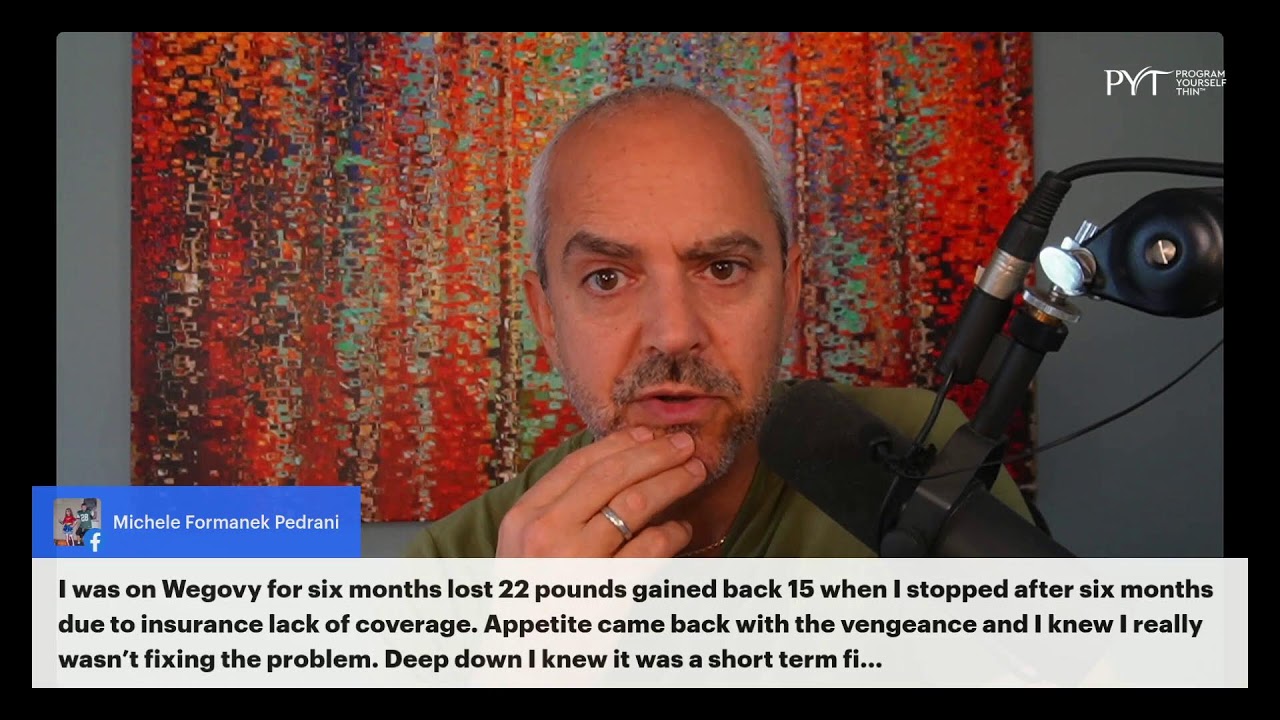
The Nutrient That Reduces Hunger and Helps You Lose Weight #programyourselfthin



Weight Loss Visualization: Wake Up in Your Dream Size #programyourselfthin #weightlosshypnosis
