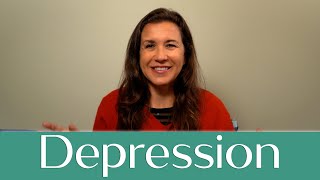
A YouTube video by Dr. Karol Darsa, Psy.D. addressing parents' and children's stress as schools reopen during the COVID-19 pandemic. The speaker answers viewer questions about whether parental worry is normal, how to decide whether to send children back to school, and what to do if children resist returning; she emphasizes validating feelings, tailoring decisions to each child's needs, gradual re-entry, and seeking professional help when necessary. Practical self-management strategies (grounding, meditation, physical activity), brief calming tools (EFT tapping, breathing and sound techniques), and maintaining calm, empathic communication are recommended.
Questions this video answers
Dr. Karol Darsa, Psy.D., author and founder of Reconnect Trauma Treatment Center in Los Angeles.
August 22, 2021.
Chapters
If you're a parent, you're probably stressed about your kids being back at school or they're about to go back to school during this pandemic. Let's talk about how to handle this current crisis that's happening. Hi, I'm Dr. Carol Darca, author, psychologist, and founder of Reconnect Trauma Treatment center in Los Angeles. I hope you've been following me. I have a lot of different videos about trauma in general and mental health tips. So today I wanted to address the topic that's been very much commonly discussed as our kids, if you're a parent, are going back to school and there's a lot of chaos and stress and stress management that's required. So I have received a couple of questions about this topic and I wanted to read them out loud and share them with you. And then I will share some tips of how to deal with that stress. So here's my first question. The reader says, I'm worried if my child goes to school and I'm worried if my child doesn't. I feel like I'm losing my mind. Is this normal? Yes, it is normal, unfortunately. In fact, one of the most important things that we are going to talk about today is validating your feelings and your child's feelings. So here's where this person might be feeling sort of ambivalent about what do I do? Right. If you send your child to school, there's a risk of them getting infected again with virus and or there's a lot of new rules that they have to follow. They have to get tested regularly. You might have to show some proof that they're vaccinated, or they have to keep six feet of distance and wear masks for eight hours a day. And these are very, very stressful for children, especially, I was going to say young children, but every age really has a stress, stressful reaction to that. So, right. If you send your child to school, these are the stresses that you have to deal with. If you don't send them to school, then you're back into isolation and just being in front of the screen all the time. And then, of course, then you have kids who are very depressed or anxious about being at home all day. So, yes, your stress is very much common. I would recommend, first of all that you talk with other parents who go through the same things and see if relating to them would be very helpful for you so you don't feel alone in it. In fact, there might be some support groups at some schools. So there are groups for the children that you know when they get together there. I'm sure they're talking about how stressful this is. And as parents, make sure that you're not isolating, so you get the support that you need from other parents as well. Let's see. The second question is, I don't know what's best for my child anymore. This is a little bit related to the first question, actually. How do I decide is the question of this reader. This definitely depends on your child. So you have to know your child very well and you have to talk to your child. Every child might have a different need. Sometimes it depends on their gender, their personality, their age. So it's really important to really get to understand them and be according to that. So for some children, for instance, they might have no problem. They'll just go back right to school and here they go, right? But for other kids, this could be quite problematic. They might have a fear now, after a whole year of isolation, all of a sudden they're in front of other K kids, they're in front of new teachers, and they really don't know how to handle all of that. So just be sensitive to your child's need. Do not compare your child to other children. If you have more than one child, do not compare them to each other either. Just knowing their individual needs will be very important in ways, in terms of handling them. In fact, this is very related to my second reader's question that says my kid doesn't want to go to school after staying at home for so long. What do I do? They're used to being at home and they just prefer to stay at home. So you have to really prepare them gradually. Well, I know that already some of your kids are at school, but you might find sort of some resistance. Maybe some mornings they're waking up saying, I'm sick. And of course, the moment now we hear the word sick, we're worried. Is it Covid? We have to test them. We have to check their fever. Sometimes the sickness signs could be actually a mental health sign. So a lot of kids talk about stomach problems, especially the younger they are. Those are often related to stress. Kids who are not able to say, I'm stressed or I'm anxious or I'm panicky or I'm afraid might end up using the body as a vehicle to express their stress. So don't panic right away thinking that they're. They're actually sick. You should be also asking whether they are having any emotional challenges about going to school. And if they started school already, you. You probably need to check in with them to see how they're adjusting to this new environment. Now all of a sudden there are huge lines, you know, before you get to school, because you have to be the fever check, symptom check and make sure that you are either vaccinated or that you're testing negative. So all of that is going to create a lot more stress for your children. Please have empathy for them, have patience for them. Know that this is not going to be this much for a long time. You know that severely it's not going to present itself. In the beginning. Give yourself as parents and your children an adjustment period. I would give at least about a month before you can see some sense of maybe normalcy or habit coming back into your lives. So having empathic approach when you talk to your kids can go really a long way. So just know that with teenagers, you might have a different set of rules or different set of symptoms. Research actually shows that adolescents suffered much more during this Covid period than younger kids. Somehow I think because the identity crisis that happens at this age when it's coupled with the stress of COVID it just became too overwhelming for some kids. So you might see different kind of problems arising. Again, some kids show the stress as depression, some of them as anxiety, so some of them as physical symptoms, or some of them might be even going into using drugs or alcohol. So you really have to know your kid and treat them accordingly. If you feel like just talking to them and managing day to day stress is not helpful, do not hesitate to reach out for professional help for yourself as well as for your child. Now, one thing I can tell you as a parent, I'm also a parent of two teenagers. The more calm, the calmer you are, the calmer your kids will be. So the more collected you are, the more collected they will be. So first and foremost, if you are trying to help your kids to manage the stress, you should be managing your own stress. So find a way to talk about it. Do grounding exercises, do meditation, maybe do physical activities, Talk to your spouse or your friends, or go again for professional help. Then if you find that you are able to manage your stress better, then you'll be definitely much more helpful to your kids as well. If you are looking for very specific tools and techniques, I would recommend you watch some of the videos where I taught the tools of the eft, the tapping. This is an amazing tool that I highly recommend for you to teach your teenagers or your young kids as well as well as yourself. It really helps to calm down the nervous system in a very fast and effective way. So this is a reminder for you guys to watch that and also a couple of other breathing techniques and sound techniques that I taught in those videos that you'll find helpful for, for any age really kids to deal with the current stress. So one thing you could do for instance before you go to school, and I know it's usually in the morning, there's a lot of stress, but have them do something for two minutes, maybe a tapping for two min or the V sound that you'll see again in the videos just to give them a quick sense of relief and then they can go to school or you know, you can do that after they come back from school as well. So not to just leave it up to okay, time will heal everything, but just taking specific physical actions to reduce the stress of your family will go a long ways. These are very stressful times for everyone, for parents, for children, for anyone really. So please have a lot of empathy for yourself. Have a lot of empathy for your children. Try not to get into fighting mode. Just know that kids, when they get angry, it's because underneath they might have other feelings. So don't think of them as like bad behaving kids or, or it's not about punishing the kids at this time, but it's really understanding what stress and trauma can do to you. So keep the communication lines open and again, validate, validate, validate the feelings. So I wish you lots of patience in these difficult times. And if you have other questions, please write them below so I can address them in my next videos. And remember, trauma equals disconnect. Healing equals reconnect. Stay connected. Sam.