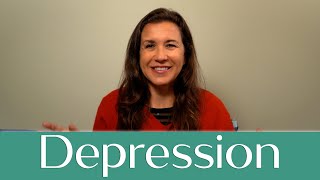
47 - WHY DOES BODY BASED THERAPY MATTERS? - TALKING TO SENSORIMOTOR PSYCHOTHERAPIST CATHY HERCEG

This is a transcript of a YouTube interview (Sept 17, 2021) hosted by Dr. Karol Darsa with Cathy Herceg, a sensorimotor psychotherapist. They introduce sensory motor psychotherapy as a body-based trauma treatment emphasizing that trauma responses (fight/flight/freeze) are embodied and often pre-verbal. Key practices include resourcing (grounding via smell, touch, routines), working at the "outer edges" of traumatic memories within a client's zone of tolerance, slowing movement/attention, and increasing interoceptive awareness ("what do you feel in your body?"). They contrast sensory motor work with CBT and exposure therapy, arguing CBT may miss embodied freeze states and exposure can retraumatize if the body isn't resourced and prepared. Applications include parenting, intimacy, workplace relations, and breaking multigenerational trauma patterns.
Chapters
Foreign. Hi, I'm Dr. Carol Darca, author, psychologist, and founder of Reconnect Trauma Treatment center in Los Angeles. Welcome to my office today. This is where we are. And if you follow my other videos, we are going to talk about different trauma treatment methods. Right. So you've heard me talk about which ones I like. And one of my favorite things is always using the body with the treatment of trauma. So for that reason, I have decided to have some chats with some of my colleagues here. And this is my first guest, Kathy.
Hi. Thank you so much for having me.
Thank you for agreeing to be here on the video with me. And I wanted you to tell us a little bit about sensory motor therapy.
What is it?
How did you get in? You know, just all of the good stuff.
Well, when I was in graduate school and I was getting my master's in psychology, one of the trauma specialization had just started at Antioch, and one of the professors took me to this training, and they were talking about how when your body goes into fight, flight or freeze, the prefrontal cortex shuts down. And so maybe some people were having problems with. In my case, it was. I didn't understand why, when I was having special time with my son, why I was feeling these feelings in my body of being overwhelmed, of being, like, trapped. I really didn't know what it was. And so I ended up going to a workshop and did level one of Pat Ogden, Sensory Motor Psychotherapy. And what she talked about was how the body will shut down and will go into one of these modalities, either fight, flight, or freeze. And some of these things could happen pre. Verbally.
Right. So it's almost like basically in a moment of threat, when a person doesn't know what to do, they can't think anymore. Right. That's when the body gets very activated and starts reacting to things. So what happened? How was that related to your play time with your son?
I was wondering. So I asked my mother when I was, you know, three or four years old, what we used to do together. And she said she spent a lot of time cleaning the house. And so I was kind of on my own on the carpet. So maybe I felt overwhelmed. It was a pre. Verbal memory, and so it was something that wasn't triggered until I had kids myself.
Yeah, welcome to parenthood. That's what happens. Right. So you had no idea why you were reacting the way you were reacting?
I had no idea. And I had no tools in which to deal with it. I was going to parenting classes, but I. You can't access Your own body's trauma. You have to have a somatic therapist go in there. And it's basically the way I understood it is that the brain. The body overrides the brain when you're experiencing trauma, so the brain has no control over it. So I just kind of checked out in that moment with my son because that's what I did when I was his age and my mom was busy cleaning.
Right. It almost takes you back into your childhood. Right?
Exactly.
Yeah.
I was stuck in that moment. Even though I was the mom. It re triggered that memory, and the trauma was. And once the trauma was triggered, there was nothing I can do to move forward in that moment without getting sensory motor psychotherapy help to process that trauma out, reintegrate into my body. And then I was able to be present for my son during carpet time.
Can you tell everyone a little bit more about, like, what does a sensory motor session look like? Because we're saying we're using the body, but people often think it means you have to touch the body or you have to move the body. How does a session look like exactly?
My husband says that all the time. I'm like, we're not doing massage here. Reconnect. Basically, what ends up happening is you don't have to think about it. One of the main things I learned when I was in Pat Ogden sensory motor class was that the minute you start talking about a traumatic experience, you don't have to go back there and re experience that traumatic memory. That you can go to the outer edges of it, to where the body is in what they refer to as zone of tolerance. When you're in this zone of tolerance, the body isn't overwhelmed, and you can process these feelings to completion. And sometimes you'll do weird things like shake it out or scream or. Or notice something that you weren't allowed to stay in the moment. Maybe people who were physically abused or sexually abused and had to check out in that moment. And so anytime they try and get intimate with a partner, as a grown woman or a man, it interferes with their most intimate and personal relationships.
I think it's important also for people who are watching the video to know that in sensory motor therapies or any somatic relief therapies, we don't usually ask, how you feeling? Hey, I'm feeling good or bad, but what do you feel in your body?
Yes.
Could you talk a little bit about that too? Because that's what is sort of a surprising question for a lot of people is that, what does that mean? How do I feel in my body.
Some people might even notice. One of the clients that I was working with, one of the things that I noticed is when I got into the work, we went into dyads and triads, and as therapists, I didn't even notice that I wasn't breathing for 20 years.
You weren't breathing.
I was experiencing my whole life in a state of fight, flight, or freeze. And I did. I wasn't even aware of that until the therapist said, well, what are you feeling in your body? Because I was in my head.
Right. That's why it's important to be in the body. So you can really notice these reactions and how you're. How you're reacting actually to what happened and to what's happening now.
Right.
So what other questions do you think in a sensory motor session we ask or.
One of the most interesting words that I came to be familiar with in this work is notice. And it's a word that I think just is really important. And I would say the first step would be to notice how you feel in your body around certain people. That might be a first step. You don't just go into a session. It's like, hi, tell me about your most traumatic experience when you were a child. I mean, there's different stages. There's level one and then level two. And you don't just automatically go right into body. You want to resource the client first and, you know, open their window of tolerance so it's wider. And sometimes you might even just be able to touch the outer edges of that trauma and be able to process it out there where the client is in their body processing out those stuck feelings.
Right, Great. And you also said there's sometimes maybe doing some movement or something, but not necessarily like crying. It's not always required. Right. It's just sort of the release through the body that you were talking about.
And interestingly enough, you slow everything way down. One of the reasons why. I mean. And all your work is amazing. And one of the things I loved most about your written model was having the client move very slowly and reprocessing. Because you always feel when you've experienced trauma that you're rushed, maybe even in life. You're rushing to the grocery store, rushing to pick up the kids, rushing to go home and make dinner, and you're not present your body. And so when you slow the client down so they're able to be in their body and process.
Wow.
I have time. You're kind of like stretching time.
Yeah.
Yeah, I like that. Thank you.
For this reminder. I think it's so important for people to really know that because we are really used to just doing things fast. And in therapy, people expect fast and immediate results. But I think with somatic body oriented work, it's important for people to know that slow is better. It's not about crying and losing yourself and coming up with amazing insights, but it's just sort of processing slowly and really learning tools and techniques to be able to tolerate the sensations. Yes. That you feel in your body.
And that's one of the misconceptions is like, why am I, why am I wasting my money doing this Resourcing or feeling into good feelings where you want something to replace. You want to be able to be grounded like a root, like a tree. And so that's where we spend most of our time is resourcing and grounding. So when we get to the actual trauma, it's like a tree with strong roots. And then you could process it out without being overwhelmed because otherwise you're just re traumatizing the client. Right.
And that's an important thing. That's a topic I'm very always passionate about. Because people really don't know they go into therapy and they do get retraumatized. Which is why I wanted to talk to different people, you know, doing good work about, you know, the trauma treatment. So people can watch and go, oh, so this is what a session could look like.
Yes. Right, yeah. Because you know what? I think that's what a lot of therapists do. If you're not doing somatic work, a client might come in and then retalk about and in the process of doing that, not even be aware that they're re traumatizing their body, talking about that experience, that they're completely disassociating and not even realizing it. And so it's a re traumazation. A re traumatization. And that's something you don't have to do in somatic therapies. We're not going to ask you to tell the entire story about. Thank God, you know. Hi. So when you were five, Tell me about. No, no, no, that's, that's the most amazing part is that it's healing, not re traumatizing. And the only way to do it is to go through the body because that the body overrides the brain.
You know, most people who want to get trauma therapy, when they look online, they're finding a couple of very common ones. One of them is exposure therapy. The other one is cbt, cognitive behavioral therapy. So I Think I'd like to give people a bit of a taste. If we can maybe compare sensory motor with these two modalities. What do you think?
Ooh. With cbt, I think CBT is helpful. I would say the component that's missing, though. Like, if I were to try cbt, like, if a therapist worked with me doing CBT when I was trying to connect with my son, I would be able to do the homework exercises, but I still wouldn't be able to move past being in freeze in my body. So I wouldn't be. I would still kind of be checked out.
Right. That's a good point. So you would maybe say, okay, I'm checking out, but you wouldn't actually be even aware that you are checking out. No. There would not be question about your body.
No. Exactly.
What kind of homework would they have given in a cognitive, behavioral.
Maybe spending 15 minutes playing with your son.
You're gonna play gradually making you more comfortable, but not really understanding how the body is actually responding to be next to your son. Yeah, okay.
Yes, exactly.
Let's do with exposure therapy. I have a lot of feelings about that one.
Oh, my God. I wouldn't even. That would be my response. I don't know. It's just this, which is common in somatic experience. Sensory motor psychotherapy is sometimes. This is a boundary. And sensing into the body to say, wow, that would be sensory motor, too much too soon. And then you expose me to the original trauma.
Yeah, because exposure therapy, for some things, I know it works. But for traumatic memories, when they tell you you have to just face what happened to you, and without really well preparing the client or the person, and all of a sudden you have this person just remembering everything all at once and never really checking to see is the body ready? Because you might supposedly be ready in your mind, but not in your body.
And it would just be. I can't even imagine. Maybe for driving on the freeway if you're having agoraphobia.
Correct.
That would be good. Or getting on a plane. Maybe. But even then, I would want to do some kind of somatic grounding and resourcing and maybe working with what traumatized the client to go on a plane and in the first place. So. But yeah, in certain instances, I think it's very, you know, exposure therapy is really good. Yes.
For phobia. Especially for phobias. Yeah.
But for trauma, not so much.
Do you have a good example to share of a client? Of course. Without giving, you know, details, but just sort of in what way you think you are the most helpful, using somatic work, sensory, motor work.
To me, one of the things I would say is I noticed that working with clients, building resourcing, and instead of focusing on things that are happening in their lives that are causing and repeating trauma, which is like re. Traumatizing themselves, thinking about a certain instant or a relationship in which they can't move past or get closer to a partner, and to be able to reconnect them with their body so they could be present first with themselves, then they'll be able to be present with their partner. And so I think in a lot of instances with my clients here at Reconnect, regardless if it's a parent, child relationship or a relationship with a spouse, or a relationship in. In the workplace, if they've experienced some kind of trauma, connecting them and processing through their own trauma will help them be present and in the present.
Yes.
So there aren't. They aren't traumatized anymore. Right.
That's a good way of explaining, especially. I know we use the word resource a lot. How would we define a resource?
One of the things that I notice is that when resourcing a client, I will ask them, a lot of times they say, like the olfactory memory, which is the sense of smell, is even preverbal. So sometimes clients will like essential oils. Or I'll say, well, do you have certain lotion that you like to use? Or a blanket? Sometimes using a weighted blanket if the client experiences a lot of flight. And then to have them sense into their body only to the point where they feel safe and connected, and then we increase that. So with smell, with touch. Sometimes I'll tell clients, oh, well, do you like to cook with taste? You know, maybe creating new memories with their children with cooking, which might be a positive way of them connecting with themselves in a way that they can connect with their children.
Right.
So I would say that's a way of resourcing, because if it feels good to the client, then what I'll say to them is when they get home, oh, well, notice what you feel like in your body when you're cooking.
Right. So it's not just like, yeah, you enjoy cooking or you enjoy. But what happens in the body is the main question that we help clients with. So that they can feel their bodies more and more.
Yeah. And then they're more present, Right?
Yes. Being present. I know there's a lot of talk about being present from a different angle. Like Eckhart Tolle talks about it and. But I don't know that they necessarily talk about the body. And I think that's, that's our main message here. To help people to feel their body, to be present to their body and to heal through the body.
Yeah. And even just taking to notice some, like I said, if some. I held my breath for 20 years and I didn't even notice it until I got there. Until I did this work.
Yeah.
Well, sometimes I might not even notice.
Right. Sometimes. That's why yoga or other type of more mindful oriented exercises, not just like running.
Right.
But can be very helpful that people become slower, more aware and really noticing their breath and their bodies.
Yes. Yeah, absolutely, absolutely. So resourcing is the first one. So I would say that is the most important. And then once we resources resource them into themselves, like I said with my own, going back to my own experience with my son, I couldn't have done it.
So it makes you, it makes you a better parent.
Yeah. And then it's a multi generational. Now when my son grows up, if he has kids, he'll be able to, you know, it's like a multi generational imprinting. So you're basically re imprinting, reprogramming the body into a new experience.
Thank you again, this is great. That was very helpful.
Thank you for having me.
I can't emphasize enough the importance of using the body for trauma healing. And that's the reason why at Reconnect we use a lot of body oriented therapies. As we just heard one of our staff talking about sensory motor therapy. Thank you for watching. And always remember, trauma equals disconnect. Healing equals reconnect. Stay connected.
More from Dr.


58 - HOW DOES TRAUMA AFFECT CHILDREN - IT MIGHT BE MORE THAN YOU THINK - HOW TO SEE SIGNS
57 - GAMING ADDICTION AMONG ADOLESCENTS - WHAT ARE THE SIGNS AND HOW TO DEAL WITH IT AS A PARENT?

55 - OCD - WHAT IS OBSESSIVE COMPULSIVE DISORDER? WHAT ARE THE SYMPTOMS? HOW TO DEAL WITH IT?

54 - ARE YOU NERVOUS ABOUT YOUR FAMILY GATHERING FOR THE HOLIDAYS? I HAVE SOME TIPS FOR SURVIVAL :)
53 - DO YOU HAVE A HARD TIME KEEPING YOUR NEW YEAR RESOLUTIONS? THIS EPISODE CAN HELP