50 - BORDERLINE PERSONALITY DISORDER - WHAT ARE THE SIGNS, CAUSES? HOW CAN YOU HELP LOVED ONES?
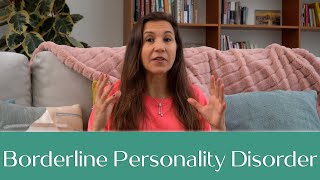
A short educational talk by Dr. Karol Darsa describing borderline personality disorder (BPD): its core features (emotional dysregulation, fear of abandonment, unstable relationships and self-image, impulsivity, self-harm/suicidality, intense anger, chronic emptiness), likely causes (heredity and childhood trauma/neglect/abuse), impacts on work and relationships, and practical advice for loved ones (empathy, firm/consistent boundaries, self-care, encourage professional treatment such as DBT and psychiatry). The speaker emphasizes destigmatizing mental illness and treating BPD as trauma-related.
Chapters
Do you yourself have or know somebody that has borderline personality disorder? I'm going to explain to you what borderline personality is about and what to do with it. Hi, I'm Dr. Carol Darza, author, psychologist and founder of Reconnect Trauma Treatment center in Los Angeles. So let's talk about borderline personality disorder and the characteristics and what to do and how to really understand people who live with this disorder. So people who have borderline personality disorder actually have a lot of difficulties of emotional regulation. So if you feel people are lashing out, unable to express their emotions in a constructive way and they don't know how to handle stress, might be actually struggling with borderline personality disorder. Borderline, one of the main characteristics is, and that's the reason actually why it's called borderline is sort of this flip flop. So you might have sort of a hate and love kind of relationship with somebody who has borderline. In fact, they have usually a hate and love relationship with other people. So it often creates a lot of difficulties in the relationships. And that's why people really want to learn about it and want to learn about what to do. But I also want to give you some tools of how to be really empathic towards these people rather than judging. Because it's very easy to judge, you know, mental illness. But I'm one of my passion in life is to destigmatize all mental health and just see them as is not different than any physical illness. Right. You wouldn't judge somebody with cancer. So let's develop empathy for people with borderline personality as well. Well, let's talk about some signs before I jump to that part Number one very, very common thing is the fear of abandonment. So borderline personality disorders are often terrified of being abandoned and, or being rejected by other people. So they really go extreme lengths in order to avoid that. In fact, they have such sensitivity that you might see that they might abandon or reject you before you really abandon or reject them. They are often in an unstable relationships. So because it has such up and down in terms of their mood and their, their attitude towards someone, they might not be able to have long term stable relationship. So that's an area where it actually is affected the most. They have a very sort of unclear or changing kind of self esteem or self image. So they see themselves usually as much less than who they are. And in fact that is the main reason of why they are very much sensitive to being abandoned or rejected. Because when you do reject them in some way, it's confirmation of how they feel. About themselves, right? So because they have a really bad image of themselves when someone else rejects them, it almost is like confirmation of how unworthy they are. So they have a lot of unworthiness issues that show up. They tend to be very impulsive and this is when it becomes unfortunately quite dangerous. Because the other items that I was talking about, it's more sort of relational issues. But with the impulsiveness you can get a lot of dangerous stuff like self harm, like cutting, hurting and. Or even suicide. It's a very common thing to be suicidal among borderline people and. Or they can be impulsive in terms of like shopping or being very sexual all of a sudden or doing something really sort of risky, jumping off from high places, just sort of, you know, really looking for that high in an impulsive way. Because their emotions are so big, they might not have the capacity to think. So they're just acting very fast based on that emotional state that they are in. So yes, like I said, suicide is a very common thing, so please be careful with that. And then extreme emotional swings. So in one moment you see them hating someone and the next minute they might be loving that person. In fact, that is the most common thing that they experience. It's a very painful feeling for them. I think there's a very well known book, I'm kind of blanking on the name. It could be something like I hate you, but please don't leave me. We'll put it as a link here. I'm actually pretty sure that is a great book to explain how borderlines actually feel. So that's exactly the statement as it says I hate you, but don't leave me. Right. So it's like really this huge ambivalence about their feelings and a chronic feeling of, of emptiness. So they just feel really empty all the time. And that's again the reason why they are very much afraid of being abandoned. Another very, very common sign of, of borderline personality is, is extreme anger. Not talking about just a little anger, but it's sort of this like high spike of anger, really like almost scary. And then you can see them calm down very fast. Again, this sort of extremeness is a sign of borderline. Let's talk about how this is actually might be affecting you if you are the loved one of a person. So if these symptoms are the symptoms that you have, you might want to consult a professional to get properly diagnosed. But if it's somebody else, that might be harder because they might not want to go into any therapeutic support. But you might be living with them. So you have to deal with them. So what do you do? There are a few important things that you can do. One is consult a professional help if you think there's nothing that you're doing is helping. But let's put that aside on your own. You can look at putting boundaries. So this is a very important thing in fact among us therapists because when we work with borderline clients, we talk about the importance of that. Well, actually boundaries are important for everyone. But with borderline it's even more important because they can't contain their emotions. They literally feel like they're out of their bodies and sort of, maybe even fragmented and sort of broken. If you stay really within your boundary about what's right and you ask them to follow that, they actually feel more contained. But if you're very wishy washy and say, sure, it's okay, you could do this. No, you can do that. And because they're indecisive, that can create a lot of more emotional dysregulation for them. So please be very good with boundaries. Be firm yet loving. So do not get into sort of a fightsy, this is what I want kind of thing because that's going to really clash with a person with borderline. So you want to stay loving with boundaries. So when you put the boundaries, please stick to them. That's a very important part of a boundary. In fact, for a borderline person to feel. Be consistent, don't change your boundaries. So even though you might have been able to put boundaries, but the next day if you come up with a new set of boundaries, it's going to be very confusing. They need really structure. So stay consistent with that. Take care of yourself because you might be in situations sometimes the lash out is so big that you don't know what to do with it and you maybe you have your own childhood trauma, it's going to get triggered all over again. So have a sense of finding ways to protect yourself. You could maybe move away, you can go to somebody else, you can get your own professional help. So don't forget, just because I'm saying be empathic doesn't mean of course you let them do whatever they, they are able to do and support their treatment. Either encourage them to go for professional help or if they started, please support them because they might need to be in therapy in order to learn how to deal with their emotional regulation difficulties. But there's one thing that, where I highly recommend that you actually involve a professional rather than you trying to deal with yourself. And that is when they are suicidal and. Or they are causing other kind of harm to themselves. So if you're seeing them, they get into drugs or they're talking about, you know, suicidality, definitely you want to get the most professional support that you can have because you can save somebody's life like that. We haven't actually talked about how this is formed. Like, why does a person have borderline personality disorder? A lot of people are actually very curious about it. Well, research shows two reasons. One is hereditary. So unfortunately it could come from their parents or their grandparents. A lot of mental illness is transferred from one generation to another. Not just physical thing, not just our eye color, but mental illness as well. Even if you didn't grow up with them, but if you grew up with a borderline personality, parent chances are higher for you to develop them this disorder as well. But the second thing is, and I think that's the one that I saw the most is trauma or stressful childhood in general. Something about neglect, abuse, abandonment is when a person basically was not able to form a healthy relationship with a caregiver. They are much more likely to develop this diagnosis, unfortunately. So, so this is the reason why in the beginning I said, please have empathy for these people because it's truly a trauma. In fact, one of the ways to deal with it. In addition, as I said to the professional help, if you yourself have this diagnosis, is to understand that this is a trauma symptom and you might feel much more compassionate towards yourself and have sort of a sense of, okay, I right now my trauma is being triggered when my partner said, you don't look good today. And I take that as I'm ugly person. Maybe that's because it's a reminder of my childhood when my parents used to ignore me or neglect me. Of course, I gave a small example. But as you can imagine, the more chronic stress or trauma a child has, the more likely a person can develop different kind of diagnosis and borderline being one of them. So unfortunately in. And this will be my last piece about this, but in regular life, how does it show if a person has borderline disorder is, as I said, difficulty with relationship. But I forgot to also mention about the difficulties at jobs. So they often have a difficult time to maintain the job, hold the job for a long period of time because especially especially if it requires relationship with others. This is where a person could have a lot of difficulties and they might be changing their job or they might be getting fired very easily, or they might not be able to complete an education like they kind of start things and they don't finish them. Many times they could have legal issues like jail time, you know, for acting, having acted impulsively and, and they could be actually involved in abusive relationships because they have such low self esteem. They might think they deserve to be with someone who is abusive towards them. So this is a hard topic. I hope you didn't, you didn't get actually depressed hearing all of that. But it's a very common diagnosis that it occurs in the United States and it's better to get treatment for it. The most well known psychotherapy method that is used for borderline personality disorder is dbt, which stands for dialectic behavioral therapy is a very cognitive behavioral oriented therapy and there are people who are specially trained in it and they actually do both group therapy and individual therapy. It really is very helpful. In addition, of course, if there's a need for medication, you can also seek the support of a psychiatrist. But I highly recommend you looking into that if you again and or a loved one is suffering with this diagnosis. So thank you for watching that and remember that of course as a trauma specialist, I'm a big fan of always doing trauma work. Just, you know, I want to encourage you to work on it on yourself or get professional help. And we are here to help you with that. And remember, trauma equals disconnect, healing equals reconnect. Stay connected.
More from Dr.



58 - HOW DOES TRAUMA AFFECT CHILDREN - IT MIGHT BE MORE THAN YOU THINK - HOW TO SEE SIGNS
57 - GAMING ADDICTION AMONG ADOLESCENTS - WHAT ARE THE SIGNS AND HOW TO DEAL WITH IT AS A PARENT?
55 - OCD - WHAT IS OBSESSIVE COMPULSIVE DISORDER? WHAT ARE THE SYMPTOMS? HOW TO DEAL WITH IT?

54 - ARE YOU NERVOUS ABOUT YOUR FAMILY GATHERING FOR THE HOLIDAYS? I HAVE SOME TIPS FOR SURVIVAL :)

53 - DO YOU HAVE A HARD TIME KEEPING YOUR NEW YEAR RESOLUTIONS? THIS EPISODE CAN HELP