ep34: "female" anything is a self fulfilling prophecy | brown girl unscripted podcast
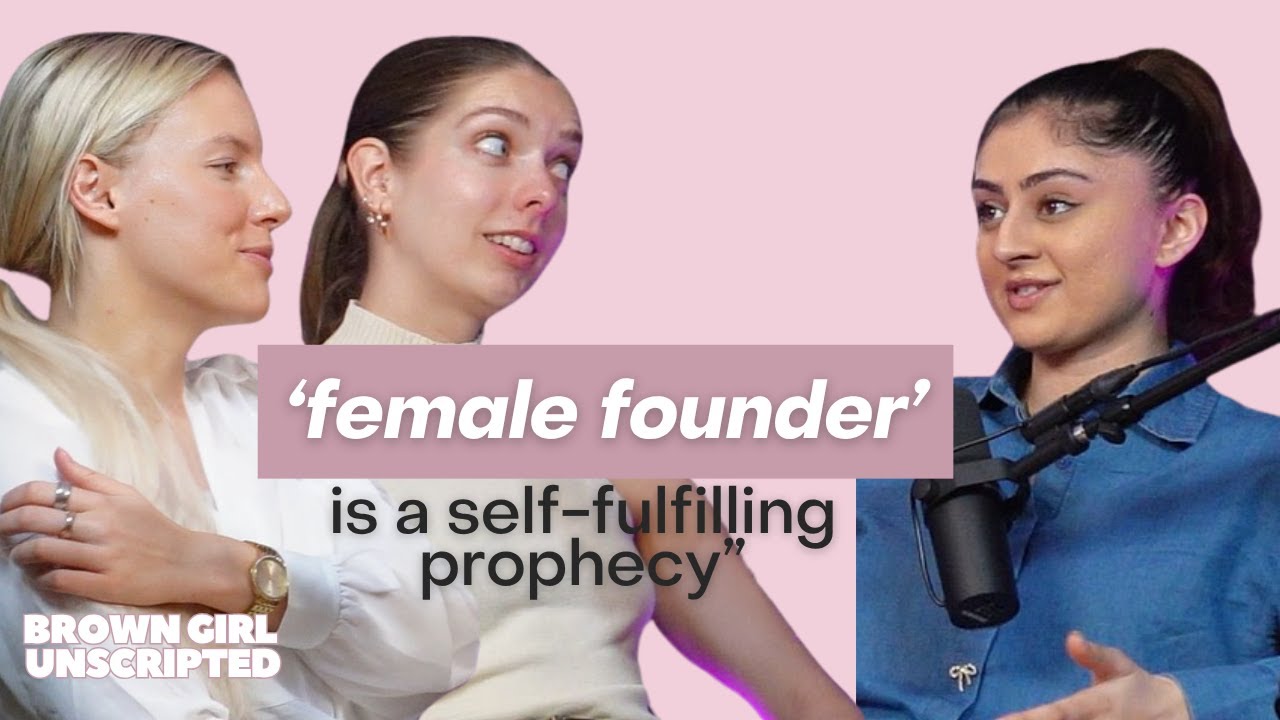
Alexandra Medina and Katrin Kaurov built Fridge, the largest Gen-Z money community in the US, without finance or tech backgrounds. They faced hundreds of fundraising rejections, bootstrapped while managing personal finances, and built the platform on peer-benchmarking and step-by-step financial guidance. They talk about co-founder chemistry, good-girl syndrome, and what they'd tell their younger selves.
Chapters
This one's for the girls who make their own rules. Hello cuties, welcome to another episode of Brown Girl Unscripted. It's your girl Rucha, I'm the host of the show, and today we have on two very special guests. If you are someone living in a big city, living in the suburbs, wherever you are, and you're confused on how the hell to manage your finances, you don't know where to start, there's so much finance for content out there, and you're like, how am I supposed to get my life together, get my finances together, and get in my rich girl bag?, then this is the perfect episode for you. We're gonna keep it personal, unscripted, and let's get right into it. Today's guests, we have Alexandra Medina and Katrin Kaurov, the founders of Fridge. Welcome to Brown Girl Unscripted, girls.
Thank you very much.
Thank you for having us.
What is Fridge? Would you guys take the show?
Do you wanna do it? Do your regular pitch.
Um, so at Fridge, we're building the biggest Gen Z money community in the US, and Fridge started off as a budgeting tool, but we quickly realized that that's kind of the most annoying part about money. And we realized that pretty much no one knows anything about money, whether it's paying taxes, investing, getting a job that pays you more, all the way into how much you do spend on bars or therapy or on shopping. So we kind of realized that no one knows anything about money and there's just so much that we gotta teach to Gen Z. Yeah.
Was there something specific in there that really stood out to you, like a specific topic that you feel like has been resonating the most since you started? To now?
I think it's an interesting question. I feel like we started really kind of building it for ourselves because we started so young. So I think as we grew up, the business grew with us. The topics have also changed for sure. So that's like, I think that's kind of somewhat of an answer. But the other part is I do think that we started the company back in 2021. So if you think about what has happened since 2021 to 2024, there's a lot to cover and a lot of anxiety when it comes to just like your trust that your future is somewhat set. So you think as we are catering to the younger generation, the topics might change, but I think that the underlying emotion is like, can I feel confident about my future? So, you know, going through like COVID, going through, you know, all these political changes, going through like environmental disasters, all these things, we're just trying to kind of tie it all back to make sure that like you feel financially confident about your future, to like start actually building up your life and not drown in all the stresses that come with everything that's happening.
Yeah. And I mean, I know tax season also just passed, so like that must have been a lot. Like, how was that? How was it navigating stuff on the fridge side? Like with tax season being there, like what did that impact how you were doing like your marketing or like how did that go?
I mean, I think that doesn't really change much. I think People love leaving things to the last minute, so obviously come April we're like, "Hey guys, just a reminder, you have taxes." But I think, you know, we always try to kind of tie it all back together to like being forward thinking, not stressing out about things just because you have to stress about it. But of course, like when we take all these financial topics, our, I think, bread and butter is that We assume that just like us when we were younger, you're starting from zero, like you don't really get what you're doing. So we're really trying to like lead you through it super, super step by step, no jargon, like just being like, okay, let's get through this together.
When you first started, what was the number one thing that kind of helped you stay connected to your story but also to like your consumer?
I think one of the things we did like a lot in the early days was actually talking to like students, talking to recent graduates, like understanding like what are their money problems, like, you know, showing our product iterations to them. So I feel like, I don't know, I think that was one part that I think we did pretty well from like day one. Maybe we didn't listen to their advice as much in the early days, but I feel like we were like having a lot of those chats. But yeah, I don't know if there's anything else.
I mean, I kind of feel like what helped a lot was who we were as people as well. Like, this was our first time building a company. We, none of us like are finance majors, like finance, like PhDs. So we're really kind of solving it human to human and not assuming that we know the answer. So I feel like that part of iterating the product, iterating problem, assuming that we don't know what's right. That kind of also opened up us to receive feedback that was maybe negative or feedback that was highly suggesting we should try something else. Yeah, so I feel like that kind of humbling starting point of realizing that like, okay, I'm new to this industry as well, actually served us as a plus.
Yeah, so how did you navigate that though, like being told that you should do something else? Like what was that? Because I mean, I've definitely heard that a lot, you shouldn't do this, How do you, like, for you guys, you were building a community, right? For people like yourselves and people younger, et cetera. Like, how did you just keep that faith that no, this is needed, we need to keep going? Like, what was the kind of marker of that?
Yeah, I mean, I feel like now thinking back, like, we tried to build something in fintech without background in finance or tech. Honestly, logically, I'm like, the people who told us we shouldn't do it, I'm like, they had a point, you know?
It was like—
But you did it!
Yeah. So thinking back, I'm like, maybe they weren't that wrong. But I do think that like, Couple of things that we did. So we started like bringing on quite a few advisors. And I think for like anyone building something, like bringing in people who've already done something that you're trying to do, whether it was successful or not. Actually, I feel like some really good conversations were with another founder who had tried to build something similar to us and who failed. And I think like learning what didn't work for him. Again, we didn't listen, but like thinking back, he was right all along. So I think bringing advisors like really helped us like catch up with the industry. I think just actually just becoming experts pretty fast. I feel like knowing the data, knowing really what's happening in the market, like I really felt like even maybe after the first 6 to 12 months, like we were pretty, like, pretty comfortable in the industry already. And then I think lastly, what Aleksandra said, like the fact that we were not like a bunch of like finance bros building it, like gave us like a unique brand, gave us a unique point of view. And I think that ultimately made Fridge successful as well.
Yeah. I love that. But okay, so tell me about Fridge though. Like you said, it's a community, but like what, what is in that community? Like if someone wants to get their finances together, they feel lost in our audience. Like what, how can they benefit from Fridge? Like what would be the value prop?
Yeah, so I would say Fridge offers two things. So first we have the peer comparison. So you can see how do you compare to people just like us? So like if you are, I don't know, someone in your 20s, you live in New York, for example. Like what are other people in their 20s in New York doing? How much are they saving? How much are they investing? How much are they spending? So we first give you those insights. Yeah. And then I think another thing that we do really well is give actually like actionable steps, like now what? Like if you want to start investing, if you want to understand what's a 401, like, like what should you actually do? Like what are the next actionable steps? And I feel like there's so much kind of like, I don't know, very fluffy advice out there for finances, but I think people really want step-by-step guidance, like step 1, turn on your computer, you know, step 2, like go go to the investment site, like start doing it. So I think breaking things down like step by step is something that Fridge does really well.
I love that. I really like the peer-to-peer comparison thing because I think like just among like community members when you're figuring out finances, you're like, oh, like, well, what are you doing? So it's like, I feel like that feature really helps with that. What kind of, when you first, like the type of peer-to-peer comparison that's there right now, is that what was there when you like first launched that feature? Has it evolved like over time or like what does that look like? It's definitely evolved.
But to your earlier question about, you know, people asking you or telling you to change things, do different things, I think that is one thing that we stood our ground. We were like, actually, it is okay to talk about money. This should not be a taboo topic. And we think it's super important to be transparent about these things. So it was like one thing that we stayed really true to ourselves. But obviously, like the way it looks, it feels, is being delivered to the person, to the user has changed over time. And I think it is still, I would say, like a bit of an uphill battle for us every day to break the kind of negative connotation the word comparison has. Obviously we all kind of live in this world of negative social media comparison, feeling like, you know, for a good reason, there's a lot of talk out there about, you know, comparison harming us, harming our mental health. But that being said, I do think that the problem with comparison in today's world is that it's unrealistic comparison, right? Like we're sitting at home at our worst looking at someone else's best.
Yeah.
But what Fridge does really well is that it's just you literally connect your bank account. There's nothing you can hide. There's no best or worst. It's just the truth.
Right.
And the truth is that like half of us are going to be a little bit better than the average and half of us are going to be a little worse than the average.
Yeah.
But for most of us, we're going to be like we're just going to be fine. And I think that's something that is important for young people is just to understand like, where am I? Like, what's my benchmark? Am I doing okay? Is it like, is it all red flags everywhere or is it just like one tiny red flag that I had to focus on? So I think giving that early on benchmark of just like kind of like a vibe check, like, yeah, this is how you're doing. You might be seeing everyone going to like fancy brunches every other weekend, but like yeah, they're in a lot of credit card debt, so like do you really want that? Literally, right? So like being like actually kind of like looking under the COVID and being like okay, this is, this is how you're doing, this is how everyone else is doing, you're probably okay, but here are things you can do to get ahead and to set yourself up for success.
Yeah, that's really interesting. So it kind of sounds like you're kind of taking comparison and like flipping it on but because it's like it can be a good thing because sometimes like I can speak for myself, like when I was in my early 20s, like I would think like I would look at like one small red flag and then look at it like, oh my God, like I'm failing. But then like really like I wasn't. It was just that like there was one thing I fixed. And I think that like people who are like spiraling like that or even overthinking through their finances, I feel like that's really helpful with that. And like, I know you guys have had like a few events, but like when you do have events for Fridge, like what is that? How has that been like talking to your community and your people.
For me, one event that I remember so well, we did an event at Google for like their female employees. And I remember that, and I think that's where like benchmarking really comes to play. There was a woman who came to me and she's like, I'm so afraid if I'm behind, like, I don't know if I'm going to have $1 million saved by 30. And I remember at that point I was like, I don't even know why I'm the one talking here. But, but like, just like hearing that she was so anxious about it. And like she thought that, I don't know, I think she was like 27 at that point or something. And she was so worried that she's behind because she has a little less than a million saved. I think just shows that like, I feel like there's so much pressure just because you don't know how well you're doing, you know? And I feel like she's someone who would definitely benefit from benchmarking and know that she's probably like way ahead of most people her age.
No, that's so true. There's people at 27 who are just starting out and have nothing close to a million dollars. So no, yeah.
Sitting right here.
As you guys have been through the journey of building Fridge, like, How has that impacted you looking at your own finances and managing that as you're kind of helping build community around this?
I think, well, you want the truth?
Let's get unscripted, guys.
Also, usually I'm the one that's like creating the content, planning the content.
Yeah.
So I feel like I've become a little bit of like a, like a spy in my friend group. I'm like, What's new with you guys? What are you worried about? I'm definitely like become even more open talking about money. I like, I don't really have a filter. If someone asks me about where I'm standing financially, how much I make, how much I'm spending, how much is my rent, like all these things, I'm super open because if I wasn't, like, that would be a little bit hypocritical. But I think Over time, people also have felt, are becoming more comfortable talking about money with me. I never give people advice like that. We have experts come on and like actually with PhDs give people advice. But just like facilitating that feeling that even if you don't know, it's okay to talk about it, just like it's okay to talk about your health or your friendships or your work or whatever. Like it's just another topic. And it's such an important topic. So I think that maybe has changed. I think another thing is I have now a more realistic benchmark of, you know, what do other 27-year-olds do in New York City? Now you know my age. But you know, being able, like, I'm in the weeds, right? So like the people coming in asking questions, like actively searching out solutions, I'm like, whoa, that's, that's rough. And I look at myself and I'm like, oh wow, like that time when I was like beating myself up because I didn't do XYZ, I'm okay. Like I'm fine. That has, I think I'm becoming a lot more kind to myself or like just like financial slip-ups. Yeah. If I like, if that makes sense.
No, that does make sense.
I get that.
Yeah, I think, and then, you know, third, like I get to like speak to so many smart people. So like every time I go home, I'm like, oh shit, like, let me rethink everything. Let me just like remove everything.
Yeah.
Reboot your entire financial system. Just delete everything and start fresh. But yeah, I think it's just a little bit more of like, even more so than before, I think of money as more human. It's just like another almost like tool. It's a tool, but it's also like, it's so emotional.
It is, yeah.
So, um, yeah, maybe just like a little bit more compassionate as well.
What has been like the number one used feature that they really like?
I would say for sure like the actual like transaction comparison, because that like you can't really get that anywhere else.
That's so true, that's very unique.
Yeah, that's, that's, I would say like Even though, like, for example, what we mentioned in the beginning, there is a lot of financial advice out there, but there's usually like two issues with it. One, it's not specific enough and it's kind of vague.
Yeah.
Or other, it's like incredibly specific and it's like filled with jargon. And if you're not like, you know, trying to optimize your crypto exchange rate or whatever you're looking for.
Oh my God. Decentralize it.
Right. You're like, what am I even watching? You're like, I'm just like, I just have like an extra $100. Like, what's happening? Yeah. So, like, I think that part where we combine the, like, humanness with the community, with, like, bringing in experts and everything, but it's all based on, like, numbers and it's based on facts and it's based on how your bank account compares to other people in your area and your age group. So, you have, like, a starting point. So, I think that that's just, like, a really, really good starting point for someone entering the Fridge ecosystem. And then I would say the other thing that people love engaging with, which I think is, like, something that people also kind of wanted us to avoid, but it's actually long-form content. A lot of people say like, oh, Gen Z has no attention span and no, no focus, but like you can't learn and talk deeply about a topic over like 15 seconds.
That's so true, right?
So we kind of pushed really hard and we committed to like, we're gonna do long deep dives and we're gonna talk like, we're gonna take real problems that people send in to us and we're going to bring in an expert and they're going to like spend like a whole week putting together resources and tips and tools and step by step walk someone through this problem because like, spoiler alert, like we get the same 10 questions over and over and over again. Everyone has the same problems, right?
Yeah. So like they're not so unique.
No one's problems are unique.
Like you're not the only one falling behind. You're not the only one struggling with these things. So having someone sending the question saying, Hey, like for example, we get this question all the time. It's like, how do I get even started with investing? Like, I don't understand anything.
That's a good question.
How do I get started? Right.
And like, and then you like open up Instagram and it's like, this is how you make $1 million in 3 days. And you're like, what do you mean?
I have $5.
Like, I literally have $5. Like, what do you mean?
Yeah.
So, but then someone coming in and be like, okay. You're 25, you have $5. Let's do this. And you actually have an expert come in and be like, all right, open up Acorns. All right, now put in your name. Okay, now do this. And it's going to apply to like 1 out of 10 questions. So I think that really, really resonates. And I feel like people seeing the like, maybe not simplicity is maybe not the right word, but just like, the regularity of their problems, it's just comforting a little bit, you know?
Yeah, no, I think that makes a lot of sense. Uh, have you ever heard like the quote that like your problems are not really, um, like your own? Because like humanity has been around for so long, so every single problem that we've all had, like, it's— we're not the only ones, we're not in this like corner. But it can feel like that, 100%.
Oh yeah, for sure, especially because it's not okay to talk about money. So that's kind of our uphill battle every day. It's like, just talk about it. And if you're afraid to like talk with your friends, just like ask anonymously to us. Like, we'll talk about it for you.
No, 100%. I really like that. And I really like what like you guys have both talked about when it comes to just being really transparent and like not like holding yourself back because of something. And I know in one of our earlier convos, we actually like, we were like talking about when we like first connected, we were talking about how sometimes it can be a self-fulfilling prophecy, especially for like, like a female audience that wants to get ahead in their finances. Like if you're like, oh well, like, but I'm a woman, but like XYZ in my family, but like, but like all these thousand things. And I want to get more into that, especially when it comes to like the fundraising process. And like, what has that been like? What has that been like for you guys on whoever wants to answer? I know you want to talk more.
I feel like this is going to be like the unscripted part.
Yeah, yeah, yeah. No, I feel like, I mean, for us fundraising was like brutal, like absolutely brutal. Like we got honestly like at least like 100 nos before we got our first yes, which means like go to 100 investors that you gotta like set up the meetings, you pitch your company with your whole heart, and then you get like no after no after no. And like once you have had 70 nos, you have to be like delusional to be like, okay, we keep going, someone's gonna say yes. And it's funny, again, I think this is a place where I wish there would be more benchmarking because Now being in the community, I know that it's normal. Most startups, even Canva got over 100 nos before they raised a round.
I was going to say that, yeah.
But I didn't know that it's normal. I somehow assumed that I'm going to chat with 3 investors and it's just going to be fine. I get it. So, I think that was a big learning, that it's kind of like an endurance game. You're kind of running a marathon, you just got to keep going. And it really is a numbers game, you just keep honing in on your pitch.
Maybe more like Ironman.
Yeah, true.
Ironman.
True. Marathon is too easy for that. And, you know, I don't know. I've been going like, I don't, I don't think the fact that like we were female founders had like a negative effect per se.
Yeah.
I think it was more the fact that like we built something in fintech with no experience in finance or tech.
Yeah.
Like, and, and I think like over time we learned to like pitch better, like how, you know, we have a unique point of view, but in the early days we didn't know how to do it. So, I mean, if I'm today thinking back, if I'm in investor's shoes, like, You know, two like young women come to you without any former experience in the space, without like a product being built, being like pre-revenue, pre-product.
Yeah.
Like I kind of understand now why they said no. Like it really honestly makes sense. But yeah, I think like, I think fundraising is tough probably for honestly anyone, especially if you're like a first-time founder fundraising. So, I don't know, I always feel like, I don't think the fact that we were female founders had an effect. I think it was more the inexperience in the space. Also the fact that like, we had like really no real network when we started. We didn't really know investors. So like building that from scratch, like, I really feel like those were rather the challenges. Like, you know, we're both like immigrants. We didn't grow up here, so we didn't have the connections. Like, I think like all of those things were what made fundraising really, really hard.
Yeah. What helped you just keep going? Why not just stop? A lot of people would be like, no.
You know, I honestly think is, um, if I'm really honest, I think it's the fact that at that point it felt like we had no plan B, um, and I don't know, somehow like getting just a good job was never an option. Like somehow we just were like, we just like looked at the options there and like building a fintech company with no experience seemed like the easiest path. And I feel like once we were in it, like, you know, like Aleksandr then moved like full-time to New York as well. Like we, you know, we had just raised like, I don't know, our first $25,000, $50,000, and we weren't like all in on this. Like, I think the fact that we had no plan B honestly was the thing that like made us keep going. Like, I wish I would tell you like it was the vision or mission, but like In the early days, truly it was, I don't know, it was like our source of survival as well. And like somehow there was no plan B, like the option that even after 100 nos, like we would do something else. Like, I just feel like we never considered that option, which is kind of delusional.
Yeah.
Yeah. Thinking back, I'm like, I was pretty stupid. I don't know, even thinking back that like, I don't know, when we got our first like $25,000 that we were like, yeah, we're going to quit everything else and go all in. Like it's like objectively kind of insane, you know?
I feel like you gotta be a little bit insane to build an empire though, right?
Like, and I feel like that's why in a way, and I think you can become a founder at any, any age and at any age you have, you know, there are pros and cons, but I think the fact that we were so young and so inexperienced, like honestly played in our benefit because I think at that age, like, you know, when you're in your early 20s, like you don't really like, what's the worst that's going to happen? You're going to try doing this for 2 years and you can always go and get your like 9 to 5, you know? Yeah. And even like with money, like you don't really care that much to like make that much money at that point. You just want to like do something that I actually care about. Of course. And I think like we had no other like responsibilities than like, you know, making sure we can survive in New York.
Yeah.
Like pay rent and buy food. Yeah, literally. So I feel like it's, I think it's kind of great. When you're like, I think it's just like never too early to start a company, you know? I think it's actually nice when you start early and then like worst case it fails, it was like an amazing experience. You probably learned way more in a year than you would at like 5 years, like a regular company.
So. That's so true.
Yeah. So yeah, I feel like there are really like no downsides of like trying when you're super young.
Yeah.
No, that's so real. The naivety of like being in your early 20s, I guess. What was the exact age you guys both started?
The company? I had just turned 25.
Okay.
Like 24, 25.
Yeah. Yeah, I was like 22. Yeah.
And I feel like we thought we knew it all, but looking back, I'm like, yeah. I mean, the things we Googled were literally like how to build an app with no money and no skills. Then like when we started fundraising, I literally Googled, I'm like, where do you meet an investor?
That's really me like every other day. Yeah.
I like, I don't know, Google history, I see A lot of things were like, how to incorporate a company. Like, you just kind of really learn step by step. And I just feel like the only way to learn is by doing, you know. Even, even I feel like if we had worked for like 10 years at a big bank, still, if you start a startup, there are just all those things you cannot learn elsewhere than just by simply doing it.
Yeah, yeah, I can imagine. And I can also imagine if you were to work at a bank, like, the rules around that, like, they're probably the rules that you would get told, and then like, that might like maybe like stop you from making like a jump, like a calculated risk in your business, right? So yeah, yeah.
So I'm like, if you don't know anything, it's a good time to start a business.
No, I also love the part with like having no plan B. Like in those moments when you look back, yeah, like you had no plan B, but like how, how did you keep going on like a day-to-day basis? Like, like every day, like making sure you got your stuff done, um, and like also working with each other, like how were the— how did you guys split those sort of things up, like when it came to like working and like even keeping a good work ethic, because like if there is no plan B then it's like it's scary, right? Like so how did you guys navigate that?
I mean, maybe I want to start by saying that like it was very, very, very stressful, you know, and I don't think even scary is the right word, I feel like we were like too busy to feel scared, um, but like You know, as a founder, whenever, I don't know, like you're about to run out of money or like you can't fundraise or like, I don't know, like, I mean, there's always something with a startup.
Of course.
And I think it was just a lot of stress. And I feel like over time, I think your stress tolerance becomes so high. I feel like now we're both so like unbothered by everything. But in the early days, like everything seems like so personal, like every little win, every like high feels so high and every low feels so low. Like over time, I think you just become a little like neutralized. Yeah. But I think the one thing we did really well from the early days on is like, we have like totally different responsibilities at Fridge. Like, I don't know, for example, like I took care of fundraising and Aleksandra took care of product. And when I was fundraising, she took care of everything else in the business. And I think like having those two roles divided is, is honestly like key, because I think that's when you are going to avoid like conflict and you're going to make sure that like every, like everyone knows what they're responsible for. And I feel like the biggest mistake. That I see is like when there are two co-founders and they try to do everything together and like they try to take decisions together and like, I think it's just too much. Like I think someone needs to be in charge of like a specific domain, you know?
Yeah. So your skills are kind of complementing one another.
Yeah.
Yeah. Or like just like personality-wise, like you do end up like spending every single day together and it's not like you spend together like 9 to 5, like you spend like, like 6:30 AM to like 9 AM, you're like chatting and then you're like 9 to 5, you're like sitting next to each other and then 5 to like 11, you're like chatting again.
So.
We're basically like married.
Yeah, it's like you basically are married, right? So it's also like, I do think it is really important if you choose to find like a co-founder or like a founding team or whatever, like you have those ground values that those are non-negotiables, like those you agree on. But I don't know if it's like obvious from the camera, but we are very different people. Like our personalities are like absolute opposites, but it works. It works because one of us can step up where the other one is just like, doesn't have the ability to do it and vice versa. Right. So I feel like, and if we were too similar, I feel like we would be more prone to conflict.
Like clashing.
Yeah. So I do think that like there is like some sort of like personality match and also just like a comment for like fundraising in early days. Um, obviously like, you know, the fundraising environment's a little different today than it was in 2021. But at the very, very beginning, they're not really, like the VCs are not really testing the product, right? Like sure, like they might be like interested in the specific industry and the promise of what the outcome could be, but they're testing you and they're testing your co-founder and they're testing your relationship.
If you're going.
Interesting. Right, like if you're going to be able to push through together, because the number one thing that fails companies is conflict between the founders, right? So like if the founders can't figure it out and they break up, like there's nothing else left. There's no one else is going to pick up the pieces and like keep pushing. So I feel like that is just like, it can be the worst thing and the best thing, like your relationship with your co-founder.
And I think like, I don't know, for like anyone who's listening to this and like is thinking of bringing on a co-founder or starting a company, like I think Having like hard conversations early, I think is crucial. Like dividing up like equity, right? Like who has what type of shares, like who has what type of roles, like responsibilities. Like I think figuring that out before raising money, I think is absolutely crucial. And like investors will respect that. But most importantly, like you just want to have that sorted before, because I think especially with like equity split, it's like, you know, I feel like if you wait too long into the journey, like everyone's going to feel like they deserve the most equity, you know? And the same also with like early team members. Like, I think you just want to have all those hard conversations like really as early as possible. Like, I remember it felt silly that we were like dividing shares of a company that didn't exist yet. Like, I remember thinking that this is kind of stupid, but like, like now looking back, I think it was like such a smart decision.
Yeah. I just did that recently.
Nice, congratulations.
Thanks. Yeah, it's definitely, it's definitely a process. I feel like it's really stressful in the moment, and then once you do it, it was like, it's like, oh, okay, yeah, it's done, it's done.
It's just a prenup, like, that's what it is. Yeah, right, like, it's just like, it's rules of where we're married, right? Like, we are literally married. You just like outline rules of what's gonna happen if worst case scenario we break up, and like, hopefully you never use it. The best case scenario, you're like That's mine. That's yours. That's it.
Yeah, I love that. Going back to what you said about VCs testing the co-founder relationship, like, what do you mean by that?
I mean, it's like you get a gut feeling when you meet a person, right? Like we all get a gut feeling. Yeah. So they're testing like two things, right? They're testing for endurance, like Katrin mentioned, right? Like no one marathon, right?
I remember.
Can you run a marathon? Are you fit? But I mean, like there is no such thing as an overnight success. No such thing. Like absolutely no such thing. So what VCs are looking for is if you're going to fail 1,000 times, are you going to pick yourself up for the 1,001 time, first time, and then push through to finally somewhat succeed, right? Like they're, they're making that bet because for most VCs, they, let's say they invest in 10 companies. Their bet is, or their assumption is, 9 will fail and 1 is going to go to the moon, right? And they're, they're checking if, like, if 99% of the time you're gonna look like you're about to fail, like, are you gonna still push through to be the one that goes to the moon? So for that, there's like a couple of things. There's endurance, there's just like resourcefulness, right? Like, if you are really like left it with $100 in your company's bank account, can you still scramble and like make it look like something's happening? Like you're pushing forward, like you're still doing, like you're still iterating. Like I think resourcefulness is super underrated, especially with people that only focus on how much someone raises. Like I feel like the more you raise, the less resourceful you become. And the third, it's just, it's still a human relationship. Right? Like you need to be able, you as a founder, you need to be able to be delusional, but like also inspire people. Like you need to be able to convince someone to leave Google and like a $500K paycheck and be like, hey, this might not work. Like, do you want to do this for $50K a year?
Right?
Like I know you have 5 kids at home, but like, do you want to come and do this? Like you have to have that like sense.
For like hiring you mean?
Right, like hiring. Like you're just like, no matter how hard you're being pushed down, like at the end of the day, like you are the only one that knows what actually happens in a company, but you have to show up to work every day and be like, best day ever.
Yeah, let's go. Yeah, basically like having the skill set to be able to show up like your company is like thriving and doing amazing even when it's like fuck.
Yeah, and also like in the early days, like you're You're kind of like, you're literally selling, like, you're like selling an idea or like an illusion, right? Because if you're like fundraising in the very early days of like pre-product, pre-revenue, like essentially have an idea and the deck. And I feel like that's why, like, I feel I have a lot of respect for very early stage investors because they really need to just invest based on a gut feeling on the founders.
Yeah.
Because there is nothing else yet, right? There literally is just like a deck and an idea and like a 30-minute pitch.
Oh yeah.
And I feel like there's kind of what Alexander mentioned, kind of see if you're gonna be willing to like run through like walls if you have to, um, which I feel like is the most important thing as a founder. Like, I feel like grit— it's— yeah, I don't even feel it's about even being super smart or anything. I really think it's about like not giving up and like being like fine to fail over and over again and then try again and try again and like iterate until something works. I feel like you just get as a founder very comfortable with that over time. And I think that's such an important skill.
Yeah. How have you guys balanced keeping your finances in check while also being in like, like building the company?
Right.
Because it's like there's a lot of risks you have to take. And so when it comes to personal finances, as you are building this community, like, how do you manage that? And like, what does that look like? Because like, I mean, I feel like it's chaotic for me.
Right.
You know, I mean, there's like that what you should do and then what the reality is. That's reality. I mean, I can't answer that. Like, there's like, I can't tell people. I mean, I think like, okay, that's so fair.
You don't have to if you don't want to.
No, I mean, I think one, I think like back to the point like that Katrin made earlier, it's like if you start early on, okay, cool, like you're gonna fail, like it's going to be a little bit embarrassing, but you can move in back with your parents. Like that's your worst case scenario. So that one's fine. Like if you're like 23, 24, 25, that's fine. You maybe don't need to have like that, like much of a safety net or whatever, but like ideally you can put aside money and have an emergency fund, right? Like you do like ideally recognize that your job is incredible. Incredibly unstable and you as a founder are always the one getting paid last. Right? So if you're going through like tough times, you're going to make sure that no one else notices by like always making sure their payroll gets through and like everyone gets their bonuses, everyone gets their raises. And Katrin and I are like, 100 bucks in our bank account. Like, great.
Oh, what now?
But you know, so like ideally you have an emergency fund, but that's not always the reality.
No, of course. Yeah, yeah.
And you know, I also feel like, I think there are going to be moments when, I don't know, you have to do kind of objectively very stupid things to keep the company going. Like I feel like we've had moments, especially in the early days, like of putting all of our like own savings in to make sure that we can keep the payroll going, you know? Which like, I don't know, I feel like objectively putting all your money into this like little illusion that you have, that's not a real company at It's kind of crazy, but I, but I do think like as a founder, you just, sometimes you just have to do like whatever it takes to make sure that the company doesn't sink, you know? And I think like so many founders go through that of putting their personal money in, like actually not being in a great personal, like personal finance situation, which I know is ironic because that's what we're building. But I just feel like as a founder, sometimes you just gotta go all in as well. Like, I'm not saying it's, it's right, but I just feel like I know so many founders have done the same and they've just like kind of gone all in. Yeah. And I don't think you can do it forever. Like, I think now we're in a really different spot where like, I think it's important to pay ourselves well because we've been working on this for a while.
Yeah.
But I feel like in the early days, like, you just gotta prioritize the startup not failing and somehow floating above water. Um, whether it means putting in your own savings, not paying yourself, paying yourself very little. Like, I think you just have to be willing to take the sacrifice in the early days.
Yeah, that makes a lot of sense. Do you have anything to add?
I mean, I think like one thing people kind of forget is that we're also humans, right? Like at the end of the day, like of course we're founders, we're, we're doing all these things, but we're also people, right? Like we're daughters, we're sisters, we're partners, we're friends. Like there's, I think it's unfair to forget that you do actually have a support group outside of the company. So whether you can like lean on your family, if you're able to, of course, I'm not saying everyone can, but you might be able to lean on your partner, or there are ways that like you're, you're not— and this is again back to like the benchmarking thing— is like you need to pop out of your little bubble sometimes and just be like, okay, like what is like actually happening here? And can I be able to like lean on someone for— again, like not for like a decade. Yeah, like if it's been 10 years and you still can't make payroll, maybe company's failing.
Yeah, no, of course. Yeah.
Uh, but you know, if it's just like a rough period of a couple of months, like maybe you are able to lean on someone and it is so important to make sure that you feel— maybe you're not feeling super safe financially because you don't have an emergency fund because you can't, but maybe you feel safe in like just like the sense of being a human. Like, you know, you have friends supporting you, you know, you have like emotional support, like you need to have something outside that just keeps your sanity running so you have that inner energy to come back in and like keep doing this for years and years and years.
Yeah, no, I really appreciate that. If you guys could think, go back and like talk to someone maybe who was just starting in our audience or like someone managing their finances, what would be the thing that you would say when it comes to developing those support systems outside of like their financial situation?
Um, I would probably say that like, you know, I'm personally very against this, like, you know, all-nighter, like worked until 4:00 AM, slept 1 hour, woke up, worked the whole weekend. Like, I think it's really important that like when you're building a business that you still keep your life outside of the business and you like turn off over the weekends, like, um, that you have friends outside of the startup community to do other things outside of your startup, especially because in the early days can be so all-consuming, and I feel both of us went through like major burnouts in the early days because we were just like non-stop going at it all the time.
Yeah.
And just like looking back, I think even just for the benefit of the company, like it's good to get rest, like it's good if on the weekends you do other things, like it's good if you have a life outside of your startup, you have friends outside of your like startup bubble. Yeah. Because otherwise I feel like like you're building a company for maybe like a decade, you know, like you just can't be running at the speed forever. Like it's just not going to work. And I feel like if you go through a burnout, you're going to be so slow for such a long time. So like, I think prioritizing also like rest is actually, it's actually productive, you know, it's actually like a good thing. And I feel like I just hate that there's so much content and hype around like pulling all-nighters and not sleeping, which I just think is like stupid, like hyperproductivity.
Yeah, yeah, no, that, that's so real. I feel like there's so much content out there about like, oh, like push through, do this, and like you have cold plunge at 4 AM. Yeah, I don't know, I don't wake up at 4:30 or 5:00 today at all. No, neither do I. But all that to say, so at the end of each episode, we are coming to the end, I love asking my guests what is one thing that you could tell a younger version of yourself? You guys can each pull the answer.
Oh God, you want to go first?
Um, well, so many things, so many warnings.
Just one big warning label, just alert.
I was like, do everything different.
Every idea you have, do the opposite.
Um, I don't know, honestly, I think I would probably just tell myself to like— it's gonna it's so corny, but probably just to like worry less. This is not even related to startup, but I feel like when I was like 20, 21, 22, I just had this like, I don't know, like massive fear of like, what am I doing with my life? And like, where's this going? And like, I think it's obviously important to work hard, but it just, I don't know, thinking back, I'm like, Jesus, like why was I so worried about like what the future brings? You know, like I kind of wish that I just would have enjoyed, I don't know, the journey more, or like that I would just have like relaxed a little more. Like this pressure that you feel, which I feel like is so real when you have just graduated even from like high school, that like you need to know exactly what the future will hold, like you need to figure out your career. I don't know, I feel like as you get older you realize that no one has any idea what they're doing, and like you can just kind of relax and not take everything so seriously. So I think that's, that's what I would tell my younger self.
Wait, what is that quote? It's, uh, It's not about the destination, it's about the journey.
Oh my God, I remember that, yeah.
I'm not making my response that corny.
Um, what would I say to myself? So many things, um, but I think like one thing specifically in like maybe the— although it like it transcends also outside of work, um, but I feel like I've always had this like I'm like translating directly. I don't know if like in English it's a phrase, but it's just like good girl syndrome, right? Like you want to be like the good girl. You like figured it out yourself. You like took care of everything yourself. You didn't ask for help. You don't like need support. But I feel like it goes both ways. Like one, I think it's super important to ask for help because it is impossible for you to know everything. But then like this kind of like good girl syndrome makes you afraid of failing. And I feel like the thing that has made me, if you want to call me a success, somewhat successful in my life— You guys are successful. Is that like, I'm just like not afraid of failing anymore. It's just not a big deal. And if I make a mistake, that's fine. Like probably no one noticed, no one cares. Everyone's so in their heads. No one noticed that I like made a mistake here or there or whatever. Obviously there's different scales of mistakes.
No, of course.
But the general things, they're just not a big deal and you shouldn't be afraid of one, admitting that you can't figure something out yourself or admitting that you made a mistake or you failed. Just go out and ask help and like let people help you. I think that would have saved me so much time, so much stress, so much like internal turbmoil of being like, no, like, this must be me. I have to figure this out by myself, or it never happened, or it wasn't my idea, or whatever. Like, just gotta let it go.
Yeah, I love that. I feel like so many people can relate to that. Y'all hear that? Listen to that. Destroy your good girl syndrome.
Yeah, put it away. Get it away.
Yeah, well, I had such a good time talking to you guys. I love the energy. I can already, guys, already tell you guys are like —people to take things lightly, just like how much you're laughing and like, I don't know, it's a good vibe.
Weird sense of death, I told you, compartmentalization, delusion, delusion.
I love that. Well, thank you for coming on. And to our beautiful audience, make sure you guys rate the podcast episode, let me know what you guys thought. And also, if you guys want to see shorter clips of this, make sure you go and subscribe to YouTube, Instagram, and TikTok. I'll see you guys in the next episode. Thank you guys for coming on.
Thank you for having us. Bye!
More from Katrin


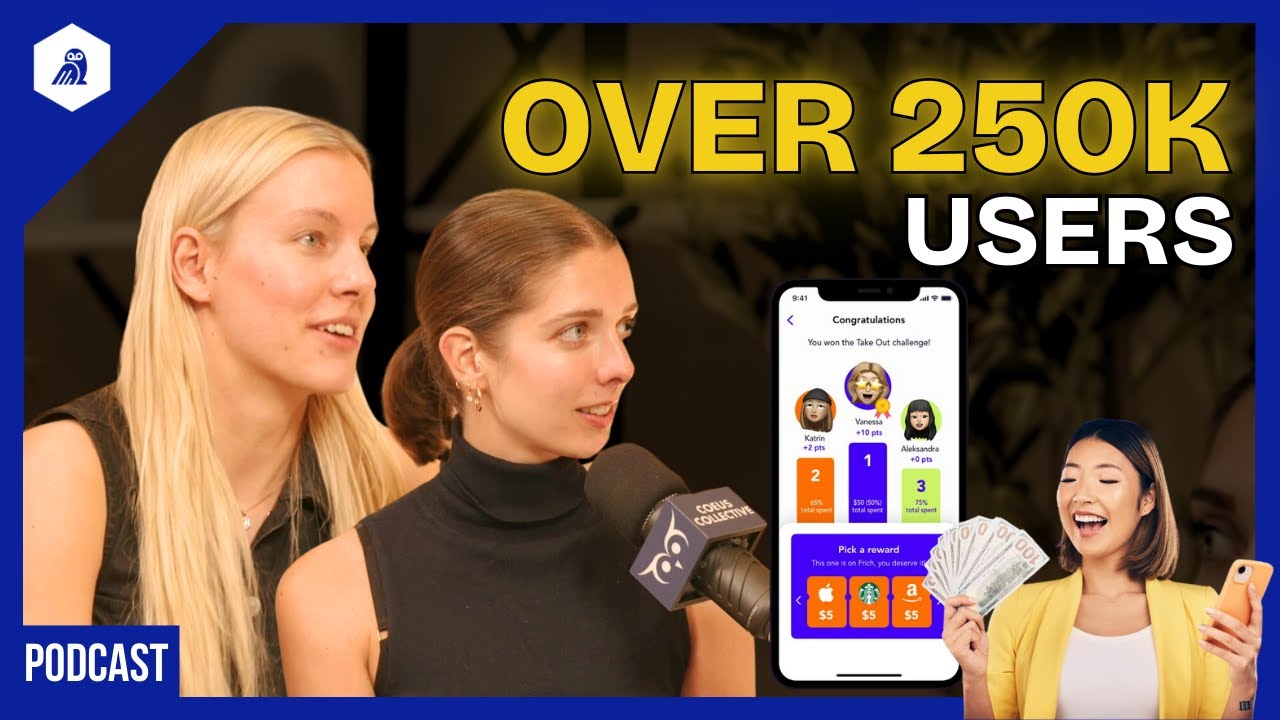
The $2.8M Solution to Unf**k Gen Z’s Finances | Katrin Kaurov and Aleksandra Medina - Frich



The Restive Perspective: Episode 2 with Katrin Kaurov of Frich | Cameron Peake