Gen Z: How to Woo the Most Diverse Generation Yet

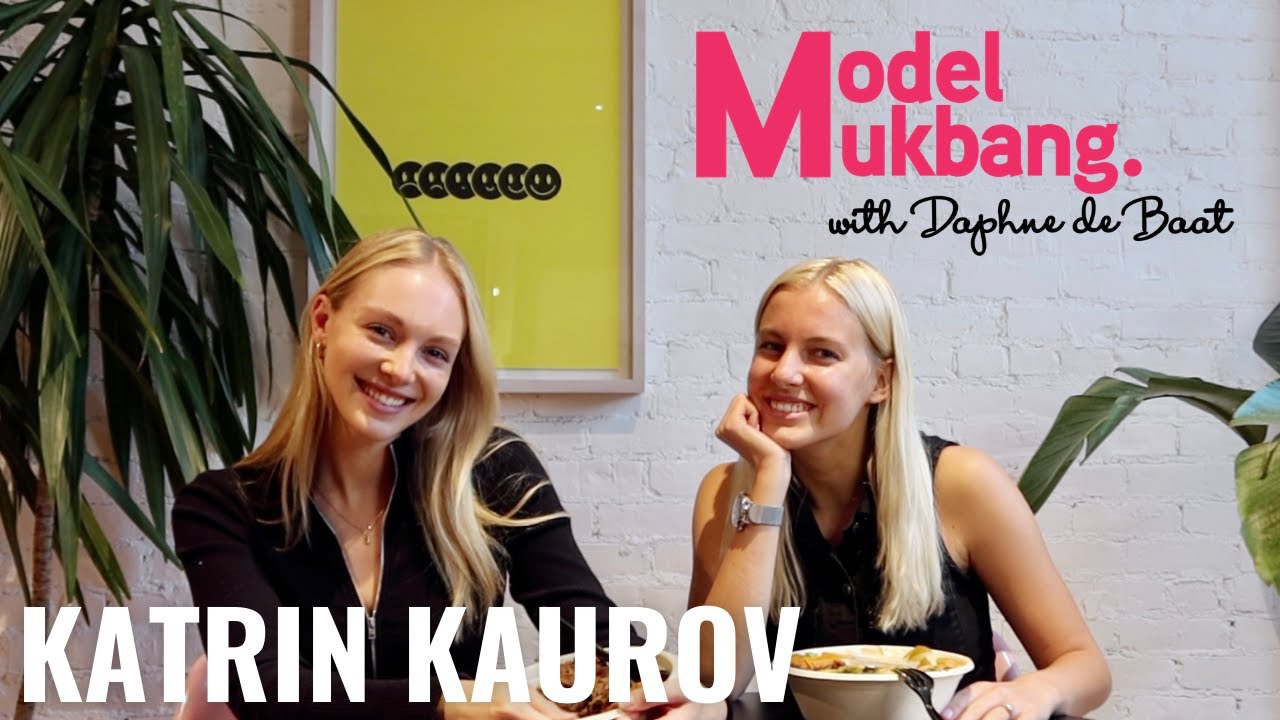
In this Money Is in Everything episode, host Mary Wisniewski interviews Katrin Kaurov, co‑founder and CEO of Fridge (formerly Fritsch Money), to explore the unique financial challenges and attitudes of Generation Z. The conversation covers how social‑media pressure creates anxiety and misinformation around money, why the stereotype of Gen Z as "entitled" is inaccurate, and how many members of the cohort juggle multiple side‑hustles while still feeling lost. Katrin explains Fridge’s community‑driven approach: anonymous benchmarking, peer‑based resources, and bite‑sized, actionable education that replaces long‑form PDFs with quick checklists. The duo discusses what banks and credit unions must change to attract Gen Z—emphasising community validation, mission‑aligned incentives, tangible local perks, and simplified financial literacy. They also touch on preferred content formats (short videos, newsletters, in‑app tips), the appeal of physical budgeting tools, and the importance of meaningful, purpose‑driven job benefits and mental‑health perks. Throughout, Katrin shares concrete product features, examples of successful campaigns (e.g., seed‑planting incentives), and how Fridge supports users who fall behind with supportive, action‑oriented feedback. The episode ends with practical takeaways for financial institutions seeking to engage a generation that values transparency, community, and tangible impact.
Chapters
Hi, Mary Wisniewski here, Cornerstone Advisors editor-at-large and host of Money Is in Everything. Happy Halloween! On today's show, we have Katrin Kaurov, co-founder and CEO of Fritsch Money, a young fintech firm with ambitions to make money concerns less of a taboo with Gen Z. This episode is a bit of reunion as Fritsch partnered with Cornerstone earlier in the year for some research on Gen Z and I say vibrant webinar. Uh, links are dropped in the show notes. Um, but in today's chat, we talk about the budgeting content the industry should ditch. Ahem, judgy personal finance tips like skip the coffee and something Katrin thinks the industry gets wrong about the generation, namely that they are entitled. We also answer the questions we didn't get to in our joint webinar we held. Consider this episode the afterparty. Here's our conversation. Katrin, welcome to Money Isn't Everything. Thanks so much for being on the show.
Thank you so much for having me. Super excited for the episode.
I know it's our reunion tour, our one-stop, one-stop reunion tour. Um, and for the listeners that don't know, um, Cornerstone had partnered with Fitch, um, over the summer on a report and also for a webinar. And there was so much engagement, so many questions that we wanted to hop on for the show to follow up on some of the questions we didn't get to, but we also wanted to get into like brain power of like how to reach out to Gen Z and hear a bit more about like the Fritch backstory. But before we get into some of that, I wanted to get into like, you know, your journey here. And I, you know, you've created a product that's making it like less of a taboo for younger adults to engage with their money. And I think one of the things that I found striking in what you've been saying from the months that I've known you now is like, you know, you can't preach at younger people as your financial education plan because it won't be engaging. But let's, let's talk a little bit about that. I mean, tell me about that.
Yeah, absolutely. I mean, I kind of think the same way people were preaching millennials about like not having their avocado toast so they can buy a house. I think it's often very similar with Gen Z as well, right? Like I feel people consider Gen Z lazy and entitled, but that's simply not true. Like, if you look at the data, for example, like most Gen Zers already not only have a 9 to 5, but they have multiple side hustles. They have ways to earn money online. Like, they're trying their best to take control of their finances as early as possible. But I think Gen Z is in so much of a tougher spot than any generation before because they're just like, bomb with information everywhere, right? Like whether it's TikTok and Instagram ads, it's influencers where you don't know if to trust them or whether it's sponsored. There are just so many products out there that I think Gen Z is just really lost and confused what to do with their money. And that's, you know, a huge reason why we created Fridge, just because frankly, most young people are very scared and very lonely when it comes to money and making those big decisions.
Yeah. And it's just such an overwhelming, you know, time of life. I mean, we're talking teenager up to, you know, just upper 20s, so all under 30s. And it's like, especially if you're still in school or if you're at that age group where you would, you know, maybe you're already working by then, but it's just, it's very confusing. Like, where does your money go? How much do you need? What are other people making? So, um, I'm just really excited to be able to have this conversation with you again. And, um, the only segment on the show that we do all the time is That's What You Said. And so we're doing it, we're doing it here. And you said this in another interview, And you said, I believe I pulled this from TechCrunch, but we realized that Gen Z has no clue what to do with money. And we're all pretending on social media that we have our lives together when in reality we don't. So do you still, do you still feel the sentiment? Because Gen Z, unlike other older generations, has grown up in social media, which can be an opportunity, but it also can be a little bit depressing. So is this—
Yes. I mean, as the oldest Gen Z, I'm 28. I definitely still feel the same. The upper end. I'm the elderly Gen Z, and I can definitely preach that this is true. But more in general, I think social media just adds this whole other layer where besides you actually having to figure things out, at the same time, you got to show it to the whole world that you already have it sorted out. And you're going on lavish trips and dinners and having career success at the age of 19. And then, you know, before falling asleep, you're like scrolling for hours on your phone, seeing how amazingly everyone else is doing. And I think it just creates so much anxiety. And I think so often, like, we don't, because we don't have access to that data, at least before Fridge, we don't know if people, you know, are actually affording those dinners or maybe they just like overdrafted their account or maxed out their credit card just to afford that last, last dinner with friends. And then they're gonna like, you know, starve themselves for the next week, which we are actually seeing from our users just to make that happen and kind of provide that illusion. So I think that's just something that none of the previous generations ever had to deal with.
Yeah, it is that, it is that pressure, especially when you're young, because you don't want to look like, hey, I'm the one that can't afford to do this. But like, you know, things are really expensive and, you know, everyone's up against all these like soaring bills, especially rent. Um, and I don't know, I, I, uh, there is another side of this, but we'll unpack that a little bit. But I want, I want to get, so tell me about Fritsch. You have a personal story here and you obviously saw a big hole, let's say, in financial services or a gap of like marketing to this audience. So, you know, what, how, you know, what, what was this aha moment for you where you're like, yeah, I need to, I need to build this company to solve this problem?
Yeah, well, I hope I'm not going back too much now and I promise to be quick, but I'm originally from a tiny country called Estonia in Northern Europe, and I started my career working as a professional model. Model at the age of 14, which in many ways is very similar to being an athlete. The way it works, they take you from a small town and then you're all by yourself in all those big cities, basically living constantly on the road. So I lived in 20 countries by the time I was 18, and I just had to be an adult and make all those big financial decisions and invest my money when I was 14, 15, when a lot of kids maybe were like bicycling and getting ice cream with their friends. So I always feel like I had this natural interest in personal finance because it was a way for me to survive as a teenager. And actually, my first app that I created was very much like Fridge, but for gig workers and like that specific community that I really created to solve a problem for myself. And that app did really well. And that made me think I was like, maybe it's not just like the models or athletes that are struggling. It's everyone who's just entering adulthood or trying to become financially independent. And then a couple of years forward, me and my co-founder just saw, we just saw such a big need for help and like everything that we looked like all the other apps, they just felt boring and they felt intimidating and scary. And it just felt almost like you already had to have it together to start using those investing or saving tools. But there wasn't anything for step one. Like if today I'm in college and I have no idea what to do with my financial future, like what's next?. So we wanted to create a place that feels that there's a community, that it feels social, it feels like anyone can join. And there is, there are no wrong answers. There are no stupid questions. So community has really been kind of like the pillar of Fridge from day one. I would say like today, really two things that set Fridge apart is one, like at Fridge, you can anonymously see how do you compare to people just like you. So if you're a University of Florida student, like How much are other students at University of Florida investing? Like, what do they spend on a first date, or are they already, like, saving for their future? And then if you're behind your peers, we actually match you with resources to get ahead, which is where credit unions and banks come into play.
Yeah, no, I love that. And I think that's so important to be like, remove the intimidation factor because it is really scary and there's a lot of, like, complicated terms and it's so formal and it has so many wonky words. To like eliminate that is like such a, I mean, I hope it, hope that's the way financial services just grows up. But just like for a concrete example, I mean, your ambition for Fridge users to be like effing rich. That's what you, so it's candid, it's candid and it's fun. Okay. I think we got to get into some of the questions we didn't get into during the webinar. I was thinking, do we call this the webinar after party? But then I thought, wow, wow, that sounds like something no one would attend. 10, but they, they're here. So maybe they— so far, yeah, we made it so far. And I think, I mean, this gets into some of the things you were talking about, but, um, you know, it also, you know, sets the stage too. And one of the questions we got was, what are the top 3 things that set Gen Z apart that banks cannot afford to miss? Um, yeah, yeah.
Um, so I would say first one is definitely community and like understanding that Gen Z cares so much about what their friends are doing, what are their peers doing. So like Gen Z wants to have that social approval. So as a bank or credit union, the way you can make it actionable, maybe you have quotes from other students on the campus saying that they love this product. Maybe you give other students a benchmark that like, okay, X percent of our users who are, you know, using a savings product, they're saving X amount or their credit score is X, just to give users a way to compare themselves, which is really motivating and also like triggers users to, you know, actually convert for those products. I think that's like the community part is really big. The second part I would say is like Gen Z has so much higher expectation. Like they don't want a bank just to be a checking or savings account, right? Like they want a bank to be someone who supports them on their financial journey. And like, that's what's going to make you stand out, whether it's like them trying to find a job or them trying to find an internship, or maybe they started a side hustle and they need some preliminary business tools. Those are all the things that Gen Z almost takes for granted and expects. And I think it's definitely like a big opportunity that banks are missing out on by not providing those services. And I would say as the last part, probably just thinking about financial literacy. And I feel like this word is so overused. And like, there's so many like long PDFs people put together with all those complicated words that Gen Z doesn't understand. Like, they are looking for guidance at the end of the day. Like, for example, like, why should they get a credit builder? Like, what is that going to do for their future? Or like, why does it matter to start saving so early? Like, I think just breaking down those pretty complicated and big concepts into very simple words, you know, even couple bullet points can make such a big difference. And I just feel like financial institutions should take advantage of that.
I totally, I totally agree with that. And it just makes me think of like when I was starting off, um, I remember I opened my first savings account late, but like I was still proud of myself, like year 2 of work. But, um, I didn't— like full-time work, I should say. Um, but I didn't read the disclosures because I just thought, oh, a savings account, pretty basic. But I, then I learned like, oh, you know, they charge you a fee, um, if you don't have this minimum. And it was pretty low, I think it was a few hundred, but that was high actually. I was just starting off. And so I remember like, oh, I lost money on my savings account. So I just feel like, I mean, it depends where the person is, but like, to me, like just being like gentle upfront, like this, these are the, like these, this is how much you'll pay unless you do XYZ. I feel like that should be like an entry point too. Like it's obvious what you're paying or what you're getting.
100%. And I think just showing how easy some of those things can be, whether it's like automating savings or automizing investing. Like for me, investing was a big one for some reason. Like I kept pushing it on for like actually years. And for years I was like, wow, one day I'm going to be this person, you know, who's this boss babe who invests.
And you are. Yeah.
It just seems such a like big thing that like the day I start investing, everything's going to change. And I remember when I actually opened up like my first investment account and like, you know, transferred my first like $100 there just to get started. I was like, oh, it like literally took 5 minutes and I prepared for 3 years because I was so intimidated, you know? And I think there's so many other people like that out there that are just so afraid to do that first tiny step to get started.
Well, it is intimidating, but I mean, also you're definitely like strong female to be, you know, like you're thinking about that. Like, I don't know if like everybody's thinking about investing at a, at a younger age, but of course your journey was you're like you said earlier, in like you're, you're already working, you're already managing all this, you know, income sources from all kinds of places. Um, okay, so this one blurs into it and it's also topical because, uh, in the summer it hit like, um, uh, people fell— well, I don't know if they fell, but on TikTok there was a big scandal of like check fraud and it was like a money tip and it just went terribly wrong. But the question that we got before that terrible story broke was that for education and whatnot, what works best? TikTok, podcast, YouTube videos, blogs. And I tend to think all of them. But, you know, what do you see working best at Rich?
So I would say in general, like just bite-sized content. And it can be whether it's on YouTube, whether it's on a newsletter, it's an in-app. But I think you just can't have like long paragraphs, right? Like it needs to be like quick, like this is like a checklist to do, like you want to start investing or you want to start saving, you know, X, Y, Z, those are the next steps you got to take. We've seen that people really like actionable lists. So if you like do like a to-do list, like let's say to start building your credit and they're just like quick tips and under every tip there's like a resource to learn more or to start taking action. Like I think pairing that knowledge with a quick actionable step that you can do in a couple of minutes works really well because like, frankly, like let's say we take a credit score, like most Gen Zers, like if you're a college student, you're not really going to care how credit sort works. And like, even like why, like we have a credit score. Like I think people go too deep into this. Like a Gen Zer is mostly going to care about a credit score because maybe they're going to get a car or they're going to get their dream job or they're going to get the loan that they need. And that's, or like their apartment. And that's really it. And I feel like you almost have to show, kind of the carrot first and like show that this is the end goal. And like, here are like 3 quick tips how you can start building your credit today. Like, I think it can be just very easy and quick and that works the best.
Yeah. And I think that, I mean, you're speaking to like a copywriter's skill matters a lot here, not necessarily for like the wordsmithing because some of it's pretty basic, but like one screen leads to the next screen and you're getting more information as it comes. So you're not just bombarded with like, whoa, here's this like scroll, scroll, scroll, scroll, scroll for like the signup process. I'm curious. I mean, For someone signing up for Fritsch, what's the first thing they see when they are like, I'm signing up?
So we are actually going to start tapping into their curiosity immediately. So basically we just ask a couple of questions and like already you're going to like see, for example, like how do your savings compare to others or how does your investing strategy compare to others? So we know that people are just so curious about what other people are doing with their money. Like people just have always been curious about it, but they're now more snoopy-er than ever before. Yeah. And then actually, like, the first newsletter that people get, that's exactly when we list the problems that are on top of mind. We're like, okay, trying to build credit. Here are two resources. Trying to get a job. Here are two resources. Trying to earn extra income ASAP, which especially works at the end of the month. Here are two resources, like, just really getting straight to the point and starting to add value instead of promoting our brand too much works really, really well.
Yeah. Wow. That's like, that's really cool. And I want to get into this, um, money voyeurism. I, you know, I think of like Money Diaries, which is where people share like how they spend their money for the week. And that's really blown up. Bon Appétit now has like, this is how this person with this much money, it's usually a lot spent like in any week. But I think this is like, this is notable for banks and credit unions too, and fintech companies because, um, historically people don't really share their like how much I make, um, kind of thing. So there's this openness that's happening that I think will have to influence the way, um, budgeting tools or whatever name they get now, like, um, you know, it— they'll, they'll have to evolve to adjust to something that's already happening.
Um, yeah, I think it's cool. I think, you know, one of the things that I see from credit unions and banks is almost like thinking that Gen Z is just like, okay, they're still kids, like they don't matter, like they're not, you know, making that much money, so they're not a priority because they're not bringing in that many deposits. But I think Gen Z thinks inherently differently than any generation before. They have so much more exposure, so many more options put in front of them that I think the only way for like all those institutions to survive is to have a Gen Z strategy. Like I think it's just something that already at this point when the oldest Gen Z is as old as I am, as 28, uh, like, you know, Gen Z is way already in the workforce having meaningful deposits. And like being very different. So I just think it's something that credit unions and banks can't put off anymore and think it's like a future strategy to think about.
That is so important because, you know, I'm a, I'm a, I'm a millennial, mid-aged, mid-aged millennial. And I, you know, it's still like, oh, some bankers think, you know, that's the young person still. But like, no, not— I mean, it can be, but ish, but like, not really. So it's like, it's this, false belief, you know, of like, you know, you see what you see. And if you haven't staffed to like Gen Z much at this point, like, but it will be a major gap. So yes, it's not, it's like, you know, everybody's getting older. Yeah.
I think also like in terms of building brand loyalty, I would say if, especially if you're, you know, not one of the largest banks out there, like the only time you're really gonna get a Gen Zer, I would say is like when they're in college and you can prove your value and like show, your kind of like community approach to them because the moment they graduate and they have significant income, like every, like, you know, Bank of America, Chase, Capital One, all of them are going to market so heavily towards them with such huge budgets that it becomes so expensive to get them at that point. So you've always kind of like lost that generation if you wait for them to graduate and like at that point everyone will be going after them. So I feel like that's kind of like a common, I would say like a mindset mistake that I keep seeing over and over again as well.
That sounds, that sounds fair. And another one I hear a lot, and we got into this during the webinar, is just like this, um, uh, dismissiveness of Gen Z in terms of, um, thinking they're flighty at work or taking a lot of days off or whatever. I'm like, no, they're just, you know, yes, use all your paid time off. And that's why it's there, you know what I mean? But I feel like that's another thing that, um, is a tension. Um, in the different groups. Okay. Here's another question that blurs into this that came from either a bank or a credit union. And this is a really important one. What will it take to incentivize a Gen Zer to move their funds from Cash App to traditional credit union? Okay. Again, from a credit union. And then it was mission alignment, new products. What's their, what's their leading motivator?
Yeah, I would say, especially when it comes to credit union, I think the mission is so huge. Um, and I'm frankly surprised that, you know, credit unions are not having mass popularity with Gen Z yet because Gen Z is all about like small institutions giving back to the community. Um, you know, being against those big bad corporations. So I think playing into that mission and like playing all into all those like community incentives is going to have such a big role. Um, I think one of the campaigns that just sticks to my mind is um, that credit union who offered like seeds that you can use to plant a new tree for every member who signed up. And like, seeds cost like 50 cents, right? And like, even the bankers were like, do those kids know that? Uh, people so excited. Yeah, it wasn't even a Gen Z campaign, but it signed up all those Gen Zers for them, and they started inviting their friends to the branch because they wanted their friends to get the seeds so they can feel good about like planting a tree. So I think making people feel good and making them feel that they're doing something meaningful in the community by partnering with you. I think there's a huge benefit, which is so much bigger than like giving them like, you know, a $20 incentive to open an account because they can easily do that with like any other bank out there.
Yeah, I think that's so— that's like such an important nuance. Yeah. Like, and I think a typical credit union person or a banker would think, yeah, the $20, so you can makes more sense, but it's so much sweeter to say, here's this seed. And, um, you know, it, it adds to that physicality thing too. And I know this is something we've talked about, like, you know, Gen Z growing up, you know, on all these digital channels, but like, there's like, there's this desire for like a physical thing as well, which is, um, you know, we've, we found in our research how, you know, there, some of them are like using physical envelope budgeting type of thing. Um, So there's like, I don't know, it seems like a pent-up desire for like tactile money experience.
Yeah, I think Gen Z is kind of interesting also with their film cameras. There's like certain nostalgia about things that were done in the past, so they almost want like hyper-digital experiences, but then they love putting their money in an envelope. So yeah, I can see how that can be confusing for banks.
Confusing and also like, don't keep all your money on your, on your body. Okay, well, this kind of ties to it too. How does a bank utilize streaming to best serve Gen Z? What resonates with them? Climate change, giving back to a specific charity. You just mentioned the tree, earning points at a favorite restaurant. I mean, this all kind of blurs into this. Any— anything you'd add to it?
Yeah. I mean, again, I think giving back to the community and like, again, making sure that it's pretty specific, that it's not just like a general charity. But maybe it's something that's like tied to that local community. So it feels personal again, I think can have like a bigger effect. This one might sound a little shallow, but I know it works, like being able to share as a Gen Zer that like by partnering with that bank, you're supporting a charity, like maybe there's a way you can directly share that on social media to kind of brag a little bit how much good you're doing and how much you're supporting the mission. Like that definitely works. And then kind of on the flip side of things, I would say that perks definitely are great, like whether it's, you know, getting free drinks at a restaurant, anything that feels tangible. I feel like points can feel very abstract sometimes, but I think if you have like tangible perks, whether it's even something as simple as a student, then, you know, getting a free drink at your local bar once a month. Like I think those tiny perks can feel so special and much more special than some very complicated product features.
Yeah. You know, on one of our other podcasts that was recorded recently, there's a bank that their account gives money back for streaming. So like, I think it's like $20 back for like your Hulu or Netflix every month for a certain amount of time. And if you direct deposit, but I'm like, well, that's really interesting because you don't see it that often. And it's like, yeah, people are overwhelmed with subscription fees. So that seems like a nice perk to like lure people to the brand.
Yeah. And you know, I think so often And this is a whole other conversation, probably. But so often when you look at, like, I don't know, even big banks perks, like, there's so many brands that don't resonate. There are, like, some random brands that I've never even heard about, and I'm like, I'm probably never going to use those perks. And if instead of those 100 random brands, like, I had 5, I don't know, local restaurants that I'm using that would give me, like, I don't know, a free appetizer once a month, like, I feel like that would feel like this bank is really doing something for me, and it would feel so special.
Yeah. So, like, the perks are much more curated personal.
I think there's such a like huge missed opportunity there as well.
I would absolutely get the Banks appetizer partnership, and I'd also be like, let's do it for clothes too. And, um, you know, anything like, uh, workout classes. I mean, there's a lot of things I like to spend money on though. Good perk. Okay, we have time for one more question that we didn't get to during the webinar, but I still have like one or two for you as well. But, um, and this, and we, we blurred into this, but What job-related benefits are most appealing to Gen Z? Um, what motivates them to do a good job? And that, that's good. Cause it also hints toward what we were talking about earlier, where it feels like there's this dismissive thought that they're not working hard. Um, and do they want to advance or is it a myth that they don't care about having management positions with lots of responsibility?
Yeah. I think two things that Gen Z cares about. So one is definitely like feeling like their job is meaningful. And like, I think that, like, more than caring, caring if they're like a growth manager, a senior growth manager, like maybe they led a program that like enhanced the community by X or like helped 100 students now feel confident about investing. Like, I think those kinds of like meaningful milestones make such a big difference. And honestly, I think it even trumps having a higher salary or having this fancy position. I think Gen Z just cares about feeling like their life and work is meaningful, which I think is a little different with last generations where it was maybe about your specific career enhancement. And then second thing, again, I think compared to high salary, I think perks are just so huge. Getting your employees a meditation app monthly subscription can go such a long way. And much more than like, you know, having that same amount in your salary. So I think perks, whether it's like a bank customer, credit union member, or it's your employee, are just kind of the key to this generation.
Yeah. You know, I came to my attention recently that Ally Bank was offering like Calm subscription and I'm like, oh, that's so cool because you also see this blurring of like financial health and mental health coming together, which I think is so so important. And yeah, I totally agree that the, you know, the way people think about like their full-time jobs is very different. Like people are doubling up. Certainly the ambition isn't to be like, hey, I worked here for 30 years. I mean, maybe it's still there, but like, it doesn't seem like it's very rare and I can't imagine that journey. But I do know it happened. I wanted to— I know we're almost on time, but I wanted to ask you one question because you were You know, we were talking about like this openness to sharing money, but when, when users, when Fritsch users find out they're behind, let's say, I can't feel great, right? But I mean, what kind of feedback do you get? I know you said you serve up like, here's some things you can do, but like, you know, how do you, how do you tackle that challenge?
Yeah. So we always try to take a tone where we're like, it's okay. You know, wherever you are today is fine, but this is what you can do next. Or let's say instead of being like, boohoo, you're worse than others.
Too bummed down. Negative red.
You're like, okay, this worked really well for someone just like you. Or maybe I went through a similar challenge. So what we do every Friday, our users can submit money questions to us. And every Friday, our money expert picks one of the most popular questions and just walks them through of like, this is where you are. I've been through this. This is everything you can do. So it's a pretty in-depth kind of newsletter that we do. And like, to bring you just examples of questions people submit, they're like, I'm moving in with my boyfriend. It's our first apartment together. I'm freaking out that we're going to break out about money. Like, what should I do? You know, we get a lot of stuff like that. It's very just real life, you know, and it shows that money is just not a credit score or your savings account. Like, money is behind every single decision that you make in life. And like, money affects every area of your life. Like, like your dating, your career, your hobbies, like your food. Like, I think that's like a big— I would say a big element to understand as well, that like money is no longer just like a bank or like finance. Money is just behind everything we do.
Yeah. And it's emotionally charged.
Yeah.
Well, it's been such a treat to reconnect with you. And I have still one last question. But before I get into it, any last thoughts you want to leave listeners with? And/or how do people find you?
Yeah, so you can either find us on our website at getfridge.com or feel free to reach out to me on LinkedIn. Always happy to chat about anything related to Gen Z and money.
Awesome. And my last question for you, Katrin, is what is the image on your phone's lock screen?
It's very corny, but it's, it's my fiancé proposing to me on a rooftop.
Well, congratulations. And that's very sweet. What rooftop? What rooftop?
It's at Williamsburg Hotel in New York.
Wonderful. I used to live in Williamsburg.
Oh, that's awesome.
Yeah. Well, again, congratulations and thanks for reconnecting with me.
Yeah, absolutely. Thank you so much. Love the chat.
One thing I learned is be creative with perks. There's something interesting about a credit union that gives free appetizers at a local restaurant, for example. In 2 weeks, I sit down with Tansley Stearns, who is the president and CEO at Community Financial Credit Union in Michigan. We talk about the darker sides of finance and why Tansley's credit union is promoting these areas to potential members. See you then.
More from Katrin
ep34: "female" anything is a self fulfilling prophecy | brown girl unscripted podcast

The $2.8M Solution to Unf**k Gen Z’s Finances | Katrin Kaurov and Aleksandra Medina - Frich



The Restive Perspective: Episode 2 with Katrin Kaurov of Frich | Cameron Peake