MODEL MUKBANG ep.12 Katrin Kaurov //
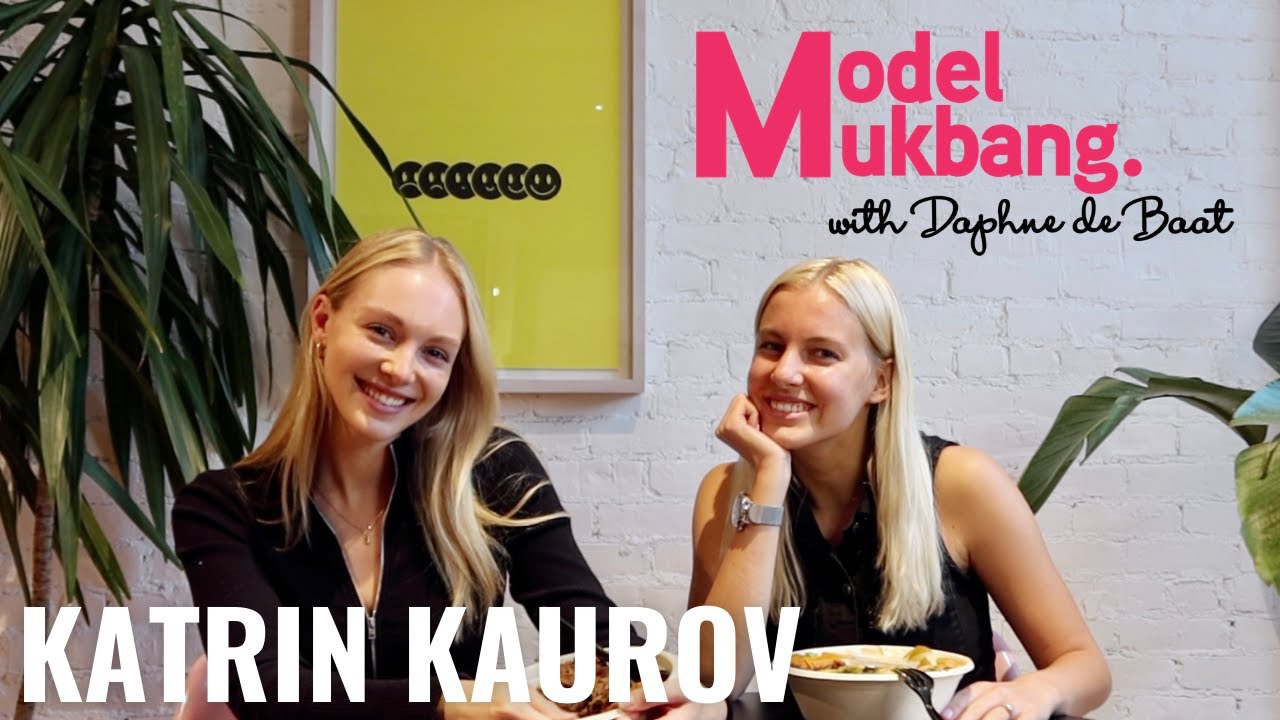
In this episode of Model Mukbang, host Speaker B interviews model‑turned‑tech entrepreneur Katrin Kaurov over a meal at Dig In. Katrin recounts her early modeling career, starting with trips to Asia at age 15 and later working full‑time in Paris and Milan before achieving her long‑held goal of moving to New York. She describes how the reality of the New York modeling scene differed from expectations, noting a more laid‑back body‑image culture but intense competition. After a year in tech, sparked by a master’s program at Harvard, she explains the "wake‑up call" that revealed the limited entrepreneurial thinking in modeling and motivated her career pivot. Katrin outlines the transferable skills she brought from modeling—discipline, flexibility, communication, and self‑advocacy—and how they helped her thrive in a hospitality‑tech startup. She discusses challenges such as lower initial pay, imposter syndrome, and stigma around models entering other fields, and how she overcame them by leveraging her network, social‑media presence, and tools like Lunch Club. The conversation then shifts to her personal‑finance app, Fridge, designed to make budgeting social among friends, address the taboo around money, and provide educational tips. Finally, Katrin offers advice to young people: be authentic, embrace unique interests, and let personality shine in any industry.
Chapters
Hey guys, what is up?
Welcome back to my channel. Welcome back to another model mukbang. Today for my mukbang, I have Katrin Kaurov.
Hi everyone!
Katrin and I only recently met, but you actually found me from my YouTube channel, right?
Yeah, I was actually following her before moving to New York, but I was getting really excited to move here as a model, and I was pretty much like stalking her videos to see what's like the reality of a model, a working model in New York., and it was super helpful to know about, you know, how to find an apartment, what's like your day-to-day life. So I was over the moon excited when we actually met in person.
Yeah, I know, it's so funny. And we actually have a mutual friend, he's actually here, Philip. Um, so it's a really small world. So I'm really glad we met. Um, a lot of interesting things that I want to talk to you about today. Katrin is actually, um, she's still a model, but she's actually made a full transition into a non-modeling career. So really excited to show you guys that. Before we get into the conversation, we We are having Dig In. It's one of my favorite spots. You obviously love Dig In.
Yeah, I love all kind of like healthy bowls, and especially if it's vegetarian, it's good for me.
Yeah, so we both got— I mean, I got chicken, she got a harvest bowl. So we're gonna dig in. Um, quick background story on how you got started in modeling industry, how you made it to New York eventually.
Yeah, so I went on my first modeling trip to Asia when I was 15. And I was pretty much going to Hong Kong, Seoul, Milan until I was 19 and I graduated high school. So I would miss quite a lot of school, to be honest, and kind of balancing modeling and school. And so when I turned 19, I decided to take it really seriously. So for a couple of years until last year, I was full-time on it. I was based between Paris and Milan.
Oh, wow.
And I was really, really very, very, really focused on this as my main career. And one of my goals was to get to New York. So I think this was— was for me like the most important milestone I wanted to reach as a model. Yeah, it's huge.
I mean, working here just feels different, I feel like.
Yeah, I think like Europe— now that I'm here, I realize that people really appreciate Europe, but, uh, yeah, once you're in like Milan or Paris, everyone's like dreaming about New York. This is like the ultimate destination for every model.
Did you feel like it was different than what you thought it was going to be before you moved here?
Honestly, yes. I feel like it was kind of more competitive in Europe even, you know. I don't think that the image of New York is higher than what it actually easier. I think people are way more like laid-back in terms of like body image here, and that's very much more about like the personality here, you know. Yeah, your image is a total— I do think that people fear New York and come coming here as a model, they fear it way more than it actually is.
It's so funny because that's exactly how it was for me when I first came here. I was, you know, I'm not the typical high fashion girl, quite— yeah, the same as you. Um, so when I first got my contract to New York, I was like, oh my God, I'm gonna have to become this high fashion girl, and it's really not like that. Yeah, so it's pretty interesting.
Yeah, and in the beginning I was really pushing to be like what I had seen how models are here, right, dressed. But then I realized that I think people really appreciate in New York when you are the way you are in terms of your style and personality and interest. Like, you don't need to pretend to be someone else, you know, you can just be yourself here, which is one of the greatest things about New York.
Yeah, it's so true.
I do think in Europe they kind of care less about it. It's more about like specific measurements, like everyone kind of dresses all black and classic exactly the same way. So I think New York gives way more like flexibility and things.
So you moved to New York, you're with an agency, you're still with the agency?
Yeah, I'm still signed in New York and LA. Um, and I still do think that like, especially now that I've realized that I want to transition more to becoming like a role model, I still want to keep modeling. And I think like it gives me even greater like visibility and kind of, I don't know, more opportunities actually, you know. Like now I feel I know the voice that I want to have, and like I want to be more than just a pretty face. And why not bring this back to the modeling industry as well? But for the last year, I've been really focused on kind of pivoting to another career and like really exploring what's like my endgame, what do I want to do eventually in life. So it's been very transitional.
Yeah, so for those of you guys who don't know Katrin, she has actually made a full transition into a career in tech.
Yeah, so, um, I started my master's at Harvard last year, and that was really like—
no big deal, no big deal—
like, that was really like kind of like a wake-up call. I'm gonna see everyone there who's like very driven and ambitious and I think I've been the same way as well, but sometimes in modeling you're very reliant on like what your agent is gonna tell you. Your agency is, you know, you kind of forget a little bit about your entrepreneurial side. You just are very used to like going at that time to the place where you need to be and just giving your best but not having to think too much for yourself, you know. So I do think that was kind of like a wake-up call that, oh, there are like all the other things I can do in life.
I think that is one thing that is kind of taken away from you when you are a model. It's not that life isn't difficult or that the job isn't a good job But you have to think less. You kind of just do a lot, and it's physically exhausting, but it's not necessarily mentally challenging.
Yeah, honestly, I have to say, now a year in my career in tech, I think modeling was so much more stressful and tiring than this career is, which comes as a surprise to a lot of people, including my parents, who thought modeling was never a real job. I think modeling can be super tiring, like being the whole day in the studio, running to castings, like That's really tiring, and you always have to be kind of on the go and like flexible and ready for everything. Yeah, I think a lot of people don't realize that this is, you know, a hard job, that you don't have that aspect of life to decide for yourself, right?
I think also with modeling, I don't know if you agree with this, but the difference with modeling and other careers is that you have to be on all the time. Like, the product is yourself, and I say this in videos all the time, how important it is to always come across with your 100% energy. So I think that's what makes it more so in South Korea.
Yeah, and I think like in the end there kind of are no days off when you're taking modeling seriously, you know? Like you can have a nice Sunday and then receive a call that you need to go to another city tomorrow at 5 AM.
So true! And your weekend is spent traveling.
Yeah, and I think it's sometimes hard for your friends or family or partner to understand that there is no other way. It's not like I can set a schedule and have vacation for a couple of weeks, you know? Like maybe you're not gonna be even working in those weeks, but you need to be always like ready and on the go with it.
It's so true. So do you want to explain to people what your vision is for your career in tech, what you're kind of doing now. You're doing so much, you're working on an app.
So I mainly focus on my app that it's kind of a personal finance app for young people because I realized moving to New York that money is such a taboo for people. Like, people often feel social pressure to go out for dinners and drinks or spend a lot, and I do think that issue hasn't been like addressed yet. So that's kind of my main focus. But a year ago when I realized I want to transition I didn't even think about tech, because honestly, I thought coming from modeling, I kind of had the stigma that I wouldn't be good enough for it. And I didn't even know that I would be interested in it. So I actually was thinking that, oh, I've traveled a lot as a model, so probably travel industry is maybe the new thing for me. And I was checking out a lot of companies, and very accidentally ended up in tech, because I had a chat with the owner of the company I'm currently working at. And I thought it was a travel company, but it was actually a tech company. Oh, no way. It kind of combines hospitality and tech. And I just ended up working with— after just having this chat, and I really throw myself all into tech. I realized at the first meetings that I didn't know much about that field, but I realized that's also my greatest asset because I have a new perspective on things, you know. And I was really eager to learn. I was watching YouTube videos about very basic concepts that everyone would know at work, and I was listening to podcasts, read books, really like give my best to bring myself up to the game. And yeah, for sure, in the beginning it's kind of tough because from being a model where get some addresses where you need to go during daytime, or like going to the studio, which is tiring, but it's not like mentally like super stimulating always.
So yeah, so this was a very big change.
Yeah, the first month was like, whoa, I gotta work every day.
It's a lot for us, right?
Like busy is, you know, you're used to saying you're busy as a model, but like sometimes you're not that busy if you compare it to like other types of jobs. You need to be always ready to go, but it doesn't mean you're always like actually having to go somewhere.
It's so true, it's so true.
So it's kind of like a different concept. But I did realize that a lot of things that, you know, I learned from modeling are like now my greatest assets at work. Like as a model, like you need to be always like flexible for change of plans, and that's a really valuable skill in any business.
Yeah, let's talk about some of the transferable skills that we have from modeling. I think that's something that a lot of people overlook. Yeah. Especially people who are not in our industry and, you know, people who don't do what we do. I think it's often like— Yeah. Overlooked how much we actually learn over the course of being a model.
I think first is like discipline. As a model, you stay fit, you put usually a lot of effort into this, you know, and to take the best care of yourself. And I think this discipline kind of transfers to like any other job you're gonna do, you know. You have to be punctual, you have to be your best. And I do think that a lot of people who just went to university, they have never experienced this kind of like working culture before. So I realized as a model, every time I go somewhere, I need to be my absolute best. And I brought this to tech as well, and I think it, you know, really brought me far. Another thing is definitely flexibility. As a model, you to get like, I don't know, at 9:00 PM a call from your manager or agent that you need to go tomorrow somewhere at like 6:00 AM.
You should be at the airport at 5:00 AM tomorrow.
And you need to roll with it, you know, you can't feel like freaking out about it. So, and for me, after all those years, it became so normal. Or being like shipped to a new city every 2 or 3 months, you know, it was super normal. I never really thought it's a big thing or how I'm going to transition or anything. It was just normal. And to have that flexibility, like a new workplace, I think it's super super important. Um, I think like communication skills is like the main thing, you know. When you go to set as a model, you have to like get along with people. This is like 80% of the job, to like get along with new people. And every day you might have like a new casting director, a new team on the set.
So a lot of people—
a lot of people, especially tech, maybe they don't have those people skills. So that was like super valuable. I think honestly, I realized in modeling, once you've learned like people skills, flexibility, and just giving your best every day, you can pretty much do anything else. Like, anything else you can learn maximum a year, you know, like it's not that difficult in the end, you know, if you're willing to put in the work.
It's something that's a little bit hard in the beginning. I don't know if it was for you, but for me, I definitely had to, you know, learn to get out of my comfort zone and develop confidence essentially. But learning that at a young age is so helpful because you're kind of ahead of the, the grain in a lot of ways. So if you have those skills in your early 20s, you know, versus the people who don't necessarily have life experience, I think that's also a big thing. It's just life experience, street smarts, you know.
Totally. And also like, um, kind of fighting for yourself, whether it's like, you know, getting the right salary or getting paid. Yeah, in the modeling industry, like, you have to fight for yourself to get those things, you know.
Like, you have to be a shark a little bit.
Yeah, you have to be a shark so no one's like stepping over you, like forgets to pay you. Like, a lot of my friends who now are graduating from universities and going for the first internship, they're like too afraid to ask for those things, which for me, you know, when you start working when you're 15, it's super obvious that you need to, you know, ask for a double payment, you need to ask for good conditions, you know. Like, I think that's something you get from like fighting for yourself from like being 14 or 15 years old.
Yeah, and you definitely learn to set those boundaries early, which is nice. Okay, so before we talk about your app, which I'm like beyond excited to talk about because I, I really love the concept and I just think it's so cool, um, I do want to ask you for some tips and maybe a little bit of advice on how you transitioned from modeling to your career now.
Yeah, I think that's honestly, I don't know, I think that's on a lot of models' minds. They feel they want to do something different at some point, but you know, when you've been always in one industry, it's kind of hard to even think where do you get started.
Yeah.
So kind of the way I went about it is I don't really believe that you get a job when you apply with a CV. Like, everyone's doing it, and as a model, like, the way you're, you know, your presence also is a big asset for you, you know. So you gotta kind of use that. So I first tried to figure out what is what I like to do, and I was literally writing down all industries that interest me. And then I was kind of thinking back of like anyone you've met through modeling, like in all those years, like, are any of those people in those industries? And there were actually a lot, you know, like through modeling you meet so many people, uh, not only in fashion industry and like all kinds of industries, maybe through events or I don't know, through your travels. And I was actually reaching out to those people first for advice and just kind of expressing that, hey, I want to start in this industry, I don't know what it actually entails, but I want to try it out. And you know, usually people are really willing to to put you in touch with like the right people, especially if you've been knowing them for years.
Right.
So I do think like personal contacts are kind of the key. And then once you know what you want to do, you can think like, what kind of skills do I need for this, you know? You need to like educate yourself. But I think that's already the easier part. It's first step really figuring out what it is what you want to do and how you being a model is like a great, you know, help for that, you know? And a lot of works, like all the skills that you mentioned before, those are like great assets.
I think something that— um, sorry to interrupt, but something that I started doing maybe like a a year ago actually when I was applying for my green card is I made a contact list. And it's kind of like an index, like a contact index for people that I know in the industry, all the different types of categories. And it's actually really helpful because if you ever, you know, want to collaborate with someone or you want to reach out to someone, then you have this index that you can, you know, look at.
Totally. And like a lot of models have kind of a big social following, so that's like another huge bonus, you know. Whenever you were trying to reach out to maybe a CEO owner or like a potential mentor you want to have, if you have a certain number of followers, they're more likely to respond to your message to them, right? But that's something that I did a lot of, which is, you know, hit someone up and ask if they would be down to even have a quick call or meet for coffee to give some like mentorship advice. And now especially with kind of like female founders movement, like everyone's very down to help you, you know, and that's really, really nice. People are being so supportive. So I do think that If you don't ask people directly for a job, you just ask for advice or mentorship, like, no one really never turns you down, you know. People love to help each other, people love to share their knowledge, so I think that's a really great place where to start.
Yeah, and even if you just start with a coffee or a phone call, you know, a lot of the times that personal touch will lead to something more.
Yeah, honestly, and I feel like, you know, once you keep building on those relationships and your network keeps expanding, like, I feel in a year I really built myself set up from like scratch. When I moved to New York, I knew zero people. Yeah. So it's kind of crazy to think back and think like a year ago that I would not know anyone.
Yeah, it's exactly a year and you've done so much. It's so inspiring.
And I remember like moving to New York and like literally being like, how do I make friends even, you know? Because if you don't know anyone, it's kind of hard to get started. Yeah.
Uh, but I think especially now, like in, in these times, it's like, what do you do? Where do you go?
Totally. Um, another thing that I really, really suggest is like something called Lunch Club. So it's basically like a software that you can put in what are you looking for, whether it's like an investor or you want to expand your network. You put in all your interests and it automatically connects you with all the right people. So now during COVID you can like still, you know, have a Zoom call or maybe even a meeting, because I think it's kind of hard to meet new people now. Yeah. And that, like, that page has been like incredible for that.
So, okay, I'm gonna have that link down below so you guys can check it out. I've never heard of that.
I'm like obsessed with this.
That's amazing. That's awesome. Um, is there anything that you were a little bit afraid of or hesitant about when you were making the transition, like money or—
Oh yeah, a lot of things. I mean, first of all, like, I think in modeling you're kind of used to like higher rates. Yeah. And it's not even maybe the total, but what you get paid for a day is way higher than like in any other entry-level job. So I was really afraid to let that go. And also I was really even like, I had kind of a little bit of shame to even ask my friends in the beginning that I want to do something different. I feel like once people see you as a model, they think like, oh, it's cute, you want to do something else, you know?
Or they think you failed, and it's like, yeah, yeah. And I can't explain that unless you're in the industry, but I think a lot of people also think like, oh, she didn't make it. Yeah, it's not the case.
Or it's like, I don't know, I just would think that maybe they're not going to take me seriously. And honestly, like, the first months working in tech, like, I pretty much felt like a fraud, you know? Like, I felt like I was almost like afraid to either mention that I was modeling before, or kind of, you know, you feel like you're not like other people because you've had completely different experiences. Right now I feel like I'm proud to say that, and that makes, you know, me more special. Or any model transitioning from modeling to another career, you know, that's like that— there's a value to this. Like, all those other people did college and internship and went to work, they all followed the same path. Like, you've done something different, you know? Yeah, something to be proud of. Be like ashamed at all.
Yeah, I agree. It's like everybody has their own journey and their way of like getting into it. Yeah, and it actually is probably refreshing to people that you didn't follow the same path as everybody else.
Yeah, people are actually excited. Like, you know, in the beginning I would kind of be like, yeah, I was working in fashion, and people kept asking, so what do you do? And I'm like, oh, you don't want to say?
Yeah, yeah.
And like, finally, like, say that, people are actually like super excited. And people who work in, I don't I don't know, tech or any business, they are curious about modeling and fashion. Like, this is an industry they never had access to, you know? They're like, oh my God, I want to hear about it. And that really plays in your favor.
Yeah, but the exciting part, very exciting part, um, so like I said earlier, but we touched on it briefly, but she is launching an app in less than a month. So by the time this video goes up, um, it's going to be probably a week away from the launch, if not closer. Fingers crossed.
So basically, the idea for Fridge, that's the name of the app, came when me and my best friend were just walking around Central Park and thinking, what are like the biggest issues for young people in New York? And we realized that like spending a lot on social life— not anyone in New York, but people in LA or Milan or Paris, anyone in big cities— this is a huge issue, trying to keep up with your friends, you know, whether it's going out for drinks or dinner, grabbing coffee. Like no one especially before COVID no one was really cooking at home. You're always kind of on the go, especially like young people. So you spend a massive amount of money that you shouldn't be doing, and you don't even know how much you're spending on social life. So we realized that there are a lot of other apps out there that they do like, you know, budgeting and stuff like that, but none of them really makes it social. So I tried myself all of those, but I realized like I can have the app that's cool, but if my friends are still spending, I'm still gonna end up spending. That's like very obvious, you know.
Yeah.
So we wanted to make budgeting and kind of managing your personal finances social. So that's why we've got the idea of Fridge. That's the first, like, social personal finance app. So the idea is that you can think what are your goals, so whether it's like dining out budget or having drinks budget, and you can share it together with your friends and you can keep each other accountable. So it's very like— yeah, so you can like kind of check in with your friends, see how far are you from, you know, your saving goals or spending goals. And we also wanted to add like a little educational element because I don't know, at least I felt it, that no one really teaches how to manage your money or how to invest or how to budget. That's like, there's, there's such a taboo. I even noticed it like at Harvard, there's some very smart people but they have no clue how to do that. So we wanted to add like some educational elements in as well. So it's going to give you some tips or some kind of future like predictions. So for example, if you skip the $6 coffee that you get at Starbucks every day that a lot of people in New York do, that adds up to like $6K in a couple of years, you know. And that money could be investing, you know. And honestly, even for myself, once I realized how it adds up, I was shocked. I would get usually like 2 coffees a day, and I realized I didn't want to know how much it adds up. No.
So, or even just like the, the meal out that you get at lunchtime. Yeah, like the lazy dinner that you get on Seamless, like, yeah, $30 for one dinner.
Yeah, it really, really adds up, especially if you could be like investing it. So yeah, to sum up, it's mostly about sharing your personal finance goals with your friends, setting kind of goals and budgets together and keeping each other accountable. So I'm very, very excited to launch. It's been like such an exciting journey to create everything from scratch and to realize that we are solving this problem for ourselves, that this is not some tech product that doesn't really serve anyone. Like, realizing that me and my friends, we are solving this problem for ourselves and our friends group. So you see that there's gonna be like feel bad about it.
This is actually brilliant. I think it's going to be a huge hit, especially among young people. You know, I think it's hard to do it on your own, especially when you're young, because you do get influenced and you do want to just fit in with your friends.
Yeah, especially like when you're in college, for example. I think like, yeah, people are really pressured to kind of keep up with other social life.
Yeah, 100%. But I do think it's, it's kind of similar in that way to like going to the gym, for example. You know, like if you have someone to do it with, totally, it all of a sudden becomes so much more fun and so much easier.
Yeah, I think like a larger vision is just there's a lot of taboo about personal finance. People don't, they don't discuss if they invest money or if they save money. Even with my closest friends before starting this app, I would be like afraid to speak about it. Now I've discovered so much for myself and realized like everyone is kind of curious and wants to speak about it, but there's some taboo around it, which is almost strange, right? Because everyone's dealing with the idea that, oh, I should be investing money or I should be saving money.
But I think we're somehow taught not to speak about money.
Yeah.
And even in our industry, like, we're taught not to discuss rates with other women— or other girls, sorry. You know, it is kind of a taboo subject, but it's actually so much more helpful if we talk about it. Maybe not the personal numbers, but yeah.
But even like, you know, bring some light to it. Then I think investing is another thing that, you know, I think especially girls are somehow intimidated by it. It's like a male-dominant industry, but it doesn't— you know, now there are apps out there that you can start investing with like $5. It shouldn't be like such a scary thing to do, I think.
No, I would love to see more women get into investing and maybe be more confident. Yeah, that's something that I'm very interested in, and we We talked about this before, but I hope to start seriously investing in the next year or so. I'm very excited about this. I'm gonna have all the info for the app, all of your socials, your contact info, everything linked down below so you guys can check it out. Hopefully, I mean, like we said, we're gonna aim for this video to go up right around the launch date, so it's very exciting.
Thank you, I'm super excited.
One thing that I always ask every guest is to give a piece of advice to a young girl watching. Obviously most of the conversation was not necessarily about modeling. Yeah, if you have a piece of advice for an aspiring model or just a young person, what would you give them?
Honestly, I think it might come off as cheesy, but I do think that like being yourself is very, very valuable in the industry or whatever you're doing. Like, you know, your agents will tell tell you to dress in a certain way or post certain things on social media, which is great, and for sure they have a point about it, but behind that is still like your personality, your interests, you know. And clients will love you for that, like whether it's modeling or any other industry, people will love for like your quirky or weird interests, you know, whatever that is. And you shouldn't be like ashamed to bring it up in person or in social life. And the same goes with like style and personality, you know. You don't need to be like fabricated by your agency. You can still be yourself and everyone will love you more for that. Everyone's pretty in modeling, you know, so you want to have like this extra thing, what's like unique and special about you. And I think like figure that out and be proud of it is like the key to success.
I'm so glad we got to do this. I feel like you have like just such amazing insight and you're such a real authentic person to talk to. Thank you, thank you so much. Um, we're gonna finish this food finally. Um, I hope you guys enjoyed this video. Don't forget to check out all of Katrin's social socials down below. Give this video a thumbs up, don't forget to subscribe if you're new, and I'll see you in the next one.
More from Katrin
ep34: "female" anything is a self fulfilling prophecy | brown girl unscripted podcast


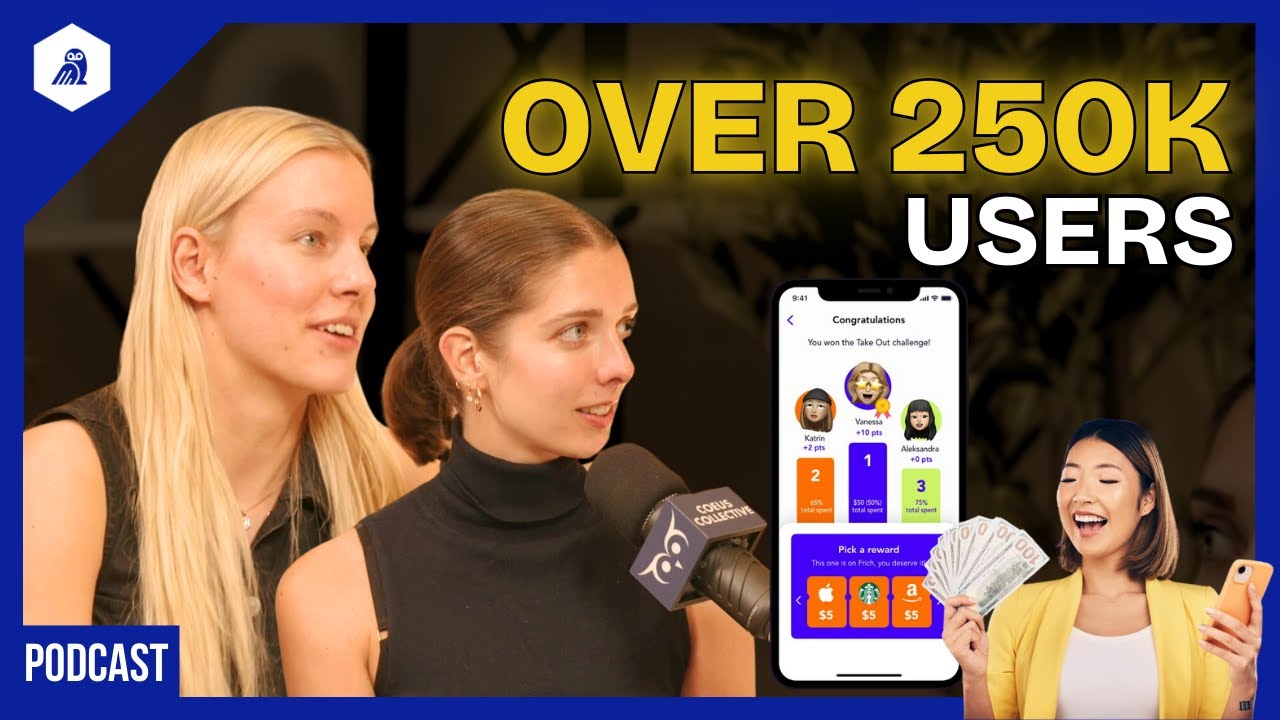
The $2.8M Solution to Unf**k Gen Z’s Finances | Katrin Kaurov and Aleksandra Medina - Frich



The Restive Perspective: Episode 2 with Katrin Kaurov of Frich | Cameron Peake