Butter vs Butter Blend vs Margarine in Baking | How big is the difference?
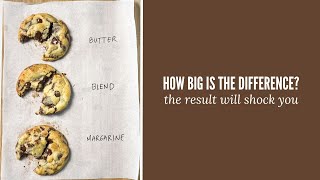
In this Tagalog/Taglish video, the host investigates whether cheaper alternatives to real butter—specifically butter blend and margarine—can be used in cookie baking without compromising quality. The experiment involves baking three batches of cookies, each using one of the three fats. The host evaluates the cookies on appearance, spread, texture, aroma, and flavor. Real butter produces cookies with a chewier interior, crunchier edges, a distinct buttery aroma, and a richer taste. Butter blend spreads slightly more, has an overpowering artificial butter flavor that can mask the cookie’s own flavor, and yields a texture similar to real butter but with a less appealing taste. Margarine spreads the most, yet its texture closely matches that of butter; its artificial butter flavor is subtle, making the overall taste comparable to butter, though still less distinct. The conclusion is that margarine can serve as an acceptable, cheaper substitute for butter in cookies, while butter blend is less favorable due to its strong artificial flavor. The host hints at future kitchen experiments in “Lesty’s Test Kitchen” to explore other brands and flavor variations.
Chapters
More from Lesley




‼️Trending Street Food in Korea‼️ Marshmallow Ice Cream 🍦 Want to try? #marshmallowicecrea
Make sure to do this every time you bake to check if your eggs are still fresh 😉 #baking
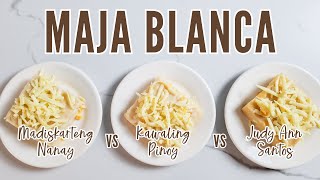
Recipe Testing Maja Blanca: Madiskarteng Nanay vs Kawaling Pinoy vs Judy Ann Santos