The Exact System To Get Clients With Paid Ads In 2026
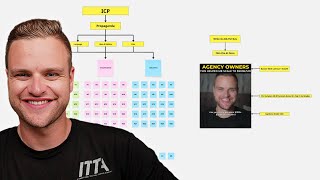
This content was created by valued-canopus. This content was uploaded by valued-canopus. This is a YouTube video titled "The Exact System To Get Clients With Paid Ads In 2026" created on December 27, 2025. It provides a detailed walkthrough of an advertising strategy aimed at acquiring clients through paid ads, focusing on funnel design, messaging, and targeting for 2026 and beyond.
Chapters
In this video we are going to go over the advertising strategy. We need to basically get tons and tons and tons of clients in 2026 and beyond. We're going to go over the funnel, how it works with the entire process, exactly what steps we need to do and then how we need to get our messaging right in order to attract the type of client that we want to basically sell. And most importantly we just as much as we want it to attract the right type of client, we want it to repel the wrong type of client. So on the screen here we have what our entire lead generation funnel should look like. At the top we have our four main traffic sources, we have our paid ads, we have our content, we have our outreach and we have our partnerships. In the middle of the funnel we have our lead magnets and our email flows and all of that kind of stuff. Then at the bottom we have our webinars and VSLs, we have our newsletters, we have our community appointment setters content, et cetera. They'll be qualified or unqualified. If they're qualified, they'll be going through our site, seeing our content, seeing our case studies, VSLs, getting our pre call flow and then on the sales call we'll either sell them or we won't. Right, so let's dive in on the paid ads here because there's a few types of paid ad funnels. In this one we're going to talk about the booking a call funnel funnel. So that pathway would be basically you're running our paid ads over here and we're going to hit basically a webinar or a vsl, basically a VSL in this point and through our messaging and through our funnel and all of that kind of stuff they are going to themselves determine if they're unqualified or qualified, but will also have an application form which I'll talk about in a sec. They are qualified, they'll be booking the call. You know, here they have our vsl. Between the time they book a call they're going to get the pre call flow which warms them up and we'll talk about that later. And then they'll get on a sales call and we'll sell them one of our offers. And that's basically how it will work here during this process. And I'm going to do it in a different color. We're probably going to get a few, you know, five or ten to one times as many people who basically get through the form, join our email list and all of that kind of stuff. But don't ultimately close. Those people will be getting our newsletter, they'll be reach out from our appointment center, they'll be seeing our content. If we do a once per week or once per month live workshop, they'll be going to that and we have just basically chances to reactivate them. Right, so let's go through it. This is what a the funnel would look like if we're actually doing it. I'm going to zoom in a bit. So if we're doing it from ads, because we're talking about ads here, not a content. The only difference in content, I usually put it to a lead magnet opt in page, but that is just not the case. I would not recommend that when you're doing ads. So we're running our paid ad here. The page will have a vsl, the VSL will have an apply button. So let's just open up something. It's just so we see what we're talking about here. So let's just pretend the ads went here. There's going to have a vsl, we're going to have our page. Little alignment issues on my end here. We're going to have our page now we're going to click that apply now button. So let's do that. And that's going to take us to the form. And basically the form is here. Do you have a service business or a SaaS? Do you already have clients? Do you have multiple business partners? How much revenue are you doing per month and so on? So I'm not going to submit my own form here, but when they submit the form, they're either going to be qualified or unqualified. Right. If they're unqualified, for me, it tries to sell them a course. So my thing that I'm selling is either 30k a year or 60k a year if they're unqualified. Through a series of questions there, they get a course that's 5k per year. That just is like cash in my pocket. Basically the same thing as a 30k or 60k but it's just missing a lot of help and feedback and community. But relatively the same thing. If they are qualified, they're going to be going to the qualification or the qualified pathway. All right, let's have a little. There we go. Let's put this here what we want to do and we want to note that no matter what it's going to be, the form is going to be going to the welcome flow. So we're going to capture their email either way and they're going to be put in our welcome flow and we'll talk about that later. Then we, they're going to be qualified, they're going to be booking a call. And here is where like I think that a lot of people are not really doing it properly. I've done a lot of this myself. I've taken a lot of it from other people. And I think that there's just a lot of things that we can be doing that will double and triple our close rate. So I like to kind of even break it up from, you know, this part into three parts. So this is basically everything that your ads and landing pages think about. This is basically our paid ads. And that's what traditionally people kind of think about. Right. And here we were going to call it like we're going to do this our pre call and then here is going to be the post call and I'm going to delete these lines just because they get to kind of drew them improperly. But if we're going up here, so if we go back to what we were talking about before, we have our, let's just delete a little bit of this. Basically what we're doing here in the context of this, we have, you know, going over here, down here to the book a call and now here, this is basically the form right here and they are either qualified or they don't. Let's just say here, so let's just say this is the paid ad part and then do. That's the pre call and then this is kind of the post call. So when we are doing this like the main metrics in the paid ads, you know, basically cost per click, you know, which is a function of click through rate. And then we have, you know, application rate and then book call rate because we need to get our clicks. But not everybody who clicks is going to fill out an application and not everyone who fills an application is going to book a call like so those are kind of separate metrics. And if we want to improve basically this part of the ad or best part of the cycle, we need to either get a better click through rate, we need to increase our application rate and we need to increase our booked call rate. But we also have to do that in the context of, you know, we're actually still targeting the right audience, right? Because we could just put Elon Musk is going to give you 600 if you click on this ad and we're going to get a massive click through rate. But we still need to balance quality with costs for this. Like this Here is going to be a function of two things. It's going to be our show rate and then our close rate indirectly our show rate is obvious. If you know we have a better pre call process, they're going to show up at 70% or more instead of 40 to 60% like a lot of people have. But also by doing this properly, we set the frame and we get them a lot more knowledgeable and we push them further along into the sales process if that makes sense. So that it sets us up especially when we generate enough calls to get a sales team and that kind of stuff. Or we have our head of go to market or we just whoever one of the founders is doing sets them up so that it's easier to sell. And I think that's a key insight that I got from Alex Hermosi in one of his short form videos once that instead of trying to improve your sales ability, just try to make it easier to sell. So our pre call flow, you know, just blasting them with email flows every four hours. You know, just think of the top 16 FAQs, objections, questions, all that kind of stuff. Make one email to each and then blast them. I either like a selfie video introducing myself or a voice note as soon as they basically, you know, book a call. So I'll have a zapier notification that as soon as someone books a call, it texts me their name, email phone number. So then I can one click it their phone number, click message and then record a selfie video and send it within, you know, two seconds. Then we have our retargeting ads which is kind of like the video ad version of our pre call flow, just doing all of the questions and answers. Then we have our manual reach out at the same time as our selfie video. And then we have, you know, stuff on the thank you page answering different questions, different videos, all leading up to the sales call. The sales call I just recommend not really a script but a one page plan. And I'm not going to talk about the sales call in this video, but I'm going to talk about the post call and specifically the follow up because a lot of people do not really do the follow up in a way that makes sense or in a way that's systematic or even doing it at all. And one of the best things that I've learned this year was pretty similar to what I did before, but it was from Alex Hormozi and he called it the 3730 because he loves to just put, you know, names for all of his Stuff to make it easier, remember, or to brand it, whatever. So Basically the first three days is you know, number one case study, number two or number one transformation and then number one insight. So my biggest case study is 500 or 463 million to 962 million a year. A big insurance company, that's the biggest dollar value. But my number one transformation is someone who is at 30k and is now at 1.5 million a month. So like that is a bigger percentage, even though it's not a bigger total value. And then my number one insight, then Monday, Wednesday, Friday of the next week. So that's where the seven comes in. And that's objection number one, objection number two, objection number three. And then 30. So every Monday we have a case study and every Thursday we have industry insight. And that's basically what I've been doing. And all of these are very, very important because what's lost in a lot of people, especially the kind of people who come from E commerce where you basically are just running an ad to a landing page and you know that they either buy or they don't like, people who have E commerce agencies really struggle with this a lot, that the ad is basically the start of the process here. And this is why I don't really like, you know, advertise or pay like I don't really like agencies or businesses that run paid ads for Legion because there's just a lot that is going on that they, your, your client or you would have to do. Like it's one thing and a lot of people who have E commerce agencies especially, they excel at this part. They get the cheap clicks, they get, you know, decent calls booked, right? But then they have no pre call stuff and they have no follow up. Like there's a lot of things and a lot of moving parts that just aren't there in a lot of other stuff. And it's very, very important that we know this and we realize this because we want to have success with paid ads, right? So our funnel, and that's what it'll look like in the paid adsense. And the, the thing that I really want to spend the rest of the video focusing on is the messaging. And I feel like this is the part where it goes wrong for a lot of people because the messaging is basically gonna decide with the algorithms who views your content, right? It's no longer a game of targeting or whatever, it's messaging. The algorithms are so good. They're all built on the Nvidia chips. Now. It's not, you Know, just infinitely more sophisticated than it was in 2018 if you were around back then. So basically what you do broad targeting and have your messaging and your creative basically do all of the targeting for you. I feel like the reason that most people don't basically have any success with paid ads whatsoever is because they really for some reason don't know who their ICP is. It's kind of a hard to believe I would say but for example, a lot of people will, how would you say? They'll basically write ads or write scripts because everybody kind of understands that you should be writing good ads that may or may not appeal to your target audience. You know, you do your best but a lot of people write them that in theory they appeal to the general target audience, but they usually go too low level in the target audience. So similar to the ads, they're basically your YouTube. Your content determines the audience. I hopefully make higher level content than most of the other YouTubers that you may or may not watch. But there's a reason that I don't make YouTube videos. On how to get your first agency client or how to get your first startup client or how to go to get 10k per month. Right. That is an example of there's a lot of people doing agencies and a lot of people want to work with the high level agencies and businesses that I do. But they target and do their messaging for low level business owners. You hear this all the time. I get nothing but crap leads from Facebook. It's not true at all. I've signed Fortune 500 companies to multi year contracts with Facebook ads as the first touch point. It's just you are not writing the messaging because you don't even know who your ICP is. My ICP, male agency owners, 25 to 35 doing 500k to 5 million per year. Under 500k. Not can't really afford my product and I don't want to deal with them. Over 5 million a year, probably don't need it. Right. So you like there's nothing stopping people not in that ICP from buying anything from me. But when I'm betting essentially my money on paid ads, you better believe it's male, 25 to 35 with messaging that appeals to high level business owners. And I feel like most people do not know what who their target market is. And you'll see people trying to figure it out. It's like E comm store owners, over a million dollars a year. You know, do you need X, Y and Z? And it just like just says it Just doesn't really do it in the same way that I'm talking about here. The messaging is so important because by having the right messaging it is a subtle indication and a very powerful one that you know their problems and you've been there before and you can help them. It's better, in my opinion than the. Any number of case studies or anything like that combined is actually making messaging that appeals to the target audience. If you actually do this properly, you know, you don't need any of that other stuff. You'll just be, it'll literally pop out of the feed at people. You don't need any case studies, you need all that kind of stuff. And on the upside, if you have all the case studies and you know, all of the testimonials and all of the social proof, but your messaging is off, it is not going to work, which is how it is. So you have your icp, you basically have one big idea around that. So my big idea goes back and forth, but a lot of time my big idea is that all of the problems in your business are basically because you're not generating enough leads. If you do that, and you do generate enough leads, it'll solve all of your other problems. You'll have higher margin, more clients, can hire better people, etc. But you have to figure that out for yourself. And then you need to go into the research phase where basically you are determining the language, the likes and the dislikes and the pain that your target market faces. The language is a very important one. I give two examples. One is in E commerce, you know, they don't talk about revenue, they don't talk about cpa, they don't talk about that kind of stuff. They talk about incrementality and contribution margin and all that kind of stuff. Essentially the same thing. Not quite, but essentially. But by talking about it and you know, viewing it like that, you are, you know, really, really doing a lot better job at resonating with your target market. And they're going to think that you're one of them as opposed to something else. Another good one I saw instead of a, you know, one month free trial, I saw someone say a no cost pilot project. Essentially the exact same thing. And. But that is going to resonate much, much more with the corporate environment that he's targeting. Another thing in the addiction treatment niche, it's like, are you struggling to fill your facility that's kind of a low level language or are you struggling to reach census is, you know, the keyword in that facility and just by switching that language out, you are going to get a much, much, much better result. The next thing is the likes and the dislikes and these are all part of your research phase. I always like the example is for many years and I still am a big auto insurance affiliate but I wasn't always big, right? I was, well, you could depend what big or not. But I was stuck between you know, the 1.5 to maybe 5 million mark for five years, I believe five years. And that was when 100% of my ads were around save money on your auto insurance. Because that's kind of logical, right? In my opinion, you know, who wouldn't want to save money? But when I actually did significant research on companies like State Farm and Progressive and nationwide and that kind of stuff, I actually, you know, exported all of their trustpilot reviews. Is this is like the turning point for me. And I put it into, well, I didn't actually put it into anything because ChatGPT didn't exist at that point or a lot of these things didn't exist publicly. Actually had you know, VA categorize them by like complaint or thing they liked and then sorted in a spreadsheet and saving money or it being too high priced isn't even in the top 15 likes or dislikes. The dislikes were they look, they're like your friend and then when you have a claim they either lowball you or take forever or there's mountains of paperwork or it's not transparent or whatever. And when I did the research and you know, like a lot of the likes and the dislikes are going to basically be versions of pain. You know, you've got to take what they say and turn it into a pain focused ad angle because pain is what gets people to move. You know, those ads did sometimes as much as four times better and a lot significant more amount of scale for me in terms of revenue than 1.5 to 5 million per year, let's just say. So when we do our research process and this is another thing that I got from Jeremy Haynes here is we want to basically take what we learned here, our ICP or lang or language they use the likes and the dislikes and the pain they have and turn it into different problems, different circumstances and different outcomes that your target market has, right? So we take away mine. Let's, let's go mine because mine's kind of easy to understand because agency owners is a, a big niche. So high level versus low level, you know, problems I can't get my first client versus problems I can't get past 300k per month, right? A circumstance. I, I've tried 40 different ads and landing pages and I can't, you know, it doesn't work. My, I can't get a single booked call. I would say that's kind of a powerful but a low level problem or circumstance. Versus every time I scale past 1k per day, my cost per booked call skyrockets. See how those target a lower level versus a higher level audience when it's essentially the same thing. And then outcomes, you know, I want to be able to acquire customers through paid ads versus I want to diversify my lead sources away from cold email into ads. You know, kind of the same thing, but higher level problems, circumstances and outcomes. It's good to know that like when you do this, these will look similar. But the goal here in my opinion is to narrow it down into the top 25 AD angles. So another one like I want to get my first agency client versus I want to sell my agency within the next 24 months. Like those are two completely different angles going to attract two different types of agency owners. So you're going to narrow it down and pick and choose what you feel are the top 25. I think the top 25, like basically how painful is it should be you determining the top 25. You can use your brain, you can use AI, you can research, but you're gonna have these top 25. Then what I do is at the start of the day, I do it on the treadmill, but you can do it whatever you want. I write four ads per day and then I'll film 25 ads all at once once per week and get them edited so you know, you don't have to do math. But 4 times 7 is 28 or even 4 times 6 is 24. And then you can film on the seventh day. And, and what I do is I'll always default to this form of ad here. So it'll always be a VSL ad like this with a banner with the call out and a benefit or some sort of, you know, thing that is interesting to them. That'll have a VSL between 30, 90 seconds based on the top 25 ad angles. And then we'll have the captions under the chin because that's where it's natural for it to look. Then I'll have nice clear audio. Just pretend that this is a video. For now it's just a picture. But you're basically doing all of this is you're going to have your funnel set up and you're going to get the right messaging all to basically make ads that look like this as a starting point. And if you can do that, that is really what's going to get you a lot of booked calls and clients from ads in 2026.
More from Matthew







Everything I Would Change About This Ecom Email Marketing Agency (3 HOUR LIVE AUDIT)

Everything I Would Change About This Meta Ads Training Business (3 HOUR LIVE AUDIT)


