Episode 7: The Role of Grief in Shaping My Purpose w/ Season Johnson
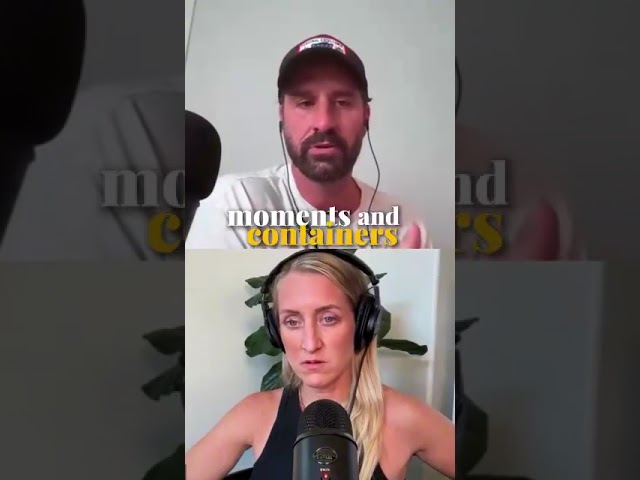
This is a YouTube video titled "Episode 7: The Role of Grief in Shaping My Purpose w/ Season Johnson" published in June 2024. It features a deep and heartfelt interview between Melissa Dlugolecki and Season Johnson, where Melissa shares her personal story of losing her daughter Layden to a severe medical condition and how that grief journey shaped her life and purpose. The conversation covers themes of grief, healing, spirituality, personal responsibility, and transformation, as Melissa discusses her advocacy, healing process, and successful entrepreneurial career. The content is an intimate and raw dialogue aimed at inspiring and empowering others facing similar challenges.
Welcome to Scar Tissue, the podcast. I'm your host, Melissa Dugalecki. And here we understand the power that lies within our pain, that lies within the scars and the wounds and the nicks and the burns that come with the experience of life. When we learn how to leverage this, it is a powerful tool and capital that not only can take you to your next level in your life, but can make massive impact on others as well in the most beautiful ways. So here on Scar Tissue, we have real, raw and relatable conversations that will show you that there is not one way to live, that the word should doesn't exist and doesn't serve us in the vocabulary of our lives. That you are meant to live and create your most authentic self, and that we are worthy of everything but entitled to nothing. It is up to us to create it and to create from a place of love, opportunity, possibility, and authenticity. Let's dive in.
All right, you guys, we are in for such a special, beautiful treat today. And while this conversation may. May just come across as a little bit of a heavy thought of being a bereaved mom and. And using grief to all of a sudden become a superpower through intentional decision, you're going to leave this conversation feeling totally empowered and. And hopefully inspired to actually take whatever. Whatever challenge you've been faced with and follow Melissa's guidance and advice in this. And I am so excited to introduce you to my friend Melissa, who's a new friend. I just met her for the first time last month, and I'm like, oh, my gosh, we need to hang out more. We actually live only about 30 minutes apart in Mexico. This woman is a brilliant entrepreneur, as you know, as I introduced her in the intro. But her story is really powerful, and I connected to her so quickly with just the hearing, hearing her story, where she came from and losing her daughter and what. What she's doing now and how she's used her sweet girl story and she's really created a legacy. And so, Melissa, thank you for taking the time to share with our audience and to inspire us to live better for. Live better for Laden. Right?
Thank you so much for having me. I'm, like, already emotional. Like, all right, here we go.
Well, I love you to just share. Tell us your story. Tell us. You know, here you're in Tulum, Mexico now. You're running a massively successful business, helping some of the top earners in the. In. In many industries run successful businesses. But that's not your whole story. The most powerful part of your story and how you Got here was a while ago, so. So tell us a little bit about that. Thank you.
Yeah. My daughter Layden was born in 2014, so she would be 10. And you know, I met you right, actually around her 10th birthday. And what that time in my life. I'm from Boston. I was living in Boston. I was an educator. I was a high school teacher for students with social, emotional learning disabilities, language based learning disabilities. So I studied how people learned and then I was a high school athletic director. And I really thought my life was going to be retiring in the education system. System and living in Boston and you know, working summers off. Kind of not really when you're an administrator, but summer's off somewhat with my then partner and you know, watching the New England Patriots every Sunday and you know, just that's what I thought it was going to be. I also have this very limiting belief, which is ironic because I'm in the business world now. I literally build people's businesses. Is I thought you either cared about people or business. I had this very limiting belief that if I cared about people, I don't care about business. Like, like it was a joke among my friends. Like, they'd be like, oh, what does so and so do? I'd be like, I don't know, he's in corporate. Like, I had no idea. You just, you were either in the business of people or in business. And that was it. And you know, my daughter lay in. When I was pregnant. We knew that she had a heart complication, but it was relatively minor in the world of heart complications. I had the same one and I've run many marathons. I was a Division 1 college scholarship athlete. So we knew and when she was born, they didn't feel as though it was so severe that they needed to do immediate surgery. So we went home and they said, probably when she's like 3 years old come back, she'll be bigger, she'll be ready for the surgery. And you know, the caveat was that she wasn't growing. Like she was born 6-6lbs 2oz and she regressed to 5lbs 8oz and she just wasn't growing. And she started to refuse her feeds and just was becoming very fussy and in hindsight, you know, all flags. But I didn't know. This is my first and only child at this point in my life. And they had us come back in for the heart repair. This was in March of 2014. So we had been home for about a month and it was supposed to be a very routine surgery. She went in, or she was going to go in for the surgery. But that morning the nurse found blood in her stool which was a possible sign of what's called necrotizing entercolitis, also known as neck. So they said, well, let's not do the full surgery. They put her on what's called neck watch and we'll just put a PA band on her heart. Which means basically instead of repairing the heart, they're putting a PA band on it to tighten, like hold the heart tighter to constrict blood flow. So they did that and they said it went really well. She's going to gain some weight and once she gains weight, you're going to go home. So it became like a waiting game for her to gain weight. And again, she wasn't gaining weight and she was refusing her feeds all of a sudden again. So then they put her on one of those NG tubes where it kind of forces the food in and she hated it. She would scream and I would shut it off. I'd be like, she is telling us something, you know, and I'm still not familiar with what's going on. And at this point, like, you just trust. I mean, we're the number one pediatric hospital in the world, right? You just gotta trust. You gotta trust the people with medical degrees. And they had GI come by and they said, well, it's either neck necrotizing entercolitis or a milk allergy. So I'll never forget because it was actually Good Friday. It's funny, isn't it crazy? I'm sure a lot of listeners can relate to this. Like I don't remember last week, I don't even know what the date is right now, but I can remember the timeline of every single day of Laden's life, every single day. And they took her off neck watch, but then they brought regular breast milk. We I wasn't breastfeeding because I needed to pump. And then they were putting fortifier in her formula because they wanted her to gain weight. And I said, well, they said it was a milk allergy or neck. So I'm not giving her this bottle. I'll never forget. I'm texting with all my girlfriends this day and they're all moms. And I was like, this is like the milk off. I'm literally walking my daughter up and down the hospital, like hall corridor, she's screaming. But I refused. I said, until someone comes and talks to me and helps me understand, like I'm not giving it to her. So they ended up bringing dairy free formula and she took it, and she started to improve. Then a week later, we're right back in the same spot, and they were discharging us. I said, just got to get her home in her home environment. She's got to gain, you know, she'll gain weight. And I was like, I'm not leaving. The condition was her gaining weight. She hasn't, you know, so she was six pounds, three ounces at three months, which means she gained one ounce in three months of life.
Wow.
So they said, okay, we'll do the full heart repair. And so we went in for the full heart repair. And it wasn't like I asked them to. Like, they were just monitoring her. You know, I'm not making a medical decision today. But they said, all right, let's do the full heart repair. Like that, That's. And then, you know, then she'll be. Her body will be able to recover. So she went and they did the full repair. It went really well. We gave her a bottle. They said, you're going home. We were celebrating. Her father and I went out to dinner, and we came back and it was like the next day. And, like, her stomach began expanding. Like, it looked like a little bowling ball in her belly. And I'm like, okay, like, what's going on? And they're like, all right, we're just gonna do like an exploratory abdominal surgery. In hindsight, I should have been freaking out. I was almost too calm. It's like, okay. Like, I'm so trusting. Like, it'll be okay. It'll be okay. They bring her in, and they said, we found some dead intestine. We removed it. This is about a two week delay, you guys. Then you're going home. Like, okay. They then two days later, had to bring her back in because she was not recovering well. And they opened up her abdomen. They found no more dead intestine, but they said, we need to leave her abdomen open. And it's like kind of like breathing room. It's got to heal, but she's okay. And then a couple days later, they put her on what's called ecmo, which is basically life support. And it was just like, what just happened? Like, within a week, my daughter went from, like, cute, like, part of the reason, I think that they were going to discharge us, and part of the reason, like, maybe she was overlooked a little bit, was that she presented really healthy. Like, she was adorable. She looked really good. And they thought maybe she was just a little fussy or a little high maintenance and wanted to be Held because she loved love so much that, like, literally, I look back and all that pain she was in, if she was just being held, like, she was pretty chill. She was fine. So it was almost like this narrative that she was just kind of high maintenance. It's like a little infant. Come on.
Yeah.
So they took her off life support, and everyone came in after two weeks. She couldn't be on any longer. And they said, you know, she's not going to live. We have to take her off this machine. And everyone came and said their goodbyes. Her father and I wrote promises to her. We read the promises to her. They took her off life support, and she lived. And I was like, oh, my God, my daughter's not dying. Then we put her on dialysis, and it was a couple weeks later where I actually saw for the first time in all of this. Now, we couldn't hold her after her abdominal surgery, which was May 14, and she lost her life on June 19. So an entire month, I couldn't hold her. So she's laying there and she has all these tubes in her. And I'll never forget because it was Father's Day, and I went to see my parents that night, and my parents, you know, it's like, become normal, right? I've been in the hospital 90, you know, three months, right? And they're like, how's Laden? And I'm like, you know, she cried for the first time today, and she couldn't make noise. There was no audible noise, but I saw tears rolling down her face. I'll never forget it. And one of the promises that we wrote to her when we were taking her off of the life support machine was Layden. We promised to fight this battle with you as long as you lead and as long as you lead. When I saw her crying, I got nervous, and of course I'm not gonna say anything. And three days later, I got a phone call. I was at work. I had to go to work at the time because we needed insurance. Yeah. Father wasn't working at the time. So I'm in a meeting, and they call and they're like, hey, we need you to come back. And I was like, no, no. They're just changing the bandages. Like, you guys are good. They're like, no, we need you to come back. And I knew, and I'm like, no, I'm not. Not coming.
No.
They're like, you need to come back. I'm like, okay. So I head back to the hospital. I'm on the phone with her father, and at this Point, I didn't trust anyone except this one woman. She was a mother of five, and she was a, you know, head of cardiology or a really high up. I don't. Her exact title. And I said, well, I'm only meeting if, you know, Sarah's there. And they said, well, Sarah's not on. And I said, well, then we're not meeting. And they called Sarah. And I was like, shit. And, you know, sat us down and. And said, you know, we believe, you know, Leighton has a 0% chance of living, and we believe she's suffering. And I'll never forget, her father said, what is the dissenting opinion? Which was really such a powerful question to ask. What was the. What is the dissenting opinion? Like, what is the other opinion at this table? And they all looked around, and one of her original cardiologists said, honestly.
It'S.
That we could have had this conversation sooner, but we didn't want to because of what happened and of how much we love you guys. And so that was the last night I held Leighton in my arms and drove home with an empty car seat in the back, which is an image I'll just never forget. And that, you know, I say, setting her free of her suffering literally ignited mine, because now I'm on the most painful grief journey I could ever explain.
And you fought every step of the way and didn't.
Oh, I was crazy, Mom. I was crazy, Mom. I. I mean, when she was in the icu, she became the cardiac icu. She became unrecognizable. And she was the most beautiful infant. Like, beautiful. And I took. I took so many pictures of her. I had all of these printed, and I covered the hospital room so that, like, the doc and the doctors come in and be like, that's who you're treating. You know, when they had to take fluid off of her, I went and found a bottle. I poured water in it. I took the ink out of a marker, and I put the ink in the bottle so that you could see the water. And I was measuring how much fluid they got off to try to incentivize the hospital staff, you know, and then I. I recorded voices, or I recorded. I ordered a recorder, and I recorded myself reading her book after book after book after book. I mean, I hung pinwheels from strings because she couldn't have a mobile in the cicu. They can't have them. But I didn't want her staring up at nothing, so I put, like, little pinwheels, and I hung them from strings. So if it Fell down, she would be okay. And I really fought with them to dim the lights. And they were like, the lights aren't the issue, Melissa. You know, and I'm like, we're dimming the lights and to move all of her tubes so that there was more parts of her body I could actually touch. And so like, I fought so hard and I, I did not think, even in the moment that she took her last breath, I wanted to undo it. I wanted to be like, wait, never mind. Wait, wait, wait. Take it back. Undo. I didn't mean that. Like, no. And I just, I fell to the ground. I think because she had come off life support and lived, there was a part of me that thought she was going to live again. And that's probably a survival mechanism in hindsight, but I really did. And yeah, I never, I honest, honestly and call it denial or survival, but I didn't think she was going to die.
Well. And I, I wonder that is almost a God given gift as a parent to like have a healthy level of denial. I mean, we have to keep fighting until it's. And you, you made that agreement with her. Like, let us know when you're done fighting and when you. For her it wasn't, I think so many parents, and you've probably recognized this now in retrospect and maybe even other families you came across through this journey, but they are so intimidated by the medical system and by the doctors and by that they act like the doctor is working for that or that they're working for the doctor. Yep. And so even you just making sure that this particular person has to be at the meeting and advocating, that's a really powerful. And now we see fast forward. You're running this super successful business, but you advocated for her and you never quit. Yeah.
Thank you. Thank you. And, and I, I shared this at, at the event, you know, that I hosted that where we met. But I think that really allows me to. We never move on, right? Anyone listening? Like, we don't move on. There's no timeline. It's 10 years later. I can still like barely like function on her birthday. Like, my body's just in so much pain. You know, this year was actually the first year that I really felt like I really enjoyed her birthday. It was such a celebration. But, you know, there's no timeline. But when I look back, I feel as though I went all in. I went all in on being a mama, on fighting for her and being our advocate and this is what I live now and actually supports me in business is let Go of the result. We don't know what's going to happen, but attach to the process and go all in.
I'm going to ask you something that I think just comes up for moms that have a child that's unwell, or in this case, that was healed in heaven. Like, how did you get over any feelings of guilt? And I think in. In prefacing that. Not assuming that you would have 100% had that. But I just know even with kicker when he was diagnosed, like having a baby that's sick and is. Is given this like, diagnosis, right? And having to go through all of this. And I. I've found a commonality that a lot of moms carry the guilt of, like, oh, this is. This is hard. Like, this feels heavy. Why? What did I do? Or what did I not do? Did you experience that at all? And, and if you did, how did you kind of navigate through the. The guilt, letting go of any feelings that this was your responsibility when. When we know, we know it's not and it wasn't.
I carried so much guilt. I'm. Historically, I think a lot of people can relate. I'm very hard on myself, or I used to be. I'm much gentler with myself now. But I was looking like I was trying to create a scenario where someone could say it was my fault. So we had like a debrief meeting at the hospital after Laden died. Of course, I like, demanded that we'll say requested and I want to debrief. I want to know everything. And I kept saying, like, well, is this, like, because of me? Because I had heart surgery. And like, I was. I was like, if I have another baby, will the baby be at risk? They were like, no, your future children will not be at risk. And this actually wasn't because of you. It's actually not hereditary. And neck is what she died of necrotizing entercolitis, which I don't even know that I mentioned that that was what she died of. She didn't die. Her heart was fully functioning. And it wasn't that she was officially diagnosed with NEC until it was on her death certificate. You know, they called her case a catastrophe. Well, calling someone's case a catastrophe is only going to amplify the guilt. Like, what could I have done? What could I have seen? Because I look back and I see all the signs now. So I felt beyond guilty. I felt like I fucked up as a mother. Like, your job is to keep your child alive, and I couldn't do it. Good job, Melissa. Right? And I. I would spend every Friday night for quite a long period of time. I would go through her medical record, reading it page by page by page, which was over 22,000 pages, to find something that I missed or to, you know, they would write notes about parents. So it's funny to see, you know, they would write notes about like, mom was not too happy.
Right?
You know, or be like, mom left for the day. And I'd read that and feel, like, mom guilt. You know, sometimes I had to leave and go. You know what I mean? Like, we're. That was. That was a hard one. I remember the first time I laughed, really feeling guilty for laughing. I wouldn't listen to music. So, long story long. I really struggled with guilt. And, you know, I did a lot of work. I still do, but my therapist definitely helped me. My church really helped me. I remember asking my pastor if I had been punished, what had I done wrong? And what was said to me was, melissa, if you believe in a God that punishes you through killing your child, that's not a God I want to believe in. And that was very helpful. And I think what I did at first was I just began doing a lot for Layden, you know, fundraising, ran marathons for her. And it's very common for people when they lose a child. You know, nonprofit work, all the ways in which I was keeping her light shining. But ultimately, it was really for me, too. You know, you just.
You just said something that I think you need to recognize is actually one of the superpowers that you have and what you've taken your grief journey is you. You made the comment, you know, and the things that we do to honor Layden. And you said, run a marathon. Okay, hold up, hold up, hold up for a hot second. Not just run a marathon, but run the Boston Marathon. And not just one time, but multiple times. I mean, this. Tell us a little bit about that, because I know you would watch. You watch the marathon when you were in hospital with Laden, and you made her promise. Right.
Thank you for pausing in that. Sometimes we forget, you know, some of the significance of our stories, but On Marathon Monday, 2014, this was the year after the Boston Marathon bombing, so it was a very big year for the city of Boston. Now, the Boston Marathon started in my hometown. I grew up watching it. Like, all the Kenyan runners came to my elementary school and ran a lap with us. You know, we were very small town. We didn't have a lot going on, so this was a big thing. Now, I've done sports and always been an athlete. And On Marathon Monday 2014, we were in the hospital. We had a discharge date. They told us we were going home on Friday. This was actually right around Good Friday and Easter when they started her on the non dairy formula and she was responding better. And I said layden and I took a video and I was like, you're kicking your legs, you know, kicking your legs for the marathon. And I could picture it like she was wearing a gray onesie, long sleeve onesie. I still remember I'm kicking her legs. She actually had long legs for a little baby. And I sent it to her brother, or my brother rather. I'm sorry, her uncle. And I said, later, next year we're going to cross that finish line for Boston Children's Hospital. And after she died, I remember at this point I'm on children's email list getting something about applying to run the marathon for them. And I was like that. You guys called my daughter's case a catastrophe. And then two things kicked in. One, I made a promise to my daughter, we're going to run that marathon. Two, if the hospital needed to do better, they're going to need money to do better. And I wanted them to do better. So I, I applied and I got a spot and it was a big part of my healing. And I ran, I believe, five years in a row, Boston. And I became an ambassador for the Boston Children's Hospital team. I was their keynote speaker. So it was so funny, all of this from a promise to Layton and. Yeah, just my commitment to my daughter.
And I think that that comes full circle too. To what? The question about guilt. And you, I love that you admitted that. I think that that is something that I think we're afraid to admit because it almost is a way of like out loud assuming responsibility. And even though we know that that isn't what it is. Right. And just kind of speaking that out, but hearing you say the work you have to do, continue to do and did on yourself, seeking counsel from therapy, church and then serving other people. Yeah, like service. And, and that's something that I learned when Kicker was diagnosed. We started our non profit less than a year later. And I felt like it was because serving distracted me from my own victim pain and allowed me to like to funnel that energy. And you have been and are showing this example, the opposite of victim. And you said earlier, before we hit record, you said the statement I have and had every. You still have every excuse to make to, to not do anything. Yep.
Yeah. I mean, and I'll tell the story about entitlement. And that kind of what came through to me, because that, that is. I honestly believe my message that I'm meant to share in this world. Because as a bereaved mom, like, I don't believe in a hierarchy of grief. I do believe in a depth chart. Like, if, if my, you know, I don't even want to put this in the universe, but if anything happened to my dog, I'm going to grieve. It's grief, but the depth of it will be less, right? I don't believe in hierarchy, that any grief is better than the other. There's a depth chart, of course, right. So there's a depth chart to love, right? I love everyone, but not everyone gets the deepest parts of me, you know? So I had to take radical responsibility. Like, grief requires a whole other level of responsibility. Like, we don't understand responsibility. I. I don't think until we're in that. Because everyone in the world will give us a get out of jail free card. Everyone in the world. We can. We could. I could still be in victim. I could still be holding onto the story that my daughter's case was a catastrophe, right? I could still be holding on to the why me? What did I do wrong? But I knew that that wouldn't honor my daughter, right? And so I really believe in transmutation, where we can take the depth of something and then forever how deep it is, that can actually go to that level of height. So it's like they parallel each other, right? But if something's only surface level, you can't really take it that high. But the deeper something is, the higher you can transform it. And that's what I've been doing. But I had that moment I shared with you where I was just walking around Boston, right? By Boston Children's Hospital. After my daughter died, I didn't know what to do with myself. And I was definitely a victim 100. And like I said, you got anything? If I want to. Parking ticket. My daughter died. You know what I mean? Like. Like, I was like, these have nothing to do with each other, you know, like Melissa getting responsibility. And I actually, that never happened to me, but just an easy example. And I've witnessed people leverage their pain and suffering to be a get out of jail free card. I've witnessed it. I understand it. I'm not judging it, but that's not fully being a responsibility, right? So I was walking by the hospital, and I swear to God, the clouds, like, parted and there's like this light. And I remember stopping and it was like, literally this voice that was like, melissa, you're. You've been walking around like, you are entitled to a healthy child. You're worthy of one. You can grieve not having one. You can feel pain, but you're not entitled to anything. And I'll just never forget I realized I was living so much of my life as if I wasn't worthy. Like, I was looking for other people to validate me or, you know, I wasn't really looking. I didn't. I was really in debt because I was a worthiness conversation. I was over exert. I'd over give. I was people pleasing. I was doing a lot of things. I was doing things to prove and get approval and that those are all rooted in worthiness. So I wasn't living as if I was worthy. And then I had this. All these subconscious entitlements like, well, this should happen and this is how it should go. And. And so that moment really, really changed things for me of like, you're worthy of grieving, but you're not entitled. And now I can see if I'm not entitled to anything, well, then therefore I can be grateful for what I experienced because I had the gift of being a mother and lead and picked me. Wow.
That in itself. I'm like, okay, mic dropped and done. Now you snuggle myself to sleep and cry. That's the most beautiful perspective. And I think it's so true. And I would have to ask you, because you mentioned this and this. I struggle with this every. Every day. Every time I talk to a new mom or I've been on the other end of a call when a mom's called me, holding her daughter when they've taken her last breath, and I'm for some reason the first person that. That picks up that phone. And so how do you. How do you come back to that question that you asked your. Or you. What you said to your pastor, and your pastor said to you, if that's the kind of God you believe in, then I don't. I don't want to believe in that God. And all this to say, full circle. You're 100, right. We are not entitled to anything. We weren't entitled to a healthy child, but we're worthy of it. What would you say to people that are really struggling even with faith in this? And like I hear all the time, what, why would a good God allow kids to get cancer? Why would a good God take a sweet little girl named Laden and only let her be here for three months?
Yeah, I will say that at this point I really found myself shifting more towards spirituality and I, I didn't necessarily believe in a God at this time. And I began, you know, studying afterlife and soul contracts and a lot of spirituality. Things that were felt more healing in my journey. I very much returned to believing in God and, and you know, maybe I don't align myself with any one particular religion, but I do believe in God and I do believe that God can blend with spirituality. But for me, I did need a little bit of space. You know, I grew up in the Catholic church and Catholic guilt is the term for a reason. And you know, I went to a Catholic colle and actually in studying religion I became turned off by felt very punitive.
Right.
Very fear based. Not that we're going to talk about that, but an answer to your question. I kind of focused on spirituality, humanity. I studied a lot of Buddhism and just different. I attended a Unitarian Universalist church which draws on all different religions and beliefs. Like, you know, it'll be Judaism, it'll be Buddhism, it'll be Catholicism. Like it's just all different teachings every week. And I think that was probably my way of still being connected to Source and not feeling like I was a sinner who was punished.
Yeah. And I think that's a good point. Just the, that it, it's, it's not per. It's not a personal punishment or attack or. Yeah, that's good.
Something else I'll just note real quick is that if I felt like I was being punished, I was actually making it all about me. And I had to realize Laden's life and journey wasn't about me. And it was actually a real big practice to look at. Where am I making other things about me?
Yeah.
And I think it's a human thing where we're self interested beings. But it was definitely an opportunity. Grief has been, you know, an incredible teacher for me, but it was an opportunity to not take things personally or make them about me.
Yeah, that's so good. And that's the opposite of the victim mentality that. So you had that this moment and became really clear like, okay, yep, this is not what I want to do. I don't want to circle Boston children's and feel sorry for myself anymore. I need to do something more. So what was kind of the shift that really got you today to this superhuman, beautiful, amazing, changing people's lives, changing people's businesses, and still speaking about this really heartbreaking, but beautiful story of your daughter?
Yeah, you know, I'll say that it wasn't. Many people are afraid to start or transition because they want to know how it's going to go or what's going to happen. And, like, I had no idea someone had told me this is what I'd be doing. I wouldn't have believed them. When I first started, I, you know, I began in my spiritual journey. I. Part of that was I took a yoga teacher training and began practicing and studying yoga. And I studied neuro linguistic programming, understanding, like, how to support my mindset. You know, I had a therapist, I had a coach. And then I began studying holistic health. And that was a really interesting thing for me because I didn't trust. I no longer trusted our medical system. And so I began studying holistic health. Now, previously, I had been on anxiety meds, I was taking acne medication, I was carrying Tums with me everywhere. I would take Advil. I would drink so much coffee to stay awake. Not just because I enjoy coffee, you know, And I had my own sick gut. Most people do, you know. So I actually heal my gut. I haven't taken a pill since 2016. Like, nothing like, wow, can't get me to. So as I began healing, that became a way that I honored my daughter, was by teaching people about gut health, mostly through juicing and seeing food as a medicine cabinet instead of, you know, a freaking buffet party. Like, literally, you're. You're fueling your body. Everything you put in there becomes a part of you. And, you know, I. I was joking, actually, on a podcast earlier today saying I used to think Splenda and grape nuts and a whole lot of skim milk was, like, healthy. Like, I thought I was like, Ms. Healthy.
Right child in the 80s and 90s.
Right, right. 100% like that. I have that for, like, dinner sometimes in college, you know, thinking, I'm going to lose weight. I'm going to be so skinny. Right? There's no fat. Like 200 calories.
Yeah.
Cool. Melissa, you just dumped chemicals in your entire body.
Right?
So once I began healing this and my health really improved, it actually very much helped me. And I would. I would offer this to anybody, you know, who might be having a hard time right now. If you can double down on how you feel your body, it's counterintuitive because everyone wants to bring you food, comfort food. Right. And alcohol can numb the pain. I get it. But you know what I really believe is it's like, think about it like a bank account. If we are already making so many withdrawals and either grieving our child or managing the health care of our child. We're withdrawing, withdrawing, withdrawing. We got to put some good deposits in there. And one way that you can put some good deposits in there is through how you nourish and fuel yourself. That's actually really supported me in my grief journey because I felt better, I had more energy and it allowed me to begin in that. So I began my journey in entrepreneurship as a mindset and holistic health coach. And then I partnered with another woman who was in fitness and nutrition. So I was doing both one on one private coaching and then we put out a group and then I began studying business strategy and I joined masterminds and programs and begin studying it and taking notes from all different spots. Like I love to learn, I love education was my background. And the business grew to you know, six and then seven figures. And so then people came and were like how did you do that? And so I began coaching one person and then one more and then all of a sudden I'm like realizing that my system and process that I've developed for growing your business without worrying about followers. Right. All organic growth, no paid ads, was much was huge and could really help a lot of people. So I have been doing business strategy at for different levels and they went from newbies to seven figure entrepreneurs multi seven figures for the last 5ish years now. So that's how I got there. But it started with coaching gut health because laden ultimately necrotizing entercolitis neck is actually ultimately a sick gut.
It's sickening.
Yeah.
But I love that you, you focused on healing your body first and that if you're, while you're listening to this, I hope that you take away her advice is no matter how much you're maybe hurting right now or you know, of course as a caregiver, if you're a caregiver of, of any type, like yes, it's, it is hard to take time for you. But if you really want to heal and you want to be the best version of you, you have to heal your body and you have to use foods and nutrition. We have a mutual friend, Eric, who I love when he says he's, you know, very successful entrepreneur. And he said he's had people come to him and, and say teach me how to invest in real estate, teach me how to make this money. And the first thing he'll say to him is I'm not going to teach you until you take care of your health. Yeah. Because that is the most important thing is your physical and emotional health. And then we can talk finances. Yeah. And you did it. And I mean, probably not even consciously.
Right, Right.
Like, just. That was the order you did this in. And now being. By the way, you guys, she has a six pack. Like, yes. She is the epitome of health. She runs marathons. She is super strong. Has a six pack. And you have healed your body, you've healed your mind, and you've allowed your healthy version of Melissa today to also contribute to other people's healing, which is a superpower. Like, it's incredible.
Thank you. Yeah. We gotta start with ourselves and in grief. So off. Thank you very much. Keep up with Eric's six pack. All right.
We all have a bar. Like, I'm keeping up to yours. You're working on Eric's. We'll just. We'll go from there.
Can I genetically do that? I don't know. But so, you know, what I'll say is it's very easy in grief to go backwards. It takes a lot of courage to go forwards. And that's because, like, we want everyone else to fix us. You know, I was talking about this with Gerard, who, you know, actually today, and saying how, you know, in the. The societal norms of the male and female roles, it was like, Layden's father, my daughter's father, should just take care of me and fix me. Well, our relationship, one, was not super foundationally strong.
Right.
For a number of reasons. Two, he was navigating, not having a job, which was a huge part of his identity. And three, he had been married previously and had a daughter, so he had a lot of things that, like, he actually needs to take care of. And I. I think shifting in that, like, no, you have to take care of you instead of looking for everyone else to take care of me, whether it was him or someone else.
Yeah.
That's a lot of what I speak in, in grief. And grief doesn't necessarily just mean death. Right. If somebody has a sick child, you're grieving the future you envisioned right now. You are grieving normalcy. You are grieving the life that you thought you'd be living on a soccer field or whatever it may be. That's grief even. No matter what happens, there's a grieving process that happens unrelated to death.
Yeah.
And one of the concepts I really teach is understanding teammates. Now, it's probably too much to get into right now, but it's understanding different people can play different roles in your healing, but no one can do your healing for you, and no one can be everything for you. So, like, my Brothers were not going to be my listeners who could listen to me in it. They just. But they could very authenticate. It was too painful for them, Too painful for them. But they were really good at what's called distractors. So, like, I want to go to dinner. I want to laugh. They are there for me. They love me so much. But if I got mad at them because they couldn't be with me in every aspect of my grief, our relationship would have been really severed.
Yeah.
See this a lot. Season. I see this a lot, is that we have these expectations for one person or two people to be able to meet all of our needs. And the truth is, they cannot. So we have to meet all of our needs and take care of ourselves. We have to know our worthiness of it. We have to take on more responsibility than we ever want to. You know how pissed I was to have to do this? I didn't want to do it. But when we do it now, all of a sudden, like, gosh, we know ourselves better. We can risk more. We trust ourselves, you know, and our relationships will strengthen when we're. We're whole and we're looking to expand with someone rather than asking someone to, like, fill our emptiness.
Yeah, that's so good. We can't. We cannot wait for somebody to come and save us. It's all on us. And I. You are a perfect example. And I hope this inspires those of you listening that Melissa's example of tragedy, then choice, then intention and effort and continuous effort. Because, yes, you have every right. Every March, every June, the anniversary of her being healed in heaven. Right. Is June. Is that correct?
Yep.
Yeah. You have every right that, like, those could be triggers that actually send you backwards and you could. So you are making. You made the choice, you have the intention, you have the continued effort that you're going to do the hard work to keep moving forward and changing lives. And I just. I think that that is such a powerful understanding. You can't wait for somebody, one person, two people to come and save you. And, yes, we have community. I always say healing happens in community, and we need our community. Healing doesn't happen with our Just our spouse or just our best friend or just our brother. So that's. It's such important message for people.
Thank you. Yeah. You know, and if you don't know how to start with you, like we were saying, start with your health.
Yeah, yeah, that's so. And working out, moving your body, that actually gives your. You the endorphins and the motivation to then go you know what I think instead of cereal this morning, I might fry up an egg and some grass fed butter and have some greens with it.
Right, Right.
It's like it's a propelling of a series of events that happen when you start creating those endorphins and you realize you're responsible for doing it through active action. Yeah.
It's momentum.
Yeah.
The way we're always building energy in one in, in a certain direction. Energy is always in motion. So even when someone feels like they're stagnant, you're actually not, because energy is always in motion. But grief is going to really put us on a certain path and it takes a lot more intentional effort and it's exhausting. Imagine as if you're like going against the tide. That's kind of what grief feels like for a while. And then I actually think what happens is you learn how to work with it and you actually learn how to leverage it. So many people either avoid it or resist it. My support and my invitation would be don't avoid it because that shit will fester. And the people who avoid it are the ones who are like, you know, going, losing their mind, you know, like going crazy, like snapping at the barista at Starbucks or you know, domestic abuse or going road rage. Right. That's what happens when we avoid. So don't avoid because that comes back up. Don't resist because it's there. It is the reality. And we resist and we fight it, which I think many people do. It's like you're just swimming against the tide.
Yeah.
So instead, how can you roll with something? I don't know, how can you work with it? And so what I try and really do is leverage. And that is a word that I come back to a lot around grief is like, how am I leveraging this energy? I very much believe in transmutation of energy. So energy can't be created or destroyed, but it can be transferred, transformed, transmuted. And so if we have this very deep energy, how can I transmute it? Because it's potent. It's a potent energy. Grief and pain. So how can we transmute it? And I think the best way to do that is through service.
Yep. 100. And that's exactly why when I was like, what are we going to title this episode? It's let grief become your superpower. Because that's exactly what you've done is letting that be. But not passively, of course. And that's important thing to recognize. It takes the effort and the intention. And first the Decision.
Yeah. You have to actively grieve.
Yeah. And you said something that was really powerful. And I, I want everybody to understand that when you made the comment about driving away from the hospital and Layton's empty car seat, it's. It never goes away. You are always missing one. Always, forever. You will miss one. And somebody explained to me that grief is like a backpack. And some days it is filled with bricks and it's impossible to roll over. You're wearing it. You're always wearing this backpack. It never comes off ever, ever, ever for the rest of your life until you meet Layden again. And some days that backpack is filled with so many bricks that it's hard to even roll out of bed with it. And some days you don't even hardly notice it's there, but it's there. It's always there. And so recognizing that, I think in your point of, you can't resist it, you can't run away from it. Accept it. Use it as a superpower.
Yeah. And leverage it to be more compassionate. You know, one of the stories that I share is when I was in Trader Joe's and I didn't, I couldn't know, I didn't know where I was going. Like, I just didn't know what was happening, happening. And people, it was a busy, you know, afternoon and people are like, excuse me, move. Hello. And I remember just abandoning the cart and leaving and crying. And I remember thinking, if any one of those people knew my daughter had just died, no one would have done that.
Yeah.
But then that made me think, okay, so now am I leveraging grief? How can I be so compassionate? Because I don't know what someone's carrying. No one knows. People are shocked when they find out I'm a breed mother. Right. Yeah. I get a lot of like, oh, this blonde hair, blue eyed, you know, entrepreneur, living in Mexico must be nice. Right? But grief, when we leverage it, we can actually love harder. You know, why else? Like, I love so hard. I genuinely love so hard. One is, I had so much love for Laden that, like, I don't know where to put it sometimes. Right. And. But two is when we feel such deep pain, we feel such deep pain. But then we can take that pain and we can turn it into love.
Yeah.
You know, oh, so good.
This is so amazing. This has been such a beautiful conversation and I appreciate your transparency, your vulnerability and really just willing to share the gross, the hard, the ugly, the beautiful, like all of, all of the pieces. And I think that just speaks so clearly to the incredible Life you're living now and the example that you are. And even though you're still carrying the backpack.
Yeah.
Never take it off. Like to just. Yeah. But to experience that with you and witness it from the sidelines, watching you teach and educate and then it's beautiful. So before we go, I do want to ask you, what is something that has been inspiring you lately?
I've really been. Oh, that's a tough one.
I know. That's why I like to ask it. It always stumps people, like, wait, oh, gosh.
I've just really been inspired and excited about the unknown. Like, I wonder what is going to happen here. I wonder what that's going to look like. And not from a place of control or wanting to know. A place of such trust, excitement and reverence and joy and trust more than anything. And so I think I feel really inspired just in general by, like, the trust that I have in this world. Like, not. I'm not talking about people. I'm just talking about in. In this lifetime of the unfold. That's felt really good. And I think, you know, I've been really elevating the. The way in which I'm working and people I'm working with and the conversations I'm having. And I think the depth of conversations that I'm having. Right. Like, I can't remember the last time I had a conversation about the weather or something. I can't even. I couldn't even tell you.
Right.
It's all about, like, vision and mission and opportunities and all of that. So those things really, really light me up right now.
Yeah, I love that. I feel similar. It's funny you say that. I feel like I go on my evening walks and I think living by the beach, obviously we're so blessed to have access to seeing creation every day, every moment. But I felt this, like, anticipation that, that I love how you said not control. It doesn't feel like that. It feels like an excited anticipation about what's to come.
Sure. Yep.
And that is, That's. That's exciting. I love that. Thank you for sharing and thank you again for being on. Thanks for taking time to share Layden's story, to share your story, and it's just an honor to work with you.
I'm.
I'm going to link all of her contact information. I actually am in Melissa's program right now, learning from her from a business perspective and getting counsel from her every week as I build my business. And it's incredible to be able to align with somebody who understands the depth of purpose and mission and has a tender heart to grief and to people struggling and. And that's obviously the business that I'm in, is working with that. So thank you for being a part of that as well and for sharing today.
Yeah, we gotta get. We gotta do everything we can to get this work out there more widely. So thank you so much for having me. Thank you so much for tuning in and sharing the space of scar tissue with me. I hope you found value in this episode. It is truly my commitment and goal to bring what I believe will serve you in your life no matter what you're navigating. Again, this show is inspired from the loss of my daughter Laden and through my grief journey, really understanding empathy, understanding empowerment, understanding how to be the creators of our lives in whole new way that is stronger than circumstance, that focuses on progress, not perfection, that loves the process, loves the process and lets go of attachment to outcome. So whatever resonated the most with you, allow that to serve you and you elevating to your next level. And if you love this show, please share it, please pass it along, spread this work and would mean so much if you took a moment to even rate and review it on Spotify or Apple podcasts. Appreciate being here with you all and it is an honor to witness your journeys and your greatness.