Nathan Miller uses Ecclesiastes to argue that nothing material lasts beyond death, so chasing wealth and pleasure is pointless. A wise person stays aware of grief and mortality; a fool chases endless pleasure. Confronting death clarifies how to spend your limited time and with whom.
Chapters
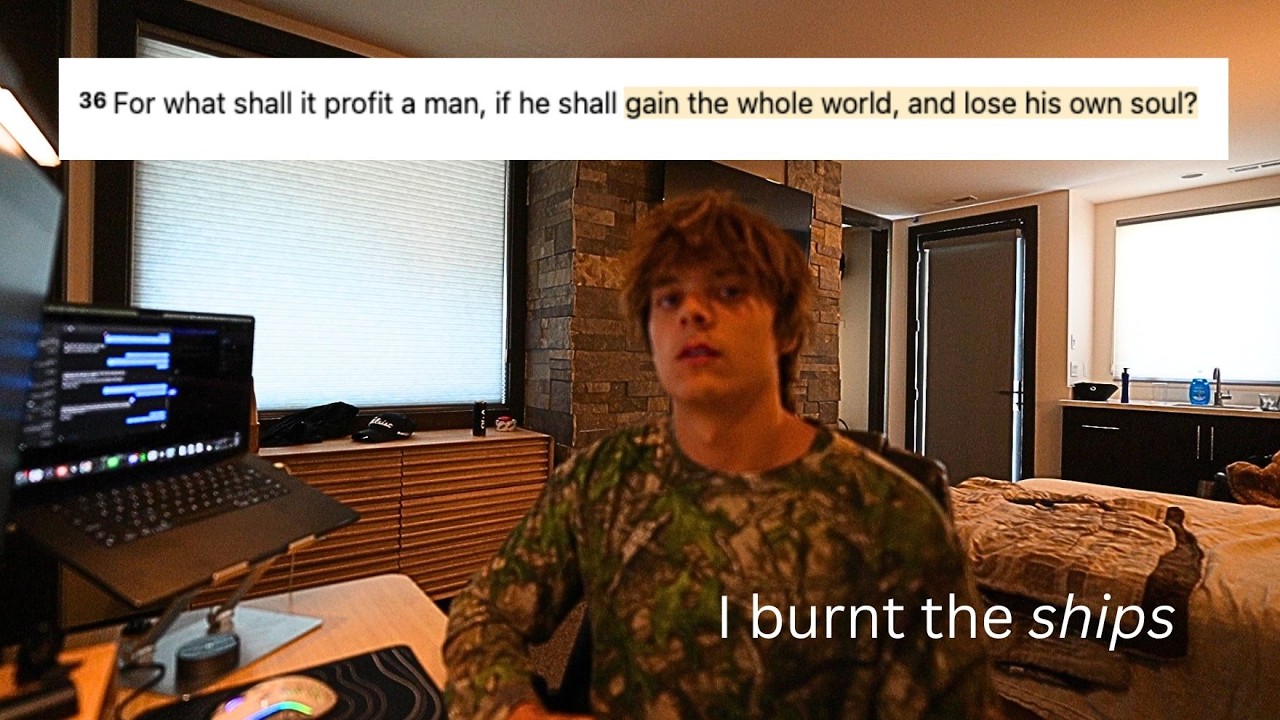
Earth is just the gulag. So I've been reading through Ecclesiastes recently and I've learned a lot. And probably the biggest thing that I've learned is that everything here is futile. Nothing comes with us when we die. None of the treasures or valuables that we get or earn in this lifetime mean anything. Because when you die, everything you've done, everything you earned in your flesh stays here on Earth, but your soul goes somewhere else. And there was one verse that really stood out to me. It said that a wise man abides in grief while the fool is searching for pleasure all times. The reason he says this is because imagine you're at a funeral. Someone really close to you just died. You're not thinking about anything else except for them leaving and the fact you're not gonna be able to see them anymore, which gives clarity to show that we don't have unlimited time, which a wise person is supposed to think about on a constant basis. Because if we think about we have time or we don't even try to think about that, think about death, then yeah, we're gonna spend our time pleasuring ourselves. But at the end of the day, that stuff doesn't really matter or get you anywhere. If you're thinking about death and about how we have limited time, you're gonna be super intentional with what you do and who you see and all your actions. None of us know when we're leaving this place, so why does everybody expect it to last forever?