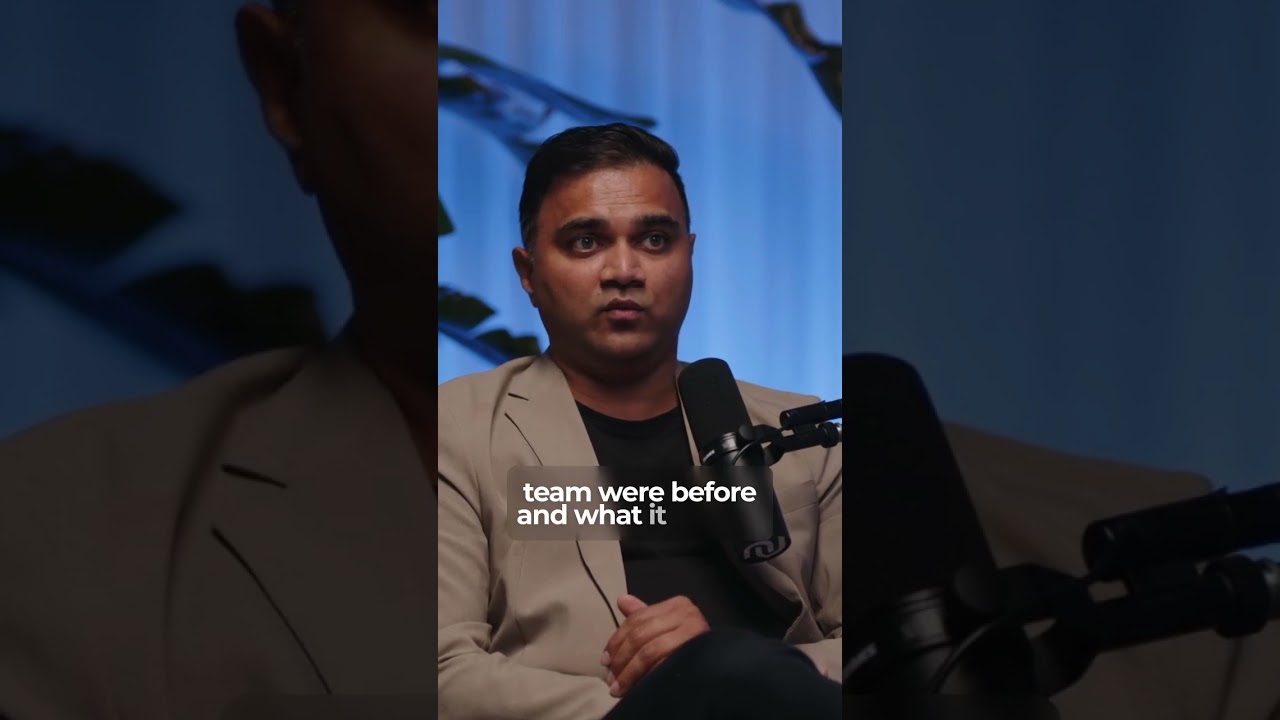
Hiring Dental Assistants, Tackling Skills Shortage, How to Correct Team Members

In this conversational video, two dental practice leaders discuss the acute staffing shortage in dentistry and share practical strategies to overcome it. They argue that strict dental‑specific hiring criteria often needlessly limit the candidate pool and suggest broadening requirements for support roles, focusing on core traits like productivity, personality fit, and motivation. A solution‑oriented mindset is emphasized: rather than accepting scarcity, practices should reframe hiring as a problem‑solving exercise, identify controllable factors, and craft clear, honest job ads. They describe a structured onboarding and training system—including a six‑week program, daily de‑huddles, and continuous feedback—that accelerates skill acquisition, illustrated by a success story of a 20‑year‑old hire with no dental background who mastered sterilization in days. The conversation also covers salary inflation caused by industry‑wide hiring practices, the importance of transparency with new hires, and the need for balanced, constructive feedback that combines positive reinforcement with clear improvement points. They highlight the value of performance‑screening tools like Performia to quickly identify “performers,” and stress that a culture of high‑performing staff, clear expectations, and honest communication transforms practice dynamics, reduces turnover, and creates a collaborative, enjoyable work environment. The dialogue concludes with encouragement for practice owners to adopt these mindsets and systems to turn hiring challenges into opportunities.
Chapters
Some of the things I'm noticing when speaking with practice owners or managers is, you know, the shortage, the shortage situation, like not having enough people.
Hmm.
And when they talk about that, sometimes for certain roles, they're looking for a lot of specific criteria as well, you know, and it comes back to like having that specific dental background. background experience. And I can understand for some roles it's 100% necessary, you know, or it's going to make it very tough, right, for that person to actually do the job. But it's also made me look at it and go, is it really necessary for some other roles? Because, you know, that's what we always do with every position, even in other industries, other companies. It's like, how do we broaden the pool of people? So that was one thing. And then because you've, you know, you've been quite successful in that space of like, you know, thought differently to open your pool. And then you obviously have a very good onboarding training program that you implement, which helps you bring people in and then put them through a process and then, you know, bring them out on the other side, right? Yeah. Yeah, so I thought it would be good to like talk about that because one thing is hiring, the other one is how do you onboard people, you know, in the right way. And another challenge we see across other industries, and it can be in dental industry as well, is managing your existing people to get the best, to get the best out of them. as well.
Yeah.
And one thing we see is like, you know, dentists, it's like you, you have to be a bit of a perfectionist, don't you? Because like you have to create perfect teeth in your patient, in people, you know. So, um, you know, you, you know, it can be that you'll look more at like, oh, that's not quite right, or I gotta fix that, or I gotta improve that to make it perfect, right? And that can funnel through, channel through to how staff are managed. And then sort of like sometimes some people are quite picky with their understaff.
Yes.
And it actually comes from because in their day job, in their actual job, they have to be that way. They have to be picky because they want perfection. So, but then it sort of like channels through with how they manage their staff. So then sort of maybe some things on talking about how to actually manage a team and get the best out of them.
Yeah, look, I think they're all really broad topics, to be honest, but really good topics to talk about. I don't know if I have all the right answers. I really do believe it's a journey, so I'm on this journey myself as well. Yeah, so you were saying before, you know, like, how do we broaden the pool or widen the pool of candidates so that we can bring people in? And yeah, definitely, I agree with you. Having that capacity to, especially, I mean, obviously not for dentists. You know, as a dentist, you need that qualification to begin with. But, you know, when it comes to the support staff, that's definitely something that we can all sort of try to broaden our pool a little bit more with. And by doing— and in order to do that, we really do need to have really good systems and, you know, a really good onboarding system, training program. And actually also the whole team needs to be on board. You know, they say it takes a village to raise a baby. And I feel like, you know, within a dental practice, for someone to come on board, whether as a trainee or even like a dental receptionist who's come from a non-industry background, they really need that support from the entire team. Otherwise, it just becomes a real burden to— I mean, obviously, like, you know, if everyone sort of sees them as a burden, then it becomes a big problem. And it's quite interesting because I find, even just from, you know, speaking to other owners and things like that, which I really enjoy doing just to find out what other people are sort of doing, is that teams that have always routinely brought on trainees, that those types of teams, they really are great at facilitating more trainees in the future. So it's like the cycle that you can go through. And the reason why is because everyone has been there and done that, and they know that they themselves have been supported through the process of becoming, you know, like becoming a qualified person, you know, from zero knowledge to where they are now. And so they are just as happy and just as keen to then take someone else through that journey and see them also succeed. And it's always like, wow, this person is amazing. You know, like just as an example, recently brought on someone a couple months ago. And as soon as she started, you know, the person that trained her up, she kept coming out to me and saying, oh my gosh, she's just so amazing. And we always had plans for this person to then move on to a, you know, receptioning, coordinating type of role. And so she kept saying, does she really have to move on? Can she just stay, you know, within the dental assisting? You know, it'd be so great to have her on the team. But that's the excitement that we get when we can actually see someone from, you know, no knowledge and just advancing through. So, you know, and you would really get that. Whereas I guess for some teams where they've always just hired people that are experienced and things like that, They don't get to see that, you know, they don't have that same journey. And so therefore, I have definitely—
Experienced it for themselves, not real for them.
That's right. Or they may have experienced it, but on another team, but they've come to this new team experienced, and they just expect that the owner would continue to just bring on more experienced staff from the get-go. And it's kind of like, well, that's not really my problem. I shouldn't have to be, you know, the one sitting there next to that person guiding that person through. And so that's actually a real challenge that I've been sort of seeing even within our industry for some teams, that that's a real struggle. And it's— we're now at this point where, as you know, staff shortage is across the board for every industry. And it's, it's quite funny, there's this, um, there's a Facebook forum where every now and then people will post up, like owners will go on there, and it's for dental assistants, and they'll post up things like, where have all the support staff gone? You know, all these like really I don't know, almost like desperate sort of posts. And then you'll get people coming into these posts and they're commenting on like, oh, you know, dentistry is just such a poor industry to be a part of. It's stressful, you know. And you have all these people who are really negative will come out and say, you know, if only people paid us better, and then, you know, we would actually stay in the industry. All these types of things. So there's a lot of negativity around. But in actual fact, every industry right now across the board, I'm sure you would know that too. You would agree with me, Negar. They all are going through the same process. It's not unique to you.
Yeah, that's right. It's not unique to you. And it's various things that cause shortages. And right now, obviously, there's different challenges and sometimes people have to isolate, which means like, even if you've got staff, maybe they can't come, you know. But, you know, the one most important thing, first of all, is actually to not accept it. That's the first— what the first most important thing to actually tackle the problem of scarcity and the challenge is to actually not accept it as a fact, you know. Because see, what happened is we've got to solve the problem, right? It's like we have to— like, let's say I need to hire for a role. It could be any role. I need to solve the problem. But if you go into it solving a problem, with a problem-focused viewpoint going, it's going to be too hard, we can't do it. It's like, what chance are you going to have? You've already started with the wrong mindset, right? So I would suggest starting it off with like just going, we need to hire for this role. How do we do it?
Hmm.
Don't put anything else there. Like, you know, you could have 10 people telling you, oh no, it can't be done. Or it's too hard, or there's no one out there and go, okay, I got it. So how do we solve it? You know, how do I— it's because then you're gonna think with solution. And see, what happens is the moment you start thinking that way, it's like something happens in the air, you know. It's like something happens and you start thinking solution and flows start opening up because you're thinking with solutions, you know. So, so that, that's the absolute first thing. And then the second thing is, well, what can we do? What can we control? I don't want to think about the stuff I can't control because I've got no control over it, you know. But the things we can control is obviously identifying who can do the role and, you know, where can we compromise, what can't we compromise on. And then where should this message be put out, you know. How do we attract the right people? How do we select the right people? And thinking with the strategy, you know. So it's so interesting. And see, the other problem I've seen is that And this is not just in dental industry, it's a lot in dental industry, I find, but also in other industries is that what's happening is like a lot of what happens is because companies are hiring the same way, they all actually start to push the salary up in the industry.
Yes.
You know, like, it's like, because collectively, they're all doing things a certain way. And then also the people in that industry, the candidates, the staff, they all get used to it. And then they actually start pushing the wages up and doing a disservice to each other, you know, and it makes it very unaffordable, makes it very difficult. So a role that might need to be a bit lower, it's like now it's like $100K, or, or, or it's like people start demanding salaries, and then because the employer, the business owner, who's sometimes the principal dentist, it's like might not have their hiring down pat. Or they don't know exactly how to bring on people, they feel like they're at the mercy of these candidates and these people. If one person says, I'll come work for you, they go, okay, I'll give you everything, you know, come and take this and work for me. And it's like, that's the worst position to be in. You know, you don't solve scarcity with scarcity, with a scarce approach. Yeah. You solve scarcity with an abundant approach. You know, and the moment you kind of feel like you have to have someone, that's actually a trap as well. Have you ever have you ever experienced that? I don't know if you've ever
desperate hire,
desperate hire or like going I have to have this. You know, I must have you. You know that that's saying like like if you love something, you should be able to set it free or something. You know, but the thing is like when it comes to candidates, when it comes to staff. if you go, I must have them, when you have a must-have on something, it actually changes the flows and makes it harder. Whereas if you go, it would be really great to have this and have this person on board, but if not, I'm gonna have backup, backup, backup, backup, then it's— you remain a bit more impartial, indifferent. Yeah. And it actually changes the flow. Like, you know, like, I don't know if you've ever gone to buy something and then let's say the salesperson kept following you up and then you kept saying, no, no, no, no, no. And then let's say one day the salesperson actually said, Hey, you know, Becky, I don't think we can help you. It's like, I don't think I can give you this. It's like sometimes you might want it more to go, oh, hang on, no, no, I didn't actually look at it yet. You want it more.
Yeah.
And it's the same as like girlfriend-boyfriends, you know, like, you know, maybe one, you know, is pushing the other one more to go on a date, you know,
and
then suddenly like the flow changes and then the guy goes, you know what, I don't think we should see each other anymore. And then the other part would be like, oh wait, hang on, you know. So it's like, it's the flow. Yeah, the flow has to be right. And it's the same in like hiring. It's like the key is like, we can't solve scarcity with scarcity approaches. We have to open up the thinking. I love your example of, you know, you wrote in, like you were hiring for, I don't know which position it was, but maybe it was your DA or front office receptionist. Like you were hiring for a role.
The coordinator.
Yeah, treatment coordinator. And then you were looking for someone who's like productive, has a good personality fit, has good motivation. You didn't care so much if they had all the knowledge, you just wanted the right ingredients. You wrote the ad, you know, in the right way. And then you put the message out there, candidates came through, you could very quickly screen them with the Performia system and say, yep, performer, yep, great personality. So it helps you move fast. And then Then you, you know, you have such a good onboarding process. Really helped. Yeah. So, and that person was like in her 20s, I think, and had—
Yeah, she's 20. Yep. Yep. She's 20.
No dental background, came from like retail sales.
Yeah. You know what's really funny, Negar, is that until you actually hire a performer in your organization, you don't actually completely comprehend what the performer can do for you. Yeah. Like, you don't actually know what it is until you actually see it. And I think that's a journey for me that sort of took a little while. And look, you know, like, we've got some really amazing people on the team, you know, existing staff. But then, you know, then of course as we refined our, you know, our hiring process, we got better and better at actually identifying people. And in many ways, my bar raised higher and higher as well. And then you can, you can see, you know, how much they can actually take when you're actually pushing them. I'm not saying that my existing staff that I had, you know, previously weren't good. In fact, they're obviously all really good. That's why they stayed on. But I reckon we probably could have pushed them more and actually got our return on investment even faster had we known that there was this, you know, ability. It's kind of like, you know, the Olympics every year, they have like new world records and then people are like, oh wow, I didn't know that that was possible. And then next time they'll all break that again and then just keeps going.
Yeah.
And it is like that when you're hiring as well.
Yeah, yeah, yeah, absolutely.
Fascinating.
Exactly. And it's like you actually go through a journey with your team and it's like everyone starts to see everyone. And like you said, it's like, oh my God, that's actually possible. And, um, and so with this person, are they, are they handling any— like, what are they handling right now? What kind of role are you—
We're basically going through the whole, like, the entire practices process. And yeah, we, we have a designated float nurse. And we unfortunately, we have been quite down in staff and things with, you know, people being in isolation and all that sort of stuff when we came back from New Year. So she's been kind of trapped in the room. But then this week, literally, in 2, not even 2 days, 1.5 days, she's mastered sterilization. And, you know, to the point where we can actually trust her in there, we know that she'll pay all the attention to the details and stuff. And yeah, it's really amazing. And, you know, in the past we don't usually see that.
And this is someone with no previous dental background that you hired?
Yeah, no. So she has been in the rooms with us, she's been in the treatment room, but we always say, you know, the sterilization is—
When you hired her, she had—
Oh yeah, she had no— she had no— no. So she started just before Christmas, before we went on our Christmas break. You know, she started a couple of weeks with us And then came back. And it's quite funny because when she came back, she would have been on— so we have a 6-week training program. She would have been on week 4 of her training program. Um, and unfortunately in week 4, she had no trainer because everyone was in isolation. She was by herself with me in the room. And she did so well. Like, by the end, I was like, do we still need you to have a trainer with you? Because I feel like you're ready.
Wow.
Really strange, yeah. And then after that, you know, she obviously came in and then, yeah, this— well, yeah, when we came back from the new year, that was her week 4. So what are we now? So now she's probably on week 8. And so her— look, her progress, um, has been a little bit slow because of our— more so to do with lack of manpower in the whole team. Um, so we haven't put her into different parts yet as quickly, but she's just flying. 2 days in steri and she's already got 1.5 days, 2 days in steri, she's already mastered it. And And then I, even yesterday was her, you know, second day. I sort of dropped in and I said, by the way, you know, you do realize when you're on float, you'll need to go and help out with, you know, the other rooms and you need help take phone calls. And that's when my coordinator walked past and she overheard me say that to her. And then she just said, oh, she's already been doing all that. So, I know, I was like, oh, okay, cool. That's it.
Amazing. Amazing. Oh, that's such a good success story. Hopefully that inspires actually, you know, other practices. I know some practices, they go, no, for us to put someone on like reception, they have to have dental background, they have to have this, they have to have that. And, and the thing is, you don't.
No, you don't. No.
Because also, you know, I'm sure you might put someone on front desk with a lot of dental background, and they still might not succeed. And it's because of the other factors they're missing.
Yeah.
One thing I've noticed is that sometimes companies will tell me, oh no, we tried that. We hired someone from another industry. They were young. We put them and they were hopeless. But it's like just because one person didn't work out, it doesn't mean the strategy is necessarily wrong. It just means you hired the wrong person.
The wrong person. Yeah.
Right? So it's like they throw out the whole strategy, you know, they throw the baby out with the water. You know, so it's like, you've got to just get it right. So it's like the strategy works, but also see, you hired the right person. Everything about your flow was good. And then you had really good onboarding system. Because that's the other thing, it's like you can bring in a really good person, but if you don't have a good onboarding program, it can either take too long, or, you know, it could break it. So obviously, you're—
I think the other thing as well, The other thing that has come to my mind is that, you know, if you want to hire someone who is a performer, you really do need to have a very structured system in place. Because yes, you're going to be expecting a lot of them, but they're actually also going to be expecting a lot from you.
Yes.
Not necessarily— I don't mean like remuneration or anything.
No, no, no, no, no. Yes, I get you.
But, you know, they're expecting you to be able to show them, you know, All sorts of things. Yeah. And, you know, like, and really fast-track them as well. So it really needs to be— it's a two-way street.
It's kind of like because they're so productive, they're coming in, they're going, I know what I can produce and I know I can be productive. But if I come in and it's like you don't actually give me that opportunity to be productive, or if you're all lazy or moving slow, it's actually not working at my pace. You know, so then they— it's like you don't even need to have everything set in stone. As long as you've explained that to someone before you've hired them, right? You might go, look, it's like we don't have everything in place. It's like, but, you know, we want to get it in place. But it's like, it's more like if you don't even give people the opportunity, then exactly what you said. It's like, that's right. It's like you can sometimes put a performer in companies and it doesn't work out because the company has all very low-producing people.
Mm-hmm.
And this person, before they came in, they weren't actually briefed. of this situation, which takes me to this other key point is like, be honest, being honest with people when you're hiring them, right? And it's like, sometimes companies have really high turnover, or they hire the wrong people because they weren't honest with them when they hired them. You're, I'm sure you're quite honest with people when you bring them, you tell them the truth. But it's like, it takes a little bit What's the word? Like, doesn't feel like it's the right thing to like tell people the truth, but it's like, in actual fact, you should, you know.
Transparency.
Yeah, it's like if you have your attention on like the dirty dishes, the dirty laundry or something, it's like actually tell people about it, you know.
They're
gonna find out. They're gonna find out once they start. So wouldn't you like to tell them beforehand rather than push them to take a job? So, you know, it's the worst thing as well. So yeah, I just love that you've been able to sort of put this through and achieve it because it's, you know, it's what we tell every company in every industry about opening up the flow. But it's like, I think the fact that you've done it so well within your industry, it should inspire more companies to try it.
Hopefully. And thanks to you guys because honestly, like, I wouldn't have been able to be where I am now Had I not started working with you guys, you know, like even a few years ago. And it's never too late to start. Absolutely. Like, I know right now lots of owners are really struggling to hire, but now this is why now is the right time to really get your systems together and really understand how to identify the people who are really truly coming to your company to work for you, not against you, and not just coming here to clock time and all that sort of stuff. It makes such a massive difference.
Yeah, and honestly, it actually, it really breaks my heart when I like speak to some owners and the stories they talk about. It's like, it's like their staff are taking them hostage, you know, and it's like—
Walking on eggshells.
Yeah, walking on eggshells, feeling like they have to block themselves out of the, you know, from the staff, just can't be themselves, you know, and it's really sad, you know, like, or the staff just literally like holding them hostage. I don't know how else to say it, but it's like just, you know, and then because now the— see, the reason that happens is because the owners don't feel confident with their hiring. They're like, I can't bring more people in. This is all I've got. This is what I have to work with. And then so they, again, because they can't have people, they can't let go of their current people, and they're left in this constant battle, which is really, really challenging. So that's why it comes to like, get really good at hiring, because when you get really good at hiring, It's like you can handle so many things, can't you? It's like you go, okay, oh, it's a bummer you're leaving, but I know I can hire.
You know what, you know what's really good as well? Sorry, I'm just getting so excited about this. I was like interrupting you. Sorry. Um, but I just suddenly thought of something. Like, whenever people say to me, you know, whether they're, you know, if they're resigning or if they are, you know, cutting their hours or whatever, whatever it is, I actually sometimes, well, not sometimes, I always do, even though it's like, oh, now I have to go through this process again. In actual fact, it's always an opportunity.
Yes.
It's an opportunity now to actually raise your bar again and hire the next person that's going to come in and be even better than that previous person.
Yes, 100%. And see, you've got the perfect viewpoint, perfect attitude. It's like for a moment you go, oh, bummer. And then you go, oh, hey, light bulb. It's like, I have an opportunity as well, you know. And depending on the person you lost, especially if they were on the lower side of performance, your excitement will be even bigger, you know. But, you know, absolutely, that's the way it should be looked at. And so it's like, my recommendation to everyone is like, you know, getting the hiring right. But then the other part is like with the existing team. I don't know if you've experienced it because you see a lot of business owners in practice as well. We— one thing we see is like a lot of business owners are perfectionists. You know, they like things done the right way. And sometimes they do walk on eggshells with people too, as well. And one little tip, you know, we tend to give them is like, you know, how to manage people, you know, how to manage people. Because They need to be direct
with
people, but not come off the wrong way. And see, what happens is sometimes because managers don't know, how do I be direct with you? And but also make sure you don't take it the wrong way and not get offended as well. Right. Because it's like, you can't walk on eggshells with people, you need to deliver feedback and correction. But if also you don't do it the right way, you're going to get people offside, you're gonna have all sorts of challenges. And especially if you're in a situation where you're like, it's already hard to hire people, I don't want to lose this person, you become extra delicate, or you become too forceful. It's like, how do you manage this balance, right?
Yeah.
And go on.
I was gonna say, I don't even know if I've got the right balance, to be honest. But it is definitely, it is definitely something that can be a bit of a challenge. Because in the dental industry, like all healthcare, You know, the bar is really high. You know, infection control—you've either touched something dirty or you haven't. So you know that one little movement might make all the difference of you needing to now wipe down the whole surface and you know redo that. And if if you're not, I guess as an owner—and this is where I suppose for some owners they're a little bit reluctant to bring in trainees because they're like, "Well, I don't have the time and energy to be watching over them to make sure that they're not touching the things that they shouldn't be touching." And all that sort of stuff. But yeah, I think setting the expectation from the get-go that they will get feedback is probably the biggest game changer for me. Yeah. You know, like from day one and also daily feedback. So for myself with my team, we have daily feedback. And that's just something that, you know, I've implemented since, you know, 4, yeah, maybe 4 or 5 years ago, 4 or 5 years ago. And yeah, every day at the end of the day, we do what we call a de-huddle. And then we just give each other the feedback. And it's both ways. So it's not— it's meant to be casual. I don't want it to be something like, hey, by the way, do you remember that thing that you did 3 months ago? I really wasn't happy about that.
Yeah, back then.
Yeah, yeah, yeah. Just say it there and then. And then have that, you know, do you remember when Mrs. Bloggs came in, this happened. And, you know, if you didn't have time to like give that on-the-spot feedback, because sometimes you can't, I think that's the tricky thing. You've got the patient in the chair, you can't just give the feedback immediately on the spot. But, you know, at the end of the day, you might have, because you might have been busy, whatever, and you just, everything's gone out the window. You're just focusing on what you're going to do next. Then at the end of the day, when you're coming together to give each other the feedback and have that debrief at the end of the day, that's the opportunity to say, hey, you know, remember that time when that happened? I saw this happen. Next time, do this or that. And just try to keep it constructive. Yeah. You know, there's times where I'd say, Even to like the trainees, I'd be like, okay, you know, this happened. We obviously shouldn't do that again. And sometimes like I tend to think out loud as well. So then I'll be like, oh, I wish I had like a really good tip that I can give you that's going to help you so that next time this won't happen again. And sometimes I might say, look, sorry, this is probably not the most constructive feedback I can give you. So when I— if I think of it, I'll get back to you on it. On how you can avoid that next time.
Yeah.
Yeah.
That's really great. And like you said, it's like keep it constructive and keep it objective. And like, let's not make it personal about the person. And personal doesn't mean— doesn't just mean saying, hey, you really stuffed up there. Like, that was like not just even that. It's more like even like, you know, let's say you're correcting something they've written. For example, right? It's like just starting off with one acknowledgement.
Hmm. You
know, it's like, hey, really good work here. Now I can see, oh, here's something. Okay, this needs to be improved. This needs to be fixed. You know, so it's not saying, hey, you made a mistake here. See, the difference is like, you made a mistake versus, oh, look, there is a mistake here. It's just that actually takes it away from being personal criticism through to actually saying, hey, we discovered something together.
Hmm.
You know, or like imagine, like, you know, you've just like freshly painted the walls of an office and then, or like, you know, your builder has done that, or your painter, I should say, you know, and then you come in and you see all these spots. If you just go in and go, that's wrong, that's wrong, that's wrong, that's wrong, that's wrong, it's like immediately they're gonna have their back up and not really be listening to you, right? Rather, if you go, oh, looks really good here, it's really good. Oh, oh, look over here, this looks like we— there's a little mark missed, and over here there's something missed. And you know, but it's like when you're going on an agreement, which is, hey, really good job, it's like you got the person listening. You've got the person listening because you've gone in on an agreement, so they're going to be more likely to also listen to the rest of it. Rather, if you go on a disagreement, it's like you're already like this. They're probably like not even going to be listening to everything else. So going in on agreement and then giving, you know, especially if someone finds themselves to be more critical of people, you know, especially when we've been trained down to be critical, it's like, because we have to make things perfect, it's like we can be like that with staff as well. So it's like training ourselves to give 3 positives to 1 negative. It can be a lot. It can be really helpful. for building relationships, you know, getting the staff to open up. And it's not a once-off thing. It's not like saying, oh, I went to my, you know, receptionist and I gave her 3, you know, I gave her a few compliments and her performance didn't go through the roof. You know, it's not like that. It's not designed to work that way. It's— this is something that needs to be practiced over and over again, like become part of the habit. And we're not saying go soft on people. But this is how you can be direct, but also be acknowledging and validate also the good points. Because remember, one thing we say is like, you get more of what you put your attention on. Right? So it's like, if you put more attention on what's going right, people will be like, oh, I want more attention. How do I get, you know, your— my manager's attention? Oh, I've got to do more right things. Whereas if you only— if they only get attention from the management every time they've broken something or didn't clean their instruments properly, then they go, oh, okay, I've just got to like leave them more dirty in order to get more attention. This is all subconscious, but it's like, it's what happens because the best reward people can actually get is attention.
Hmm.
It's not money. I know people think it's money. It's actually attention. It's like, you know, Same with kids, they want the parents' attention. So when they don't get attention, they start bashing things to the wall. And then now they go, oh, I've got dad's attention. So they go, oh, I just gotta bang this toy to the wall to get more attention. But that's negative attention, right? And it's the same with staff. So it's like, the more attention we give to the right things they're doing, the more we will get of that. So I think as well, like, even like with the— if you had like a few staff and one was cleaning really good, one was like really bad, you know, in the preparation of the steri, to the one that's like really good, I loved how you just like make sure there's no marks on anything. Well done, I love that. And then you don't even talk to the one who like just didn't do a good job, you know. You might just turn to them and go, you've really got to work on that, you know, and then just go, you know. It's like you've given the bulk of your attention to the one that did a stellar job. And unfortunately, what happens in every— a lot of staff meetings, doesn't matter what job or industry, is like the bulk of the attention goes on the trouble people.
Hmm.
Going like, okay, well, Sarah, you know what you're doing, you do a good job. All right, you— I've got to spend so much more time with you to get you to fix this area. But what have you just done? You've just like penalized your best performer Given so much reward to the worst one.
Yeah.
And this happens like, this is the natural thing that happens. That's why it takes practice to go, got to switch this around. And these are the things that when we implement, it's like every— over time, it changes the culture, doesn't it? Because people go, oh, I've got to perform better to get more of attention.
Yeah, absolutely.
Yeah, so interesting. Like, people are a fascinating topic, isn't it? And I know you have a lot of passion in the whole people industry, people, people, people sector, you know.
Yeah, and look, I think that's something that I absolutely love about Performia. Like, the personality side of things is just— makes it so interesting, you know. Like, yeah, and, and you end up learning so much about yourself and yourself, how you carry yourself as a leader, you know, and just, you know, how you blend into the environment. And then also to look at how every single team member sort of interacts with each other and their personalities and things like that as well. I think, yeah, it's, it's really, really interesting.
Yeah, it's true. It is. Personality is so interesting. And as you know, it's like there's personality, but then also first, before that, it's like, let's make sure they're actually productive.
Productive.
And let's make sure before we hire them, we know they're going to be productive. Because also, the other thing I hear is like, oh, we have a really good tight probationary period. But it's like, as you know, the amount of time you invest people— in people to take them through probation, through training, that's a lot of lost time opportunity. That's a lot of cost from your most experienced staff. So, it's like, before you bring people on, you need to know. Are they going to be the right person, you know? So it's fascinating. Fascinating is, you know, I know a lot of people have a love and hate relationship with hiring, but, you know, when you get it right, it's like it can be a dream.
So yeah, absolutely. I was just gonna say, like, if you have a whole team of performers, you know, it would just be— yeah, your life would just be an absolute breeze.
I really would tell you from my personal experience, like, you come to work, you come to the office, and you just have fun because it's actually not work, you know. First of all, you enjoy what you're doing. You're coming there because you love what you're doing. Everyone else in the business is on the same purpose, same— they align, and it's like you're coming and hanging out with your friends, you know, but at work. But it's like, because everyone's on the same— it's so friendly and everyone— there's no silly things that come up because everyone just solves things. And if they make mistakes, they make it go right. They take responsibility without even saying anything. Everyone's willing, everyone's helpful. And it starts with the fact that everyone came with the same understanding what— why they're coming, you know.
The
common goal. Yeah, and like the motivation was right. And see, that comes from being honest with people at the beginning. And I agree with you, it's like, it's such a dream. And you're right, you're right with the first thing you said. It's like, until you've experienced having a performer, you're not really gonna get it, or you might not know what it really feels like. But when you have it, you go, okay, now I get the different levels of performance.
Oh yeah, 100%. Because when you don't have that performer, there will still be times where you feel like you're pushing up and you're like, you're pushing pushing and you're like, we're going uphill. But when you have that performer, it just— they're getting you and—
They're pulling and they're on the same wavelength. And it's like you go, oh, I don't have to push this person. It's just getting done. They just know what needs to happen. I give them training and they get it and they go. And I can totally understand why all of this conversation would actually be really unreal to some people. You know, a lot of business owners, like a lot of principal dentists, they're performers. They go into it, they're performers because you have to be if you're starting something, you know. But then it's like, then they find it hard to get help from other people, from around them, and it makes everything so much tougher. So just solving these areas, and first of all, just believing— not believing what you get told, please, everybody, you know. It's like, I just ask people, don't buy into it as much as true it could be. It's like, we're not saying be ignorant and ignorance is bliss, but it's like we're just saying like it could be true, but don't take it for yourself because the moment you do that, you stop solving the problem. All right, so
it is very much a mindset thing. Yeah, yeah,
absolutely. That's the first step. And then we've got to go, okay, how do we solve it? How do— yep, I hear you, I hear you. How do I solve it? How do I solve it? You know, and just stay focused on the solution and going even and The other thing I want to say is like sometimes people say to you, you know, it can't be done. And I actually think going, what's this person's motives behind it? Right? It's like, I'm like, why is this person telling me it can't be done? Or it could just be that it never worked for them. And just because it doesn't work for you doesn't mean it's not going to work for me. But sometimes it's like some people have like other hidden intentions. And they're like trying to take you off track. You know, sometimes this can be the case too. So that's why as people, we need to— as leaders, as people, as anyone, it's like we need to question things, we need to fact-check things, and we need to look for ourselves. Mm-hmm. So it's so, so crucial. And that's how you become more powerful. You know, it's like when you start looking for yourself and making decisions and going, okay, that could be true. I'm not going to take it as fact. I'm going to look for myself. Let me check why it's happening. You know,
and it also broadens your control of the situation. And that makes a massive difference. Like, you know, when you're decision-making, that control is so, you know, how much of that control you have, you know, would really dictate the outcome a lot of the times. Yeah. If you can verify things and you have that certainty when you go into it, you know, make, when you're making that decision, it makes a huge difference.
That's right. Whereas if you're just constantly like listening to what this person and that person and that person said, you have a lot of ideas around you, but which one's true? Yeah, but also, like, they could all be true, but they could be true for those people. They were never true for you until you actually try something and put it— and I might give you the best cure, I might give you the best formula, but until you've put it into practice, it's still not true for you, right? It's like you've got to put things into practice to go, yep, that is true, that does work. 100% agree. So, well, that's been a good conversation. Good conversation just going through those things.
No, thank you for, yeah, for having this chat with me. It was really good to just map it out. Yeah,
agreed. Agreed. It was so good. Look, there's so much to talk about on hiring people, teams in that whole area. But it's like, it's so easy to just pick a couple of things that seem like they're front of mind and just go through them. So hopefully, this Help— helps open things up a little bit for people.
Yeah, absolutely. I hope it's of value.
Absolutely. Thank you, Negar. Beautiful. Thank you.
More from Negar






Episode 2: Building a Games Culture: How to Turn Your Business Into a High-Performance Team

How One Dental Practice Owner Stopped Managing Staff And Built A Team That Just Produces

Performia Intro Seminar - Get the tools to create productive, fun, safe teams