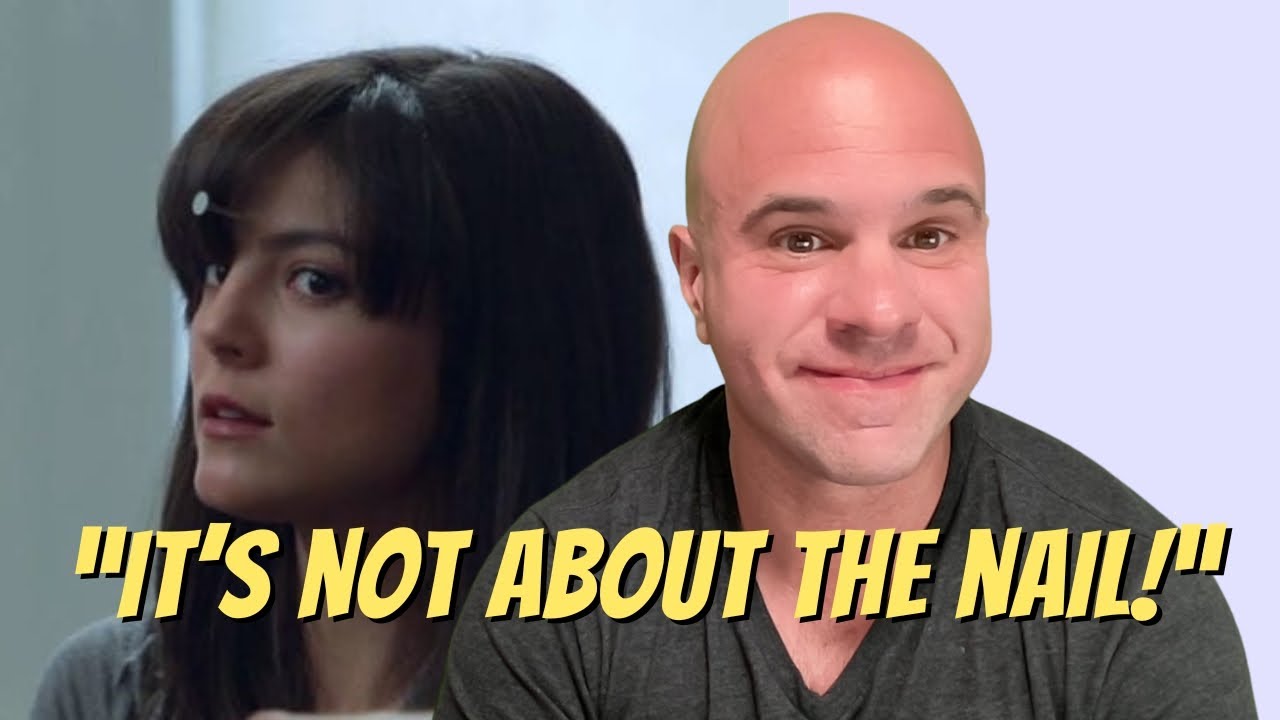
In this monologue, the speaker expands on the popular "not about the nail" sketch to illustrate a common communication mismatch between many men and women. He explains that men often instinctively jump into problem‑solving mode, while women (and some men) may simply want to be heard, validated, and emotionally supported. The speaker shares personal anecdotes about his anxious, codependent mother who immediately offers fix‑it advice, and about his wife who feels better when he offers empathy, a hug, and acknowledgment rather than solutions. He argues that this difference stems from gendered wiring and urges men to recognize when a partner is seeking emotional presence instead of a technical fix, suggesting they practice active listening and restraint from unsolicited advice.
Chapters
Scott M. from the DSO Fraternity says men have a tendency to, quote, fix it instead of listening. How do you suggest that men figure out when it's not about the nail? Do you know what he's talking about, the not about the nail thing? There's this awesome YouTube video where this woman, they has this little fake nail sticking out of her head like somebody drove a nail into her head, and she's sitting there talking to this guy like, it's just, I just feel this overwhelming pain and this tension. And I think she even says like, my sweaters keep getting snagged. And the guy's just looking at her going, it, it might be the nail in your head. She's like, I— would you stop trying to fix everything? You know, just listen to me. I want somebody to listen to me, not try to fix everything. It's like, okay, go on. And she goes on about, there's just this unrelenting tension and pain in my head, and it's pounding. It's like there's something in here. And he's like, it might be, you know— okay, sorry, I won't. That's— I mean, dude, that, that video was perfect. We just see the most glaringly obvious thing like, I see you're in turmoil, woman. It's so obvious. It's this. Can you just— all you gotta do is tweak this little thing or take the nail out, so to speak, and everything's— and she's just like, damn it, dude, can you stop trying to freaking fix everything and just listen to me? I get it. I get both sides, actually. I mean, there are times when I have, uh, like, uh, my relationship with my mom is such that my mom is very, very neurotic, and she doesn't like to see anybody in any kind of, uh— she's also very codependent. She's a very anxious person. She doesn't like to like to see any kind of pain, any kind of negativity, any kind of anything. So if you just share a story in passing about something that happened at work or something with a friend, she will immediately go into fix-it mode of, did you try, did you think, did you say? And you're just like, I'm— that's not the intent of this conversation, Mom. It's not for me to come coming to you for advice on how to fix this. I'm just sharing a story. I think that's kind of a minor league version of what a lot of women do, which is, I just need to emote. I just know that— I just need to know that you're there for me. You're not going to judge. You're not going to try to fix You're not going to try to get in here, Mr. Anxious, and just solve things because you can't deal with the anxiety either. I need to know that you can just handle this stress and anxiety that I'm emoting and dumping on you right now temporarily, and give me a hug and a kiss and say, 'Yeah, that sucks,' pat me on the butt and send me on my way. That actually, as wife, makes me feel better. That doesn't compute with our male brain at all, but that's the— that's what a lot of women say, and that's how they are wired. And it's way different, isn't it? Because we're just like, if something bad, then freaking fix it and shut the hell up.