16 Lead Sources For 800 Agents with Lauren Bowen | Ep 011
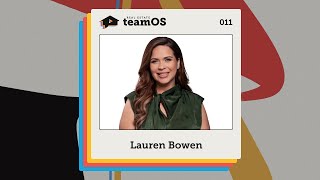
Lauren Bowen, COO of Robert Slack, built the firm from 4 agents to 800 and made it the #1 mega team in Florida. They diversified from relying on realtor.com to 16 lead sources, manage 1.4 million leads in their database, and use ISAs and automations to feed agents consistent work.
Questions this video answers
January 2, 2024
16 lead sources
1.4 million leads
From 4 agents to 800 agents (approx.)
Fourth-ranked mega team nationally and number one in Florida
Chapters
No matter where your business is today or where you want to take it, you'll get there faster and more profitably with an operating system. Welcome to Team os, your guide to starting, growing and optimizing real estate team. Here's your host, Ethan Butte.
For insights into starting, growing and optimizing your real estate team, we're talking with Lauren Bowen. A few fun facts before we get started. She's licensed in eight states. She spent nearly a decade with Robert Slack, rising through a series of roles and responsibilities from realtor to COO as the company's grown from four agents to 800. And they're currently the fourth ranked mega team in the nation and number one in Florida at nearly triple the volume and size of the second ranked team. Thanks for talking Team OS today, Lauren.
Thank you for having me on.
Yeah. And I offer those numbers, you know, number one in Florida at nearly triple the volume of the second ranked team. Not to kind of brag you all up, although certainly that's, you know, you're worthy of it. But, but just to give some qualification of, of how powerful and effective your approach has been and we're going to get into, through the conversation a bit of what makes you all different from a lot of other businesses in this space. But I want to start where we always start, Lauren, which is a must have characteristic of a high performing team. When I offer that to you, what comes to mind?
Consistency. I think you have to be consistent in what you do and that isn't only in your processes, that comes from your organization as well. Like my team leaders, they have to be consistent. Real estate is ever changing, this industry is ever changing, our lead sources are ever changing. My team leaders themselves have to be consistent because when they are leading a team their team has to know through all these changes they have a constant, they have someone who is going to be consistently there for them. But the consistency does carry across to our processes, our backend implementation patients, our staff. So consistency is a big one for us.
I love it. You hinted at some answers to what I want to follow up with, which is consistency in what? Right. So I, I think certainly consistency in kind of mindset approach. But what I specifically heard from you there, among a few other things, is consistency in the availability of leaders to the agents who are out there trying to figure out, trying to get things done, trying to keep something coming off the rails, back on the rails. Et consistency in what I guess is the broad wide open follow up question.
So consistency. I'll start with our team leaders. Our team leaders are Some of the most skilled individuals I've ever had the pleasure of working with. But they have to be consistent in not only who they are, but how they treat their team as well and their rollouts. So that way their team knows that they can fall back on them. Whether it's a tough day, whether it's something they're not understanding. They have to be consistent in who they are and their approach to things. So that way their team knows what to expect. Consistency on my end looks a little bit different. We do have a abundance of lead sources here, which makes us a little bit different than a lot of other brokerages. We are a leads provided brokerage. So the consistency for me comes. My rollouts have to be consistent. We have to do things in an order. So that way our team leaders understand it, they can teach it, but everyone becomes proficient on them from start to finish. If I start lacking the consistency, it gets a little messy.
Yeah, absolutely. And we'll also get into systems and processes. It's definitely a big place I want to go with you. It's something that we chatted about when we connected before we started recording. But before we get there, I want to give me a quick. We'll maybe go deeper into this through the conversation too, but give me a quick. For the sake of the listener. Sketch of the variety and diversity of lead sources. When you see you manage a lot of different ones, obviously in order to build an organization that is providing opportunities, opportunities for nearly a thousand agents, you know, you need, you need a variety and they need to be robust. And I'm sure anyway sketch those out at a really high level.
So two years ago we had one lead source within our company. We were and continue to be the largest purchaser of realtor.com leads throughout the nation. So that was our only lead source. About 18 months ago, we realized we had to start diversifying our lead sources. Portal activity is very finicky when interest rates start going up, when economies start changing. So we did. That's exactly what we worked very hard at accomplishing. So we run a very large Zillow Flex team as well. We have other lead sources such as homelight, Z Buyer Divi. We have selling seller lead sources as well. So we are on Zillow seller connections also. But what we realized is some agents do excel on different types of lead sources. It is not one size fits all. Your top performer on realtor.com might be your worst on Zillow and it's something we've had to learn that it's part of the course, it's part of the course. So that is one of the things. We have 16 different lead sources and some of them have. It's been fun. Some of them have their own portal, some of them don't integrate. Some of them do integrate. Some of them have all the bells and whistles. But really finding how to work these lead sources and be a good converter, a good partner to these lead sources has definitely been a work in progress that we have been working really hard over these past 18 months to do.
Yeah. To refer to sourcing these, vetting them, distributing them appropriately, keeping an eye on ROI is certainly more than a full time job, but most of that responsibility falls on you.
It does, yes. So I do manage all of our lead sources and I guess it kind of plays hand in hand. We are operational in five different states, which was new for us this year as well. We had only ever been Florida this year. We decided to open up outside of it for the first time. So the team leaders and the lead sources do fall under me and they do go hand in hand because it's what my team leaders are managing ultimately is their agents and the lead sources that we have for each team really good.
At the risk of spending too much time right off the top, where I like to say a little bit high level. This is just super fascinating to me and I know it will be to folks watching and listening as well when you observe or when one of your team leaders observed, and I mentioned off the top that you had a variety of different roles and positions and we'll get into that a little bit. But of course, you were one of these team leaders yourself and now you oversee them all. How much leeway does a team leader have to identify that? For example, just going to use your, your example. Someone is overperforming on realtor.com but underperforming on something else. Do they get a higher share? Like is that stuff shifting on like a weekly or a monthly or a quarterly basis based on the different styles and successes that individual agents are having.
So we do give the team leaders a good amount of leeway in determining what lead flow and what amount their agents get. Now I say that, but there is a caveat because a couple years ago we had agents that were getting 80, 90 leads a month and our conversion was terrible. Terrible. I won't even go into what it was, but it was all, it was terrible. So we started putting thresholds in place and we started limiting the number of leads our agents got. So some of our lead sources, they get about 8 to 10amonth. Other lead sources they get 20 to 30. And we do limit it though. Team leaders know if they're on multiple lead sources, here's where they have to fall. They're on this lead source. Here's what they get. If they're on this one, here's what they get. They do get some leeway. As long as the agent can convert them, I'm okay with giving them a bit more. Now will we ever get back to the 8,090? Probably not, because I knew what that conversion was. But they will. If they can convert at 15% and they're still getting 20% more leads, I'm okay with that. My team leaders, like I said, they're a great group of individuals. They know their team, they know what they're capable of, they know all the nuances. So I do lean into them to let me know, hey, I know they're at their capacity. Here's their conversion, we can do more. So I do lean into them for that.
Love it. And I assume that there's training per lead source because of the nuances between them. And I would assume too that part of this. By the way, I love the idea of training into or earning the right to get more from this source or to have this source opened up to you by proving it out. But I would assume that in general profitability is probably the primary driver for how much you're investing in a different lead source, who's getting what type of leads, et cetera. Speak to that in at any level of depth that you would like.
So we actually have a program for newly licensed agents which we call Slack Academy. We actually have a massive database. We have 1.4 million leads in our database. Our Slack Academy graduates come out of this and what they go into is our traditional division. They are able to work our ponds, pools, everything within follow up boss that might not currently be assigned to an agent and they can work them on various lead sources as well. They have to close three out of those before they get moved to our leads division. I hate saying older leads because older is not necessarily a bad thing. If you look when people are typically buy ins but I know we typically in this industry call them older leads. If they can close three of those then they're ready for leads division. Now if they are on leads division we try and keep them on like kind lead sources. So if they're on two selling lead sources and we add a third, it's probably going to be another seller lead source as well. We do not like to try and put a lot of people on 10 lead sources, because then we're just setting them up for failure. So we are very intentional with what lead sources they go on, what teams are launching that lead source that month and how we expand them. And that's one of the things I look at, is they've launched four lead sources this month. I need to kind of slow down on them a little bit. I need to go to someone who hasn't launched one in probably the past 60 days. They can handle a bit more. So there's tons of stuff we look at when it comes down to this, but. And I could spend all day on this. I actually love talking about it, but, yeah, that's a little bit about it.
Awesome. Thank you. We got really deep, really fast. I would have pulled back out. Yeah, I would have pulled back out really quickly. Lauren, please characterize Robert Slack however you wish. You know, the markets that you're in, the size, the culture. Just generalize about the team however you'd like.
So you hit it on the head there with culture. Culture has always been a big part to us, and that's actually why we have team leads in place. So we did start out of a small town in Florida called Ocala, and that's actually where I'm at still. And like you said, I've seen us grow from 4 to 800. We were and still are a family company, and that's something we really wanted to carry down through our teams. We did have a team get to about 100 before we realized you can't be a family and manage that many people. So we do. We did make our teams a bit smaller. But the culture, I don't care if you're the number one producer in the state. One bad apple can spoil the bunch. So the culture is very important. It's something I guard very heavily within this company. And you might not be the right fit, and that's okay. But this culture is something that's very heavily guarded, not only by me, but it's also by my team, leads by our CEO. It's everything to us. I mean, that is exactly what defines us as a company. And that's something that we were very careful as we grew. We made sure that culture stayed with who we were putting in position in these other states.
I. So many words that you use there. I really appreciate one. Of course's family. I think a lot of people use it usually there's this kind of debate, ongoing debate in businesses of all kinds of like, is this a team like an aggressive team or is this a family or can it be both? I think the middle way is probably the right way in general, but then also guard. I mean I get a sense of vigilance from you that like especially that, you know, the bad apple spoils the bunch and this idea that you need to be on guard, you know, how do you stay in touch especially as the team has gotten so large and geographically spread. Like do you, I assume you stay in touch with that through your team leaders. What are, how do you stay in touch with what's going on and making sure that it's not just growing but growing in the way that you want it to for long term sustainable success? Which I hear from you that culture is probably key to that.
It is through my team leads. Exactly. They are the heart of this company through also some of our VPs that we have, some of our other leaders throughout with the employees. But I do try and make an effort to stay involved in their agents lives. As we've expanded, I try and spend a little bit more time with those teams as well. Such as our teams in Georgia, Colorado. I want them to know who we are. I've never wanted to have that corporate feel where they felt they couldn't come to us if something was bothering them. So I do try and be on the meetings with them if they have a team meeting, if they have an in person event, I try and make time to attend that. If there's something life changing that happened to them, I do try and make an effort to show up, make that phone call, show up to that occurrence, whether it's good or bad, to show them we are here for them like we are. I know we're large, but we're not too busy for them as an individual. Like, like that is who we are. And if I can, I will make every effort in doing that really good.
I assume you're probably on airplanes a little bit more often over the past year than you have.
Just a little bit. I feel like I live on one sometimes. But yeah, just a little.
Yeah. I appreciate the not just being available through a variety of channels, but the commitment to be there in person I think is a big deal. I'm a pretty aggressive note taker and when we met earlier I typed something. I would love for you to speak to it. I have you saying something like, you know, really we're doing real estate a different way. A, how well did I hear that? And B, like what is different to you about what? Because the results are obviously remarkable and so you are doing something different. But is there something fundamentally different about your mindset or approach to the way that you're building this company?
Fundamentally, it's who we are. We've talked about the culture, the family, fundamentally, that is what is going to make us different. And I, someone asked me one time like, what do I want? Like, and I hadn't really thought of it. I'm like, I don't know, what do I want? But my answer ended up being I want to show people that it doesn't have to be done the same way. Real estate hasn't always had the best reputation. Real estate agents haven't always had the best reputation. And I wanted to change that. Having a stable career in real estate always hasn't been known. So when I say we want to do things differently, it's a lot. It's among all of it. I want people to know that they can go into real estate, have a family within a company, they can be part of something greater that the company that they work for genuinely cares for them. But then they also don't have to worry about can I do this full time? Am I going to have to have a part time job being leads provided we have worked an enormous amount of time in being able to make sure we can convert these leads. So making sure our agents have a stable income, stable, you know, paycheck and everything is a little bit outside the norm for real estate. So I mean doing it differently is exactly it. I mean it's who we are. From who we are to how we're doing it, we, that's my mission is we are going to do this differently. We're going to let people know. You can have a work life balance, you can still go to your kids soccer games, but you can still have a career in this as well. But you can also love the family you work with and call them your family and know that there is going to be people there from you, from all the way to the top to all the way to the bottom.
Love it. This work life balance theme is one that we're going to hit on later because I always like to ask someone like you for advice for, because you've been in. So you've been in not every seat in the house, but you've had access to and perspective to a lot of them. I always like to ask for advice for someone thinking about joining a team or starting a team and I will do that before we call it a day in this conversation. But I would like to go now to what I refer to for My own sake as a decision point, like a key moment in your experience, that required an important decision. And the one I'd like to go to here is really the transition into the chief operating officer role. I mean from agent to team leader, you know, that's, that's a clear, obvious step and a lot of people have made it and certainly people watching or listening to this are interested in it themselves or they've already done it. Then of course to a senior team leader director, like overseeing all the other team leaders and probably still serving as a team leader yourself. But the COO role is different in a fundamental way and it required you to think differently. So I'd love to, I'd love to, for you to take us back. This happened in, I think March of 2023.
It did, yes.
So like what was going on at the turn of the calendar, 2022 to 2023? Because I'm sure this was a conversation that was ongoing. But like what was going on for you personally? What on within Robert Slack, what was going on with the vision for the company coming into 2023 that made that the right decision for you and the team at the time. And then, and then feel free to layer in or we can. I'll do it through follow up some of what had to change for you and how much of that was obvious in the beginning and how much of that occurred to you as you're in the role.
So going into 2023 last year, we really started, started seeing the market start shifting in ways we hadn't seen it shift in a long time. And a lot of people forgot that actually turned down. A lot of people got into it when it was on the up, up and up and people forgot this side of the market. So I had sent our CEO a email late, about 3 o' clock in the morning and I said, I think we need to grow and I think we need to grow now. So when we decided we were going to start growing, my CEO does not sleep either. So he emailed back about 3:30 in the morning and he said, let's go, let's do it. That's also. So we had to start diversifying our lead sources. So they kind of went hand in hand. We're going to grow, but we're going to grow the size of our team, the states we're in and the number of lead sources we're at. So I still, I was the senior team leader director. I was overseeing the teams and then I still ran a team as well. So what I did on a Day to day was very different from what I was going to start doing. And I did not realize that at the time. But a lot of being an agent and being a team leader and a team leader director was getting from contract to close was helping, helping my agents come up with solutions to any problem that occurred from the time they went under contract to the time they went to closing. Follow up was in there too. But we are fortunate enough we have an amazing training and coaching staff that help them with that. How does it look in your database? Our job was to help them get contract to close. When I took over this role though, that changed drastically and I didn't realize how much that was going to change until I actually took the role. I'm like, okay, we are live in these states, we have 15 lead sources. My job now is how do I get them to the contract part. When you have 15 lead sources, it's very overwhelming for myself. But then imagine being an agent knowing there are 15 lead sources out there. Which one do I, which one integrates, which one has a different portal that I have to log, which one is run by my team leader, which one is run by me. So my job shifted in my way of thinking that I had to take some of that burden off the agents. I needed them to remain focused on how to get from contract to close, how to make it the best experience for their buyer or seller as possible, how to make it a seamless one. Because let's face it, this is probably the largest purchase most people will ever make in their life. So as CEO though I had to take how do we get to that step? What processes can I put in place? What can I implement? What can I do to make it easier for my agent to not worry about logging it in this portal? Put in an update every seven days in this one. So this past year I've spent a enormous amount of time and what can I do to make my agents jobs easier? What can I do to take it off their plate? I'll put it onto mine to make them more successful, successful. And that's a lot about what we've been focusing on this year.
Okay, two big categories I want to go into. The first is, you know, why is why was then and even now the time to really double down and commit to growth. But I want to start where you just left off for continuity's sake. And that is I want to figure out how to make agents lives easier. I love that as a decision making filter, as a, as a, as a process for figuring out like what Are the next two, three, four, five things we can do, sequence, prioritize and figure them out. Some of it this is now I'm getting into the question part of it. Some of it I hear as let's create some systems and processes so that it's very obvious for them to know what to do and let's you know, move it into the training or you know, where appropriate, let's coach to it as appropriate, etc. I would assume some of it is potentially hiring staff and I think perhaps some of it might be acquiring new tools or something like that. Did I cover the main categories? What like as you're looking to make agents lives easier, what were some of the solutions that you've looked to either at a high level or even very specifically over the past, you know, eight, nine months.
So one of the things we did hire someone. We actually have a team of VAs that we were able to take the dashboards that did not integrate with follow up boss off their plate. Some of them require updates every three days, five days, seven days. Did you connect yes or no. But it can be very cumbersome to remember which one is which. So we ask our agents if it didn't happen in follow up boss it didn't happen so it has to be in follow up Boss. From there RVAs will take it off their plate. We'll do the number of recordings it needs to. We'll do the follow up it needs to. We'll log what they're seeing in follow up boss but that has taken about eight dashboards off the agent's plates so they just have to realize after the showing great, logged it and follow up boss log the outcome. We're on to the next. They don't have to worry about which lead source was this where do I have to go now? So we do have a team of VAs that we're very fortunate that are very good at this. Now they also are trained in follow up boss. So if there isn't a update in there they can go and tag the agents saying hey, what happened with this showing? Are we moving forward? And it kind of puts it back in front of the agent to let us know what did happen. Now our processes are a little bit different. We love the automations that we can see within Follow up boss. Creating a note upon creation for some of our lead sources has been one way even changing changing that note as we they change the stage. So just a reminder that they can use this photography service when they do appointment set don't forget we Offer these tools. If you're going on a listing appointment, don't forget, you know just little reminders that put it back in front of them. So don't worry. We know this is a lot but you are on the next step. Here is what you have to do. And then oh, I do need to get a pre listing presentation emailed through our listing team or my digital marketing presentation. But using those automations, using the zaps, using those notes as we, we, as we continue through the progress of the lead. I actually hate the word lead to the client's progress. We can update that but we also just try and make it easier for the agent.
Yeah, really good. I that VA lay was so the VA layer was relatively new or the.
Or the way that, yeah we were utilizing that was relatively new. We had had VAs probably for the past two years assisting our agents and follow up, bringing them on and helping at a more corporate level with our lead sources was something that do very good.
Have you all gotten into ISAs at all or is that still agent responsibility?
So we do have ISAs. We do use a program called Osiris which happens to bubble up, you know, new inquiries or why priority alerts. Like I said, we have a massive database. So OSIRIS has actually been a great tool for us to utilize. So we do have ISAs that monitor those team channels. We have channels broken down by team as well. So some of our ponds are a little bit larger. Ocala for instance. And since we started here, we've been operating here for a lot longer than we have been in Georgia. So we utilize maybe three or four ISAs where we might just have one on Georgia and Colorado. So ISAs have been a very important part of it. And we actually go both routes with that. We have ISAs that we utilize overseas and licensed ISAs that are stateside and the kind of the more bottom of funnel ones will go through our licensed ones so they can have that more educated conversation with them.
Very good. How did you. When you, when you accepted this responsibility to become chief operating officer, how did you scope the things that you wanted to do? You know, how did you. How did you. Did you already have a lot of ideas about things you wanted to do and was that part of the email that you sent in the middle of the night or was it we need to do this and in order to do this we need someone focused on, you know, know these types of things. I think I'm that person, et cetera. Like how much of it was planned and how much of it was just, I think if we go this direction, we're going to need to free me up to figure some of these things out.
About 10% was planned, about 90% was legitimately a 3 o' clock email with a vision. And I knew what we needed to do and I knew we had to figure out how to get there and we had to figure out how to get there fast. Processes, organization. That is always kind of been my wheelhouse. I've not always been in real estate, but I'm a pretty organized person. I probably get way too much joy out of spreadsheets, more than the average person should ever get joy out of. But I am pretty detailed in that sense. So when we started looking at what needs to be done, it did become a choice. Well, I do it here. I just need to carry it over to what we're going to continue doing. It was my strength. Our CEO knew it was my strength. So it was, well, we're going to do this, but we need you to do. It was kind of the thing. And we've been fortunate because as I own the leads and the team leaders with this company, we have a great team of individuals who really own their department. We have a, our VP of operations, she is a great oversight over our in house operations. We have a listing department, we have a recruiting department. Each person genuinely loves what they do and takes ownership of it. So when we grew, we just knew the ownership of growing and the lead sources and the team leaders would fall to me. It's pretty safe to say I'm not going anywhere. So that's why, you know, we made the decision I would be the one to help grow it really good.
So when I, I also, I like spreadsheets. I don't, I don't know that I.
Would, yeah, I don't know that I.
Would elevate my, my appreciation for them to love. But when I think about them, it's easy.
It's.
I can see a known problem differently and I might identify unseen problems or opportunities in capturing information and laying it out that way. Doing some, you know, second or third level calculations that allow us to kind of really press into it. And as I was starting to think that out a little bit, it occurred to me, of course, like so many things, it, it's art and science. I think from your perspective, art and science, is that fair and what is really behind your love of spreadsheets? Perhaps it's something I said and you want to expand on it or it's, or it's something that I'm blind to.
I do work backwards. So if someone's producing versus someone who's non producing, what is the differentiating factor between the two of them? Is one not making enough calls? Is one making enough calls. I won't even go into the lead sources because we have a motto here. There is no bad lead, so it's the agent. I won't go into that one, but it's what is making them different. So I do break it down and I continue to break it down until we're all the way at the beginning. But I've kind of taken that a step further and just continue to work backwards off of almost everything we do from, you know, lead spend to lead cost to agent ROI to the number of leads they're getting, the number of calls it took to get there, everything I just tended to work backwards from. So I could try and figure out or I could identify. This is where we fell apart. This is the stage where we fell off the wagon and finding those inconsistencies or consistencies again with my love of spreadsheets, it was, that was my aha moment each time. This is what we need to fix. But being able to do that, it has made us better as a company because we've been able to identify what do we need to change, what is the process and how do we change that.
Really good. I something else for my own appreciation of spreadsheets is that I found that, that you know, obviously we can automate a lot of it. At least the feeding of a lot of these things. There's. We can apply AI in new and different ways. But I also feel pretty compelled and perhaps I'm just too old fashioned about it, that there's something about manually manipulating some of the, you know, making these things fight each other and making that like just getting your hands dirty in the spreadsheet itself, that there's a, that there's a distinct and unique value there for what you are doing, which is at some level creative problem solving through, through reverse engineering. Does that resonate with you at all?
Absolutely, absolutely. And I think really living in it is part of help, you know, part of it. Just reading it over or being presented one and just looking at it is one thing. Living in it though, I think is completely different.
I love that language. It's immersive, I guess is the word that you triggered for me. I would love for you to kind of like break down. We kind of did it. A high level. What's unique about COO from, from realtor to team leader to leader of team leaders. You've retained some of that responsibility, of course, but you know, in the step from now, I'm asking you to maybe give some advice to folks watching or listening from Realtor to team leader. What are some of the key things that you need to be open to to decide whether it's the right step for you? Like what are some key characteristics and, or what are some of the responsibilities or habits or mindsets that you need to set down in order to make room for what you're going to, to do this next level?
Well, so going from Realtor to team leader was probably the biggest jump in my career because it is completely different. You almost do change entirely your way of thinking. You have a much more, I don't want to say servant attitude because in being an agent you are helping people find their potentially forever home. But as a team leader, you're helping 50 people help people find their forever homes. So you almost have to be, I mean you have to be empathetic, that is 100%. You also have to have a very strong sense of what that agent is, where they're coming from, what that journey is like through them, what the struggle is like. You almost have to retain where you were as an agent, but at the same time go a step further and take it into how do you change it for them. So that itself was the biggest jump. Like how do you lead the team? How do you keep that like kind of being an agent, being a team lead and keeping what you knew as an agent? Because a lot of our team leads are actually out of production. But how do you keep that day to day understanding of what they're going through? We can say there's a 10 o' clock training you have to go on and they can say I have a showing. And you have to realize that their life and their schedule is very different than ours. And understanding is a big part of it, being empathetic is a big part of it, problem solving is a big part of it. But also knowing it's not for everyone. If you don't want to be in front of your computer all day, if you do not want to be fielding phone calls till 10 o' clock at night, if you don't want to be helping someone write a contract at 2:00 in the morning, um, it might not be for you, but for us, that's what our team leaders are there. When we say our team leaders are there for you 24, 7, we genuinely mean it because you do need that consistent person. You can always go to. And I think we go back to one of the things we pride ourselves in is that consistency, because there are a lot of times in this industry you just. You feel lost. And that's one of the things we've tried to field in as a. As a business is getting that sense of lost away. You always have your person. So going that from agent to team lead is a big step. Probably the biggest step I had to take, but realizing my role was changing. But how do you keep both of them the same, in a sense? So it's a difficult one. It's not for everyone, but I applaud anyone who's taken that step.
Awesome. Did you. Were you still selling when you initially became a team leader? And if so, for how long?
So I was selling originally. So we started in Ocala. I took over the Ocala team about, I guess it's six years ago that I have been overseeing them now, and as of January, I actually do hand over those reigns. So it's a bit bittersweet. Six years, we had about 45 agents within this team. They were doing about 3 million a month, and 13 transactions was what they did when I took over. This team has grown enormously. We're still the same number of agents, but they will do about 250 million a year now for just around a thousand transactions. So they have really stepped up their game. Us, as a company has stepped up our game to give them the tools to be able to do more. I was in production probably for about six months, but 45 people is a lot, especially when you're fielding their phone calls. So it became a quick decision of mine that I had to take a step out of production. So I would still work with some friends, some family that became apparent that they do not want me working for them because I did not become the best realtor at that point. But really I did find my niche in helping people. People. And that is, I actually come from a medical background. Helping people is how I started. Helping people is actually kind of where I've ended back up. So it's kind of come full circle. But, yeah, it took me about six months to realize, if I'm going to do this, I need to be all in. I cannot do both. If they are going to look up to me, if they're going to lean on me, they need 100% of me.
Yeah, that's really, really fair. I mean, I think the. The main reason I hear from team leaders who prefer to stay in productions, they want to continue to stay in touch, but I Feel like if you're, if you have several dozen agents who you are connecting with and serving in a very consistent way, approximately 24 7. I feel like that in and of itself is, is a very valuable means of staying in touch with what's going on because you're still getting multiple perspectives and you get to digest and process those. Something that you shared there about going from realtor to team leader, I assume is probably consistent going from team leader to leader of team leaders. And that is my experience as a realtor. Now as a team leader, I have to, I can't rely on that exclusively. I'm now being informed by other, by other agents and trying to figure out where they are and what they need and what their strengths and weaknesses are. I would assume it's the same thing like you've, you've just, you've determined some habits, processes, some learnings and things for yourself as a team leader. But now as a leader of team leaders leaders, your experience isn't the only one. And you now need to open yourself up to that, speak to that, that dynamic and more importantly, the move from team leader to leader of team leaders.
So you think you have to be flexible when you go from agent to team leader. You have to be twice as flexible when you go from team leader to overseeing the team leaders because you go to overseeing the best of the best. You go to overseeing the best of that team team's leader. So you almost have that flexibility really has to be in there because there are multiple personalities. We have multiple regions throughout Florida. So everyone's a little bit different. Our, like where I am in Ocala, I run very differently than how our keys director does. But that is the keys and he knows exactly what he's doing down there. So you have to be able to bend like you have to be able to bend and realize that one size doesn't fit all. You have to be able to have open ears to what they're saying, give them an opportunity. If they have something that's working for them that might not necessarily have been how you would do it. Let them explain. Why is that working for you? How is that working for you now at the same time, if it's not working for them, show why that might not be the best route to take. So it is. I mean, there's a lot of bending, there's a lot of give, there's a lot of take. But it also, you almost learn more yourself being in that role than you did any other because you're able to see 16 different variations to do one thing, sometimes not all of them work. Sometimes you end up down to five variations because 11 of them weren't working. And that's up to you to decide this isn't working. We are going to try this. Here are some. What are the other team leaders are doing? Which one would you like to give a shot? Now you also have to understand five of them may be doing it excellent and it may be completely opposite of what you've told the others but they are executing it and it is working for their team. So knowing when to just take a step back yourself and be like go ahead and go for it. So there's a lot of bend, a lot of give a lot of take, a lot of self reflection on that role. So. But it has definitely been one of the most rewarding. And even to this day we have two new team leaders that will be going through training next week with us. I've invited our other team leaders in because even though I still oversee the team leaders, my way is not the end all. So there are some team leaders who excel that I would like them to show how they're doing it to talk about why they did it that way. But again leaning into their, their expertise and knowledge.
Really good. I appreciate this theme so much of flexibility and bending and also something I didn't think about until you said it is, you know, when you're, when you go from realtor to team leader, assume that you're all approximately in the same market. I mean you specialize in different zip codes or neighborhoods or zones or price points or whatever. There's some, some nuance there. But when you go from team leader to supervisor of team leaders in multiple, multiple markets, there are dramatic, I mean you mentioned the keys but like you know, Georgia or Colorado or you know, the geography itself adds a completely unique layer of complexity or call for flexibility that, that the move to team leader itself doesn't. I would like to have you just while we're in this kind of team leader zone, very high level, very broad question. What are a few key characteristics of team leaders? I know you said that different people can be successful in different ways in their own way, but what are some when you think about the best team leaders, you know, whether they're inside Robert Slack or other folks that you know within the industry, what are a few key characteristics of a great team leader?
That one's going to be tough and because they're, they're so. They're such a blend of unique personalities how much they're going to protect the culture of this company as well. I don't even know if that's really a characteristic but how much they value this company and what we have to offer and who we are, their strong willedness, their strong mindedness, their strength, their ability to look outside the box and come up with a solution. So kind of not the normal characteristics and maybe not characteristics that we see in agents. A lot of our agents are very hungry, very driven. Our team leaders are more servant minded and want to help a greater group of people. So whereas our agents and I love all of our agents and this is not a negative in any way are very driven, very motivated. We are going to do 50 million this year. We're going to sell 100 homes. Our team leaders, how can I make take you to that next step and almost breaking it down. So their characteristics are very different than our agents but they almost have to be a bit stronger, they have to be a bit, bit more open minded, that they have to be empathetic. There's a lot that goes into being a team leader that most people probably wouldn't realize.
Yeah, absolutely. And some of those strengths might carry over from being an agent. But, but again, unique challenges, unique skill set completely. And you characterize it just as a reminder to folks watching or listening as of all of your changes in roles and responsibilities that was the biggest change in role and responsibility. I'd like to double back now to, to the way that you opened up this 3am email moment. And it was the idea that the market is tough. Interest rates climbed quickly and dramatically in the year leading up to this change. Inventory kind of like froze up a bit in most markets. I don't know about Florida in particular or any of the other places you operate, but it became a tough market in a relatively unique way. Way. We've seen all of these things happen before, but not necessarily in this combination or in the sequence. So in a tough market a lot of people will maybe look to hunker down and just kind of like try to stay steady, batten down the hatches. Some folks will obviously leave the industry or look for another change within it. But for you, you and Dan saw an opportunity to step on the gas and really go like what is it about, about a challenging market that makes it such a great time for someone to really invest and double down in growth? What are some of the necessary precursors? Like what was going on inside Robert Slack where you knew that this wasn't just something you personally wanted to do? And if we can just muster enough courage and energy and Momentum and buy in that we can start going in this direction. But I assume that there was something you saw in the organization, some aspect of it, some characteristic that said this is something not only we can do, but this is something we should do and we'll be able to do it. Well, what is it about this market or a challenging market in general that makes it good for some folks to really look to grow rather than just to kind of like stabilize and hunker down?
So you're absolutely correct. Interest rates basically went up overnight. Even in Florida. We saw the inventory kind of come to a halt. No one was wanting to trade those twos for the eights and interest rate. I mean we have the lawsuits out there going on. A lot of people became fearful on what the future of real estate looked like for them. A lot of bro. Seasoned brokers became worried, what does the future look like? Some seasoned brokers decided, I can't, I'm not doing this anymore. I don't have the fight in me to do this anymore. Some of the smaller brokerages, when these interest rates went up, portal activity went down. We are not the only brokerage out there who is a lead driven company. So under delivery of leads was a real problem amongst some of these smaller brokerages. It was amongst our brokers too. I won't say that it wasn't, but how do you navigate that? And for nine years we have been trying to perfect this brokerage and I'm not using that word lightly, we have been really trying to create a well oiled machine. Last year I knew we were there. We have probably the best corporate staff that I have ever had the pleasure of working with. When I say these people love their job and own their job, I absolutely mean it. They come into work each day, they give it 110% and then they say what else can I do? So our corporate staff was there. So when we saw the market start shifting, we saw everything start changing. We realized not every company was in that position. Not everyone had the corporate staff to take on these burdens that were now going to become a thing. Not every company could take on the changes that might result from these lawsuits. And not every company could even just give their agents the number of leads that they had promised them. So we knew we were in a good position to grow because we had the corporate space staff, we had the relationships and we had the will to do it and we knew we could. So everything we perfected in Florida we knew could sustain outside of our walls too. So we knew when we opened Up Georgia. We were very fortunate to open up with one of our own that had moved there from Florida. When we moved to Colorado, we had a great team out there that had saw the vision we did. They took a leap with us and knew that they could, we could do this. What they had seen within our walls, everything we had built, it was our time and it was because we've been working nine years to make it better. Not saying we're perfect as it is. Perfection is something we do keep striving for. I do believe each day you can work on something to make it a little bit better. And for nine years we had been doing that. So it was that time like we were about as strong as we're going to get and we need to go while everyone else was starting to take a step back. So it was a big turning point for us. But it's one I'm so happy we decided to, to make really good.
I, I mean what I hear in that, like, that like a high level takeaway is, hey, this wasn't just a decision we made. We spent nine years building a rock solid foundation. We had a little bit of a test going a little bit up north and then we said, okay, this is valid, let's do this. And I, and I think that foundation of who we are, what we're about, how we're doing it, the people that we've built this with and the people we've attracted into the organization, this whole thing is a testament to the foundation that you all have built, built. And I'm excited for you to see, see what's ahead in, in this year of 2024. I would love for you to. This is kind of a big vague, kind of unfair question like a couple I've lobbed at you already. But you could do with it whatever you want. I just want you to like speak to the Zone. You know, I, I think a lot of people say, oh, these leads suck. This is not a great place for leads. Like I feel like a lot of the qualification because you know, you all again were the, the top realtor.com and someone else is going to say, oh, realtor.com leads. Those aren't good leads. And the reason I want to ask you this is twofold. One, you're evaluating a variety of lead sources and two, you said there are no bad leads. You were also careful to say old leads. That's not fair language. You are also careful to say leads. I kind of don't even like that language. And so what I'm essentially teeing up is for you to argue in your own language. Something that I would argue too probably. I'm assuming this is where you would take it is it's not the source, although there are some numbers there that need to make sense. You know, it needs to be a profitable lead source. It's, it's what you do with that opportunity that the source you've opened up provides.
Absolutely, absolutely. And I, I mean I do hate the word lead. These are people out there about, you know, these are customers, these are clients, these are, are future friends of ours. So lead is something I use just because I, it's a lazy term of mine. This, we call them leads coming into our system and I've gotten lazy and just continue to use it. But there is no bad lead. There is someone on the other side of that screen who took the time to fill out their information requesting more information on a home, on the home buying process, on inquiring to sell their home. Someone took the time to do that. Now it does fall on me a little bit. How do we work this, that lead? And that's where, you know, that step of mine came in. You absolutely correct. We had heard time and time again the realtor.com lead suck. Are you working them? How many times did you call them? Great. You called them once the first day. No, that's not how this works. We know the average time to call them. It was 12, I believe last year. I think in some instances we've seen it's up to 27. Our average has increased on this. Just like our contract to or our time the lead comes in to the time it's under contract is a little bit more these days. It's probably actually almost doubled what it was last year. People are taking the time, they're watching the market. They're a little more careful on pulling that trigger in the market we're in right now. So when we hear people say that, I am one who fully believes there's enough business for everyone and I will genuinely ask them, well, what is your process around it like? You call them them once. Great. You send an email, you don't call them, we have a bigger problem. Okay, so you call for two days, that's great. But that isn't going to work. So we utilize our tasks, we utilize our appointments, we utilize RSA's call center. A continued follow up has really made the difference upon all of our lead sources. Calling them once is not going to cut it. Calling them twice is not going to cut it either. But a continued follow up is going to and that's exactly what my job is. Job kind of went back to is are the action plans for each lead sources on point referring back to that lead source and how you know us making sure if it came in, let's say from a lender site. Knowing this is if you're going that route first we're here to help you. Here's how our jobs are different. Great, stay in contact with your lender. But when you're ready to see houses, I am here and being consistent with that to being consistent upon all lead platforms, making sure you stay in front of that client, making sure you you are no letting them know you're genuinely there to help them. But one phone call is not going to cut it. Two isn't going to cut it. And really that's what we found out was happening when these people were saying that they were awful leads. So we are fortunate we have been able to diversify. But I can't say we have a bad lead source. We have some that might take longer just because they're at a different part of their journey than others. But I can't say we have any that are bad. It's just they are going to have to be worked differently and different aspects of it. And again that's one of the things that I've been working on to try and identify that to make it profitable to make it have a good conversion but also be a good partner to that lead source as well.
So much good stuff in there. I have a bunch of follow up questions but for the sake of time we'll do it maybe in another conversation. And that folks is why we have a 60 second back button in our podcast players or in the YouTube app. You go ahead and use that. And what Lauren just shared there is something that someone you know probably needs to hear. So feel free to share this episode with somebody you know as well. It really is about the consistency and how you approach it. I think I heard a lot of mindset in there too. The language you use that most warmed my heart was these are future friends in addition to being, you know, future transactions. And I think if we approach it that way it's that and this is going to sound a little bit soft or woo woo or something. When you approach people in that way, it's a difference that they can feel whether they can consciously identify it or not. And so it's anyway, this has been great, Lauren, I appreciate you making this time for me and for everyone else. Congratulations on all of your success. Best to you in this year ahead. Before I let you go, though, I have three pairs of questions.
Oh, goodness.
And you can take either one. You could take either. Some people want to answer both, but you can take either one of these. What is your very favorite team besides the Robert Slack team? Or what is the best team you've ever been a member of or been a. A part of?
I'm going to take the second one. This team I have ever had the privilege of working on, what I was saying earlier on, helping people. So I actually started in the operating room, and most people don't realize there's a whole team in that. So I worked on a surgical team, and we kind of called ourselves the phantoms of the operating room, because most people don't even know that team exists. But you have a very skilled team from your surgeon, anesthesiologists, nurses, techs, who make sure everything that happens in there go smoothly. Kind of where my love for processes comes in, because you'd be surprised at how much everything does need a process in place with it. So I was very fortunate enough for almost a decade to work on a surgical team that I have kept very near and dear to my heart.
That is awesome. I mean, when we say things like, you know, the lightest way to say it is like, this isn't rocket science, but you also hear things like, you know, this isn't life or death, or this isn't brain surgery. And in fact, yes, yes, it was.
It's both of those. So I make a mistake. Mistake there. Someone dies, I make a mistake here, they might not get the sale. So it is a bit different. But there is some very skilled teams that we have in healthcare, and I was very fortunate to work amongst those for almost 10 years.
Yeah, that's awesome. And what a great foundation for the work that you do today. It's very plainly obvious to me why you're the chief operating officer of a very successful organization. What is one of your most frivolous purchases?
Or.
Or what's a cheapskate habit you hold on to, even though you probably don't need to?
One of my most frivolous purchases. I. Shoes. And I think my closet begs to differ, that it's not just one frivolous purchase. So I will go with that. I definitely love shoes. And I. Yeah, that's a. That's a. That's just a problem at this point.
Okay. Awareness is the first step. If you ever choose to recover. Cover. It's optional.
It's optional.
Last one for you. What does it look like for you to continue learning, growing or developing or what does it look like for you to kind of unplug and rest, relax and recharge.
Rest, relax, recharge are unknown terms to me. We are full steam ahead. But learning I actually love to read. Doesn't matter what type of book it is, doesn't matter if it's a self help, if it's fiction, nonfiction. If someone says this was a great book, I will tend to read it because I am a of fan firm believer you can learn something from everywhere and anyone. So usually in those books, even if they're fiction, you usually can learn something from them. So I am an avid reader. It's something that I actually probably do to unplug and just kind of get my mind off of that day. The workflow just kind of take a step back. But reading is definitely it's my therapy and it goes across all platforms. But I am a definite. I love my books.
Digital or physical?
Physical. I have a big thing with turning the pages. I know that probably doesn't sound like, you know, real. I will not use a Kindle. I will not read them on my phone. I will not read them on my iPad. It has to be a legitimate book. There's something about turning the pages and being immersed in the book that I have never been able to get away from.
I'm with you 100% on that. I've tried Kindle, I've tried audiobooks and the physical books are my books of choice as well.
Absolutely. Absolutely.
If anyone has reached this point where, you know, past 50 minutes approaching an hour, they may want to learn more about you or about Robert Slack. Where would you send people who have reached this point in the conversation?
JoinRobertslack.com has a great source of information because we didn't go into it much, but we actually have four different divisions. Anywhere from 100% brokerage to traditional to leads to salaried. So join. Robertslack.com has a lot of information. It also will tell you how to get in touch with us.
Awesome. Thank you so much Lauren. I appreciate you and I enjoyed this very much.
Thank you Ethan. I did too.
Thanks for checking out this episode of Team os. Get quick insights all the time by checking out real estate team os on Instagram and on TikTok.
More from Real










Zillow, PPC, Referrals… what’s actually working in today’s market? #realestateteam
