Omnichannel Marketing with Max Bolanos [Inside Whissel Realty]
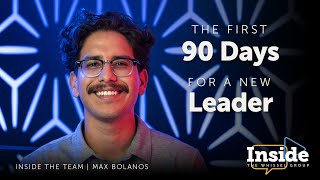
This is a transcript of a YouTube interview (Real Estate Team OS) with Max Bolanos, Director of Marketing at Whissel Realty, ~90 days into the role. Max explains his omnichannel marketing background (previously ~3 years at a digital bank), defines omnichannel as consistent multi-touch messaging across channels, and gives examples (seasonal checking-account campaigns using matching creative on web, email, social, banners). He describes practical first-30/60/90-day priorities after joining a 10-year established real estate brand: discovery/observation (30 days), identifying operational/process gaps, and implementing intake forms, campaign briefs and Monday.com automations (60–90 days) to centralize projects and workflows. He emphasizes balancing brand and performance marketing (moving toward ~60% brand / 40% performance), maximizing events as marketing touchpoints, and scaling an ACE team of remote VAs to execute creative work. Key goals: improve intake and campaign process, tie events to follow-up campaigns, and build an end-to-end in-house marketing capability.
Questions this video answers
November 22, 2024
About three years
About 90 days
About 140–150 agents
Five virtual assistants in the Philippines: two visual designers, one project manager, and two photo/video editors.
Chapters
Help me help you. That's a necessary philosophy, if not even mantra of almost any staff member on a real estate team that's built for and optimized for agent leverage. And of course, this includes marketing. Marketing is very often a service organization. So here in the seventh episode, taking you inside Whissel Realty, you'll meet Director of Marketing Max Bolanos, who's not only new to the team, he's also new to the real estate industry. About 90 days into the role when we recorded this conversation, Max shares with us the approach of the first 30, 60 and 90 days in the new role inside Whissel Realty. He also shares specific tactical things they're doing to help agents help the marketing team serve them more effectively. He also shares a more strategic and omnichannel approach to real estate marketing that he's bringing in from another industry. Balancing branding and performance marketing, honoring different creative visions when multiple stakeholders are involved in the creation of something, getting more out of live in person events. You'll get all that and much more here in my conversation with Max Bolanos inside Whissel Realty on real estate Team os. No matter where your business is today or where you want to take it, you'll get there faster and more profitably with an operating system. Welcome to Team os, your guide to starting, growing and optimizing real estate team. Here's your host, Ethan Butte. Max, I'm really excited about this conversation for two reasons in particular. One, you're relatively new to the real estate industry and two, you're quite new to Whissel Realty Group. And with that, welcome to the Inside the team series with Whissel Realty Group. Happy to be here. We always start with what is a must have characteristic of a high performing team. What comes to mind for you?
For me, I would say intensity for sure. I think Kyle always says, you know, pressure makes diamonds. And I think without intensity and caring about something, I think, you know, that's you need that, you need that to keep pushing you forward and to get you through the tough times. And when you make it to the top and it's great, it's, you know, it's all worth it.
Yeah, well, and how do you stay there? Right. That requires more intensity.
Even more.
Yeah. When you say intensity, two words come to mind for me. One is pat because of the way that you followed onto it. One is passion. Like you actually have to care and you're excited about it, you want to do it. It's not something that you feel obligated to do by peer pressure or like whatever. The other one too is like a sense of urgency and this idea that like especially in a zone as competitive as real estate, like someone always wants, especially if you're at the top, someone always wants to take that mantle. Yeah. And so without that constant sense of urgency, I don't think we can stay where we are. And I think is your sense you're what, 3ish months into the team, Is that just a cultural component? Is that something you've experienced with a lot of people?
I think so. Especially here at our team. I think, you know, everyone's kind of high strung or I think it might be this industry as a whole. Like we're all just like really giddy and excited and it may be just the, you know, people person kind of thing where we just, we like talking to people. And I think a lot of agents have that here. Very intense personalities and. But all for the good. All for great. You know, I think that's. It's all great.
I want to spend a good bit of time in. My understanding of your background is omnichannel marketing, primarily with a digital bank immediately before this. So walk into that however you like. Actually I will give you a place to start marketing. When did it occur to you, what do you love about it? Like, how do you wind up even going in this direction in the first place?
So I'm going to take it back all the way. Maybe. I think I was like maybe 8 or 9 and it was an old Nike commercial with LeBron James where he's like treading in the water. I remember clearly. And then he's like jumping off the top pool into a pool. And ever since then and they continued on with like that same thing. They continued on to like the shoe marketing stuff. And then they also did it for like the website. And so they kind of carried that vision all the way through. And I've always had a passion for marketing. Really. Like I was weirdly enough, like I'd always pay attention to commercials and like I would always look at poster ads and shit like that. And it was, it's fun. And that's kind of where the passion began. And I jumped many degrees. I first I wanted to be a nurse and then I got my first C and my counselor was like, oh, you ain't getting to any programs so might as well want to switch majors now. And then I found marketing and I really liked it. I think it like my personality and like my ability to kind of talk to people. I think it kind of Helped me jump into marketing and understanding what a consumer wants or like putting the consumer first. And yeah, that kind of jump started my passion for marketing.
I love it. I was gonna ask you like a high level philosophical question about like, what is marketing to you? And I think what you just offered, there might be a glimpse of it, which is, you know, it's about the customer, but I wanna put words in your mouth, like for you, what is.
Marketing about marketing, but to me is how can I get, how can I give what the consumer wants quickly and effectively and you know, right away most of the time? Because that's when they want it, they want it now. So that's what I would characterize marketing as.
Yeah, and I love your example too of how you got excited about it in the first place. Essentially heard an omnichannel thing. Like I saw it on tv, I saw it on the website. It extended like the campaign continued with a variation of the same message. But there was enough tie back that in my mind I could put it together with the previous one. And so it's this building, building, building and extending and telling me a story. And all this. For someone who's not familiar with the language Omni Channel, what does it mean?
Multi touch point? I would say like just the same kind of thing that you put on the email. The same banner, the same creator, the same tone, use the same thing on web, use the same thing on print. Just multi touch point. It really is just the same kind of strategy and campaign from start to finish.
Cool.
That's how I would say it would be.
Cool. Give me a couple of examples. Like I think you were with a digital bank for 3ish years. Yeah, three years. Give me, give folks watching and listening a couple of examples. Like I think a lot of people will say, oh yeah, I'm familiar with that term or that concept, but I'm sure a lot of people are like, that sounds like marketing mumbo jumbo. You know, that's what those people do.
It's mumbo jumbo.
Give me a couple examples. Like, what is a good multi touch, multi channel, multimedia type of campaign?
100%. So at the bank we would run a lot of seasonal campaigns. So summer comes around, kids are out of school and stuff like that. We would target, let's say, a $100 promotion for this new checking account. And with that I would do like the same kind of visual stuff, like the same kind of pool theme or whatever, summer theme, fun stuff. And then we would carry that on our site for that product page. And we would also put it on our email banner with the same kind of language, just different touch points, using the same message, the same visuals to create a full fledged omnichannel campaign. And it can come from, you know, using traditional assets, using digital assets, and just making sure they all the same thing. There was some study that I saw that's like the average consumer nowadays needs. I think it was like 8 to 12 times of seeing an ad until they finally convert. And how better than to hit them on email, hit them on Twitter, hit him on Instagram, hit him on, you know, all these different touch points and with the same message they're going to be like, oh, it's that checking account. Let's, let's go sign up for it now. Yeah, yeah.
At the risk of asking the obvious, why is it important to have the social post match the email match the banner ad that's, you know, running, you know, maybe through a Google platform on multiple websites?
Why is it important? Yeah, continuity, I would say, like just making sure the same message has to carry through and if it's an effective one, it will. So just, I would say continuity make like just it being the same vision, I think the same strategy, having the same start point to get them to the same end point is what I would say.
This is a tough one because I regard marketing attribution in this kind of omnichannel environment as essentially still a holy grail. Like no one's cracked it. And I actually talked about it with Kyle in his episode in this series a little bit. He talked about specifically in a real estate context. But you can speak to it however you like from your own experience. The two most common ones are first touch attribution or last touch attribution. Why did this person convert? Well, the first thing they did was click this banner ad.
Right.
The last thing they did was, you know, click a banner and an email that took them to the same landing page that they saw three months ago. Some people are going to say it was the digital ad, some people are going to say it was the email banner. What the smartest people are doing is finding some weighted blend of all the touch points across. But that's really hard. Like, when you are running an omnichannel campaign, what are some of the ways that you knew it was successful? Did you worry about whether it was this thing or that thing or that it was this thing? 30% and this thing contributed. 40% and this thing contributed. Like there's so many ways to do it. But like, how did you, especially in A, you know, tight buttoned up environment, I would assume like a bank. Like how did you think about that or approach it? I mean obviously you want to spend dollars effectively, but it's also really hard to peel apart Something with 18 different touches. Yeah.
So, okay, so I come from a very, well, I came from a very corporate background and like you said, working at a bank, everything is buttoned up. I have access or we had access to like every possible metric that you can think of. So it was very easy for me to see where a customer converted from lead to opening a checking account or opening a savings account and transitioning now to real estate. That part has been very tricky. Is how do you categorize a lead all the way through to conversion? I think what I've discovered here is like we have so many top level funnel, top of funnel metrics, views. What else? Like follows, like stuff like that. Very top level funnel metrics. But we don't have conversions all the way through until they were lead, until they bought a house. But then the problem is always like chicken and egg problem. It's gonna take them a while to buy a house or sell a house. It's not a very instant, quick thing. So the metrics of it is very important. That's something that I'm still working through, still trying to understand is how can I get attribution on a marketing campaign. And for me, I would say it doesn't matter when or where, especially in real estate because it's a long journey. As long as we have a nurturing kind of a thing like a multi touch point omnichannel campaign that keeps coming back up. Yeah, I think we're going to get them. And so just making sure we have that vision all the way through.
I would love for you to talk about how you joined Whistle like, like what was going on for you and your career where you're like, I'm going to go pursue an opportunity in an industry that I don't probably know a ton about.
Yeah, seriously? Yeah, I, you know, three years at a place I feel like I reached a certain point where I kind of had maxed out and you know, my, my boss was in my way for a promotion. So I looked at any other opportunities that there were and this one presented itself and I was really excited about the challenge. Once I sat with Chris and Kyle of kind of their vision of, okay, well this is what has worked in the past 10 years, but now we're at a point where we have over 140, 150 agents. How do we take it to the next level? And what I realized is there was a ton of gaps in strategy. We don't really have a cohesive strategy from top to bottom that everyone follows. And so I was very excited at that and I kind of showcased my expertise in omnichannel campaigns. And I was like, I think, you know, this is a nurturing funnel that we create. I think this one is a, you know, more of a traditional asset kind of a thing that we do. And so that's, yeah, that's kind of how it came about. And here I am now.
Yeah, it's a, it's a, I think a much different challenge for someone to come in into a marketing leadership role in a established 10 year brand. So you're coming into a successful organization and an established brand in the market at the same time. There's just a ton of opportunity still in front of you. How did you, whether it was you or whether it was you and Chris or whether it was you and Chris and Kyle or other people involved, how did you shape up? Like, what are the first 30, 60, 90 days look like? Like, it's a lot. I mean, it's a lot and we'll get into it. We'll start peeling into some of what a lot actually is. But how did you think about the 30, 60, 90 day plan? For you to get it even just get a handle on what's going on here? Yes.
Yeah, yeah, it was, it's been the first 30 days. You know, I kind of observed, I was very, you know, let's see how we do these things. And immediately I kind of saw a lot of operational gaps and process gaps that I noted. You know, I took a whole bunch of notes through that first month. I sat with my team, our marketing team, and I kind of asked them, you know, what are, you know, the opportunities that you guys see here that we're missing on? How are resources being used? Do you think they're being used effectively or not? Like, what's our strategy for everything that we do? And their answers were kind of, you know, eye opening. It's like, oh, well, shit, they know, we know. Look, so let's work on it. Like, let's, let's make it better. And, and that's the, that was the first 30 days, then the 60 to 90 days. Where I'm at now is just kind of seeing how, how to build a new process that doesn't break what has worked so well in the past. And so that's kind of the transitional period that I'm in now is like well I just did these new Monday board, the Monday boards that I created but they're all hooked up through automations in the back end. But how do I not break that stuff? That's worked so far. And so that's kind of the challenge that I'm in now. The 60, 90 day period is now implementing these processes, implementing an intake form, a campaign brief to understand what the property that they, the agent wants to sell is like, what's, what are the highlights of that? And yeah, just getting that information, relaying it to my team, making sure that they understand what the goal of that property is and how we best can position to sell it for the consumer.
Cool. Tell me more about that. Like I'm very familiar with that. By that I mean, I mean the intake form. I think this is like a really great functional piece. I mean broadly speaking I think we would call it a creative brief. Like what is this work? What is the scope of the work? Why do we need it? What does good look like? What do I need to know in the background? Like break down what that form looks like, who's filling it out? What are you asking if and what is the benefit of it? Because I think if you're not using something like this, it's, this is a very practical takeaway. So break down the intake form.
Sure. So when an agent schedules a photo shoot to shoot a property, let's say I'm just stick on property. What I've added was kind of like give me a couple highlights of this property. What are your top five things that you like? And the problem with asking agents these things is will they have the time to fill it out? Will they fill it out in great detail? And so my thing was I need this in order to sell it. So you are the subject matter expert of that property. Help me help you. So I haven't implemented it yet, but that's one of the things that I added. And then another thing that we added.
Was so, so where is this? I know you haven't implemented it yet, but where is this? Like just a live link and you're using other members of the team to make sure everyone in the team knows that how are you going to bring this to life and where does it. I just want to go all in on this thing. When someone fills it out, what happens on your side of that?
Sure. So this we have an internal site and they schedule their shoot there. It has a whole calendly link and it shares like, okay, this is when our photographer is available. That's when I want my property shoot. From then there they go to what's called an appointment form. And in that appointment form they fill out all the information that's you know, the back end real estate stuff. And then we move on to the media portion, media marketing portion. And so I feel like we had a great grasp on the media piece of that form but there really wasn't any marketing in there. Like how, who is our audience? Who are you selling this house to again?
What's awesome about it?
Yeah, like what's awesome about it? Like help. Let's, let's, let's come to an agreement here on what we want to talk about for this property and, and let's carry it through.
So that comes through to your team and probably populates a Monday. Yes, exactly.
Yeah. So then that automates and it uploads into our photographer schedule and then it informs our TC team about the property and it has the MLS date on it and all that stuff. And another thing that I did add to the form was an open house template or flyer kind of a deal where they can give me, the agent can information on that property and from there we can create a dedicated flyer that they can choose from a couple templates of just to have as a leap behind there for, for people who.
Walk in talk about Monday project management.
When built correctly I, I think it can be very powerful. Just what I'm trying to transition the team into now is Instead of having 50 boards for one item, let's say for property flyers, a board for our green screen, a board for our social campaigns, let's just have one funnel through and just call it a project. What all goes into a project and then going back to the omnichannel stuff is like this property will have a property reel, this property will also have a property flyer. And so just making or having those automations that can auto populate that for a specific listing, um, it just keeps the whole team, it gives them visibility onto like what is this property about and how can us as the marketing team better help the agent sell this quickly.
It's probably like a to do, doing, done type, you know, update thing. So anyone like the agent could go in, the TC could go in, anyone could go in and see what's the status of this, has this been done yet, et cetera, et cetera.
Yep, exactly. And with the background that I had working at the bank, we were very process driven, like super corporate. And so everything, if you breathe, you had to check a box like it was, it was that there Was that so breathing? Yeah, absolutely.
This happens in doing.
Oh my goodness. Yeah, it was nuts. And so coming from there, I really understood processes. Just being the test dummy most of the time as the point for the bank, I would have to, you know, try all these new forms, try all these new intake stuff. And I was really not a fan of them at first, but then after I saw the results of like, oh shit. If you actually take time to think about what you're going to put out and do a good job of creating powerful assets, it might work. And it did. And so that's kind of the vision that I want to bring here is let's all have the same strategy and let's just implement it. And I'm very confident that the results will come.
And it's a little bit cliche to say, but I'll say it again for us both, which is help me help you. Like you are the expert. I am an expert in my side of this. Yeah. You know, let's, let's do this together. That's why we're all on the same team. Yeah. So I'm going to pull out just a little bit and actually kind of double back into the form on it. So that'll be the nature of my question. So my, my assumption is that, you know, once you're fully up to speed and you've got your hands on, got a handle on a lot of different stuff, you're going to be either adding or making improvements to what exists with regard to consumer facing marketing from a team Whissel Realty Group perspective. Consumer facing marketing on behalf of individual agents and probably agent facing messaging and communication on behalf of Whissel Realty Group and you're probably going to have a form where anyone can request work that they need. I know you went to the property thing and I'm sure that's probably one of the most popularly filled out ones, but you'll have processes for all three of those kind of core areas.
Yep, I will. I haven't started on the other two but I did try to start the consumer facing one. But yeah, there's a lot of work to be done there process wise. But it's all going to be an iterative thing like this is just V1. It may very well could not work, but we're going to improve it and we're going to get it until it's right.
Yeah. Cool. I think in this environment, I know you haven't gone all the way down this road yet, so, you know, I'm asking you to Maybe generalize or to go back to your previous experience. I think one of the challenges I've had doing a lot of creative work over the years, and I know John has too, is when you have someone who is requesting. You're essentially a service organization inside the team, just like the TC team is in service of the agent and the transaction ultimately for the client.
Marketing.
Yeah. So, you know, as a. As an expert and as a service provider, you are working on behalf of. Let's just go to the agent side of it. The agent may or may not have their own strong convictions about what this can or should look like.
You or. They do.
Yeah. Yeah. Well, exactly. Right. So tips for anyone who is on either side of that relationship to make sure that you're communicating a vision, but also negotiating and respecting the other person's needs, wants, or expertise. Like, there's a give and take to that creative process. And it's like, it can feel like an opinion, but it's all. There's also, like a science to blend with the art that you're doing. It's like how. Tips for anyone who's kind of on either side of that relationship.
Yeah. So one example comes to mind. One of our top agents, Clayton Connelly here, he has a really. He had a really fun idea of Clayton as your realtor for. Your realtor for 2024. Like a presidential campaign style.
Yeah, yeah, campaign.
And so that's been really fun to see. Like, he's. He's owning that and he's carrying it through as an Omni Channel. So I think just, you know, sometimes agents are gonna have great ideas like Tay Clayton's. I think that's a fucking amazing idea.
Especially if you want to live it out and bring it to life.
Yeah. If you really, you know, put your. Your heart and passion to any. He wears a whole top hat. It's crazy. It's gonna go away. It's gonna be fun. It's gonna be fun. So just, you know, help them take their idea to the next level or help them because they're an agent, at the end of the day, you know, they want to sell themselves, sell their brand, sell, you know, their personality and how they can help the consumer buy or sell a house. And so just thinking on the strategy of, like, okay, I see your campaign style theme. How can we implement it across everything and keep omnichannel all the way through? And so working through that balance has been. Because sometimes they also have bad ideas. One that comes to mind is an agent asked me about a flyer as A neighborhood, as a neighborhood flyer, that he would go out and he would promote himself as the gopher killer in that neighborhood. And so I heard him out, I was like, okay, this is a really funny idea, but I'm not using resources from our team to build on that. So it's a balance. You know, it's. Some ideas are great, some ideas are not. So just making sure that you always have the strategy of why we want to do this thing at the top of mind. And it doesn't make sense because sometimes it won't. But, you know, empower your agents to have ideas to come up with stuff. And if it makes sense for the team and the company, then let's do it.
Do you regard yourself as a branding guy? Like, when you think about marketing, where does kind of brand or branding fit in?
I think I'm on the opposite side, but I'm leaning more towards brand now. Jumping into real estate.
Talk about that tension.
Yeah. So, yeah, I think, you know Kyle whissel, Mr. Cybertruck with the whistle logo on, and I think he's a very heavy brand person. Me, I would say I'm more on the traditional marketing metrics kind of what works, what's. How are we engaging with the campaign? How is the audience engaging with the campaign? I'm very iterative, a B testing guy, like just traditional marketing stuff. But coming to real estate is like, you kind of have to have a brand. Like, how are you going to differentiate yourself in a market that's, you know, filled with so many different personalities, so many different kinds of people. And it's been, it's been kind of eye opening to see like how much of a brand play real estate marketing is. And so that's kind of been tricky to navigate to, just coming from not having that much experience with that kind of stuff and leaning on Brian and Kyle for brand and stuff like that, because that's worked great over the last 10 years. And so now I kind of want to shift this more to like a 60, 40 split of like let's do brand 60, but also have 40% marketing thought in there. And I think that's kind of where we have to be at, is at the team size that we're at right now and moving forward because we're going to continue to grow and how can we structuralize or provide more structure, lose structure, Because I also don't want to take away the personality of, of a Clayton who's running a campaign style theme. So it's been an interesting balance and I'm excited To learn more about that and continue to maneuver that balance, because I think it's still very fresh, very new. I focused more on kind of Whissel Realty as my in those first couple months, but I now have to start implementing that agent stuff. And so that's going to be.
It's going to be interesting as a branding challenge. That's really interesting is how do we brand? You know, what's the relationship between Exp and Whistle? What's the relationship between Adrian and Whistle or Carly and Whistle? Or like, there are multiple layers to it. By the way, we've had that conversation a couple times on the show. Go to the Fubcon 2023 playlist in YouTube and that comes up with two or three different people. We have a deep dive into that. Like, how do we balance these brands and what roles do they play and how do they relate? So, yeah, it's a really fun one with regard to the depth of, like, intimacy within the community of the brand. Like, I think you all do a lot of events. Does that fall under the purview of marketing or where does that fit in? How do you think about live in person events as one of the touch points in essentially an omnichannel approach?
Yeah, no, I think we have. Our events are huge and a huge part of our marketing team. We have an amazing events coordinator, Heather, who runs point on that stuff and she is really great on the execution of the event itself. Where I saw opportunity was in the marketing aspect of it is like, what are we leaving behind for people? What is being shown to people? Like, do we consider leaving flyers there? Do we have like any kind of lead generation there that we can poke at and stuff like that. So there has been a few events that I've seen where that was missing and I see a huge gap in there that I think we can fill immediately. And just providing support to Heather and making sure that she has all the marketing collateral that we can provide.
Cool. Not just to drive attendance, but to fulfill whatever the purpose or the mission of it is.
Right? Yeah. And one example actually comes to mind where we had an amazing event at this community, this new community development that we just launched and we had an awesome first open house event and we generated a lot of leads from it, but we never ran any campaigns after. And so that list became stale and now we kind of missed on hitting it while the iron was hot and having a full campaign all the way through. And so that's just one thing that I keep seeing is opportunities like that that we can Capitalize on. And I'm excited to jump into that.
Cool. You mentioned a team member. I've heard a bit about the ACE team in having these conversations within your team, within the broader Whissel Realty group, and I think several of them are on your team. Talk a little bit about the ACE team and what role they fill. That I think is pretty unique relative to a lot of real estate organizations.
Yeah. So I have a team of five VAs virtual assistants that we have that live in the Philippines. We have two visual designers, we have one project manager, and two photo and video editors. And they're great. Honestly, like, they're very talented people, very talented professionals who have their degrees. Like, they're very established and they have a lot of experience. And so just kind of unlocking that potential that I see there is just getting them to shift their mind of more of a productivity kind of a thing. This needs to get out. This needs to check off. This needs to check off. Like, let's think about all these things that we're doing and let's dive deeper instead of going wider. Like, let's go deeper into these things. And so that has been one of my focal points is like, how do. How can I maximize the potential of this team? Because they are very talented individuals and it's exciting to inherit such a talented team and just making sure that we have the right mindset, I would say, or thought process of how we take on a new challenge. And is this really worth our resources? Is this really worth our time? And so that's been exciting.
Yeah, that's a constant challenge in every seat in the. In almost any company, which is. We started doing this. Should we keep doing this? If so, why.
Yeah, why do we do this? Like, is this really worth the time?
That's not a marketing challenge. That's an ever. That's an everything, everybody, all the time challenge. Am I doing the right stuff? Did I have a truly great day? And did I really do the most valuable work that I could in the right way for the right reasons? I know you're drinking from a fire hose. I know this is super early days for you. I really appreciate you, you know, sitting down and being part of this series. When you look at the year ahead, what are you most excited about?
I am super. There's so much opportunity here that I see, and it's kind of mind boggling when you think about it, because we're number one in the world with EXP right now. So just seeing the opportunities that are there is very exciting. I want to dial in our event marketing, I want to dial in our form intake, our campaign briefs like and I think maximizing the potential of my marketing team too is very exciting to where we can be like a full fledged like in house marketing team from start to finish. And that's kind of where I hope in a year, I mean, I know in a year we'll be all right, but it's going to be fun.
Yeah. Cool. Well, I appreciate it. Before I let you go, I would love to know what is your very favorite team to root for or what's the best team you've ever been a member of?
Sure. Yeah. So the best team I've ever been a member of is the digital bank that I was at. There was a lot of like minded individuals and kind of the same age. Well, not really actually because I worked with a ton of different people from, you know, old to younger and we all had a voice that was heard which was a lot of fun to work at or with. And the leaders that we had really implemented like good structure, good like thought process on campaigns to that honestly helped me out tremendously. Like coming here is like, let me just think back to my basics, like just what, what are we doing here? And working with all these different people making sure that we all had the same goal or the same vision and it was, it was really fun to work at.
I appreciate it so much. I wish you continued success in the year ahead and I hope that it stops feeling like a. I can't. I can only imagine coming into a 10 year established organization, new to the industry and trying to make sense of it all in, in such a short amount of time. So I appreciate you sharing your experience so far with us.
It's been great. It's been great. Thanks, Ethan.
Thanks for checking out this episode of teamos. For email exclusive insights every week, sign up@realestateteamos.com.
More from Real










Zillow, PPC, Referrals… what’s actually working in today’s market? #realestateteam
