Splits Vs Services with Winston Murray | Ep 012
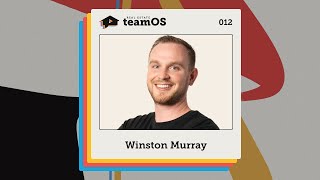
Winston Murray scaled Works Real Estate from 4 to 140 agents by mixing referral service with Zillow Flex leads. He explains when to cut services and raise splits, how virtual support lets you expand beyond Portland to Seattle, and why training matters when you're handling high volume.
Questions this video answers
January 9, 2024.
From 4 agents to about 140 agents.
About 12 years.
35 deals in his first year with a license.
70 houses in one year.
Chapters
No matter where your business is today.
Or where you want to take it.
You'Ll get there faster and more profitably.
With an operating system.
Welcome to Team os, your guide to.
Starting, growing and optimizing real estate team. Here's your host, Ethan Butte.
For insights into starting, growing and optimizing your real estate team, we're talking with Winston Murray. A few fun facts before we get started. He's a lifelong, deeply rooted and community minded Portlander who's worked in construction management and nonprofit leadership. He's the founder and principal broker of Works Real Estate in Portland and in Seattle. Over the past few years they've grown from four to about 140 agents. Thank you for talking Team OS today, Winston.
Absolutely, Ethan. I'm happy to be here.
Awesome. I'm looking forward to the growth story from 4 to 40. Like some of the decisions that went into that, maybe how you would do it differently, what enabled it or what motivated it. But we'll start where we always do, which is a must have characteristic of a high performing team. When I ask or offer that, what comes to mind?
Yeah, I think being relentless and determined no matter what I think with that comes a lot of humility. Knowing that you know, this is where, this is the direction you're aiming towards. You don't know exactly how you're going to get there, but you're going to figure it out as you go. And that requires a lot of humility. You know, like you can't have determination without being able to look at where you can improve at every next step to continue that growth. So yeah, humility has been this, this like trigger word kind of my entire career where I was like, look, I don't know, I'm gonna figure it out and I'm gonna ask a lot of questions along the way and I'm willing to constantly inner reflect and figure out what we can do better. Okay, this is broken and it's going to break at every next step. So I've gotten really good at knowing that I don't know everything but willing to figure it out.
I love that pairing of relentlessness and I think determination was also in there as well blended with the humility. And it's, it's that where I've seen a lot of people struggle and fall down and basically I'm talking about myself too is, you know, some expectation that it's just going to be successful, which is foolishness. And this idea that there's a humility to know that I don't know I'm going to do My best here. I'm going to learn from it and keep going with some kind of relentlessness and determination to get it done. What drives you like. So I don't think you and I ever talked specifically about your origin story as a team leader and the founder of works real estate specifically. But my expectation is that you're probably one of those solo agents who was very successful and felt like if I'm going to do what I need to do, I need to surround myself with more different people to leverage my time and these other things. Give a quick go at how you got there because I have a feeling of relentlessness as part of it.
Yeah, I just kind of stumbled upon real estate. You know, I, I did a lot of odd end jobs. I got involved with this kind of, this non profit and we were kind of restoring this old building and you know, I, I al. Always struggled in like traditional school and test taking and so I was kind of looking for my niche. Okay, I'm not good at school, but gosh, I, the first time in like my adult, you know, life, I was like, wow, I feel smart. I can like organize people and I can like make something happen out of thin air by not necessarily out of thin air, but I can, I can like see a space and see what the potential is, whether it's in real estate or whether it's in community. And that feeling of like, feeling useful, feeling smart, feeling like I'm actually having an impact ultimately is what drives me. And then that led me to real estate and I was like, okay, I'm going to apply all of these learned lessons and all of my previous careers and jobs and roles into one. What better than real estate to create something out of nothing? It's a blank canvas. I find that I do a lot better in a blank canvas than in a, than in a box.
How did you get started and when did you commit to creating your own brokerage?
Yeah, so I got started. I've been selling real estate for about 12 years. I was a real estate agent, assistant, slash transaction coordination coordinator and transaction coordinator and I ultimately got fired from that role after about a year. I'm no better at transaction coordination today than I was then. And, and then that led me to join a team at Keller Williams as a showing agent and then a buyer's agent. I did ignite, I did bold. So I got a lot of good kind of traditional training in that sense. First year license, I did 35 deals. And so I was like, okay, this is clear. I'm better in the front end of the house than the back end. I'm better at the sales side than the back end. And then after a couple years on the team, I went solo. And actually the, the day I quit my team, I jumped out of a plane. I went skydiving for my friend's birthday, but it just, we weren't going to go because of the clouds. And then I couldn't take it anymore on the team. I was like, I'm just going to do this leap of faith. I'm going to quit my job. And then the skydiving company called me and they're like, hey, the sky's cleared, you're ready to jump. Come here in an hour. And so within two hours after quitting, I was jumping out of a plane. So that was a very memorable experience and very, you know, the universe just saying, take the leap, do it, go for it. And. And I did. And so that first year as a solo agent, I did about 40, 45 deals. And then I started to be like. And at first when I left I was like, I don't need a team, I'm just going to be solo. You know, if I could do 25 deals a year, that'd be great. And then quickly found out that, okay, there's something to be said about having the, the right structure and support behind me to allow me to do what I, what I do best, which is sell and, and connect. Connect. And so ultimately that's what led me to then start a team. And then, you know, I went from doing 40 deals a year to 50 to 60 to 70. I just looked again because no, in my office believed me that I actually sold 70 houses in one year. But I did and I have the proof for it. And then from there we got on Zillow Flex. And Zillow Flex was on my radar a few years prior. So that was part of the motivation for me to get to a production level and a leverage point where we could actually handle increased volume. And so we got on Zillow Flex about three years ago as a four person real estate team. And in the last three years we've gone from four to 140.
So that 140. Thank you for all of that. So that 140 was driven in part by we have all, where we have all these opportunities. We like the arrangement that we have with the Flex program. I'm sure you're also just by nature of increasing deals, probably also getting some natural kind of SOI type deals or referrals as well on top of that. But on that journey. Talk a little bit about the staff to support that. Like um, what do you kind of. In what general, I mean generalize. You don't need to go like roll by roll, but like what areas did you look to support with full time staff first? Kind of, kind of what sequence do you kind of start building the, the support for all of these agents to manage all of these deals. And would you recommend doing it in a different order in any way based on your experience?
Probably, yeah. Well the, the whole goal was like, you know, how I got from as a, just a solo, you know, 35 to 70 deals in a year was all like, hey, I'm going to go all in on Zillow and treat these clients like friends and family and do such a good job during the process and do just as good of a job staying in contact afterwards. To multiply the impact, to leverage each opportunity with Zillow in the form of, you know, two or three more referrals within a year or two after that. And so having been on a team where I was only allowed to represent buyers and my name wasn't on the sign, I knew that when we started a team we wanted to do a little bit different. So we definitely needed transaction coordination, we definitely needed some listing back end marketing support, operation support. But the goal was to just like, if I could help an agent that joins my team build a similar business to what I built, then I know as a team we're going to be really successful. So the whole, the whole idea behind you know, our, our team structure was just that it was like take that the opportunity we have from Zillow. And I want to help my agents build really strong referral based businesses. And you know, the support structures evolved quite a bit from four agents to, to, to 40. But ultimately those key components of just transaction coordination, listing support and overarching marketing operations management support was, was, has been there the whole time. Even though the people are different, the role and the responsibilities might have shifted. And I quickly realized when we got on to Zillow Flex, it was like my biggest challenge all of a sudden was how do I keep up with the volume? How do I keep up with the amount of opportunities we had? So it was 2020, it was a boom market. The sky was literally falling. Leads and opportunities. And my biggest challenge as a team lead broke now brokerage owner was, you know, endless leads means nothing without quality control. And I don't want to hurt the, the business and the reputation that I've built just to, just to go fast so my first big challenge starting the brokerage was developing education for the agent to ensure that the conversations were right, the conversion was right, and ultimately we're going to protect the opportunity that we had.
I think something that you're doing uniquely that makes this opportunity valuable to you and have been able to build, you know, 100 plus agent brokerage on it, is that you're seeing it as a long term play. I think a lot of people say these leads suck, those leads suck, these leads are good, those leads are bad. And it's very transactionally minded. Whereas what I heard you say was you're investing in this and kind of co creating these opportunities with a lead partner, in this case Zillow Flex, with the vision of building real relationships and turning them into, you know, 3, 4, 5, 6 transactions, which then makes the ROI incredible. I think a lot of people look at it much more myopically, which is just in this really tight window of like I put in X or I had to give away Y. And you know, on this one transaction I'm not valuing it correctly. So I said a lot there. I didn't really ask a single question.
But I know I'm following, I have a lot.
Yeah, I know you are, yeah.
A lot to talk about there. I mean, I want to back up though, if I were to hire in a different order, I probably would have added a lead manager and, and an additional kind of recruiting department or person to really help streamline that. In the beginning I didn't, I didn't really do that. It was just like sky's falling. If you got a phone, computer and a license, I'll teach you how to do it. And as long as you can pick up the phone, we're going to be good. But, but I'll back up even further than that. I mean, when I was at Keller Williams, I was on a team that was, that saw the opportunity in the online space. But the level of service I didn't believe matched like a traditional referral based agent. It was kind of geared towards more burn and turn style business. And then when I left, after I jumped out of the plane, I went to a smaller boutique brokerage. No one had a CRM, no one did any advertising. And it was eye opening for me to see the volume that these agents were doing simply by just taking care of their client, doing right in the transaction and doing just as good of a job, staying in contact after the fact. And so as a millennial entering the industry, I was, you know, 22. I didn't have a lot of friends in a position to buy, but I was used to doing 35 deals a year. So Zillow just seemed like a no brainer to, to scale my referral based business and ultimately merged those two worlds together. And I saw a huge divide in all of like what I perceive to be the best of the best Realtors who are truly taking care of their client, being really resistant to this inevitable change in the industry driven by the client demand. And so for me, I saw a huge opportunity to kind of merge this new leverage tech opportunity that's kind of this inevitable change with this old school, hands on, referral based mentality. And still to this day, more than ever, maybe there's a huge dividend. And at the end of the day it's about relationships. And that's what you said. And you know, Zillow, OpCity, you know, realtor, Homelight, Open Door, there's so many different tech companies now that are inserting themselves between the agent and the client. But at the end of the day, the client remembers the agent. And no matter what change happens in the future of the industry, I knew that it was still going to be so focused on relationships. And that's what gave me the ultimate confidence to continue that down that path, which there was no guarantee that it was going to be successful or not. There still isn't, we're still building it. Who knows what's, what's going to happen and we'll continue to adjust along the way.
So much good stuff in there. And I say this from time to time, but that is why, especially if you're listening to podcast player, you have that 30 or 60 or 90 second back button. By the way, if it's Apple podcasts, you can change how far you jump back, but that's why we have the jump back button. I think what you're doing, Winston, is so powerful and you explain it so simply too. And it's simple in concept, which is this is about relationships and referrals. How a lot of folks are treating kind of digital and online generated opportunities is a bit too transactional. Let's find a way to treat those people better, as if they're going to be long term, you know, friends and neighbors of ours and have it net out in the end.
Always say, if you can meet your husband or wife online, then you definitely can meet your Realtor online. These are real people and they deserve real, real service.
Yeah, and I love that language too. Like they deserve more than what on average we've been giving them. And frankly I mean, the more that we treat people a particular way as a culture or as a habit or as an industry or as a subset of an industry, the more people come to expect that that's what it is. And so I think it's important to continue to raise the bar in different ways and in different places. I know it's a little bit cliche to say, but it's absolutely true.
Well, that really leads us to where we're at today is ultimately, like, I think a lot of these teams that are benefiting from opportunities online have a high turnover, and it's not their agent's name on the sign, it's the team leader, and that agent doesn't get credit for their work. And so, in a lot of ways, we're trying to reformat what a traditional real estate team looks like. And it's this instilled ownership in our agent's business that ultimately allows us to continue to attract and retain top talent, which in the eyes of Zillow and all these other partnerships that we have, like, it's a lot easier for us to help perform at a high level and retain top talent if we're instilling ownership in their business. Hey, we want to help you build just as strong of a business as I built, and the best way to do that is to take care of the client, to get repeat business and referrals. So that language in itself is so counter to how most real estate teams in my experience are run, and it's allowed us to stay ahead of the game.
Yeah. Congratulations on your success to date. Thank you for sharing that. And I want to go to a zone that you and I talked about that on a previous call that I know is a constant challenge for every team leader, no matter how they're operating and no matter how they're training people to manage online leads and opportunities specific to our conversation up to this point. And this is really that crux of splits versus services. How do we make sure that we're creating a unique and powerful environment where agents have a great work life balance, and they're also producing higher than they were in whatever previous iteration they were in, such that they want to stay and continue to learn and grow with us. We want to provide services, but we also need to do this profitably. And all of the levers around that are shifting all of the time, costs are changing, opportunities are changing. You know, the numbers that we have in a particular, you know, model that are suggesting if we put, you know, 20% more in, we'll get 35% more out. Well, that doesn't hold all the time over time because so much is changing. So I'd love for you to just kind of introduce how you thought about splits versus. And then I think another place we might go over time is, you know, the fear a lot of agents have about joining a team because they look at the split and they're like, oh, that's, that's shocking on its face. But they don't understand the other side of the splits versus services dynamic. But let's stay in your seat as a team leader. How did you think about that, that when you were first setting up? How do you think about that today? How has the shift in the market affected this dynamic for you? I know it's something you spent a lot of time and energy and thought and care on. I know you've had to make some challenging decisions around it too. So just kind of set us up on your philosophy around splits and services and maybe how that's changed over the past, you know, several years.
Yeah, I mean, just since starting the brokerage, I think we've adjusted service and splits four times in the last three years, which isn't easy to do. And every time it's done, it shocks the culture for sure. The market's also changed and we've changed, we've grown quite a bit. I mean, when we were 20 people, we were at a 50, 50 split across the board, regardless of the source. We did a success fee, referral fee off the top, and then a 50, 50 split if it was agent, if it was company gen, that's the only thing that hasn't changed. We're on a 50, 50 split for any company gen after any referral fee that comes out off the top. On SoI business, we started at a 50, 50. We weren't able to retain agents when the market shifted. And then we've incrementally brought that up to a 60, 40. But every time, every time we've done that, we've had to take back some of our services. Like we used to install lockboxes and directionals and coordinate staging and schedule styling and get bids for recommended repairs. Like we used to do way too much on the listing side, which wasn't too much at the time. It was great. It was level service. It protected our brand. It also protected our reputation because some of our agents were newer. And this really helped kind of facilitate a good experience for the client, regardless of how, how experienced the agent was. But yeah, I mean, obviously it's changed a lot in the last Year and a half today we're at a 70, 30. So if an agent has had experience coming in, they start at a 70, 30 on any SOI business and then again agent gen or company gen is at a 50, 50. And then as that agent increases their production. So at 15 units maintained in a rolling 12, they go up to a 75, 25. And then for agents doing 25 or more unit and there's a volume threshold tied to it depending on the average price point for the market, then they go up to an 80, 20 if they're maintaining 25 units or more in that same rolling 12 measured every quarter with a six month grace period, knowing that not every quarter is going to look the same. But this really has allowed us to onboard agents with like a three year growth trajectory where ultimately regardless of their level of experience, like our only culture fit is like I don't care if you sold one house or 100 houses, as long as you have a willingness to learn and grow. That's what makes our culture our culture. And so we want to see our agents become incrementally less dependent on our lead sources year after year. If it's a brand new agent has never sold anything, they start at a 60, 40 until they've done eight deals and then automatically their SOI business goes up to a 73. And any company generated business counts towards those first eight as well. And so ideally we're looking at like a brand new agent joining at a 60, 40. They do eight deals in their first year, next year they're at a 70, 30, the year after that they're at a 75, 25, year after that they're at 80, 20. And every year they've seen like a 20% increase in their SoI business and obviously the splits are greater at 80, 20 they're going to see, you know, they're going to be making 2, 200 to 300 grand by their third or fourth year and, and still have, you know, a lot of support and leverage on the back end.
Okay, first of all, thank you for that detail. That's fantastic and very specific. It creates, it's a great story to be able to tell whether it is a brand new agent or someone with a little bit more experience. You know, there's some, something that you're constantly working. It's very clear, your definitions were very clear and I can see how it would be motivating and inspiring to someone. Let's go to the other side of that in terms of the services that you provide, in terms of like when you realized that you were over delivering and or the market had moved out from underneath, like, let's do all the staging and some of the other things that you mentioned. What was that process? Like, I want to kind of get into two parts of that process because I'm sure some folks watching or listening are in the middle of something like this or have been thinking about it because they need to, which is one, what was the process for kind of weighing out cost benefit on maybe a service by service basis? Or there's some obviously, like these three things need to go and you may be wrestled over, do we keep doing this or do we scale that back a little bit? So like how do you evaluate the services? Maybe who is involved? And then after that we'll maybe get into. Because you mentioned the disruption to the culture, how did you communicate that to the agents? You know, the couple of times that you've had to do it and maybe how did you do it differently the second or third time versus the first? So start to that first half of that, which is how did you evaluate which services were necessary, appropriate, useful, good cost benefit, fit where you wanted the company to go? Like, how did you evaluate the services from a cost benefit perspective?
Yeah, I mean, you know, the, the, the most costly thing to an agent is time. And so for me, when I was selling 70 houses a year, I didn't have any time. You know, I did that with like a fraction of the support our agents have now at the brokerage. And you know, if really looking at like what you make in a year and breaking it down to like how many hours you're working in a week and what is your hourly wage helps help. Really helps me and any other agent look at, okay, is designing a flyer the best use of my time? Like, there should never be a time where we're not available to meet the client because we're styling our latest listing. Like, that's not the best use of my time, nor is it what the client is hiring me to do. Right, we hire a stager or a stylist for that. You know, we, we hire landscapers for landscape not available to meet the client because we're styling our latest listing. Like that's not the best use of my time, nor is it what the client is hiring me to do. Right, we hire a stager or a stylist for that. You know, we, we hire landscapers for landscaping. We, you know, just like I'm not going to get in a crawl space during the showing. You know, it's not what I'm here to do. And I think agents have the tendency to pretend to be an expert in title and in lending and contracting and insurance. And, you know, agent doesn't actually do anything. They, they, they do everything. They organize everyone involved in the process. But as a solo agent, I found like the best use of my being available to the client. Making sure their offer gets accepted and protecting them within inspections and same for sellers is ultimately making sure the home is prepared in the best way, utilizing our list of vendors and protecting them within negotiations. And that's it, right? Like, I don't, I don't need to be everywhere all the time. I'm going to, I'm going to definitely make sure your offer gets accepted. I'm definitely going to protect you with inspections. And so when we're, when we're stepping back as a brokerage, like, we're going to do all their paperwork that protects us, meaning they write the offer, but we're taking it all the way to closing. We're opening, you know, escrow, we're sending out earnest money instructions, we're communicating with the lender. Like, our agents are highly leveraged on the transaction coordination side. And then in terms of listing support goes. This is kind of our biggest shift. We were doing staging, photo, you know, we pay for photos, videos, Matterport 30 tours, floor plans, drone photography, videography, drone videography. We're doing everything and we pay for that. That comes out of our split regardless of the source. And from a quality control standpoint, we didn't really want to get rid of that. We didn't want any of our agents taking bad phone photos of the listing. Like, that hurts our reputation. So, like, paperwork and marketing are done for the agent. I'd say one of the biggest mistakes is that when we were new, we hired, I had 30 staff at one point, and we just didn't need that many staff. But because we were growing so fast, we felt like we needed that many more bodies just to build the infrastructure. And I look back on it now, we're 10 times the amount of agents we had, you know, and we, and we're only a third of the staff that we started with. You know, the staff that we have now are a lot of the same staff we started with with. It's like, okay, we didn't actually need all these extra layers, but we felt like we did at the time because we were just trying to move really fast and build everything fast. And now that it's built, we've been able to like, scale back the amount of staff that we have on payroll to support our agents. So we're highly, highly leveraged in that like all of our support for our agents is virtual support, right? Not necessarily all of our staff are virtual assistants, but some of them are. And by drawing that line in the sand, it's allowed us to also expand outside of our geographic range to help offset this market shift. Or like, look, we have to expand into these other markets. Even though it might be a lower price point, there's still higher dollar volume movement for first time home buyers in those other tertiary markets outside of our core Portland and Seattle market.
Okay, you just teed up a place I wanted to go anyway, so I'll, I'll, I'll follow you there or, or we'll move there. How did you choose Seattle and what.
Are drawing that line in the sand? It's allowed us to also expand outside of our geographic markets.
Are you looking at and kind of what is for anyone who is operating a team, no matter the size, whether it's 6 or 65, any tips for geographic expansion? I mean Portland and Seattle probably are culturally similar, but there are new nuances. Obviously there, it's not the same, it's not the same city, it's not the same market. Etc, they're also not, you know, an hour up the road from one another or down the road, you know, vice versa. There, there, that there is a commitment. So like talk a little bit about how you thought about which markets were the right fit for you and maybe some tips for people that are thinking about going that direction.
Yeah, there's always been a lot of cross reciprocation between Seattle to Portland. We have an agent in Bend as well as kind of like this Pacific Northwest Bermuda Triangle of movement. Whether it's like someone starts in Seattle and then they move down to Portland and then they retire in Bend and then, you know, sell their condo in Seattle. So there's just a. There was already a lot of referrals going back and forth. So geographically it just made sense for me. As a solo agent, I always like prided myself on being from the city. I grew up here. I'm from the area, I'm involved in the community. And it was hard for me to imagine selling houses actively outside of this market. And you know, for me I'm like, oh, a house is a house, you know, and we have a really good system of training agent or educating agents and making sure that the quality controls there. So once I felt like our level of service was up to par to actually like you know be introduced to a new market. It was a no brainer and now I'm like okay, where else can we go? You know, that makes sense.
Yeah. And that's probably in part enabled by the tightening of the core staff. Moving some of it virtual was pro is probably helpful in this. Any other factors involved in doing it successfully And I guess as a layer on there. What staff positions do you recommend? Be local or as you're thinking about the next geographic market or whether it's Seattle or whatever's next, what do you think is important to be local and on site and what isn't.
The only person we have on staff there is like a sales manager. They're also in production and so someone that the agents can go to to answer, you know, Seattle real estate specific questions. But then we also have a managing principal broker who's licensed in both states that they can call. So we have about three sales managers any agent in any market can reach out to. And then the biggest thing is like we're like in many ways a virtual brokerage because we've, you know, most of the support that we offer is virtual but agents can go to, to answer, you know, Seattle real estate specific questions. But then we also have a managing principal broker who's licensed in both states that they can call. So we have about three sales managers any agent in any market can reach out to. And then the biggest thing is like we're like we have about 10 hours of continued education and coaching and workshops that happen on Google Meet every week. And so although we're a virtual brokerage, it sure doesn't feel like it because any agent from any market can tap into that very relevant market conversation which is mostly led by the agents. Like I'm leading it but I'm just prompting questions to get our agents to start sharing stories of successes or challenges that they're having. They're having. And this has allowed us to like anyways a virtual brokerage because we've, you know, most of the support that we offer is virtual but we have about 10 hours of continued education and coaching and workshops that happen on Google Meet every week. And so although we're a virtual brokerage, it sure doesn't feel like it it because any agent from any market can tap into that, be highly leveraged virtual, allow for expansion and, and have it feel still very personal and intimate for the agents.
Yeah. So that they feel like they're A connected and B getting a high level of service.
Yeah. And like we've, we've done a lot of Like I think we've had a lot of success with just leasing like co working spaces that allow very relevant market conversation which is mostly led by the agents. Like I'm leading it, but I'm just prompting questions to get our agents to start sharing stories of successes or challenges that they're having. They're having. And this has allowed us to like be highly leveraged, virtual, allow for expansion so as to like not be locked into a five year lease. We can, can start in a two person office and then as we grow we can continue to move down the hall and get into a bigger space until we can afford to buy in that market.
Really good. I want to double back for a minute to communicating when you have to change some of the services and splits. What was the communication process there? You know, I think a lot of people would be, you know, it's an art and a, and a skill to be able to communicate why this is good for everyone when in fact it.
Might look or, and, and have it feel still very personal and intimate for the agents.
Yeah. So that they feel like they're A connected and B getting a high level of service.
Yeah. And like we've, we've done a lot of like, I think we've had a lot of success with just leasing like co working spaces that allow feel on.
Its face like you're getting less, you know. How, how did you manage that? Did you, did you test any of the communication with agents? Were they involved in any of that process? Like how did that go for you?
Yeah, we definitely had some of our top producers kind of weigh in at every level. But at a certain point it's just like, look, we, we know we have to pull back on these services so as to like not be locked into a five year lease. We can, can start in a two person office and then as we grow we can continue to move down the hall and get into a bigger space until we can afford to buy in that market.
Really good. I want to double back for a.
Minute otherwise we're going to go out of business. Like we have, we have to do this, you know, in the market to.
Communicating when you have to change.
It was shifting as fast as it was. Like regardless of the optics, like we knew what we had to do. I think we've done a good job adjusting services at the same time increasing the split on soi business in favor of the agent. So hey, you're not going to get this, but in return we're going to give you this and it's, it's Tough when you do the most some of.
The services and splits. What was the communication process there on the listing side?
Because for year one, two or three agent that doesn't have a bigger mix.
You know, I think a lot of people would be, you know, it's an art and a into skill to be able to communicate why this is good for everyone when in fact it might.
Look or the listing business coming in, they're like, well what, why am I paying for this?
And I don't have feel on its face like you're getting less, you know. How, how did you manage that? Did you, did you test any of the communication with agents? Were they involved in any of that process? Like how did that go for you?
Yeah, we definitely had some of our top producers kind of weigh in at every level. But at a certain point it's just like look, we, we know we have to pull back on these services otherwise we're going to go out of business. Like we have, we have to do this, you know, in the market listing. So you know, I didn't get staging done on my listing or whatever. Just you know, scaling back our services to a point where no one feels like, like, you know, only listing agents are getting special attention I think was part of that kind of change. And I feel like we're in a really good spot now and there's not a lot I would change at this point. You know, from a profitability standpoint we were very profitable at a 5050 split, you know and it's, it's really hard to like do projections when you have some of your agents on a 70, 30, some of your agents are on 80, 20. So you know, we're constantly just looking at the mix of business. It was shifting as fast as it was like regardless of the optics, like we knew what we had to do. I think we've done a good job adjusting services at the same time increasing the split on SOI business in favor of the agents coming in. What's our source this month? Like this month right now, in November, we're a lot more reliant on these online leads than we were then. So hey, you're not going to get this but in return we're going to give you this. And it's, it's tough when you do the most the rest of the year because I think a lot of referral based business is somewhat seasonal too. So you know, I will say too like we have a lot of agents who aren't taking any company who has on the listing side because for a Year one, two or three agent that doesn't have, have a bigger mix. I haven't taken any company, generated leads all year and running really strong referral based businesses. But the listing business coming in, they're like, well what, why am I paying for this? And I don't have listings. So you know, I didn't get staging done on my listing or whatever. Now their pipeline of referrals is starting to slow and they're like, hey, turn, turn me on to Zillow or whatever it may be to supplement my referral based business. And ultimately that's what we want. Just you know, scaling back our services to a point where no one feels like if I could have a hundred really strong referral based agents who are not fully relying on Zillow, they're the agents who are converting three to four times the amount of a one or two year newer agent.
Yeah, I think that's another part of the equation we were talking about earlier is how, you know.
Converting, you know, only listing agents are getting special attention I think was part of that kind of, of change. And I feel like we're in a really good spot now and there's not a lot I would change at this point, you know, from a profitability online leads.
I think, I think a lot of people look at benchmarks or norms that are like broad standpoint, we're very profitable.
At a 5050 split, you know, and it's, it's really hard to like do.
Not across the industry and say like, oh okay, well we're doing, we're doing, we're doing benchmark, but that's not sufficient. And I think the mindset that you articulated earlier in this conversation is probably baked into the training that you're doing blended with an experienced agent converting at a much higher rate.
Yeah, absolutely. I mean projections, when you have some of your agents on a 70, 30, some of your agents are on 80, 20. So you know, we're constantly just looking at the mix of business coming in. What's our, what's our source this month? Like this month right now. And I, I've experienced this for myself. I was that agent on a team that was like, I don't need a team, I want the full commission, you know, and I'm gonna jump out of the plane in November. We're a lot more reliant on these online leads than we were and start my own thing and oh, I did not know what I was getting into, but I was willing to figure it out. And ultimately like as a, as a team lead, Brokerage owner. I've had many agents leave now and I always have to ask like, okay, why, what else can we do to make sure that we're attracting this, this talent? But for an agent who doesn't see the value of time, you know, yet in their career and actually the rest of the year, because I think a lot of referral based business is somewhat seasonal too. So you know, I will say too, like we have a lot of agents who aren't taking any company who have 10%. That, that one listing they have means a lot to them and that hadn't taken any company, generated leads all year and running really strong referral based businesses. But now their pipeline of referrals is starting to slow and they're like, hey, turn, turn me on. Makes sense. But gosh, if I could just help them fast forward five years, I think they would reflect back and be like, okay, yeah, I, I had it pretty good. And so we have this recently. We, we, we created this comp worksheet, part of goal setting. Just how many hours do you want to work, how many deals do you want to do, how many buy side, how many sell side, how many from the company to Zillow or whatever it may be to supplement my referral based business. And ultimately that's what we want. If I could have a hundred really strong referral based agents who are not fully reliant on me, how many from you generated by the agent? And this has really helped are Zillow. They're the agents who are converting three to four times the amount of our business strategy conversations and get our agents to look at the value of their time, say one or two year newer agent.
Yeah, I think that's another part of.
The, and we actually have a comparison with a, with a CAT model on it, like an $18,000 cat model. And we can, we can plug in like TC support.
So if you leave the equation we were talking about earlier is how you know.
Converting Eve and you want to go start your own thing. These are the costs that you're going to, you know, online leads.
I think, I think a lot of people look at benchmarks or norms that.
Are like broad take on and then without all the company generated business, they're, they're netting more every time in our model. But I think a lot of agents.
Think oh, I gotta cut across the industry and say like oh okay, well we're doing, we're doing, we're doing benchmark.
You know, in order to double my income, I gotta double the amount of.
Hours that I'M putting into it, but that's not sufficient. And I think the mindset that you.
Articulate, it's not necessarily true. And so I think we're trying to do is just really help our agents learn early on the value of leverage, time leverage, whether you're paying per showing.
Did earlier in this conversation is probably baked into the training that you're doing, blended with an experience for that extra support.
You know, an agent, on average, a.
Client agent converting at a much higher rate.
Yeah, absolutely. I mean, it looks at 10 homes before finding one house. And if, if I'm an agent, it's worth paying. And I, I've experienced this for myself. I was that agent on a team that was like 50 bucks per 10. That's 500 per for every closing to buy back 75. I don't need a team. I want the full commission, you know, and I'm going to jump out of the plane percent of my time to double or triple my production and out the gate. I think a lot of team leads can. And brokerage owners can teach people how to sell houses, but we're really focused on helping empower agents to build really strong real estate businesses to last because we can start my own thing. And, oh, I did not know what I was getting into, but I was willing to figure it out. And ultimately, like, as a, as a team lead brokerage owner, well, it's like 90% of people fail within five years. Like, we normalize that. We want to talk about that because that means they got to do what 90% of people aren't willing to do. I've had many agents leave now and I always have to ask like, okay, why? What else?
Yeah, and it's so interesting too. I mean, you offer. Leverage is the key word in all of that that we do to make.
Sure that we're attracting this, this talent. But for an agent who doesn't versus linear.
I mean, you offered like a linear thing. Like, well, if I want a 2x, then I need to 2x that, you know, so like, it's not linear directly to get it done. Kind of a.
See the value of time, you know. Yet in their career, an extra 10% on that, that one listing they have means a lot to them and totally.
Unrelated to anything we've covered so far. When you opted to start the brokerage, why independent, did you weigh going with another brand or a franchise? Kind of. How did you think about that?
Yeah, I did. Makes sense. But, gosh, if I could just help them fast forward five years, I think they Would reflect back and be like okay, I had it pretty good. And so we have this. One of my early mentors in real estate said this and I can't get out of my head. Whoever has the leads wins. If you got the leads, doesn't matter, right? The service is there, you got the business coming in, doesn't matter. And I wanted a lot of flexibility in creating our own structure. We created this comp worksheet part of goal setting. Just how many hours do you want to work?
Work.
How many deals do you want to do, how many buy side, how many sell side, how many from the company, how many from you generated by the agent. And this has really helped our.
Sure.
This is new. You know, I knew that creating a brokerage to support our business strategy conversations and get our agents to look at the value of their time say the, the volume of online business to the industry in itself is relatively new. And doing it at a massive scale beyond just like a, you know a five, ten person team. That's where it starts. But the margins and we actually have a comparison with a, with a cap model on it like an $18,000 cap model. And we can, we can plug in like TC support. So if you leave, aren't there enough as it is? I didn't want to pay another cap per agent on top of that and I wanted more flavor, flexibility and building out these eve and you want to go start your own thing. These are the costs that you're going to take on. And then without all the company generated business they're netting different mechanisms of support. And even though one brokerage might offer some of these services that we already cover and there's a cost savings I think from a reputation quality control standpoint. We knew we had a really good set of transaction coordinators like the, the, the best in the west. And ultimately we wanted to lean into this the, the relationships we had more every time in our model. But I think a lot of agents think oh I gotta, you know, in order to double my income, I gotta double the amount of hours that I'm putting into it. Already had as well.
Awesome. Another kind of on its own type of question that's. I'll just pick up on the word relationships. There you are on the advisory.
That's not necessarily true. And so I think, I think we're trying to do is just really help.
Our agents board of both the Zillow Agent Advisory Board, the SISU Advisory Board.
How do these learn early on the value of leverage, time leverage, whether you're.
Paying per showing Opportunities open up to you and what is valuable about that time spent for you personally?
Great question. I again going back to like it's not real estate. I just love creating something out of nothing. I love for that extra support. You know an agent on average a client looks at 10 homes before finding one house. And if, if I'm an agent it's worth paying building. I love, I love the relationships. I love the, the day to day struggles and then overcoming that. 50 bucks per 10, that's 500 for every closing to buy back 75. And whether it's real estate or not, like I, I definitely see the industry transforming quite a bit and it, you know it's, it's a percent of my time to double or triple my production and out the gate. I think Uber versus Yellow Taxi is the same thing and it has been happening but it seems to be exponentially speeding up in the industry. And 10 years ago as a millennial entering a lot of team leads can and brokerage owners can teach people how to sell houses but we're really industry like I just knew that the industry was disjointed and focus on helping empower agents to build really strong real estate businesses. Alaska's had a lot of room for improvement. Right. I could be one of the ones who are like oh the industry sucks. Well it's like 90% of people fail within five years. Like we normalize that we want to talk and everything sucks. But I'm like that's where the opportunity is. There's so much opportunity to make this better for eight about that because that means they got to do what 90% of people aren't willing to do agents and for, for clients too. So the whole idea of tech enabling that change and, and being the driving force behind that change with the, the client demand for a more transparent.
Yeah and it's so interesting too. I mean you offer. Leverage is the key word in all of that versus linear. I mean you offer like a linear thing. Like well if I want a 2x then I need to 2x that.
You know, so it gets experience turning the lights on in the industry just made sense to me.
Not linear directly to get it done.
Kind of a as a consumer and as an agent. And so I've been, I've been working with Zillow for about 10 years and have you know we were, I was.
Buying leads when totally unrelated to anything we've covered so far. When you opted to start the brokerage.
Less than $100 a connection and just the price of a connection Alone I think is a good indicator on the.
Demand for, for an why independent? Did you weigh going with another brand.
Or a franchise, More efficient experience for the agent and the client.
And so you know, guys, kind of. How did you think about that?
Yeah, I did. Getting an opportunity to be on the advisory board has been like a 10 year, 10 year play. One of my early mentors in real estate said this, you know and, and to be quite honest, like we got rejected out of Flex originally and I can't get out of my head whoever has the leads wins. She got me because I wasn't leveraged. I was, I was the one that was performing the most. So I knew that I needed to work on leverage and systems and training and, and recruiting. And they ended up calling me back a couple months later and they're like all right, you're in, you got a shot. The leads doesn't matter. Right. The service is there. You got the business coming in, run with it, you know and, and boy did we run with doesn't matter. I wanted a lot of flexibility in creating our own structure. This is new. You know, I knew that creating a brokerage to support and but you know, I wanted to be a part of the conversation. It's, I'm passionate about it, I'm excited about it. I've seen the, the volume of online business to the industry in itself is really what it's done to my business. I'm also really passionate ultimately about this divide. It's like in my experience you had like some of the not so best agents benefiting from this opportunity and then you have like the best of the best agents really resistant to it. And so I'm really relatively new do and doing it at a massive scale beyond just like a passionate about like proving that like you can run a really strong, you know, a five, ten person team. That's where it starts. But the margins aren't there enough as it is. I didn't want to pay another cap per agent on top of that. And I want referral based agent and keep the heart and the soul of what it means to be an entrepreneur and a realtor in this industry while adapting to new technology and actually it'll make your life a little bit easier too. And then wanted more flexibility and building out these. SISU is kind of a dream software in my mind. It replaces the traditional whiteboard in real estate and I loved all the data points that Zillow gives different mechanisms of, of support and even though one brokerage might offer some of some of these services Each data point, you know whether it's appointments met with work with client services that we already cover and there's a cost savings I think from a reputation call satisfaction. Each of those data points is a different coaching conversation for a team leader or broker quality control standpoint. We knew we had a really good set of transaction coordinators like the best donor to have as a means of you know continued value for their agents in the west. And ultimately we wanted to lean into this the the relationships we had. But I didn't like that it was only for that set of clients. Right Like I wanted our agents to have that level of data and insight into their business for all their SOI business as well. And so I found that CC is a place where we can track both of regard. We can already had as well.
Awesome. Another kind of on its own we.
Can track everybody the same regardless of the source of business. Like everybody deserves the same the same experience and then especially the agent like this is part of our retention and.
Type of question that's I'll just pick up on the word relationships there you are on the advisory board of both the Zillow agent advisory board, the SISU advisory board. How do these opportunities open up to you and what is valuable about that.
Time and this instilled ownership is we're going to empower you to run a strong business by providing the tools you need to do it.
Really good. I I heard in both responses the front half and the back half themes of transparency and control and one can spent for you personally.
Great question.
I case you want to honor the transparency and control that the consumers expect throughout the experience and on the other side you want to empower your agents both from a recruiting retention again going.
Back to like it's not real estate. I just love creating something out of nothing.
I love and you know business growth standpoint with transparency and control over how they're generally building.
I love. I love the relationships. I love the the day to day struggles and then overcoming that and whether it's real estate or not like I.
Definitely see reading business and how it's going. I really appreciate how well you articulated that you're still selling or still listing properties a bit. It's a little bit of what I.
What I the industry transforming quite a bit and it you know it's.
It's generally here for team leaders like you who've grown a team you know past 100 agents is I like to stay in touch with what's going on in the market. It allows me to maybe coach A little bit differently. It maybe gives me a little bit of cred, you know, among the team members. He's not.
Uber versus Yellow Taxi. It's the same thing. And it has been happening, but it seems to be exponentially speeding up in the industry. And 10 years ago, as a millennial entering the industry, like, I just knew that the industry was disjointed and just.
Out, you know, doing whatever the hobby is and anything unique about it for you besides those kind of core themes that we tend to hear from folks that are, that are still opting to participate in the market very directly.
Yeah, I mean, I think it goes along with our name. It's like, had a lot of room for improvement. Right. I could be one of the, the ones who are like, oh, the industry sucks. I'm, I'm running workshops and you know, if there's a day where I'm in a position to not do those things, then, you know, it might be a little different. But I don't see myself stopping working and stopping being in it. Especially now with the market shift. Like, I, I knew that I had to like, jump fully in and everything sucks, but I'm like, that's where the opportunity is. There's so much opportunity to make this better for agents and for, for clients too. So the whole idea of tech enabling that change and, and, and being the driving force behind it. I'm on workshops, I'm running the brokerage meeting. I'm in it. And I think that, you know, I'm, I'm, I'm still so new to this. And I mean, I'm 12 years in, seven years running a team, three years running a brokerage. But I have a lot to learn still. And that change with the, the client demand for a more transparent. I don't think I've reached that point in my career where I can sit back, especially with the shift in the market. Like, I want to show my agents how to work, you know, and like the, the work ethic in itself. And now I think I have this kind of old school work ethic. I have had a lot of Mr. Miyagi's who just like kicked my butt and like experience turning the lights on in the industry just made sense to me as a consumer and as an agent. And so I've been, I've been working with Zillow for about 10 years and have, have, you know, we were, I was buying leads when, you know, made me do it again and again and again and again. And I don't have a hard time working And I, I want our agents to, to see that like everything you want in this industry can happen if you believe it can happen and you're willing to actually work for it. And that's what I love about this industry so much is that like again, less than a hundred dollars a connection and, and just the price of a connection gave me a second chance. You know, I didn't go to four year college. You know, I didn't go to business school. I helped start a non profit and I was a volunteer for you know, 30 hours a week for four years. And that was my four year college education. And it helped me learn how to start something out of nothing. And you know, just, just by like pure will and like work alone I think is a good indicator on, on the demand for, for an easier, more efficient experience for the agent and the client. And so, you know, work ethic. Like I've seen miracles happen. Like things that I envisioned came. Getting an opportunity to be on the advisory board has been like a 10 year, 10 year play true, you know, and, and it wasn't just me. I have a great team team backing me. A lot of people who believe in that. But you know, I wish I could just shake our agents sometimes and be like whatever you want can happen if you're willing to work for it. And so part of that is just the time of the, you know, and, and to be quite honest, like we got rejected out of Flex original market and just who I am. But I wanna, I wanna, I'm the first one in, last one to leave. And I wanna show people how to, how to make dreams come true.
Man, I appreciate so much of what you just shared there. It reminds me too by the way, for folks watching or listening, Phil, because I wasn't leveraged.
I was, I was the one that was performing the most.
So I knew Gerdes in one of our fubcon sessions talks very specifically about he left production, got back that I.
Needed to work on leverage and systems and training and recruiting. And they ended up calling me back a couple months later and they're like, all right, you're in, you got a shot again.
And he, he spoke to the modeling thing that you, you shared there too, which was like when I got back into production, my agents really got back into production. What it was was the modeled beh, like, oh, this is how we're gonna, you know, really work hard. And then a little more recently with Daniel Dixon, we talked about this kind of like the middle way. I mean leverage is a bit about.
Working smart, run with it, you know, and, and boy did we run with it.
Harder. But you also still have to work hard too. It's not one or the other, it's both up the middle. And I heard that coming from you as well. It's really good. I would love for you at the. I promise we won't run long or much longer but I would love for you to share a little bit about the non profit that you helped build because I think it's.
But you know, I wanted to be a part of the conversation.
It's.
I'm passionate about it, I'm excited about it. I've seen what it's done to my business. I'm also really passionate ultimately about this divide. It's like in my experience he had like some of the not so best agents benefiting from this opportunity and it's.
Important work and I felt like there was some heart in what you were just sharing there about, you know, I assume that some of the miracles happening isn't just the real estate business. It's probably the lives that that organization is transforming.
Yeah, it's called the 4th Dimension Recovery Center. When I was in 20, I got in trouble, I got a DUI. You have like the best of the best agents really resistant to it. And so I really, I had to get sober and you know, much like many young adults kind of run into some trouble early on in their life, I ended up getting pretty connected in like young people who were sober. And at the time I, I felt like I was the only one in Portland and I quickly realized I wasn't. But there wasn't a lot of people there was passionate about like proving that like you can run a really strong in a lot of spaces for were that were conducive for young adults who weren't partying at the time. And so ultimately I found this like old warehouse through referral based agent and keep the heart and the soul of what it means to be an entrepreneur and a realtor in this industry while adapting to a previous employer. I was like, hey, can we just hang out here? And eventually he was like what are you guys doing? Like you guys all, all are sober. Like, like you should start a non profit to new technology and actually it'll make your life a little bit easier too. And then like okay, cool, let's do it. So it was another one of those moments where I was like ah, I don't know, we'll figure it out. And it was a totally grassroots effort. I think our first fundraiser was like 13. We raised like $1300 to file our 501c3 non profit status. That was 10 years ago. They probably have. Sisu is a kind of a dream software in my mind. You know, replace four locations now and whole concept is like this peer to peer support system of like helping peer peers, you know, recover. This is the traditional whiteboard in real estate. And I loved all the data points that Zillow gives each data point, you know, whether it's appointment set, met with, work with that clients suffer from whatever, whatever it is specifically youth in recovery. And so we do a lot of work with treatment centers around town. But the whole idea is that we can just satisfaction each of those data points is a different coaching conversation for a team leader or brokering out with them and have a normal life and have introduce them to a community of other like minded individuals. And funny story, a lot, a lot of we, we ended up getting a grant through the county for peer mentor support services and that led to us getting more grants. And I think there's four locations owner to have as a means of, you know, continued value for their agents. There's probably 70 staff potentially now I think and each. But I didn't like that it was only for that set of clients right. Like I wanted our. Each one of those locations have, has a hundred different people in it each day. And I just. That in itself was like such a boost of confidence for me starting you at the same time I was starting my real estate career. I was like all right, cool, we're going to, we're going to make something magic happen in real estate now. And it's funny because the, where we did all of our mentor certification for that. The owner of that building called me two years ago and it's like hey, I need help selling my building. We're in a position where we, we were growing pretty quick and I was like, hey, we want to buy that building. So that building we totally remodeled and is now our real estate office. So it was a total full circle moment where those two worlds collided. But a lot of the same business skills and entrepreneurial skills I learned there. I'm applying and more into the real estate business.
That's beautiful. I'm so glad that I asked and I appreciate you sharing that. I love your story. I love what you're up to. I wish you continued success. I congratulate you on making hard decisions at times when you have to make hard decisions. And I appreciate too the way you bottom line is like listen, if we want to, if we want this thing.
To keep Agents to have that level of data and insight into their business for all their soi business as well. And so I found that CC is a place where we can track both of regard. We can, we can track everybody the same regardless of the source of business. Like everybody deserves the same the same experience and then especially the agent. Like this is part of our retention and recruiting and this instilled ownership is we're going to empower you to run a strong business by going we need.
To make these hard decisions not regardless of what agents think. I mean you handled that gracefully as well by involving some of your top producers in the conversation. But you know ultimate providing the tools.
You need to do it really good.
I I heard in both response you have to do what you have to do. Anyway, this has been awesome. Before I let you go though, I have three fun pairs of questions. Is the front half and the back half themes of transparency and control in one? I think they're fun anyway, I hope you do too. The first pair is what is your very favorite team besides the works real estate team or what is the best team you've ever been a member of besides works?
Yeah, I mean just being on the A B with Zillow I really case.
You want to honor the transparency and control that the consumers expect throughout the.
Become close with Elmer E. Homes in California, Levi Rogers in Texas. Look up to those guys a ton.
Experience and on the other side you want to empower your agents both from a recruiting retention.
What you know, just following what Jason Mitchell has built has been really inspiring as well. So it's a combination of those things.
Awesome. Levi Rogers is coming up soon and maybe the other end, you know, business growth standpoint with transparency and control over how they're general as well. What is one of your most frivolous purchases or what's a cheapskate habit you hold on to even though you probably don't need to reading business and how it's going. I really appreciate how well you articulated that you're still selling.
I had like the best shopping spree of furniture for our office. You know, again we're very design centric. We wanted to make sure the office doesn't feel like.
Or still listing properties a bit. It's a little bit of what I what IKEA fully.
So I went deep on just like 1960s futurism kind of furniture and we.
Went generally here for team leaders like you who've grown a team, you know, past 100 agencies.
We went all out on our office furniture but actually for the brand it worked great. It's definitely a good place for creating content and our, you know, it represents us and who we are.
But I, I like to stay in touch with what's going on in the market. It allows me to maybe coach a little bit differently.
It maybe could have held back a little bit more.
That's cool. That's good. I could have held because I was like, this all sounds very practical. And then. Yeah, maybe you could held back. That's great.
Great.
What does it look like for you? Gives me a little bit of cred, you know, among the team members. He's not due to. To invest your time and attention in learning, growing and developing or what does it look like for you to invest time in resting, relaxing and recharging? Just out, you know, doing whatever the hobby is and anything unique about.
I'll answer the first one because I haven't quite figured the second one out yet, but just hungry for knowledge, like always seeing what's coming for you besides.
Those kind of core themes that we tend to hear from folks that are, that are still opting to participate up next.
And always seeking out mentors at all levels. And again, staying humble, you know, willing. Willing to learn at all levels in the market.
Very directly.
Yeah, I mean, I think it goes along with our name. It's like I'm, I'm running workshops and you know, if.
Awesome. If anyone wants to connect with you, learn more about what you're up to, where would you send people you can.
Check out Works Works real estate company on Instagram. Be a good place. You can find me on LinkedIn, Winston Murray or my Instagram. Is Winston Murray one.
Awesome. Those are all linked.
There's a day where I'm in a position to not do those things then. And you know, it might be a little up.
Wherever you are watching or listening to this episode, they're linked up right down below. Winston, again, thank you.
Different, but I don't see myself stopping.
Working and stopping so much for doing this. I appreciate you and I wish you continued success.
Thank you so much, Ethan. Appreciate you. Thanks for checking out this episode of Team os. Get quick insights all the time by checking out real estate Team OS on Instagram and on Tick Tock. Being in it, especially now with the market shift, like, I, I knew that I had to like jump fully in and I'm on workshops. I'm running the brokerage meeting. I'm in it. And I think that, you know, I'm, I'm, I'm still so new to this and I mean, I'm 12 years in, seven years running a team, three years running a brokerage. But I have a lot to learn still and I don't think I've reached that point in my career where I can sit back, especially with the shift in the market. Like I want to show my agents how to work, you know, and like the work ethic in itself. And now I think I have this kind of old school work ethic. I have had a lot of Mr. Miyagi who just like kicked my butt and like, you know, made me do it again and again and again and again and I don't have a heart. Our time working and I want our agents to, to see that like everything you want in this industry can happen if you believe it can happen and you're willing to actually work for it. And that's what I love about this industry so much is that like it gave me a second chance. You know, I didn't go to four year college, you know, I didn't go to business school. I helped start a non profit and I was a volunteer for you know, 30 hours a week for four years. And that was my four year college education. And it helped me learn how start something out of nothing. And you know, just, just by like pure will and like work ethic, like I've seen miracles happen. Like things that I envisioned came true, you know, and, and it wasn't just me. I have a great team, team back in me. A lot of people who believe in that. But you know, I wish I could just shake our agents sometimes and be like whatever you want can happen if you're willing to work for it. And so part of that is just time in the market and just who I am. But I want to, to, I want to, I'm the first one in, last one to leave. And I want to show people how to, how to make dreams come true.
Man, I appreciate so much of what you just shared there. It reminds me too by the way, for folks watching or listening, Phil Gerdis in one of our fubcon sessions talks very specifically about he left production, got back in and he, he spoke to the modeling thing that you, you shared there too, which was like when I got back into production, my agents really got back into production. What it was was the modeled behavior, like oh, this is how we're gon really work hard. And then a little more recently with Daniel Dixon, we talked about this kind of like the middle way. I mean leverage is a bit about working smarter, but you also still have to work hard too. It's not one or the other, it's both up the middle. And I heard that coming from you as well. It's really good. I would love for you at the. I promise we won't run long or much longer, but I would love for you to share a little bit about the nonprofit that you helped build because I think it's important work and I felt like there was some heart in what you were just sharing there about, you know, I assume that some of the miracles happening isn't just the real estate business. It's probably the lives that that organization is transforming.
Yeah, it's called the 4th Dimension Recovery Center. When I was in 20 I got in trouble, I got a DUI, had. I had to get sober. And you know, much like many young adults kind of run into some trouble early on in their life, I ended up getting pretty connected in like young people who were sober. And at the time I felt like I was the only one in Portland and I quickly realized I wasn't. But there wasn't a lot of people, there wasn't a lot of spaces for that were conducive for young adults who weren't partying at the time. And so ultimately I found this like old warehouse through a previous employer. I was like, hey, can we just hang out here? And eventually he was like, what are you guys doing? Like you guys all, all are sober. Like you should start a non profit. I was like okay, cool, let's do it. So it was another one of those moments where I was like, ah, I don't know, we'll figure it out. And that was a totally grassroots effort. I think our first fundraiser was like 13. We raised like $1300 to file our 501c3 non profit status. That was 10 years ago. They probably have four locations now. And whole concept is like this peer to peer support system of like helping peer peers, you know, recover from whatever, whatever it is, specifically youth in recovery. And so we do a lot of work with treatment centers around town. But the whole idea is that we can just hang out with them and have a normal life and have introduce them to a community of other like minded individuals. And funny story, a lot, lot of we, we ended up getting a grant through the county for peer mentor support services and that led to us getting more grants. And I think there's four locations, there's probably 70 staff potentially now I think and each one of those locations have, has a hundred different people in it each day. And I just, that in itself was like such a boost of confidence for me. Starting, you know, at the same time I was starting my real estate career, I was like, all right, cool. We're going to, we're going to make something magic happen in real estate now. And it's funny because the where we did all of our mentor certification for that. The owner of that building called me two years ago and it's like, hey, I need help selling my building. And we were in a position where we were growing pretty quick. And I was like, hey, we want to buy that building. So that building we totally remodeled and is now our real estate office. So it was a total full circle moment where those two worlds collided. But a lot of the same business skills and entrepreneurial skills I learned there. I'm applying and more into the real estate business.
That's beautiful. I'm so glad that I asked and I appreciate you sharing that. I love your story. I love what you're up to. I wish you continued success. I congratulate you on making hard decisions at times when you have to make hard decisions. And I appreciate too, the way you bottom line is like, listen, if we want to, if we want this thing to keep going, we need to make these hard decisions. Not regardless of what agents think. I mean, you handled that gracefully as well by involving some of your top producers in the conversation. But, you know, ultimately, you have to do what you have to do anyway. This has been awesome. Before I let you go, though, I have three fun pairs of questions. I think they're fun anyway. I hope you do too. The first pair is what is your very favorite team besides the works Real estate team or what is the best team you've ever been.
More from Real










Zillow, PPC, Referrals… what’s actually working in today’s market? #realestateteam
