8-figure Entrepreneur: We Need to Build a Hub for the New Renaissance (Florence of the 21st Century)
Robert Gladitz and David Hach discuss building a modern hub inspired by Renaissance Florence that addresses global crises through regenerative economics. They cite Leonardo da Vinci's four integrated archetypes (Genius, Guardian, Romantic, Mystic) as a model for innovators, and point to Graham Boyd's profit-sharing model as a concrete example of how collaborative economics could sustain such an ecosystem across decentralized locations like Bali, Portugal, and Austria.
Chapters
Hi, I'm Robert. Over the past 12 years I've built multiple impact businesses, all dedicated to creating a beautiful future on this planet. I created a raw vegan nutrition blog, one of Germany's biggest conscious entrepreneurship conferences, a co working and community space in Berlin, and an incubator for purpose driven personal brands. I started two intentional communities in Bali and Portugal. I produced a cinema movie and served over a thousand clients. Plus I created an insane amount of social media content. But this here is not about quick, flashy inspirational content. It's a quest to transform knowledge from various fields into true wisdom. This is the Custodian Podcast where we sit down with impact entrepreneurs, change makers, leaders, stewards of Gaia and dedicated parents and explore how to build a true paradise on Earth for us and all large and small inhabitants of this beautiful planet.
I spent years in trying to put that purpose into the companies I was running back then.
This is Davit, a 26 year old entrepreneur who after having built three multi million dollar businesses, try to turn these money making machines into genuine impact powerhouses.
Then at some point it just received that clarity that this isn't the way anymore.
It's not about optimizing the old, it's.
About yeah, something new wants to emerge.
So he sold his companies and took some time off to contemplate how he can contribute his gifts to a thriving Earth. And then one day it hit him.
I suddenly felt this push off. Now it needs to be be done. Now I studied enough, now I contemplated in theory enough, like I need to do something.
So we joined forces and today are building the Custodian ecosystem, our systemic and multifaceted response to the global meta crisis we all are facing. We cannot come up with a single one dimensional response because whatever it is, it will not be enough. It needs to be everything. Like the answer is always everything. And so we need to create an ecosystem where everything can take place. And as big of a vision we have, we still need to start somewhere. Let's start by reinventing living circumstances, the physical places that we inhabit. This was our shared independently of each other, but our shared realization.
This is why living circumstances are so important, because they can really bring you into that, into the embodiment.
And of course David's and my mutual favorite person from history plays an important part in the episode as well. What are your associations with this.
Leonardo?
He became the Leonardo we all still remember because he was born into this nourishing, energetic field that was basically like, yes, please develop all your gifts and you can learn everything and you can be everything, and we honor you for that. So in this episode, David and I are unpacking how we can create living environments that enable us to develop the wisdom necessary to come up with viable responses to the meta crisis. If we want Leonardo's, we need to create places that birth Leonardo's. With that being said, let's dive into the Custodian Podcast with David Hach. I'd like to open our conversation today that I have the feeling will come across many different topics and areas and energies and philosophical frameworks and all of that are deeply at the intersection of what matters to both of us and through which we both got connected, I would say, and that holds our shared path together. So I'm very excited for this conversation and I would like to open it by reading a short excerpt of my book, Gaia's Custodians, which was, I think, our first encounter, which is not that long ago. I checked on April 16, 2024, I published the book, which is a little over a year ago. And now we are already sitting here in Bali and have created the first, the first phase of Custodia together, which is insane. And at the same time, it's a beautiful testament to what is possible when you follow your own inner truth and you dedicate yourself to that and at the same time surrender to the outcome. I didn't write the book in the or with the focus of, oh, wow, then a year later I will be here. But it was, it just felt right. And I was like, let's put my truth out there and let's see with whom it resonates. And yeah, but let's explore that afterwards. I will lay a little bit of a foundation for our shared discussion. Today, we are living in unprecedented times. Never before in the history of our planet has there been so much transformation in such a short period of time. While past generations lived relatively similar lives to their parents and grandparents, we are today faced with a sheer, incomprehensible pace of change. We are witnessing the culmination of a story 100 millennia in the making. Around 100,000 years ago, the first Homo sapiens learned how to use spears and stone axes to enhance their chances of survival. But nobody would have thought back in the day that these simple stone tools would ultimately lead to putting the whole ecosystem on Earth on the brink of collapse. Through our use of technology, human beings have become an unstoppable force, quickly ascending to the top of the food chain. We are now more powerful than all the other species combined. Geologists named the area we live in The Anthropocene. Anthropo, meaning human. This is the first geological epoch in the 4.5 billion years our planet has existed. For that is driven by the activity of a single species. But with the power of gods needs to come the wisdom of gods, or we will blow the whole thing up. The latter is currently playing out on multiple levels simultaneously by extracting oil and coal from the earth and burning them as fuel to power our cars and factories. In conjunction with the destruction of natural ecosystems that give way to huge mega cities and the detrimental effects of conventional agriculture needed to feed 8 billion mouths with highly processed food, we are extinguishing other species the at a rapid pace and accelerating the climate catastrophe. All of this is driven by our economic system that by design, must grow at all costs. So we are debasing the substrate on which we depend upon. We are sawing off the branch on which we are sitting. A phenomenon that we will call the metacrisis. A convergence of crises that are all interrelated and enhance each other. And no, the meta crisis isn't something out there. We can feel it every single day in our individual lives. The rapid urbanization leads to a loss of community and a loss of contact with wild nature. As a result, we lose touch with our own nature. We become puppets, blindly chasing after the latest shiny objects. We feel more and more lonely and as a coping mechanism, revert to all sorts of addiction. Food, porn, social media, work and various other drugs. But the most addictive drug of them all is consumption. The shopping centers and online stores of the world promise us temporary relief of our perceived emptiness. But soon after, we need to come back for an even greater dose, with the Earth receiving the invoice for that. This tragically continues until there is no nature left to consume. No wonder we become more and more depressed. We feel the destruction of the sacred and are unable to stop it. The shackles of our modern society bind us. But a change will inevitably happen. There can't be infinite consumption on a finite planet. We are reaching planetary boundaries. The Earth's carrying capacity is almost exhausted. Many of Mama Gaia's children have already gone extinct. Will Homo sapiens be the next one if our current trajectory continues unchanged? There is no doubt that the days of humanity on this planet are counted. But what if it's the darkest right before dawn? What if the change that's necessary is already unfolding? What if these turbulent times call forth a novel kind of human? A wiser and more loving version, physically strong and spiritually connected, deeply caring about each and every living being walking the surface of Earth with an open heart and a sharp mind, capable of holding the complexity of issues. Educating themselves in many different areas in order to develop the synergistic wisdom that is necessary for redesigning the whole fabric of what we call life. Nothing less than turning the entire arc of human history around is what these times call for. I call them custodians, caretakers, stewards, protectors of Gaia. The whole ecosystem on this beautiful planet. Making decisions with its further implications in mind. Instead of blindly following their own short sighted desires and ego games. Diligently working on responses to the meta crisis on the macro level as well as on the micro. By approaching every single second of their lives as an opportunity to deepen their own embodiment of what they want to see in the world. Wholehearted, vigorous and wise. Still a very rare species, but one that is growing by the day. Let's get to know them. That was the introduction of the book Gaia's Custodians that I published a year ago. And somehow this book found you.
Yeah.
And you read it and now we're sitting here.
Yeah.
Crazy journey.
Yeah.
How? I'm very curious. Back in the days when this book found you and this whole, whole energetic organism of custodianship resonated with you, how did you perceive the meta crisis at this moment? Were there specific aspects of this huge superorganism that you felt most connected to? Like how did this manifest in your personal life, in your work life, with your family? I think everybody has a different. For me, it's very related to my son Lionel, and wanting him to grow up in the ideal environments and me doing everything I can for that and still being so far away and always. This is one of my biggest connection points with the meta crisis. I'm wondering, what a year ago, before we embarked on this journey together of building this physical place, what was your relationship with the meta crisis? Where did you, where did you connect to that? Where did you connect with the feeling of something needs to change, a new reality needs to be birthed.
For me, there's not a particular event, but around the time, like, like last year and like it would say like one and a half years before or whatever, like for me really started a phase of okay, I feel like there's some kind of purpose missing and I spent years and trying to put that purpose into the companies I was running back then and really trying to restructure them and put, put on top this and do this and like, like put, put in all the Old, all the team benefits and like really, really, really trying to, to find my purpose in that. But I didn't want to let go of the companies back then. And then at some point like I, I just like, like it was just, I just received that clarity that this isn't the way anymore and I need a clear cut.
It's not about optimizing the old, it's.
About yeah, something new wants to emerge. Like I really felt like I was trying to change systems, companies and stuff back then around in a way that at some point felt like okay, I don't think they are supposed to even change, but I felt like okay, time for something new step back from my role as the director of the marketing agency I co founded back then. And then this months of vacuum opened up and in that time the more time that passed and the more I wasn't like completely into the daily operations and constantly doing stuff and this, this, this, this constant busyness, I really like what, what, what became really conscious to me is like that feeling of being extremely connected to this planet. So there's not one thing that led up to that. But it feels like this vacuum developed a extreme connection to this planet inside myself. And there was more and more and more the feeling of not like of course like there were these times where I was really in like feeling like oh man, like this, like all this all is bad like and what's that and how do we treat the animals and stuff like that. But it was more like this feeling of this can't be like the highest, the highest purpose for this planet. Like this can't be the highest version or the fulfillment of all potential. This ultimately huge being called the planet, planet Earth, this can't be it.
And.
Going on from that perspective I was really searching for looking back like I don't know, maybe it was this feeling of lack of purpose and searching was going over two or three years where I really were looking for okay, what can I do? And I have a lot of experience in the E commerce sector. So it started with ideas around okay, which product could I build that really carries that purpose I was searching for, that I tried to put into the companies back then and so on and went from there to there to there to there and always had this feeling of it would be like there's this, it would be very single focused which I feel like is super needed at some points. Like you need that organizations and products and whatever that goes so deep into the detail from which this brilliance really emerges into excellence. But it always felt off for me, like the more and more I saw that complexity that you shared, like in a meta crisis, the term metacrisis, which like consists of such a high complexity of things. And you really like to share that story of like the problem back then in Africa when the elephants got shot for their, for their horns because it was available and back then the initiative was like really running for it and like really trying to protect the elephants and make sure like they aren't allowed to be hunted anymore and so on. And then the problem shifted to the rhinos that have the same, like, same valuable horns and the problem shifted from the one side to the other. And the more and more I recognized this, like I really felt there is a need for, or not, I wouldn't say like, I don't want to term it like there's a need. I just felt like I want to really involve myself and invest my energy and capital and so on into something that attacks a big lag. I can see, I could see back then right now and this is like this, this whole point of how to connect all of that like, and how to supplement the perspectives that. Yeah. How to complement all those perspectives to make sure the solutions that arise from that point really go in the best direction that's possible right now. Probably the best way I can contribute to all of that is like going more and more into this direction of building like living environments that really, that really can hold this complexity and build the ecosystem around and so on. Like from there everything can emerge and can connect and bringing the organizations of people together and so on.
You mentioned the term ecosystem and I think this is so crucial since the whole conglomerate of the meta crisis is an ecosystem is an interconnectedness of so many different components. Variables, education, system, money, these that like, how do we eat? Like all of that, all of that is interconnected. AI, technology, everything and responding to an ecosystem, to an, to an like interconnected. Let's like, like a bowl of spaghetti. If you see like a bowl of spaghetti, it's like everything is like, you cannot, you cannot be like, oh, if I pull on this spaghetti, then this. You don't know what will happen. You just need to pull. And then like, because it's, it's, it's so, it's so interconnected.
Yeah.
And if this is the playing field on which we are, we cannot come up with a single one dimensional response because whatever it is, it will not be enough. No, we need to come up with an, with a similarly interconnectedness, interconnected bowl of spaghetti, but one that is actually revolving around this energetic core of custodianship, of care, of love, of contribution, of service, instead of this energetic core of the meta crisis, which is extraction and separation.
And.
Creating this bowl of spaghetti that revolves around custodianship is so difficult because it is not what you just mentioned. It is not this, okay, let me build this one project product and then we have it.
I believe that from this core of energy, as you called it, there will result like this one product, this one product and this one product and this project here and this initiative here and so on. But I feel that or my assumption is that it will only work once all like the ones like the highest amount of perspectives and perspectives informed from that quality that we call custodianship combined need to inform those, for example, this one product and this one product and so on. So it still needs this excellence in like building this, the best product for this niche, whatever it is.
Or the policy that saves the elephants. Yeah, but actually one that looks at it so beautifully, what you said, but one that looks at the whole ecosystem of not just okay, the elephants are hunted, but like who hunts them and what is their economic situation? Oh, they're actually poor. Ah, they don't know how to send their children to school. Ah, that's where they don't have food. Ah, that's why they are, they are suffering. Ah, what is the government? What is, what does the role play the government? Oh, how does the food get? Like, if you look at all that then of course you can still come up with a policy of punishments for elephant poachers. Of course you can do that. But hopefully then it will be one that doesn't shift the target to the rhinos, but actually one that contributes to the betterment of the whole, of the whole ecosystem.
Yeah, yeah. And that's so important combined with, with the like, like the, how you say, like that the anti of I need to run directly now and need to do it now because in the past it often results in just shifting the harm and we cannot do this anymore because then we're shifting the harm and shifting the harm and shifting the harm and shifting the harm. But nothing resulted from that.
Yesterday when I was on my scooter riding through Bali, I felt what you just described on a like physical sense because there was this one, there was this one small road in the middle of nature on the like on the border of a village and I was really driving through gargantuan piles of waste on all the sides and I saw a truck coming like a big fucking Truck going there and just putting all the waste and leaving again. And obviously this was how they do things, because in the village, you don't want, you don't want to have the waste in your, in your, on your terrace. You need to get rid of it somehow. And there's no system in place here. So we just put it where nobody is going. And that makes sense. You don't want to waste in your front yard. And at the same time, if you, if you, if we would, if we would respond to this challenge of waste in a systemic way, we would actually think about so many more. Like, not just the first order effect of, okay, I don't have it here on my front yard, so let's put it there. But what's actually a second order effect? What happens there when we put the waste there? What happens when the waste gets into the river? Like, what are the animals that suffer from that? And like, in the end, it goes through the beaches and tourists will not come to Bali. So in the end, everybody is suffering because there's less money. And, like, really thinking the whole chain of reactions that far until the end, first of all, makes it so much more complex because I have no clue where we should put the trash. Like, I don't know.
Yeah.
And still it's essential so that when the right moment is there, an actual solution can come up.
Yeah, but that's. Well, I believe, like, that the problem is that once all of that complexity is invited, it's like, it gets like, very difficult to even get started because, like, there's this clue, there's this quote or, like, very well known quote of, like, the more you know, or like, like, no, you, you recognize that you don't know anything. And so the more information you get about the searching problem, the more you feel like there's no solution for that and so on. And still bringing it to that point of, okay, informed by this complexity, that means I have the best, best setup to, to really tackle that or to really bring this into existence, what I really want to do to bring into existence and then start at some point, you need to know when to start. Like, when, when you need to know once it's enough complexity and you really feel like, okay, now I'm well informed.
Not in the sense of I know everything, but in the sense of I know enough to make a first step into this bowl of spaghetti and then try to figure out what will be the next step. And I find it so interesting that individually we both went through this process and had the realization, wow, we can connect all this complex, all this complexity of the meta crisis in how we as humans are living. Because how we humans are living actually has ripple effects onto everything on our behavior, our consciousness, how we treat our children, which materials are used. Like how we. Are we sitting all the time or are we moving all the time? Like we both felt that. Let's start by reinventing living circumstances, the physical places that we inhabit. This was our. Our shared independently of each other, but our shared realization after diving into the, into the intricacies of the. Of the meta crisis. And there is a just one short paragraph from the book that I would like to read on that the choice of our home is one of the most important decisions in our life. After all the dynamics we already dove into, this probably got pretty obvious. Imagine a home that is an extension of yourself, A home that is you, the true you, that you are here for, your highest version, your inner genius.
A home.
That is the perfect breeding ground for modern day Leonardo's. This is the most potent response to the meta crisis I've yet been able to come up with.
Like, for me, being a custodian means to, to, to, to, to, to. To that a big part of our purpose of being here is to steward everything that's alive. Part of my role as an adult is to really protect that and care for that and be there for it and steward it. This is a quality I believe can only emerge from this, this, this beingness of like, of like, like, like really embodying, embodying that, that, that, that, that. That quality of, of custodianship instead of like this, this lens of doing it. One of my to dos is like to, to do. To do good or whatever. But like, like more coming from this point of beingness.
How can you check off this to do if it's like being a custodian, right?
And this is why living circumstances are so important, what you shared right now, because they can really bring you into that, into that, into that embodiment or let's say they amplify your embodiment on that. And yeah, so this was like this, this is what I, what I, what felt like really true to me back then and now even more that one of the most. Or like for me, like the most potent one, the most potent response to that is like starting with the living environments. Which is why I wanted to be involved in that and coming back to your book. Like it really met me in the perfect time because back then I was like I said, shared already, like with a camper in Portugal and doing a road trip. And the purpose behind this was not only like, like, like retreating or whatever, but I was already on that search for what could be the right place days for that which Custodia became one and a half year or one and yeah, more than one years later in Bali, which is like crazy because I never been to Bali before.
Let's do a little bit of a, of a recap of how these two, like we are sitting here in our beautiful Custodia kitchen. And back in the days I published a book and you were in, in Portugal with the camper. Let's try to connect these dots so that people can understand. Okay, wow. Like, how was this, how was this gap bridged? And who do we need it to become in order to bring this into reality? Because obviously around a year ago, we were not ready for this. What is present right now? Because otherwise it would have been already a reality and this episode would be really. After writing the book and envisioning alternative living circumstances, that actually I was very clear inside myself and still on the outside, it wasn't there yet. There was no community, there was no beautiful place in a regenerative way. And like it was not there. And I was like, okay, what is the one step that I can do that puts myself onto this playing field and into this whole complexity without this being the end goal? But like, what's the first step that I can do right now? After which I can do a second step, But I don't know the second step yet, but it will emerge after going for the first step. And this was like, okay, let me try to create similar living circumstances on a shorter time frame of like three weeks. Let's find a couple of crazy people, bring them together for three weeks in a beautiful nature aligned setting and work on our own embodiment and at the same time explore how those living circumstances want to look like. And the result out of this contemplation was the. The first Custodia incubator. I called it the incubator for birthing a more beautiful world. And since I knew that many of the people in my network are not based in Bali, but actually based in Europe where I come from, I made the decision to fly to Europe, to Poland, to the Bialowieza forest, which is the last primeval forest in Europe, and host a three week container like this there. And I shared that on social media and put that into the world. And then people signed up and everything was beautiful. I already packed my bags. And then one, one lady texted me, I cannot come with my. With my child, because they're family things and so on. And I was like, okay, there's one spot left. I can just share it with the world because maybe somebody will sign up. Probably not, because it was already, I don't know, 10 days before the whole thing started. And I shared that and then shout.
Outs to that lady that we need to send her.
We need to send her a big present. Very important step in my life. This was in. This was in July. And then a couple of days later, July 28th, so ten and a half months ago, this was me in Bali, in the south of Bali, in Uluwatu, and Alchemy, with my headphones calling with you for the first time because you said, oh, wow, there's a. There's a spot left. That sounds interesting. Let's talk about that. And then I think you took 24 hours to contemplate, and then you said, okay, yes, I want to join.
Yeah. Changed my plans for the whole. For my whole life.
And then a couple of days later, before I flew to Poland to meet you and the rest of the group, after looking at many pieces of land here in this area, and none of them perfectly fit for this vision, for these living circumstances, this land found me. And I met with the. With the owner of this land. And without knowing how to make this a reality, what? Like, I've never built. I've never built something in my entire life. You build a lot of things. You build motorbikes, you build all sorts of stuff. I never. I never built something with my hands. Like, I don't know how to do that. But still, I signed. I signed a little deposit agreement with the owner and asked him to take the land off the market for four weeks so that I can come up with a plan. I didn't have a plan at the time, but it just felt right. It just felt right. And then what was that in the. A week later, we were sitting in Poland.
Yeah.
In the yellow house.
In the yellow house.
Do I have a photo of the yellow. I don't have a photo of the yellow house.
With the wooden sauna.
With the wooden sauna that we almost destroyed because we heated it up so much. Wow, Judith, that's insane. And then 12 days later, we were sitting on that fallen tree. That was August 24th. And after 12 days of journeying together and realizing, wow, our. Our visions that we have are so similar. And at the same time, our gifts that we can contribute to this vision are so complementary, we said, like, let's go on this journey Together, meaning let's try to together figure out how those alternative living circumstances want to look like at this moment, still me in Bali and you in Madeira in Portugal.
Yeah, this was the idea.
This was the idea. But like, okay, let's figure that out together, like two places. Wow. Nice synergies. See what will emerge. And then shortly after, I flew back to Bali, and encouraged by everything that emerged in Poland, encouraged by everything that emerged in our co creation, I signed the lease for this land. I met with the owner at the notary and signed the lease knowing that this is the right place where the next step of bringing those alternative living circumstances into reality wants to be undertaken. And of course, I shared that with you. And then afterwards we had a call and I was like, do you really want to go to Madeira now, or do you want to come to Bali for the next couple of months and explore what we can. What we can create together here?
Yeah.
And then you sent me a voice message directly immersed in Leonardo da Vinci's biography audiobook, and you said, yes, let's do that.
Let's do that. Yeah. Yeah.
And then it was just, I think, two and a half weeks afterwards. September 17th, I think 17th of September. Yep.
So it was really like, that's only two and a half ago.
That's insane. Yeah, that's only eight months ago. You arrived and you visited this land for the first time, with the first encounter being definitely an adventurous one, being an adventure. Please describe the first encounter with this lad. Well, you have to imagine, like, I.
Landed the night before and it was already dark, completely wasted, no sleep at all. And then I more or less slept this night. But this, we didn't really, like maybe three hours or whatever. And at 9 in the morning, we.
Already.
Stood on this land. But back then, like, it was really overgrown by, like, thorny bushes and stuff like that.
A lot, A lot.
There were, of course, like, no pathways, no nothing. Yeah. And it's very steep here. Yeah. And yeah. So we explored that whole land, barefoot, T shirts, shorts, no knives, no machete, which would be a good idea. And. Yeah. And did this for, like, four hours. Like, we've been everywhere and tried to figure out, okay, where could we put what and what makes sense and so on, and came out of this, like, really, like, completely scratched. They are like those. Those incredibly itchy plants like that. You feel like three days after every time you, like, move, like if we had it all over the body, 20 leeches. And nobody told me that there were leeches. Like, so I noticed them like, half an hour later was like crazy. Was like a real adventure back then, even with Adi.
Back with Adi, that's true. He's now our operations manager and handles everything. It's crazy. Life basically threw you head first into this. Like life basically said you prepared enough, you contemplated the whole complexity enough now which is into it.
Which is exactly what happened before Poland. Because I like this time frame of the three weeks either like you be offered for either August or December. Like both didn't really fit into my plan or didn't fit in my plans at all. Like this was where I was hesitant the weeks before. Like then it was booked of course. But when once it was like still available to book, like it was pretty hesitant because it didn't fit in my plans at all. And like half, half a day or a day before you shared the story of okay, there's like a person that jumped off, there's a new, there's a slot available. I suddenly felt this, this push of now it needs to be done. Like now I studied enough now I contemplated in theory enough like I need to do something. And of course like, like, like this time, like I didn't really know okay what is like this step, but I really felt like I need to do a major step now, it needs to be done now. It was like this feeling of like I don't, I'm sick of contemplating anymore. Like now it's the time. Like I took many months to go into it and, and yeah, then the story came up and felt like, okay.
Probably that's my side.
That's an interesting, interesting opportunity to really go into that with like this, of course, like this whole idea of first. I've read your book and felt like very connected to the picture that you drew. Like because before I was like studying the projects around there, land projects, regenerative stuff and so on. Like it always felt like there's something, something missing. Like it's, it's it. Or let's frame it another way. Like it always felt like this is not me. Like I see something different, like not better but like this. I don't know, like it doesn't fit.
Compared to joining one of the existing projects, you mean?
Right? And like reading your book, I had this first, first impression of okay, like this comes so close to. To like this resonates very, very much. And this is like such a match that I felt like, okay, the next step probably isn't like directly buying a land and start building, but it's like surrounding myself with people that are moving in the same Direction. And this is why I initially, initially like signed up for Poland, because I really felt like, okay, it was long enough, like just me and theoretically like building Excel table sheets and planning through visions and whatever and concepts and so on. But I really need to get in contact and this is what pushed me there.
Making a little jump from there. Just six, six and a half months later, by mid April, there was already the Custodia opening ceremony. For so many months we've built and for so many years we've planned and developed the vision. But today Custodia will open. We invited a beautiful group of change makers, impact entrepreneurs, future custodians to this place in the middle of the jungle. Yeah, the program will start slowly.
People are arriving.
I'm so looking forward to this weekend to really set, celebrate the opening of Historia. Yes, yes, yes. Can you believe it that at this place where six and a half months before we were struggling to like find a path through, there were actually people arriving and they were staying overnight and we had beautiful food and we had beautiful activities and talks and presentations and masterminds and all that just a little more than half a year later.
Yeah, yeah, it went fast and fast.
How was, how was the moment for you when the first people arrived? Still remember that?
Well, like this whole day or these whole two days, especially the first one, especially before, like this was like the first moment of like real harvesting because like we invested so much energy and time and so on, like the months before and time wise it was like such a challenging journey and real like. And I, I didn't really realize at this, I couldn't really comprehend at this time that there are already like that there really now it's the time for people to move in because like we moved the date of opening like two times, I think, and it was always this feeling of like three weeks before, like, how should we do that? Like it's so much, so, so much is left, this is not working and stuff like that was like very challenging. And to have the people there was like a very special moment. And it felt like this, like, it felt like all the thoughts and plans we put in and so on finally coming to matter. So it was a very special moment. But I really remember that it felt very surreal for me. Like it wasn't like, yeah, felt very surreal, very beautiful. Like these were like, these were definitely the most special days here so far, I would say. Yeah, the most special ones.
For me these days. And the first night that I spent here on the land in the tent where it was like Full, still full construction site, no toilet, no kitchen, no WI fi, no pathways, no nothing. And put the first. The first simple tent, not the one that we currently have. Put that here and sleep here for the first time with Leo and really connect with the land and realize, like. And of course, the opening was a definitely an even deeper version of that, of like, wow, we can be here like, before the first. The day when you arrived, the land was not very inviting. It didn't say, like, yeah, come here. It was like. And we really needed to prove our commitment that we want to be here. And now it's just open arms and it's welcome and.
Yeah, that's beautiful. Yeah. Yeah. Moving in was special, too. Yeah, moving in was special for you.
That was in. In January.
I think in the beginning of February. February, I think so. I'm not sure anymore. Yeah, beginning of February. No, the turn displays from, like, the construction side.
I was.
It was known to me because, like, it was like, just like before. I was always there, just working, and then in the evening, I left. Yeah. And once I moved in, like, felt surreal again because first it felt like I'm living on a construction site, even though it wasn't really that much a construction site anymore, but really felt like, because I just known it for a death turned into a home.
What are your associations with this.
Leonardo?
Leonardo is one of our beacons of where to move, in which direction to move. What's your connection with him?
Well, I just really, really like this guy. And I'm really fascinated by him, like, whatever he's doing. And like, there's a theme in. In my life and in yours as well. Like, whatever book we're reading and what, like, in the weirdest ways, this name is showing up again and again and again. And like, like, for most people, I would say, like, Leonardo is connected to painting the Mona Lisa. Right. Like, being a painter, what I can see is a human being that's like brilliant genius. It is, of course, a brilliant genius, but that, that, that, like, like, like, like brought in that quality of being a polymath. Like, which. Which is like being immersed or not only immersed, like being an expert, almost being an expert in so many different playing fields. Like, for. For him, like, for example, of course, like, like, like the painting that's being informed by his anatomy studies, like the engineering and whatever coming onto the table. Combining all of that and bringing those perspectives together and move from this point on and doing excellence from this point on, which is like what we talked about, like, bringing the complexity to one table. And being informed from that and going from this direction. He was born very close to Florence. And Florence back then was the hub of the Renaissance. Like, in his lifetime, this was the city or region or whatever, where artists from all different playing fields came together and came together with engineers and interesting political views and merchants and bankers and.
A lot of money as well.
A lot of money. And like a city that was so diverse and had so much opportunity to grow back then, especially compared to what was around there in the ages, like, was medieval, like, completely crazy. Like, at the time, on other playing fields there were, like, knights fighting with swords and armor and so on.
And he was like, every day you were afraid that your. That somebody chops your head off. Yeah. And then there is. Leonardo is like, let's paint a beautiful picture. Yeah, Right. Just like.
Yeah. Not only that, like, like this time. This time he was already drawing, like, flying machines and stuff, like he could imagine so far. And studying his biography and, and everything that's out there made it really clear that being, like, living in Florence for the first part of his career, I think he moved to Florence, I think, when he was 12, and lived very close by his whole life before and spent there, like, big time until he was 30 or whatever. And you can really get a feeling of how this living circumstances shaped him and made him do the polymath. He got famous back then, very popular, and, like, did very interesting things. And we're always, like, asking ourselves, like, what would Leonardo do in this, like, approach to seeing as many perspectives as possible and moving from that point on? And of course, like, who knows if he really has been that person we imagine. But, like, for us, it really helps, like, to connect to that spirit.
And what you mentioned was so important that he became the Leonardo we all still remember, because he was born into this nourishing, energetic field that was basically like, yes, but please develop all your gifts and you can learn everything and you can be everything, and we honor you for that, so please do it. And he was massively influenced by his environment. And this environment, in the end, made him who he became. And this whole notion is beautifully described by the area of study called ontological design. Ontological design basically means that we are shaped by our environments, we become product of our environments. But if we want Leonardo's, we need to create places that birth Leonardo's.
Yeah, that's basically the message. Yeah.
And that's why. One of the most fascinating questions for me, and this is one of the questions that drives our whole process here at Custodia, is How would Eleonardo, if he would have been birthed today in the crazy meta crisis, impacted times that we inhabit right now? How would a Leonardo, if he would have been born today, develop into the polymath that contributes meaningfully to the meta crisis? What would need to be in place for him to not be just smashed by his environment and not develop his full talent and potential? But actually 500 years later, obviously a Leonardo that would have been born today would have not done the same things because it's a different time. Maybe he would still paint it, I don't know, maybe he would do something else. But he would definitely contribute his gifts meaningfully to the whole society, to the whole Earth, and to coming up with viable responses to the meta crisis if he would be birthed into an. Into an environment that would actually facilitate that.
Yeah.
So the, this image of a florence of the 21st century.
Yeah.
Is one of our. No, I would say like north stars, where we want to aspire towards when we think about building this place.
Right.
What is the Florence of the 21st century for you? How do you envision that? What characteristics does it have?
What I feel is like, very important to really grow into this term of the Florence of the 21st century is like building back that connection to the planet that I feel humanity has lost in the last hundreds of years a lot. Because building into these concrete boxes and like being tucked away and like really not really getting. Getting to know what's. What's around them. So what always gives me back so much clarity and creativity is when, when the walls are removed, like when I'm outside, when I can view like. Like there's a certain, like when I can, can view farther than like just 5 meters to the next wall, but really can like go far and respect the origins. Yeah, my mind. And then there are so many parts, of course, like you have to build in a way that's like that, like uses the highest potential of all things like that that we're based first in, like using materials that don't harm the Earth and at the same point, like.
And don't harm the people that inhabit.
These spaces and don't harm the people and search for the right place and yeah, so many different things, but like for the Florence of the 21st century, one very important step is like this opportunity to get involved in all those different playing fields and not being blocked from outside, but like really, really stay connected to this, to this planet. And I believe that due to affronts of the 21st century, there comes big times this quality of custodianship.
I think if Leonardo would have been alive today, he would work on custodianship. I'm very convinced, I'm very convinced that he would do that.
Yeah.
Because this is what these times call for.
Yeah.
And I think he, back in the days, he did the things that these times.
Yeah.
Called for.
Yeah.
Which was like the artistic expression and the, and the engineering mind and they're like, how can we figure out, how can we improve? And so on. I think this was the massive leap. This, these times called for the liberation of the, of the human spirit that was really like suppressed. I think today we don't need more liberation, we need more care. We need more service and more contribution.
Yeah. And I believe like they've been in a similar crisis back then, of course, like, it wasn't the planet that was literally falling apart, but back then, like everything they believed to this point, like, get completely blown away. And nobody was like, really like, okay, what's his purpose anymore? And what's going on back then, very influenced like by the, by the Church. And then like.
Many institutions that are crumbling today, like the economic system and power and governance, they were crumbling back in the day as well. Like the values. What should we believe in? Like, there are a lot of similarities between the Renaissance then and the Metachrist infused cocktail that we have today.
This morning I read an interesting quote which was like, difficulty awakens the genius. So I'm pretty sure that like this, yeah, this is the time for Leonardo's of the 21st century. Definitely.
And the beauty is what I see with my son every single day. Leo is through three years old now and he is interested in so many different things and we just created an education system that puts, that puts people in those boxes. Like for us, the same we all, we all went through this education system and we are still recovering from it. We are still recovering from, okay, you need to learn math and you need to learn physics and you need to learn biology and you need to learn this. But actually, like, if one of the, one of the, one of the things that fascinates me the most in creating this whole custodian ecosystem is thinking about how would an education system look like that actually nourishes this innate genius that all little souls that are incarnating actually possess? It's not about. We need to make them into Leonardo's. We need to just. We started with allowing, we. We just need to allow them to stay what they, what they actually are. Like within a couple of minutes. First he's Drawing something, then he's gardening and then he's dancing and then he's this and that and he's doing so many different things. Like every single day we just are invaded to not. To not suppress this unique creativity that is, that is there. And luckily for Leonardo, he had an environment where this wasn't suppressed, but actually encouraged. Yeah. Which is.
And times that encouraged that. This is what I meant. Like, I feel like it's. We have the same, the same quality or difficulty or whatever. Yeah. Again that we had that 600 years ago or maybe even more, but who knows. But like it's, it's the perfect time for that.
So. And, and still there is one huge distinction that I see from the times, and you already mentioned that from the times where Leonardo was, was living to the times where we are living in right now. In the 15th century, there was no meta crisis because the whole span of human operations was not on this global scale. It was like, okay, there are certain, okay, London was big and a certain places where there was a lot going on and so on, but it was so, so far before any industrial scale of extraction that okay, some people were suffering and the planet as a whole was still quite alright. But the times where we are living in right now are basically the same crisis that was present back in the days on steroids. It's everywhere.
It's always.
It's all the time. It's in all corners of the world. And that's why. And there we close the circle to the, to this whole ecosystem, this image of an ecosystem. While the Florence back in the day, the Florence of the Renaissance, the Florence of Leonardo, was just one geographical area. It was in Italy. And the times that we're living in right now call for. And that's why I believe the Florence of the 21st century cannot just be one single place. It needs to be an ecosystem. It needs to be a web of interconnected places in many different parts of the world where on a decentralized way, those developments take place synchronously.
Yeah, yeah. And only places like organizations, people like everything. Like, it's like, it's like the same interconnectedness as the meta crisis has. Yeah, yeah, yeah.
Stefan, our mutual friend, described it beautifully as if there's the meta crisis, we need to create meta love on all levels, in all aspects and all continents and all countries. And this whole ecosystem, this whole image of Custodia here in Bali is a beautiful start.
Yeah.
And at the same time, probably some time down the road, we will talk about Portugal, we will Talk about other places that bring the spirit of custodianship to, to, to other corners of the world, which is very important because no matter what we are doing here in Bali, it's not the proper response to a global meta crisis.
Yeah, yeah.
One of the realizations that took place along the journey that for us on our entrepreneurial journeys was quite impactful. And this like really like blew my mind when, when we connected deeper with the work of Graham Boyd and his studies of ecosystems of companies and his realization that the upper part of the, of the diagram represents a typical. The typical fate of 50 identical companies that are started with $10,000 in capital after 500 weeks. So almost 10 years, almost all of them went out of business. A couple of them are still there, but yeah, barely getting by. And this is how the majority of companies unfold in our current world. And if we want to create like, if we want to create a true Florence of the 21st century and if we played a game that resulted in 90% of the endeavors that we are undertaking.
Yeah.
Not coming to fruition, we need to create different rules that actually harness the power of collaboration, that the harness the power of community. And what Graham found out is that if those 50 companies share 2% of their profits at the end of the year into a pot and out of this pot, all 50 benefit equally. After 10 years, all of the companies are still there, none of them went out of business and all of them are thriving. And of course this is nice for a traditional spiral orange company that wants to just survive. It's good for their own self interest. But it's when we look at it through this whole lens of the meta crisis, through this whole lens of florence of the 21st century and so on, and our own perceived need for community, our own perceived need of wow. I don't want to live in a concrete box where I'm far removed from the people around me. I want to live close and door to door with people whom I resonate with, who share my values and whom I just enjoy being together with. What we feel on a personal level, Graham actually proved on a, on a company level is also true.
Yeah.
That if we just, whatever our unique gifts are, if we just put them into one organization, into one company and hoping it makes a powerful contribution to the meta crisis. As Graham says, we are more of a gambler because maybe we're lucky, maybe not, but if we would actually cooperate, this actually would be a strategy. This would actually be a grounded strategy cooperating and through that raising the playing field for everybody involved. And I think the moment we dove deeper into these dynamics and into Graham's work, this whole image of a Florence of the 21st century became much more concrete as an ecosystem of places and at the same time of organizations, of companies that are dedicated to this quality of custodianship and bringing that into diverse areas, be it education, be it, be it the way we are building, be it food, be it clothing, be it like, whatever. And in this ecosystem, resources being shared, be it financial resources, but other resources as well, people can flow free. Like, you said that beautifully. The Leonardo of our times, he wouldn't benefit from being put in a box and be like, oh, you are working in this company, that's your job. And if you don't like it, go away. But actually create an ecosystem where Leonardo can be like, oh, wow, for the next six months. I'm super passionate about web design. This is what I want to learn and this is where I want to contribute. And where in the ecosystem is a company where I can contribute these skills? Wow, there. Okay, let me contribute there. After six months, maybe I'm realizing, wow, I developed a certain level of expertise. Now what calls me. And at the same time I've become a father. Now I'm called into more of a parenting education, this sort of setup. Okay, wow. Where's a place, maybe that's in Portugal where a school, a new paradigm school wants to emerge and I can contribute there and I don't need to leave the ecosystem and find a new job or whatever. I can stay in this whole custodianship, energetic field and just contribute somewhere else. And I think this is a setting that would be very beneficial to Leonardo's incarnating today.
Yeah. I believe that you, and especially as you said, like, for companies and organizations, like, it's, it's, it's, it's so important because, like right now everybody tries to defend their idea. Not only like ideas, but like to try, tries to, to defend and patent their knowledge and like what they came up with and so on, and build walls around that and build walls around them instead of like, as I shared before, like really bringing all of that, those perspectives together. Like this one company that's building product xyz, being informed and supported and so on by like these 10 other organizations, that makes it, makes it directly into a better informed response solution, whatever. Yeah.
And I think even we as people, and if I put myself in the shoes of Leonardo, we need freedom. We need the freedom to perceive, to pursue what are, what wants to be birthed out of our unique passions in the here and now. And this is diverse and this is flexible and so on. We already explored that. And at the same time, we need stability and we need community and we need groundedness. And we, like, I think we are not made for traveling the world for the next 20 years and always getting to know new people and always getting to know new places. We need a certain sense, I think we feel that a lot in order to create meaningful work, there needs to be a certain stability in our everyday lives, on top of which we can build beautiful things. And I think the current world either optimize, we can, we can create lifestyles that either optimize for one of them, especially with our children, we, we need stability and we need, we need other people with whom we develop a relationship over months and years and decades. And I think that is so important. And of course we can do that in the current world. We just settle somewhere and that's it. But then our first need of flexibility is not, is not honored. So we can either honor one of those. And then most people like a pendulum swinging back and forth. Either they go on the road trip and they have this freedom and whatever, and then afterwards they come home and they're like, oh, I don't want this anymore and I want to ground and. And then something is missing there. And then they are already always going back and forth. But an ecosystem like that would actually enable people to have both. They have the stability, they, they are part of this ecosystem. They know the people, they develop relationships, and still they have the flexibility to be like, oh, wow. I'm living in Bali right now, but my grandparents are getting older. I want to be close to Germany where I grew up. Okay, let me move to Custodia in Austria and contribute there. Yeah, There's a similar spirit and a similar vibe and maybe some people I already know and I have both, and I think this is so important for, for, for, for, for modern day Leonardo.
Yeah. Yeah.
Because without, without those two qualities coming together, always something is lacking. And this ties back to how we started in this conversation, that there can't be a single solution, right? It needs to be everything.
Right?
Like the answer is always everything. And so we need to create an ecosystem where everything can take place, where all the generations can be present, where the full diversity of skills, of gifts can really be honored. And at the same time, the diversity in places. And so, yeah, everything is a word that I, that I really like. And at the same time it's very daunting and can be Overwhelming. Easily.
Amen.
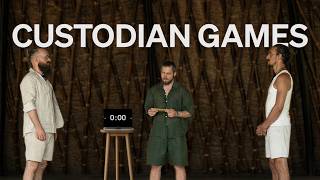
Nice. I'd like to bring this whole big picture ecosystem, Florence perspective back to ourselves as the potential next generation Leonardo's. And because, yeah, we described that beautifully earlier, we need both. We need to work on the outside and create new structures and new environments that in turn shape us. And at the same time, we are invited to begin with ourselves and reflect, reflect on our own journeys and where we are invited to become a deeper embodiment of, of this quality of custodianship that we want to see in the world. Knowing that the more we embody that, the more we radiate this quality in all our relationships, into everything that we create. Because that's, that's like a. That's the, the beautiful cycle. Like our deepened embodiment is, is able to. What we are realizing right now is able to create different things, higher order things, places like this. And in turn we are influenced by the creations again, which deepen our embodiment again. And then we are able to contribute and, and work and create on a different level again. And, and we are always invited. And when, when I, when I connect with your, your journey, you see that beautifully. You were, you were full on in this creation mode, in your entrepreneurial journey. And then you were like, okay, wow, this is not the right thing, and focused on myself and you created this vacuum and in order to, in order to grow and in order to deepen your own embodiment. And then the next, the next project came along and you, you poured your, your energy and your creativity into Custodia and into creating this beautiful place. And over the past half year, seven, eight months, we went all in execution mode. And now we are both like realizing, wow, that's nice. And we created a. Not something that is finished, but something that, where we actually can build on top and prioritize again, our own, our own embodiment. Knowing that this is needed for the next phase of Custodia and for the next bigger leap to be fruitful and to be successful. We are invited to begin with ourselves as well. So it's always like back and forth, back and forth, and both of these dimensions needing to be. Needing to be present. And there was a. When we opened, when we opened Custodia, we did a. We did a beautiful little exercise. We played the first round of Custodian games.
All right, guys, have fun.
That's you.
38, 29. Yeah, well, they've all left out. Yeah. What should we do?
You have an idea?
A volcano? How would you do that?
Almost have like one on ones yeah.
You heard right, you're right. It doesn't make sense to go the legal entity.
Yeah we need Earth Glue. Main thing is to build Yellow back again.
So we need to create a job here. Maybe the hardware side. Four more.
This, this is a beautiful representation of what we are invited to do and that is to work on all aspects of ourselves at the same time. Yeah, we see was this other image that encapsulated that even more beautiful. I think it was here. Yeah, yeah, yeah, yeah. This is one of my favorite images. There we see David going all in on the push ups and at the same time others like strategizing, making a plan and then at the same time the children being around creating a beautiful painting all the while being connected and surrendering to the outcome and still being like oh, let's invest everything we have.
And yeah.
There was like a little microcosm of what what is asked of us to not be just the fitness dude who's just like all in on the push ups and leaves out everything else nor being all in just the entrepreneur who builds things in his minds and who executes but doesn't give a about his family but really like bringing all of that together in the everyday life. And I think this is, this is asked of us as future. Future Leonardo's.
Yeah.
How do you see your individual journey in embodying everything that you are with all those seemingly opposite traits and facets and at the same time of course this trap of falling into ah, this is the part of me that I already know. Let me go on. And that. But the parts that are maybe a little bit less known avoiding that. And how do you see your own journey in, in the here and now and maybe looking back in the. Onto the past year as well.
Well, exactly as you shared like I really looking back back in my life like I really see that pattern of. And this is what I see out there a lot. Like focusing on like one part like, like a model that you developed that I really like is like the archetype model where you have like the romantic, the guardian, the genius and the mystic which is like just a, you know, like just how do you say like a concept. Like to put four archetypes archetypes in. To check in with yourself. In which of those are you the most embodied in the times and where you want to focus and where you have a leg and so on. So I really felt that in the time that I was like, like, like, like focused fully on the genius like going into this head energy like and figuring out Systems and building and kind of combined with the guardian with like the discipline that you need as an entrepreneur and to really get things started and like, like build a successful company from and so on. In the past oftentimes like made up a big lack of like the heart energy like and the spirit energy as well, like, of like being so focused on doing and like very disciplined and getting up every morning and getting in this work hours and being in the head and so on that I lost the connection like to what is, what's like for example to this planet. Like which is like perfect description for what happened once I stepped back as a role of the director and like really immersed in that vacuum. Like of course the first thing that came back was like okay, now slow down. Like no, it's not like I don't, I don't want to work right now. Like I really want you to go in on that energy. And so I feel that once we are that like the normal mode or like the standard mode is like you really going into one extreme and then extending it so far like that the pendulum is swinging back and you cannot really do anything anymore. And once you really real, you really combine those like the like the magic happens. And yeah, once I came across this model like I really, I really checked in with myself very often like in which areas I'm disbalanced.
I think what you described is one of the core dynamics that are present on a, on a global scale right now. That we created a world that is very head and will driven, where there's a lot of masculine energy, of strategic, entrepreneurial, figuring things out, building things and at the same time this willpower of bringing that into reality, overcoming obstacles and like making it happen no matter what, these two qualities are very, very strong in the world that we've created right now. And they are combined by all of the people who possess an extraordinary amount of influence right now. Because without these characteristics in the current world, you, I would say you couldn't, you cannot succeed in the traditional sense, meaning being famous, being wealthy, being influential and so on. You need these, you need to bring these two characteristics together. So the, the people who have an extraordinary amount of influence on this planet, the hyper agents, they are very good at this game, they are very good at, at the, at the head game and at the at the will game. But without what you described beautifully, without the other two, namely the feminine archetypes, we become too one sided and have a tremendous risk of in all of our initiatives causing harm elsewhere or causing maybe even more Harm than we are contributing. Good. So what we are invited and that's. You shared that beautifully that this was your journey after you created some vacuum. Because the, the genius and the Guardian, they don't like vacuum. They want busyness, they want action, they want a full calendar and really tackling, tackling everything that is going on. But if we infuse these two with the quality of the romantic, this open hearted, let me actually keep care, care for the little wonders of life, care for this planet. Connect with the beautiful butterfly that is passing by while I'm so head down focused on my to do list and actually taking the time to appreciate that. Wow. Oh my God, the sunrise. Oh my God, the beautiful green leaves. So really taking this time to connect with the, with the beauty.
Yeah. It brings you in contact with like the thing you really feel like, oh.
This is so beautiful.
I need to care for that, like I need to protect that. But if you don't have this like then you're, you're very quickly get into a direction that's probably doing more harm than good.
And I think this is the true task of these two, of the, of the two masculine archetypes of the Genius and of the Guardian. Their true task is, is to serve with all their potential, with all their knowledge, with all their power, with all their force. Serve this beauty. Serve what, what the romantic perceives as valuable. Because if this is lacking, if they're just running their own race, they compete against each other and they're like okay, I want to be the fastest, I want to be the richest, I want to be the strongest, whatever, yeah. But if they actually let that the feminine archetype of the romantic in and realized, wow, all my potential is here so that I can protect this and I can serve this, then contrary to what we often believe, we don't lose our, our, our entrepreneurial spirit.
Yeah.
Maybe in the moment it seems a little bit because this takes up so much space and there is this fear of like wow, if I just create time and space for being in this beauty, I will not get anything done ever again. And of course this feeling is there, but I think it's always coming back. It's always coming back and probably this needs more time because it was less present in the past. Maybe it takes, takes the time that the romantic didn't have in the past. But of course we always have these two and then it's about combining that and these will be the new hyper agents that actually use their power and influence for the good of the whole and still and that's why I love this framework. A certain component is still missing, although this is already a pretty well rounded human being. All of these three, the Guardian, the Genius and the Romantic, they are all thriving on intensity. Physical intensity, on mental intensity, on emotional intensity. Life is super intense. And if these three are running the show just by themselves, they are at risk of being too all in. And that's why we need the fourth one. We need the mystic, the connection with the spirit realm. And the mystic says, chill, everything is all right. Meta crisis. Everything will be all right.
Don't worry.
Just do your thing. Just contribute what you can contribute and then let go.
And then enjoy. Really enables innovation and growth through this, this, this ability of letting go. Yeah, because like the, that, that's the point. Like, there are so many, so many, so many ways of doing or whatever that like, definitely are way past their senate.
Yeah.
But are continued like 20 years after. For example, like a week ago I was listening to Joe Rogan podcast where they talked about, like, what was it like? Let. Let fuel or whatever. Which is like, like they, and, and they, they recognized like, I think like 1966 that it's like toxic and a real problem, but they, they used it until 1900 60, 96 or whatever, like.
30 years, like realizing we shouldn't do that.
Yeah, like, like instead of making space for new solutions. And of course, like, this is like.
Of course the genius says, like, okay, maybe it's not good, but we can still earn some money with it, so let's do it.
And yeah, once you're not connected enough to the beauty around you, like, there is not really that sense of okay, there's like, I'm, I'm, I'm damaging, like, anything. No. Yeah.
I think the, the mistake, this quality of surrender is one that is absolutely crucial in the face of the meta crisis because as we already explored, like, the situation is really difficult and there are no obvious answers. And if we approach the meta crisis just with these three, albeit very powerful identities inside ourselves, we will probably burn out because we become too tense. And the romantic is like, wow, we need to save the planet. Because every day species are going extinct and rainforest is being cut and so on, and it's full on in this intensity. And the Guardian is like, I need to protect, I need to do everything at the Genius. Like, I need to figure out, I need to, I need to, I need to dissect this whole bowl of spaghetti that is so much more complex than my brain can process. And these three together, they can, they can Only burn out. And the genius, the mystic, brings this quality of, yeah, slow down. And then let's see what wants to emerge.
Yeah.
Where do you see yourself on this playing field right now, looking forward onto the next steps of our journey?
Well, I always have this tendency to be kind of focused and head and wheel, which is useful and fine, which.
Is, I think, normal for us as men, because, like, we are designed to be predominantly on this side, but not like 100%.
Yeah.
And we need these as well.
Definitely. Definitely. Yeah. And always, always on my, on my, on the mission to invite the heart and the spirit more. Yeah. And that's, that's, that's like. Yeah. I feel like this is like the. Yeah. One of the biggest challenges as a custodian, like, you know, not be like too focused on one of the sides and. Mm. Yeah. So. Yeah.
And that's the beauty. Every journey is different. Maybe someone listening to that is like, wow, this is my favorite one. I'm like all into art and good food and hugging and all of that. I love that. But I often get overwhelmed in my day to day life because there's a lack of integration in the genius and I somehow can't get my shit together. And there are always new problems appearing because I didn't plan accordingly and I didn't structure in my life and so on. And it's an invitation to, to deepen the integration of the genius. And I think this is what Leonardo did so beautifully, and that's why we admire him, because I see all those four qualities within Leonardo tremendously. Yeah. I see the beautifully lavish, extravagant clothes of just like, look at me, I'm a piece of art, romantic thing. And there's a strong genius as well of like, okay, let me build something that never existed before and how does it work? And let me go really into the intricacies of how do these certain muscles and bones within our bodies or within the flying machine or whatever really work? And for most people, this would be like, that's a weird person. You're either this or that.
But he was everything. Why is the tongue of the woodpecker so rough?
That's one of my favorite explorations of his. The tongue of the woodpecker. Oh. Like asking yourself the question about the tongue of the woodpecker can only come from the romantic. Like, for the genius, it's like, are you serious? You got, you got money to earn and bills to pay. Don't worry about the tongue of the woodpecker. Yeah, but this is the, this is the spice that, that we need. That's the romantic side.
Yeah.
I want to take. Take this opportunity to honor the genius and the guardian work we did over the past months of really going all in and really doing massive steps in building a viable response to the meta crisis. Although our shared geniuses realized that compared to the bigger picture that we see, we didn't do anything.
Yeah.
There's still like 1% progress, maybe. And 99 more challenges.
Yeah.
And at the same time, I think it's so important to honor what we already did to what you said beautifully in the beginning. Come from this place of gratitude when embarking on the next steps and not coming from this place of lack of, like, you didn't do, like, better hustle. There's no time for celebration, there's no time for pause, there's no time for relaxation because the meta crisis wants to be responded to.
Yeah. Right.
And that's why I want to take this time to. Yeah. To honor what we, what we did. I think that's very. That's tremendous.
Yeah. And.
Having had the courage to really embark on this journey that felt true to our hearts and wanted to be manifested in the physical world because we didn't see it yet. There was no custodia yet out there. There was no custodian ecosystem and all of that. It was just thorny bushes and we jumped head first into them.
I agree.
And that's really extraordinary.
Yeah.
Thank you for doing that.
Thank you for doing that. It was like a very, very exciting collaboration.
I cannot think about doing anything else.
Yeah.
Yeah. Thank you for this journey today. It was a beautiful one. Thank you for unpacking with me all the dynamics or some of the dynamics that there's so much more to talk about the portion of the iceberg that is over the water to explore that and looking forward to future explorations. And I think it gave a. Gave a little bit of a sense of custodianship as a quality and at the same time of how we are thinking about responding to the meta crisis while utilizing all our unique gifts. And still. And that's why. Thank you for mentioning the. The four archetypes model. Still looking at where I'm maybe currently not in my full alignment, where my inner Leonardo wants to have more space in certain. In certain areas. So very happy with that beautiful exploration. Thank you.
Thank you.
Cool. Beautiful.
More from Robert
Impact Business Builder vs Embodied Longevity Coach | Custodian Games Mallorca
Regenerative Government Advisor vs. Conscious #1 Athlete | Custodian Games Mallorca