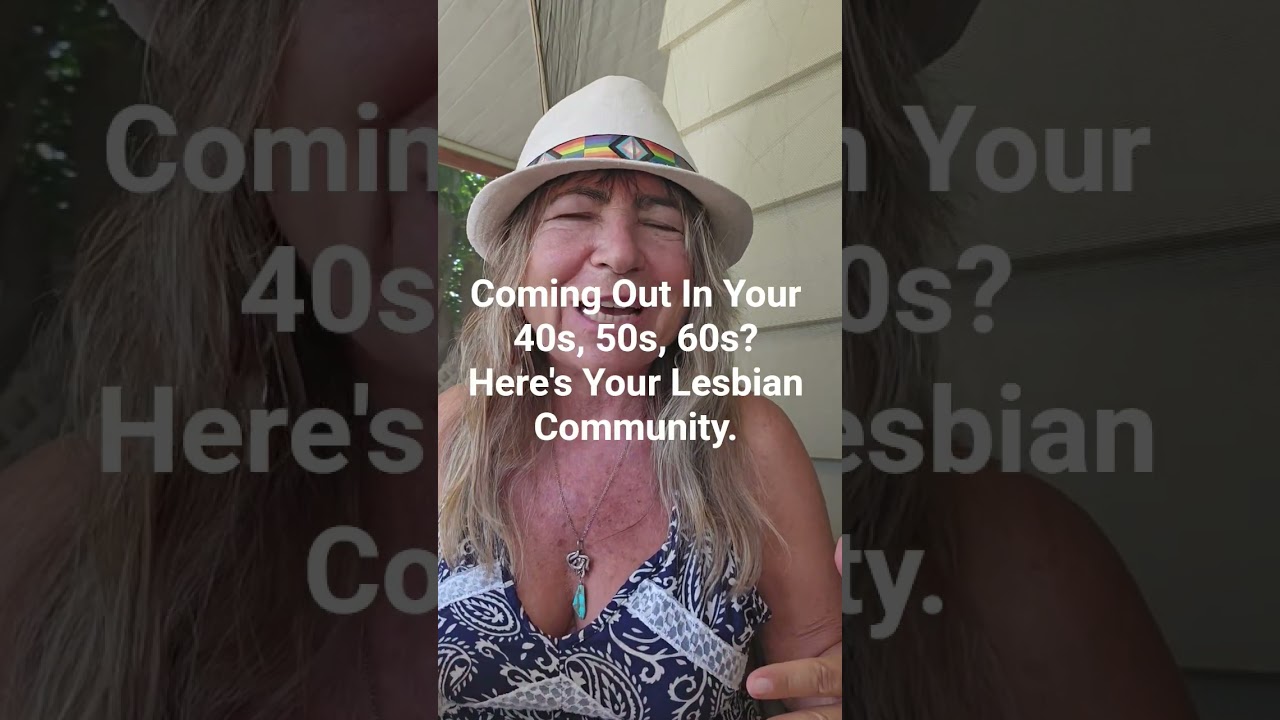
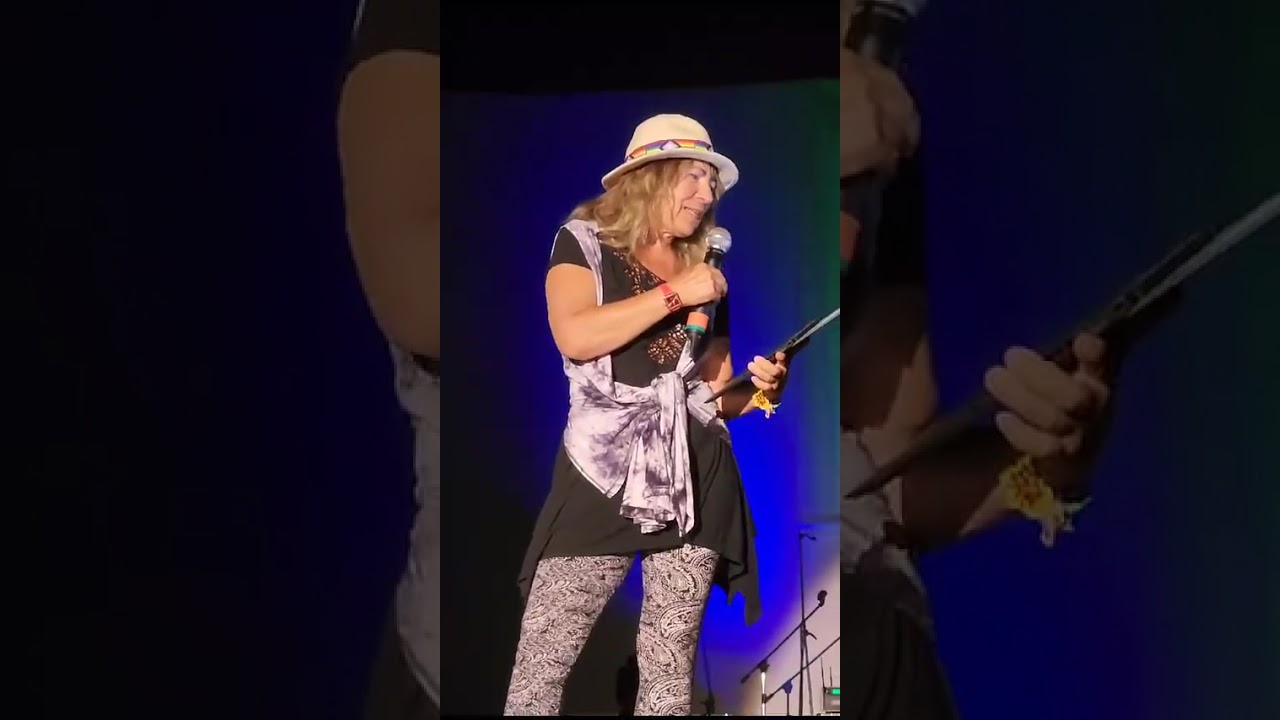
In this promotional video, Ruth Schwartz, director of the Conscious Girlfriend Academy, explains why an advanced lesbian relationship skills masterclass is essential even for women who have already completed her basic 101 course. Drawing on her 41 years of experience as an out lesbian and a decade of teaching, she describes how deeper, more intense relationships surface a “perfect storm” of attachment‑style differences, personal trauma, and triggers that can cause rapid, painful conflict. Schwartz outlines her advanced curriculum, which integrates a nuanced understanding of attachment theory—emphasizing hybrid or mixed attachment styles common in the lesbian community—and shows how childhood wounds and past relationship patterns intersect with present dynamics. She stresses that the goal is not to label partners as right or wrong, but to recognize polarization, respond with compassionate, non‑blaming communication, and empower both partners to navigate triggers without derailing the relationship. The masterclass promises practical, empowering techniques for both healing past hurts and strengthening current connections.
Chapters
So why would you need— why would anyone need an Advanced Lesbian Relationship Skills Masterclass? Let me give you a personal answer to that question. I'm Ruth Schwartz. I'm the director of the Conscious Girlfriend Academy. I've been out for 41 years, and I've been running Conscious Girlfriend for almost 10 years. I've had the great pleasure and privilege of teaching lesbians and queer women from all around the world skills for having the happy, healthy dating and love and sex lives that we want. But even so, a few years ago, I was finding myself sometimes getting waylaid by things that would come up between me and the woman I was seeing at the time. That even though I had a lot of skills, a lot of skills for listening, for communicating my needs, a lot of compassion, generally didn't tend to get critical or defensive, you generally could maintain curiosity— all the things that I teach about in the Lesbian Relationship Skills 101 class— there were still moments where things would get so hard, so fast, that I felt like I don't even know what hit me. And the fights and the pain and the hurt that could happen so quickly was devastating. So I started studying a number of more advanced techniques And I developed a deep understanding of attachment theory and how our attachment style differences play out in relationships in general, but, but obviously most intensely in romantic relationships. And I believe most intensely in lesbian romantic relationships. And also how the personal trauma that most of us carry interweaves with attachment styles and triggers to create this kind of perfect storm. At times in our relationships, so what do you do when you hit one of those perfect storm moments? That's exactly what we're going to be diving deeply into in the Advanced Lesbian Relationship Skills Masterclass because I find that the deeper you go in a relationship, the the more intense the feeling is, the more intensely in love you are, the more intensely attracted to to your partner you are. The deeper the triggers are that are going to come up. And so in a more casual relationship, you may not need to understand as much about attachment styles and trauma, but the deep— when you want to go deeper, or when you have gone deeper, this stuff is going to come up. And I want you to be well prepared to navigate the kinds of issues that surface Let me tell you a few of the forms they often take. Let's say one person in the relationship feels a little bit starved for attention or affection or sex or feels like she's not being made enough of a priority. Have you ever experienced that? Um, and the other person in the relationship feels like, I am giving as much as I can and it seems to never be enough. And I need more time to myself. I need time for my other interests and my friends. And I feel like you're not accepting me as I am. And have you ever felt any of these things? That's attachment style differences in a nutshell. And I personally have been on both sides of the equation in different relationships. Maybe you have too, or maybe you find yourself typically on one side or the other. The way that I teach about this topic, it's not so much about figuring out which style you are. You know, you might have heard the term anxiously attached or avoidantly attached. I find that especially in the lesbian community and with smart, sensitive people, a lot of times we have a hybrid style. And what matters is not figuring out which style you are, But understanding what— which ways you and your girlfriend, past or present, have gotten polarized and what to do to stop the devastating effects of that polarization. Because it's usually around attachment that the most pain comes up. And a lot of times, you know, our childhoods figure in, our past adult relationships figure in. We're all carrying these hopes and these dreams and these wounds and these patterns. And when we first start intersecting, like for me, over and over again, and this has happened in different relationships, somebody touches one of those hot spots in me and I'm like, oh my God, I could handle almost anything but not this. After I'd had that feeling in a number of relationships, I was like, oh, okay, there's more than one this. How can I be more empowered to deal with this particular combination of where I go under stress, what I most deeply want from a partner, where these spots of tension have habitually come up? How can I first of all understand this so that I don't have to either blame her and make her wrong? You know, sometimes the other person is making mistakes, right, or isn't skillful. That's true, but lots of times I've made mistakes and I haven't been skillful. And bottom line, if this is somebody I love and want to be close to, trying to figure out, you know, who's wrong, who's right, is not going to get me to the outcome I want. So that's why I'm so passionate about teaching the skills I'll be going over in the Advanced Lesbian Relationship Skills Masterclass, including attachment and how to work with these thorny triggers so that you can either understand what the bleep happened in your past relationship so you don't have to be haunted by it, or so that you can navigate in your present relationship and really get the connection back and not get derailed by these kinds of dynamics and triggers. So everything I teach is about not blaming, deeply compassionate, and absolutely empowering. So if that sounds good to you, I would love to see you in the class. Okay, bye-bye.