Lesbian Toxic or Abusive Relationships: WHY They Happen, And How To Prevent Them & Heal
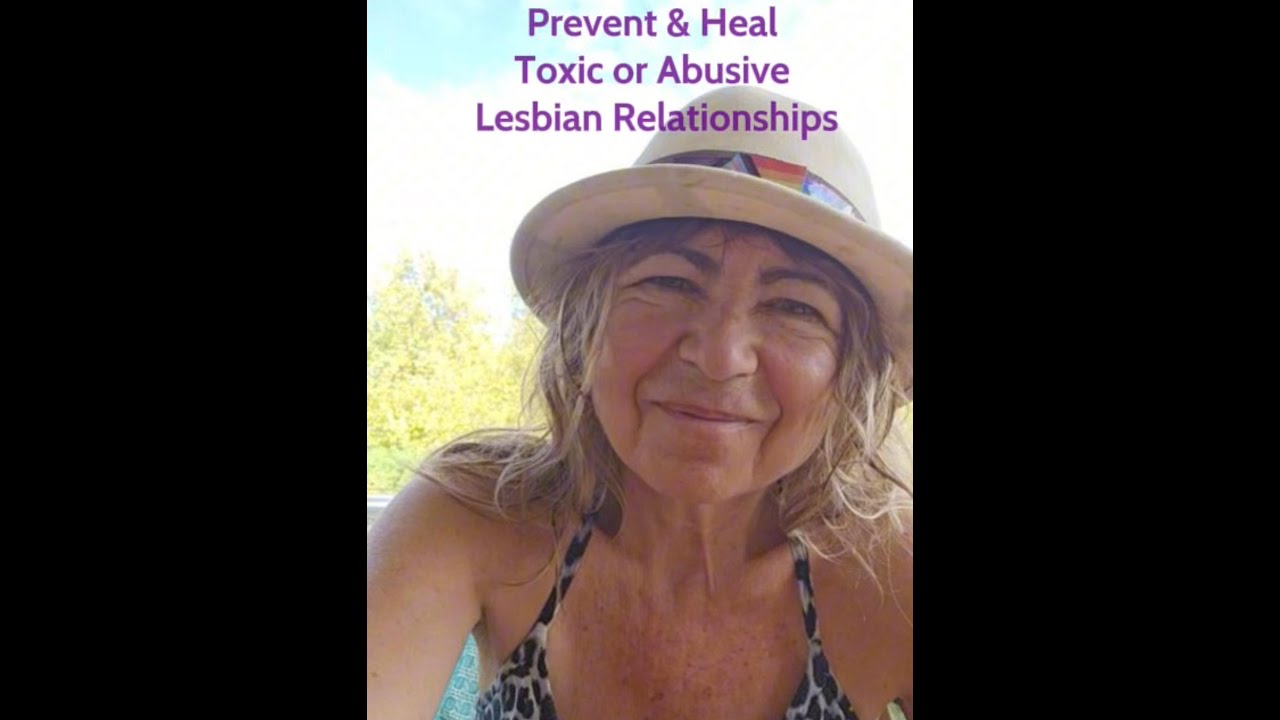
Ruth L. Schwartz explains why lesbian and queer women get trapped in toxic relationships: excessive optimism and falling fast create "lesbian sticky super glue" that bonds partners before they know each other. Unmet needs and criticism trigger cycles of rupture and repair that can escalate to emotional or physical violence.
Chapters
So I want to talk today about why some amazing women I've known have gotten themselves entangled in toxic or even abusive relationships. Why does that happen, and what can you do if you are in that same category? Well, first, what I see is that the women that I know to whom this has happened tend To be really optimistic. Like, they really see the best in everybody. They see potential and they, they believe in it. Now, that can be a wonderful quality in so many aspects of your life, but when you're dating or just getting to know somebody, it's actually a really bad idea. Because rather than seeing the best in her what I want you to be able to do is see who she actually is in both her best and her worst characteristics, right? Both her strengths and her weaknesses. Because obviously, if you go deeper with her, you're going to be in relationship with the whole spectrum of who she is, just as she will be with you. Now, another characteristic that I see in these women is that they tend to fall fast. Now this is something that we as lesbians do in general, right? But there are a couple big problems when we move so fast, when we're seeing potential, when we love the feeling of being swept away. We're really influenced by that feeling of connection and chemistry and, you know, oh my God, it feels like we've known each other in a past life. I feel so comfortable with you even though it's only been a few hours or a few days. And so when we go fast under these circumstances, we get ourselves really attached and bonded with what I call super lesbian sticky glue— lesbian sticky super glue— and before we really know the person. So that's one problem, because we might find ourselves bonded with lesbian sticky super glue. to the wrong person within a few weeks or months when we start, you know, reality starts hitting. Or even if this person could be the right person, because we've bonded so quickly, either you or she or both of you are likely to get scared, right? And fear is actually a realistic response when you've suddenly moved someone into this position of being absolutely Absolutely central to your life so quickly. So if you've got any attachment wounds— and who doesn't— and if she's got any attachment wounds— and who doesn't— you're going to start freaking out. That's the technical term. And when you start freaking out, you're going to start further deepening each other's attachment wounds. So let me give you an example. I'm gonna call these 2 women that I know Lisa and Jane. So Lisa, when she likes somebody, she feels like she needs to do everything to please that person. And so any needs or preferences of her own, she's just gonna sit on them. She's not gonna express them for fear of, you know, Jane not liking it, for fear of being too demanding. And so over time, as she is not expressing, not expressing, not expressing, these unmet needs start to reach a crescendo in her. And at some point, inevitably, she's going to express, right? But when she expresses those needs, it's going to come out sounding like criticism to Jane. It's going to be like Lisa's gonna say, I'm so very hurt that you didn't do XYZ. And Jane, who has her own wounds— let's say some of Jane's wounds are feeling easily criticized, getting super defensive when she feels criticized, feeling terrified, like Lisa, of what will happen if she doesn't meet her partner's needs. So all of a sudden you have Lisa telling her strongly You didn't meet my needs. Jane freaks out, gets defensive, and withdraws. And then what is Lisa gonna do when Jane withdraws? She's gonna freak out even more and go after Jane, like trying to get her to talk. We gotta work things out, you know. Remember, you said you cared about me. We gotta work things out. Where are you? And Jane is gonna get even more freaked out and pull Further and further away. Now, if Lisa and Jane have done a lot of work, like let's say they've come to Conscious Girlfriend Academy, they may be able to realize what's going on, regain consciousness, you know, take some time alone, take some time with other close people to regulate their nervous systems, and be able to come back and talk it through and not have it be a disaster. But if either or both of them does not know how to come back to center— and remember, over the period of just a few hours or days or weeks, they have made each other absolutely central in their emotional reality— the stakes are really high. And that's sometimes when you can see a relationship that is really toxic start to emerge. It's like one of these tropical storms that builds momentum and then pretty soon becomes a hurricane. So let's say Lisa actually now feels so freaked out that she really does start criticizing, criticizing Jane, and she's like, oh my God, I can't believe you're doing this to me. Nobody who loved me would, would back away when I was crying. And then Jane If she's not able to regulate her nervous system, is going to get even more freaked out and either pull completely away and maybe say, okay, that's it, you know, we're done. I can't have a relationship with somebody who yells at me like this. And Lisa's like, well, of course I'm yelling. You said you loved me and now you're backing away and breaking up with me. And, and Jane is going to be like, oh my God, who is this? Hysterical person, like, and she's gonna feel like she's fleeing for her life, so she's gonna slam the door. Lisa, meanwhile, in this state, is going to call her and call her and call her, text her and text her and text her, start going to her house and showing up. And Jane is gonna be like, oh my God, do I need to get a restraining order against this person? And this is how a relationship can so quickly and tragically become toxic, partly because Lisa and Jane went in so deep when they didn't really know each other, partly because they went so fast. A big part is because they don't have the skills to recognize and work with the attachment wounds that they are going to trigger in each other. And, you know, in the absence of those skills, really painful things can ensue. Now, I was giving the example of Lisa and Jane only having been together a few weeks, but let's say it's gone further. Let's say they've actually been together 6 months or a year. Let's say they've moved in together. Let's say they've, they've started blending their finances or even blending their families. And this dynamic where Lisa sits on her knees and then finally expresses, which terrifies Jane, makes her start pulling back, which creates so much drama between the two of them. Let's say perhaps this dynamic started in their first few weeks, but they loved each other, they worked it out, they got back together. Now they've built a life together in these 6 months or 12 months. They may have broken 3 or 4 or 5 or 6 times. This may have become a pattern. Each time it gets worse. And yet by now our 2 heroines are probably starting to feel addicted to each other, addicted to the brain chemistry rushes that happen when they have these terrible fights and then come back together again. It's this sudden called rupture and repair, which in a healthy relationship— we got to have ruptures, we'll always have them— but then when we repair, we can start building what's called earned secure attachment, where over time the ruptures become less terrifying because we start to know that when they happen, it's going to be okay. It's, it's not actually going to be the catastrophe that our nervous system Systems fear that it is. But in the case of Jane and Lisa, the opposite is happening because every time they break up, it is the catastrophe that they fear, and then they get back together, and then the next catastrophe, just like a tropical storm becoming a hurricane, is likely to come about even more quickly and with even greater intensity. Okay, so. This is where we end up having emotional violence. This is where we end up having physical violence. This is where we end up becoming people that we never imagined we would become. And let's say Jane and Lisa have gotten married somewhere along the line. This is where we end up having bitter and brutal and highly contested divorces, sometimes excruciating and extremely expensive custody battles. And it's all from causes that could actually have been avoided if Lisa and Jane had slowed down, been able to regulate their nervous systems, check out who the other person was, see what was happening, bring more sanity and peace to the situation earlier. At a certain point At some point we lose the ability to do that because we get so caught up, literally, in hurricane-level winds that originate from inside of our own being. You know, the desperation, the rage, the terror. And this is what I have often seen happen between 2 women who started out with incredibly good intentions and a lot of care and love. So I'm Ruth Schwartz. I'm the director of the Conscious Girlfriend Academy. I've been teaching lesbians and queer women from all around the world about healthy dating and relationships for over 10 years now, and I am passionate about this topic. If you've ever been in a toxic or abusive relationship, I want you to really be able to understand what happened, make peace within yourself, and Heal, harvest the lessons that are actually yours to harvest so you can move on and create a different present and future for yourself. Because otherwise you end up feeling like you don't trust yourself anymore, you don't trust women anymore, you don't trust love, and that's a terrible way to live. Now, if you're in a relationship right now that you're afraid might be abusive or damaging, the class I'm about to teach is also going to be really relevant for you. And even if you got out of a relationship like that years or even decades ago, you may still be stuck if you haven't actually come to terms with what happened and why it happened and your part in it, which is important so that you know how you can prevent it from happening in the future. So The class I'm about to start teaching is called Highway Out of Hell: Lesbian Toxic Relationship Recovery. Now, you could also use it as a preventive class if you haven't yet had a relationship that spiraled out of control like that, but you can see the start of those kinds of dynamics in your history. So either way, check out Highway Out of Hell: Lesbian Toxic Relationship Recovery Because I want you to know, first of all, there's hope. Lesbian relationships can be the very best relationships on the planet. We are intrinsically healthy and loving and courageous and resourceful beings, and we can build beautiful, sustainable, nourishing connections with each other. But it does take learning how, and a lot of times it takes healing from the past when we didn't have the skills that we needed to have. So I hope to see you in that upcoming class. Check out Conscious Girlfriend Academy. We've got a book, Conscious Lesbian Dating and Love. We've got many classes, lots of support, compassionate, intelligent, embracing community full of women who have been out for decades, women who are just coming out, adjacent non-binary people, all kinds of people. From various parts of the world. And if this video was helpful to you, please like and subscribe to this channel, and I will see you soon.
More from Ruth


Lesbian/Queer Bedroom Communication: How To Know What You Want, & Get More Of It
coming out later in life? here's how to go from isolation...to a warm, welcoming lesbian community.



The worst lesbian breakups of my life, and what I learned (and how it can help you save YOUR heart)

The #1 Cause of Lesbian/Queer Fights & Breakups, And How To PREVENT and HEAL Attachment Wounds

The remarkable new movement changing lesbian lives around the world -- and how you can be part of it

Love Letter To An Amazon: Celebration Of Butches, Mascs, Studs & MOC Lesbians & Queers