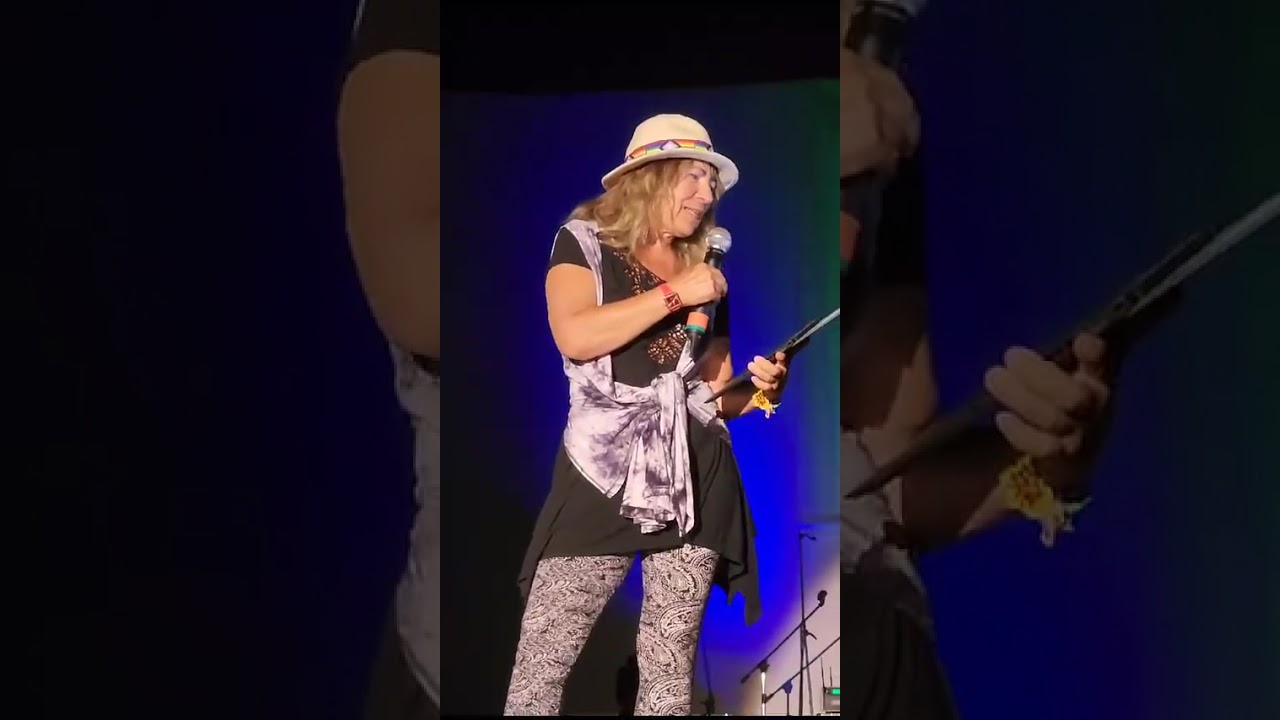
In this solo YouTube talk, Ruth L. Schwartz, director of the Conscious Girlfriend Academy, explores a common pattern in lesbian and queer relationships where a partner initially overwhelms you with intense affection—often labeled “love‑bombing”—and then withdraws after a few weeks or months. Schwartz argues that this dynamic is usually not driven by narcissism but by fluctuating attachment states that many people experience. She explains how individuals can alternate between being the eager pursuer and the one who pulls back, describing these shifts as “attachment hats” rather than conscious choices. The talk highlights the importance of recognizing one’s own attachment patterns, understanding the partner’s stress responses, and using early‑date conversations to gauge compatibility. Schwartz concludes by promoting her Conscious Girlfriend Academy and an upcoming “Lesbian Attachment Healing” class, inviting viewers to enroll for deeper work on healthy queer relationships.
Chapters
So you've probably noticed that there are some women who come on really strong at first, and they are super into you, and it is flattering, and it feels great. It's like they really want the connection, and then you feel like, I finally found somebody that, that wants me. And And this relationship is going to work out. And then it might be a few weeks in, or it might be a month or two. Usually by month three, it's like a bait and switch. It's like that person that at first seemed so into you and so sure she wanted a relationship and with you. Suddenly is like, I don't know if I want a relationship. I don't know if I feel that way for you. I need more space. Maybe we need to take a break. Maybe I want to date other people. You know, like backing away. And sometimes when people trying to understand this behavior, they come up with the conclusion that that other person must be a narcissist and she love bombed you. And some people are narcissists, but I think that there are a lot more people that find themselves in this kind of dance with, with somebody that comes on really strong and then backs away Or maybe you have even perhaps at times experienced yourself to be that person where at first you really, really, really wanted the connection and you were really excited about it. And then over time, as a few weeks or months passed, you started feeling more and more sense of pressure inside and less and less sureness. And then you started to doubt the feelings that you felt you had at first, and The weight and pressure and sense of responsibility of being in a relationship started to feel like it outweighed the benefits. So why does this happen? As I said, much of the time it's not because the person who starts backing away is a narcissist. And the, the moving forward and being excited about the connection at first, You know, we could call that love bombing, but honestly, most lesbians do it. Most of us, when we feel that there's something really magical and exciting and connected that we really want, and there are sparks, most of us go really fast. And it might only come to seem like love bombing later when one person has started retracting and You know, so I think it's really important to understand that a lot of what creates these kinds of dynamics are what's called attachment styles, or I like to actually talk about them as attachment states because we can wear different hats, so to speak. I don't have a different hat next to me, but depending on which relationship you're in and who you're interacting with, You might be the person that you know really, really wants the connection, and when the other person backs off, you keep wanting it. Or you might often find yourself in the position of you know wanting the relationship at first, but then quickly feeling these emergency brakes come on in your system, and it it's not actually even something that is voluntary. That you have control of. It, it just feels like, whoa, like I was driving down that road and something changed. Um, so perhaps you have been consistently on one side or the other, or maybe you have found yourself on different sides in different relationships. Either way, perfectly normal. Extremely common, and something that you need to learn to better understand if you want to be able to have a happy, healthy lesbian or queer relationship. So I'm Ruth Schwartz. I am the director of the Conscious Girlfriend Academy, which is an amazing, if I do say so myself, amazing because of the people that get involved, international online school for lesbians and queer women, which is all about our dating. Our relationships, our love, how we can get what we want in love. And I can't believe that there aren't thousands of schools teaching our community how to do this thing, because there are certainly hundreds of thousands of us who need it— millions of us, I'm sure. And, and that's probably why The Conscious Girlfriend Academy has had students from over 25 countries in our 10 years of existence. So we've got an upcoming class on lesbian attachment healing. And if you related to what I was talking about earlier about the person that comes on strong at first and then backs away, either because you've felt hurt a person like that, or even because you've experienced being that person. I hope you will come check out the Lesbian Attachment Healing class and the Conscious Girlfriend Academy in general, because we change lives. Honestly, just tonight I was leading a group where we were doing practice for how to have conversations on a first date or an early date so you can really find out who this other person is. And I don't mean like, what are her hobbies, how many brothers and sisters does she have. I mean like, how does she respond when she's stressed out? Does she talk to other people or does she go within? Um, does she have self-compassion? If not, how is that going to play out as you get connected? So We have magical conversations, and the learning that happens in the academy is mind-blowing. So I hope you'll come check us out, consciousgirlfriendacademy.com. Like and subscribe to this channel. Consider the lesbian attachment healing class, and I will see you soon.