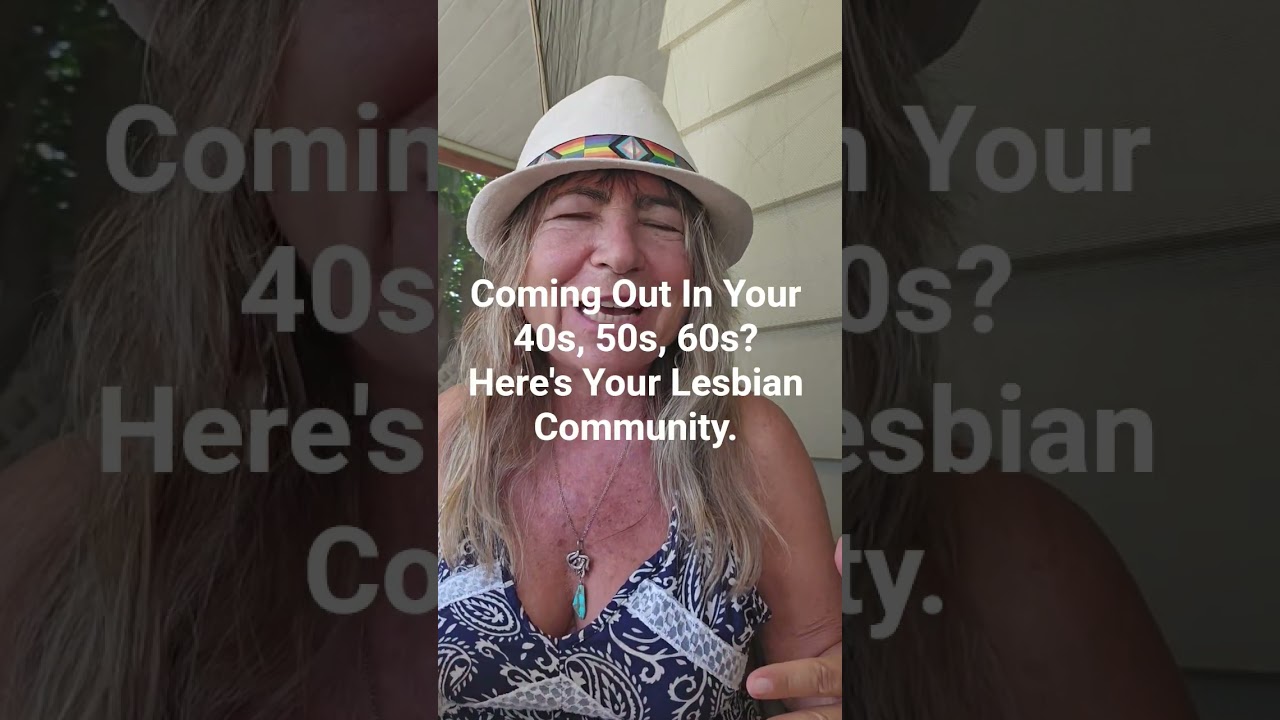
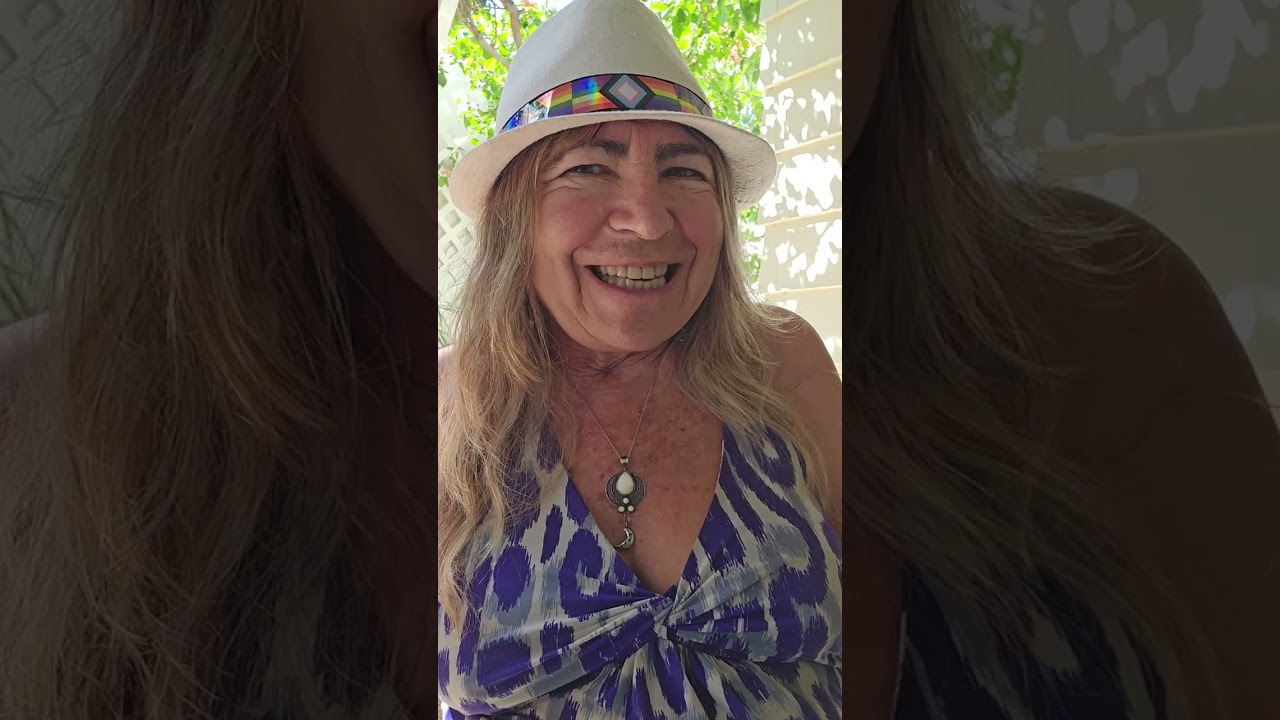
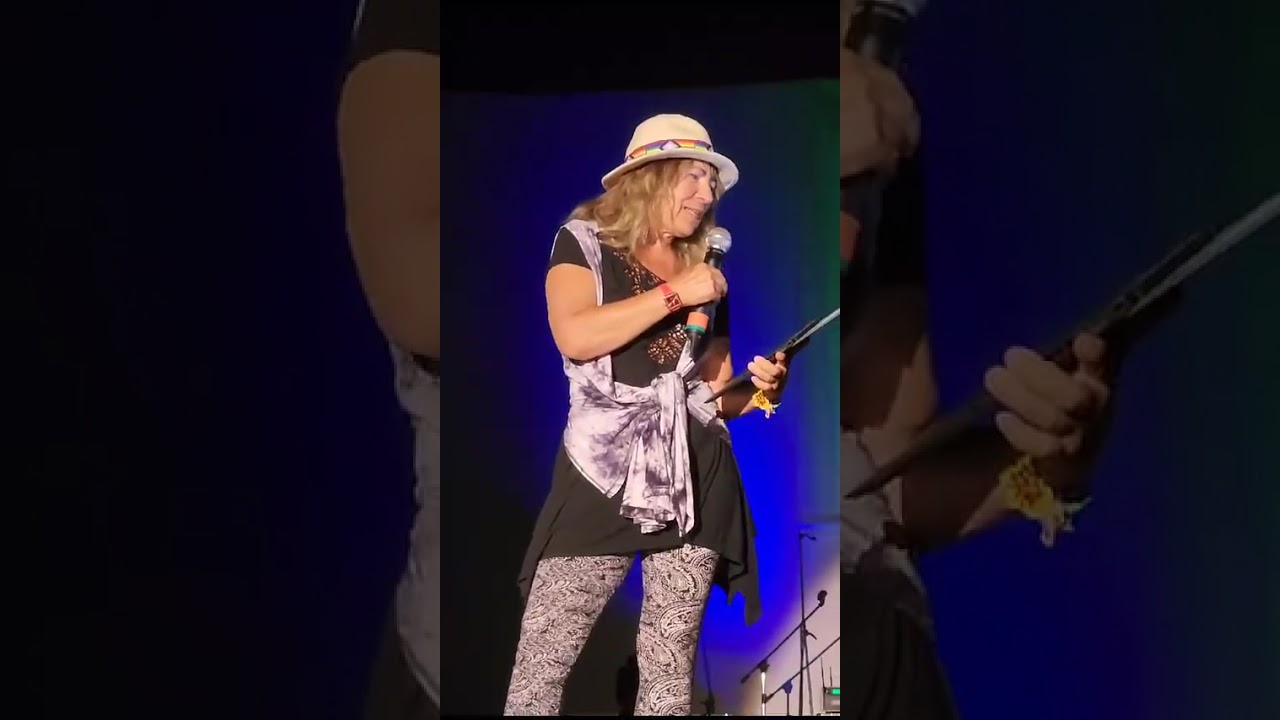
Ruth Schwartz reflects on two painful lesbian breakups and explains how childhood trauma shapes adult relationships. She uses a seesaw metaphor to describe attachment dynamics and discusses healing from attachment wounds in queer partnerships.
Chapters
So I want to tell you about one or two of my biggest heartbreaks. I'm not really sure where I'm going to go with this video yet, but because I'm getting ready to teach a class on lesbian attachment healing, I've been reflecting on my most painful breakups, both of which happened in really unclear ways. Where it was the other person's choice, not mine. And in both cases, the other person, the other woman, was amazing in so many ways. I mean, really not just smart, but also with a lot of wisdom, you know, not just a good person, but deeply kind. Kind, thoughtful, self-aware. They were both women that had done a lot of personal growth work, deeply valued that. And there were also red flags that I ignored in both cases. But there were also so many good signs that I saw that were really genuinely there. There was a lot of goodwill. And good intention. Both of these women were crazy about me. Um, both of them really loved me. Neither one of them wanted to cause me harm. Okay. And yet what played out between me and each of them was really excruciating. So why does this happen? And most importantly, what can we do about it? Most of why this happens, honestly, is because of attachment wounding. And as you probably know, our attachment styles— or I actually like to call it more the attachment states to which we're prone— some of us tend to line up kind of neatly along the, the continuum where You know, you're either always prone to the more avoidant states or you're always prone to the more anxious states. But many of us move back and forth along that line depending on who we're with and what the dynamic is with that person. But typically what happens is that wherever you are on that line in a given relationship, The other person is going to pretty much have to be on the other side of it because that's how it works. It's kind of like a seesaw. If you're up, she's going to have to be down, and vice versa. Now, there is a lot of hope for healing our attachment wounding, both individually and together, if both people are willing to consciously undertake that journey. Sometimes it is a super hard journey because many of us have really deep attachment wounding because of shit that happened. So one of the girlfriends that I'm thinking of, her mother would beat her from infancy on. She has numerous childhood memories of literally her mother hitting her head on the bathroom floor, her running away and hiding in the closet to get away. And saying to herself as a 3 or 4-year-old, if I live, I will never do this to another person. I mean, this is some serious shit here, right? So, you know, if you've had a childhood where you've gone through some serious abuse or neglect, or even just the pain of having a parent completely unable to attune to you, You came out of that with wounds. And if you're trying to love somebody who had a childhood with any of that, she or they came out of that with wounds. And honestly, I think that most of the most interesting people have trauma. At least most of the interesting people I know have trauma, right? So I would never say don't date people with trauma. But what I would say is that when I have some trauma and I'm dating somebody else that has some trauma, we both need to be prepared for the fact that we are essentially entering the lesbian attachment Olympics. We are going to face some real challenges here. And that's why I am so excited to be getting ready to teach my upcoming class on lesbian attachment healing, because I study this stuff and think about this stuff all the time. It's fascinating just intellectually, but it's also crucial for those of us who want to be able to have happy, healthy lesbian or queer relationships. We gotta understand this stuff if we have any kind of history of trauma or attachment wounding, and/or we are trying to love and be loved by somebody who does, which is the vast majority of us. So, um, with this girlfriend I was just talking about who was beaten from infancy on, it was a complex relationship with her mother because there was also closeness. She also felt deeply responsible for her mother, who was an alcoholic. And so she developed an attachment system that Could do a lot of closeness, but also, of course, had tremendous defenses because she literally had to run for her life from her mother, to whom she was also close and for whom she also felt responsible. Now, how did that play out with me? I'm not gonna tell a long story about that here. But let's just say that at a certain point when we got really close, it became too terrifying for her. She had a sense of too much pressure. She couldn't stand to feel that aware of and responsible for my feelings. She started to feel like she wasn't sure she wanted to be in a relationship. She was afraid she needed a lot more time alone than I did, which is kind of ironic because I am really high on the spectrum of needing a lot of time alone. I don't think it was actually true that she needed more alone time than me, but I do think she touched into levels of terror in her system around our closeness. Now, I've touched into levels of terror around closeness before with other people, but that wasn't happening for me with her because, like I said, you know, seesaw— one person's up, the other person's down. When she broke up with me out of the blue, several months after saying to me, I think we have the love of a lifetime, I was completely crushed. I was shattered. I was devastated. And maybe you've been there. Maybe you know what I'm talking about. What I did with that was immerse myself in attachment theory because I was so determined to understand what the bleep had happened. And that was several years ago now. I, I think I know more about lesbian attachment and probably attachment in general than most people, because when I dive deep, I really dive deep. So I am super excited to share the Lesbian Attachment Healing class with our community. Get more information about it below. And if you got something out of this video, please like and subscribe to and share this channel. We're here to talk about the stuff that really, really makes a huge difference in our lives as lesbians and adjacent queer people. I'm Ruth Schwartz. I'm the director of the Conscious Girlfriend Academy, and I hope to see you over there soon.