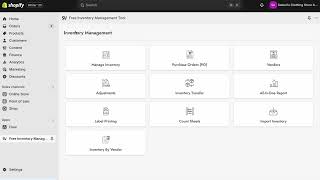
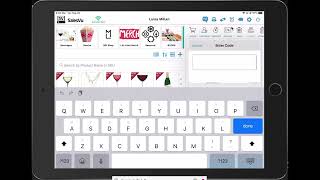
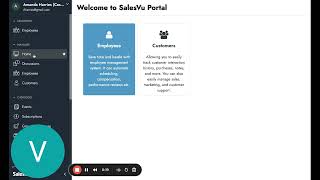
SalesVu's inventory system tracks stock by location with on-hand quantities, cost, and retail price. Set threshold alerts to trigger purchase orders, receive shipments that auto-update stock, and log adjustments for missing or damaged items. Transfer inventory between locations from one dashboard.
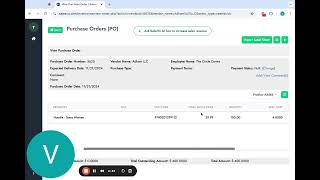
Perfect. So let's get started with the inventory management section. So here on the back end I'm directly here on inventory and these are all the different sections that this contains. So if I go into manage inventory I can select the location because each location will have its own inventory, completely separate. And I can see a full list and I'm going to expand here, full list of all the products with the, the on hand quantity, the unit, the threshold level. So you can set up threshold level notifications. Every product can have each each own number according to its own inventory cycle, right. And then you can have notifications whenever you reach that threshold. So you remember reminded to make a new PO or transfer inventory or things like that. Then you have the deduct inventory quantity, last cost price, final retail price. You have different areas like aisle shelf areas where you can place your inventory. You have the purchasing unit of measure which can be very different from the unit that is being deducted from. You have the quantity to order. So let's say for a product that has low stock, you can directly here whenever you're reviewing this and make a new podcast, select the vendor and add the unit cost, right? So let's say we're just going to make a quick example here and create a po. So this is just a very quick way to, you know, simply go through your inventory, create the PO when it's needed and then you have the inventory cycle that is calculated automatically right here for you on every single product. Now if I go back, I can go into purchase orders and the first thing I'll see will be the POs are open. So in our example it's the PO for the products that I just created here. Now if you have more than one open order, I'm going to go let's say year to date. Well, you'll have a full list of everything that has been pending to receive. If you want to go into the details, you can always go and view the purchase order that is open and you can edit anything that's needed. So in this case you can for example add more products, change the cost, change the vendor, you can fully or partially receive. So whenever you reach, whenever you, you're checking the inventory in, you can say how much you actually received at the vendor invoice number and you'll have a new line item added at the end that will show the products that are missing. So that's why there's no receive date. And for the products that you actually received, the inventory quantity. If we went back to manage inventory, that quantity will be added into your stock. So we had seven, now we should have 67. And you'll see not only that into the manage inventory screen, but you also see it on the adjustments report. And that's where I'm going to go now. Now before I get out of purchase orders, I just want to say that the purchase order will be emailed to your vendor because on this section of vendors you will add your vendor information where the name, email, phone and all of these things. So that's why it will all be connected. Now adjustments here is where, where you will see those kind of like positive or negative changes. In this example for today we have here the date and the hour. We see the purchase order number with the change which was a positive change. Now if we go back to other, other notes or other kind of changes, we see here the missing products or damaged products or not sellable product not found, promotional giveaway, transfer quantity. So because you can do that, you'll also have a way to track when these products are being transferred automatically when you do these changes. So every company has its own reasons. You can set up your reasons and then go into this drop down menu and filter by those reasons just so it's easier for you to keep track of, you know, what could be something that is really causing some, you know, some big changes in your inventory. And if it's being very common, how to tackle that. Now going back and I'm going to talk about inventory transfer, since we talk about that very briefly, you can select the source. In this case, I'm going to go from the primary source and I can select the destination, let's say this eastside gift shop. Now I can see the product name, I can see the source available, quantity, destination quantity. So I can easily see for example, in this.
 eCommerce, point-of-sale (POS), ERP and Data Analytics platform for retail and restaurant businesses