SalesVu walks through connecting Shopify to their inventory system. Set email alerts when stock hits a threshold, automate purchase orders with unit costs, receive partial shipments, move inventory between locations, and run a profitability report that shows margins, costs, and asset values by location and employee.
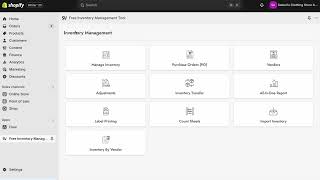
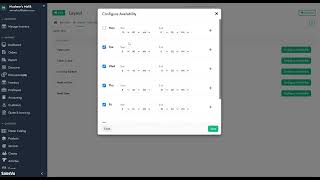
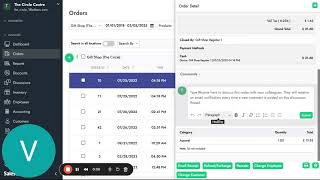
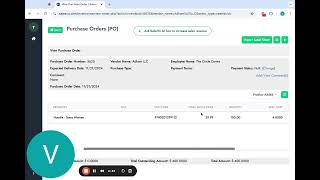
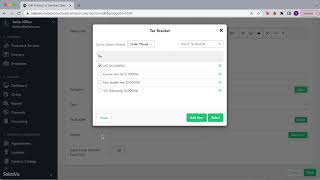
In this video, I will be walking you through the sales view and Shopify integration for the inventory management tool. Basically what you can do is install this tool and all your information will be imported automatically for you. So basically under manage inventory here we have first threshold level. So you can set up threshold level notifications that are sent into your email automatically every time you reach that threshold that will be set for every product differently. So then from there you can create a purchase order directly from here you can set up purchase order automation. So basically here you can set up the rules or what you can do is simply make a purchase order directly. So what I mean by that is going into this unit cost, this quantity to order column. So we're going to restock 100 products on it, we have the vendor and we can set up the unit cost. Basically, let's say it's going to be 2.3 and simply create the PO. Now under the purchase order section you can see all of those orders that are open. You can see the payment status. You can view an order, for example, here, and you can delete it, edit it, clone it, do multiple things. And what you can do from here as well is partially receive a product. And what will happen is that a new line item will be added at the very end with the products that are missing. Now you can go into draft orders and if you go into received orders, you can check all the historical data for any purchase orders. So if we go back here is do another few things like transferring inventory. So if you have the same inventory on two different locations, so in this case, maybe for this iPhone case, we're going to Simply transfer maybe 20 of them. And then we'll see that the inventory count was updated automatically. And we can see that reflected on the inventory management section of each one of these locations. Or you can also see it on the adjustment section here. This is basically a report of seeing any changes, positive or negative. Now you can set up vendors and add products to the vendors to create also purchase orders easier. And I'm going to go into the all in one report here. So this report shows you all the profitability information for all your products throughout all your locations. You can actually break it down by different locations, employees, events. You can break it down by categories, subcategories. You can select the specific products, you can see the modifiers like colors or sizes or components, if it's like a recipe level, things like that. So we see here if the products are, you know, meeting your margins, your products that are your best selling items can check you know, what is the total cost? You can see the percentage of sales, any discounts, net sales as well, the percentage of cost. Total cost, right. And then here we see the inventory information with the last cost price, average retail price, start and end quantity. And then we see the total asset value, total retail value.
 eCommerce, point-of-sale (POS), ERP and Data Analytics platform for retail and restaurant businesses