Ayurveda Exposed: Expert Analysis by Dr Deschu
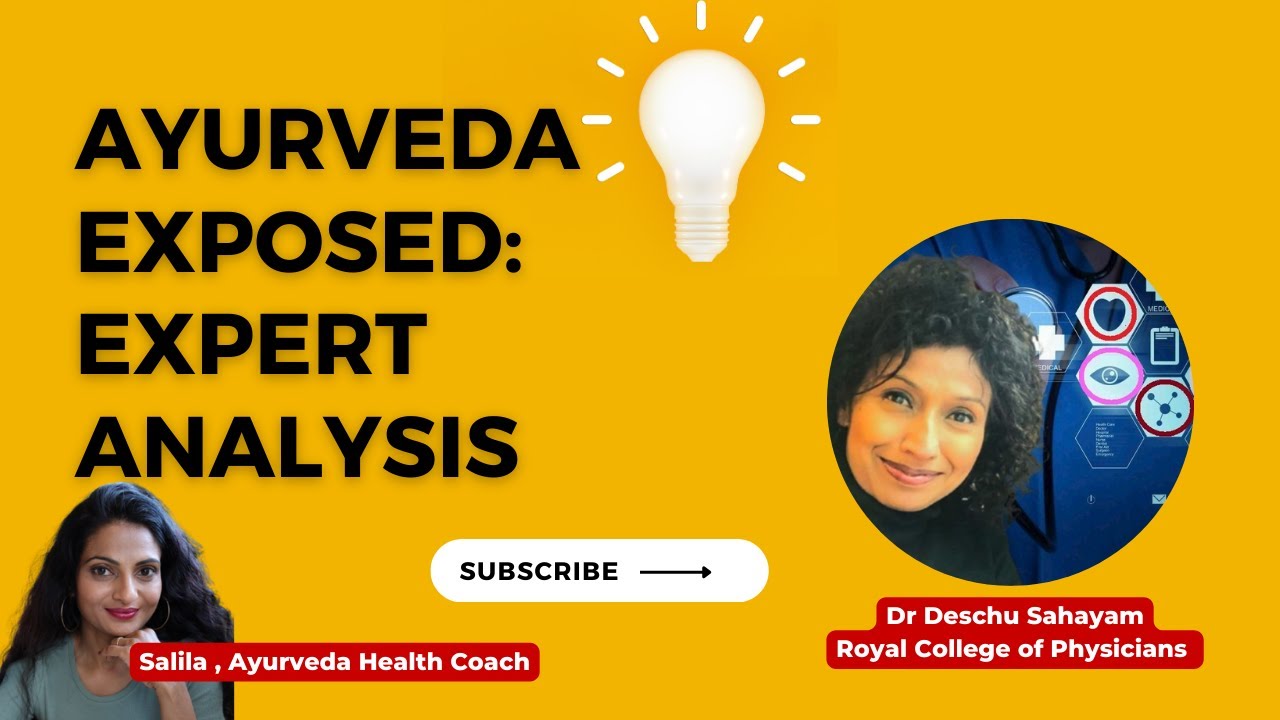
Dr. Deshu Sahayam, a London physician, turned to Ayurveda after severe COVID-19 and her mother's cancer diagnosis left conventional medicine short. She uses turmeric, ashwagandha, yoga, and pranayama to manage long COVID symptoms, linking these practices to neuroplasticity and vagal tone. She argues Ayurveda deserves legitimacy alongside Western medicine, not dismissal as placebo.
Chapters
Hello everybody. Today we are with Dr. Deshu Sahayam, and Dr. Deshu Sahayam is here to talk to us about Ayurveda and why she believes in Ayurveda, in yoga, and the alternative wellness model. Dr. Deshu, tell us for the world who you are.
Hi Salila Sukumaran, thank you so much for inviting me. That was very kind. So I have been a doctor for a very, very long time. I have a membership with the Royal College of Physicians. I live here in London. I have a diploma from the Royal College of Obstetrics and Gynaecology. I also have a master's in business administration in healthcare. Needless to say, in addition to which, I have background experience in general medicine, which was my first love for a number of years. Also in general practice and in health and wellbeing. But I think my greatest growth came through an experience of long COVID, which really opened my eyes to medicine— no, to health being actually a healing rather than a prescription for medication, rather than simply a prescription. Um, I did— I do have an advantage. Um, I was born in Sri Lanka. My mother was a Buddhist, a very traditional Buddhist. So she and her family did— I mean, that's what they did. They never went to a doctor. They went to the Ayurveda practitioner. So when I was a child, I was also taken to the Ayurveda practitioner, something that, you know, I just kind of took for granted and then just like forgot about until, until my mother became, she became quadriplegic and aphasic as a result of metastatic breast cancer.
And then what that is for people who don't understand that.
So she was diagnosed with hormone receptor negative breast cancer. And she had her breast removed. Within— she did have a course of chemotherapy but decided not to continue a lot of it. She had 4 years of very good quality life, after which she developed secondaries. The cancer spread to the brain, the bone, the lungs. So overnight she became paralyzed in all 4 limbs and she could not speak. Now, at this particular time, the— there's very little that oncology could do. And I was working in lifestyle medicine at this point, in health and well-being, and I was looking beyond the boundaries of modern medicine simply because this is what my patients were doing. And I learned from my patients to be, to look beyond everything that I thought was true. So I reached to— I looked into Ayurveda, and I had an Ayurveda practitioner. She came in every single day for 6 months. She gave massages and, you know, the warm poultices. And Mom did not have a single, single bed sore, not one. Absolutely not one. And that was the most that I could ask for. And it wasn't just that. I think it was just that it was the only well-being that my mother had in those 6 months. So that was one. But when I caught COVID-19 in March 2020, which was right at the beginning of the pandemic, uh, nobody really knew about this. Nobody knew about Long COVID. I had a near-death experience with COVID-19 in March. And it made me— as I was standing at the doorway waiting to leave, I realized that all we take with us is the person this life shapes us to be. And I had been a person who had, from the age of 16, I had pursued career ambition, qualification after qualification after qualification. That was my life. That was the only thing I knew. And I realized that that was what had shaped me into this person who was ready to leave because my life was ending, as it were. And at that point I knew if I had a second chance, I would, I would do things differently. I knew that because one's life flashes before you and you understand how much more you can be. But I didn't die that day. Instead, I survived. I recovered. But then I caught COVID again and I went on to have long COVID. This time I had medical practitioners because again, nobody knew what this was. I had medical practitioners, people I knew very well, telling me this was all in my head, that I needed to see a psychiatrist. And again, I was one of the lucky ones because I did a teacher training in mindfulness-based cognitive therapy. This was in 2016, and as part of that training, we had to have a daily meditation practice. So to stop myself from falling asleep, I would get up at 4:30, I would practice 30 minutes of yoga, about 10 minutes of pranayama, then move on to 40 minutes or so of meditation. And that was how I had lived my life. And there was something, Salila, at that point I was standing at the junction between I was standing at a cliff and there was nowhere to go but jump, and I was letting go into the unknown. I had no idea where I was going, what I was doing. The one person who was there in my life was a friend, was, was one of my father's friend's daughters, Shobhana, and she introduced me to the concept of mantra. And she gave me this one mantra. And I played it, I liked it. And I didn't know what I was doing. But I kept playing it. And I had, like I said, I had no choice. When you have no choice. Yeah. Because I'm divorced. I live on my own with two cats. There was, there was no safety net for me. So I then asked myself, why am I here? Why am I here? Why was I born? Basically, why had I studied all this? Why was I here? Am I going to believe that this is it? Why didn't I die? I wanted to die. Basically, I should have died. Yeah. And then I thought, I'm here for a reason. And because I was meditating so much, I realized that I was losing hope because of what I was telling myself. And I went back into physiology. So there were certain things that I was doing that was making me feel better— yoga, pranayama, meditation, and mantra. So I was curious as to how this was working.
Yeah, it's almost like playing a game of hot and cold, hot and cold. You move towards what's making you warmer and warmer.
Exactly, exactly. So I then pulled out all the evidence for mindfulness. And I was like, blown away. Because all the concepts of neuroplasticity, and how the survival pathways of the limbic system, how when we meditate we're in a state of awareness and it lights, lights up certain parts of the brain. And this can be seen through, seen on functional MRI. And then I thought, okay, so how is yoga actually working? And I looked into the Vedic literatures and there are certain, certain practices. Like, I realized even the sound Om is actually triggering— it's raising the tone of the vagus nerve and 75% of the parasympathetic nervous system. So we have the autonomic nervous system, we have fight or flight, which is survival, and that was where I was at. And I knew I had to move into parasympathetic, which is fight or flight, for me to even think about becoming better with thinking about healing, because I could not heal from a state of survival. Yep. And then I realized these practices of yoga, starting with the mantra, was raising the tone of the vagus nerve and was actually moving me into parasympathetic.
Yeah.
And the more I did it, so I realized then that I needed to get to a dominant state of parasympathetic. So I started meditating for 3 hours a day to the sounds of this mantra. I started practicing yoga, whatever little yoga I could, because there was a lot that I couldn't do. Whatever I could, I did. And I had hope because I could see myself getting better little by little. Now, on the background of all of this, as part of Long COVID, I don't know whether you've heard of mast cell activation syndrome. Literally, I had no allergies, no issues, no intolerances to food, and overnight there was like 90% of stuff I could not eat. So this was when I looked into the Ayurvedic lifestyle. This was when I started following you. Because I looked at every single ingredient that we put into our food. What does it do to the body? Because I had to know, right? If it wasn't doing anything good, I wasn't having it. And I was shocked that the spices that we use in Indian cooking— I thought they were for taste, but clearly not. Definitely. I was stunned. So starting with turmeric to things like tamarind, cumin, all of these, I realized they had certain properties. A lot of them are blood thinners, like turmeric, like tamarind. And I was shocked. I really was stunned. So I started using these very consciously. Yeah. And something else which I forgot to tell you was that at a time that I was very, very stressed and I did not want to take SSRIs or antidepressants, I looked at ashwagandha and the improvement with ashwagandha was like phenomenal. Oh my God. I was like, what is this? Why is this not being promoted? But it is what it is. So turmeric, I was taking turmeric right throughout COVID-19. I didn't know. People were saying it's an antioxidant, it's this, it's that. I didn't know what the hell this was. I was taking it. I did know it was a blood thinner because I noticed that my periods were very heavy when I was taking the turmeric. And then when I stopped it, it was much better. So I realized that. But in hindsight, Salila, you know, I was taking so much of turmeric, and we now know that COVID-19 promotes clotting. Yes, we know that there were so many people after COVID-19 who actually developed these clots and had strokes. Yes, and I was just unknowingly taking this turmeric. Yeah, I truly, truly believe that without it, I have no idea where I would have been because my blood would have been clotting. So today I don't— so getting back to the Vedas, I looked in detail, not just— I looked into the Sanatana Dharma. I looked into all these traditional practices that people just follow for the sake of following.
Right.
I wanted to know why, because I felt that there was a scientific basis for everything, and I was really blown away. From the fasting that there is for Ekadashi, I realized that the fasting helps us to meditate. It, you know, it improves the meditation. I realized that certain foods that you're allowed to take, again, is very— it's all very scientifically proven. So to cut a long story short, I really believe in the Ayurvedic lifestyle. And Ayurveda, we know, was the, the practice that was there before when the British came into India. And the Ayurveda practitioners were also even conducting surgeries.
Right, right. Sushruta, father of surgery.
Yes.
Ayurvedic physician from the royal household of Kashi, Varanasi.
Exactly. So the suppression of the practice of Ayurveda was, was not really to do with Ayurveda being bad. It was to do with financial monetary gain and the promotion.
Powerment.
Yeah.
Disempowerment of the Indian people, colonizing their mind, making them feel bad about themselves so they would continue to stay subjugated and colonized and enslaved. I am so glad you are here and you are using all your— that, that tremendous traumatic experience of moving through such a challenging physical state into this radiance and well-being. And now you are a voice for Ayurveda, you're a voice for reason, you're a voice for people coming back to their roots. And I want to play the devil's advocate here and throw questions at you that many, many Western-trained physicians, Western-trained clinicians ask about Ayurveda, go around proudly proclaiming that it's a waste of time, it's placebo, it's useless. And their noise can sometimes influence young minds. And I am only concerned about young minds, students who come out of colleges and schools and who are brilliant. And I want them to think of Ayurveda as a viable profession of healing, of really a true way of becoming a physician in all levels of that word, in all the essence of that word, becoming true healers. So this This chat is not to change the minds of those who are already set in their ways, but to help students be inspired to consider coming to Ayurveda. So my first question is that many, many Western physicians on YouTube, on Instagram will say that Ayurveda is just placebo. What would you say to that?
My personal experience is no. My personal experience is that we can either be— for me, it is about healing, it is about health, it is about lifestyle. And modern medicine does not do a lot in terms of prevention. Ayurveda does. It is not placebo. This is what has been This is what has been embraced for thousands and thousands of years on the continent of India, Sri Lanka as well, right? This Ayurveda— if you believe in yoga, you believe in Ayurveda because the two are very closely linked. You can't really extricate one from the other because yoga is not just the practice of asana. Yoga is the life that you live, the union of mind and body. So yes, a lot of evidence-based practitioners will reject it, but ultimately it is about what makes you a good healer. For me, I now know the limitations of modern medicine because I have experienced it firsthand, right? And if I can make myself a better physician a healer, if I can learn to promote wellness, then I know the patient in front of me will benefit. Yes. And I have also learned not just from my experience, from my patients who have come and who they have taught me about what they believe. And these are people who live in London. These are professionals who work in London. I have learned so much from them that it has helped me to open my eyes out. For me, I find, I find Ayurveda very scientific, and I think for a person who rejects it, it just so— and I feel sad because ultimately, you know, even for certain diseases, we have multidisciplinary teams of people. And how much richer would medicine be if we can learn to, learn to bring everything in and respect everyone's healing?
Absolutely. I love that. Multidisciplinary healing methodologies. Physicians will sometimes say— Western-trained physicians will sometimes say that, what are these nadis? What are these chakras? How can you open them? How does it even affect the energy? It's all woo-woo. What do you say to that?
So I looked at the concept of prana, and I'd never thought about it before because again, I was down to just the, you know, the arteries, the veins, and the lymphatics. But the concept of prana is about the vitality of life. And the vitality is, is meant to come from your food, from the sun, from the air that you breathe. And it is literally so simple, literally. If you have an animal that is suffering in a factory and it cannot see the sun, it cannot eat the grass that is enriched by the sun and by the rain, is it going to be enriched with prana? This is literally common sense. If I take a fruit which falls from the tree or which I pick, and then I put— it's full of prana because it's all nature. And then I put it in a tin and I leave it there for 6 months and then I eat it. It might have the macro and micronutrients, but the concept of prana, the vitality, is definitely going to be low. But we don't have to even think about the nadi. We need to go down the avenue of quantum physics. That talks about everything being vibration, everything being strings of vibration. That is the same concept that the Vedas talk about. It is all around. It is— if you look into the Bhagavad Gita, it's literally all of the Vedas, literally it runs almost in parallel with quantum physics. So to me, It is all about vibration. It is all about energy. Yes. Do you want to believe it? Do you not want to believe it? Is it that everything, everything we embrace as true, has it got to be perceived by the 5 senses? Am I going to reject it if I cannot perceive it by the 5 senses? Because even emotions of love and hate, I cannot perceive with the 5 senses. I can only appreciate behaviors that occur as a result. If I stand on the beach, what do I feel? I feel something. I can't, I can't evidence it, but I'm feeling something. It is a vibration that I'm feeling. If I'm looking at nature in all of its glory, I am feeling something. Yes. So, and if I look at the Nadi system and then I look at Chinese medicine, literally they're almost identical.
Yeah.
So my question is, did the Chinese learn from the Indians? Did the Indians learn from the Chinese? Or did they both develop this independently? My second question is, how does acupuncture work? Or are we going to reject acupuncture as well? Because we use it here in England. I have used it. So acupuncture works through the nadis and through the meridians, right? We can't have it both ways.
Right, right, right.
Sorry. Hello.
No, absolutely. I love your passion. Thank you for bringing it to us so the world can see it and the world can learn from it because you are using the correct terminology that you know, people who are trained clinicians will understand, you know, you talked about how you took turmeric pills, and it helped you thin your blood through a health concern that clots blood. And I know personally, people who have passed away from those blood clots that you were talking about. So something as simple as a kitchen spice, turmeric, actually literally must have helped millions of people stay alive. There are many people who go online and say things like, well, it's a kitchen spice, it's for flavor, it's for color, it's what grandmothers use, it's what mothers use. It's not the tool of a true physician. What do you have to say to such people?
So we as physicians, we go for the evidence. Everything has to be evidence-based. But the evidence is provided only if this particular item that we are researching is going to make money for somebody. Hmm. Rick isn't going to do that. We are never going to know this one unless someone has the courage to step forward and conduct research on it. None of these are going to. So before we start screaming about not having the evidence, we must think logically for ourselves that everything, all these medications that are evidence-based, are out there because it is driven by monetary gain. Research is not done without that. It can't be done. Clearly, the pharmaceutical industry, or whoever it is that's conducting the research, has got to get something out of it, right? It stands to reason. So I feel ultimately it is about the individual. And I always tell— I always tell people, when it comes to belief systems, ask yourself Is this belief going to help me or not? Because a majority of the time, the belief is not even yours. The belief is coming from an outside community and is being imposed on you. So believing in something, is it going to help you or not? Is it going to limit you or liberate you? That is the only answer here.
Right, right.
That's it.
Yeah, yeah, no, absolutely. Will it— is it going to limit you or is it going to liberate you? That's beautiful. And many of these people, they're like ducks. One duck quacks and the other duck also quacks without really thinking like what it is, right? And, um, you talked about turmeric. A lot gets, um, thrown at turmeric because of its bioavailability. They're like, take it with pepper or warm it up in, um, in, in warm fat, which is like ghee or oil. But then they say, oh, but in the scientific studies, we see that barely 2% of turmeric is bioavailable. So based on that study, what happened in your body with that turmeric you were taking is not even possible because you probably had to take like a you know, 2%, meaning 100 grams of turmeric for 2 grams to work in your body, right?
Clearly you were not taking 100 grams of turmeric. I was taking something with the ginger and the pepper and stuff. Yeah. Salila, I'll be very honest, after about a year and after I started looking into Ayurveda and the Vedas, etc., I stopped taking the capsules because I thought there must be a reason why turmeric is going only into the cooking. You look at the— some of the studies, taking too much of turmeric can actually impair your liver.
Yeah.
So clearly taking 3 capsules, and if you remove the capsule, it's about like almost, you know, heaped teaspoon or even more of turmeric, and taking that 3 Yeah, I was thinking, oh my God, don't want to mess up my liver. So I, what I, what I actually do is I put the turmeric into the cooking. That's how we have always done it. Why change it?
Absolutely.
Exactly. So I don't know about the bioavailability studies. All I know is personally, for me, I know that my periods were very heavy with the turmeric. Got better without the turmeric. And I was taking no blood thinner at all. And I had a very severe attack of COVID-19, went on to have another attack of COVID-19. Second one was not too bad. And I also had long COVID. I wasn't taking any blood thinners apart from turmeric. That's it.
Amazing. How are you feeling now?
You know, Salila, um, I have never felt better.
You look like you're glowing with prana.
And I will— for me, I know that me feeling better is dependent on the way that I live my life. And I, I live in a way that is in alignment with who I want to be as I leave this life when the time comes, because I've been there and done that.
Yeah, yeah, that's beautiful. What a great realization. What a gift of COVID huh?
For sure, absolutely. Yeah.
So you spoke about how you studied the Vedas, and a lot of modern clinicians say that, oh, I've read the Vedas from COVID to cover, and it talks about mantra, yantra, bhuta. All these are archaic old terms from thousands of years ago. Why? How is it even relevant today? Wow.
Great. Okay, so I was born a Christian. I was a practicing Christian until 2018. Um, as a child, I used to read the Mahabharata, and I knew about Hinduism. My father was an Indian. But through Long COVID, as I said, I started, um, I started meditating for 3 hours a day to the sounds of a particular mantra. I used one mantra for 2 years, I think. Now, when I started listening to the mantra, I didn't know anything about mantras. This was the— this was the first time that I was kind of listening to it. Um, I didn't know much, but after about 6 months, 7 months, I, you know, when I realized— because I have a particular chair, I have a particular time that I sit to meditate— I realized when I sit to meditate and the first sounds of that mantra come through, it's like my body just gets into a certain state. So I started just observing this, and then I started looking into mantra. What exactly is this? Because I wondered whether these— knowing the— no, because I'd been through all these traditions and I'd looked into why things are done in a particular way, etc. I looked at why a particular mantra has a set of syllables and why a particular mantra is meant to do XYZ for a reason. And I'd seen people who, you know, who have these mantras playing and they go around doing their work And I wondered whether the mantra was having the same effect. I personally think no. I personally think so. For me, this is what I feel, that when you're listening to a particular mantra, your body— and you're doing this over and over and over again every single day for— I was doing it for 3 hours, 3 hours a day. Your body is literally aligning to that sound. Now, I'm a doctor. I would think in terms of sympathetic, parasympathetic neural pathways, neuroplasticity. What is it doing on a molecular level, literally? But this is literally sound that I'm exposing myself to again and again, sound of a particular frequency. What if I expose myself to sound of another frequency? Rock song, the sound of the frequency of somebody who's shouting at me the whole day. So you can see how sounds literally create— the body adjusts to your external environment through the autonomic nervous system.
Yeah.
And for me, these mantras are given for a particular reason. Like, you're not expected to listen to certain mantras unless they're given to you, right? And I know because I meditate to the sounds of these mantras. I don't just listen, I meditate. And I can't tell you the level, the depth to which I can just sinking into meditation. Now, I've gone from being a practicing Christian to now, you know, I can just sit and the bliss energy just comes through. And I didn't even know what that was. So for a person who is not meditating, who is not listening to the sounds of these mantras, who is blessed enough to be born into the Sanatana Dharma and you're not making use of this, this absolute culture, then this has got to be— it's, it's— I feel sorry, I really, really do. It's almost like you've got food and you can't take it to your mouth. Because I'm in England where so many people meditate, so many people believe this. I mean, so I feel sad if on the Indian continent people don't reach out to something that can help them so much. But if you don't believe, you don't believe. It just is that.
I connect that to the analogy of hell, where you are, you're sitting in front of a banquet, you are hungry, yet you cannot feed yourself.
Um, yeah, yeah, because, because the experience of mantra and meditation is a realization. It is not an analytical thought. You, each one of us, has to experience it. It's like trying to teach someone what love feels like. You can't. You have to feel it.
Yeah, the greatest opponents of Vedic education come from Sanatana Dharma as well, but however, it's, it's people from other religious backgrounds who are attacking Sanatana Dharma saying all of this does not make sense, this is old-fashioned, we need to look forward, we need to be modern. We need to be progressive. So that's how they place the two, you know, that Sanatana Dharma is backward and obsolete and old, ancient. They connect it with all the ill that was also part of Sanatana Dharma, the casteism, and, you know, the, the oppression which was there in almost every part of the world, around the world, during the medieval times, during the ancient times. Humanity has only evolved in consciousness today. Where there's even the concept of equality of all human beings and basic rights being protected. However, with the Vedic sciences get lumped into this big, you know, hot mess of like, it's connected to all that which was bad. Well, how would you parse that? How would you help people make sense of it, so that they can be a little bit more open to the gifts that are— that, that have passed through this time, that have come to us. Some of it is mixed in with the oppression and the caste system and the, and the hierarchy and the haves and the have-nots. How, how do you make sense? I'm not even sure I'm making sense, but you know, like, how, how do we take what will heal us, what will help us move forward and become better humans, become more vital, and say no to what is actually not good practices? Is there, is there a way?
So Salila, what I learned again through Long COVID, which has blessed me so many times over, is that from the time we step into school, we are taught to see the world through the thinking mind. We are taught judge— we are taught about judgment, we are taught about analysis, we are constantly using the mind. And as a result, we are seeing the world through the thinking mind. And that thinking mind is made up of our childhood experiences, our cultures, our countries, what our parents thought, you know, what our grandparents thought, etc., etc., etc., etc.
Mm-hmm.
When mindfulness first came out, mindfulness, which is from the Buddhist— it's, it's a part of Buddhism— it taught us to experience the world through the five senses, to stay with whatever is there without judgment, just to be able to observe it. But through meditation, and during the time of Long COVID, because I had time, I suddenly knew that there was a third way through which we experience the world. That is through a sense of realization and inner knowing. And I had never experienced that before, but I did during the time of Long COVID. I— it was, it was just an inner knowing. I could stand in front of a tree, I could close my eyes, and there was energy. There was there was feeling, there was a realization there. And the only way I can explain it is— and I love your cat, looks just like mine, by the way— um, if we walk along a dark street— no, it doesn't really have to be even dark, we'll say a very well-lit street, but it's 9 o'clock in the night, and the hackles— basically, you sense danger. You can't see anything, you can't hear anything, you can't taste anything, you can't touch anything. There's no evidence. The thinking mind tells you, you're talking rubbish. But your sense of danger is there.
Yes.
That is a realization. If we walk into— if we start talking to someone, and you know that person doesn't like you, it's not through the thinking mind. It's got nothing to do with the 5 senses. It is an inner knowingness. You just know it. They don't even behave in a different way. But if you go into the Vedas, they talk about a lot about this realization, and I had never understood it before because everything that the whole, whole of the Vedas all of the— including the Bhagavad Gita, it talks about the reason for life. Why are we here? Why are we born? Because we want to realize a higher consciousness. We don't have to believe in God, we just have to be transformed into a higher version of who we are. But ultimately, life happens only in the now. Now, this moment, this breath, this consciousness— the past has been and gone, it is no longer a reality. The future is not yet here. So how am I going to relate to this moment? I can relate to this moment through the thinking mind, in which case I am shaped by my past. I can relate to this moment through the 5 senses, in which case I'm limited to everything that I see, I hear, I touch, I smell, etc. Or I can close my eyes and I can relate to this moment through my breath, through this consciousness, and I can align with everything that is my reality. In the now. It is what we want. It is what we choose to do.
Brilliantly said. Thank you so much, Dr. Deshu. It has been illuminating to speak with you and to hear about your journey and everything that you have shared with us. I hope it will inspire, it will change minds, and the most brilliant minds will move towards Ayurveda as a viable form of a profession that they can be proud of.
Just to add, I did look at doing Ayurveda. Actually, it was something I wanted to do because I thought it would add to my— to everything that I want to do, and it would enrich me through medicine. But you know, it's so expensive. Oh my God. And I was like Goodness me. So there's a lot of stuff that I follow that you do, which I kind of pick and choose, but it's— it makes sense because you don't use the one size fits all. And I really like that because I don't think one size fits all. Absolutely.
Yes, we look at the patient, we look at the prakriti, the vikriti, the doshas, the agni, we look at whether they need, you know, a santarpana kind of a treatment or an apatarpana kind of a treatment. Does it have to be nourishing? Does it have to be depleting? All these layers go into deciding the treatment for a particular patient. And this is also another point where clinicians, Western-trained clinicians, cannot wrap their head around because the treatment plan or the prescription does not look the same for two different people.
Yes, it is. It's And it's about respect. It's about one professional respecting another. It really is. And I'm sorry you've had such bad experiences. And it's about, it's about, it's about, actually it is about what limits, what liberates. So for me, I choose to take parts of Ayurveda because I know it can help my patients, particularly the lifestyle part of it, is very useful.
Yes.
Yeah. So it's, it's about, it's about respect for, for everything. I wouldn't be talking to you now without the help of my friend Shobhana. She's not a modern medical doctor. The, the doctors told me that I need to see a psychiatrist. None of them were around. Yeah, Shobhana, I didn't hear— and it was the one thing that really shocked me about Shobhana is that, you know, there was never a judgment. There was never, 'Deshu, there's something wrong,' you know, 'This can't be right,' 'There's something wrong with you.' That was never there. And it made me think about my own practice, the number of times that I have judged people. Yeah, because I didn't understand what was wrong with them, and because that's what my guidelines were telling me, literally. And it is sad, but that, that is it. So it is about respect. It is about understanding what beliefs limit you, what beliefs liberate you, what beliefs can you can help the patient who is in front of you. It's all it's about.
With that, we thank you for your time and your patience and for sharing and opening your heart and giving us a glimpse into your fight with COVID all the beautiful gifts that unlock from there. Thank you so much, Dr. Deshu.
Thank you, Salila Sukumaran. Thank you for having me. Thank you for this opportunity. Good night. Have a good day.
Bye-bye.
More from Salila
What is ayurvedic Clock? How does Ayurveda measure time?#ayurvedalife#ayurvedictips#ayurvedalife

Did you know that fashion can be a form of medicine. Meet Manjistha. #ayurveda#ayurvedictips
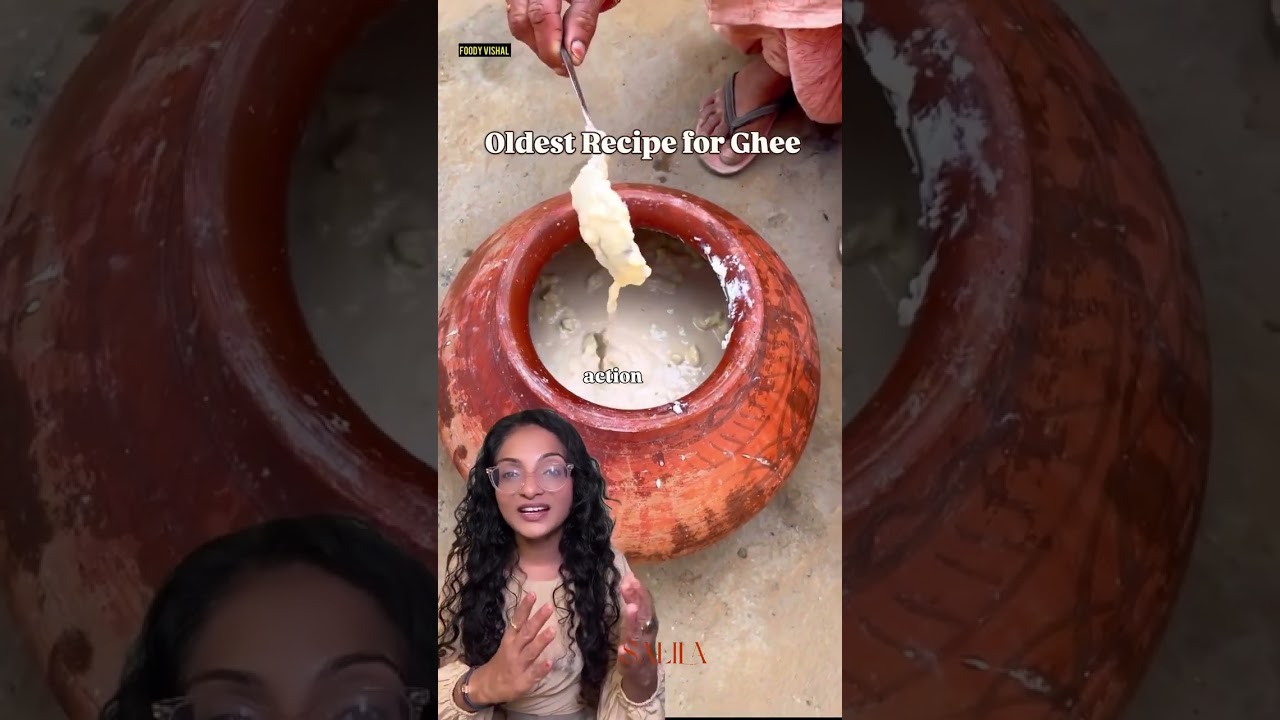
This Ancient Ghee Recipe Hits Different. It’s a ritual of reverence for the body.#ayurvedictips
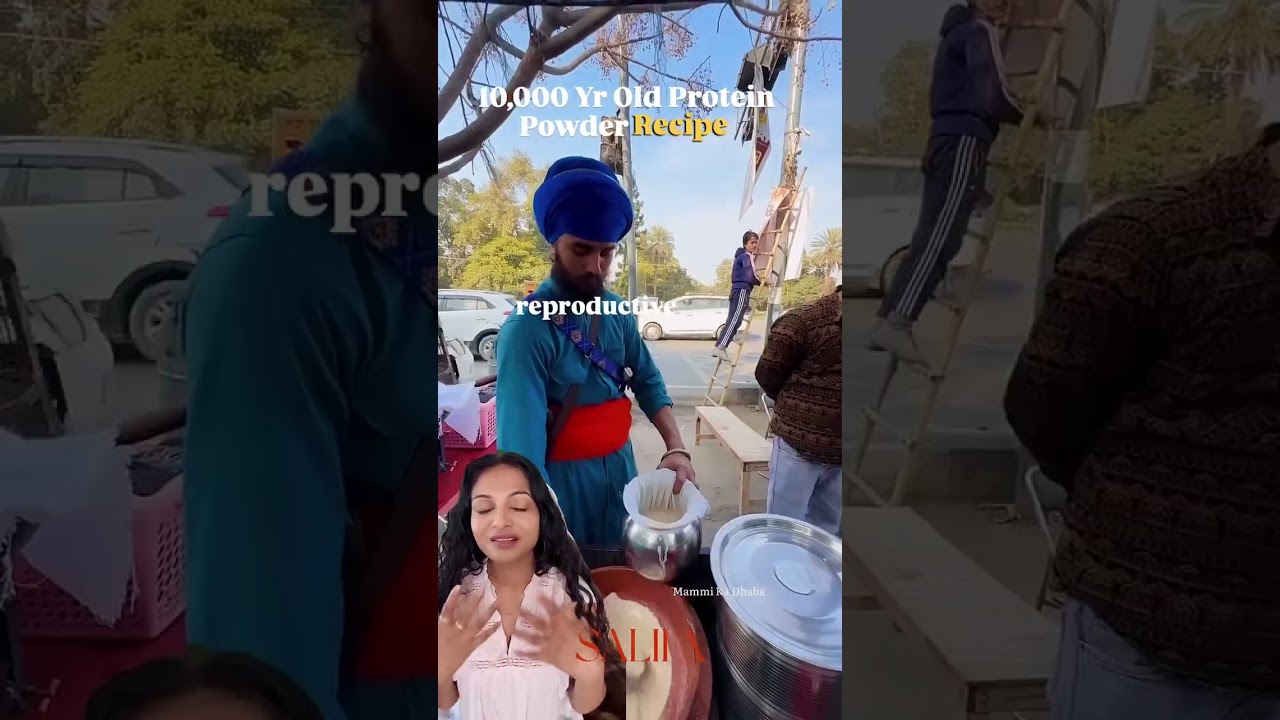
The OLDEST Protein Powder in the World?(10,000-Year-Old Recipe) #ayurveda#heritagerecipes
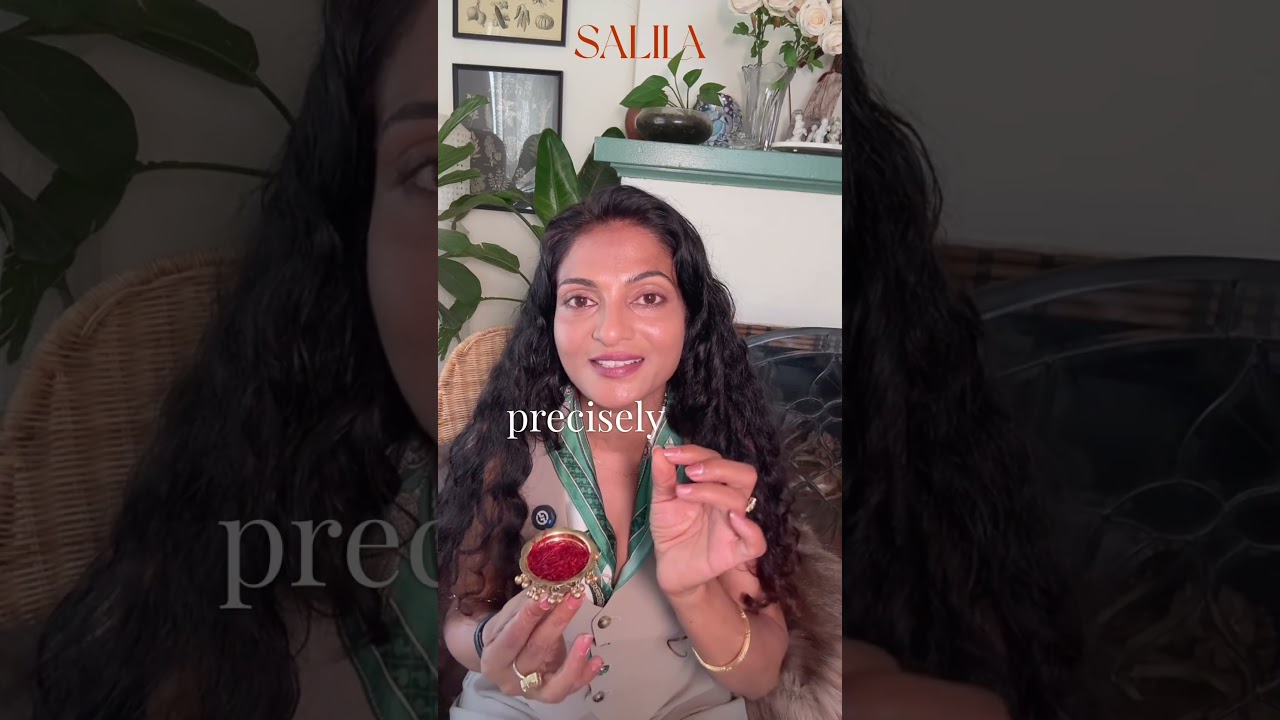
How to Make Saffron Tea the Ayurvedic Way?#ayurveda#ayurvedictips #haircare#ayurvedicmedicine


Here is the Oil Pulling Recepie....... #ayurveda #ayurvedictips #ancientwisdommodernlife
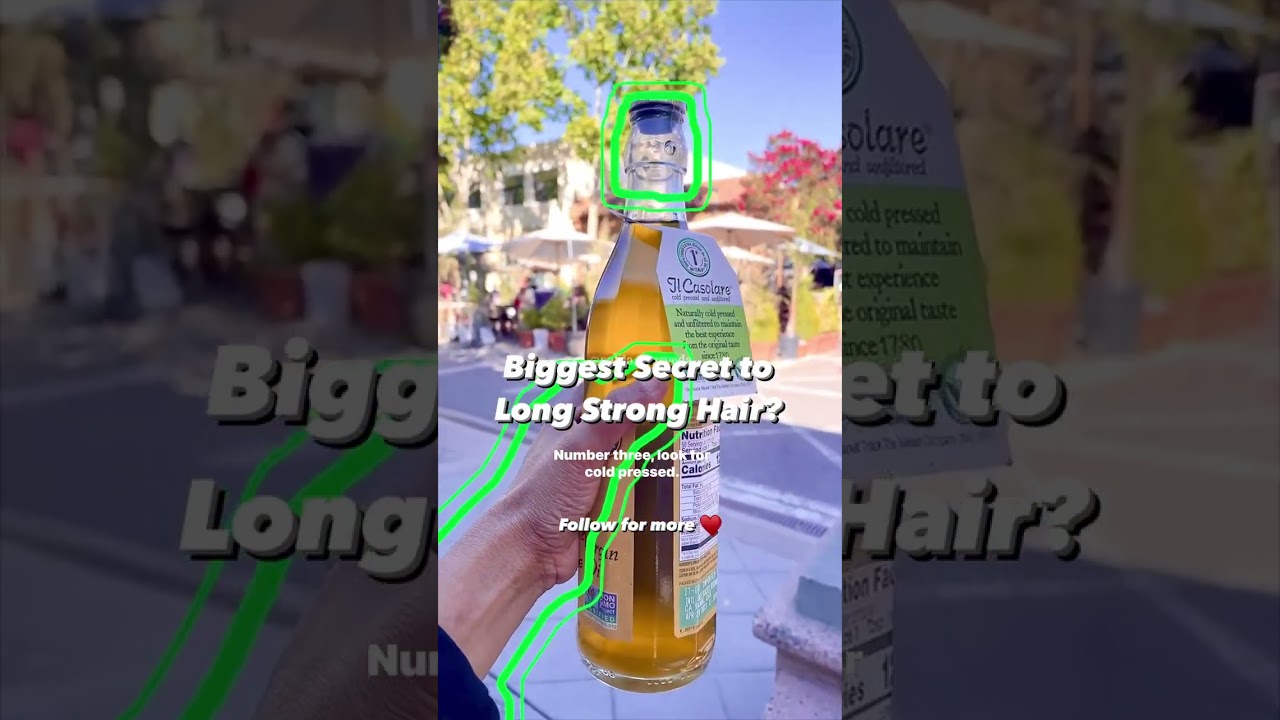
Dry Skin and Hair loss is one of the first signs of a low fat diet. #ayurveda#ayurvedictips#hair
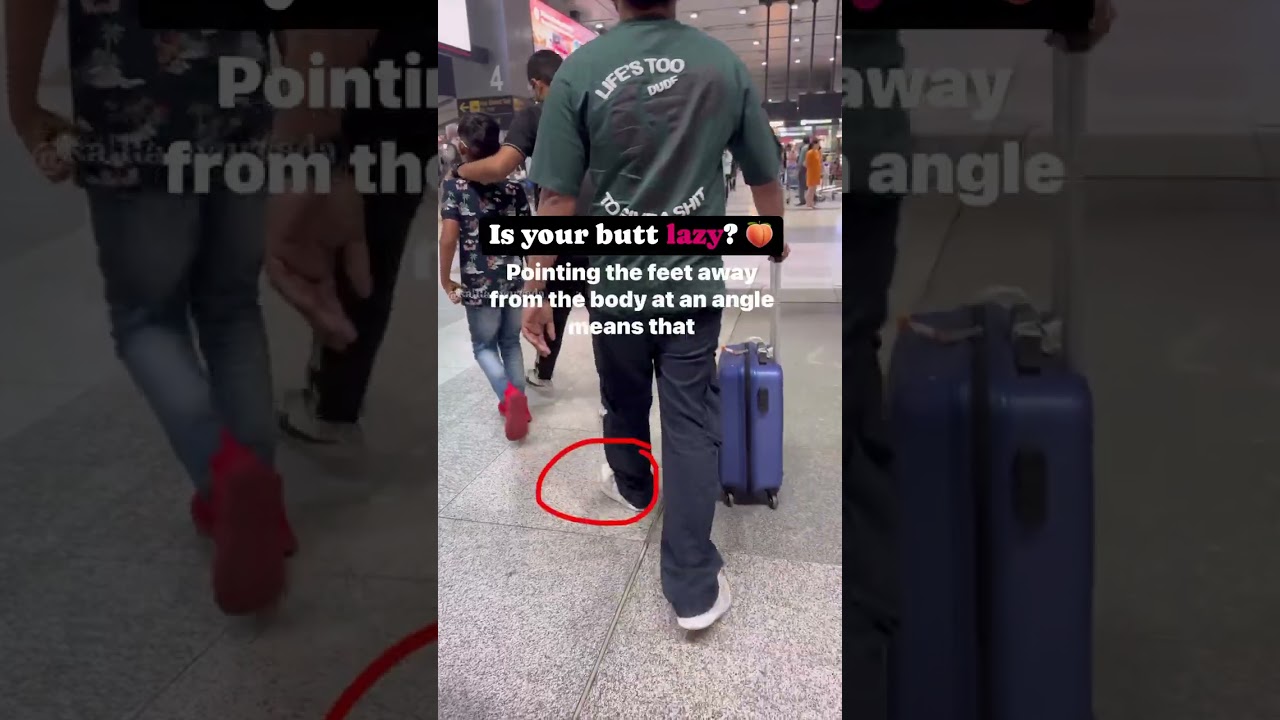
Do you walk like this? Duck feet🦆my lovelies! Some of us have one foot🦶or both feet 👣 going out.
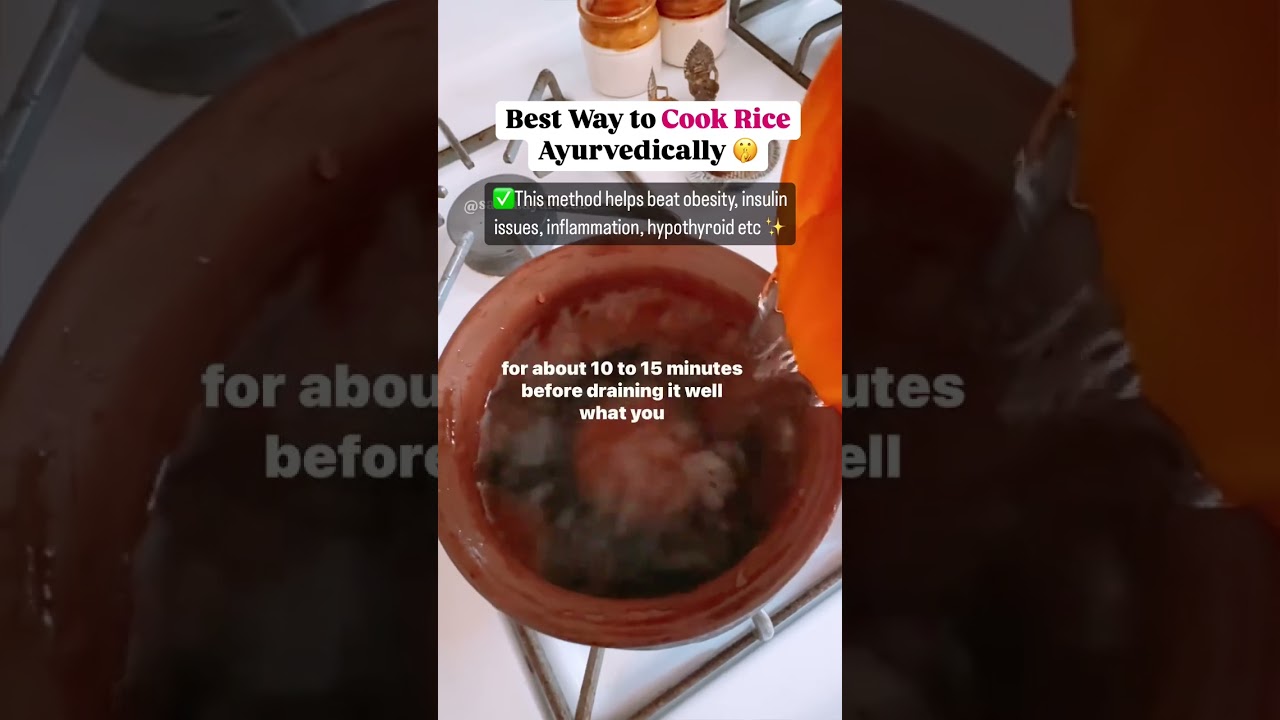
Grab your apron and let’s cook rice right.🍚✅#ayurveda#food #ayurvedafordiabetes#ayurvedictips

Did you cook your water today 💧 #āyurveda #ayurvedalife #ayurvedafood #ayurvedaeveryday #food