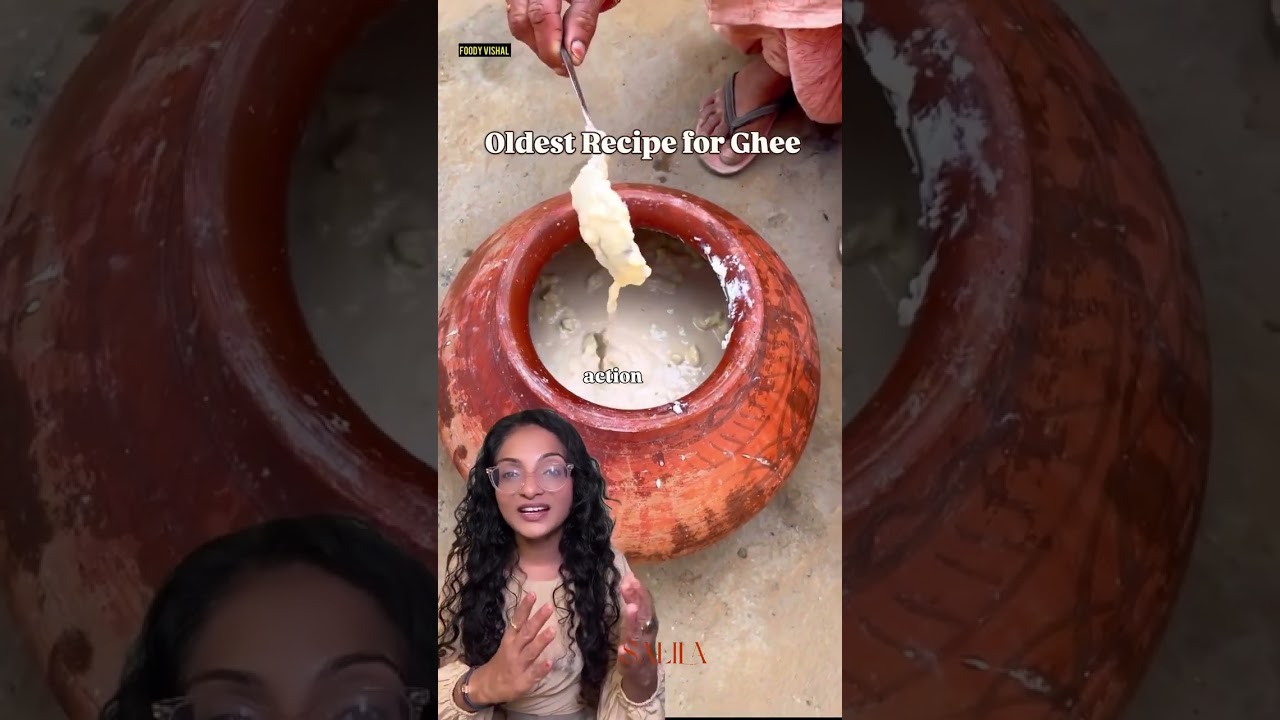
In this Actionable Ayurveda episode, Salima Sukumaran presents an Ayurvedic framework for understanding and managing diabetes (Madhu Meha) and pre‑diabetes. She begins by defining Madhu Meha and its Sanskrit roots, explaining how excess sweet flow disrupts the body's tissues (medha, mamsa) and leads to loss of ojas via contaminated kleda in the urine. She describes the Ayurvedic doshas (Vata, Pitta, Kapha) as messengers of imbalance, linking symptoms such as excessive thirst, dizziness, and heaviness to specific dosha aggravations. Salima shares a detailed case study of “Katie,” a finance executive diagnosed with pre‑diabetes, illustrating how modern lifestyle factors (sedentary habits, stress, poor diet) pollute kleda and impair Agni. She enumerates dietary triggers (excess dairy, nuts, sugary and slimy foods, over‑eating, certain fish, jaggery, sugarcane juice) and then outlines a comprehensive therapeutic plan: (1) identifying individual dosha patterns; (2) adopting Patya (wholesome) foods—millets, bitter gourd, ash gourd, pumpkin, leafy greens, legumes, berries, cold‑pressed oils, and homemade buttermilk; (3) avoiding Apatheya foods—processed items, heavy meats, stored root vegetables, ghee, sesame oil; (4) incorporating herbs and rasayanas such as triphala, fenugreek, black cumin, carom seeds; (5) establishing a daily dinacharya with a morning meditation, millet‑based savory porridge, post‑meal movement, and conscious rest. Salima emphasizes the spiritual framing of the body as a temple, urging listeners to listen to their Ayurvedic intelligence, share their experiences, and subscribe for more guidance. The episode blends Ayurvedic theory, practical nutrition, lifestyle rituals, and motivational encouragement to empower women to naturally balance blood sugar and restore vitality.
Chapters
Hey there, sisters! This is Salila Sukumaran with yet another episode of Actionable Ayurveda, where we learn new ways to reconnect to our Ayurvedic intelligence, our inbuilt AI. For a juicy, glowy body and a life of purpose. Today we are taking a closer look at Madhu Meha, what modern medicine calls diabetes and pre-diabetes. But first, I invite you to take a deep breath with me. Feel that sacred prana flowing through you, carrying the wisdom of countless generations, our ancestors who have come before us. Close your eyes for a moment if you're not driving. Picture your body as an ancient temple where every pillar, every stone, every sacred lamp has its purpose. And just as a temple needs careful tending, our bodies cry out for attention in this rushed world of text messages and midnight deadlines. In our ancient texts, both prameha and madumeha are used for diabetes. Both are distinct stages which become clear if we break down the meaning of the words. We will first understand what it is, and then I will share solutions I offer my clients and the reasoning behind it. Madhu meha literally is flow. Madhu meaning honey or sweet, and meha refers to the passage or flow where our body's natural harmony with sweet foods has become disrupted. And now because of that, our medha dhatu, or our fat tissue, and our mamsa dhatu, our muscle tissue, are both losing their strength. And therefore the best part of them, the ojas part of them, the life-giving part of them, is now flowing out of our body through our urine. The word prameha is to flow, which is derived from the Sanskrit root meha. We know is to pass urine or to flow. Pra meaning anything that is in excess, both in quantity and frequency. So person suffering from prameha is in a stage where they are excessively urinating. This is one of the first stages as diabetes gets established in the body. The number of times and the urge to go to the bathroom increases, and the quantity of urine also increases. You may not be drinking as much, but you notice that your body is letting out a lot of— Diabetes isn't just about sugar, dear ones. It's about understanding the deeper messages our body is sending through what we call in Ayurveda our Doshas, the divine orchestrators of our health: Vata, Pitta, and Kapha. Okay, let me share a story that touches my heart deeply. A dear sister client, let's call her Katie, a brilliant finance executive, came to me one day and her eyes were filled with worry. Her doctor had just diagnosed her with pre-diabetes, those crucial warning signs where our body stands at a crossroads. Her fasting blood sugar levels were dancing between 100 to 125. Mg per deciliter, a delicate threshold. "But I don't understand," she said to me, tears welling up in her big eyes. "I do everything right. I eat well. I exercise. This is unfair." We were separated by our screens, and it was bright with a setting sun in Europe, and here in the San Francisco Bay Area, it was a crisp, cold morning. And in my mind, I was transported to lush Kerala. And I remembered the words of wisdom about 'pathyaahara' or the right kind of food that my grandmother often used to talk about. Elders use this word a lot to describe how diet must be 'pathya' or it must shift according to the seasons. In sickness, in health, in times of confinement like illness, pregnancy, postpartum, periods of bereavement, our diet must reflect our state of mind. And the requirements of the body. Another concept I learned when I studied diabetes is kleda that I want to help you understand. Kleda is the liquid part of the first essence of food, the rasa. Remember the 7 tissues? Rasa is the first tissue which is formed from the nutritive essence of our diet. Agni, our digestive fire, cooks the food, and the first extract is rasa. Think of it like the squeeze post-digestion. If our food was an orange, digestion squeezes out the first juice, and that is rasa. Kleda is the fluid part of rasa. It's a subtle liquid extract which creates blood or rakta from it, and then it goes on to become mamsa or muscle, then medha fat, asthi bone, Majja, our marrow, and Shukra, fertility tissue. The solids become tissues and are fed by the nutrition from Kleda, the liquid moist juices of the body. When Kleda is healthy, it creates Ojas, that fine quality that signals health and fertility. The face shines, skin is luminous, joints are strong and supple, Hair is soft and lustrous. When ama, or the sticky solid waste of suboptimal metabolism, sediments in the body here and there, kleda begins to get contaminated. Instead of draining into the urinary bladder after a cleansing wash cycle through all the channels of the body, both visible and invisible, it becomes a cause for disease. Its flow, frequency, color, texture, and consistency disrupts. And in diabetes, the sages say that ojas flows out of the body as contaminated kleda in the urine, which is why when we have pre-diabetes, it's a challenge to get pregnant. We begin to look frazzled, dry, dull. Remember, this is prehistoric science, so keep your mind open to understand the basic concepts. I explained to Katie how our modern lifestyle pollutes kleda with toxins that cloud our body's wisdom. You see, dears, Madhumeha often stems from what our texts call asya sukham, the comfort of sitting for too long, svapna sukham, excessive sleep, and most importantly, cinta, stress. That is a modern preoccupation, right? From having foods that increase kapha— remember our mnemonic from our previous episodes? D, N, S, S, dairy, nuts, sugary, sweet, and slimy foods. If our Agni is low and our tongue is coated thick and white, continuing to have heavy foods will surely cause insulin resistance, leading to prediabetes. Some other reasons the sages have highlighted is: Ahitha Ashana, eating foods that don't work for our body. Adhikashana, eating too much. Adhyashana, snacking, eating again and again. Dadini, too much yogurt. Uddaka anupamamsa, fishes from marshes. Think of bottom feeders like tilapia. Payamsi, milk. Gudavai krithi, jaggery or sweets made from jaggery, overusing jaggery. Ikshurasa, this is sugarcane juice, drinking sugarcane juice on a daily basis in summers. Not a good idea. Now let me share with you the sacred wisdom that transformed Katie's life, and this can transform yours as well. The first step is to understand your doshas. Think of your body's energies like the elements themselves. Are you experiencing excessive thirst, what we call as polydipsia? This is an increase in Pitta dosha. Are you experiencing dizziness after a heavy meal or unexplained fatigue when you wake up? Dizziness could be because of Vata, and fatigue and heaviness, lethargy, is a Kapha dosha aggravation. These are like SOS messages from your imbalanced doshas calling for moderation, a change in lifestyle, a break perhaps. We have to understand the sacred dance of our diet. When Katie first came to me, her diet was filled with what Ayurveda calls as guru ahara. Heavy foods that dampen our digestive fire, our Agni. She loved her nut butters, her avocados. She needed her supplements so she did not develop any insufficiencies. She needed her protein shakes. Instead of synthetic food look-alikes, we introduced real vegetables like bitter gourd, ash gourd, pumpkin— nature's gifts for blood sugar balance. We added triphala, the sacred recipe for immortality, a rasayana. We incorporated warming spices like cumin, asafoetida, coriander, paprika, black pepper. Think sharp and bitter spices. And we added fresh herbs— cilantro, parsley, dill, mint, and green onion, curry leaves— by the fistfuls into her daily cooking. These are nature's powerful liver aids. And most importantly, we brought in takra or buttermilk. Buttermilk you make with zero-fat yogurt in your kitchen. Do not buy the already processed buttermilk, what you see labeled as buttermilk in the United States. That is not good for you. Buttermilk is a great sugar spike reducer with every lunch. Now tell me, my dear sisters, when was the last time you truly felt nourished? Not just fed. When did you last listen to your body's wisdom about what it truly needs? Once we had taken care of the diet We looked at some rituals for healing for Katie. We created a daily ritual or a dinacharya that honored both the ancient wisdom and our modern life. We tailored a morning meditation with katbesti. The recipe was modified to have fenugreek seeds, black cumin, and carom seeds. A breakfast of warming savory porridges made of millets like foxtail or sorghum soaked overnight in buttermilk and then tempered with ginger, cumin, asafoetida, and curry leaves. You can add any of your favorite flavorful herbs to this. Movement post-meals that helps activate the muscles and pulls away extra glucose molecules from your bloodstream. And most importantly, moments of conscious rest between her meetings, her weekends, so that she was not running herself ragged in the name of entertainment and filling her days with activity. Now, dear sisters, let me share the sacred wisdom of Patya, or wholesome foods that heal, and apathya, those that can disturb our delicate balance. Now picture your kitchen as an ancient apothecary where each and every ingredient carries healing potential. When Katie first came to me, we transformed her kitchen into a temple of healing by introducing Patya Ahara, our healing allies—ancient grains that ground our energy without activating our sugar spikes. Think nutty barley that steadies the blood sugar, wholesome millet that nourishes deeply, and wheat that strengthens our essence. We added nature's bitter healers: bitter gourd or karela, snake gourd, pumpkin that tames our blood sugar, vibrant green leaves like spinach, kale, kohlrabi, fenugreek that cleanses our blood, and humble legumes like garbanzo, green gram, horse gram, and red lentils that offer us fullness and satiety and provide steady strength, easing our dependence on grains. Sacred berries like amla berry, the great rejuvenator, pomegranate, the bearer of vitality, tart deep red, purple, and blue colored berries that purify our channels. You can't go wrong, just look for intense color. We added some dairy wisdom, just a small cup of takra or buttermilk to kindle digestion, and a mere teaspoon of wholesome olive oil to carry healing deep into our tissues. Pure cold-pressed oils like mustard oil, sunflower oil, olive oil that warms and invigorates. But equally important, dear ones, is the understanding of what to avoid, the apathy. Some of them are these tempting processed foods. It's a no-brainer that promotes quick energy but leaves us depleted and deprived, craving for more. Heavy meats like pork and beef that burden our Agni because they are laden with lard and fats. Foods that have lost their prana through long storage or excessive cooling. Even seemingly innocent root vegetables like potatoes and sweet potatoes, which can be too heavy for our compromised digestion. Ghee and sesame oil are surprisingly not healthy for diabetes. But this seems so restrictive, Katie exclaimed when we first discussed these changes. You know, and I told her, think of it not as restriction, but as guardrails. They protect you from straying off your course into the wilderness of uncontrolled diabetes, which is a difficult situation to come back from. So let's think of the new diet and lifestyle as choices that bring more sneha or love into your life. Now tell me, dears, have you noticed how different foods affect your energy, your clarity, your sense of lightness and heaviness? These are not just random experiences. They are your body's Ayurvedic intelligence. It's AI speaking to you. I invite you now to share your journey with our circle. What wisdom has your body been whispering to you? What ancient knowledge calls to your modern heart? Send us your stories, your questions, your struggles, your triumphs. I love to hear from you. And remember, dear ones, our wise sages tell us that your journey to balance begins with a single conscious breath. So let's take one. And before I leave, I want to let you know, so many of you reach out to me to tell me how much you appreciate the work I do. And it would mean the world to me if you subscribed, left a review, so others can find this wisdom and benefit from it. Until next week, this is Salila, reminding you to stay juicy, stay glowy, like the goddess that you are.