Shocking Experience | Panchakarma in Bali | Ayurveda Retreat Shoppers Beware

In this first‑person video Moncy, a former Los Angeles entertainment lawyer turned fiction writer, recounts a 28‑day Panchakarma retreat in Bali that turned into a traumatic medical ordeal. After being diagnosed with early‑stage vitiligo, Moncy chose a Bali retreat advertised as run by Dr Salila Sukumaran, an Indian‑trained Ayurvedic practitioner. The retreat began normally, but three weeks in the staff applied a bakujii paste to treat vitiligo spots. The paste was applied liberally over large body areas, using an activating agent (cow urine instead of lime juice) and without proper gloves or precision. This caused severe chemical burns, infection, and ongoing skin damage that required months of medical care in the U.S., including burn creams, antibiotics, and light therapy. Moncy describes being bedridden, isolated, and dependent on the retreat staff, with no internet, phone, water, or food, leading to intense PTSD, loss of a year of life, and eventual resignation from a legal career. He details the staff’s dismissive responses, the doctor’s false claims of expertise, and the lack of informed consent. After returning to the U.S., Moncy pursued partial credit‑card refunds, faced a hostile legal letter from the retreat, and continues to manage physical and psychological sequelae. He reflects on what he learned about Ayurveda, the importance of vetting practitioners, individualized diet, and the need to listen to one’s body. The video ends with a warning to prospective clients and gratitude toward those who helped him recover.
Chapters
My skin was literally on fire. Like, I ended up finding a place in Bali and I ended up with burns and bedridden by myself. Felt like a prisoner. There's nothing in your room. There's no internet, there's no phone, there's no water. I was the most helpless I've ever been in my life. Under her care, you know, I know she's capable of lying and trying to protect herself. She held up her hand and she's like, oh, she had spots that were this big. And in 6 months, mine were like millimeters. It was a paste that was applied to the spots on the skin. This woman who has no training in absolutely anything, she hardly spoke any English. There's no precision that could have been applied with what she was doing. Probably 200 times the surface area of what should have actually been treated and getting worse as time went on. It was some sort of like searing from within. Like, I couldn't wear clothing to have made that journey. I couldn't move because at that point the trust for me was completely shot. I think at that point, I knew I was not safe. I was waking up in a panic in the middle of the night every night. I had very serious PTSD. When I got back, I ended up leaving my job last year while I was dealing with all of this because I just, like, I lost a year of my life and counting. I'm Moncy and I live in Los Angeles. I was an entertainment lawyer for a very long time. And I'm now a full-time fiction writer. I've got 2 books out, and about 5 years ago I got diagnosed with a stress-induced autoimmune condition. And then June of last year, I got diagnosed with the second one. And so for me, that was enough warnings. You know, working as a lawyer is very stressful. Writing had always been my passion. I had my first book out at that point, and so I said, I need to do a big reset. Like, my body is talking and it's time to finally listen. And so I started researching panchakarma places and I think I'd looked in India, but given the COVID situation and dengue, I ended up finding a place in Bali where someone I had known had gone in the past. And so I thought, okay, this seems like the right reset. Like I've done so many alternative medicine things over these years, like Reiki, acupuncture, crystals, you know, like so many different things, but I'd never actually done Ayurveda. And, and so I signed up for a 21-day 28-day Panchakarma experience in Bali, and I had made sure I wanted the doctor to be Indian. Like, I wanted someone who was from that background, so I cared less about the location and cared more about the experience of the doctor. And then, you know, in doing my research, I had an initial interview with the place I went to. You know, I looked at the reviews of the place, you know, all of those things. And so I signed up for this 28-day Panchakarma program last August, and It wasn't a great experience in the end. You know, I think I just ended up at a bad facility that was run by someone who didn't have the best healing motives in place. But I did learn some things about Ayurveda. I came back and learned a lot more from, you know, people like you, or, you know, I had a better sense that they knew what they were talking about and it was more health motivated and less profit motivated, which I think was the issue I had. With the place where I ultimately went. It was one of those things where you have to go with your gut, right? I didn't know anybody who had done a Panchakarma experience, like, other than this one person who had recommended the place in Bali. And so I leaned heavily on that because, you know, I knew a human who had gone and come back and was okay, you know, because I think with a lot of these things, like, I had thought the worst thing that would happen is that nothing would happen. It did not occur to me that something so much worse could happen. And I ended up with burns over my entire body other than my face and neck that, you know, I'm still getting treatment for them a year later. But I ended up bedridden there in Bali by myself and was trying to figure out how to get back to America, get back to good medical care, because at that point I knew the doctor that was treating me, I knew she did not have my best intentions, but I was the most helpless I've ever been in my life while I was there under her care. Yeah, absolutely. So, so I went through the beginning part of the panchakarma experience, was fine. You know, I think these things, you know, they're difficult. They're not things that you do normally. But then the main reason I had gone to that facility was last year I'd been diagnosed with vitiligo, and it was very early. And so that's why I said immediately, okay, I want to go fix this right now. And so I remember, I will never forget it. So that's what I had talked to him about before I I signed up for the program and things like that. And they said, "Oh yes, you know, Dr. Salila Sukumaran is experienced with vitiligo." And so I said, "Okay." That was the main reason I was going to be there. And then I remember the first time I met with her, I was sitting there and, you know, and I asked her again, you know, I said, "What's your experience with this?" And she said, "Oh, my mom had vitiligo and I treated her with it." And she held up her hand and she's like, "Oh, she had spots that were this big and in 6 months they were gone." My spots are nowhere near that size at this point. It was so early. Mine were like millimeters. You know, and I thought rightly or wrongly, if someone is treating their mother for something, then they must know a lot about it. So I thought, okay, she knows what she's doing. And it did not occur to me at any point until after everything happened that that might not have been true. So we got to the point of after about 3 weeks into my stay there, she did this treatment that she said she'd done on her mother. And so she had told me that there could be minor skin irritation with it. It was a paste that was applied to the spots on the skin. And so she said, "We're gonna do a test to see how your skin reacts," which sounds totally normal. And so they did the tester and everything was fine. And then the next day she had this woman who has no training in absolutely anything. And worse still, for a place like that that really caters to Westerners, she hardly spoke any English. And so she came and she had this paste. And before anything happened, I looked at her and I said, what is that? That looks different from yesterday. The herb they were supposed to use is called bakujii. And she kept saying, yes, this is bakujii. Because I kept asking, I said, it's a different color than what you used on the tester. And so I sent her back and said, please confirm that this is the right thing. And so she came back and she confirmed it. And I think for this whole experience, you have to suspend belief. So I said, okay, you know, herbs look different different days. They, you know, they could have a different color. Who knows? You know, it was still brown. It was just a different shade of brown. And so she applied it not using medical gloves, but using like those fat finger plastic gloves you would see like at the deli to like pick up donuts for my vitiligo spots that were, you know, 1 to 2 millimeters. Like there's no precision that could have been applied with what she was doing. And so then she applied it far too liberally, not just the spots, but on, you know, massive parts of my body. Like, I think it was probably 200 times the surface area of what, what should have actually been treated. And so then you put this on and they said, you stay in the sun for 20 minutes and then you wash it off. And just trusting, you know, like, these are my medical professionals at this point who are treating me. And after 20 minutes passed, I was trying to get someone's attention to let them know that 20 minutes had passed. And I was unable to do that because I'm also— I'm covered in this paste and not wearing clothes, so I can't go very far. When they finally came, and so they had done the front side first. And so I remember asking her, do you need to wipe it off the front before you put it on the back side? It's been on for 40 minutes at this point. And she's like, no, it's fine. You know, her English wasn't great. So it's not clear that she even understood what I was saying. It just did not occur to me that anything this bad could, could happen from this. And so she didn't take it off. We then put it on the backside. And for that, because I knew when we were done with the procedure, that was only on for 20 minutes because then I was able to get up and go wash it off because there was nothing more to do. And then the next day I woke up and I had just like redness forming, you know, over that area. At the Panchakarma experience, you're assigned to a therapist. And so I went to her in the morning, and so nothing was hurting that bad for me yet, but I could see that she was concerned. And she's the sweetest woman, like, you will ever meet. And so she said to me, I want you to see the doctor. And so I thought, okay, she's being cautious, that's fine. And so then I met with the doctor, and she looked at it, and she's like, oh, this is fine, this is totally normal. And so then she said— this is the part that I'm like, oh, thank God common sense prevailed. At that point, I knew I needed to like make my own decision. But so she wanted to put it back on that same day. And so I left and I went back to my therapist and told her what the doctor had said, and she's like, I don't think we should do that. And so we didn't do it. And then by that evening, it had just flared up. Like, my skin was literally on fire. Like, if you touched it, you could feel the heat. And so then the doctor kept trying to convince me that it was fine and there was just something was amiss. And then I really knew something was amiss when— because it got worse the next day. It got worse again because it was, you know, some sort of like searing from within, you know, because it wasn't— I don't know, it was like forming and getting worse as time went on. And I just remember her saying to me, because I had said at that point, this seems very severe to me. And she was using, you know, her Ayurvedic medicines on it and like sandalwood paste and stuff like that. And I was like, none of this seems like it's helping. And in that moment, I just remember her saying to me, oh, when I treated my dad for vitiligo, he had the same reaction. And I'm a litigator by training. Like, inconsistency is what I, you know, I felt like I was in a deposition and I just thought to myself, she's lying. Like, she told me initially it was her mother and these are not mistaken that one makes if you've treated a parent. And so I think at that point I knew I was not safe and this woman did not have my best interests. Then it became me trying to figure out how to get home, and it still took me 9 days from the time that the burns formed until I actually got on a plane. And like, I couldn't wear clothing to have made that journey. I couldn't move. And the whole time I was there, I sort of felt like a prisoner. Because there's nothing in your room. There's no— there's no internet, there's no phone, there's no water, there's no food. Like, and medications, they would bring me just the amount that was being used and then they would take it away. And so someone would come back. And so I was fully dependent on them in a way that, you know, I've never been dependent on anybody, but not since I was an infant. It was unquestionably the most traumatic experience I've ever had. But the problem about it for me was it was avoidable. Like, there was no reason for this to have happened if they had been exercising the right standard of care. And I actually think this bakuji treatment probably does work for vitiligo if applied correctly, but I think she just didn't have any experience with it, didn't realize how bad the consequences could be of mishandling it. And I think it turns out I was right about the tester being a different substance than what they applied to me, because I found out after the of the facts because they had said what they put on me when they lathered it all over my body, the activating agent they used on the tester was lime juice. On the day they spread it all over me, it was cow urine. And it, you know, it's not to say that's not a viable medical thing, but I certainly would have had some more questions if I'd known that's what it was, you know. And it was, it was just one of those things where like you need someone's consent to be doing something like that, and she didn't have it and she didn't seek it. And I think, I don't know if a mistake or intentional, but it was clear. They confirmed that they used two different things, which is a big part of how this problem started. Yeah, it got— so at the end of 24 hours, it got pretty like sort of at that high level and was— it was a fiery red at that point and just very— it's hard to describe. I mean, it was like touching a hot kettle, except it was my skin. And so— and it was in just— it was all over, right? It was 360 degrees around my torso. So there was like no position in which to ever be comfortable back, front, laying on my side there. You know, there was, there was none of that. But yeah, it sort of got to that place and stayed there for a while. So I asked her to go get Western medicine burn creams. And so that happened on day 3. And so I've had a cast iron pan burn last month and it was at the same degree that These burns were all over my body. And so by putting my hand just in cool water and then putting Silvadene on immediately, that skin went back to completely normal in 7 days. I'm sitting here like a year later, still getting multiple doctor's appointments, getting light treatments for my skin to try and bring back the discoloration from the burns and the vitiligo, all of it sort of. It's interesting because I think you're also in such shock. And so the body doesn't register the pain in the same way. Meanwhile, the whole time she's telling me, "I'm gonna be fine in 2 days." So that was the thing. And you wanna believe that, right? Like you're in so much pain. And so she kept telling me that the reaction was normal, even as the burns got worse, even as it started to blister. And so she kept telling me, "Oh, you'll be fine. You'll be able to go to the beach and swim and like, you know, be in sand." It's like, it's ludicrous to have looked at my body and thought any of that was possible in days, let alone weeks. Alone months, you know, the whole time she's saying, oh, 2 more days, 2 more days, you know. She's bringing in some Ayurvedic creams as well. But I realized like it's such a mental head game in that experience because I couldn't voice a lot of dissension because I was also dependent on her and I didn't have a way— like at that point I could not have gotten up and walked out. And so I started to have like real concerns for my safety. I mean, at the end of the day, you know, I don't know what she's capable You know, it became a, like, very exhausting head game. And so I think I was so singularly focused on getting out of there, and like, I was trying to build enough strength, the mental strength, to survive 30 hours of travel. At that point, the trust for me was completely shot. So I did not tell her I was leaving that day until I had already packed all my things, had my flight booked and had a backup car waiting in case they wouldn't take me. Like, at that point, I felt like I was 100% in survival mode, but I didn't want her to have much time knowing I was leaving. You know, I was just gonna suffer through it and get back. And I explained to the flight staff what was going on. They were very kind. And then I ended up booking a lay-flat seat on the long haul from Manila to Los Angeles and was just, you know, medicating myself with as many painkillers as I could and just trying to get to the other side. Like, that's all I had in my mind was, okay, in 17 hours you'll be home, in 15 hours you'll be home, like that type of thing. So it's still ongoing. My parents came to Los Angeles and stayed with me in California. So that was by far the only reason, like, I'm probably able to talk to you right right now, but so I didn't have to take care of anything on my own. They drove me, like I couldn't drive, I couldn't do anything, right? Like when I had to go to the doctors, just to, just to get there. So we live in a society where clothing is not optional. And so I would just put on something loose, get there. I spent a ton of time in this home, which I love. So a lot of gratitude for where I live. I have been going to multiple doctor's appointments a week. Week since I got back in September. The dermatologist that I work with here had said like some of the burns had been infected, which is not surprising. And so, you know, so we were dealing with that, but it was, you know, my mom and me applying ointments, you know, sometimes 7, 8 times a day and just getting through it. Yeah, I, I don't think so, not during this. I mean, I think I I was in such a bubble. I only— I was at home or I was at the doctor's, and that was it. Everything else was being handled by my parents. And so I wasn't exposed to all that many germs, so I wasn't getting other types of sicknesses, which, which is good. But it was, you know, sort of fighting off the infection. And even that stuff, like, from the doctor in Bali, like, I think she was just using me as a guinea pig to try something new. She was trying to get me to wear clothing while my skin was that raw. And suggesting I get some exercise and go outside and go for a walk. And I now know I didn't do any of those things because at that point I was like, this just— some form of intuition and survival just kicks in. But coming back, I now know medically why that was such a bad, stupid idea. Getting sweat into burns is one of the worst things you can do. Like, that causes infection and things like that. And clothing would have done the same, like having, you know, something on it that was irritating it. I was like, I can barely move. Yeah, and I, I have analyzed this to death, and I think the sad thing is, you know, I don't know how much more someone could have done on the front end. You know, I think when people are under stress is when you see who they really are. And so I think after the burns happened, that's when I got a different view of her because of all the people that were at her center at that time, I am probably the worst one for her to have done this to. Like, I am a litigator of 20 years and a best-selling novelist. I've got a lot of platforms to take her down if I wanted to go that route. Like, I could tell immediately that once that happened, she shifted into liability mode, and So that's the shift that I felt in her. I don't think you could see that beforehand, you know, because you need someone to be in that situation to have, you know, their back against the wall that way. But I had, you know, I started taking very detailed notes of everything that was going on as if I was preparing a case because that's the way my mind works. Once I realized she had lied to me, at that point, that's when the biggest shift was because I don't know if she realized that I had caught the discrepancy or not, but she definitely shifted into a higher liability mode situation. Yeah, and I'm grateful that I did have one of the friends I had met there. She was one of the people helping me, you know, daily. I was able to check in with them once I could get a signal, but it was also even buying a plane ticket was so difficult because I was doing it without her knowing. And the friend I had made there and said, hey, can you help me just to make sure I I can get out of here. And then I had another friend who had set me up with a backup driver just in case, you know, when I said I was leaving, if they wouldn't let their driver take me to the airport. I was like, I'm not missing that flight. I am really grateful that after this happened, like, I look back, I'm so glad I did not let her put that paste on me again. Given how bad this was, that a year later I'm still recovering from burns, imagine if I essentially doubled dosage, you know, or tripled it. She wanted to do this for 7 days. And so I think it's just, if something doesn't sound right, I think it's learning to listen to your body. Even if an authority figure is telling you, you have to just rely on yourself. At the end of the day, your body knows what it needs. I admittedly was not always doing that before. And so I think that's when these warnings happen, is when you don't listen to your body and it says, I'm going to make you pay attention. You know, I, I certainly wouldn't recommend anyone go to this particular place, because like you'd said earlier, these are all things I know in hindsight. This was my first panchakarma experience. I didn't have anything to compare it to. So I think that even though it was an Indian doctor running it, I think that gives them leeway to do more of the cookie-cutter stuff, because the reality is most people coming don't know any different. And so if you tell them something, they're probably going to believe you, as long as it's not harmful to you. But I just remember even while I was there, there were certain things like, you know, like diet is a huge part of the Ayurvedic healing, which I fully subscribe to and fully believe in, you know, because food is such a big part of what's going on there. I think learning how individually tailored it is, is important because what they were doing at this center in Bali is they were just serving food that was okay for all 3 doshas. So if you had a particular condition and a particular food item would help you, if it wasn't, you know, okay for all 3 doshas, you were not going to be served that. Like, I feel like we all know if growing up Indian, like, amla is a superfood and you can have as much of that as you want. Like, they had none of that. I think they had said, oh, eat as much red rice as you want. You know, I think they didn't serve that either. So they would tell you what the things were, but they weren't actually serving it. And so especially for someone like me, you're there for that many days, like, the same menu basically just repeats every week because they're trying to do this tri-dosha menu, so it's less work and expense for them. So I think learning what is going on with the diet is helpful because I think all these places say, oh, it's uniquely tailored to you. And when I got there, I realized, no, it really wasn't that uniquely tailored. They just adjusted the amount of carbs, maybe. I was not. I didn't say anything again while I was there. My primary concern was my safety and getting out. I wasn't going to say anything that could upset this woman until I got out from under her. And so when I got back to America, I had a Zoom call with her. And then, you know, and she was sort of acting like everything was fine. And I had said, look, I think you should refund me for this. Like, I lost a year of my life and counting as a result of this. At that moment, she had offered me 2 free weeks to come back to and be under her care again, which is— I mean, it's laughable. So she didn't offer me a refund at all. Honestly, like, the amount I was asking for was pretty minimal. And she sent me a nasty letter stating that they had done everything they were supposed to do, that I consented to this, which was insane. And again, she's dealing with an attorney. I paid for this entire experience. I got my credit card company to refund half of it, but not with them. They fought the credit card company tooth and nail to not even let me get half of it back. So the pain is now gone. Fortunately, the skin is all smoothed out. All the infections are gone. Thank God. That was definitely the most painful part. Part. But so now there's discoloration. Like, I still have outlines of all the burns, but like the skin is smooth, but you can see that it's not, you know, my normal skin. Like, I, for better or worse, before all this, like, had very pristine skin. And so if there's anything amiss, it very much like jumps out. And so I can now swim now, like 10 months later. So there's definitely a psychological component to work through. Like, I had very serious PTSD. 50 when I got back and I was waking up in a panic in the middle of the night every night. And it was the same time that the burns happened while I was in Bali. I'm sleeping again, which is nice, but that took many, many months to sort of calm down. I ended up leaving my job last year while I was dealing with all of this. My primary job is still healing. My secondary job is writing. And the reason I had reached out to you and that we had started talking is I just really like, I think there's so much good that comes out of Ayurveda. There's a lot I've learned since that I have implemented completely with my own knowledge and research that have really helped me. Like, my blood sugar is the lowest it's ever been. My cortisol is the lowest it's ever been. Like, all these different things that I have implemented from my own research. I think it's great, but I just think, you know, it's worth warning people. If my story helps one person ask, you know, one or two more questions, or, you know, like, I just felt like a duty to speak up. And make sure that anyone who's heard this doesn't have to experience that. Thank you. And thank you for genuinely the work that you do. As I said, I have learned a lot from you that now I vet everything. I've learned a lot from your videos and the information that you share that I have implemented, you know, in different facets of my life. And so I realized, I'm like, okay, this is— it's going to be a slower road for me to learn about the Ayurvedic things that are helpful to me, and I'm learning them from the right people and the right resources. So I think that is huge and just think the work that you're doing is great and you are very credible and I hope lots of people have learned as much as I have.
More from Salila

What is ayurvedic Clock? How does Ayurveda measure time?#ayurvedalife#ayurvedictips#ayurvedalife

Did you know that fashion can be a form of medicine. Meet Manjistha. #ayurveda#ayurvedictips
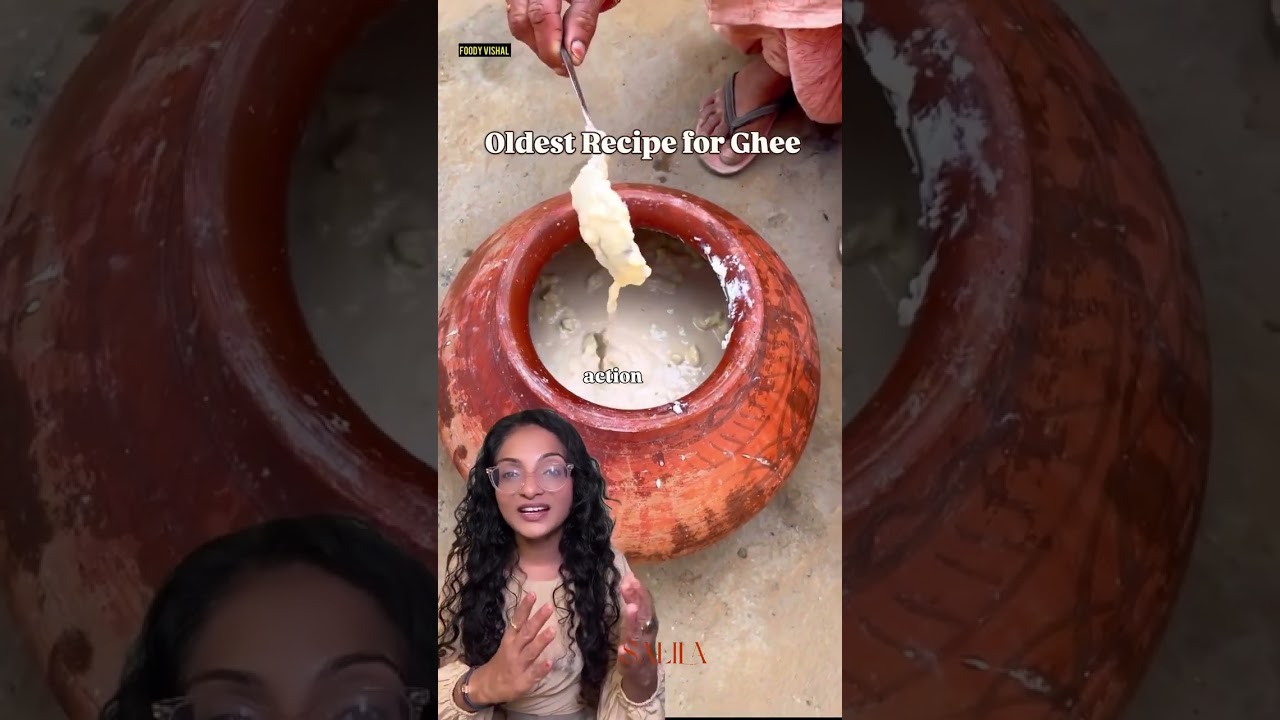
This Ancient Ghee Recipe Hits Different. It’s a ritual of reverence for the body.#ayurvedictips
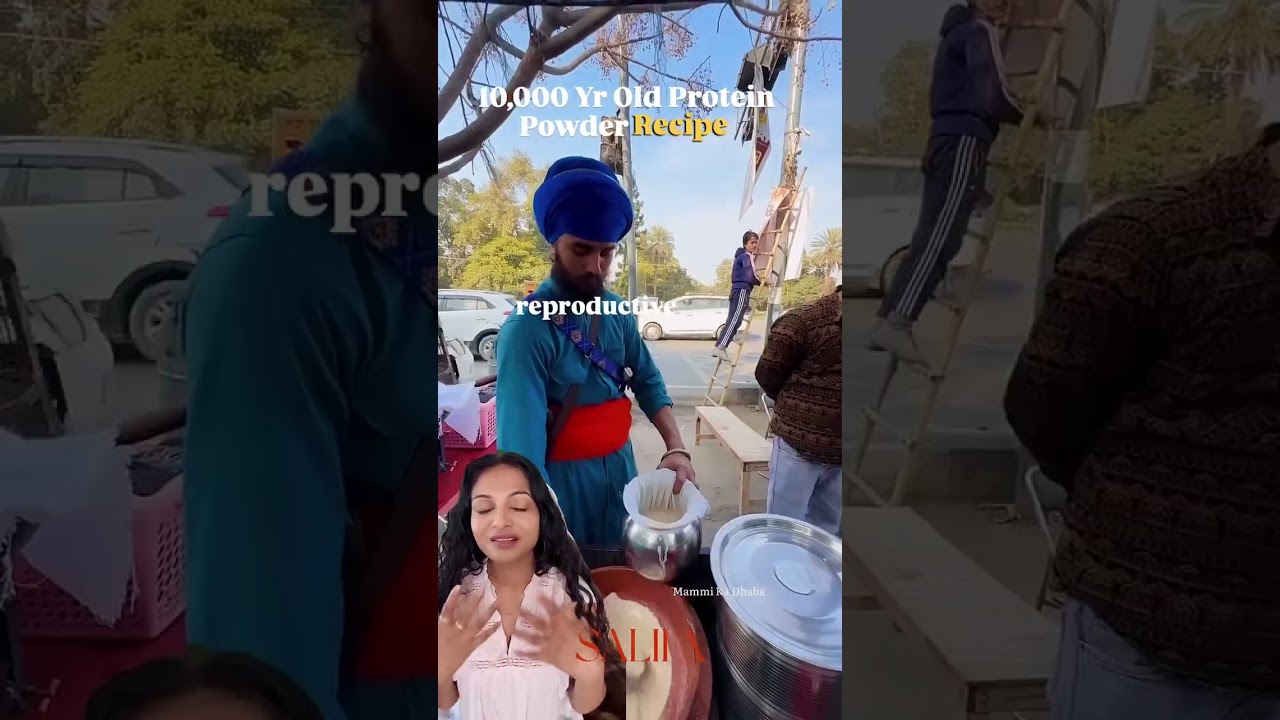
The OLDEST Protein Powder in the World?(10,000-Year-Old Recipe) #ayurveda#heritagerecipes
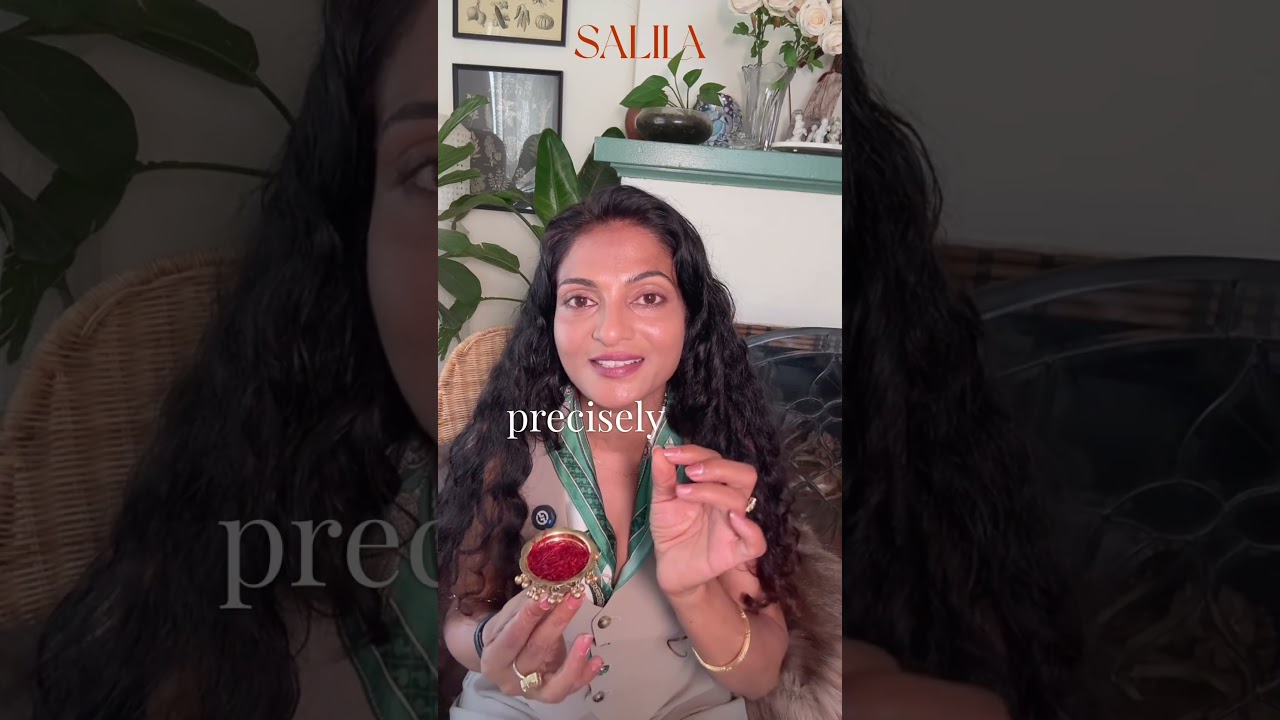
How to Make Saffron Tea the Ayurvedic Way?#ayurveda#ayurvedictips #haircare#ayurvedicmedicine


Here is the Oil Pulling Recepie....... #ayurveda #ayurvedictips #ancientwisdommodernlife

Dry Skin and Hair loss is one of the first signs of a low fat diet. #ayurveda#ayurvedictips#hair
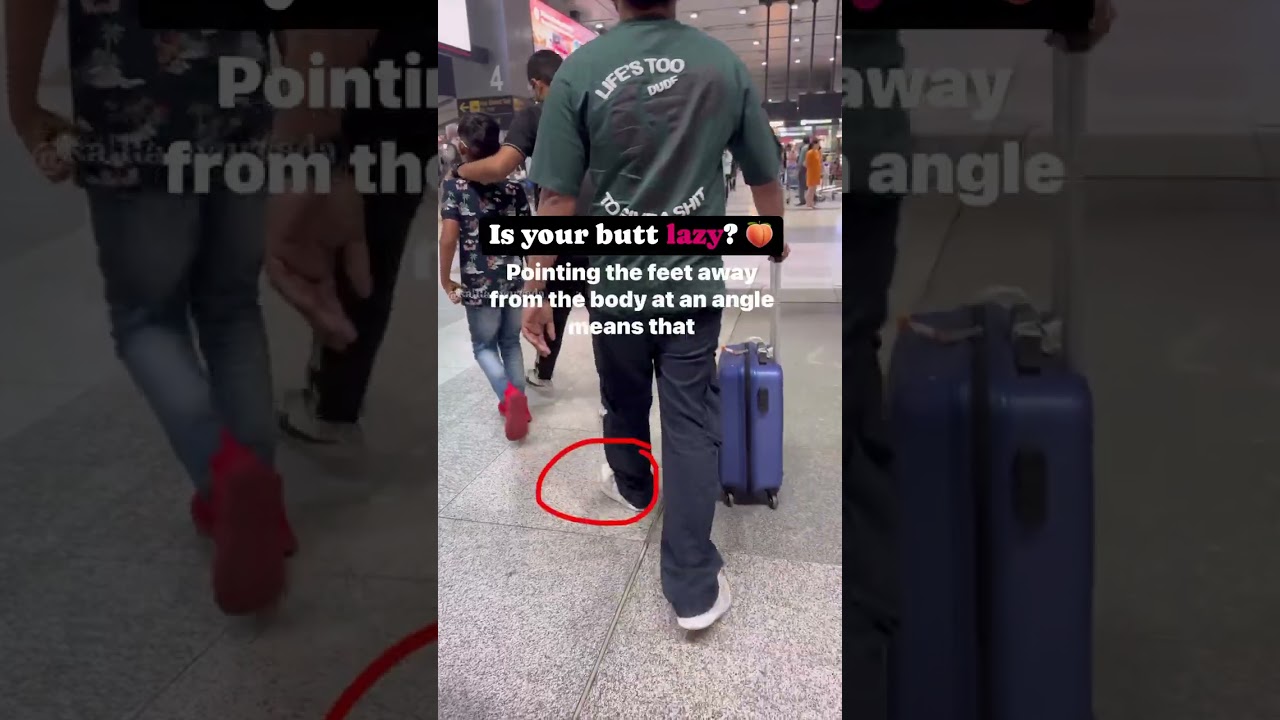
Do you walk like this? Duck feet🦆my lovelies! Some of us have one foot🦶or both feet 👣 going out.
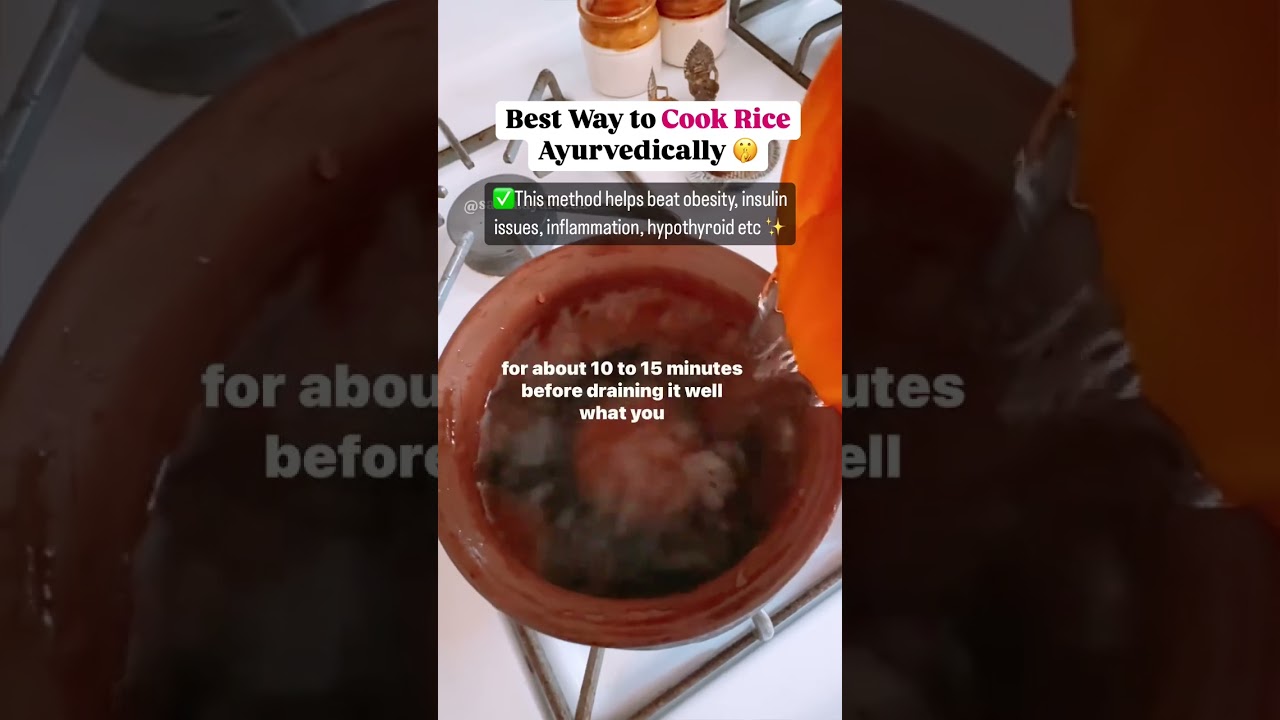
Grab your apron and let’s cook rice right.🍚✅#ayurveda#food #ayurvedafordiabetes#ayurvedictips

Did you cook your water today 💧 #āyurveda #ayurvedalife #ayurvedafood #ayurvedaeveryday #food