Your Best Years Do This to Stop Worrying About Perimenopause and Menopause!

Salila Sukumaran uses Ayurveda to reframe perimenopause and menopause as natural transitions, not problems. She offers specific protocols: self-massages with Dashamoola oil, breathing techniques like Sheetali, warm vata-friendly foods, and mudras for symptoms like hot flashes and sleep loss. She warns against random herbs and emphasizes pleasure transcends hormones.
Chapters
Hey there, sisters! This is Salila Sukumaran with yet another episode of Actionable Ayurveda, where we learn new ways to reconnect to our Ayurvedic intelligence, our inbuilt AI, for a juicy, glowy body and a life of purpose. Let me begin with something I hear often in my practice. Now, last week I was talking to a client, let's call her Maya. Now, Maya is an executive in her 40s, and she told me, "I thought I was too young for menopause, but my cycles are all over the place and I'm feeling very different." Now, Maya's periods were starting to get scanty. She was having only one or two days of heavy flow, as opposed to the three days before. She was spotting in between her cycles. She was waking up drenched in sweat and feeling overwhelmed at work. What excited her before now felt like a chore. Maya wondered if she was in a state of functional freeze, a state of emotional and physical paralysis that occurs in response to overwhelming stress. She was doubting herself, scanning the mirror anxiously every morning for every little wrinkle that seemed to pop up with no warning. And she was considering plastic surgery, buying collagen like it was a life-saving drug, and had joined a drastic weight loss program, all of which was of course doing just the opposite for her sense of self-worth. But what worried her the most was the episodes of dryness she was experiencing down there. Her vagina felt like sandpaper, sex was painful, and this was completely unexpected. And this is exactly why we need to talk about perimenopause, that crucial transition period that can start in your early 40s or even late 30s. I remember speaking with a lovely client who was in perimenopause due to chemotherapy in her 30s. When we are in our 30s, we are not prepared for the transitional phase called perimenopause and menopause, just as we are prepared for puberty. With our years of bleeding coming to a gradual or sometimes abrupt stop, like in my case, we must prepare for what is to come, just as we prepare young girls when they expect their first period. We're so focused on maintaining our fertility and our status as, air quotes, "women" because we bleed, and the association of rajo-nivritti, or the cessation of periods, with old age and being undesirable. All this is so toxically intertwined that we do almost nothing to help women cross over this critical period of growth and expansion. So this conversation you and I are having, this is our guide to your last period. And whether you celebrated your first period or not, you must decide to celebrate your last. Let me share something profound from the Ashtanga Vidyam. Shariram kalu dharma sadhanam. The body is the medium for fulfilling life's purpose. The body is the means of fulfillment of dharma, and here dharma means every ideal that we choose for ourselves as our pursuit of pleasure and purpose. What this shloka means is whatever is the desire so the body molds itself to manifest those desires. After a good 4 decades or so of bleeding, of caretaking, birthing, and raising children, our wonderful women's bodies shape-shift into a new phase to support a new way of doing life. Just as we do not pathologize menarche and manage the discomfort of what is a natural phase, We must stop pathologizing perimenopause and shift our culture to understand the beauty of this time. The time we truly come to embody our strength, not as proxy men, but as strong women. The word for a mature woman in Sanskrit is proudha, meaning one who is in her prime. It is during this time that we fully embody our feminine shakti, our power, and our wisdom. Perimenopause and menopause in many ways therefore are our prime. It is signaling the body's readiness to step into becoming leaders of the community, gather the experiences that will shape us into wise matriarchs, as we gracefully glide into our 70s and beyond. This, I feel, is a cause for celebration. If our periods were about vata and pitta, the energy of circulation and the energy of metabolism, the final swan song of our ovaries represent a natural uptick in our doshas. During perimenopause, we experience vata-pitta prakopa, or the aggravation of vata, the air dominant energy, and pitta, the fire dominant energy. And as we settle into complete cessation of the periods, or menopause, we have vata vritti, or the predominance of vata. This is normal as we are moving towards our golden years, the last few decades of our life. This is common for all human beings to shift into a higher gear of vata predominance as we age. Now let's break down the specific symptoms and talk about their Ayurvedic management. For perimenopause, we experience these 4 main health issues. One is our irregular cycles. Due to the Vata influence. How is this going to be helped? With daily warm massages or Abhyangams, especially to the lower abdomen. A good oil to do this is Dashamoola oil. Another way to manage irregular cycles is by practicing Apana Vayu Mudra. To do the Apana Vayu Mudra, bring your ring and middle finger together and bend it over to touch your thumb. The little finger and the index fingers should be pointed straight. You can do this on both hands. This is the mudra that governs all the energies of elimination, and this is definitely helpful in easing the disrupted flow. The second aspect we must pay attention to is Mano Vikara, or the management of the interplay of Vata and Pitta imbalances. That affect our mood swings. Understanding mood swings as transformation rather than disruption is helpful so that we accept both our difficult times and our laughter as natural. Sipping on butterfly blue pea tea also has a calming effect on our mind. Practicing Soham meditation focusing on the heart center is another effective way to calm our mind. And in the evening, a foot massage is excellent with warm sesame oil. This has surprising benefit for calming the mind and helping with our mood swings. The third aspect we must talk about is sleep disruptions, or nidra nasha. This is due to higher Pitta. A very helpful ritual is Shiro Pichu. With himasagara oil. This is simply taking a bit of a flannel and soaking it well in the Ayurvedic oil called as himasagara oil and placing this on the crown of our head. This helps with sleeping deeply and staying asleep. Of course, before you go to sleep, remove it off, or do this during the daytime and then wash your hair with some mild shampoo. Evening sleepy time drink made with milk, nutmeg, poppy seeds, and saffron is another surefire way to help you sleep deeply. And we can never go wrong with alternate nostril breathing or anuloma viloma. And journaling before bed helps to relax and not be worried about our to-do list for tomorrow. Locking away our digital devices to make sure our sensitive hypothalamus is not activated when we are trying to sleep is another excellent idea. For digestive troubles, let's think about regular meal times that helps the body produce digestive juices on time. Healthy fats like cultured ghee, wholesome sesame oil, cold-pressed olive oil, mustard oil, cold-pressed enzyme-rich sunflower oil, All these help in metabolizing our food better. Another good way to make sure that our digestive troubles are kept at bay is sweating regularly to maintain our elimination and to support the hormones. We must also have about 2 to 4 fruit a day to give us plentiful nutrition and fiber. So our microbiome can produce all the juicy vitamins our body needs through this bumpy estrogen ride. Now let's break down the specific symptoms and their Ayurvedic management for menopause, the next phase. Estrogen and progesterone would have tapered off by now, and follicle stimulating hormone and luteinizing hormones are on the rise in our body, and we experience hot flashes or ushnaveka. This is an imbalance of pitta, the fire energy. For this, one of the best oils is Chandana or sandalwood essential oil on our pulse points. Sheetali pranayama or shitali pranayama is especially helpful for cooling down our body. We must Eat things that are sweet. By that, I don't mean sweet like dessert, but greens, milks, vegetables, fruit— they are sweeter in nature. Our bone health may start to suffer during this time. This is called as astikshaya, or the depletion of the bone tissue. For this, an excellent Ayurveda ritual is Abhyanga, or massaging yourself with calming, soothing oils like Ailadi or Chandanadi oil. Weight-bearing exercises combined with joint mobility are excellent to maintain our health of the bones. I like to hold a 2-minute plank and do simple jumping jacks for 2 minutes ever so often throughout my day. Emotional changes, or the sadhaka pitta imbalance— how do we manage this? Sitting in silence for 10 to 15 minutes directly upon waking, visualizing success for your day and for your life, regular yoga nidra practice at night, is an excellent way to manage our emotions. Taking breaks during your work to get yourself a warm beverage or to go for a quick spin around the neighborhood is another way to keep your mind refreshed. The fourth aspect which gets affected by menopause is our diet. As we are increasing in vata, we avoid cold, raw, dry, and stale. Instead, make warm soupy meals. Prepare breakfast smoothies made of whole grains, steamed fruit, and sweet vegetables like sweet potatoes, carrots, and beetroots. It's time to add congee-like meals for dinner, and food must start to become monotonous and and simple. I don't mean boring, but you must be able to depend on a few recipes that you really enjoy and that your body loves. It's better this way once we start moving into this vata phase, since our body does not enjoy too much variety as we progress in the years. We must now stick to our regular favorites that we make for ourselves over and over again using our seasonally available vegetables and fruit. Now let's talk about our menopause office survival kit for all the lovely ladies out there who go to work. One thing to pack for lunch is buttermilk, which is cooling, or white miso soup. For lunch in a thermos. This will help survive your office catered lunches. Grounding with essential oils like jasmine, rose, lavender, neroli, or ylang-ylang to remind you that you are not just an extension to your laptop, you are a sensual being. Pack a cold guasha or kansa wand for facial massages with kumkumadi oil for skin issues. This is going to help reduce puffiness and will keep your face snatched. Speaking to your manager about moving up the ranks and preparing for less front-end and middle executive roles. Have a plan in place to upskill if needed so you move up to leadership or senior roles, or perhaps step into your power as an entrepreneur. Perimenopause will be punishing if our work stress levels are the same as before. We must have increased autonomy and a more relaxed work atmosphere to survive. Now let's talk about the elephant in the room. Libido during perimenopause. First of all, let's understand that estradiol, progesterone, testosterone are in both genders. Just because estrogen gets low and tapers off does not mean that we are no longer feminine. If you have relied heavily on your sexuality during your adult years, this is the time to lean into your sensuality. Freud believed that libido is tied to the pleasure principle. The zest for life. And you are using your pleasure for life when you smell daffodils that are bravely pushing through the concrete pathways, when you hold a baby close and convey your warmth and affection, when you dance with your partner and smell their cologne, eat a meal relishing every bite, or get sweaty in your Pilates class. As a menopausal woman, I am telling you, after having worked with clients and observing my own body, The zest for pleasure is not entirely dependent on a single hormone, our estrogen. We women are complex. Our desire is also fed by a plethora of factors, not just how stimulated we are in our genitals. We don't have a drug like Viagra precisely because of how we feel depends on our ability to feel safe, draw from our memories, use our imagination, play and relax. Menopause is a beautiful time to move into truly loving life the way we did before we hit puberty. This is the time to love life and live it for our own selves, our dreams, our goals, at our own pace. This is the time to truly embody the feminine divine principle. When we are ovulating, it's so easy to get deafened by the loud screams of our body for a partner and a mate. As deeply loving, empathetic, sensitive women, it is so easy for us to put the man on a pedestal and be of service to his wishes, get pulled into his direction, his orbit. A feminine woman loves it all. She loves to take what a man gives her, multiply it 100 times, and shower him back with all that love. A man shares his dreams with her, and she puts all her energies into manifesting it, into supporting supporting him through it. We're a bit like happy puppies playing fetch with the universe. You want to throw me a ball? You want to throw me a curveball? Oh, watch me catch it midair. And we don't care if this extreme focus on the partner and his wishes leave us feeling depleted. We have to catch ourselves, and we do, and we refill our cups regularly, cyclically, through self-care and downtime with our friends. But the partner is always the star. The children are the stars because Mama Estrogen is driving us, rewarding us with pleasure and bonding, feeling of purpose, and an illusion that this is ultimate bliss, the ultimate meaning for our life. And we get fooled into thinking so. Perimenopause and menopause is the gift of returning home. To our own bodies, reclaiming the innocent joy of life we once experienced as 8-year-old girls. I could speak endlessly of my joy as a girl, playing with my kittens, climbing trees, getting lost in the worlds of purple dahlias bobbing in the rain outside my bedroom window. Menopause brings us back and places us firmly as our own pole stars. We move from external validation to inner authority. Yes, my body too went through hot flashes and increased anxiety, greater brittleness around stressful events. The pandemic did not help. Losing significant relationships did not help. And God knows, watching my parents prepare for their departures is not helping either. However, I have I have pleasantly discovered that Ayurveda has stood the test, and now I am a much happier, more settled person than I have ever been before. My body is juicy, my mind is calm, and I'm focused on my own priorities for the first time—my legacy and my remaining time in the world. Which is potentially another 5 to 6 decades of life. And that is a long time for us to celebrate our own selves, to make poetry out of our own lives without the punishing pull of estrogen during our period days. This is our time to step into our role as leaders and future matriarchs. And you know, We women are complex. Our bodies and our life phases are textured and nuanced. We get to play life differently with each decade, and that's the beauty of it. Perimenopause is the time to value your accumulated life experiences, to completely trust your inner knowing, and it is so freeing that we can now make decisions from a place of wisdom without external influences. You may find others reaching out to you for support, and this is your opportunity to share your insight with others, as this is a time of increased power and wisdom. And while how you experience intimacy and pleasure has changed your capacity for joy and contentment in simple things have multiplied. Another flag I have to raise is how many lovely women in their 40s start to get on the Ayurveda train and start to take herbs willy-nilly to manage their symptoms and discomfort. I have to tell you about V. Before she came to me, she was taking a cocktail of lemon, turmeric and ashwagandha on an empty stomach every morning. This is asking for trouble. No wonder her body was erupting in boils everywhere. Her hot flashes were out of control thanks to the pitta bomb she was drinking. Also, functional doctors prescribing Ayurvedic herbs without understanding the gunas and how they imbalance the doshas does more harm than good to their clients. Before I say bye, here is a quick rundown of what we must remember. Perimenopause is not early menopause. It's its own unique phase. We manage the symptoms through diet and lifestyle, and if we do it well, we are on the way to a long, healthy life of purpose. Each phase needs different kind of support. So reach out to me or to a practitioner you trust for managing the discomfort. Your symptoms and timeline are unique to you, so it's time to talk to your mother and your aunts about their experience. It's important to understand your family history and to be aware of any health challenges they faced so you can brace yourself. Both phases are natural transitions, not medical conditions, and there are many ways, both holistic and allopathic, to help you find relief and have great quality of life. Each symptom is not just a challenge but a message from your body asking for specific care and attention, and I'm here to remind you that Mother Nature always rewards us even when she puts us through discomfort. Let me tell you the story of the American Eagle, which is a great symbol for this time of our life. At around age 40, the American Eagle loses its talons and is unable to hunt for prey. Many die, but some eagles do the unthinkable. She rips up every feather on her body and goes into a fasting mode unto death. But instead of dying, this activates her healing. And after what seems like eternity, her body miraculously regenerates new talons, a new beak, and new shiny feathers. And she goes on to live for decades after. The way we care for ourselves during these critical years of change lays the foundation for the rest of our lives. This is Salila Sukumaran signing off. Until next week, stay juicy, stay radiant, and glowy like the goddess you are.
More from Salila

What is ayurvedic Clock? How does Ayurveda measure time?#ayurvedalife#ayurvedictips#ayurvedalife

Did you know that fashion can be a form of medicine. Meet Manjistha. #ayurveda#ayurvedictips
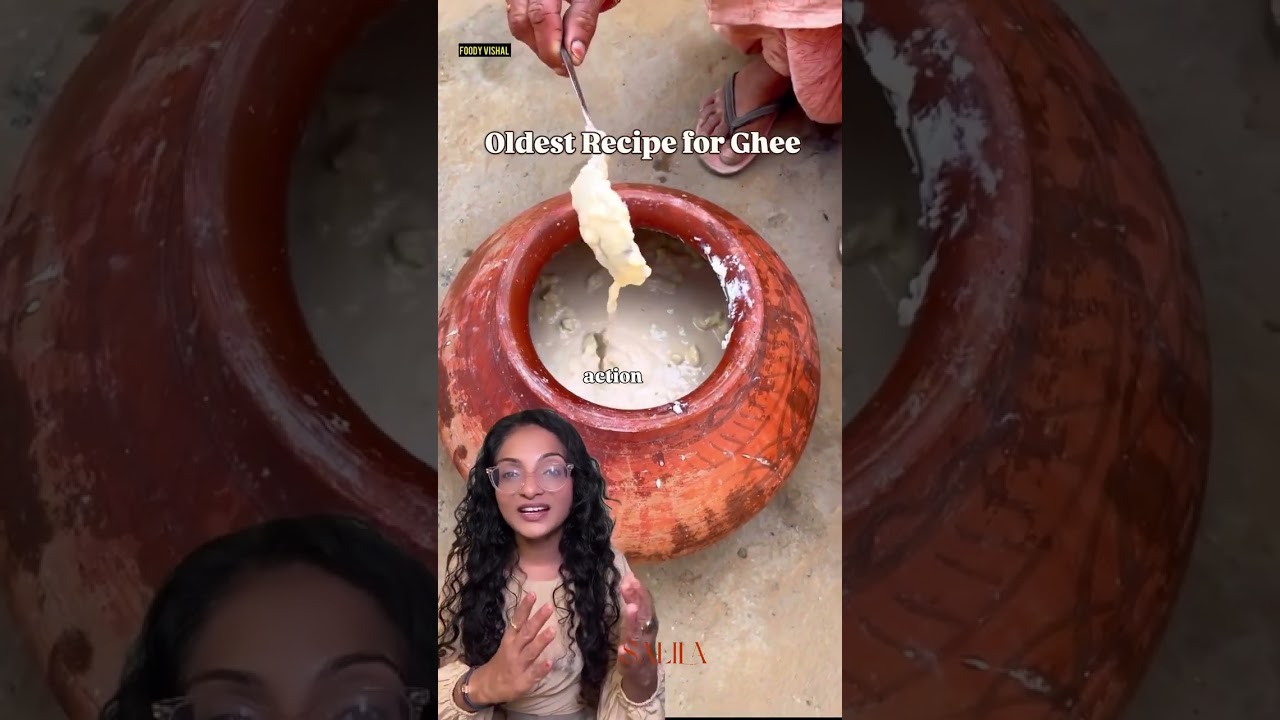
This Ancient Ghee Recipe Hits Different. It’s a ritual of reverence for the body.#ayurvedictips

The OLDEST Protein Powder in the World?(10,000-Year-Old Recipe) #ayurveda#heritagerecipes
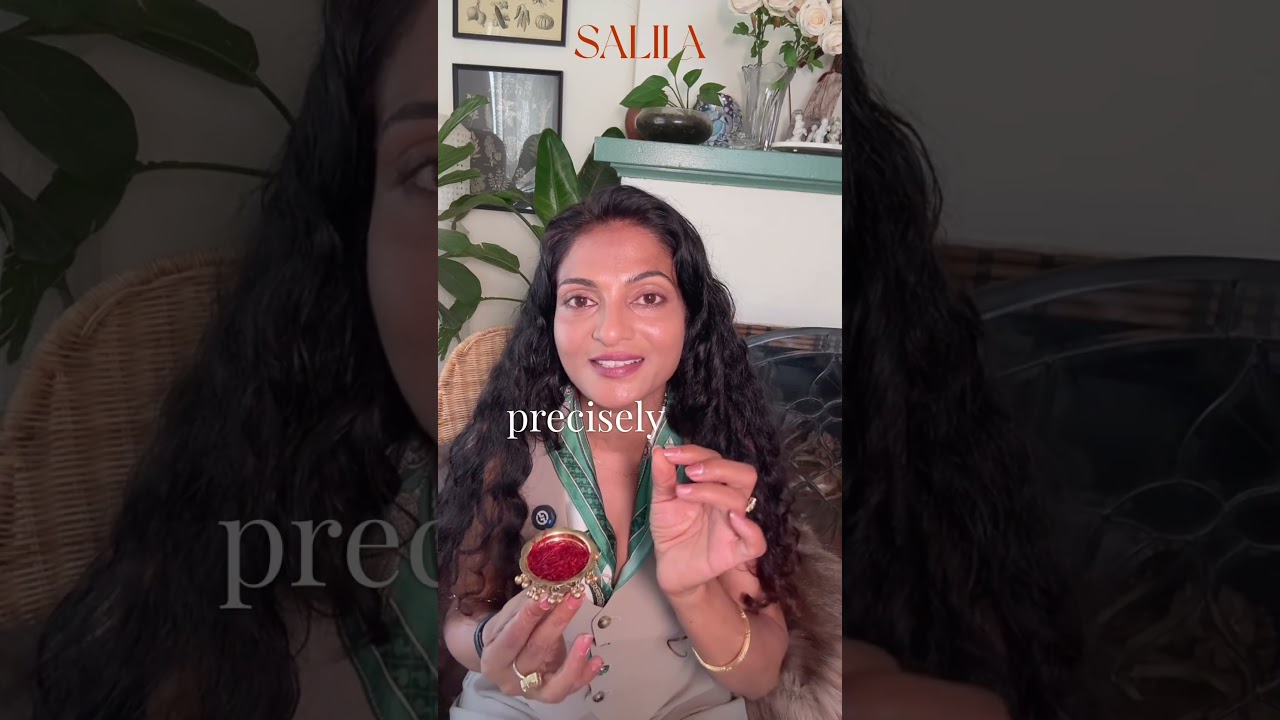
How to Make Saffron Tea the Ayurvedic Way?#ayurveda#ayurvedictips #haircare#ayurvedicmedicine


Here is the Oil Pulling Recepie....... #ayurveda #ayurvedictips #ancientwisdommodernlife

Dry Skin and Hair loss is one of the first signs of a low fat diet. #ayurveda#ayurvedictips#hair

Do you walk like this? Duck feet🦆my lovelies! Some of us have one foot🦶or both feet 👣 going out.

Grab your apron and let’s cook rice right.🍚✅#ayurveda#food #ayurvedafordiabetes#ayurvedictips

Did you cook your water today 💧 #āyurveda #ayurvedalife #ayurvedafood #ayurvedaeveryday #food