When History Gets Reduced to a Holiday, We Lose the Lesson - How Juneteenth Turns Fun into Education
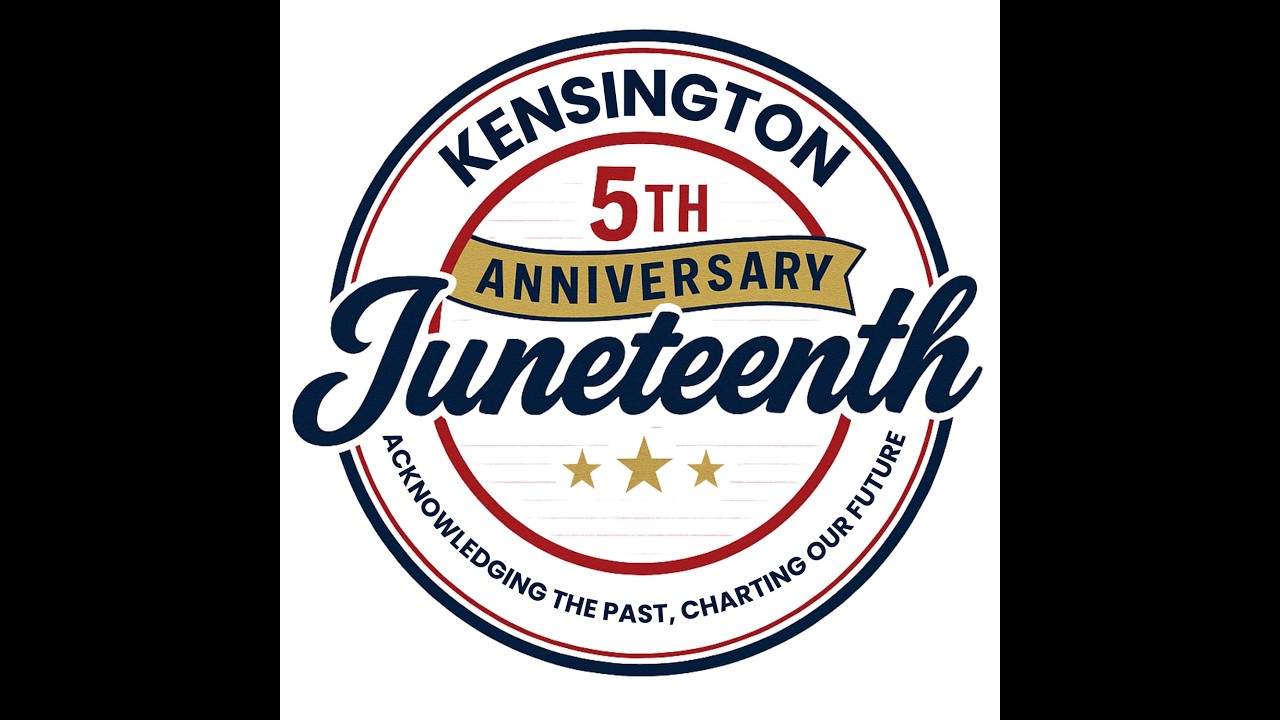
Jamie Boston started a backyard Juneteenth cookout in 2021 to teach his daughters about the holiday. It grew into a multi-thousand-person community event with structured lessons on the Middle Passage and Emancipation Proclamation, vendor partnerships, and year-round programming in Kensington, Maryland.
Chapters
Welcome to the Small Business Credit Minute with S.E. Day, the podcast helping business owners build stronger business credit and real profit growth without the confusing finance speak. In minutes, you'll learn how lenders actually evaluate you and how to align the 3 pillars that decides approvals: business credit, cash flow, and compliance. I'll break down underwriting signals in plain English, show you what's hurting your fundability, and give you one clear action you can take immediately. If you want to become lender ready to receive business loans, business credit cards, stop wasting credit applications, and become bankable business strength the right way, this is your Credit Minute. Qualify first, apply second. Let's get you funded. Stay tuned. I'll be right back. In today's competitive world, your business deserves more than just hard work. It deserves the financial freedom to grow. Building business credit is the key to unlocking opportunities. With strong business credit, you can expand faster, invest smarter, and reduce your personal risk. Start building your business credit today because your dreams deserve the chance to grow, just like your business. Secure your spot at the next Small Business Credit Survival Bootcamp. Welcome back to the Small Business Credit Minute with S.E. Day. Today's episode is a little different. I'm actually talking with a business owner. He had a wonderful idea to teach his children and it has turned into a full-fledged business, but it is directly connected to the work we do every day around education access and future building. My guest today is Jamie Boston, the visionary behind the 5th Annual Kensington Juneteenth Celebration happening Saturday, June 13th. That's right around the corner, people, from 12 to 4 at the St. Paul Park in Kensington, Maryland. This celebration carries the theme of acknowledging the past and charting our future. And what makes this story powerful is that it did not begin as a large public event. It began in 2021 as a backyard gathering where Jamie created a structural education program to teach his 2 young daughters the meaning and history of Juneteenth. That family lesson grew into a town event. What was expected to draw 100 to 150 people drew nearly 1,000 people. Last year, his attendance reached an estimated 4,000 people, with families coming from across the region. And let me tell you, these are families of all different backgrounds, all different cultures. Today, Jamie joins us to talk about the Juneteenth celebration, the civic education, His family legacy and yours too. Youth learning and how communities can turn history into action. Jamie Boston, welcome to the Small Business Credit Minute.
Thank you, S.E. I'm happy to be here.
I'm glad to have you here today. So Jamie, take us back to the beginning before this became a town event. It started as a backyard cookout and an intentional education program for your daughters. What was happening in your heart and mind at the time that you came up with this?
Yeah, well, you did a good job recapping it. I need to hire you as a spokesperson. Um, I will tell you, go back to the time, 2021. Uh, we had moved into this neighborhood, uh, in 2020, so we've been here about a year. Um, a little background on me, I'm retired Army JAG, uh, son of a Baptist preacher. Um, I'll throw that out there because it kind of plays into probably what we're going to talk a little later on. And so, uh, when we moved in the community, uh, I actually had retired from the military a little early for medical reasons. And so, uh, that first year we were very COVID conscious. Um, I was going through— and so it didn't really give us the opportunity to meet our neighbors in that first year. And in fact, the way I met them literally was across the street. I say hi, we'd have conversations, but we weren't really going to each other's homes and things of that such, of that nature. So when the next year came, if you remember, they started saying, oh, we still recommend you don't really hang out inside each other's homes, but it's okay to start gathering outside. And so I come from a rather large family, and like many families out here, we trade holidays on who's going to have the cookout, who's going to have the dinner, and so forth. And so when they realize, hey, you've been here a whole year, nobody's seen the house, you know, what's up with that type of thing?
Right.
So, you know, after a little bit of pressure, I said, fine, I'll do something. And I was like, I'll do a cookout. That's, that's probably the easiest way. And as time went on planning it, it just occurred to me that I just want to do something different than just a cookout. I wanted to something kind of brand my, my part of the family, uh, and I needed a holiday, but there wasn't a holiday anymore, uh, because my cousins had the other ones. And so at the same time, and for whatever reason, I still don't know the reason, But I had started studying Juneteenth on my own and I learned a little bit about it. My dad used to run a mentor program for young boys of color, and so they had a Juneteenth, small Juneteenth celebration. So I learned a little bit about it then, but I really didn't know a whole lot. And so as I was studying it and planning this cookout for my family, I just kind of had this epiphany and I said, you know what, I'm gonna have a Juneteenth celebration. And what really started was I started looking at what was going on. So backdrop, COVID is on the backdrop or the back of George Floyd. It's a lot of turmoil going on in the nation. And, you know, a lot of us, I think, were reflecting because we're in our house all that time. And so I said, you know, I want to do something to educate. In particular, I want to educate my girls. At the time, I think my girls were 5 and 2, I think it was. And so it occurred to me, particularly as a Black dad, to be, to be frank, that if we want our children to be educated, to understand all of history, not just parts of history, then I don't care what school your kids go to, private or public, the best school, the worst school. Schools with the best intentions don't have the resource and the time to teach everything. So if you want your children to have a bigger perspective on what I call a full history, It occurred to me that I have to take that responsibility upon myself to do that. And so I said, you know what, I'm gonna use this cookout as an opportunity first and foremost to teach my girls about Juneteenth and everything kind of related to it. And so I got deeper, deeper studying it. And so when it came time for the actual cookout, and we had a typical cookout, you know, we had the music, we had the fun and the drinks, all that, right?
Right.
But I took about an hour in the middle of it to create this program. And so what was in this program? First, I started with a slideshow presentation on the Middle Passage. Now, keep in mind, I end up— I had my cousins there, but I also invited those neighbors that I hadn't met. So this is probably the most diverse group you can think of. Every creed, every color you can think of is there.
Right.
And it's about probably 35, maybe 40 of us max. And so I'm showing this presentation, and why did I do it? It was intentional. I'm one of these people that I kind of get irritated when I see holidays occur and people just kind of party and forget what the holiday is about. And you and I were talking about being veterans earlier, and so like—
Exactly.
Memorial Day, Fourth of July, and these other holidays, they, they mean something. I think they hit a little different, um, right, to us as veterans. And so, but I feel the same way about MLK Day. I feel the same way about Juneteenth. And so I said, you know what, I want to make sure people understand why are we really here. And we can't deny it. It's because of the institution of slavery.
Mm-hmm.
More so, it's how that institution affected not just people of color, but all of us, all Americans, even globally, actually, that people kind of forget that part of it. And so I want people to know we're here because of slavery. So that's why I showed them, as brutal as it was, The Middle Passage presentation. That kind of set it up.
Okay.
I also had some booklets that I had made up with various things about various heroes and heroines.
Well, that was my next question.
Yeah.
About the booklets. So yeah, so you created printed booklets, curated theme music, you read the Emancipation Proclamation, and used visual material on the Middle Passage and the emancipation.
Correct.
That's not casual programming, right? So that's your curriculum. Why was it important for you to structure the event educationally from the beginning?
Yeah, that's a good question. So you got the Middle Passage, then I wanted to go into the cultural aspect of it. So, you know, I brought up being a Baptist, you know, PK, a Baptist son of a Baptist preacher. For a lot of us, I would say faith is what brought us through those times, our ancestors through it. And so it was important to kind of paint the picture of this is what they were doing when they're dealing with their struggles. I wanted to give that cultural feel. My brother-in-law actually plays percussion, so I had him playing some African beats on there, basically. And so again, I wanted them to have that cultural feel of it, as well as the foods that we were feeding the guests at the time. And so then in the end, you mentioned we read the Emancipation Proclamation, and this is a big deal. The reason why I gave my history is not only as a military officer, I said I was an Army JAG, so I was an Army lawyer, right? So it occurred to me that neither in law school or as a military officer, no one ever encouraged me to read the complete Emancipation Proclamation.
Right.
And that shook me a little bit, honestly. And I started thinking, well, if I haven't read it, probably most people haven't read it. We all learned, you know, it freed the slaves. Well, it did, but it only freed the slaves in the rebel states.
Right.
And, and also what people don't recognize, most people, is that the document, I would say, is both a legal and a military document. And I'd say it's probably more so a military document than anything else. And this is key for why we all need to appreciate Juneteenth. In it, like I said, he freed— President Lincoln, we can question whether he was into slavery, you know, wanted to free the slaves or not, his intentions. Regardless, he was a smart man, and what he realized was that if I can free the slaves in the South or in these rebel states, that's going to take away that free labor that the Confederate Army— Federal Army had, right? Maybe, just maybe, some of those freed slaves could join the Union Army, so it would add to our ranks, or their ranks at the time. And so his gamble was right, because essentially, I think it was over 250,000 African-American soldiers, uh, served on the Union Army. And that was a big part of turning the tide and winning the war. So I bring this point up because, again, this is the educational point. If you love this country, which I do— I put on uniform and I would do it again if I had the opportunity— you have to acknowledge, whether you're white, Black, whatever, had Juneteenth and what's associated with it not occurred, the country we live in would not exist as we know it.
Agreed, agreed. So So with that, and I, I totally concur with you, most people have not read the Emancipation Proclamation. It freed the slaves, but no one knows the strategy behind it. And I think you just laid that out of what Lincoln was thinking when he signed the Emancipation Proclamation. And we're not even talking about by the time it got to Texas.
Correct.
2 years later, right? That's a whole different program. But listen, you expected 100 and 150 people to attend this in the first public year, and you got nearly 1,000 that came, right? So last year, your attendance grew to an estimated 4,000.
Correct.
What did that response tell you about the community's hunger for this kind of history-based family experience and education?
Well, part of it, I would go back to the beginning of the story, but we can, we can get back to it later and how the community kind of bought into it. But what does it tell me based on your question? that there's a thirst for knowledge and education, that people, even on some of these tough areas, if you phrase it or put it in a context that everybody kind of has a role and can see themselves, then I think they buy into it. Also, the whole reason why I think the celebration even came about is at the end of that program we talked about earlier, I just made a comment at the end saying I'd fallen in love with my community. I still love it. What I noticed about it was even in that first year, it wasn't a perfect community, but I just had a sense people were trying to be better and do right. They wanted to be good neighbors to one another. I said, you know what, wouldn't it be nice if we have our own celebration here at Kensington? Then maybe we'll grow to other places. A little more on the backdrop, there weren't that many celebrations going on in 2021 in the DMV. There were some, but not many.
Right.
More importantly, it wasn't even a federal holiday yet. I didn't know 2 days later, I think it was, that President Biden was going to make it a federal holiday. So I bring all that up to answer your question in the sense of it taught me that one is how you package things, two is being authentic, I think, about how you see things and being kind of vulnerable, quite honestly.
Right.
And willing to talk about things that can be uncomfortable, but you do it in a way that, that you're not pointing fingers because we all, like I said earlier, we were all affected by it. We just have to kind of address what those effects were. And if you go to the theme of our celebration, as you said earlier, you know, acknowledging the past and charting the future. Well, okay, we're acknowledging the past because you're going to get that education about slavery and how it affected everybody. But that second part is just as key, maybe even more so. It is 2026. So what are we going to do to move forward as a community? Right? Whether it's Kensington, whether it's the state of Maryland, whether it's the nation or even globally, what are we going to do? These things happen. You know, I know there's times people are trying to erase some things in history, but they happen and we all know they happen. But the bigger point is, how are we moving forward to make each and every one of us better, make our businesses better, our communities better, and et cetera? And so that's the second focus of it. And so I think people care and are seeking that. And I think that has led to kind of buy-in with it.
So that theme is it. That theme is powerful, right? It's a strong theme because it doesn't just stop at remembrance. It points forward. How do you want attendees to understand that phrase when they walk into the St. Paul Park on the 13th?
Thank you for that. When you come in, and one of the best compliments we've received, and we've gotten it several times, I think, and you judge for yourself when you come, please come, by the way. You do feel a different spirit. We're not just there with just music. We're not just there with just food. We're not just there with just vendors. The vendors, the music, the food, the program itself, it's all geared towards that theme. It's focused upon that. And when I talk to the vendors and everyone participates, they hear the story about how this came about, because I want them to also understand not only is this historically important, but this is personal, right? And you, you know, we laid out the story about how it started. And so it's important when people come in there, and I ask every visitor to do the same thing, come in with an open mind. come in willing to fellowship with people you don't know, maybe people you don't agree with, or even maybe even like, right? And come in with the right heart and be open. And I think that kind of permeates throughout, and, and I try to set that tone. And, you know, I don't know how successful I am. I'm going based on what people tell me, right? And I think that's, that's what I want. And so from that, and I can prove this part, we talk about businesses I don't promise any of my vendors you're going to make X amount of dollars or anything like that when they come in. What I tell them is, this is an opportunity for you to brand yourself, which is always important.
Mm-hmm.
But to also take advantage of the potential collaborations you have right here. If you're a brewery and there's a food truck there, go meet the people doing the food truck. So you might need the food truck at the brewery, and that's happened here. Um, if you're an artist, you might meet somebody that works in a legal office, but maybe they need artwork on the walls in the legal office. Right? So I try to plant that in their heads when they come, and so that they're thinking about that. And I think we've been fairly successful in making that happen. I get stories, you know, every now and then about this happened at Juneteenth and it's built. And so that's the idea. We're there to help each other in every way possible.
Right.
We're not limited. And so that's, that's what I want people to know. That's what I ask people to take advantage of. And I think so far it's working. So I think that's why it's done what it's done, according to your question.
Well, audience, I'll tell you full disclosure, uh, how this came about, this interview came about. Jamie actually saw me, uh, and my co-author of our book on, on a TV piece, a news piece that we did, and he reached out and said, listen, your program on financial literacy is something that my audience needs. I invite you to come out and just celebrate with us. and talk education. So we are excited, man. Uh, Yearless and I will be there, bells and whistles on. We'll have the tent there set up with books, and we want to talk financial literacy. So back to the questions. You said the original purpose was to educate your 2 young daughters.
Yes.
And they remain the inspiration behind the event. As a father, what do you want your daughters and other children to carry from Juneteenth beyond the day itself?
That commitment to service, that commitment to being better and improving yourself by learning, right? So unfortunately, my dad passed in July, and it's funny, as, as I get older and older, I realize how much he poured into me without knowing it.
Yeah.
And I was, you know, on the back seat for every service, for every meeting he had in the church and all those things. And what I didn't realize I was learning— we talk about business— I was learning the business of the church. You know, a lot of people just go to Sunday morning and that's it, right? I was seeing the business of the church on a daily basis, and those things have poured into me and are part of the reason why, I guess, why I'm able to do what I do now. Also just have an amazing team that works with me, and I've just been blessed. But I didn't realize he was pouring this stuff into me and I was just watching it. So I try to have my girls watch me while I'm doing this so that, you know, maybe they're not gonna do a Juneteenth celebration.
Okay.
you said, they might start some other business, but they'll remember Dad being on the phone, you know, trying to work out some deal with a vendor or trying to— so hopefully they're picking up those skills. And so I just let them— I don't force them. I let them come in, help make some easy decisions like the t-shirt. I usually let them—
Right.
Hey, what color do we do this year? Something like that. Little things, but they're, they're, they're connected from afar. Okay, they're connected. And so my hope is that they will It'd be nice if they could carry this on, but, you know, life takes you different places, right? But did they take whatever they've seen and learned during these years to apply it to whatever they decide to do in life? And the same thing for any other kid coming. And that's why it was so important to have you all bring the financial literacy books to the youth, because we don't know who's in that audience. We could have our next trillionaire there, right?
Absolutely.
And it could all start by you giving them a little tidbit of advice about how to save their $5 right now.
Exactly.
To a business. That's all I'm trying to do. You know, I don't have all the talent in the world. I don't have all the money in the world. But I do have an ability, I guess, to connect people, I would say. Yes. And yes, that's the gift that God's given me. And I'm trying to do that. And whatever comes from that, I'm thankful for. And I hope it's a blessing to somebody else.
With that, what should adults be more intentional about when teaching children difficult but necessary history? We talked about the kids then, just then. What should adults be more intentional about?
Yeah, it's tough. I'm not an expert on it, just because I do this Juneteenth celebration. There's some things, you know, I try to take my time with the girls and trying to, you know, kind of give them little pieces, kind of let them build it, and then also let the world teach them. You know, I am a believer you got to be careful what the world teaches them, but also they need to be a part of the world and understand how the world works.
True.
So they get tidbits from there, right? That's just my philosophy. And so, uh, but you can't keep it from your kids forever, right? And you have to be honest with them and look for those opportunities where it kind of makes sense, is what I would say, where you could tie it in. You know, going back to George Floyd, they were young, they remember seeing some of those things on TV, right? And I couldn't go into deep conversation with them, but I just kind of explained there's some people don't get along in the world. And you will learn more about those as time goes on. Or there's problems, as great as the legal system is, and I believe it, I'm a part of it, right? There's even issues there. You need to understand that. And so that was, you know, 6 years ago now.
Mm-hmm.
I developed those stories a little more each year, like, you remember when? Or if something else happens, hey, look at this, and, and just try to build it. I don't try to push it all on them. I want them to take it themselves and digest it in their time. And so I'm hoping that's what parents are doing across. I think that's pretty effective. There's some parents that are great, they're big educators, they can give all the history, everything. That's not me. So you got to do what your strengths and weaknesses are. Um, but I think we all should be working to that same goal to make sure our kids are aware. I think that's the biggest piece, just to be aware. And okay, smart, they'll figure it out.
Got it. Now in this, you have— you're strategically Including certain people in this, in this educational ecosystem? Like, you got historians, living history interpreters, authors, youth presenters, cultural performers, interactive learning stations. That's a serious educational ecosystem. How do you decide what and who belongs in the, in the program?
One, I try to be open because you never know what talent people bring, but you're absolutely right. When I'm talking to them, one, I'm seeing kind of where they are. How do they view things? And not that they necessarily view things the way I do, but kind of, as I mentioned earlier, are they open? Is their heart kind of in the right place? And what really are they trying to achieve? I want to know what they're trying to do from a business standpoint. And then I can take that and I say, okay, that's a missing piece from what we have in our event now, or that's a piece that we can take to the next step to educate on this issue. And so again, using you as an example, it occurred to me we hadn't really focused on the money aspect. I mean, I think we had one vendor from, um, one of the brokers. I can't think of the name right now, sorry. But I realized we also need to go down younger, right? That's good for the adults, but what's going on with the kids?
Yeah.
So that's why I was so attracted to you all when I saw it. So now we have someone talking to the kids, and then we have someone talking to the adults. And if I come across somebody that can talk to teenagers, I'll throw them in the middle, right? So that way you're covering the whole basis. So that's what's going through my mind, man. We do that.
Yeah, we take them from— we take them from when they learn how to count to the adult side, right? All the way through. Because like you, I have children. Mine are— my youngest is 30 now, right? Uh, but I taught them, which is why I'm a financial educator. I taught them at an early age about money, about credit and how these things carry on. And I've watched them develop into creating a habit of saving, right? If, if, if any of us don't have that habit instilled in us, we are destined for failure. If you don't know how to save, you're destined to fail. It's just that simple.
Definitely.
But we grow it up, and I taught them how to look at money. Money is a tool. Money is not the end-all be-all. Matter of fact, I was having this conversation yesterday with a banker and I said, why do you do what you do? And she said, to make money. I said, and you will always be chasing it as long as you look at it that way. I said, you do what you do because you like your lifestyle.
Mm-hmm.
And the moment you start to separate money from your lifestyle, yes, you need the money to fulfill that lifestyle, but let your lifestyle be your driving force. and not the money. You do what you're passionate about in life and the money will come along. That's what I truly believe and that's what I teach.
I think so.
Now let me get off my soapbox, man. How do you keep families engaged while still protecting the educational integrity of the day? You have a family fun with a purpose. How do you do that?
What do people want? They want good food, they want good music, they They want something for their kids to do, so we have a kid zone. Uh, the adults like to maybe step away for a minute, have a drink or something. What are things that people enjoy, right? What do we do when we're hanging out with our families? And so try to replicate that, but just make it available and easy for them. And so, uh, again, we're still gonna have a good time. You don't have to— it doesn't have to be mutually exclusive. You get educated and not have fun. Right. So we're going to do both. And so that's how we pitch. And like you said earlier, our kind of tagline is family fun with a purpose. That's exactly it. Right. Right. So, and we listen to people when somebody comes up with an idea. So anybody listening, you have an idea like, hey, I went to your thing, but, you know, it'd be nice if you had X, Y, and Z. We try to bring it in.
Right, right. Okay. Now we've talked about the event. Let's get down into the dirty part of the business aspect.
Here we go. All right. Okay.
Yeah, we got to get dirty in it because business owners, again, this is a business that you're doing. It may not have turned in that way, turned into that, started out that way, but it has definitely morphed into it. You're dealing with vendors, you're dealing with sponsors. All of this is a business, man. So what are some of the things that you're seeing and actually experiencing in Growing and scaling this business? You know, this event coming up, this is your 5th annual. What type of business aspects are you dealing with in this business venture?
It's a whole lot. I mean, first, promoting it. I mean, honestly, one reason why I'm here, besides just loving your topic and talking to you, letting people know this is happening, that it's, you know, every business, you need to let people know your services, your goods are available. So that's a big part of it. And how do you do that in this time of social media and all that? You know, how do you stand out? How do you identify and, and hit different markets? So that's, that's what I'm dealing with all the time. We had 4,000 last year. I might just have 1,000 this year. I have no idea, right?
Right.
But we try each year to kind of evaluate how do we do things, how can we make it better, how can we publicize better, and etc. So always dealing with that. You mentioned the vendors. I will tell you in particular, uh, working with— and this is not a call out— but working kind of in the alcohol industry, beer, wine, spirits industry, is challenging.
Yeah.
Um, multiple reasons. And, and for you small business people out there, the same concepts apply to whatever business you're doing. First thing I would say is make sure you treat people right.
Yeah.
You know, if you come out with a bad attitude, like for somebody like me, I'm nobody. I acknowledge that. But you don't know who I might know. And so we have a bad relationship. The next time I know an event that maybe doesn't work for my thing, but I know this is even a bigger event, I can say, oh yeah, call so-and-so. They're, they're good people. They're good business persons. They can work for you. So relationships, those interpersonal skills Are so important. And that includes calling people back, writing them back, staying on top of it. Don't just say one thing and then you, you just go off into the sunset, right? And if you can't do something, don't just blow somebody off and not let them know. Let them know in a timely fashion, most importantly, right?
Right.
Don't wait till the day of or day before. I can't do it unless something, some real emergency comes. Otherwise, if you know it's looking shaky, Give the organizer or give whoever you're working with, hey, you know, my license isn't right or something's wrong. I may or may not be able to do it.
Right.
So that they got time to prepare because they'll leave a bad taste in your mouth if you pull out the day of, right before, because you don't give them any time to, to circle around. And so I see that a lot.
Yeah.
And it's not that they can't participate, it's just they don't give you a heads up in advance. So it puts a lot of extra stress on me, my team, and so forth. And unfortunately, I also see that kind of— you see that business usually doesn't succeed later on the road. I followed somebody where I had those run-ins, and 2 years down the road, they're closing shop, or they diminished their, their ability to sell their goods. So that's important. And, and knowing what you need to do and knowing what— getting on top of what you don't know, right? So don't be afraid. Now, again, I'll use the, the, the alcohol stuff. Don't be afraid to call the local— we call it ABS here in this county— ABS folks and ask them, what do I really need? They are so helpful.
Yeah.
Again, if you come with the right attitude, they will tell you everything, and they'll even bend over backwards for you if you just communicate. Let them know what you're trying to do and show them a vision, which is another point.
Have a vision.
You may not have the whole picture, but have a vision. This Juneteenth celebration, I can honestly say, and I tell people all the time, I don't really feel good being called a founder, um, but you used the word visionary earlier. Yeah, that one I accept. And okay, I hesitate with founder because there's so many people who have helped me get to this point. And when I say me, I should say us. It truly has been a community grassroots effort. But I always will say I did have the vision. That part I will claim. Okay, it's all these other people who make me or help that vision become a reality.
Of course.
As a business leader, have that vision. You need to take that time and figure out— you may not know every detail, but you need to know kind of where you want to end up, and then you fill in the blanks from there.
So now I want to go into like sponsors. Do you have sponsors for your event? And if not, okay, good, good. You want to get more sponsors because you're not just doing this for you, you're not just doing this for your daughters, but the people who are attending The people who are coming out— I've seen some of your previous videos, man. You got politicians out there, and we're coming up, uh, you know, you got primaries going on, you got elections coming up, and we're not getting into politics, but it's the type of audience that you have at these events. So this is the type of event where people are present.
Yes.
Sponsors should jump on this because what are they in business for? To get in front of people who are present. And if they can have a common theme with that, this is just more business for them, to at least exposure that they can get in front of these people, right?
That's right.
So it's good that you have— and listen, uh, we're gonna wrap up shortly, but I want sponsors to know this is an event that you can get behind. Um, this man has started this thing, has grown this thing. And I'll tell you, if you would, just for clarity, tell us a little bit about Kensington, Maryland. Some of the demographics and makeup of it so people can actually see that this is not just a Black event. It's an event, it's a community event and an educational opportunity for everybody to learn. So if you would, tell us a little about that.
Right. I'm glad you asked that question. And again, it speaks to this community. I'm really sincere when I say how much I love it. It was by happenstance that we ended up here, and it's the best thing could ever happen. But you're right, it's not the most diverse. It's getting there though. It's getting better. I will say that since just the times I've been here. But, and I don't know the exact numbers, I would say it's probably 70/30 in terms of the majority white and 30—
Well, let me help you out. Let me help you out because we did a little research.
You're gonna do it officially? Okay.
Yeah, yeah, it's a little bit lower than that. Yeah, yeah, yeah, you're around 25% minority and more of 75% of, of the white population. So this is a community that's growing. And listen, people, uh, check out the website. Give them the website, Jamie.
It's kensingtonjunteenth.com. Very easy.
Go and look at some of the vid— Go and look at some of the videos and you will see the diversity that shows up. And I am so looking forward to being there, man. I got my tent, I got all kinds— we will be there in supporting your organization and supporting what you're doing.
Exactly.
So before we go, let's give the people the details, and I'm going to make sure I have it in the show notes everywhere so they will know exactly what this is and where they can go. Um, so tell us a little bit, give us some details on it.
Okay, so it's at St. Paul Park in Kensington, Maryland. Uh, but those who live in the DC area, travel the Beltway, if you see that big thing, a lot of people call it Disney World, or, uh, I forget the other name, but it's the, the temple for, for the Latter-day Saints. Um, and we're about 4 to 5 minutes away from there is where the park is. And so it's there, we're there 12 to 4. I do recommend coming early because you got to find parking. That's the one thing we don't have— we have plenty of parking, but you got to kind of find it. And if you go on our website, you'll see a map of kind of the prime parking locations. But otherwise, just fill in, you know, where you can. And 12 to 4, we try to keep it on schedule the best as possible.
Mm-hmm.
As you pointed out, we have everything. We have a kids zone, we have an author zone, we have a history zone, we have a health and wellness, a big health and wellness zone this year in particular. I think it's grown. Uh, civic associations and community groups, uh, section. I'm probably forgetting. Oh, we have a faith section, of course. We have a beer, wine, and spirits section. So, you know, you can get away from it in there. There's literally something for everybody. And so, and hopefully you walk around the whole thing and just like I said, come with the right heart, right mind. It's 12 to 4, June 13th. If by chance we have really, really, really terrible weather, our rain date is June 14th, so the next day, and we just run it back and do the same thing next day. Great music is going to be there. We've added some, some middle school winners from our participants from a history contest that I think people are going to enjoy this year.
Okay.
We'll have dancers there. What we have, like, to get a little bit of everything, and so Just come and relax and have a good time and, and meet people. And I will tell you the date for next year is June 12th, so go ahead and put on your calendar. But come and have a good time. And the other thing is, you know, bring your water bottles. We'll have water and stuff there, but if it's hot, I always recommend bringing water bottles. Bring your chairs if you want to kind of hang out and just sit back and relax. We do have seating there, but you might want your own comfortable chair. And, um, What I want to add is it's not just one day. So this is our big celebration, but our philosophy is Juneteenth, again, as an American holiday, should be celebrated throughout the year. And so we actually start to kick off a new program this year, kind of under the not truly faith, but kind of faith tangential piece called Nights of Hope. And we can talk about later, you'll see that actually on the website.
Okay.
And then what we're really excited about is in October, We are doing— we are scheduled to do a professional barbecue competition, which will incorporate all the things kind of that you'll see at Juneteenth, but in a different flavor, a little more focused on the food and the fun aspect. But you're still going to have that cultural and education part, and that's going to be October 17th. And, uh, it's not official yet, but I think we're gonna do it in Wheaton, Maryland. Uh, but again, we'll keep updating you on our website. So when you go to the website again, kensingtonjunteenth.com, you'll see all that.
Awesome.
And we're still building more programs. So absolutely always need volunteers. So if you have ideas, you want to volunteer, just reach out. Please come in. And as you said, sponsors, please, we need it. We, we literally raise this money grassroots every year. It's a tough thing. And so I understand what you business people are doing out there. You know, he calls us a businessman. I guess I kind of am, although I'm not making—
No, kind of, you are, you are.
And so it's tough. I know what you guys are struggling with. And so Um, you know, come and talk to me. If you come, feel free to come. I'm usually around the stage during the event, so just come and find me. Come talk to me. Tell me you heard the podcast, or if you have a question about something. I'm pretty busy that day, I'll be honest with you. Sometimes I'm, you know, running around, but I'd love to talk to you. But more importantly, bring your friends, bring your families, bring people you don't even know. If you're going to church this weekend, go to church and tell people to come check this out, and then I'll let you judge it for yourself.
Exactly.
If you think it's bad, then you let me know. We can improve. Let me know. At least come and check it out.
So, Jamie, when, when people look back on this year's celebration, as we wrap up here, what do you hope they say about the 2026 Kensington Juneteenth celebration?
They're getting better and they're serious about making their community better.
Got it, got it. Well, we're gonna call that a wrap. Jamie, this has been an important conversation because you reminded us that Education does not just start inside of an institution. Sometimes it starts in a backyard around family with a parent deciding the next generation deserves truth, context, pride, and purpose. The 5th Annual Kensington Juneteenth Celebration will take place, take place Saturday, June 13th from 12 to 4 PM at St. Paul Park in Kensington with a rain date of June 14th. The theme again is acknowledging the past and charting our future. And that is exactly what this conversation has been about. Jamie, thank you for joining the Small Business Credit Minute, and thank you for the work you're doing to make history accessible, meaning— meaningful, and alive for families across the region and hopefully across the nation.
Thank you.
Audience, you are more than welcome. Audience, if you want a simple roadmap to start building business credit the right way, grab my free business credit starter kit at our website. It's listed in the show notes. You'll also find that information about the celebration. And remember, your business credit isn't just a score, it's your company's future. Always qualify first, apply second. Thank you for tuning in to the Small Business Credit Minute, and I hope you enjoyed today's episode on how Kensington Juneteenth is turning family education into community impact. If you got value from this Credit Minute, please download the podcast, share it with a fellow business owner, and leave a review, a review. A review so business owners can learn how to grow smarter and faster. Until the next episode, your dreams deserve a chance to grow, just like your business.
More from S.E.

Compliance Gaps Kill Funding--How tot Fix the Legal Signals Lenders Notice Before You Apply


When Members Lack Financial Knowledge, Progress Slows (Why Frontline Leaders Must Teach)
Weak Financial Literacy Slows Business Growth—How Chambers Helps SBOs Make Smarter Money Decisions

Messy Books Kill Profit and Scalability (Fix Your Numbers Before They Cost You)

HR Mistakes Kill Profit and Funding (Use a PEO to Get Compliant and Bankable)
Exit Rich, Not Ripped by Taxes (Use an Employee Stock Ownership Plan to Buy Out Your Shares)

Are Your Communications Costing You Money ~ And Can AI Fix It Without Killing Your Voice?