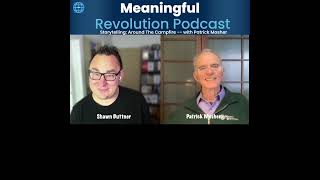
A speaker keeps an Excel spreadsheet of stories organized by struggle, search, and solution. When he gets a speaking gig, he picks one that fits the audience, then builds it out with a theme and one-liner before delivering it.
Chapters
So story sourcing is knowing that you're in a story. And boy, when you know you're in a story, I have a story inventory. Again, I'm a nerd. So I have an Excel spreadsheet with stories listed on them. And so. And literally and for your audience, that spreadsheet has the story name and it has in it struggle, search, solution. And I write those in there and it's a story inventory. And when I'm asked to do something big, you know, I look at the story inventory and go, like, what story would be relevant for this group? Okay, so people go like, you're such a natural storyteller. It's like, oh, no, I'm a story crafter because I literally think about what story is relevant. I think about that ahead of time. Yes, some stories are extemporaneous. Some stories I do from the hip. But a lot of my stories are off that inventory and I think about that ahead of time. So good. So story. Story sourcing is so big. The second part is story building. So story building is what I just described too. It's like, if I know that I'm in a story, then the story build is the simplest form of that is write down the story. What's the theme? You know, if you're going to say what it. What the theme is, what's the one liner? Maybe the one liner from the story from my grandson Eli is, I want to make it worth it. What a great story title. But then what's the struggle? Search and solution and fill that in. That's story building at plus form. Then now that you've done the story sourcing, you've done the story building, now you're ready to tell the story.