How Failure and Purpose Are Linked, with Lisa Binggeli | Meaningful Revolution Podcast
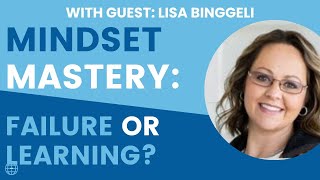
Real-estate coach Lisa Binggeli explains how a daily schedule, exercise, and the CTFR framework (Circumstance-Thought-Feeling-Action-Result) help surface hidden stressors. She argues that true fulfillment comes from genuine service, not chasing paychecks, and that coaching, unlike counseling, focuses on the future rather than the past.
Chapters
And so I didn't. I. Yeah, I. And I went to college for, like, a semester, and I was like, oh, screw that. Nah, I'd rather have kids. And I just. I was ready to, like, be the mom, and that's what I really wanted. Anyway, so. So when I was about 20, 27, 28, I started, like, getting a lot of depression, and I started going to counseling. And when I went to counseling, what kind of drew out of me was that I did it wrong. Like, all of these other people went to college and they got a degree, and they had all these, you know, they had the jobs and they had all these other things behind them. And I was like, I'm just a mom. Like, which is what I wanted. But yet I was feeling like I did something wrong. And I remember the counselor said to me very specifically, she goes, well, I didn't get married till I was 35, and then I had a kid and. And. Or two. And she's like, so did I do it wrong? I'm like, no, I guess not. Right? I was in my head thinking that there was a way that life was supposed to be lived and that I wasn't doing it the right way, that I wasn't getting the result that I wanted. I mean, I had the results, but you know what I'm saying, right? Like, I was depressed anyway. I thought that there was something wrong with the way that I did it, and just recognizing at that point, at a young enough age, that there's not one right way to do it. So we're not ahead and we're not behind. We just are.
Hey, everyone. Welcome to the Meaningful Revolution podcast. I'm your host, Shawn Butner, certified high performance coach. And today we have a really great guest with us. She is the host of the Common Sense Doesn't Require a Script podcast, a top 1% real estate agent in the US here. She's also a certified high performance coach and certified life coach. I'd love to introduce you, my friend, Lisa Bingley. Hey, Lisa. How's it going?
Hello. Great.
So the Meaningful Revolution podcast is all about interviewing people that are passionate about a topic. So we nerd out about it and celebrate it, but it's to lead to more meaningful connection, more meaningful output, just living a more meaningful life by inspiring people through their passions. So with that said, could you explain a time when you know you failed and that helped you find your purpose and why that ignited your passion for this topic?
Awesome. For sure. For sure. So the reason why that's such an important topic to me I thought that was a good one to talk about today is we, when we are venturing whether we're entrepreneurs, you know, and mostly I'm not sure if your audience is a lot of entrepreneurs. In our growth journey and our business journey, we tend to associate failure with the fact that something doesn't work right. Like, I tried this thing, I failed. And so, oh, I should probably throw that to the side and I need to try something different. And we're pretty quick to cast it away. And so looking at it from a different angle, it's like when we fail at something, when we're attempting something and we fail, we need to learn from that and not let our brains take the override of, okay, well, that thing didn't work, so I'm not going to try it again. Right? That hurt. It didn't go right. I feel like a failure. A lot of time when I coach people, that's the sentence they say, like, I'm a failure. I feel like a failure. And instead of thinking that thought, we can turn and think, you know what? I tried this thing, and it doesn't mean that I'm a failure. It means that I tried this. What did I learn from it? Assess that. What did I learn from it? What can I do different? What did I not do as well as I could have? And take that and then continue to move forward onto like the next level as a step by step. When we do that, we can more accurately find the purpose and what it is that we're doing. But if we continue to spin, if we continue to try, fail, try something different, fail, try something different, fail. That's where most people start to just give up because they think that, well, it's just not going to work right. Let's throw the hands up and give up because it's not just going to work ever. And that's not true in a lot of the coaching that I do. It lies within just the thoughts that we choose to think about those circumstances that we have in our life, the circumstances about our business, the circumstances of something that we tried, how we choose to think about that. So it's a. That's why it's such an important topic. I feel like to me and for all entrepreneurs, you know, everyone in general, I guess, not just entrepreneurs, but really important.
Yeah, it's definitely in my coaching practice, this also comes up. So I'm excited that, you know, you, you described it so succinctly. So I'm, yeah, it's definitely a like, skill that one everyone can learn. And I Think it's really important. It separates people that are able to succeed over the long term or burn out because they're not happy on the pursuit. Because if you try something and fail and take it personally, that'll stop you dead in your tracks. So I'm curious now, so how did you. Is there a time in your life where you were kind of in that old style of thinking where you try something and like. And when did that shift for you?
Yeah, yeah. So. So, you know, passion can take us so far. So in my. In my coaching practice, in my coaching business, you know, I have a passion for teaching. I have a passion for helping other people. But then as I put myself out there and you're very vulnerable at that point, I put myself out there with a product and a package and what I think is going to work for people, and I'm trying to make that thing work, and it's not working right. And this is. This is even just recently. And then. So what I would do is I'd put that one thing out there. I try it for a while, it didn't work. So I would move on to another thing. I'd provide a different offer. I'd give something else for people to purchase, right. Structure it in a different way, and then I'd try that one, and then it would kind of do mediocre, but it wouldn't take off. And so then I. Okay, so maybe that's not the thing that people are going to grab onto. And I think that there's going to be one magic bullet and one magic thing that as soon as I create the perfect product, right, the perfect offering, that people are just going to jump on it. So then I move on and do the next one. By the time I'm done for the last about year and a half, I've created four main products, many more than that, but four really main offerings for my. For my coaching clients and potential clients out there that I've been trying to attract. And what was happening was it's like. It's kind of like lining up 10 soccer balls on a soccer field, and I was going through and kicking one a little bit and kicking the next one a little bit and kicking the next one a little bit. Nothing ever got to the goal because I wasn't focused on one for long enough. You really have to get that one soccer ball. Kick it, kick it again, kick it again, kick it again, kick it again. You kick it until you get the goal. Once you do that, then you move on to the next soccer ball, right? So no matter what we're trying to create, no matter what we're trying to do, we need to focus so intently and find the purpose. So that's where the purpose comes in, too. You have to be very clear, have good clarity on what your purpose is, what you're trying to do, so that you can focus on getting that ball to the goal before you just go, well, I tried that one enough. It doesn't work well enough. Now I'm going to move on to the next one because maybe this will solve my problem, right? Instead of staying with the one thing that we had passion for to start with, we knew it was a great idea. We knew we could do it, but sometimes it has to be tweaked. Sometimes we have to do a little different. Sometimes our audience needs something a little bit more or less different from us to be able to answer their needs. And so being able to focus more intently on, on the one thing until that thing meets the goal right before you move on to the next thing. So that's so in my personal business, that is what I finally figured out. And I will tell you, it was very painful when I looked at all the products that I had and I didn't want to get rid of any of them. They're like all like little babies. And I thought, okay, I. I have all these little babies, but I love all my babies. How am I supposed to get rid of one? Right? How am I supposed to throw the babies out and just keep one baby? Like, it was very tough to do. It took a lot of intentional thinking to decide which baby to keep and that the other ones may be great ideas, but not now, right? And a lot of times too. As creators and really ambitious people, we have a tendency to create, create, create, create. We love to create, but we can't make a million dollar business out of it if we just continue to create, but we don't foster one at a time to make it highly successful before we start to foster the next thing. So that's. That's been just most recently. And I tell you, I had about the stress, like the most stressful 30 days of my life when I said I pretty much burned down my business, I combined a lot of things together. I created one really solid master offer for my agents that would provide everything that they needed or that I could tell at the moment that they needed, right? And then tweaked that one. And I'm just going to continue to tweak that until that thing is going to make a million dollars. Then I Will move on to the next product and just hold myself back. But it requires a great deal of clarity in your purpose, what it is that you're trying to do.
Oh, that's amazing. I love that. And as someone that's been doing the same thing in my own business and something I felt like I've been doing since I've been certified, since forever ago, trying to just find the language of how I help people and how that connects to who I am as a person. And I could share a little bit later on how the podcast has actually helped me focus and shift that. But I'm curious then. So as you said, you had all these babies and you had to pick your favorite kids, and nobody wants to say, oh, I have a favorite child, but we all know, you know, I was the favorite kid growing up between me and my brother. Shout out to Devin. But could you maybe go more into that decision making process? Or how did you know when something was a little bit closer to what your purpose was, versus a great idea that maybe would be better for someone else with a different experience or focus? Like, how did you really narrow down the millions of amazing things and ideas that you had into this now new conglomeration of, you know, combining your businesses?
Yeah, for sure. So one of the first things that I did was actually sat down and listened to my agents, listened to the things. So the people that I was serving, I. I didn't. I didn't need to sit back and predetermine what their needs were. I needed to ask them what their needs were. Right, Right. How could I best serve them? So there was that. So coming up with, okay, what is it that they need in their business and what kind of coaching do they need and what product do they need? The next part of that was I had to get in touch with what, like, why I was doing what I was doing. That was one of the biggest pieces, was the clarity piece for me in remembering why I started this business in the first place, who it was that I was serving and how I wanted to serve them. Because what started happening for me was as I created all these different businesses, right? And then you start to kind of look at the dollars and you look at how much you're selling, and all of a sudden your focus changes and your ch. Your focus is now on, oh, this product made this much money. This product made this much money. And I was looking at the dollar figures and I was ignoring what the needs of the people are, but also why I started doing this in the first place? And it Wasn't because of the money. And so sometimes we have to be careful we place a goal. So, sure. My goal is to make a million dollars, right? That's, that's my first benchmark was to make a million dollars. And, and as I focused on that goal, I was focusing too hard on that goal. It was overriding my focus of why I started serving people in the first place. So while it's great to have quote, unquote goals, right. Or benchmarks that we want to hit in our business, I would call it more of a benchmark. It's a spot that you hit, but it's not something that you're so focused on that that's what drives your actions. Because when that's what drives your actions, at least for me, when that's what drives my actions, they're not the most authentic actions and they're not the best actions that I can be able to take to serve with the highest purpose that I can for my clients.
I absolutely love that. Being someone that is from like the tech world and software. One of the things that I noticed in organizations is the fact that if, if you measure the wrong things, you don't get the outcomes you want or you get these weird outcomes you never expected. So, like, focusing on, hey, I'm going to make a million dollars is different than I want to help 100 real estate agents grow their businesses, help their communities and families. Right. Like, there's a emotional difference between, you know, and you make different decisions depending on what that, that main focus is or if you don't have secondary objectives, like the mission thing. So could you share maybe how that realization shifted how you felt about your business or your life or next, maybe explore the emotional side of that switch of focus?
Yeah. Yeah, for sure. So I guess the word I would put to it is grounded. I came back and felt more grounded. So clarity was the first thing I was seeking and now I feel more grounded. The one thing that I teach my agents and I've always done in my own personal real estate business is that when you focus on serving, the byproduct of you focusing on service is a paycheck. When you focus on a paycheck, people feel like a paycheck, right. That that comes across. And I've always done my real estate business that way. So. And I know, so I know that. And I've done that for eight years. I'm a million dollar, you know, gross agent and, you know, per year. And I lost touch with that. And I did it in that business and I didn't transfer that over to this business. I started losing that. And so it never fails that when you focus on the service part of things, you will always receive the byproduct of, you know, the paycheck or the reward or whatever it is that you're looking for that just comes as a result of the actions that you're taking, but the heart that you put into it. And so I don't know if that really actually answered your question, but I think it's really important to note in any business that we do, I think that's. That's what makes most businesses successful, or the most successful businesses, in my eyes, is when they actually, you can tell that they care about the people that they're serving, whether it's a store. I mean, we can go into a store and we know the stores that actually cater to us or take care of us or have better customer service or help you pick out your pants or, you know, whatever it is. Right. We have a tendency to want that connection and feel that love, which then brings you back again. It brings you wanting to consume that product or learn from that person because they genuinely want to serve you. And so I think in any business, that's 100% key. And that's what I reminded myself of, is that that's what I did in the other business that I grew $2 million. So why am I not doing that in this business? I'm teaching everybody else to do it. Like, I need to listen to what I'm teaching, and I need to do that the same here. It's just funny that when we transfer or try a new, you know, start in a new field. Right. I mean, a coaching business is not my real estate business for sure. I coach on real estate and mindset, but still, it's a different type of business. And even though we've built something and been wildly successful at it already, we are starting over with something new. And you still have to remember there's all those lessons that you still have to learn along the way. We don't jump to the end just because we were successful here. We don't jump and just, you know, magically become successful in the new business. We have to grow and start all over again. And just being aware of that is really important.
Yes. Having run a business that was really analytical or like being in a field that was analytical, and now going into coaching, where you're dealing with people like computers and people are not the same, of course. And so, yeah, that, that, like beginner's mindset of, you know, you're not going to have the same level of competence or the same level of results. Like I naively, when I left my business thought like, ah, in two years I'll have this all figured out and it'll be right where I was when I left and all that. And that has not been the case. You know, and it reminds me very, very clearly that that's not the case.
Yeah, no, that, that brings up a good point too though, because one of the other things that I realized in this journey recently was the, the deadlines that we put on ourselves. And like you just said, like, okay, in two years I'm going to have this flourishing business in two years. Well, what happens when you get to year two and you haven, you know, quote unquote deadline that you provided for yourself? It usually throws us for a loop and we usually think, okay, you know, that's when we start to introduce the thoughts in our head that I'm a failure and I'm not doing something right and I didn't do this fast enough. And then you go into a little bit of panic mode or you start pulling triggers on different products and things and trying something new because it must not have worked. Right?
Yeah.
And, and, and a lot of times we don't have to change our goal, but we can change the timeline to met to meet that goal, that measurement. And remember that that's just something that we made up. Like we arbitrarily just decided one day that within two years that I'm gonna, you know, make a million dollars a year in my business. And it's just a completely fabricated made up number. But we put so much emphasis on it and we hold ourselves to that number and then all that does is create disappointment for us. Right. I mean, some people it may drive, but for most people it just creates a feeling of failure and then disappointment, which then leads to inaction and then we slow down on growing our business because we feel like garbage.
Yeah.
So being able to recognize the things that we're doing to ourselves and what the results are that we're getting and if we don't like the results that we're getting, we need to just change the way that we think about them. Change it to something that's a lot more motivating. Right. Makes us feel better so that we want to continue to press forward. Okay, I've done, so I've done this well so far. Look at all the things I've accomplished. Right. I haven't met my goal yet, but I will be Right. There's no deadline. And I had to tell myself that, why is there a deadline? There's not a deadline. Right. I mean, I could take the next 10 years and grow the business as quickly or slowly as I want, but there's no deadline to it. I'm just going to focus on serving people. How can I wake up today and best serve people today? What do they need from me today? And just that really, that change in the mindset, the change in the way that I'm talking to myself and thinking about it has made a huge difference in how I'm serving my community.
Right on. Yeah. I love that, that, of course, you are the mind shift coach. So, like, that makes sense that you talk about shifting mindsets, but, you know, and it is so important in the CHPC high performance coaching work that we do, you know? So I'm curious then, is there a. How can I trying to combine like five different ideas in my head into one? So is there a time when you failed and it had a surprising result that you hadn't even thought about either related to your purpose or something in life in general?
So I don't know if I try to think of when. I mean, I failed. I failed many times. Failing is a good thing.
Yeah.
So trying and failing means that we tried something, it didn't work and we're just going to try it a different way or try try again. Just most recently, I. I waited for. It was Black Friday, and everybody kept saying, you're gonna do a Black Friday deal. What are you gonna do? And I'm like, yeah, I mean, I got nothing. Like, I. I couldn't think of anything that I thought would be valuable enough. And I had thought to myself, ah, there's gonna be a ton of people in their inbox. And so I'm not gonna be another one of those people in their inbox. And so just screw it. I'm not even gonna deal with it. Right. And then the night before Thanksgiving, I thought, you know what? I have all these. I have some marketing playbooks that I teach in for real estate. And I'm like, I'm gonna just, I'm gonna put them on discount and I'm gonna offer those, what a date. Let's do seven days of deals. And so I started out every day I'd write an email, provide a different deal every day. And it was amazing, the response that I got, the number of people that needed those trainings, that needed that. Right. And so when I was willing to fail, I wasn't really counting up okay, if I sell X amount, I'm gonna make this much money, make it worth it or whatever. Right. It was. Okay. I'm just gonna try this thing. If I fail. Oh, well, if I put the emails out there. Oh, well, right. If they don't want my product, that's okay. But threw it out there and sure enough, like, the response was phenomenal and did that every single day, I think, just being willing to fail. So I guess I don't count, like, anything that I've done, even if I've done something and I don't get a response to it, or if I go to teach a class because I'll do free trainings once a month. You know, sometimes I have a lot of people show up. Sometimes I don't have very many people show up. I serve who shows up. If I have two people to talk to, I do. If I have 100 people to talk to, you, I do. Right. I can learn. We can learn from everything that we do. So nothing really is a failure. Like, I don't, you know, nothing's a failure to me. It's just something that I tried that did or didn't work well, and then that just gathers data. You know, I've become like Brendan Burchard says, I'm a scientist. Like, I tried some things and the things. Now I know what things to try different. Right. I'm. I'm testing it to see what's going to work. And. And the only time we fail, that we truly, truly fail is when we quit. Like when we just stop and we say, I guess this will never work, and we just completely give up. That right there, that's failure.
Yeah. You miss 100 of the shots you don't take.
Yeah.
You know, so. Yeah, I love that. That reminds me of early on in my tech career. My first manager, after I, like, totally screwed up this project, he's like, hey, you're doing great. And I was like, was not expecting that from, know, after, like, I crashed the system or something. Like, it was down for three hours pulling my hair out, like, super stressed. And he's like, you know, if you are making mistakes, then you're pushing yourself out of your comfort zone. And it's not a problem until you're making the same mistakes over and over and over. That means you're not learning to kind of, you know, tie in what you were saying that. Because I keep trying to ask a question to get a story like, oh, I was really, like.
Discouraged.
Discouraged. Or there's a big shift here and you're like, no, no, it's a learning thing. And so I have a feeling that we could probably spend a whole day trying to dig for that story and maybe just.
I will.
Oh, go ahead.
I was gonna say, I will say that for a while, while I was in this transition of kind of trying to find clarity and trying to really find purpose again about, gosh, two days of a week out of every week I would be depressed. I would let something get me, it would get me down and I would literally the self talk was, oh my gosh, I'm like, I'm failing. This isn't going to work. What the crap am I doing? Why am I starting this business? Like now look what I've done, right? I've got all these people that are learning from me and following and oh my gosh, now I can't stop. I mean just the list goes on and on and on. And it was happening about two days out of every week because it'd be one day it would start and the next day it would carry over until I pull myself out of it and I'd have to move on. I'd be happy again, I'd make some progress and then it would hit again, right? And during that time I did something that was really helpful so this would help any listeners out there. I did what's called a thought download. So I would wake up and I would write down every thought that I was having. Usually wasn't first thing in the morning, but by about 10 or 11 o' clock is when it all would hit me and I would write down everything with no judgment, no censoring, nothing, just brain dump onto a piece of paper every thought that I was having, right. Once they were out of my head and I could look at them, I could be able to recognize like what was going on with me and were they true and start to challenge the thoughts that I was having, right? Are these things really true or am I feeling this way because of, right, something else that was eye opening. And also to wake up and have a page this long of every thought I was having and nearly every single one was negative about my business. When I would wake up, I mean, it was sad, right? When I look at it like this is sad. But to recognize that's what was in my head. Because if we don't get it out of our head, we just continue to circulate on these stories and the more that we think about them, the more we believe they are true and, and they are just thoughts that we're having about our Business. So we can choose to think. The power lies in the fact that we can choose to think whatever we want. And I can choose to think that my business is doing phenomenal, whether I'm making $4,000 or $40,000. Right? I can choose to think $4,000 is a success. I can choose to think 40,000. I can choose. I can choose to think whatever I want. But being aware, finding that clarity, that's like the word of the month for me. Clarity and being grounded, finding that clarity. But recognizing, like, what I'm actually thinking and understanding and realizing those things aren't true. They're fears. There's things that I'm ruminating on, but they're not necessarily true. Helps get rid of them so much faster and helps me to move on and break out of the cycle a lot faster.
That's amazing. I have a similar technique that I talk about a lot where I was sitting at my first job super stressed, and I would wake up and have this like, mantra of like, I hate my job. I hate my job. I hate my job. I'm doing this exact thing where like, eventually I'm like, there's got to be a better way. Like, this isn't a good thing. I don't want to think this way. But that's the intrusive thought. So, like, I carry a journal and when it pop up, I take a five minute break. I just write down like, I hate my job. Hate my job, hate my job. And then finally I'm like, okay, like, now that I. I've identified that, like, I can shift the language so it's not as emotionally, like, demoralizing. And so I would force myself to write I don't love my job yet 10 times, right? Just to kind of have a physical action to shift that thought. And like, it was amazing how much better I would feel. And like just that shift in language, you know, to get it out on the, on the page. So we'll get into maybe some techniques on how to shift that thought, you know, for you later. But I, I'm curious. We might have already touched on this, but I'll ask the question anyway. Is there a mindset or belief that you hold on failure leading to purpose that other people don't commonly have? And we might have, I think you might have opened with that.
But maybe I, I would say, yeah. Attributing this to my parents. They never told us we couldn't do something. We were never taught. We weren't like some like high nothing, right? I mean, we were just normal Family lived on a really small budget. We ate a lot of baked potatoes in our family were from Idaho. You know, we were always on a budget, like. But I did have an entrepreneurial father. And no matter what weird ideas I ever had growing up, I started cleaning houses when I was like 16. I was like, I can clean houses, I can claim my own house, I can clean somebody else's house if they'll pay me, right? And then I'm like, oh, I can look at these chairs, I can make these chairs. Somebody will pay me for that, so I'll do that. Like, I always had some random weird idea of a business that I would start. Always did it while I was a stay at home mom for years. I always had something, but I was never told it wasn't possible. And I think that is a huge, huge key to failing because I don't attribute like there's failure just doesn't exist, right? I just. We can choose to try things if we, if we want to. And I always know that there's a way. If I really wanted something to work, there's always a way. If it's something that I care about, if I love it, right? There's always a way. And I, I know that that has carried over into my real estate business specifically because there's always a way to fix everything, right? It's easy to keep deals together because there's always a way. There's. I don't surrender. I'm a little bit stubborn that way, but I don't surrender because there is, there's more than one way to fix something. There's more than one way to grow a business. There's more than one way to make changes. There's more than one way to live our lives. There's always something else. And so asking, I think being very aware of that, but also being willing to challenge yourself, challenge the thoughts that you have, but also ask questions, oh, we're to this point now. What else could there be? Oh, I'm stuck in this spot in my life. Okay. What other options would there be? What could I do? Right? I'm not happy. Okay. I'm not happy. Well, what would make me happy? What do I want to do that would make me happy? So we don't, we're not stuck. I mean, we don't have to be stuck. And I think that's the power in that is a lot of people, they feel like they're stuck. They feel like they're caged. And they don't have to be caged. They have A choice. And some people need to be taught that. Some people weren't told, you can do whatever the heck you want, you know, like, go out. The world is your oyster. Go for it. Like, we support you. Go do the thing. Right. Some people were told to think small. And some people were told that, oh, if you do this thing, it's dangerous. Don't go do that thing. Don't go start a business. It's dangerous. Right? You're gonna fail at that or you're gonna lose money or you're gonna whatever. And. And people will listen to that. And it stops. Stops them from growth. And that's huge. I think, to. To break out of that and recognize that our families. I know this may be off topic. I don't know, but, you know, the way that we grew up and the families that we had and the things that we were told, it's not all truth. It's just somebody's idea that they had that they were imposing on us, right? And we, like, so dumbly. I mean, because we're young in our. In our youth, you know, Even our low 20s, somebody tells us something, we're like, oh, well, that must be true, like, because you told me that it's definitely true, right? Not true. Like, I think the youth of today, I think one of the most amazing things, even though our youth can be a pain in the butt, I've got three of them. They don't. And I don't know if it's just my kids, but it seems like youth in general, they don't just take. They don't just accept people's, like, direction. And. And you hear, like, really older people say, like, oh, well, they're being disrespectful, or they're like, whatever. No, they are inquisitive. They're asking the questions. They want to know for themselves. They're going to test it out and they're going to try it. They don't just blindly say, oh, you told me this is the way it's supposed to be. Okay, I guess I'll do that. Right? And I think it's a phenomenal thing. As frustrating as it can be for us as parents, I think it's the first phenomenal thing that we can teach our children and allow them to ask questions, to explore, to be able to make their own choices and come to their own conclusions because they're stronger people for it. By the time they're done. Is, again, as irritating as it is as an adult mother, when I'm like, but do this thing and they're like, I don't want to do that thing I'm going to do this way. Right. Anyway, it's a bit off topic, but it's. But I think it's a really important point in finding purpose and for the kids, finding purpose, too.
Yeah. I love that idea because it's creating the environment for people to be curious and explore. If I had to sum up that. It sounds like there is an aspect of you that is very curious of how the world works. And so when you have that curiosity, everything is just something to figure out. And it's not a roadblock. You know, it's like, oh, I'm not happy. Like, I can do something about this. Like, why is that? What would be different? You know, I love that. That thought pattern, I guess. And it's admirable. As you said, as frustrating as it is to, you know, it takes a little. Probably a little bit of courage and a little bit of faith and that things will work out. When you see your kids maybe struggling or, like, they can figure it out, even if, like, I figured this out before, this is how I did it, and they're like, no, not like that. So, you know, as a business owner and as someone that coaches other people, could you maybe talk a little bit more or is there anything more than just kind of having Matt. Belief that, you know, you have to ask questions and just to support people in whatever ideas they have to like and trust them to learn as they go along?
Yeah. I think that one of the deeper parts of it is if some people have a hard time identifying, like, maybe what the thought pattern is that they are having. So if you've got somebody, if somebody's listening and they're feeling stuck and they're like, yeah, but I don't know what the problem is. Right. The next best thing to do is to figure out how you're feeling, because most of us can get in touch with how we're feeling. Whether we're feeling unmotivated or we're depressed or we're excited or anxious or, you know, any of those feelings that we can. That we can identify. It's a little easier to identify how we feel. Once we identify how we feel, we can then kind of backtrack and go, okay, well, what is it that's making me feel like that? And a lot of times what happens is we are attributing, like, what someone else did or, you know, something that happened in our business. Those are things that we actually can't control. I can't control If I send something out and put an offer out, if anyone actually buys it, that's not something I can control. Right. And so when we have feelings, sometimes we'll be. I don't know if you've ever heard somebody say, this is the best example, like, but that person made me mad. Right? That person pissed me off. We like to say that a lot, right. I've said it before too, and it's like, well, but did they really. Did they like physically come over and like, there's no physical way for them to actually make you mad. They did something and you had a thought about that and that's what created your anger. And so breaking that down a little bit further so that you can actually understand that what you think is what's creating your feeling, not the thing that happened. Right? We can't control the thing that. The circumstances that happen in our lives, we can't control those. We can't control other people. And the sooner we realize that, that's where the freedom comes in. And being able to control, I mean, quote, unquote control, right? But really be able to take ownership over our own feelings and over our thoughts that are creating those. And what I coach with my agents too, and anybody that I coach is, you know, our thoughts are creating our feelings and our feelings are what drive our actions and our actions dictate and provide our results. If we don't like the results that we're getting in our life, a lot of people go look at the actions like, oh, but I need to do this and this and this, and I didn't do this, I didn't do this. And we start to try to. A lot of coaches try to coach on the action line. Well, let me give you 10 more things that you can be able to do in your business to try to make it better. Right. When you didn't need coaching in your action line because your actions are a byproduct of what you're thinking about your business. So we have to go fix the way that we're thinking first before we can even introduce some more things into our action line. So anyway, I don't know if that answers your question. I know I kind of go different directions, but I had a client I was coaching, not an agent yesterday, but a business owner. Late night coaching call. 11 o'. Clock. She's in Africa. And anyway, so I was coaching her last night and it was an amazing conversation, but she's a very like. She's had a lot of accomplishments in her life, in her business and her Current business. But she started something new, and it's uncomfortable. And so she's feeling uncomfortable. She's feeling like she's failing. And what it looked like was she was thinking, so what she had done, I'll give you an example. She had had four people that showed up to a training. She did. She had a paid training. She had four people sign up. Okay. Her thought about that was that she was a failure. She's like, only four people showed up. I'm a failure. And when she feels like a failure, she feels hopeless. She's discouraged, she's hopeless. Which leads her to stop working on her business. Right. She becomes, like, inactive. She's disconnected. She doesn't want to talk to people, which then she's proving that she's failing. I mean, the results that she gets from that is. Is failure. Right? And so she's like, yeah, but how do you let go of that? How do you let go of feeling like a failure? She's like, I was a failure. It was, you know, and she believed that story that she was telling herself. And. And so what we did was you have to replace that thought of I feel like a failure with something that you can. That you can really believe. Because what we try to do is we try to thought swap. People are like, oh, just tell yourself everything's okay. Just, you know, my favorite. Just forgive people. And I'm like, really, just forgive magically. You know, you have to replace the thought that you're having with another thought that you can actually believe. And if it's something you can believe, that's what's going to create a different feeling, which is going to help change the results that you're getting. So for her, I actually have it on my board. Where is that? Hold on. This was her last night. Oh, yeah. Okay. You probably can't see that, can you? On the thing a little bit.
And for the people on the podcast, we'll have to describe it that are listening.
Describe it. Okay, There we go. Okay. So her. Her circumstance. She had four people sign up for her class, right? Her thought that she could actually believe, and we had to, like, really reach for. This was. This was a success. And I learned so much. And she's like, yeah, I can believe that. I'm like, great. How do you feel when you. When you think that? She's like, I feel motivated, and when I'm motivated, I get out and I work on my business and I'm creative and I have high energy and I'm present and I communicate. Now she's Making it possible to succeed in her business. Right. That is the power of the way that we think about things is that simple little thought line. Instead of telling herself that she failed, swapping that out, but with something that she can truly believe, just something different and not focusing on that negative thing. Yeah, that's the power in continuing to move forward and really diving in to be able to find your purpose and put. Push yourself out of that negative space that we get stuck in a lot of times.
Right on. So again, for people that are listening and weren't able to see this chart, Lisa had CT far the acronym. And again, that was circumstance, thought, feeling, action, result.
That's correct, Yep.
So that's the, the quick framework she just walked through with this particular, particular client, which is super powerful. And I love the idea of the like, upstream change. You know, that's, that's kind of how I was interpreting it where, like, because as a coach too, like, it's never the thing that you're doing, it's how you, you think and feel and are responding to it. So that is super, super powerful. So I'm curious, then we'll get into maybe a little bit more of the action implementation things, but is there something that, about fear, about failure and purpose that you could share with the audience here today that maybe you haven't, in a training program or other podcast or other interview, you've done?
Something about failure and purpose that I haven't shared? Well, let me make me dig deep now. Let's see. Yes, I know.
Making that means it's working.
That's working. Yeah. You know, I think, I think if we remember with failure and purpose that there's not, there's not one right way. I think is really important. We, we like to focus on like the one, especially with our instant gratification, you know, Instagram ads, Facebook ads, you know, Google Ads, all the things that we see that everyone has, like the magic solution, they have the magic bullet, you know, that that's going to solve all your problems. And this is the key, and this is how it's going to work for you. And to realize that again, that's just somebody's idea. But there's not one way, like that way could work with you, like for you. Right. But a different way could work for you. It doesn't mean that you're doing something wrong because you didn't do it the same way that somebody else did. I think my greatest lesson when I learned that is when, oh Gosh, I was 20. How old was I? I was probably like 28, 29. It was the first time I really started going to counseling. And I was having my early midlife breakdown. I don't know what you'd call it, but I had three small children, and I had. I got married when I was 18. And so I didn't. I. Yeah, I. And I went to college for, like, a semester, and I was like, oh, screw that. Nah, I'd rather have kids. And I just. I was ready to, like, be the mom. And that's what I really wanted. Anyway, so. So when I was about 20, 27, 28, I started, like, getting a lot of depression, and I started going to counseling. And when I went to counseling, what kind of drew out of me was that I did it wrong. Like, all of these other people went to college and they got a degree, and they had all these, you know, they had the jobs and they had all these other things behind them. And I was like, I'm just a mom. Like, which is what I wanted, but yet I was feeling like I did something wrong. And I remember the counselor said to me very specifically, she goes, well, I didn't get married till I was 35, and then I had a kid and. Or two. And she's like, so did I do it wrong? I'm like, no, I guess not. Right. I was in my head thinking that there was a way that life was supposed to be lived and that I wasn't doing it the right way, that I wasn't getting the result that I wanted. I mean, I had the results, but you know what I'm saying, right? Like, I was depressed anyway. I thought that there was something wrong with the way that I did it. And just recognizing at that point, at a young enough age, that there's not one right way to. To do it. So we're not ahead and we're not behind. We just are like, I am where I am right now, and that's great. That's good enough, right? That makes me happy, and I'm exactly where I'm supposed to be. I think that is the biggest thing that I can tell myself when it comes to avoiding feeling like I'm failing or avoiding feel like I'm not fulfilling a purpose, you know, is that I'm exactly where I'm supposed to be. I do my best every day, and sometimes my best is I just didn't do the dishes for two days, and I maybe wore sweatpants for two days. Like, whatever it is, right? Like, that's good enough. That's what I could handle for those two Days. And I'm exactly where I'm supposed to be and exactly what I'm supposed to be doing. Because anything else that we put on ourselves is just something that's made up by us or by somebody else or by society or by Instagram or Facebook or whatever. And none of it's true, and it doesn't serve us.
Yes. That is so great. I love that. You know, there's this phrase. So I lived in Arkansas for a while for a job, and there's a phrase that I heard there that is disturbing but, like, kind of encapsulates, like, there's no single way to skin a cat.
Oh, yeah, my mom says that. Yep.
Yeah. And it's like, why are you skinning cats? Like, that's terrible. But, like, the idea that there's more than one way to go about it I think is really good. And I'm also picking up that there's, like, a sense of more deeper presence when you believe in that, like, when you're not. When you're where you're supposed to be, and that's okay. And, you know, you're doing that, you're more in the moment than thinking about, I'm not where I should have been. Like, I should have made different choices. So you're in the past. Or I'm not going where I want to go, which is that. That kind of, like, future thinking. So I picked that up. Does that seem true?
Yeah, that's true. Yeah. Because what happens when we think those other things? I mean, it. It doesn't help us at all. Usually what it does is has us detract from spending time with our families that kind of occupy a space in our brain that doesn't need to be, you know, used for that. And it leaves us thinking every day that we haven't achieved. We haven't done this thing right. There's. It's like we can see it and we want to reach it, but we can't get there. Like, we can't quite get to it. And living that way is not any fun. I don't. I don't know what you think, but, yeah, I would rather. I would rather live and have fun and be happy in whatever it is that I'm choosing to do instead of beating myself up by telling myself, but I haven't reached the thing, and I want to reach it. There it is, and I'll get it by next week. Or I have to, you know, I have to keep working because of this or whatever it is. Like, if it's never enough That's a really painful way to live.
Yeah.
Really painful way to live. I definitely choose not to live that way, no matter how much I have. Don't have. Even when, you know, even when we were single family income and I was home with kids and we didn't have a lot of money. Right. Like, it still was always. It was enough. It was great. How do we make you. With what it is that we have? How do we make it the best that it is like. And that's good enough. And it was fine. And it brings a lot of happiness and joy in life to be able to find that. That place to be. Okay. Yeah.
Yeah. So another thing that came up, and I'd love to hear your thoughts on this, because it also sounded like, as part of this story that we haven't talked about, that you could have multiple purposes in life when you don't have to have one single focus at a time. So the idea that you really wanted to be a mom and you, you know, the best mom or whatever, all the things that go along with that, and then you achieved it, and now you're like, well, now what? You know, it. How much of that depression or that. That bad feeling was one. You. You're like being the dog that caught the car. Right. You're like, okay, like, this is not as cool as I thought it was gonna be. Or I. I'm very proud of what I did, but now I'm kind of searching for that next thing.
Yeah, yeah. And maybe finding a place of content, but not complacency.
Yeah, I think.
I think that. I mean, if we're. If we're. There's a. There's a fine balance in not trying to focus on something so much that you let the balance go in your life. Right. Your balance with your family, the balance with your. Your physical health, your mental health, balance with work. And so keeping that in check is very important to where you're still fulfilling all of those buckets that you need to fill in your life. So I think that's a constant process because sometimes that can be out of balance. Sometimes it needs to be a little bit out of balance. Sometimes it's heavier on family, sometimes it's heavier on work, but that. That doesn't remain consistently out of balance is important. For myself, when all of my kids went to school and I found myself, we lived in the country, and we just moved to the country like a year prior, all my kids were in school full time, and I legit. Like, they were the thing that I focused on that was the thing I was quote, unquote, achieving, right? Was. That was my purpose. And when they left, I found myself crying about every single day because I was lonely and I was getting depressed, and I. I didn't have purpose anymore. And I did that for about a month. Maybe not every day crying, but I. I very vividly remember my. My poor me moment where I went and laid on the couch and everybody's gone, and I was legit out loud, sobbing. And I was like, this is so not bad. And I was. I was totally depressed. And I. At that moment, I had this talk with myself, and I said, okay, Lisa, like, what do you want? What do you want to do? And I was like, okay. Well, I never asked myself that, because what I did was take care of my children. That's what I wanted. That's what my job was. And so I seriously. And I get emotional about it because I really remember just laying on the couch and I was like, what do I want? I was like, well, do you want to be a doctor? I mean, I just. I opened it up and I was like, sky is the limit. Like, if you could do anything in your life, what would it be? No limitations. Like, do you want to go to school? You know? Yeah. Do you. I don't know why I said, you want to be a doctor? That was dumb. I don't. I can't faint at blood, so, you know, but. But I. I just asked myself, what do I love? What do I want to do? And I loved houses. I was like, I love service, and I always loved the market, and I love pricing. I just swapped from pricing groceries to now pricing houses. Right? Like, I love to watch and do. And I was like, that's. That's what I love. And. And I would love to do that, you know, Got on the phone, I called a friend of mine that's a broker, and I was like, if I got my license, would you hire me? And he was like, oh, heck, yeah, I'd hire you. And I was like, okay, great Cosmo husband. I was like, I'm signing up for real estate school. And he's like, okay, whatever you want to do. He's always been very supportive, and. And that kind of started that leg of my journey, which was into. Into selling houses. And I loved it so much. Talk about imbalance. I loved it so much. I was a bit out of balance for the first few years in my business, working so much because I was so engaged and just, like, eating it up. It was like drinking from a fire hose because I'D been home for so long, I think. And as a mom and a stay at home mom, we definitely go through this phase where we lose ourselves because we become whatever our kids need us to be. And we focus so much on them that we, we don't develop ourselves very much. I didn't develop myself. And then all of a sudden everybody leaves and you're like, who am I and what am I good for besides folding laundry and cleaning the kitchen and you know, helping, helping my kids. And so I did have, I had a few rough years of imbalance where I worked so much because I was like, I loved it and I loved feeling that new purpose and finding myself. And I was like, oh, I'm good at something. I'm good at something besides being domestic. This is so exciting, right? Um, so that was a bit of imbalance for me and I, I finally figured out how to level that one out to where I could balance my family better with my business and you know, but everything for a reason. Like it taught my kids that you can grow a business. It showed them that I could be mom and that I could be mom and run a business. And one time I would now get emotional. Geez, I remember my, my daughter. So my kids play sports and every sport, of course, right. So you know, two to three times a week we have games and in the summer they have summer ball. So two to three times a week during the summer they'll play summer ball. I go to everything. I may be that mom that's on my laptop in the corner plugged in because that's the only plug I could find and I'm out of battery. But I, you know, writing an offer on a property. But I go to every single one of my kids games. I think I've missed two ever. And my daughter said to me once sometimes, she used to be like, mom, you work all the time. And then she said to me, her friend, her friend told her how awesome it was that her mom got to come to everything because I was the old, like one of the only moms that actually could show up to all of my kids activities, all the games and everything. And they were like, they were jealous. And I think that right there kind of taught my daughter like, oh, I, I should be grateful for that. Like my mom, right? Anyway, I know that's a bit off topic too, but. And it's all about purpose and balance in our family, in our lives and, and finding like the work that we do. I always want to make sure that whatever I do, I can fit in what was my first love, which is being a mom. Right. And still be available for my kids, that's always been number one. But then also being able to fit in, like, the growth that I personally have as well, the things that I discovered, like, I'm freaking good at selling houses. Like, I wanted to sell five houses my first year, and I sold 48 just because I loved doing it. Yeah. I mean, it was, like, over the top, like, phenomenal. And I just kept selling and selling and selling every year till I'm selling 120 houses in a year all by myself. Like, it's phenomenal. But to know that I'm good at something. So anyway, so it's a. It's a cool balance. So every. Every different area in our life, I think has, like, we're shifting. Right. Nothing is ever staying the same. It's kind of like they say, if you, like, put a floating candle in the. In a lake, like, it doesn't sit in one spot. Like, it's always gonna move, like, backwards or forwards. There's no standing still at all.
Yeah. What a beautiful story. I just want to honor that. And what comes out to me, and I'll just call it out, is just how much you care about your family, how much you care about your personal growth, how much you care about your. Your business and career, and the thought process of, like, never questioning, like, oh, I have to give up one for the other. Like, you embody this belief of, I can figure this out and make it work, and there's maybe there stumbles as you. You learn. And, like, okay, like you said, like, maybe I was a little too focused on work and then needed to kind of come back to this thing. But I really admire your ability to find multiple purposes and then just kind of, like, wrap it up into who you are as a person. And, you know, haven't, you know, talked with you outside of this conversation that. That also shows up there. So I just want to say. I just want to honor that real quick.
Yeah.
So on that note, if we're trying to think of other folks out there who might be struggling with these intrusive thoughts of, like, oh, I'm not succeeding. I'm not. Not really. I'm not a success. I'm failing all the time. I'm not where I need to be, all these types of things. How do you have a quick method or set of habits or a couple of habits that would help people shift into a more, like, growth mindset, as we would probably say, as coaches, or a little bit More of that, more motivated, positive, like moving forward type mindset.
Yeah, I'd say like the, the life hacks, the hacks that I use that have really helped me in my life is if you can't identify, sometimes we can't pin what, like what the cause of it is. Right. Sometimes it takes us a while if we're feeling like demotivated, it takes us a while to figure it out. It's not quite as easy as like, oh, I'm just going to look at my thoughts and decide that, oh, this is why I'm thinking this thing. Right. Sometimes it takes us longer than that. So in the meantime, I don't give myself an option to wake up and still do the things I'm supposed to do. It's not negotiable. So if I don't feel like getting out of bed, I have to, I still have to get out of bed if I don't feel like getting out of bed. And I know I have a hard time with it. So like for me personally, you get through the winter months and it gets dark sooner and it's cold outside. I hate the cold. And I know for myself if I don't get up and make myself do something, I just won't. I'll sleep in and sleep in and then the days get kind of, I sleep in longer and longer. I don't know about any other entrepreneurs when nobody says you have to show up at the office at a certain time, you know, the sun doesn't come up and I might be sleeping until 8:30 or 9. So I, I give myself a schedule and I abide by my schedule. So I decide what should it really look like, what's realistic? And okay, these are the days I'm going to wake up, I'm going to go get my exercise in because I know for me my mental health really benefits from exercise. So Even if it's 30 minutes or 20 minutes or an hour, like I get up and I get my exercise in that I'm going to feed myself some healthy food. I mean it's really just the little step by step things. If you're in a spot that you can't get yourself like out of, right. And then eventually as you do that and you feel a little bit better, at least physically, your mind can be able to start to identify like, why am I really feeling this way? Or why am I bummed out? I think that's, that's what helps me to move out of. Because we don't know right away. I, I even for My gosh. It was just a few weeks ago. Something totally was stressing me out, but I could not identify what it was. For the life of me. I was like, I do not know why I'm feeling this way, but I feel like this. And it's just. I couldn't figure it out. And I went for about. It was like seven or eight days, and finally one day it clicked, and I was like. And that was a deadline thing. I was like, I'm putting these stuff, stupid deadlines on myself, and it's making me anxious. Like, why. Why am I putting. Putting deadlines on myself like this? It's not working. It's not helping. I need to get rid of that. Right. For all those days like that, I was bogged down. Just stick with a schedule, find the things, and just be in tune with what helps you, whether you like it or not. Right. My husband's like, do I like the exercise? Maybe not, but. Right. You know, you feel better if you get up and just be very aware of how you react to things and what's good for you and what's not good for you, and then abide by it.
Right on. All right. So the. To break it down, there's this. Figure out what's happening, and then the. The act, like, activating your body is what I'm hearing for you. Particular is. Is really important for sorting it out. Is there anything? Like, is there another step? It feels like you're kind of like, okay, you identify it. You're kind of feeling good. Like, is there anything else to get you over that line?
Talk to someone. Get a coach.
Yes. Okay.
Yeah. I mean, that's. Sometimes unless we say it out loud, it doesn't come. We can't get it out. We can't identify it either. So whether it's a counselor or a coach, my favorite. My favorite description of coaching was, somebody said, you know, coaching is for, like, the future. Coaching is to be able to move forward. We need counseling when we have something in our past that we need to deal with. That's. That's kind of damaging for us. But, man, I went to counseling for, you know, a long time, and I got really tired of just talking about my problems because there was no real forward thinking, and there was no, like, here's some tools to be a better person. Right. And so that's where coaching is so amazing, is you can get help with identifying what's going on with you and questions asked you to draw out those thoughts that you're having to whether the light bulb can Then go on and be like, oh, yeah, that's the one that's causing my issue. And I could. I didn't know it, right. Speaking it out loud is really helpful. That's why the thought download is really helpful, too, because it at least gets it out of your head and then you can be able to identify what it is and then come up with a plan of action for how you're going to combat that. So I guess that would be the next step, too, is like, what's your plan of action? If we don't like the way things are going, then what do we need to do differently to be able to get there? And in between that is, if you don't know quite yet, just keep forcing yourself to get up and moving, right? So that you can keep, like, keep moving forward or at least staying stagnant, you know, or close to while you're trying to figure it out. You just don't want to tank yourself and, like, regress a lot. My. My kids, I'm. I'm happy that my kids have at least picked up this habit a little bit. I don't know if they picked it up for me or not, but as they've gone off to college, you know, my. My son was about four months in his second year, and he messaged me one night and he's texting and he's like, mom, I'm sleeping a lot, and I'm, you know, when he starts to identify, these are all the things that are happening. And I think I'm depressed and I don't really want to get out of bed, and what do I do? It's like, okay, we've identified it now we're just, okay, what are the things that can be helpful? How's your diet? Maybe some exercise would help, you know, and what's stressing you out about school? And how can you maybe position things differently if you need to, or, like, then finding out some solutions to go with it? But being very aware of how you're actually feeling to be able to identify those feelings is really key to solving.
Well, that's. That's super cool. And again, that's such a great example of the identifying and then kind of working through the steps to get moving forward. So I got one more question for you, and I'm so thankful for this conversation. I have a couple pages of notes. I always remember to tell people to write notes at the end of the podcast instead of the beginning, but hopefully my audience has picked up on that. But if you could create a more meaningful Revolution about something. What would that be? And maybe what would that look like trying this new question out.
Oh, okay. More meaningful revolution. I think what's missing, at least in most industries, what's been missing and in my industry for sure, what's been missing is, is the heart of service really. When I coach all of my agents, that is the biggest thing that I teach. And that's, I think what attracts them to my, to my style of coaching in general and my style of business. Right. Is being able to serve other people genuinely and not just, again, not just focusing on whatever like the byproduct, the paychecks that we receive, but focusing on the service. And it's been lost in so many industries where people are just like, let me take your money, I'll just take your money. I don't, you know, I don't care if I help you. I don't care what, like people don't really get a rats whatever like about actually the thought and the feelings of other people. But creating relationships and providing great service to people I think is so important. And for any business owner, for any neighbors, for any people that are your friends in your church, like anyone, like service is so important and it's so fulfilling because you can't sit for too long in your own self pity when you're serving other people.
Ever. Yeah, that is so powerful. Nobody at the end of their life says, oh man, I wish you would have helped less people, you know. Yeah, it's usually the opposite. So yeah, it's such a powerful thing. I love that part of creating a meaningful revolution. Thank you for answering that question. Thank you for showing up and for sharing and I really love this topic of. I mean, we didn't really talk about failure because we don't believe that failure really happens. It's something that helps you learn to propel you and find your purpose. So that. Lisa, thank you so much for being on the show. If there's a, if people wanted to follow up with you, what's the best way to get in contact with you? So we can put that in the show notes below.
Okay. Yeah, my, My website is agentleader.com and my podcast link is on there as well. And you can find me on socials at Agent Leader or Agent Leader Lisa on Instagram.
Okay.
And agent leader on YouTube.
Okay, right on. I'll have all those links below for you. You good folks. Again, thank you so much. This has been so much fun and hopefully we will talk soon. So take care.
Thank you.










