Life After the Commute...
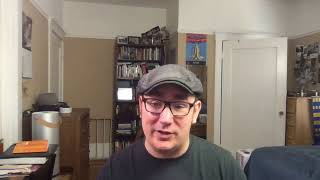
Sean Buttner, a high-performance coach, spent five hours commuting daily at Apple before the shift to remote work. He walks through building a home routine with scheduled exercise, nutrition, and breaks to replace what the commute used to structure, and explains how to use the freed-up time for health instead of burnout.
Chapters
Foreign. Good morning, everyone. This is Sean Butner with start your day with high performance coach, where we help you or we talk through a concept in high performance to help you start your day. So I'm really happy to have you on. Got a really good one today. I just wanted to talk about a little bit about life after the commute and what does that mean? So, so many of us have a long commute or have had a long commute or a commute to work. And you know, when that gets disrupted, there's a lot of opportunity to get back into your health. And this is really timely because, you know, a lot of people were disrupted with COVID and had all this extra time where they're not stuck in their car, you know, hunched over, getting stressed out about all the people giving them the bird as they're on the road or whatever. And, you know, there's the stress of the commute, there's the time away from your family, the time not at work. So it's really not productive time. Sometimes though, it is also the moment we have to do podcasts or to do a little bit of reflection if it's not too terrible. So, you know, and another thing, when you have a commute that has, you know, it's pretty long and takes up a lot of time, you probably aren't exercising as much. So this is kind of where I found myself in my last career at Apple where I would commute, you know, two hours each way and have a half hour walk to and from transit that I was using to get to work. And so that's, you know, if you do the math, it's about five hours a day spent commuting. So I'd wake up at five, five, you know, be out the door at six, and I wouldn't get home until like, you know, six o' clock in the afternoon, sometimes later, depending on what was going on. And, you know, I did this for five years. And so that's five, you know, or four hours each day during the week, like crunched over, you know, on transit, you know, on my computer, which is not good for the body, not good for the neck. The ergonomics aren't great. And I noticed that. And I've had friends that I worked with notice that, you know, when you started commuting longer, I had friends that lived close to work and then moved further away and started commuting, that you start to gain weight, you start to really kind of approach work in a different way, and it's not good. And the good thing is Is, you know, I left that job about a year ago, got rid of that long commute, and then, you know, now what, you know, I work from home. As you can see, my beautiful, totally professional, state of the art home office right here with my bed right over. And, you know, how do you change those habits to get back into your health? How do you change those habits to, you know, have that, that peace of mind as you go forward? How do you, you know, really make that transition and get over. So before I go into it this a bit more, if you're joining me, say hi. I see you're on again, Dave. So thank you. Good seeing you here. If you guys have any questions to post them below the video, I will get back to you on them, no problem. But I want this to be a more of a conversation. I feel like I talk to you guys a lot in the morning, but if you have a particular problem about performance, about influence, about energy, finding clarity in your life, any of those types of topics that we talk about in high performance, let me know and I would love to answer them on these morning show calls. So now that we're. Oh, and if you're not subscribed, please hit that subscription button, that like button, wherever you're watching this on YouTube, Facebook or Instagram, that would be helpful so that you can get notified when the next live is. So I've been really bad at saying, hey, you should go do that. So make sure you do. All right, moving right along. So how do you get back into your health again after the commute? Because that is such an important thing. You know, for me, it's also been a struggle, you know, now that I, you know, like when I stopped commuting the like five hours a day, which was nuts, you know, the first couple of weeks it was just kind of like getting adjusted to not, you know, spending that much time traveling, which had, again, it's, it's good and bad things, but, you know, kind of having a habit to simulate the commute, which sounds kind of Stockholm syndromey, you know, where, you know, you're so beholden to this process of getting to work that you have to create one for yourself when you're at home. Right. And like I said, a lot of us in this Covid environment found ourselves not commuting. Hopefully you still have a job. And I don't want to distress that a lot of people, you know, lost their jobs and stuff too. But, you know, having that routine to get up to get ready to get out of the house and you know, either go for a walk or go for a quick drive to, you know, clear your head can help you when you're stuck at home. So I wanted to make that point. The second thing is, is when you have this extra time, it becomes way more important to have your day planned. So do you have a schedule on when you're going to work, when you generally are going to go eat, when you're going to go work out, when are you going to, you know, have breaks to center yourself, to rejuvenate? Because as high performers, we know that, you know, the break time is just as important as the work time. You can actually boost your productivity, so. And reduce stress levels more importantly. So it's a good thing overall, as long as it doesn't become distraction where that's all you do. But, you know, that's the trick of it. But, yeah. What's your schedule? How are you? Do you have time to work? Do you have time to work out? Do you have time to, you know, relax and rejuvenate? You have time to. I'm about to sneeze, so. Or not. Just look at. Sorry, guys. This is totally live. What was the last point? Do you have. Anyways, so with the sneeze, the idea is gone, and this is live. So here we are. Yeah. So, okay, so schedule. You have the routines. And I. I think, like, for me, it's been experiment, you know, you have all this extra time. It's, you know, I was taking yoga for a while, which I am historically not flexible. I've done endurance training. I've done a bunch of strength training, you know, for working out and stuff before, but, you know, could never touch the ground when I bent forward. And so I was like, okay, let's. Let's try this. And that was. That's been fun. I tried cycling and I didn't really appreciate the, like, short, you know, woman screaming at you to, like, pedal harder. I think a certain type of folks really enjoy that. Not me. All nice folks, but just not my bag. I just like that joke. But, yeah. So, like, I didn't really like cycling because in reality it would push me to hurt myself, which you don't want. But, you know, if you're. If you've lost the community, like, what are you doing to get back into your health, to get back into your nutrition? I know we've been cooking a lot more at our house a lot, lot more. And eating out a lot, lot less, which is probably. It's good for our health, maybe bad for our friends in the neighborhood. But you know, so cooking more, you know, figuring out what you want to do with your exercise and movement, you know, been taking walks too, which I think are helpful. But what are, what is that for you? How are you getting out of the house? How are you moving? How are you stretching? What are you cooking? All those kind of things can really help you, you know, transition to life after the commute. And if right now you're like, you know, we've been home for quite a bit and you still haven't found your footing on that, like, now's the time to really take a look at that and say, okay, I can make some improvements here. Because, you know, it's not going to change unless you say, hey, it's gotta happen now. So if you need help with that, definitely head up to Sean Coach, S H A W N Coach, and find a video there of me talking about a free strategy session that you can qualify for if you take the high performance questionnaire. So I would love. I have a couple more slots open before I'm gonna close that down and it'll just be through group coaching, which it should start sometime after July. So just bring that up as that's getting figured out and built out and upgraded from my previous program. So. But if you, if you need help with things like how do I figure out, figure out life after the commute, how do I adapt and get back into my productivity after big changes, then certified high performance coaching could be really great for you. And. But you won't be able to find out until you go through that one hour strategy session, which is free. So, and that's essentially, you know, you fill out the application and it talks about high performance and your performance. You know, know, set up a time with me, I review the application to make sure that I can help you, that we might have a productive conversation. We have that productive conversation and then if I think we're a good fit and you think we're a good fit and we can work together going forward, then we have that conversation. If either of us are like, I don't think this is going to work, then we, you know, had a great conversation, hopefully added some value to you, so, and gave you a plan to go out and, you know, get a little bit more productive and boom, that's it. So that's that process. I thought you guys might want to know. So be sure to go to Sean Coach again to fill out the application, get that strategy session scheduled before the slots fill up, and we'll go from there. Okay, guys, thank you. Thank you. Thank you so much. Hope you enjoyed this video again. If you have any questions, comment below. Go to Sean Coach if you're interested in the that free one hour strategy session and I'll see you guys tomorrow.










