The Big Enemy on projects
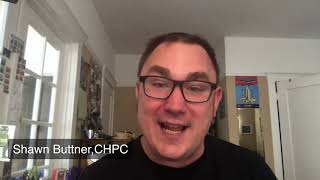
Sean Buttner, a high-performance coach with 12 years in corporate work, argues that poor communication is the biggest threat to any project. He shares five tactics: assume positive intent, understand the people involved, prioritize face-to-face conversation over text, keep the goal in focus, and fix conflict fast.
Chapters
Hey, everyone, this is Sean Butner, certified high performance coach here on a Sunday for you. I hope you all are well. I just wanted to do something this quick live video here on Facebook and my Facebook page. Anyways, so what I wanted to talk about is something that I've been living through personally and something that I've kind of learned being in corporate America for over, like 12 years, I think it is. And that is the one big enemy of projects. And, you know, there's a lot of things that could go wrong on a project personally. Me and my fiance are planning on getting married in about three weeks as I'm recording this. So super stoked. We've been able to get through it without any major freakouts yet. So knock on wood, that that continues forward. But we, you know, it really talking with some of my clients and then having lived, you know, this project that is setting up a wedding, it kind of reminded me that the huge thing that will make or break any project, whether that's at work, whether that's a personal project like mine, or any other type of project, it comes down to communication, right? You're fighting bad communication when you're on a project. And that could really kind of look like a couple of different things. It could be like if you're conflict avoidant or the people of the project are conflict avoidant, you don't have those tough discussions and the project suffers because you're not making the best decisions or if you've ever been on and I've had work projects that have just slogged on for way too long and people's souls are crushed. And so it's really hard to be attentive. It's really hard to catch mistakes. It's really hard to step up or add more to your plate when you just don't have it in you because you're completely exhausted. So, you know, in either of those cases too, if you're completely exhausted, it's been going on for so long, somebody's not speaking up to say, hey, we need to, you know, take a break. We need to figure out how we can reconfigure this, maybe scale it down so we deliver something and get a win for the team to get to that next level. So when it comes to having good communication on a project, then, you know, because if nobody's talking or anyone, everyone's so exhausted they can't talk that the project suffers. You know, when you have something good, you know, you're communicating openly, you're communicating, you know, from your heart and you're able to kind of tackle those things. And so when I. There's five things that I think of when it comes to communicating. And this is really good for relationships, not just projects, but you know, because really projects are just relationship building. If you have a good relationship with all the people that you're working with or on the thing personally or professionally, then it's going to be a more enjoyable experience if you're versus being at each other's throats. So what are my five things? When you're working on a project or, or just trying to build relationships with people, the first big thing for me is to always assume positive intent. And this could be a really hard one. But you know, when somebody writes out an email or is making a suggestion sometimes, and I've seen this in my professional career, that people take it very personally or they hear it, half hear it and they hear it wrong and then they're all, you know, up in arms ready to burn everything down because they're upset. So how do you get around that is if somebody says something or somebody is doing something and you know, you think the worst of it, that's going to feed into negative emotions. So if they're like, what if they were just trying to help or trying to help in the way that they knew how with the information they knew how having that frame and can really weed out a lot of that negative emotions like it generated. So that is my first suggestion. When you're working with other people on a project or relationships, the second thing is to just understand the people involved. And that means showing interest. It's not just always about did you get the task done? Okay? Did you get the task done okay? Did you get the task done okay? You know, that gets old really, really, really quick. So you know, do they have kids do. And this is like classic Dale Carnegie stuff, like, do they have kids? Do they like sports teams? You know, do they play music, do they create art? You know, what are they when they're not working? And in some cases when they spend the very little time they're not at work out in the world, what are they doing? You know what really inspires them? Get them talking about that you'll build a better connection and you can build a little bit more when you have a better connection, you can have a little bit more safety if you have to have a tough conversation. Okay, so the first one, assume positive intent. The second is understand all the people involved. Third thing that I think is really key when you're building relationships or working on A project is prioritize human interaction over text. And that's emails, that's IMs, that's all that kind of stuff. Because at the end of the day, one experience I had for my corporate days is somebody got an email from someone that spoke British English, and she was American and so American English. And I have to make that distinction because they're different. But she got an email that said, hey, you took notes at this meeting. It was really exhausted, you know, kind of short, kind of weird sounding. And she personally took it as like, oh, he was tired after reading my things. He's complaining personally to me. It's a direct assault on me. I'm gonna go talk to his manager. I'm gonna go get him. Fight. You know, it's like she was set off and she's like, hey, what do you think about this? And thankfully, like, and for her, like, she had. She's like, maybe I should get another opinion before I complete completely blow this thing open. And it turns out that he was complimenting her on doing such a thorough job on the notes. Like, hey, just go talk to him, like, before you go crazy, just ask him what he meant by it and see what happens. And sure enough, like, she did, and she's like, oh, he was complimenting me. I got all upset for nothing, you know, and that is why face interaction, you know, person to person, or as close as you can get to it, is really important when you're working on a team, on a project, or especially in your relationships. If all you do is talk to your wife or husband through text messages and emails, and you don't have that face to face connection regularly, then I think your relationship's in trouble because, you know, you can't read people's emotions, and people want to feel connected. They want to feel the other person, right? So personal interaction over text. The fourth thing in relationships, more so in projects, is to know the goal, right? So for my wedding, the goal is that me and Ashley end up getting married at the end of it, right? All the other stuff is important, you know, family members, food, all the little decisions you're making. But for me, at the end of the day, if, you know, we get married, then it was successful if things weren't perfect, okay? You know, think life's messy so you can't get caught up on that. But, you know, in the times, because I've had it, I know Ashley's had it. And I'm sure if you've ever planned a wedding, you've had it at some point. Where you're, like, obsessing over some small detail and it's driving you absolutely crazy. And you just gotta remember, like, is this the goal or is there a bigger goal that we're working towards? And, you know, in a business setting, it's, you know, what does the project accomplish for your team, for the company, for your consumers, the customers, the clients? You know, that whole stuff, you know, if you can reconnect that you're frustrated because your Gantt chart got messed up, because some timing got goofed up. Instead of being like, oh, when we deliver this project, it's going to help millions of people do this better. Right? Whatever that is, you know, in tech, it's going to make these people's jobs better when we complete this project internally. Right. That is going to really help keep you focused and sane. Right. And I think with the wedding planning, it's definitely kept me sane. So, okay, so we got, number one, assume positive intent in a project or building relationships, understand the other person, take an interest in them. Classic Dale Carnegie. Again, third, prioritize human interaction over text. And then fourth, know the goal. My final point is to know when there's conflict, to confront it and then repair it quickly. Right. So thankfully, in my personal, like, project at the wedding, there's been a couple of times where it's gotten a little tense. But, you know, when you assume positive. Positive intent, that's the word. When you understand how the other person communicates and handles and processes information and how that's different from you. When you can prioritize and see that your partner is paying attention or not or is getting upset or not, you know that that's really key. If you understand your partner's getting upset, you can act and do something proactive. That's good and doesn't let it blow up later. If you can remind yourself of the goal, then when it comes to like, hey, I don't care about tablecloths, and I know this is really stressing you out, which is really stressing me out. So. So let's have this conversation. Just make a decision. Okay. We didn't really have that problem. But as an example, when you can confront something that's bugging people, or if you're in a meeting and can call out when people are being quiet because they're pissed off, that gives you a superpower of influence and getting people to listen to you. And more importantly, it allows you to repair so people feel more in harmony. And, you know, personally, I always think that we're all in this together, so we can get through this with the least amount of unnecessarily, emotionally set off people. Then you know, one, the world's a better place. But two, that just makes a better work environment or project environment or home environment in my case. So I hope you loved these five tactics for surviving a project, building relationships and fighting the one big enemy in a project, which is communication. So again, those five points are assume positive intent, understand the other person or people involved, prioritize FaceTime versus text, know the goal and then confront and repair quickly. I know this will serve you and help you, you know, advance your projects in your life even quicker. So I hope you enjoyed this. If you're curious about what high performance coaching is, because I am a high performance coach, real quick, just two seconds, you can go to Sean Coach. I have a video there and an application you can fill out for a free one hour strategy session to try it out and to get actual plan in your life tailored to your life with tools and strategies that we know really help people have those breakthroughs to advance quicker in their personal development. So just fill out the application, I check to make sure that we're a good fit, that I can help you and kind of helps guide the kind of conversation and then we go from there. So if you're interested again www.sean coach that's my plug for this video. I hope you loved it guys and I'll see you next week. Take care.










