Reflection of Psychotherapy Placement with Leona Xi. Resiliency of Hearing Loss
In this conversational interview, therapist‑in‑training Leona Xi discusses her personal experience living with hearing loss while completing her psychotherapy placement through Karma Cares, and host Shawna Lynne (a lifelong educator of the deaf and hard‑of‑hearing) explores the challenges and supports that shape Leona’s transition from graduate school to independent practice. Leona describes how Shawna’s immediate recognition of her hearing loss made her feel seen and motivated her to use her lived experience to help others. They examine common barriers for deaf/Hard‑of‑hearing individuals—communication difficulties, social isolation, stigma, and limited accessibility in higher education—while highlighting the role of determination, community, vulnerability, and mental‑health self‑care. Shawna shares her own ADHD struggles, emphasizing the importance of openness and shared humanity. The dialogue culminates in a concrete call to action: Leona needs roughly 80 supervised therapy hours by early July, and viewers are invited to book sessions or donate to help her meet this requirement. The conversation weaves themes of resilience, identity, accessibility advocacy, and the value of playful coping strategies.
Chapters
I just—
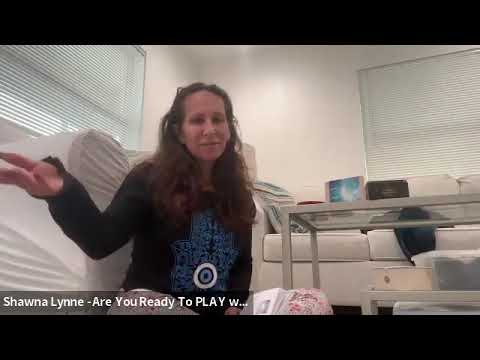
tell me. Hello, everybody. I'm here with Leona, one of my student therapists who is graduating from Yorkville and doing her hours and learning how to transition from education to employment with all of the things that they don't teach you in school. So part of this journey of working with Karma Cares is learning How to become a therapist. What are your choices? How do you set yourself up for success when there's so many options and so many choices and you don't know which way to go, right? It's not like you're working somewhere where people are teaching you. When you leave school, all of a sudden you're alone. It's a little scary. So we're on the journey of where Leona's going. She's still looking for clients. So if you're watching this and You wanna have a couple of conversations about what therapy is. You wanna look at yourself, maybe even discover what kind of therapy you need. Leona has a head full of ideas that you can access. So here we go. Let's— we're gonna have a conversation of what we are doing together. Good morning.
Good morning, Shannon. Thank you for having me here.
So excited.
Yeah.
So I do want to let everyone know is Leona came to me and as in an interview and didn't tell me anything about her hearing loss. And I, as a teacher of the deaf and hard of hearing my whole life, I caught it right away and I had a million questions. And through it, we discovered we had so much in common of a community that we never met. It's pretty wild. When that happens. So how's that been for you, me jumping right into like the one thing you hide from people?
I, I was— that was unexpected, but I, I thought it was really unexpected, but I felt— actually felt really seen because you pick it up right away. So I, I felt like it was, it was meant to be, but Yeah, it was a great opportunity to meet you and then to realize it's amazing how we just come together and then, you know, I know about your experience with the deaf and hard of hearing and then you pick it up right away. So I felt really seen. I felt like there was my opportunity to hopefully use my personal experience. As a hard of hearing individual, a student who's studying, who's almost done counseling, and who's been providing counseling for a while now, and I am really looking forward to working with individuals who also have hearing loss, and I have, yeah, I just felt like it was—
I'm sorry, It wasn't—
it was totally unexpected, but I'm so grateful to having to meet Shawna, to be here, and to reach out to people who need my— who need support.
Right.
And who— and I feel like I am— I'm in the right place and time because I have— I understand what it's like to have a human lost. Yes.
It, it, it, uh, thank you. I'm so honored that you're in this conversation with me and that you accepted my intense, um, uncomfortableness in your life. I, I know who I am. I was so curious when I met you that you did so well and you were in this place of success and that you didn't ask for help. You were going into a helping field and you didn't use your own voice. I was really curious of what were your barriers, because that's the biggest place I work in my life, is helping people find their voice.
Mm-hmm.
And here you were so successful. And not using your voice. And I wanted to know what that— like, what happened along the way that you were just okay? Are you okay? Was it really hard not to use your voice? Would you rather use your voice? That's that place where, like, I'm so curious. Because I use my ADHD as my Guiding, like, I totally live my life at this disadvantage, and I have to talk about it all the time. Otherwise, I'm like an anxious mess.
I think that's it. Yes, that's— I appreciate you sharing that, Shannon, and asking that question. So how did I get here? It's a long story. I feel like You know, as a person with hearing loss, of course there are barriers, and I know I'm not the only one. And I think hearing loss can create obstacles in my personal experience, and I'm sure a lot of people with hearing loss can relate, like obstacles in terms of communication, social interaction, and having a hearing loss can make it difficult to connect with others in a more effective, efficient way and having to navigate everyday situations overall. So I, but I think for me it was definitely a challenge, but I've had support like from my attending teacher. I've been to deaf and hard of hearing Classes are mainstream as well. So, so along the way, like with the support and also with great determination, all these challenges can be overcome.
I love that. Stay there for a second. Do you know how beautiful that sounds?
Like, really?
Yeah, honestly, like, take a moment to really Be so proud of yourself. So often people with challenges don't want to put that determination in, right? Like, it's hard.
It is so hard, right?
So that's the place where when I hear that you are on this journey of finding who you are as a therapist, whatever you did in your mind every day to stay in determination, That is the key of therapy.
Yes, it is. It is. It takes a lot of effort, a lot of time, a lot of dedication, and a lot of believing in yourself.
Is it worth it?
Oh, it's Worth it, especially in my case. And I've heard— I felt like it's worth it to keep going and, and not be— to not be afraid to take on challenges and to also not to be afraid to reach out for support when you really need it.
Oh, I love that.
Yeah.
Right? You really showed me, actually, you do that. Like, you actually live that. You were so open to every decision I brought to you. You were very honest and told me, like, I could do this, I'm not sure about this, I need help. Like, you were really communicative. You were very open. You were very vulnerable and strong.
Mm-hmm. I think it's vulnerability and strong come together, not the strength. And I feel like I love that you pointed that out, to be honest, because vulnerability can be scary.
Sure.
But in order to— this is my opinion, but in order to find strength, you need to have the ability to open up and to, even if, and it also comes in a form of helping, like seeking help, vulnerability, like seeking help and then talking about what you're going through and then what you need and finding it by doing so, It can lead you to the right places and to the right people and to the right kind of support that you need. And I feel like my personal journey, as you asked earlier, it really has taught me resilience and taught me the value of not just communication, but the value of community. And my hope is to hopefully inspire others who are facing similar challenges to embrace that and to really strive for independence no matter what barriers they encounter.
I love that. I think that's so powerful. I think that fear of vulnerability is so scary, like you said, even for me, like, I want to be a leader. I want to be a mentor. I want to run things. But my ADHD gets in the way of some of that. I'm not so responsible with paperwork and like making sure things are done all the time. It's hard for me. And I love the conversation. I also can't hide. Like, if I'm worried about you, I'm going to tell you. You're in my community. I want to make sure you're okay all the time. Right? Like, I hate to see you not feel good because things aren't working your way. You had a lot of challenges ahead of you, and no one was there to show you what to do. And you're resilient, but it gets exhausting after a while trying to figure everything out all the time.
Mm-hmm.
So I like to share as much as possible with people and For me, I put my vulnerability on the table. Like, I really want to be helpful to everyone. Sometimes I'm good at it. Sometimes I'm in your face, right? I need to have that flow that I'm human too. I'm not just a leader. I'm a human being every day.
Yes, I love that too when you say about the importance of realizing that we are human beings and we all have I mean, we can be— I mean, we can be as strong as we can and we can put on an armor or whatnot, but we all need one another. We all need to come together and support one another and lean onto each other. And I love that because I think it's easy to forget that we are human beings and that we need to Like, I know I talk about independence, but we also need one another to come together and to support one another, lift each other up. And yes, and I feel like that actively working on our own journey is also part of our Road to, I guess, independent determination, but also our road to building our own self, like building ourselves up.
Identity.
Yes, and identity. Yes, exactly. Thank you. Exactly, our identity.
That's the word I keep—
Yes, yes.
I'm like, who are you?
Am I right? Yeah. Exactly. And thank you for sharing about your ADHD. I admire your Resilience and your strength in managing it.
Some days it is like it could really— like, honestly, I could fail easily every day. It really is a headspace to get up, get out of bed, brush your teeth, take your vitamins, stretch, exercise, get on the computer, answer your emails, look at your schedule, eat. Like, those things aren't natural to me. I just wanna like be a fairy. I wanna do nothing all day.
That'd be nice. Right?
Like, I wanna read. I wanna like learn. I just wanna talk about all the things I'm thinking. But unfortunately, you can't make money by doing that just yet. I'm trying to figure it out.
I know it's everything, but it takes a lot of courage to face those unique challenges that you're having.
And yeah, having fun with it.
Yes, yes, fun is important.
If you sat every day and thought about how awful your hearing loss is, like, you'd be miserable. You wouldn't want to do anything.
I agree.
But there's a place where there's pity, there's grief. Okay, I'm not typical. Thank you, I know this. Then we go right to the other side, right? All the things we can do, all the ways that technology can help us now, how we can change our brain.
Yes, I, I think it's amazing how we're in this wonderful time where we have a lot of tools and knowledge and guidance more than ever.
Thank you.
Than years before, and we're in a great place where we can reach out for these resources to help us, like whether it's my hearing loss or ADHD or any other challenges that any people can face. And I love that you mentioned about finding joy in everyday activities. It really makes such significant differences in not just happiness, but Overall mental health. And incorporating like play and fun is crucial because like it not only provides enjoyment, but it's such a powerful tool for coping, for learning, and connecting others, but connecting with ourselves. So I love that embracing that playful side of life, it really leads to I truly believe, and as you said, it leads to fulfilling resilience journey.
Oh, yeah, my language. That's exactly how I feel. I love— I need to do something every day that makes me feel good.
Right? Yeah.
Otherwise, I'm gonna like— I could be miserable all day. It's cold outside. I'm alone. I'm working all day on the computer.
Yeah.
Right? Like, I hate that stuff. But I chose— I knew my friend, like I said before, my friend was going to be at another friend's house. I'm going to leave, close my computer, leave, go get a hug, share some energy, and come home. So I felt some love today.
Yes. It's important, like, to get out. Yeah.
And this is a great conversation. I'm so grateful. That you really did step into a lot of— I'm like, hey, come into my community, but wait a second, we need to talk about your hearing loss. But yes, it needs to be on the table. I want to know exactly what you need for accessibility. And your voice as an adult is really important, especially when you come out of a system of education where I don't think was so accessible.
It wasn't.
Sorry, go ahead.
Oh, it's okay. It wasn't accessible, but I'm fortunate enough to have found the right support. It was challenging, I have to admit, but I think growing up with a hearing loss, it was challenging because there were only— I don't want to use limited, but limited support. But it was— but I'm grateful for that because even though it was limited, it was those little— Support. Kind of support that really helped me prepare to the future. So I think in the beginning it was certainly a little bit challenging, but I have itinerant teachers, I have people who are part of the special needs program, who work in a special needs program in elementary and high school. I think the most challenging part was when I find it like is when I finished high school, when I go to college and university, and that's when I realized, oh no, we're on our own.
Yeah, right?
But I feel like all that support that I've had before university and college helped, but it took a lot of— but it's taken a lot of time in terms of working on myself and really overcoming challenges. And I thought that's why mental health, taking care of your own mental health is so important because when you deal with challenges, no matter what degree of challenge you face or no matter what kind of Situation. It's tricky. It can lead to downfall.
So easy, right?
In a minute. So hard.
A minute.
And I think, yeah, I think if you are—
if you are smart enough yourself, or you have someone pushing you, you're so lucky, even if it's so uncomfortable. Yeah, that gap between high school and real life. If you recognize that you need a bridge, you need a plan.
Exactly.
Like, if you recognize that you can ask for this stuff, people aren't going to like it, but it's your human right. We need to ask. We need to stand up and say, this is easy accessibility. Do this for me. When we feel worthy of asking, for accessibility, for people to do things for us and put our vulnerability, everything changes for better. We feel better.
Yeah.
Right? You, you're not anxious with me because you know whatever you need will adjust as you figure it out. I have no expectations other than you find your flow.
Mm-hmm.
And whatever that is will be yours. And I think that we've been working on that.
Yeah, I, I love that when you said finding your own flow. It is so important to find your own flow because we're all different, we're all unique, we have different— even though I have a hearing loss, another person have a hearing loss, we have that similarity, but we still are a different person. We still have our own unique challenges, and I think When I talk about finding your own flow, it really takes a lot of not just seeking out for support, but it really does— like, I go back to the idea of inner work. And I think that's why taking care of our mental health is essential. And this is what led me to where I am today. Excuse me. But I feel like Although, like, when we talk about education, it's great we have that support education, education and support, but being a person with hearing loss, like I mentioned, it comes with social isolation, communication barrier, and the stigma that comes to it. With the hearing loss, the stigma, it can really contribute to feelings of anxiety and depression.
Addiction. Yeah.
Yeah, so, and it's important for those with hearing loss, anybody, not just with hearing loss, to prioritize that, their mental health, and seek out the supportive resources and to really understand how, what they need, and to hone on to their unique you know, unique skills that they have so that they can live a fulfilling, successful life.
Yeah.
It's not easy. It is not. It takes a lot of determination, a lot of effort, like I mentioned. But, and this is how I kind of thought, how come about in terms of coming to work in the mental health field, because I wanted to use My experiences, and I understand the challenges that come with it. And I felt that, you know, even though I'm a human being and of course I, you know, I still have— I still face challenges, but I understand what it's like. And I wanted to be there for those to let them know that it's okay and to seek help and so that they can have the right support to thrive academically or professionally or in a relationship to really succeed and develop and hone in to really hone in within themselves to To realize that they have the power to fulfill future.
Wow, you really became a therapist in the last couple of weeks. That sounded beautiful. Wow, like really healthy and really strong and really smart. Good reflection. Very impressed. I think that you are so capable of holding space for people to step into that belief system that they too can make a difference in their own lives. I'm really like, I'm really proud of you. That was a lot of work to get here. And I've watched you over the last like, what, 4 months, I think, 5 months of—
About so, yes.
Of nurturing your strength as a therapist and leaving school. And wow, like, this has been really impressive to hear how you have Gone on that journey.
Thank you so much.
I'm really excited. And hopefully this— I'm going to— this is going to go on my YouTube and my Instagram, and hopefully people will book. And how many hours do you need left?
Well, I, I need about— right now, currently, about 80 hours.
Okay, we need 80 hours to fill up before— what's the date? Before when?
Hopefully soon. I can't say, but by July, by early summer.
Okay, by July 1st, we would like Leona to have 80 hours of conversation. If you are looking for a free conversation or you want to make a donation at any time, you could do that. Right now she wants those 80 hours and As you've listened to this incredible conversation, she's really powerful and ready to be a leader in therapy. Good for you for holding space for all of that.
Thank you.
It is. I've really watched you grow, and I'm really excited for you to get those 80 hours before July 1st. Help us do it. Okay, we're doing it. If you are part of my community and your child has a hearing loss, or you know someone with a hearing loss, or Anyone from Voice or anything, please talk to Leona as a parent, as a grandparent, anybody. Get her— like, book her just to have the conversation what adversity feels like. That is therapy, understanding how to get up every day and really take mental health as a responsibility.
Yes.
Right? To form your identity, because it's only one part of you. It is not all of you. Having a hearing loss is one part. Everything else is just human being. So if you want to help us, please go on Karma Cares, put in your profile, and book Leona for a couple conversations. 5 at a time would be awesome. That's like, what, 80 divided by 5? That's 40 people. No, 4. I can't do my math. 4.
80 divided by 5. That's a good question. That's what— yeah, whatever.
We need about 10 people. 10 people at 10 hours is 100. 10 people at 8 hours. 8 people at 10 hours. 16 people at 5 hours.
That's true.
But it would be— we need 16 people who want to give 5 hours of their time to really see what adversity feels like and Ask Leona some questions. Her mind is just big and beautiful.
Yay! Thank you so much for having me.
Yeah, this is wonderful. Thanks for like being so vulnerable with me. I think it's gonna help a lot of people out there believe that they too have possibilities. So, okay.
I appreciate it. Thank you so much for having me. And yeah, let's figure out the date.
Let's figure out the dates that we're holding our group therapy.
Let's—
let me know when you have those flyers and we have the dates, and we'll put them up on our— on my social media.
Do you have a preference of when?
How about we talk about that another day? Let me look at my calendar.
Yeah, sounds good. Okay.
Why don't you send me 5 dates you're thinking, and I'll tell you if I'm free?
Okay, sounds good. Okay, actually, do you have to go now? I just wanted to do something quick.
Let me stop this. Okay. Thanks for stopping in. And, uh, remember, Karma Cares Community, we're here for you in any way.
More from Shawna
The Mental Health Menu serves the Delulu Diet: What Are You Feeding Your Brain Every Day?


The Mental Health Menu - What Are You Feeding Your Brain Every Day? Try the Delulu Diet:
A Spiritual Journey: Finding Myself in 2026. Redesigning my Identity & making Healthy a personality!

Get Off the Couch: Find Purpose, & Explore All the Possibilities of Movement, Fun, and Activities


Raw, real and asking for help. Choose to be healthier. Start making better decisions. Choose Change.