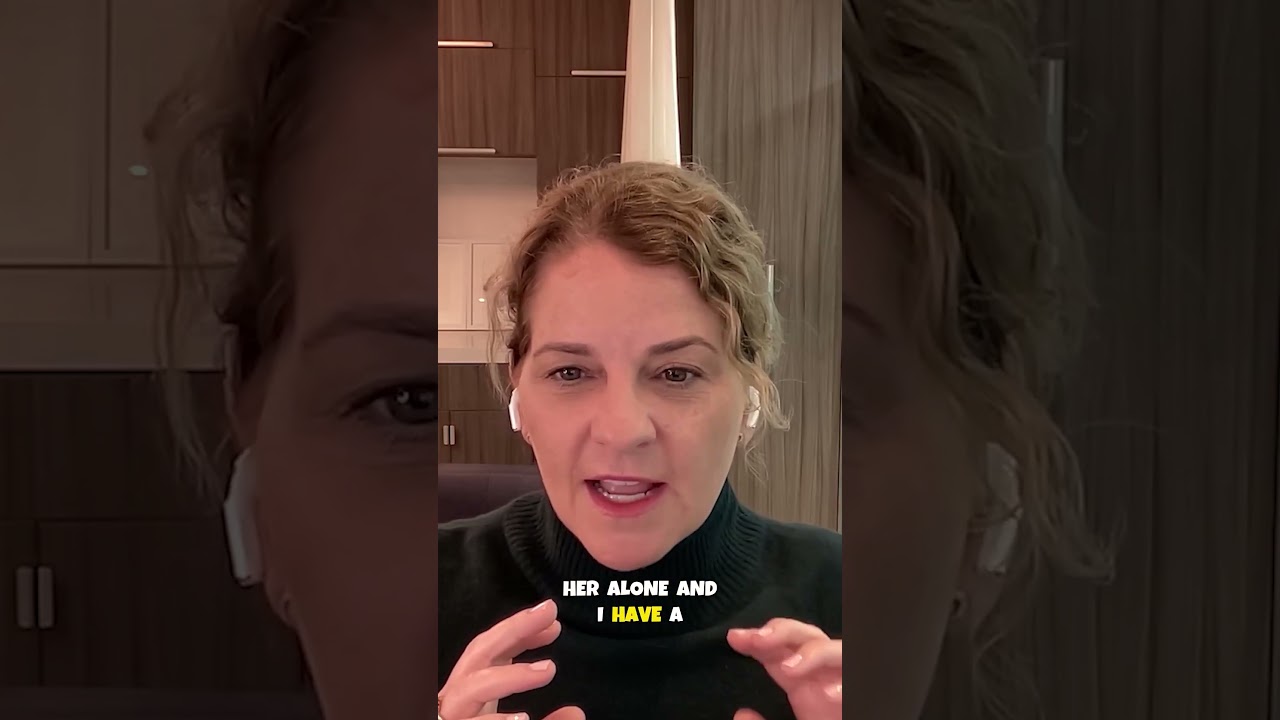
Why Couples Lose Desire (And How to Get It Back) | Dr. Anna Elton

In this episode of Sex Advice for Seniors, host Suzanne Noble interviews Dr. Anna Elton, a licensed marriage and family therapist, clinical sexologist, and author of The Formula of Desire. Dr. Elton draws on over 15 years of clinical experience and research with more than 700 couples to explain why desire often wanes in long‑term relationships and how couples can revive it. She distinguishes desire (a psychological, neurochemical process) from arousal (a physiological response) and clarifies the difference between spontaneous and responsive desire, arguing that what appears "spontaneous" is actually the result of intentional effort and novelty. The conversation introduces practical tools such as the A‑Z date‑night exercise, the concept of "consensual uncertainty" (mystery dates), and the "do‑for, do‑with, cheer‑on" approach to shared planning. Dr. Elton also presents a three‑persona framework (individual, couple, family) to help partners balance personal interests, the partnership, and parenting responsibilities. She discusses desire diversion—how erotic energy can shift toward other people or life domains—and defines a sexless marriage (≤10 sexual encounters per year). Throughout, she emphasizes small rituals (flirting, 20‑second hugs, regular check‑ins) that sustain emotional connection and prevent couples from regressing to superficial communication. The interview blends clinical insight, anecdotal examples, and actionable advice for couples of all ages, especially those navigating later‑life relationships.
Chapters
You know, with like, if you do something right and then you feel like you know your partner well, so you're not curious, maybe you're not even seeing them through that, you know, sexy lens, right? And then all of a sudden you do something like, I don't know, you go like— so that couple, they start, uh, they went salsa dancing, they did a bunch of things. And then, you know, the wife, she shared and she said like, oh wow, he's actually such a good dancer, he's so sexy, and all the women looking at him. And I was like, he's mine. So that was like, that's where like you kind of like, oh, like you don't see your partner doing this at home, but then now like— or like axe throwing, oh wow, he's Strong. I like that.
One of the things that women hate is when men say to them, I don't know, honey, what would you like to do? Right? And it becomes this familiar dynamic where he goes, what are we doing this weekend? And suddenly, in addition to all the other activities that she's got to plan, you know, especially if she's got grandchildren, caring responsibilities, all of this, now she's got to figure out what they're going to be doing for the weekend as well. And sometimes that can feel like the most unsexy thing in the world.
And the big aha moment was in 2017. I talked to this couple and they say, I asked them like, when was the last time you spent time together? When you did something like, oh, we go out to eat all the time. And I said, so when was the last time? And they said, oh, just last week. And I said, just two of you, right? And they said, oh no, no, no, with kids. And I said, so when was the last time just two of you did something together as a couple, romantic couple, not as parents, right? 'As a couple?' They said, 'Oh, before the kids, 10 years ago.' Oh my God. And again, I see this all the time, right?
Hi, this is Suzanne Noble, and you are listening to Sex Advice for Seniors. And today we're talking about one of the most misunderstood parts of later life relationships, which is desire. And our guest is Dr. Anna Elton, a licensed marriage and family therapist, clinical sexologist, author of a newly published book called The Formula of Desire. And she's a relationship expert whose work explores how intimacy, attraction, and emotional connection evolve across the lifespan. And she's got more than 15 years of clinical experience and research with over 700 couples. That's a lot of couples. Dr. Elton helps people understand why love and desire don't always move in lockstep and what couples can do when passion, closeness, or sexual connection begins to shift over time. It's a super popular topic amongst my older audience. So, uh, Dr. Anna, welcome to Sex Advice for Seniors.
Thank you for having me here. And again, this whole project, my book, my research, it's also personal to me. I've been with my husband for 25 years.
Wow.
So he's my first subject test subject before I can recommend anything to my clients.
Well, you know, I always say, because I'm not a licensed therapist, I'm not— I don't have a degree, but I've slept with a lot of people. And I always say that the best experience that you can have is just if you share what you know rather than what you read in books. So I'm going to skip my first question because now I'm fascinated, of course. So 25 years is, is good going. I've lasted about 25 minutes and I'm wondering how this all came about then.
So I met my husband in high school and yeah, it's been 25 years and again, ups and downs in the relationship, like any relationships. We have 3 kids, we have 3 boys. He promised me a girl 3 times, can't be trusted. So I got the point. I'm boy mom. And again, like, this is where, like, I was looking at my relationship with my husband. I was looking at, you know, my couples coming in, like, to ask for help. And what's interesting that I realized that me and my husband were able to maintain that desire through the years, right? And then I started seeing couples who are in their 20s, early 30s, and they have no desire. They're in sexless marriages. And for me, it was something fascinating. I'm thinking, like, what am I doing right with my husband? That some of the younger couples not doing in their relationships. And that's when I was going through my PhD in clinical sexology, and when I had to pick my topic for dissertation, I decided to focus on low desire and mismatch desire in long-term couples.
And so I'm curious because, do you know what, the word desire often gets misused, I think, and, and often used alongside arousal. And they are very— two very, very different things that I think people often mistake one for the other, like not having desire, not having— not being able to get aroused. What does desire actually mean?
So desire is the psychological part of things. It's in your head, right? That's when you have the cocktail of different neurotransmitters and hormones and everything that's going on. It's all mixed together, right? We have dopamine, which is the motivation, the persuasion, that's the, you know, the gas pedal for your desire, right? It, you know, helps with, you know, having that dopamine helps us to feel good and connected and start the process, right? We have adrenaline, which also helps with, you know, fueling that desire. We have oxytocin, love and bonding hormone. We have serotonin. So we have a lot of different things that going on in our brain for us to feel desire. We also have a little bit of Cortisol. Cortisol. Yes, we have the cortisol. And again, like, the cortisol that's good in, like, early relationships in this honeymoon stage, right? It can be extremely damaging in long-term relationships when it's the chronic cortisol. It's actually Dal's desire. So desire is in your head, is psychological. Arousal is in your body, it's physiological. Oh, and again, um, that's where, like, you have two separate types of desire. So you have spontaneous desire and you have responsive desire. Yeah, so spontaneous desire that's when you have desire psychological part first, you have desire in your mind, then you have the physiological part, you have the arousal, right? And then you have the act. So with spontaneous desire, it actually starts with connection, then you have the arousal, and then you have the desire.
Ah, I see. Okay, because often the word spontaneous arousal and responsive arousal also get used in a very similar way to indicate that one of them is more kind of context-based, like responsive arousal is more context-based. Spontaneous arousal is more like you see somebody and you're like, whoa, I really, you know, I'm feeling juiced up about this. I want this to go somewhere sexual, right? So you, you know, you often say that desire changes, but it doesn't disappear in long-term relationships. And what does that actually mean for couples in later life?
So before I even go there, I want to actually challenge the idea of spontaneous desire. And what's interesting, because when I was doing my research, I was thinking about like, what is spontaneous desire, right? A lot of couples come in and say like, I want to have that spontaneous again. I have responsive, right? Sure, we plan our sex and then we have the response of, and it's great, but I want that excitement. And when I start thinking back, and when I was interviewing couples and what I was thinking back to my relationship, uh, realize that you actually put a lot of work, attention, and intention into that spontaneous desire. It's actually well-orchestrated desire because think about, you know, early on you meet someone, you're excited about them, you prepare for that date, right? For women, you do hair and makeup, you pick your outfit. For men, probably they also pick the outfit and the shave. They do whatever they need to do, right? And then you also anticipate, and when you anticipate, it does a lot of legwork for your desire because now you're fantasizing how the night ends, what are you gonna do, right? Maybe even sexting. So there's a lot of things that put in, then you have a date, right? That's the connection, new experience, and that novelty increases desire, right? And then also, you know how the night ends, right? You will be intimate. So you do a lot of work to have the spontaneous desire in the end of the night, right? In long-term relationships, you have half an hour on a schedule, you're thinking about chores, right? And you put your sex somewhere in between, you know, doing dishes and doing laundry, right?
Yeah, yeah. So I would say that the, the— I often get confused by this, if I'm really honest, because for me spontaneous desire has always suggested to me, when I'm going back to when I'm a young person, I'm meeting somebody in a club, right? I'm all dressed up, I'm dancing, I've had a bit to drink, I'm talking to somebody in a club, there's no physical contact, but I'm super attracted to this person. I'm just like reflecting on when I met my husband, for example. Okay. I met my husband at a party. We're not married anymore. And, and, um, and he was, he looked really handsome to me and I was really like, and I looked across the room and I saw him and I was like, oh my God, that's the most handsome man I've ever seen in my life. Right. And I went over and I talked to him and we had a bit of connection. And then I literally made a pass at him and, you know, and, and snogged him, as we say in the UK, right? I would not be able to do that now, like, because I don't have that intense feeling now at my age that I had back when I was 25 years old. I don't have— I could be talking to— I, if my same husband was in the room, I could be talking to him, I could have a really nice time, it would all be great, but would I be snogging him at the end of the night? I I don't think I would because I just wouldn't have— I don't have that same stuff going on inside of me. The estrogen, the progesterone, like all of that stuff, it's not there anymore to kind of push me into that situation. Whereas if following that circumstance, he then starts, you know, start texting me telling me he thought I was really hot or interesting or funny or whatever, then I might start feeling that. And for me, that has always suggested there's a— there's a— it takes more work, essentially. That's what I— that's what I've noticed. So you're saying that all of this stuff that I'm associating with responsive desire, which is all that sexting, all of that preparation, all of that stuff— I associate that with responsive desire. You're saying that that is part of— also part of spontaneous desire?
Yes. So you actually put a lot of work in. And what's really interesting, so I work with older couples as well, and I've been seeing more and more couples in their 60s, 70s coming in to work on their relationship. And usually, you know, I would say 99.9% of couples come in to work on their communication, but then eventually they talk about sex. It is what it is, right? And I remember specifically this couple, they were in their late 70s, like 76, 78. And, you know, they've been together for many, many years, kids, grandkids, right? And then, you know, they weren't really connecting as much. And what I told them, you know, we talked about, you know, this emotional connection. I also talk about, you know, the novelty that brings desire back. And what I gave them, a simple exercise. So I told them, okay, let's do this thing, fun thing. So take the alphabet and do this A through Z date night. So take all the letters and think of different things that you can do as a couple again. So A could be axe throwing, A could be arcade night, A could be art gallery, right? B could be bowling, beach walk, burlesque, right? M is my favorite, movie and massage. Usually I do this with my husband. He picks a movie, I get a massage. I pick a movie, I get a massage. So my absolutely favorite. So this is one you— what the whole thing about desire and research on desire, that novelty, the new experience with your partner can actually increase desire.
Right, right.
You could be doing just fine, but then if you don't have new experiences, if you're part— if that's all part of routine, you don't have that excitement. That's why, like, I've been actually— I was talking to a journalist about traveling. You know, some people say that they don't engage in intimacy all the way until they go on vacation somewhere. And why? Why is that, right? Because you break out of that routine, you know, you have the new experience together, you're able to give that attention to your partner.
And the thing I was going to ask you, and now I have completely forgotten it.
I'm sure it will come back.
Yeah. Oh, I know. Yeah. Novelty is— Esther Perel always says that distance breeds desire and that there always needs to be some degree of mystery. And often, as you say, mystery can just be novelty. Mystery can just be something which is around the unfamiliar. So it doesn't necessarily have to be something that's an inherent characteristic in your partner that you're just unfamiliar with. It can actually just be putting yourself into a new scenario that's unfamiliar, that creates an opportunity to see your partner perhaps in a new way or to share new experiences together that bring you closer together. So, you know, absolutely.
You know what, like if you do something right and then you feel like you know your partner well, so you're not curious, maybe you're not even seeing them through that. Sexy lens, right? And then all of a sudden you do something like, I don't know, you go like, so that couple, they start, they went salsa dancing, they did a bunch of things. And then, you know, the wife, she shared and she said like, oh wow, he's actually such a good dancer. He's so sexy and all the women looking at him. And I was like, he's mine. So that was like, that's where like, you kind of like, oh, like you don't see your partner doing this at home, but then now like, or like axe throwing. Oh wow. He's strong. I like that. You know, things like that helps you to feel more desire. Yeah, yeah, so, and also like what I was thinking with, you know, that whenever there's a routine, you need to bring the novelty. And then what's the novelty? So one of the things that I talk about in my book is consensual uncertainty. So it's the new way to go on dates. And again, if it's possible, it doesn't have to be every single date, right? I feel like it's impossible to do it every single time, but when you do it, you can do it right. So The way it works, so you take your partner on a date, but instead of going in the same car from the same home, right, you tell them where to meet. So you make it a mystery, right? You just tell them, okay, meet me at this place. And that's the outfit. Like, is it formal? Is it sporty? Like, whatever it is, is it casual, business casual? And that's it. And then the rest, you just kind of like almost like, you know, do have this first date again. And have different experiences and you take turns.
Well, and that was going to be my next question is because do you know what, I, I suspect lots of women, and I'm one of them, fall into the category of the planner, the person who is always doing the planning. And I'm sure that you've heard from many couples that one of the things that women hate is when men say to them, I don't know, honey, what would you like to do? Right? And it becomes this familiar dynamic where he goes, what are we doing this weekend? And suddenly, in addition to all the other activities that she's got to plan, you know, especially if she's got grandchildren, caring responsibilities, all of this, now she's got to figure out what they're going to be doing for the weekend as well. And sometimes that can feel like the most unsexy thing in the world to be cast in that planning role all of the time. So when you said that they take turns, I was like, yes, Yes, and I think the other thing about the taking turns, and it's something that I've heard from people as well, is that often men will say, I'm scared of getting it wrong, I'm scared of doing something that is not going to please her. How do you help men to overcome that feeling of like not feeling like they might be good enough if she's the one that's been doing all the planning for 20 years?
I mean, it could be both things, right? Like he knows that she does it well and he's never done it before, so it's the courage to actually take the first step and do it. And also from the wife's perspective, if maybe he's saying like, I'm afraid to do the wrong thing, maybe because every time he made an attempt, she would say, well, I would not do this this way. But just give that feedback, positive feedback to your partner. Even if you're not 100% like it, you can always say like, that was— thank you. Thank you for doing it. And maybe next time you can give some feedback later on, but then to make it better. But I would say try to focus on the moment. Right? And then if you not allow them to try, you know, they're not going to be able to do it. It's the do for, do with, cheer on. So that's what I usually teach parents and also wives.
Do for, do with, cheer on.
So you do for them, you know, you plan, then you do with. So this is some of the things that could be helpful, or this is the way like I usually do it and it works for me. Like you can do whatever you want, but some of the ideas and then cheer on. You know, you can do it. And it was amazing. Whatever he did, like, it was really cool.
Yeah, I was speaking to somebody and she said to me something about, you know, when he does those little things like empties the dishwasher spontaneously, you know, takes the wash out of the washing machine and puts it in the dryer. You have to say like, I really appreciate you doing that for me. I really appreciate— and I said, do we really have to say that? Do we really have to congratulate people for doing the stuff that they should be doing anyway? This particular therapist's view was, yes, we do. Yes, we do.
So I agree. And the reason why is because if we only notice what's not being done, right, that's what we see. And then that's what we say. So then when we look back, all our interactions or our thoughts are more of the negative, right? Like what's missing, what's absent, but not like what's— what we're grateful for. So when we actually say it out loud, First of all, we start focusing on good parts, right? We start thinking about it, we start saying, and then it changes the lens and the climate of the relationship.
Yeah, absolutely. So let's move on to this thought further about desire. You see the idea of desire diversion. Where does erotic energy go when it's no longer invested in the relationship?
So that was really interesting because when I was doing research and I was talking to couples and, you know, individual— not sometimes individual because maybe they will not admit admit, you know, in front of their partner that something is going on there on the side, right? But when I talk to individuals and I would ask them, so, um, you don't have desire for your partner, who do you have desire for? And sometimes they say, well, there's someone out there, you know, I have someone I feel emotionally connected, or sometimes not emotionally connected, right? But sometimes they say like, no one, I just don't have desire. But for me, it was not enough because I feel like it just doesn't fade. Right? It changes direction. And what's interesting, yes, it can change direction onto someone else, right? When someone gives you more attention, when you feel more desired by them, when you feel like they're fulfilling your needs or, you know, fantasies, whatever it is, right? Sure, that's the more infidelity path, right? But also it could be you focus on something else that you feel like you need attention. When you're with your partner, you focus on your partner, but then things are good when your relationship is committed. Sometimes you feel like you're done, The job is done. And then now you need to focus on parenting. You need to focus on your career. You need to focus maybe on getting back in shape after giving birth to children, right? And then you give that 100% attention or 90% attention on that. And you take away that desire from the relationship. So originally, when I was writing the book, The Formula of Desire, it was the formula of relational desire. So where your relational desire goes to, like, and then again, like desire is multiple things as the sexual, but again, being in relationship with your person. So I would say have like, so when it's internal, right? And again, like you think, well, I'm a good parent. So I have, you know, why is it bad thing? But in my book, I talk about the three selves, three personas. So when you're individual, you create your individual self with your hobbies, things that you do for yourself that makes you feel fulfilled and happy. When you meet someone else, you create additional persona. It's a couple's persona that you know, you do things with your partner and that one, you need to juggle both, right? You can't just be with your partner because you will be codependent, potentially toxic relationship, and you can lose yourself as a result. But then also you can't just focus on your own individual things, right? When you have your partner, you can't just keep going out with your friends and I don't know, playing soccer, like whatever it is, and then don't give any attention to a partner because that relationship would not last, right? You need to juggle both. And then when you have children, if you decide to have children, you have another persona. It's a family persona. So what I see with a lot of couples who come in and who struggle in their relationships, they try to fulfill their family persona. They try to fulfill their individual persona, but their couple's persona is neglected. And the big aha moment was in 2017. I talked to this couple and they say, I asked them like, when was the last time you spent time together when you did something like, oh, we go out to eat all the time. And I said, so when was the last time? And they said, oh, just last week. And I said, I said, just two of you, right? And they said, oh no, no, with kids. And I said, so when was the last time just two of you did something together as a couple, romantic couple, not as parents, right? But as a couple. They said, oh, before the kids, 10 years ago.
Oh my God.
And again, I see this all the time, right? And again, sexless marriages. So usually when you don't have that connection, you know, emotional connection, physical connection, intimacy declines. I see a lot of couples in sexless marriages and sometimes you would never assume, right? They're young, they're healthy, successful, and they're not intimate. And what's the definition of sexless marriage? It's 10 or less times per year. So it's about once a month.
Yeah, yeah.
You know, some couples who come in and say like, oh, that's the definition of sexless marriage, I'll take that over anything, whatever we have right now, because we haven't been intimate for 6 months. I actually work with a couple who haven't been intimate for 10 years.
Wow.
And they were in their 30s. Holy cow. That's the time when you want to have this hot sex, right? And then you're missing out on all the years and all the experiences.
Yeah, and, and I suspect that a lot of it is societal pressure that often young parents feel to be perfect parents, that they feel that parenting— suddenly when the kids come along, parenting becomes their primary role and they lose their sense of self. In favor of becoming this great parent to their kids. And it was actually my father who told me that I should always put my primary relationship with my partner before my children, because my kids are going to leave home, but my partner is still going to be there. And if you don't feed that relationship, eventually, when the kids leave home, you'll just be two people living under the same roof. And I think this is a very, very common occurrence. And what I'm seeing, as you've just said is that this sort of relationship is where people are just not being intimate with each other is happening earlier and earlier as people are being stressed out through work, raising kids, being the perfect parent, you know, taking the kids to all these activities. I mean, my son used to yell at me that I didn't want to take him to football, and I just said to him, do you know what, like, there's only so many hours in the day. And, and I don't have enough time for that. So either figure out a way to get there yourself or get someone else to take you, but it's not, it's not going to be me, you know. And, um, yeah, I suspect some people thought that was bad parenting on my part, but I just thought, I, you know, I need to create some space for myself in this, in this family dynamic. And I think it's clear that that's becoming more and more evident in relationships that there's just no sex, right? Um, and it's not— yeah, I mean, look, I didn't have sex in the last 4 years of my marriage, so I'm very familiar with this pattern of behavior. But I think, as you said, it all, it all goes back to, A, the communication that you've got between yourselves, and B, carving out time for actual, like, genuine— not just intimacy, but just quality time with your partner, which most people don't do. Um, what do— and I suspect you've already answered this question— but, um, what do couples who maintain passion over decades do differently from those who drift apart?
So a couple of things, right? So I would say, first of all, um, couples, they flirt with each other. So I think flirting is a huge, huge piece of the relationship. And that was something that when I was thinking about, you know, my relationship with my husband, right, I was always flirting, right? We always have this shared language, you know, inside jokes. Even when like kids in the room, we say something, I mean, not inappropriate, but something that we're like hinting that like, hey, you know, it's kind of nice. I'm looking forward to spend time with you tonight, right? When kids are asleep, you know, things like that. And like, you know, the little, you know, signs that like, you know, you want your partner, you desire your partner, even if you're, you know, tired, right? Just letting your partner know, like, hey, I'm tired right now, but I want to take a rain check, you know, I want to rip off that clothes, right? Yeah. That sometimes, like, from the research perspective, it's enough to have the— to feel relationship satisfied with your partner, just knowing that your partner desires you. Another thing I think with emotional connection, a lot of women say that if they don't feel emotionally connected to their partners, they can't be intimate with their partners. And then emotional connection, it always starts with communication, with talking. So back in the day, in 1970s, researchers developed social penetration theory, which is kind of interesting, right? If there's no social penetration, there will be no actual penetration. So the way we communicate and create this more intimate connection. So we start, it's like an onion. So they envision it as an onion. And then you always start on the outer layer of that onion, right? You, when you meet someone, you share just general details. About you, your name, your likes, dislikes. And then as you get to know the person, you go deeper and deeper and deeper into the core of that onion where you're sharing your aspirations, your dreams, your fears, right? And all the intimate, um, you know, details that someone else would not know about you. But what happens to long-term couples? They actually regress back to that outer layer of that onion, and they stop talking about intimate details. They stop talking about, you know, big things, important things. They I guess they talk about important things, but it's mostly chores and logistics. And what I hear for some of my couples were like, they would say like, well, my coworkers know me better than my partner. Right. And I always say, try to bring the check-ins back into your relationship, even if it's, you know, 5, 10 minutes a day, like something small, but if it's consistent, it helps with creating this connection again. I have this couple who's been together for, I don't know, maybe over 15 years, they came in, wife said, like, I don't have desire, right? She felt like her desire— she's like, I just don't know. I just don't have any desire. And again, like, is it medication? Is it stress? Is it like, what's going on with desire? What diminished desire, right? And then I told them, like, well, start small, you know, like, you need to start with, you know, trying to see what's going well in your relationship, right? Start with the check-in. So start with hugs. So 20-second hug, Hugs helps brain to release oxytocin, love and bonding hormone. So that helps you to feel more connected with your partner and actually decreases your stress level. So it's good for you. Hugging is good. So, and they started with the check-ins, right? And then, you know, they come in like a couple of sessions later and they're like, yeah, we have sex again. I was like, okay, good. And I said, like, do you have desire? She's like, yeah, I just have desire. You know, we have this special time. We put kids to sleep and then I look forward to go back to my husband and give him a hug. Cuddle, and I'm actually excited. And then, you know, then they've been coming, and then they said like, okay, like, I think we're doing good, so now let's do monthly check-ins. And then when summer happened, you know, they stopped checking in. And then when they came and they said— so because we work on their sex life, so, you know, go from the sexless marriage, you know, like less than once a month, to more of the golden standard, which is about once a week. And then I said like, so what happened? And they said like, you know, one thing that happened for me, she said, it was like we stopped checking in. Yeah, and that was huge part for me to feel more connection towards my partner. Yeah, which was really interesting.
So absolutely. And as, as we're reaching the end, I, I'm very curious to know. I was talking to a therapist the other day and he'd gotten married in his, to his high school sweetheart, and that had ended very badly. Oh well, it just ended. And then he was now in his second or his third marriage and he you know, all loved up. But he said, you know, one of the things he said is never marry your high school sweetheart. That's what he said, right?
I'll challenge that.
And obviously you would challenge that. And I want— and, and generally I would say that a lot of people that marry very young, it doesn't work out. But clearly something happened. But clearly there was something about the two of you when you were young that must have been the string that, that is the thread that's running through your relationship. And I'm curious to know what that is.
Well, I feel like that was like something important that you mentioned before, right? So when it starts with us, it ends with us, right? We always were trying to remind ourselves whenever we felt disconnected or resentful, right, of something that happened. We remind ourselves that we love each other and we always would reconnect. And try to kind of figure out kind of what happened so it doesn't happen again. And then, as I said, like, we always would come with a place of positive lens, right? I know, like, you're— like, I know maybe in the moment I was upset with you, but I know you had good intentions. Let's figure out, let's talk about it. So that helps to recreate that empathy towards each other and puts you back on the same team.
Very interesting. Anna, it's been delightful talking to you, and I'm really looking forward to reading your book, Formula of Desire. It sounds really amazing. And for those of you who are listening in the States, it's out at the beginning of August. And for those in the UK and Europe, it's out on the 24th of September. It's going to be available on Amazon and all good bookshops. So please do go and check it out. The Formula of Desire by Dr. Anna Elton. It's been wonderful to speak to you and have a fantastic day.
Thank you.
More from Suzanne








Why Sex Changes After Menopause (And Why That's Not a Bad Thing) | ft. Dr. Kelly Barron

Why Facesitting Is Trending Among Women: Power, Pleasure & Later-Life Intimacy