How This Life Insurance Agent Sold $9,828 In 6 Days
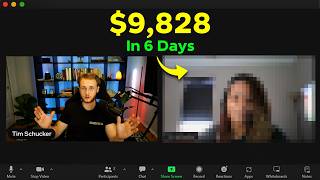
Esther Knight, a former hotel manager, sold $9,828 in life insurance in six days using telesales and fresh leads. She switched from warm-market selling to automated lead generation after COVID, emphasizing consistency and daily discipline over recycled prospects.
Questions this video answers
February 13, 2025
Over $9,800
She referenced "almost $20,000" in a week
About 20 years (director of sales ~10+ years; hotel operations ~10 years)
January 2022
Chapters
This is Esther Knight, and In the last seven days alone, she's ridden over $9,800 in life insurance premium. Today she's going to reveal her secrets to being a top producing agent to all of you. Esther, welcome to the channel. It's great to have you. How's it going?
Yeah, it's great to be with you, Tim. I'm actually excited to be having this interview with you right now. It's pretty cool.
I'm glad you're excited. I'm excited as well. And for all of those that are watching at home, if you could kind of just give us a background. Obviously, you know, you've had a very successful week. How long have you been in the industry for? And can you just give us like a little bit of a background on yourself?
Yeah, yeah. So I actually before I started in insurance, I was in the hospitality industry. And I was in the industry for probably like 20 years. And after Covid happened, I think it was just a huge burden on a lot of us that were in managerial roles just to kind of, you know, make sure things were still good. So at that point I kind of felt like I needed to make an out and my brother was actually in insurance. And as much as I kind of looked at it, like I wasn't sure how I felt about it, I thought it was the best opportunity to start being able to make really good money right away where you didn't have to go and like, go to school or, you know, get some other type of degree or something like that. I mean, it was something, you know, you take a test and, you know, ready to go. So when I got started and I loved it because it gave me an opportunity to still have those relationships with people the same way that I did in the hospitality business. So it wasn't a hard transition. The only thing that I would say is that, you know, you really have to work hard with this. And I think that's kind of been something that was reinforced in the. The company that I'm currently in. Even with you guys, you know, in your training, it's the same thing. And I think that, you know, for anyone that wants to do this, they're just going to have to be committed to hard work and just never giving up. I mean, really, that's it. And then mindset, you know, I was listening to one of your videos and I think you said something like, well, why the. Why the, you know, explicit story Are you doing this? And you almost have to ask yourself that, like, okay, why am I. Why am I Going through this right now, so.
Yeah, 100%. I'm glad you watched the train. That's funny. So you said you were in the hospitality business before. Like, what specifically were you doing?
So I was in. I was a director of sales for probably like 10 plus years, and then I was hotel operations for another 10 years. So I was 20 plus years, you know, and I got to see it from both sides. I mean, you know, obviously in sales, you know, you're painting the picture. It's glamorous, you know, it's everything that the clients. Client or the guest once, and then the operational side is like, okay, they promised all of this. Now we've got to make it happen, you know, so it was good to know the two sides of it. And then obviously being able to do both was a plus because there's times when you had to fill positions that were empty and I could still sell and I could, you know, you know, manage and run the hotel at the same time. So it was good.
Got it. And you said the pandemic kind of forced you out of that, which. That makes sense. Kind of a tough, tough time for the hotel industry for sure.
Really travel altogether, you know, that. That was a scary thing. You know, we're all sitting there thinking, how come I just didn't get an engineering degree or why didn't I do something else that would have been, you know, made it through this and. And not felt, you know, like it was such a volatile time in my life, you know, so.
Oh, 100%. So you weren't one of those people that grew up wanting to be in the life insurance industry?
Oh, no, not at all. Not at all. So. So I actually did have a practice company that did more supplemental, and that's how I kind of got into it. So I was still working at the hotel full time and I was moonlighting. So when I would have, you know, PTO days or if I had, you know, taken some time off or whatever it was, I would run business to business with sales and.
All right, so real quick, I need to interrupt the video because if you're a life insurance agent, chances are you're doing one of three things. You're either buying age leads, you're buying leads from your imo, or you're buying leads from a lead vendor. And chances are you are way overpaying for those leads. And not to mention the leads never even pick up the phone. Well, that sounds familiar. Then give me the next 15 seconds and I'm going to show you something that's going to completely change everything, we just launched insurance agent First Freedom School, which is an entire training platform and program that will show you how to fire your lead vendor and cut your lead cost to one tenth of the prices that you're paying right now. This is a program that I used to sell for over $2,000, but right now you can get access for just 99 bucks a month and try for free for seven days. Inside, you'll learn everything that you need to know to fire your lead vendor and cut your lead costs. You can start generating way more profits in your business. Not only that, but whenever you join, I'm also going to give you access to a dialing software that has allowed us to see answer. It says how high as 20%. So if you make 100 dials, that means 20 people are answering. So I'm going to include a link down below this video to get access to a free trial. All you need to do is click the link down below and start your free trial to fire your lead vendor, generate more profits, boost your answer rates, and start making more money in your insurance business. Now back to the video.
You know, I was somewhat successful with that, but, you know, it's like you got to be able to give 110% to everything that you do. But I was at least able to close a couple of deals, and that kind of gave me that confidence, you know, because I already knew sales to a certain degree, and it was a product that, you know, those people wanted. So, yeah, it just set me up, you know, to be able to do this. But, yeah, I never, when I looked at insurance. And it's kind of weird, you know, Tim, now, because so many people look at insurance from a negative standpoint because of some of the things that we've seen happen recently. I did post in my. On my Facebook and Instagram, I said, you know, a lot of people feel like insurance, I said insurance is only a scam because you don't have a good agent. And that's not to say anything derogatory to people that are just getting in a business and just learning and maybe they're making mistakes, but you've got to have integrity, number one. And you have to be the type of person that, you know, the person that you're working with, your client feels like is really committed to making sure that they get the best possible plan for them, not for you. You know what I mean?
So I would definitely agree. And that's one of the things that, you know, I've. I've seen, I've Seen the good, the bad, and the ugly in the industry. So there's a broad spectrum of agents that, you know, they will sell what's best for them, right. What's best for the agent and what's best for the client. And you can usually tell just from the patterns of what somebody's doing how long they're going to last in the industry.
Exactly.
So how many chargebacks are going to get, too, because people aren't stupid any means. So got into the insurance industry, was your, like, how did your first few years go? Did you have, like, a tough go at it? Do you feel like the sales experience translated well? Or, you know, did you just, like, hit it out of the gate and you were, you know, selling policies left and right?
So when I first started, it was more like warm market. You know, you talk to people, hey, I. I sell insurance now. Do you need something? And so thank God I had a couple of people that were, you know, interested in getting something set up because I was very hesitant on, you know, buying leads. I was weird about it because, you know, for a lot of us starting out, even if we did have, you know, monies, maybe that came from, you know, a former position that we were in. You know, you don't want to just blow it all on something like that. Like you're not prepared to invest. And so what I did was I had some friends and family that were interested in some policies. So that kind of brought me up a little bit. And then I took my first travel trip. So I'm originally from Pennsylvania, and so I went back home. That was exciting. But I bought a lot of leads. And so I was trying to book appointments to set up for my travel trip. And when I got back there, you know, I was still calling and still trying to set appointments. And I was successful on that trip. I mean, I wrote a decent amount of premium, but going in person, face to face. Yeah, yeah. So this was actually setting the appointments and going to their homes and sitting down with them. But I know that I could have done better because my brother was actually in the state, and then I'm flying in, and after I left, he still wrote, like, more business. So, I mean, like, all together, I mean, it was probably about 20,000, you know, and so, like, for me, if had I been a little bit more dedicated to taking care of that. And that's why I'm saying it's hard work. So after that travel trip, I realized that, you know, you got to work hard. And so even you say it in the trainings about some of the states that we find are a lot more successful than others. Pennsylvania is one of those states. So I live in Arizona. And so when I came back, it's completely saturated because there's a lot of insurance, you know, brokers, agents, whatever you want to call them that are out here. So it was difficult to kind of define your market. So I had to really work everything. So, you know, Tim, I shared that, you know, I'm probably about 20 minutes outside of Phoenix. Well, you know, you got a lot of agents that are in and around that area. So I had to head south. So I was mainly working Tucson. I was working the surrounding area that I'm in. So I started to build a name that way, but it wasn't easy. You're talking, door knocks, you're talking, you know, phone calls from the side of the street, you know, the side of the freeway, you know, 100 degrees outside, you know, I mean, it was very, very difficult, you know, kind of going to locations and they had given that address and there was nobody there. I mean, so no house there, no nothing. So, yeah, in the middle of the reservation, you know, weird stuff. Weird, weird.
Yeah. Oh, yeah, yeah. I mean, I did.
It sounds like you've watched a lot of the training, so you probably already know this, but this is for the audience. It's like that's how I started as well, was Face to Face in North Carolina.
You see some crazy stuff. I mean, I'm talking trailers that don't even have doors on them.
Yep.
You know, my buddy, his first door knock ever, he had a gun pointed at his face. Yeah, crazy stuff.
Yeah.
And I mean, you did it in Arizona with the heat. Oh my gosh. Door knocking in 120 degree weather is. That's. That's the next level stuff. I gotta. I got respect for that. Yeah.
Let me tell you, I was very. I frequented a lot of Starbucks locations and make friends all over because you had to use the bathroom and you had to sit down to be able to talk to somebody because you had an appointment and, you know, you were in between. So, yeah, I mean, truck stops, you name it.
I mean, this is totally, totally off target and a total side note, but you said something that made me think about this when I was doing Face to Face. What I realized. And if anyone here is watching this and you're selling Face to Face, first of all, you're probably going to realize later in the story why Esther switched to Telesales. And if you watch all of our videos, you'll see why as well. But tip for you, while you're face to face, if you're on the road and you have to use the bathroom, don't go to the places that everyone else goes. I found out if you go to Home Depot or Lowe's, nobody. There's a Home Depot and a Lowe's in like every single city. And nobody is thinking to get off of the highway to go to the bathroom at Home Depot or Lowe's. So the bathrooms are always clean. So side note, little tip there.
I'll add to that hotels and also Walmart.
Not Walmart, Walgreens, not Walmart, Definitely not Walmart.
No, Walgreens and CVS are good ones or any type of part.
They maybe get a code is the only problem. You got to go up and then like type in like 1 6, 7, 8 star to get into the bathroom.
Oh, man, the pains of, the pains of a direct mail face to face insurance agent.
I know, I know. But you know what, that kind of stuff builds character. And people don't realize that, like it's a privilege to talk to people over the phone.
Oh my God.
Because I mean, when, you know, what we've been through in the elements, I mean, this is what creates, you know, good, good salespeople, good, you know, insurance, you know, you know, advocates trying to take care of protecting families. I mean, I'll tell you this. So I would do, I was doing the telesales, but like, if I could get to an area like Texas is not far from me, I would fly in and meet with especially the bigger premiums that I had because we were like, oh my gosh, you better hope that doesn't charge back. Well then get on a plane and, you know, get some leads and then work those and then go and see some of the people in the area that you've already sold and just meet their families and talk to them. Do you know that those are still on the books? I mean, they, their families know me, they've called me, you know, for different things. So sometimes you do have to be strategic about how you do this, you know, in order to manage it. But.
Yeah, yeah. So skipping forward, so you did face to face for a while. How did you transition into telesales and what like, spurred that change? Why did you decide to do that?
Well, you know, it's, it's almost like you're kind of forced into it a little bit. And I only say that because, you know, you do have situations where people are not comfortable with you, you know, coming to their homes. Number one Sometimes you're not comfortable going to their homes. That's number two especially, you know, after you get there and you're kind of stuck in a weird place. And then, you know, I would say if you're trying to be somewhat, you know, like, eco friendly, I mean, like, the gas, I mean, you can kind of save because for a lot of us, you know, you're. You're spending a lot of gas and if, let's say that your day wasn't full and you had to do some other things, I mean, you could be, you know, spend a lot of money on the road, you know. So, I mean, it's something that was nice, but what kind of got me into it was I ended up with COVID back in January of 22. I was kind of like on the other end of the people that ended up with it. Not the first group of people that had it, but, you know, I had to do it that way because, you know, I needed to still work. And, you know, people were trying to get ahold of me to get policies and, you know, they could handle me coughing, you know, really, you know, hard coughing and just choking over the phone. If they could get through that, then we would definitely get them covered on something. But, I mean, that's what kind of got me into it. And, you know, I think that when you have.
People can feel your. Your character and your. Your. They like your personality and they feel that you're a good person through the phone. And believe me, it's not an act. They're. You're genuine, you know, through the phone. I think that they do become comfortable with you. And, you know, you're able to veri yourself. You know, you give them the criteria that they need. Hey, this is the information. This is my license for X state or whatever it is. When you've done that, it makes them feel more comfortable. I don't have anything to hide, you know.
Right.
That's what I always present to them first and foremost. And, you know, I try to build a little bit of that rapport, you know, later on. But I've had some situations recently. I mean, even with this, you know, those folks that I've talked to, they have some serious stuff. Like there's been mothers that are trying to get protection where, you know, they've lost, you know, their children. And, like, some have, you know, started crying on the phone. And I mean, like, this is why I love doing this, because it really connects the human side of what we do. People got to stop getting caught up in. I get it, it's transactional, but at the same time, when someone passes away, this is not like, this is so serious. Like, I just. When I went out to the east coast for my girlfriend's daughter's wedding, I saw one of my clients out there and literally, Tim, you know, we had said, happy New Year, you know, blessings, blah, blah. And his daughter called me like that next week and said that he passed away. So, I mean, that to me was heartbreaking because I literally just saw him and it's like people keep forgetting that no day is promised. And I get it. Maybe somebody didn't want to deal with the life insurance right now because I got a million things and I don't have any money anyway. But, sweetheart, you know, gentlemen, you may die, you know, tomorrow here and have a car. I mean, we don't know. So it's like nobody wants to leave their kids, their, their parents, you know, children, whatever. You know, we don't want to leave them in a situation. And I always tell people, if you don't have a lot of savings, then you darn should get some type of policy that's going to protect, you know, what's there and what could be lost.
You know, 100, 100. I think a lot of people, they get caught up in, like, the numbers of what we do, but at the end of the day, it's. It's really a relationship and a people business. And one of the videos that I have in the training, it talks about, like, going and looking at. And this is, this goes for whatever product you're selling. If you're selling final expense, you should do this. If you're selling, you know, annuities or iul, you should probably look at different things, but the same kind of concept applies. Go on GoFundMe and just look through the post on GoFundMe. Yep, those are the, that is the, the result of what happens when people don't, like, purchase what, what you're ultimately helping them with. Right.
You know what? It's the truth, Tim. I mean, so I even say this because a lot of people don't look at this for their kids. No one's saying anything about our kids, you know, passing away. But we know that social media has a weird influence. We know that, that their outside influences can, you know, bring up some other things too. And you keep hearing these stories about stuff happening to kids, you know, and maybe it's an illness, maybe it's a sickness. You know, regardless, you know, we, we don't want to say that it's Just about that. But what are you going to do if that is the situation? You know, you're. You're not protected either way. When I'm telling these people that, hey, you know, this is what you need to get. This is what I get. I have it for my son. My mother lives with my son, and I, we have it for her. I have it for myself. Because if something happens to me, then what are they going to be left with? They're not going to have, you know, they're not going to be able to stay in the house. There's going to be some other things going on. You know, there's expenses there. So, you know, people got to understand that, the severity of it, you know, I think, you know, it's something we just kind of want to bypass because we just think that we're, you know, invincible or at least for now. Now we don't think that anything is going on. But look at all other people that we talk to, the health conditions that they have that, you know, just kind of came about or that, you know, the, the doctors put in their medical files, and they never even know anything about it. It's like that's a pretty substantial, you know, sickness that you have. What do you mean? You didn't know anything about it? You know, so.
Yeah, 100.
Yeah, 100. So that's been something there, you know, a realization for sure.
Yeah. No, I think it's super important. And just that's something that face to Face really does give you, I would say, is you realize the human element, like.
When you're. When you only have done it over the phone, which, again, is not necessarily a bad thing, but you do kind of lose out on this. This piece of it is you don't. You don't feel the. The deeper connection to the people, but when you meet them face to face, you see their grandkids playing, you see their house, whatever you do, you do feel that a lot more emotionally, for sure. So coming into, you know, more recently, what were you doing prior to us working together? Because you've been in the industry for, I think, three years. You did face to face. You switched over the phone. What brought you to looking at what we do?
So, believe it or not, a friend of mine was watching Facebook, or I want to say it was Instagram, and she's like, oh, you should check this out. And it's funny because there's always that person that says, well, you should check out. You got to have that one person that's willing to, you know, invest or at least try and see what's going to happen. And so I'm so glad that she said that. So I was, you know, purchasing some leads here and there, and I'm going to say I wasn't doing as much lead purchase as I should honestly attend before this. I would say that production for me was down simply because I was kind of off somewhere in the clouds. And that's just not a position anybody wants to be in. But I can say that a lot of of the business that I did write for 2024 was referral. So I've kind of created a name for myself where people know, especially in the. The county, you know, that I support that. You know what, Esther is the one that you want to go to for insurance. So I'm known around this area. So that that's a good thing. But that's not enough to kind of, you know, keep you, so to speak. So, you know, for me right now, you know, going into this, it was a true investment because here's the thing, is that, you know, I have to kind of get back on my feet. And if I'm buying recycled leads, okay, here comes the mental trip right there. If you don't have a good lead system, mentally, you're just completely burned. I mean, because, okay, you're going to have the people on the phone. And I remember another sales guy calling me. He's like, ah, this is like so demoralizing. And he was doing, I think, bathroom remodel or whatever. And I'm like, you talk about demoralizing, try, you know, calling old leads. I mean that if you don't have the mental fortitude, you can just hang it up right now. But, you know, you want something that's going to be fresh, you need something in real time, and you need something that other people can say that they've been successful at. So here's the story is that I'm talking to you, Tim, and you've done this, Julian, both of you guys have done this. You have to be able to talk to people that understand and have been producers. Because you and I could sit here and talk for the next couple of years, you know, hour about things that we've experienced in different states, you know, going door to door. You know, what it is to be, you know, having a gun pulled on your, you know, in my case, you know, being in a remote location with a. With a felon, you know what I mean? So we understand what, you know, those things feel like, so, you know, we can connect. But when I'm Looking at your training and the way that you have this set up, there's a mentor there, you know, that that helps out, that does the same thing. It's not just people talking to you, it's people that actually do it. Yeah, you know, Adam's been amazing and it's just, you know, you need that because we're not new to this, but you still need that constant reminder. So with this and the way that the, the leads are generated, I mean, personally I would suggest that, that whoever looks at this has you guys work with them and trying. I'm not saying that you can't try to create the leads yourself because maybe you'll get to that point. But you gotta just understand someone that's done it and the fact that they've been successful doing it and then figure out where you want to kind of fall into it because you guys have got this thing figured out. Yes, you're going to have some leads that people say stuff or the same things that you've heard, but there's more that don't say that than, you know, the, the ones that do. And sometimes you get the, you know, text message conversations come in just from the automations callbacks because of the automations people that book, you know, self book the appointments and you know, maybe you call them right then just to confirm and they want to go through it right then and there. I mean, all of these scenarios were poised for simply because we've been doing this. It's not like you're a deer in headlights, you know, and you have to be super positive about what the outcome is going to be. I mean, I talked to Chaz when I first, you know, started, you know, with this and was trying to kind of figure out how it's going to work. And even with him, I mean, he's been in the industry for, you know, some time and you know, so we kind of talked about and he's like, you know, they, they really thought long and hard about this. They put a lot into this. I mean, because they do want to be, they do want to see people successful. And you know, I feel like it's just your dedication to it also because during the holidays, you know, you could have been like, oh well, you know, I don't want to call people. Oh, you know, it's New Year's Eve, nobody wants to talk, but somebody sitting by the phone or, you know, like looking at something and they wanted to get a phone call, they wanted to kind of talk about it. So. And there's education that you can give a lot of these clients, too, because if they didn't understand really what life insurance was about, you can give them that same education, and then they're able to make a decision based off of what you've shared with them. So, yeah, 100 all the way around.
Yeah. I mean, I will say. And it sounds like you would. Second, this is like the difference for a producer that's working like CRM leads that have been resold, like, hundreds or thousands of times in certain cases versus working a fresh exclusively that's only going to you is it's literally night and day difference. Right. And kind of talk through, like, what were you experiencing before when you were doing the CRM leads versus kind of like the conversations that you're having now.
So the ones that I was having before that with mainly recycled leads or ones that were, you know, they're aged, you know, even if it's one to 30 days, if it's, you know, maybe 60 days or something like that, it's a lot of that. I didn't do this. You know, I don't know what you're talking about. Somebody used my information.
No answers. But, like, with this, you're gonna get some feedback from them, whether it's them trying to set something up, whether it's asking a question. I had one guy, like, on a Sunday that texted me and was like, hey, you know, I want to talk to you about trying to get something set up. And, you know, it's. It's people that already know what they want. It's not. None of this, you know, you gotta kind of work with them and try to pull it out of them and all that, you know, I mean, because honestly, I mean, you know, for all of us, time is money. I mean, I have a kid that's in high school, and, you know, you got to run around and do stuff for them, and, you know, you don't have a lot of time to sit, you know, and not kind of connect with people. So this is. Just makes it so much easier, you know. And here's the thing is that. And I'll say this is that even if you have, like, you. You're purchasing leads and, you know, you have some that come in and you're not able to get ahold of them, okay, you gotta still keep running them. The next group that you get or the next couple of leads that come in, just be aggressive about trying to get ahold of them. So you might get somebody there, and then you might get someone in the next. And then the next but you can't just say, oh, you know what? This first one, I don't have anything, blah, blah, and then just look at, you know, wanting to give up. You know, I know that's what some of us typically do, especially when you. You've been doing it for a while, because some people come into it and they don't have the money to really put towards something. But I keep hearing this over and over again, you guys say it too. You know, you got to be willing to make that investment, because if we don't, we're still doing the same thing. And that's what I said, Tim, for 2025, I'm done doing the same things that I've been doing because I'm not getting the kind of results that I need to. Sorry, but I should have been way ahead of, you know, where I am. I mean, I'm starting with it now, but I'm saying, looking back in time, I should have been further along. And it's the fear of, you know, what you're putting out there and not being able to and worrying about not being successful. You know, you're.
You're saying basically, like, putting money up for leads, but then you don't get, like, an immediate result. Exactly. That's the. That's the tough part that, you know, as an agent, you do kind of have to cope with mentally. And, you know, as you get bigger and bigger, like, I don't know if you do you have plans to build an agency or you more of like a. You want to be a solo producer.
So I, you know, that's kind of come about, you know, somebody, because I know what the advantages of, you know, building an agency are. But, you know, there's always a downside to something. I mean, we know that, and I'm certainly not trying to be negative, but I think that. But once I can kind of streamline what I have, it definitely is, you know, something that I think would make sense. But I feel like it's quality over quantity for real, because I get, you know, where we're at with, you know, just having a bunch of people, but, you know, they can leave a dirt trail, you know, when they walk away. I mean, let's just be honest.
You know, that's the thing is, like, the bigger you get, it's just the same principles apply, but on a bigger scale. So, like, if you're an agent and you're buying leads, and let's say you put out a thousand bucks for a pack of leads, you might not see the return on that thousand bucks for like two months, right? Because for whatever reason, maybe a case gets declined or it gets pushed, pushed back or whatever, but if you, if you look at it on a longer time horizon, you'll see what your true return is, but you're not going to see like your true return in, in four days, you know, and I think that that's, that's probably one of the biggest things that is frustrating for agents. But on the flip side of that, you know, when you're calling age leads that have been called, you know, 1500 times by, you know, 30 different agents, right. It's just, it's much tougher to even pull that money out.
Right.
You know, not to mention if you're calling from like your cell phone or you're getting flagged as spam and you're not using like different systems and things that kind of make it easier for you as an agent. It just exact, it makes all of that much more difficult than it even needs to be.
Oh yeah. And like, and you've even mentioned with this, so you have the self booked appointments, you're calling the ones that haven't booked appointments, but you see that they've come in. There have been days where I had, you know, seven, eight appointments already, you know, where I was able to talk to them and they were on 30 minute, 30 minutes. So I was learning how to present and you know, get, do the need discovery and get all of that stuff or at least you know, reinforce pain points within that amount of time. And when you're working with people that already know and you've, they've already been set up by the automation. It's not a sit around and try to get them to open up, you know what I mean? They already know what's going on. So it's taken a lot of the, the work that a lot of us are used to doing, but it's just made it that much easier. I'll be honest with you. I think that if I, like, if tomorrow I, you know, for whatever reason I cut this off, I would be worried about how I was going to get back, you know, momentum, you know what I mean? And that's scary for what we do because if you're going without that momentum, there can be a lot of problems, you know, and it's a snowball effect and then it becomes mental. And for us, we can't. I've talked to so many people, people in the industry about this. I've talked to even friends, you know, that know me, people from the gym that Know what I do, I talk to them about, you know, investing in this. And, you know, I wasn't too concerned about how it was going to work because I know that you guys can only do so much. I mean, we have to be willing to do the other side of it, and then you still set us up with, you know, someone to help out, you know, ways to navigate the system. You know, you even take. Take the time to talk about it. Hey, where you should be, you know, channeling or marketing, you know, to get leads, or, you know, different states. I mean, you guys have thought about everything with this. So like I said, I would just suggest that, you know, people give it a try. If they've been kind of hitting their head about what, you know, they need to do or, you know, this whole recycled leads, I mean, they're going away. Like, you're not going to be able to do this anymore. Like, you're going to have to find a way to generate, you know, leads, because you can't keep calling these people. I mean, it's. You just can't. I mean, there's new regulations for that. So.
Yeah. So obviously, you know, you basically just had a. Nearly $10,000 a week on these leads alone. I think on top of with some other stuff as well, we're over a 10,000, maybe even close to like a $15,000 week. I think you had said.
Yeah, yeah, yeah, yeah. Almost 20.
Almost 20,000 in a week. These are insanely high numbers, right, For a new agent that's watching this. If you were to give them three tips to get to that level, what would those tips be?
I would say that, you know, you gotta stay consistent with this. And I think everybody says the same thing. You've gotta stay consistent. You gotta be willing to make the calls. You gotta be willing to sit down. You know, your mindset is huge here, too, because, I mean, for a lot of us, you know, we're dealing with things, but you have to say, you know, if yesterday was not a good day, that, you know, hey, tomorrow is going to be better. And I've even said that to myself, like, okay, I wasn't able to get anybody on the phone, or I had to send text messages, or I had to just call and constantly call, and I didn't get anyone. But I know tomorrow there's going to be somebody. You got to have those conversations with yourself. So the consistency, you know, your. Your mental state. And what I've also decided to do, Tim, is that I'm really trying to limit distractions because even Adam said it. He's like, you know, I see that you have a lot of motivate. Like, you're, you're motivated, you're. You're someone that really wants to do this, but you're too distracted. And so what I recognize is that, you know, I'm. I can't do nothing about family distractions. You know, I have a kid, so that just comes with the territory. But when it comes to outside stuff, oh, you know, I. Somebody wants to go and do this. Somebody wants to be involved in that. Spending a lot of time on social media when you're not, you know, trying to sell yourself or, you know, you're not posting content. Like, you know, you got to limit that and you gotta kind of step away from relationships and things that just take time away from you. You know what I mean? Limit the amount of phone calls, you know, that you're making to friends and family or whatever, you know, because that's, that's the type of stuff that's going to hold you up. I laugh when people talk about being busy because I'm like, you know, for us, I mean, we're probably the busiest people running around, you know, just because our momentum and what we're able to do in a day matters, really, really matters. You know, it matters to us. And then the people that you're trying to get a hold of as well, or maybe that need you, that you haven't connected with yet. But, yeah, that's it, you know, I mean, just, you know, going back again, consistency, you know, and your mental, how you think mentally about yourself and about what you're doing and then trying to cut out those distractions because they're there, you know, and especially when you're working from home, you know, I joke with people because if I am talking to somebody or I've had a weird day with carriers and clients, I'm like, oh, I got to look for something to eat. And it's like, nope, you know, just keep moving along.
Women have a tendency sometimes to get emotional and probably eat. But the thing is, you have to keep moving and. Yeah, so that, that's a distraction right there.
That's funny. I've been eliminating the distraction of eating all day. It's like 2:50 here, and I still haven't eaten lunch, so I get it. Awesome. So consistency, keeping the momentum, having that conversation with yourself mentally and keeping yourself on, on target and then eliminating distractions. I think those are huge, huge tips. And for anyone that's watching this, that's maybe thinking, you know, I get blasted with emails from Tim. I see all these videos and I'm thinking about doing this, but I'm not 100 sure. What would you say to that person?
Again, you, you have to do a self evaluation of, you know, where you're at. So if you were in a 9 to 5 of hey, let's just look at it this way. You got a salary. You know, whether you worked hard or didn't work hard, this is what you made, right? Maybe you got tired of that or there was something that drove you out. I'll tell you, stress levels for people nowadays working in those nine to fives is extremely high. So you're sitting here and you're trying to figure out, well, what do I think I want to do, you know, with my time, how do I best feel like I can be of service to someone and still, you know, make really good money? Because all of those things are so important.
You have to think about what your investment should be for you. Like I think we discount ourselves, who we are in ourself, our self worth more than what we should, you know, so if I at least am working with you because I can't do it myself, I have to invest in what you have going on because you've taken the time to figure it out. Okay, so if you've done that and then you're showing me how to do it, it's almost idiotic to not just go ahead and move forward. And you know, I get it, you said, well, you know, you can do the system and then if it doesn't work out, then, you know, this is coming back to you. But who wants to sit there and wonder if it's not going to work out? Like you're already coming into it, not prepared to, you know, put wrap your head around what it is that that could potentially have. If it does, you know, you do better than that, then what? You know, I mean, have you even considered that? So I think it just comes back to, you gotta look at where you're at in your life and you've gotta want to be able to set goals to achieve. You know, we talk in 2025, all of the, every time a new year comes, you know, we talk about all the things that we want to do. I'm, I'm a person that lives in the gym. Like I'm ridiculously a gym. I go to the gym at like right now, one in the morning till three, I'm crazy. But the thing is, is that I avoid, I'm trying to avoid the crowds because there's something that I need to get done there and I'm not able to do it when, when they're there. So it's just like the same thing with this. If I can get that together. Right. Same way, maybe someone is about, you know, their religious beliefs or whatever the case may be. You've got to really wrap your head around, you know, what's important and what's willing to invest time in. And like I just said to you, had I not been doing the system, I would be running around buying age leads or buying not so good leads and I'd be working all day for one or two sales. And you know, I, right now, I mean that's more of a mental breakdown than what most people can handle. And you might as well just go back to a regular job job, you know, if you're going to do that.
100. I always, I always say you can either you can either spend time or you can spend money. And if you have more time than you have money, then you should spend your time getting the money so that you, you can then buy your time back. Right. And if you have more money than you have time, then why would you waste the time? Because we can get unlimited money, but we do not have unlimited time.
Right, Right.
That's something I personally do. I mean Julian and I invest. Right now we pay a guy like $68,000 a year for a mastermind to learn how to grow our business. I've personally spent multi, six figures on coaching and mentorships and programs. So like I personally believe in it because I've seen the power of it. And you know, by no means is what we offer cheap, but the quality is also not cheap. So I think for people that like they have the, the capital to invest and they want to get to the next level.
I, I mean I personally think there's no better way to, to really level up in the industry than, than investing in yourself. So that's, yeah.
And, and for those that have a sole proprietorship or maybe you have an LLC or whatever, you know, when and you don't really have the money. I mean maybe you have the credit. You know, I mean, I get it sometimes we don't really like to talk about that, but you have to be strategic about how you're going to get to the next, you know, level. I mean you hear some of the, the top producers, I mean people that are doing very well that talk about how you've gotta like be able to take a risk, you know, and, and put something out there. I mean, but all in the same, when you're taking that risk, you've got to be really serious about, you know, what's going on. Like, if I'm gonna invest all of this and I'm just gonna let it all go, go to, you know, where. I mean, what. What am I doing? Like, that doesn't really say much about my character. It doesn't say much about me. So that's really the conversation you have to have, you know, with yourself. And you can tell us, someone else can tell us, but if we don't hear it inside and it's not something that's coming out of our mouths, you know, as a reinforcement, you know, we're. We're back to the same thing again.
So, 100. Well, Esther, I appreciate you coming on and spending almost an hour spitting value and giving advice to our audience, so I'm sure they appreciate it. I know I appreciate it, and thank you so much. We'll see you guys in the next video.










