How To Use Alex Hormozi's Value Equation To Sell Life Insurance
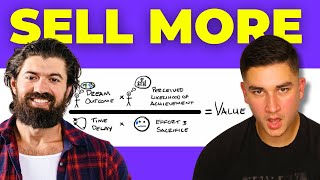
Module 9 (training video) on Value-Based Selling for life insurance. The speaker defines the "value deficit" — giving prospects free, high-value information to create a psychological obligation — and teaches appointment framing (a two-goal script) to hook prospects. He emphasizes simplifying complex concepts with plain analogies (term vs whole life), adding low-effort high-impact services (e.g., do-not-call list, fraternal benefits), servicing beneficiaries through claims, and emotionally focused fact-finding (eliciting core problems; "when they cry, they buy").
Chapters
All right, so this is module number nine, Value Based Selling how to build Value. So I'm going to talk about the value deficit. And so basically the idea here is to give so much information away for free that people feel like they owe you one. I call this the value deficit. It's a form of debt. And so when you give someone so much, eventually they feel like they owe you something. And so the idea is to give them so much value and solve so many of their problems with free information that doesn't cost us anything that they now feel like they have to make a purchase. So I want you to think about the appointment time as a form of debt, right? Because whenever they are giving you their time, they are paying you in currency. And so you're also giving them your time and you're paying them in your own currency. But because you are coming to offer them something, they already have one up on you. And so even though you've both put the same amount of effort, time and value into the very beginning of the appointment, which is just to show up, they already feel like you are in debt to them. And so what we have to do is we have to flip the script on them so that we can take advantage of the situation. Now, if you look at the third bullet here, what you can see is that the point of the appointment here is for us to make an offer so good that they would feel stupid saying no. And so one thing I like to say whenever I jump into a sales appointment is that I will let people know, hey, I have two goals in this conversation. Is it okay if I share them with you? They will say yes, and they'll say, okay, great. So basically, number one, my goal here is to make sure that every single problem that you have surrounding this current issue based off of where you're at currently. My goal is to give you so much value and so much information that you're going to be able to make an educated decision. Whether or not it makes sense for you doesn't matter to me. My goal is just to make sure that you understand everything and how it works. Does that make sense? Yes. Great. And then the second thing is that by the end of this conversation, if it makes sense for both of us to move forward, I'm going to make you an offer so irrefusible and so irresistible that you would feel stupid saying no. Sound fair enough? And so while this is quite a bold statement, what most people will say here is, yes, absolutely, because when you tell them that you're going to make them an Offer so good that they would feel stupid saying no because it is so irresistible, so irrefusable. It starts to become a peak of curiosity because if you're going to make me that offer, I have to know what it is. And this hooks them into the sales conversation. So as you can see here, this is an image of somebody giving somebody else money. And this is kind of an example, like an illustration of value debt. Now here are the secrets to value sales frameworks. So you want to simplify every single thing possible. Now, one of the things that I've come to understand in my experience is that whenever you are viewed as an expert, it is simply taking a complicated concept and, and explaining it in the most basic form possible. Now, when you're doing this with insurance, an example that I like to use is that term is like milk, eggs and cheese. It's phenomenal while it lasts, but once it expires, you have to throw it out. Now, whole life is more like a Twinkie. You can leave it on the shelf for the rest of your life and it doesn't matter because it never goes away. And it's just like the name sounds, whole life. Does that make sense? This is a very comprehensive way to explain the difference between term and, and whole life insurance. And it really, really helps people get a grasp of the concept. Now, value add, these are things that you're going to do that are outside of what you would normally do in a sales appointment. And so an example of value add that I like to give to my clients is putting them on the do not call list. I like to do this particularly for seniors because they get telemarketing calls out the ass and they do not want to deal with those. They just want to answer the calls from the grandkids and from the people that they like. And when you do this, not only do you build more trust with them, but you also solve another issue in their life. So there's many other things that you can do here to solve other little problems, which are, they can be situational. But the way that I look at value add is that if it doesn't take me more than five minutes, but it actually makes a huge difference in their life, I want to offer them that solution. Another thing would be like explaining the different types of benefits that come with a fraternal society's policy. So like for example, if you're selling Royal Neighbors or if you're selling Foresters, I would mention the, the Free simple will, the discounts, all those things are included because people love those I love to talk about how they're offering community service to impoverished communities and they're also giving away college scholarships to people who are underserved. The reason why this is so huge is because not only are you giving them a solution to their insurance, not only are you solving all their other problems and helping them out, but you're helping them to get behind a bigger mission and you're giving them a why on top of their why, which starts to create an irrefusable offer. Now, I'm going to talk about selling service here for a second and I'm not going to dive too deep into this, but if you're following the systems that are in this program, you should be servicing and following up with all of your clients. If you're not doing this, you are a bad agent. I'm sorry to tell you that. But if you're watching this, you are one of the 1% of agents that are not going to be bad after watching this if that's the case. So if you got offended by watching that, it's probably because you're not servicing your clients and you should start. But when you sell the service, it's about letting them know that you're going to help their beneficiary and you're going to handhold them through the claims process. You're letting them know that if they need anything ever, they're going to call you on your personal sell and they can get in contact with you even when they can't get in contact with the company. So in the event that it is not a good time for business hours or something that's urgent and they need to get a hold of you that they can. And so one thing that I had to do with this though is I did have to set business hours and said don't call me before 8am and don't call me after 8pm because I literally had people call me at 2:30am to ask me when their first payment was coming out. So be careful, please guard your time. It is valuable. Don't let people take advantage. But this is something that will greatly advise against one of the other things that you do want to give more than they expect. I want to make them feel like they are taking advantage of my service. They should feel like they are robbing me. This is how you can start to work your way in to referrals. And then the fifth thing in building value that you need to remember is that you have to get them to tell you all of the problems. And so I want you Guys, to imagine with me for a second that you go to a house and I'm sure if you've done face to face sales, you know exactly what I'm talking about. But you see the roof caving in and when you go inside, like they don't even notice. Like it's just normal to them and it's like not a problem. But if I were a roofing guy, I'm not going to walk up to the house and say, let me fix your roof. I'm going to say, hey, I noticed that your roof, you know, kind of fell in a little bit. When was the last time that you, you know, took a look at that or got it checked out or maybe even got an approval to see if like insurance would cover that. I just want a reason to start a conversation because now I can fact find what the issue is and then I can dive into the solution to their problem by offering them what I have. And so it's the same thing with insurance. And I like to use things that offer more of a fixed physical product solution because when we're selling a promise, we have to get them emotionally invested because insurance is not a tangible item. Yes, they get a policy, but it takes two weeks. So this is one of the products that people get the most buyer's remorse for because they don't feel anything after they purchase it. They just know that they're getting charged to basically not have anything until after they die. And so we have to minimize this as much as possible by giving them brochures, by giving them, you know, pamphlets or anything. I like to send PDFs for telesales so that they can read over it. People need these types of things so that they can feel comfortable. Now if they're not telling you their issues and you're not getting deals, this is why if people are not on the verge of tears, it sounds crazy, but like when they cry, they buy. Now you don't have to get everybody to cry and that's okay, but you do need to get them to talk about the issues that are more emotional because that's why people buy this thing. So if you're not doing this currently, definitely apply this. But this is the framework that I've used to build massive value in sales calls and ultimately get deals that people thought were not even possible by, you know, using all of these extra little tweaks in my sales process to make what is perceived as an irrefutable offer. Now keep in mind, I'm selling the same products that most other agents are, and the only difference is in how I sell it. So if you want to go ahead and apply this framework, I would definitely take notes on how you can do this in your sales process. And. And I'm actually going to make a separate video on how you can do this and the analogies you can make and the things that you can do throughout your sales process so that you know how to do these at a very, very high level from someone who's a ton of experience in doing this. So thank you for watching this video, and we'll see you in the next one.










