I Taught 30 Life Insurance Agents How To Generate Their Own Leads
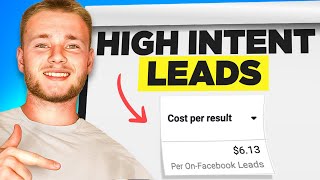
A recorded live training by Timothy Schucker teaching life insurance agents how to generate high-intent life insurance leads using Facebook (Meta) ads, capture and qualify them via Facebook instant forms + a landing-page pre-approval survey, book appointments (auto-book deployments) and convert via telesales. The session covers building target avatars and ad angles/hooks (seniors, veterans, nurses), testing creative variations (images, videos, hooks), using stock footage/actors and a GoHighLevel CRM snapshot with automations, and scaling to targets such as $20K/month by tracking premium-per-lead and increasing volume. The trainer also offers managed services and a plug-and-play funnel.
Questions this video answers
$312,000 in approved annual premium.
$58,000 ad spend and 6,000 leads.
$6.69 per lead (average).
Average client cost ~ $8.36 per lead; highest ~ $12 per lead.
Roughly 10–15% of overall leads auto-book an appointment.
Chapters
So let's go ahead and dive right in. So basically guys, in this training, what I'm going to be covering is how to generate your own life insurance leads. The book appointments on your calendar and buy.
So basically just kind of a quick itinerary, a quick overview of what we're going to be touching on. First and foremost, I'm going to be talking about how to create winning Facebook ads. Then I'm going to be talking about how to set up the lead generation funnel so that not only can you get leads that are coming in, but then also get them to book and ultimately buy and then how you can use this exact system to scale to $20,000 per month and beyond. All right, so why should you listen to me? What is this kid, you know, wearing a green shirt, know about Facebook ads or selling life insurance? Well, basically my name is Tim or in the life insurance sales channel with my business partner Julian. And in the last six months or so.
We'Ve written over $312,000 in approved annual premium, solely self generated Facebook leads. And mute anyone that's unmuted. Cool. So $312,000 solely written on self generated Facebook leads. As you guys can see here, this is $58,000 spent on ads and 6,000 high intent life insurance leads for an average cost of $6.69 a pop. So if you guys are paying anything above like $10 a lead, you could be saving a lot of money that would go back into your pocket in terms of profit.
Will there be a recording sent out? Yes, I'll post it on YouTube.
Not only are we able to generate these leads, but we've also had people booking on our calendars and commenting on our ads. Things like this. As you guys can see, these are literally people that were commenting on our ads saying things like need information please and thank you. Need info. Very interested.
Right.
Information, please and thank you. Information please and thank you. Information please and thank you, so on and so forth. So we literally have people that were basically begging us to buy commenting on our ad that they wanted to talk to us about insurance, which was pretty cool. So.
We also have taught this exact system and shared this with other agents like Ben, who wrote 42K in the month of August only on self generated leads. We just posted a video on our YouTube about it. This is another agent named Nate, spent 14k or spent a thousand on leads and wrote $14,000 in annual premium. So basically 14x his investment or Johnny, who you guys may have seen on YouTube or in David's group, we're actually the ones who taught him how to run ads. As you can see Here, this is 20,000 in AP from only 1500 in leads.
These are some screenshots of people that have sold on auto book deployments. As you can see here, guys, this is a guy named Trevor who sold from an auto book deployment. These are basically just a bunch of screenshots of sales from auto booked appointments, meaning that we didn't have to call or accept the appointment. They literally just booked themselves straight from Facebook. So why do we use Facebook leads? You guys have, who here like has heard about generating your own leads and maybe you guys have seen like TikTok or YouTube or different things.
See one hand raised, see some comments coming in. Awesome. So of all of those social media platforms, I will tell you guys from experience, Facebook is by far the best. And the reason why is you have so many people that are on Facebook and it's so easy to scale the ads, right? So if you guys go out and you try to generate leads on like YouTube and TikTok and Facebook and you know, LinkedIn, Pinterest, Tinder, whatever you guys are like considering, if you just stick to one and you do it really well, you'll see way more results. And Facebook is that platform. The reason why you can get low cost leads sub 10 bucks a pop. It's very easy to scale. So you can spend $50 a day on Facebook or you can spend 500 a day on Facebook. Very easy to scale, right? So you can support writing 5k a week, 10k a week or more. They're high quality leads and there's billions of people on the platform. The other thing too that I've seen, yeah.
Direct mail people is their average policy size is a lot smaller. With Facebook, the average Policy size is $1200 or more, which is much higher than the average policy size for other leads. So now that we know that Facebook is the best platform to run ads on, I'm basically going to walk you guys through the process of how you create a winning ad. A to Z, right? So who here has ever tried to run ads on Facebook? Feel free to unmute and you can just speak up if you've tried to run ads on Facebook in the past.
Nobody? Okay, here we go. Lecra Lewis says she has. Okay, cool. Anybody else? Who else has tried to run Facebook ads in the past?
For a different business I have.
Okay, cool, cool, cool. So for a different business. Awesome. So you guys are relatively new to the game in terms of like Facebook self gen and everything. Right. So the thing about Facebook specifically is Facebook so much data on, like, all of us, like every single one of us on this call, they have like thousands of data points on us. They know what you buy from Food Lion. They know what websites you go to. Like, they know literally everything. So the biggest piece and the biggest key when it comes to getting leads and being successful on Facebook is it all comes down to your ad, right? The creative, whether that's an image or a video. So what I'm going to spend most of this training talking about is how to make winning ads. Because that's like you. Are you guys familiar with the 8020 principle? I think they call it the Pareto principle or something. Yeah, this 80 of the 8020 is the ads, Right. Awesome. So basically, whenever we're marketing anything, there's pretty much two types of ways that we can market.
We can market something as a luxury, right? And we can market something as if it solves a. A pain, right? So you guys, who here is familiar with like a luxury purchase?
A luxury purchase would be like, hey, you know, you could use a nicer car, right? Or a luxury purchase could be like, you know, hey, you should buy the new iPhone because your old one is not as fast, right? Whereas an in pain product would be like, hey, your back hurts every single day when you wake up. This back brace is going to solve your pain. Like, you cannot live without a product that solves a pain point. So if you want to be successful in advertising, you want to advertise the people that are in pain, you don't want to try to sell life insurance as, like this luxury that, you know, it's going to allow them to leave generational wealth like the Rockefellers, because that's cool and all, but. But your people are not going to be as hot and ready to buy, right? Not only do we want to be able to generate leads, but we want to be able to generate leads that buy, right? And so if we're going to do that, we want to market to people that are in pain. Does that make sense? Yes. Beautiful. So pain equals money, right? This sounds bad, but it's 100% true. If you market and you sell products that solve a pain point, you're going to make more sales and you're going to help more people. So how do we actually find pain? Well, whenever it comes to coming up with a marketing angle or advertising to people on Facebook or selling life insurance or generating leads, whatever, it always starts with who, right? So we have to figure out who is our avatar who are we targeting? How many of you guys hear yourself? Final expense. I imagine most of you, if you're in David's group.
See, hand raised.
Cool, cool, cool. Awesome. So most of, most of us are selling final expense, which is awesome. So with final expense, your avatar is going to be a senior. Obviously it's going to be somebody that's in retirement age. We want to think about, like, what are their problems? What are, what are they running into on a day to day basis? I'll open this up, right? What are the problems of seniors in America? What are they, what are they running into?
Higher cost. The older they get, the higher it gets.
Okay, higher cost. Lack of money. Okay, lack of money. Maybe they're on a fixed income. What else?
Qualifying medically. Qualifying medically. There you go. That's a good point. Maybe they've gotten declined for life insurance in the past and they're really frustrated. That's a great one. What else, what else are their problems?
Finding a product where they don't have to medically qualify for.
Okay, that's a good one. I want us to also think outside of the box, right? Because if we only think within the bounds of life insurance, we're gonna, we're gonna, we're not gonna see the full picture in terms of like how we can market to these people, right?
Maybe their grandkids aren't visiting them as much as they want them to. Maybe, right? That's a pain point. How many times do you guys get hit up by your grandparents and they're like, hey, you never come visit me, right? That happens to me all the time in full transparency. That's a problem, right? That's a real pain point. Right? We want to list all of these things down. We want to understand this person on a deep level if we're going to connect with them. And like, as salespeople, you guys should be doing this as well, even if you're not marketing. It's a good thing to do. And basically what we want to do is we want to create what's called a target avatar, right? And this is basically crafting a fake Persona of a person of who our target avatar is or who our buyer is actually going to be. Right. And when we do that, we can really understand them on a much deeper level. So let's use an example that's outside of final expense. Right? Let's say we're targeting nurses with life insurance. Well, if we think about nurses and what position that they're in, nurses are at the hospital all the time. So they see death and sickness, like, literally every day. Right? You guys have ever talked to a cop? Cops oftentimes have, like, a very jaded perspective on humanity because they literally, all day see the worst of human all the time, right? Absolutely. Yeah. Yeah. Like, cops think that cities are much more dangerous than, like, your average person does because they are getting called to every single dangerous situation. Nurses are the same way. So nurses have an inflated sense of how often people are getting sick and how often are people dying because they're literally at the hospital all day long seeing this. So if you also think about, like, the profile of nurses, right, a lot of times they're single moms, because single moms will get into nursing because it's a good profession to help pay the bills for their kids, right? So nurses are going to be seeing death and sickness. They're usually going to be, you know, not always, but a lot of times they're going to be single moms. What stands out to them or catches their attention or what would they identify with? Right? People in scrubs, hospitals, different things like that. If we go back here, right? What. How does our product benefit them of life insurance? Well, basically, if we know that a nurse is going to be a single mom that's seeing death and sickness every day, like, she's finally going to be able to relax knowing that if something happens to her because she's around all this death and sickness every day, if something happens to her, her kids are gonna have the money to survive after they're gone. Right. Is this making sense, like, how we basically get in the head of the. Of the person we're targeting? Yes.
Yeah.
Awesome. Amazing. So who's this person? If we make, like, a target avatar, it's a single mom, maybe in her 30s. She's working, like, 60 hours a week to provide for her kids. She might have two kids, maybe she has a dog, she lives in Texas, whatever. We want to get, like, really granular on this person. And then whenever we make an ad, like, let's say we. We make our fake Persona of a nurse. Let's say we call her, like, Sally or something random. Whenever we make an ad, we're going to be thinking to ourselves, like, what would. What would catch Sally's attention? Like, what would Sally need to hear that would make her want to buy life insurance? And that's essentially kind of how we get behind this to make an ad. I'll give you guys another example. Veterans, right? This is a really good market in the final expense industry. Veterans. For example, a lot of Them, they've maybe seen their friends or friends or family pass away because they're in retirement. Right. This is the same thing for seniors, too. They've seen people around them die, which is a lot of times what triggers the idea that they need to go get life insurance. Right.
They, they eventually learned the VA doesn't actually cover a funeral. And then they have this big gap that they need to get a policy to cover it. Right. What's going to catch their attention? Maybe an American flag, people in uniform, the word va. Right, right.
How does our product benefit them? Well, they can kind of relax knowing that they wouldn't be a burden on their kids if they die. And they can die with. We're basically like mapping out these people that we're going to ultimately end up targeting so that we can craft our message around. Right. So once we do that, once we've kind of figured out some different pain points, we want to come up with different ad angles. So who here knows what an ad angle is?
I would imagine it's something like an emotional trigger.
Yeah, sort of. Sort of. An ad angle is basically like a different way that you can market a product, right? So, for example.
Iphone, right? You could take an iPhone. So how many different ways could I sell an iPhone to somebody?
Like literally infinite. I could sell this as it's a, it's a great tool for somebody that wants to get into like amateur photography because the camera is as good as a $5,000 camera. Right. Or I could sell this to a moment that has a bunch of kids and wants to track them and know exactly where they are. Those are two different ad angles. Right. Another ad angle could be somebody that wants to have access to endless amounts of information at the tip of their fingertips. Those are just three different ad angles, all of the exact same product. So an ad angle is basically just a different way of marketing a product.
So for example, here's some common angles that you'll see when it comes to like life insurance, specifically, final expense, don't be a burden, right. Get immediate coverage, right? So you're not gonna have a two year waiting period. Get up to $50,000 in life insurance, protecting your family, avoiding GoFundMes, or, you know, my least favorite of all time, like state approved burial fund. You guys, who here has worked state approved burial fund leads?
If you guys are new, you haven't. Haven't worked these, but they're. They're absolutely garbage, right, Harry? Harry just raised his hand. When I first got into the industry, the angle of leads that I was working. It wasn't even an angle advertising life insurance. It was send this back for a free Walmart gift card. That was. That was the advertising angle, which was pretty. Pretty abysmal, right? But basically, once we kind of have our avatar, right, so you're starting with the person, we want to come up with different angles of how we could sell to this person, right? And that's why it's so important to know their fears, their desires, like who they really are as a person. So we can have these different ways to sell to them, right? So once we have different angles, the next thing we need to do is basically test different variations, right? So whenever you're going and launching ads on Facebook, again, like I said, Facebook is all based off of the creative that you're running. So what we want to do is we want to take some of these different angles, right? Like, for example, targeting veterans could be a audience, and then we can have different angles that are going after veterans. So, for example, here's three different angles, right? Veterans 50 plus. This is our audience that we're targeting. Bad news. The VA doesn't pay for your funeral. That's an angle. So we're basically overcoming this misconception that the VA doesn't pay for their funeral. And then now we fill in the gap with, hey, luckily, there's this life insurance program that will pay off your funeral, right? Here's another one. If you don't have life insurance, you're taking a big risk. There's another angle. Not having life insurance is a big risk. That's an adding right there. And here's a third one. If you died tomorrow, how would your family pay for your funeral? Right? So we're basically building this. These three different angles that we could test on Facebook. Is this all making sense so far? I know we're kind of covering a lot of ground here, and.
Absolutely.
Awesome. Awesome. I know most of you guys haven't run ads on Facebook, so this maybe be, like, unfamiliar. I can get, like, super in the weeds on marketing. So just let me know if this is, like, not making sense, but basically, like, whenever we're gonna generate leads, we need to find an angle that's gonna work for us. And then once we find that angle that's working, we basically just make more variations and more iterations, right? So, for example, let's say I ran this ad, and I found that this one was the best performing angle, right? Basically setting up this, like, misconception and overcoming it that the VA doesn't pay for your funeral. What Would my next steps be right? Well, I would basically just make a bunch of variations of this specific ad. So maybe I would change the color. I would make it black, and I would make this text, like, different colors. I could test different fonts. I could test different backgrounds. I can make a video that has the same message as this image. And I would test all of those different ads. Right? And this is basically, like, this is how we continually keep the cost down. Right? You guys saw in the beginning of the presentation, 6,000 leads for $6.69 each. Like, this is the work. This is what your lead vendor is doing, which is why they're able to charge you so much per lead. Right? But if you. If you know how to do it, you can just do it yourself. Right?
Awesome. So all making sense so far. The variations, the angles, does that all make sense to you guys? Just drop.
I got a question. Is this what the actual ad looks like?
This is an example of an ad. Yeah, this is not necessarily like an ad that we're running, but this is like an example of an ad that we've tested. Okay.
I was imagining something like a video ad or something. Like, you guys were composing some kind of video, like, short clip or something like that.
Yeah, you'll see those in just a second. We do a combo of both. Right? Okay. You're gonna have some videos and some photos, right? Sometimes photos outperform the videos. Sometimes the videos outperform the photos. You want to really have, like, combinations. The biggest thing that you'll learn when you guys, like, start generating your own leads and running ads is, like, ultimately, nobody really knows. You just need to test it. So it's a lot of testing. Right. Cool. So you know, though, right? What'd you say?
You already know? You know what works?
Well, yeah, we have an idea. Like, we know what works, but, like, if I launch an ad and I test two different hooks, like, you guys will see three different hooks I'm about to show you with a video. The only way I'm going to know what works best is if I run it on Facebook and see what gets me the best cost per lead and the best, like, cost per purchase.
So it's always like, how long have.
You been advertising, Tiffany?
Well, I'm 23. I started running ads since I was 16. So, like, seven years.
You've been advertising on Facebook.
Dude.
So I guess you have a bunch of ads that, you know, already work, or does it change in time 100%.
Yeah, so we. I mean, we have, like, a whole arsenal a Whole library of ads that we know that work, that we basically, like, we run for our clients, but we're constantly testing to find new winners. Right? Like, the thing is, it's kind of like I'm trying to think of a good analogy for this. Like.
What'S a good analogy? It's like you guys think of, like, who's, like, a smart scientist. I don't know, like, Elon Musk, for example, right? If Elon Musk is trying to, like, determine what makes the what. What performs best in, like, his Tesla car or whatever, he's trying to find the best battery. He's going to do different tests and just from different prototypes. And then whatever prototype is the best is the one that he's going to release. Whatever prototype or whatever test of the ad does the best is the one we're going to scale. So, like, whenever you launch something new, the only way that you can find out if it's going to perform, like, if it's an unproven ad, is to spend money on it and test it. Like, nobody is smart enough to know every single time this is going to work. Which is why you have variations, which I'm about to show you guys, a couple variations for, like, a video, right? So this is kind of an example of something that we'll do. Let me reshare my screen with the audio so you guys can see this.
All right? So, for example, what one thing we're going to test as well is, like, the hook of the video. So basically, a hook just means, like, the first three to five seconds. So I'll tell you guys, don't buy life insurance before watching this video. If you were born before 1974, you need to hear this, right? So there's one hook. Seniors don't skip this video. If you were born before 1974, you need to hear them, right? So these are basically the exact same video. The only difference, the only thing I'm testing is the first three seconds. And here's another example as well.
Visual.
Try replaying it.
Hey, Timmy, can I ask a question right quick while you're getting that done?
Yeah, yeah, go for it.
So is there any insurance commissioner guidelines for running these ads on Facebook? Because I heard that they were, but I couldn't put my finger on, you know, what they actually were. You know, how do you know if you're violating something? You don't even know what the policy is. So you understand what I'm saying with these ads run into that.
I have. I personally have never had an issue with it not to say that there's, like, not specific guidelines. But the nice thing, like, if you're doing Medicare ads, you're going to run into a lot more of those issues with, like, you know, guidelines and regulations and stuff. Final expense is pretty, like, unregulated. So as long as you're not saying, like, some craziness, which, to be honest, like, most of the ads that are out there are pretty insane. Like, they basically might make it sound like final expense is, like, free. Like, it'll literally be like, let's. Is your name Lecra? Is that how I pronounce it?
Yeah, that's right.
Like, what state do you live in?
I'm in Alabama.
Who's your governor?
Oh, you had to ask me. I forgot the woman's name.
Kate. Kate.
Her name's Kate.
All right, cool. So if you were a senior, like, 90% of the ads you would see would be Kate, whatever her last name is. Like, standing on a podium and it would say, breaking news. Like, new final expense benefit package announced for seniors. So, like, that's what most of the lead vendors are running that you guys are probably, like, buying leads from. If you've called the leads and you get people that think it's free, like, 90% of the time, that's what they're running. So those people have no problem. So the fact that we're just running a basic ad that just sells the benefits of life insurance, like, you're not going to have any problems.
There's some. There's shady stuff out there that people run. So, like, if you just don't do that, you're going to be fine.
Okay, thank you.
So this ad doesn't want to load, but basically, if you could just imagine a different variation of the intro of this video, that's essentially what we'll test. Right? So we basically would just run multiple variations of ads, and once we find something that's working, we just make more and more and more and more variations.
There we go.
There we go. Are you willing to leave a burden on your family? Those are. Those are basically all different angles, different variations of the same basic message, which is like, seniors, you need to hear this. Seniors, don't skip this video. Are you willing to, you know, leave a burden on your family? And that's essentially kind of what the process looks like on the back end, right?
What questions you guys have about creating Facebook ads, how that whole process works.
Are you taking clips from random sources, or are you guys actually going out to the field and recording? Like, I just Saw a guy with a shovel throwing dirt on the ground there. So I'm not sure how making that happen.
Yeah.
Who's he throwing the dirt on? Was it you or your partner?
No. So those are. Those. Those are like stock videos. So you combine some of that stuff in there. So what we usually do is we have like, video editors, and then we get stock videos, and then we hire actors on fiverr to do scripts. So what I usually do every week is I'll have like a meeting with my marketing team and we'll say, okay, on all of our client accounts, like, what is performing best for, like, all of our agents, which ads are working the best? And then we'll go out and we'll write scripts, we'll make variations of images. Like, we do, like, probably 50 plus variations every single week just of images. And then we'll also do scripts. We'll send those off to actors, get them edited, and then launch those ads. So we're just always iterating and like split testing towards what's working the best.
That's kind of like our process internally, essentially. But if you were to do this yourself, obviously you wouldn't have to do like 50 every single week. That would be insane. But the biggest thing that you would want to focus on is just making sure that you're, you know, consistently, like, testing and launching new things on your account is essentially how it works.
So you're actually paying.
An actor, a video editor, and a content writer to compile all this, Correct?
Well, we don't pay the content writer because we are the content.
Okay.
We have knowledge of, like, the scripting and how all that whole process works. Like, we're. That's kind of like our specialty.
But, yeah, I mean, we're basically just like, writing scripts, sending them off to the actors, compiling the stock footage, all that stuff, and then we're running the ads.
Okay.
Yep. Second, how.
How long do you run an ad that's not working?
Usually the cool thing about Facebook is, like I was saying earlier, like, because the AI is so good, Facebook will kind of determine what ads are going to be the best and what ads are not. So if Facebook is just not spending any money on an ad, it's usually not a good ad. So you don't really have to do too much in terms of, like, turning it off, because usually we're just like, slowly stop spending until it's like, okay, this one's not getting any spin. And then we'll just launch more ads that are performing nice. So that's. Yeah. That's kind of like the process. I mean, generally, because we have so many winning ads, like, whenever we do this for, like, a client. Right. Usually within, like, the first few days, we have something that's consistently getting, like, leads under 10 bucks. But, like, if you were starting this from scratch, I would probably start off with like, three ads, Right. And then just let those run for three to five days. And then if it's not working, I would relaunch a new three to five ads.
What other questions do you guys have about Facebook ad creatives?
Going once, going twice. We dive into the funnel. Oh.
Oh. I did have a quick question, so I think I. I think you said it earlier. So you've tested the three major social media sites like YouTube, Instagram and. And Facebook. So Facebook one, right? That you get the most out of your money with Facebook.
Yeah. So Meta owns Instagram and Facebook. So it's the same platform, basically. So if you're running Facebook ads, you're running Facebook and Instagram. Okay, yeah.
What about YouTube?
Problem with YouTube is it's just so much more complicated to manage. Your cost per lead is, like, way more expensive and it's harder to scale.
Okay, thank you, Facebook.
Yeah, Facebook's definitely the easiest platform because, I mean, if you want to talk about having to make a ton of videos, like, look at YouTube, like, you literally have to constantly make new videos and they have to be, like, really well edited and all this fancy stuff. So it's just. It's way more complicated and harder to get results on from what I've seen.
M. Sullivan. So you got your hand raised.
Sorry. Answer a bunch of questions before I could come off mute. Thank you for the images of, like, the senior citizens that are probably not licensed, but did you purchase those from somewhere? Are these pictures that you're taking.
Which images of, like, the senior citizens in the.
In the ad there? Yeah, yeah. It's just like a cute old couple, that kind of thing.
Yeah, yeah. So we have internally because, like, we do a lot of, like, ads. We pay for, like, a stock photo service or something.
What's a good one?
I think we use story blocks, something like that.
And then another quest. Quick question, and I don't want to, like, derail your whole thing, but.
Yeah.
Do you have. Have a landing page for Facebook ads to work?
You have to. No, but that's kind of what I'm going to touch on in this funnel.
Is like, once you have the ad, obviously we have to send the ad somewhere. So I'll kind of walk you guys through like the funnel and the process that we recommend.
Cool. So this is in a really ugly drawing. A high level overview of our lead generation funnel. Right. So we just talked about the ad. Right. So we're going to X that off. That's done. What we do is once we have an ad on Facebook, we send them to what's called an instant. Right. This is basically a form on Facebook that they fill out where we collect their name, their email, their phone number and some other info that I'll cover in just a second. Right. From the form we then send them to a landing page. Right. This is what you were just asking about. What's your. What should I call you? I feel weird calling you M. Sullivan. It just doesn't feel natural.
It's Megan. But there's. I don't know, no one ever says it right. So it's fine.
Megan, Not Megan.
Yeah, you could call me Sully.
All right, I'll just, I'll go with Megan. So we send them to a landing page with like a survey where we ask them more questions, then we send them to a calendar and then we also have automations that tie that all in together. So I'll go a little bit deeper on that in just a second. So basically we just covered the ad. Who here knows what like an instant form is you get? Because some of you I know said that you've ran some ads on Facebook, but not a ton.
Who here knows what an instant form is?
I would, I have an idea that it's like something you, you could jot down like what your hobbies are, favorite color, maybe something, something to that nature or.
Yeah, like so basically with Facebook like they have a, a thing internally inside of the platform where you can basically have a lead form that you don't have to like do all this complex setup for. So it's inside of Facebook you can get. What we ask on the instant form is we get their name, email, phone number, date of birth, the state that they're in. And then I think we also asked their gender. Right. But basically on the instant form you also want to ask two other questions. Right? Whoops. Two other questions. So we always ask like one multiple choice. One multiple choice question. This thing is tripping. And then one like fill in the blank question. Right, okay. So the multiple choice is just so we can get like a little more info. So a lot of times I'll ask them like, do you already have life insurance? Or something along those lines. So it's like a very easy to answer question. So it's like yes or like usually no, and I'm looking for coverage or yes, and I'm looking to either get a better rate or add more, right? So now I have a little more data on the person and then the fill in the blank. The nice thing about this is if someone manually types something in, the intent of your lead just goes way up, right? Because if someone manually types something in that's custom to them, you use that in your script, which we have that all tied into like our script process. It just immediately will jog their memory. So the question that I like to ask is who, if you qualify, who will be your beneficiary? Because when I call them up, right, like for example, Alex, let's say I call you, let's say your wife's name is Mary. I'm like, hey, Alex, how's it going, man? I just saw this form you'd filled out. You listed that you're. You were trying to get some insurance to protect your wife, Mary, Is that correct? Like immediately I bought your attention, right?
Emotional investment.
Yeah, exactly. It's an emotional sale too. So if you know the name of their kid, spouse, grandkid, whatever, it immediately like makes it more real. So I really like that one. Doesn't really increase the cost per lead much and it very much increases the conversion rate on the leads. And then basically once they fill out the instant form, we'll send them to a landing page, right? So on the landing page, the tricky thing about the Facebook instant form is there's, there's. They kind of are like very picky about what we can ask. So you can't ask like health questions and all this other stuff because Facebook doesn't want, they don't want that smoke, so to speak, right? They just want to separate themselves from all of that. So on the landing page, what we'll do is we basically send them through what I call a pre approval form. So they've already submitted this instant form. They're showing themselves that they're interested. Once they submit the form, you immediately have the lead, right? So you have the lead, you get the low cost lead. You can call them. There's automated text that will go out with go high level, if you guys set it up properly, emails, all that stuff. And then you can also obviously call the lead, right? So we're getting a high volume of low cost leads that are also very high intent. From there, we also want to filter out the highest intent people so that we can save time. And that's why we use this pre Approval form is these people are basically going through and they're already starting to answer some of the health questions that we'd ask them on the phone. So we can start to get an idea just from looking at this person, like, what direction we're going to go in. So we will ask them things like, you know, have you had any health conditions in the last five years? Based off of what they reply to that, we'll get even more specific, like, okay, is it heart issues, copd, are you a smoker? All this stuff, Right? What's your gender?
And then we also ask them, like, if they're married so that we can look for these, like, husband and wife opportunities. Right. Who here always will sell? Or maybe you don't always get it, but you always try to sell to husband and wife if somebody's married.
If you aren't doing that, you are literally losing so much money it's not even funny. And it's only one extra question. And so the cool thing is if you set it up properly right in the survey, you can go ahead, they'll answer the question for you, don't even have to ask it, which is really cool. Right. Then we'll also kind of start to build in some intent. So be like, what are you looking to cover? If it's like, you know, burial, leave money behind, pay off debt, pay off medical bills, credit cards, whatever it is, we get them to tell us. And then also if they already have life insurance, so we know, hey, this is going to be a replacement or we're just going to be getting them coverage for the first time.
What are you looking to cover? Is that multiple choice or an essay answer?
That one, I believe is multiple choice.
Otherwise we'd probably get some like, crazy answers like, you know, burial spell wrong or something like B U R R I L. So we just do multiple choice. Yeah, so we kind of like tweaked it to where when you need them to type it in and it's more personal. And if not, it's always better to just do multiple choice. Gets more responses.
The other thing too is on this page, it's like very simple. So literally the only thing that they can do on this page is fill out the survey. You don't want to give them your producer number or all this random stuff. People just try to get way too cute with this. The best converting pages are simple and ugly and they have one action that you can do and that's whatever you want them to do. So we just keep the page really, really simple. So from there.
Now we start to get the pre books. So a percentage of the people are going to go through and fill out that survey that initially fill in your instance. From there, the people that fill up the survey we're going to say hey, you're pre qualified or whatever. Now you need to book an appointment to see which part of the program you qualify for or so we can basically show you the best plan for you. Essentially what we found is roughly 10 to 15% of your overall leads will go ahead and auto book an appointment on your calendar. Same thing with this page. We just have a calendar page. It's very simple. Book an appointment here and then this is something a lot of people mess up is we will only allow them to book three days out max. We don't go any longer than three days out because then you start to have really, really bad show rates. With insurance appointments your show rate is usually going to be between like 30 to 40% which is not like it's not as good as like, you know, for example.
Like if I were to run an ad and then have life insurance agents jump on my calendar, like you guys show a lot higher than final expense people. But still for the industry, 30 to 40% is a really good spot to be at. You just have to know the numbers and then kind of plan your business and play around it.
What we'll do is we have automations where if they no show, we're basically tracking them back down to book back on the calendar. A lot of this business is kind of like having a lot of opportunities and then following up with those opportunities to get them to convert. So percentage of those people are going to book, percentage of those people are going to show. The ones that don't show you just follow up with them using the automations. Does that all make sense? Are you guys tracking so far with this funnel?
It makes sense. Is this a telesale for the booking or is this a face to face appointment for the booking?
We do telesales. Okay. I mean are you, what are you doing? Are you doing face to face or telesales?
I want to do telesales actually.
Yeah. Good. That's the, that's the best way to do it for sure. Okay. And I'm saying that as someone who started face to face, face to face can be fun. But if you're trying to make money, do tell. Sales for sure, for sure. It's like a, it's like a fun like you know, adventure for like two or three months and then you're like this Makes no sense. I could be waking way more money and I could be doing it from the comfort of my own home. And then you'll switch to telesales if you start face to face.
Hey, Timothy, when you were mentioning about the. The instant form, okay, so I had count. Would that. Would it be possible? Or should I eliminate the instant form and use the calendar link that I have? Because it. It provides the same questions, you know, I'm saying it gives you an option to. To add questions, eliminate questions. You know what I'm saying? So I didn't know if that would prevent the Facebook ad from scaling or not. You understand what I'm saying?
I wouldn't do the calendar because not everyone that fills it out is going to want to book with you. So that means you would only be getting leads that are booking on your calendar, which I want to have a. I want to have a funnel, so I want to have high volume and then I want to filter them out. But I want as much contact info as possible because basically, like, are you guys familiar with the Infinity pipeline? Like, have you seen any of our videos about that?
I have not.
Okay. No, no. So basically, like, you guys know the whole FCC situation where like age leads are getting banned and all that stuff, right? Because I'm sure you've heard about that. I know, David. Yeah. Videos about it. Yeah. So what's going to happen is, like, you need to have your own. We call it a master list. Right. So basically your master list is just this list of like tons of leads that you have. Right? So basically our master list is like 7,000 leads. So at any point I can get somebody to go and call through those leads and they could just set appointments for me or send me transfers, and there's so much money in that list. So I'm trying to get as much data as possible. Right. Because once I have someone's name, email, and contact info, I have that forever. So if they're ever going to buy life insurance, like, guess who they're buying it from? Me. Right. You're not going to buy it from anyone else because I'm going to follow up the best I'm going to do. The most activity, I'm going to have emails and texts that are going out. Right. So basically what happens is, like, when you get all of this data, a percentage of those people are going to buy insurance from you in the first week, but not all of them. Right. You guys obviously know how that works. Yeah. Like all of your leads by. But let's say I get you know, let's use round easy numbers. Let's say I get 100 leads, let's say five of them buy for me in the first week. There's probably 20 or 30 sales that are in that hundred leads that are going to come over the following months.
So if you get only the people that are ready to buy and book appointments right now and you use the calendar, you're not getting those extra sales.
So that's why I like to get as much volume as possible. And the cool thing is like because these leads are so called, so low cost and you only have to pay for them one time, right? That's the beauty of this whole system is like eventually, later down the line, let's say, you know, you guys get like deep into this and you have this going for a few months, you have a few thousand leads. Like we did, like we built that up over the course of like a few months. Right. You could do that as well. At that point you have this list of leads. You could hire a dialer or somebody to go and call those leads and basically send you appointments or transfers while you focus on the new leads. So it's super important to like build up your database or your, we call it a master list of leads because you only have to pay for it once and it literally pays you forever. Does that make sense?
Yeah, but where, where does, where's the content being stored for us to retrieve it? That's what I'm confused about.
Yeah, you gotta use CRM. You gotta use the CRM.
Yeah, yeah, Go high level is the best for sure.
And basically the way we have it configured is we have like tons of emails and text sequences that go out to people based off of where they're at. Which basically brings me to my next point. Right? Which is having automations. So it's one thing to get these leads but then we have to like some of these people are going to go and fill out the pre approval form, right? Some of those people are going to book appointments but not all of them. And so that's why we have automations for each stage of the funnel that they're at. So if they just come in as a new lead you're going to have a text that goes out to them based off of where they're at. They fill out the pre approval form basically like that's a very high intent lead. If they fill out their health info about getting approved for life insurance, like that person's buying a policy from somebody, like just make sure it's you there's different automations that go to those people. There's automations that will get, you know, reminders for people to show up to their appointments and then if they don't show up, there's other automations that go out to them to get them to rebook on the calendar or text back so that you can get them on the phone. And then the other thing too, this is kind of like some, some ninja stuff for you guys is like on the back end your clients are already there. To help with retention rate, you can send them automatic payment reminders. Right.
You can also send them before their birthday, like 30 days before their birthday, reach out to them, be like, hey, just checking in with you, hope you're doing well and you got a birthday coming up in one month. By the way, if you want to lock in some discounted life insurance rates before the price goes up, now's the best time. So reach out to me, we can set something up. And that goes out every single year to every single client. Like those are all three policies that you guys are getting.
The way that you guys really make money in this industry is not on the front end, it's on the back end. It's building that book of business in the master list that you can pull money out of. It's about the relationship with the clients in the long term for sure.
Cool. Any questions about the five step funnel, like how that all works?
Can it be customized to a licensed states?
Yeah, of course. I mean basically you just run the way Facebook works is you can just pick what location you want to run in.
And then you just run ads in those states.
I got a question. In terms of your carriers, how do you get authorized with the carriers? Because if you guys are going to be selling, that means you're working with multiple carriers, right?
Yeah, for sure.
So I got licensed in California but because I'm just starting, I have no clue how to get authorized with the carriers. So how do I implement that along with coming up with a promo plan.
So you're saying just with like how do you get your carriers added on in the other states?
Well, yeah, well I'm already in California so that's what I'm based out of. But in terms of selling anywhere you, you guys are selling to multiple states, right?
Yeah. So basically I mean I'll just kind of answer the question then. Hopefully that will kind of check the box there.
Okay.
You can add on states. If you go to like nipr.com it's like really easy. You just go to nipr.com. you can add whatever states you want. California is really good because your average policy size is big there because you guys get overcharged for everything. So like $100 a month to someone in California is like the equivalent of $30 a month to somebody in Alabama, right? Yeah, that's just what we've seen. Right. No offense, Lekard. That's just the truth. You guys get a lower cost of living, but you also get more average policy size. So there's trade offs here.
But in terms of adding on contracts with different carriers, I don't know if you're contracted through David, but you basically just request more contracts through Sharon's Bay. Okay. I can kind of talk about like the specific carriers I personally recommend and then you just get contracted with those pretty much. Okay. You just call the carriers out on whatever states.
I see.
Yep. Thanks to your question.
It does.
Okay, cool, cool. What other questions do we have about the funnel? The lead generation, Anything else?
All right, cool. So basically I did say it was a funnel. So this is kind of what it looks like. Got the Facebook ad to the instant form, then the landing page, then the, you know, survey that we're asking them and then people showing up and booking appointments. And basically if they fall out of the funnel at any point, we have automations that are going to basically like bring them back in and move them down along this line where they book an appointment with you, show up on your calendar and buy. Cool. So here's an example of our calendar. These all these little blue slots that looks like, you know, Smurf Village. These are all life insurance appointments. Right. From auto book deployments here. Same thing here. So if you guys implement this, it definitely works. Cool. So that's the funnel. Now I'm going to talk about how to scale to 20k a month and beyond. Who here is already currently selling?
I just got licensed.
I'm trying to start.
Yeah.
Okay, cool. So it sounds like we got some people in different stages. Some of you guys are just starting. Some of you guys are already licensed.
Cool. So basically who's. Who that is selling is writing 20k a month or more. Just raise your hand or unmute or whatever you guys want to do.
Not yet.
Okay, who here wants to get to 20? Came up.
Definitely.
Okay, awesome, Awesome. I love it.
Definitely me. Yes. Okay, cool. One sec. Let me text my six o'. Clock. I want to make sure I can really cover this for you guys.
I'll call you.
Patience.
So basically I'm going to tell you guys a, a really cool Secret about writing a lot of business is this right here, if you guys can sell two policies a week, you can sell 10 per week. Like, it's literally the exact same thing. It's just more of that thing, right? It's not necessarily that you're better at sales. It's literally just that you're making more dials and you're spending more on leads. So in order for you to get to 20k a month and beyond, because ultimately, like, I know nobody's at 20k a month, but 20k a month is not that much, right? Because that's annual premium, right? You gotta take out lead spend. If you're writing 20k a month, you're usually making after chargebacks, expenses and everything between 10 and 12k, which is a good income, right? But for Alex, you live in California, that's like basically minimum wage. So ultimately we want to get beyond 20k a month. But to get to 20k a month and beyond, you basically just have to start tracking your numbers on a small scale, set a baseline, and then just increase the volume. So what that pretty much looks like is we'll track different numbers, right? Like, we give everyone a number tracking sheet, which I can show you guys where to find you just input all of your numbers, and then based off of where you're at, you just say, hey, for every dollar that I spend on leads right now, this is what I'm getting in terms of AP. So if I want to write 20k in AP, let me just divide that number and then it can figure out how much I need to spend. Does that make sense?
That makes sense.
It's a very practical approach. There's no guesswork. If you track your number. Every dollar I spend, all right, this much in AP, so we're only at 20k. I just need to spend this much on marketing and make this many dials.
Increase activity.
That's it. Increase activity and increase spend. And the cool thing too is like, if you guys are doing the, the ninja stuff that I was just talking about earlier, like getting referrals, husband and wives.
Upsells, cross sells. If you guys do Medicare or something, you can really get to that 20k a month mark, not even spending that much more. If you're doing. If you're doing like the work on the back end with your current clients.
Does this all make sense?
I mean, guys, I could literally talk about, like, oh, how to get to 20k a month for like 10 minutes. But it's literally just this, like, figure out what your numbers are and then Spend more and make more calls. Like, that's all that it is.
And I mean, my business partner Julian, if you guys have seen him on the channel, like there's. We have filmed weeks where he's written like 10k plus in a week. So it's not crazy complex. It's just more spend more dials. Awesome. So there's pretty much two numbers that we really look at.
Or actually, this is really the main number that matters is called premium per lead.
So basically what this means is it's your total AP.
Divided by the number of leads that you have. Right? So this is like when I was talking about finding the baseline. This is pretty much what it is. So we want to say, hey, how much AP am I writing? How many leads am I getting? This is ppl or premium per lead. Right?
And then basically you just take this number and divide it by how much AP you want to write, and then you know how many leads you need. Does that make sense?
So, like, for example, let's say I write 2000 in AP.
And it took me. Let's say, was that 40 leads? About. If it took me 40 leads, then what's my premium per lead?
550.
50? Yeah. Yeah. So then if I want to write 20k.
Then I just need 400 leads. Right? It's like literally just that math. And then let's say I start getting a bunch of referrals and cross sells, and now I can write 20k on only 300 leads, meaning I'm profiting more money because I don't have to spend as much on leads to write 20k.
And this is kind of like. This is basically the process of what we walk all of the agents that we work with through is like, hey, what's your goal? What's your income goal? Like, what do you want to make net? Net. Not including leads, not including chargebacks. Like, factoring all of that in. What do you want to net? Okay, this is what you need to spend on leads. This is how many calls you need to make, and then that's how you get there. And then the. Literally the only thing you have to do is just make the calls and get really, really good at selling.
And that's kind of the whole process.
Does that make sense? Does everyone kind of understand how that works? The process, like working backwards? Yeah. You, you.
You set the tone for your base expenses. You analyze it, and then you just increase activity based on your sales.
Yeah, yeah. That's the beauty of this business is there's not many moving pieces. It's Very simple. Like, once you get how to write a policy, you understand the carriers and you understand underwriting. Like, there's nothing else other than just more volume. And then, you know, maybe hiring someone on the back end to, like, help you with your clients, like an assistant or something. Cool.
But how many of those leads have to actual. Actually, what do you call it? Sale? I mean, how many you have to sell? I mean, you're going to write 400 of them per month, but it's. What percentage of that do we need to actually close in order to get the 20K? Because if we.
That actually matters less. Like.
Closing.
Okay.
The. What matters more right, from a money making perspective is not closing percentage. Because if I'm closing 10%, but my average policy size is like 400 bucks, like, I'm way out of whack, right? So what I care about more is premium per lead, because it's like, it's kind of like miles per gallon on your car. How much are you getting per lead? How many miles are you getting per gallon? That matters more than closing percentage because it's a better overall, like, metric of how much money you're making. Does that make sense? Yes.
Because closing percentage, most people don't even, like, actually track that number. Right. And also the reason closing percentage is not as important is because a lot of your leads aren't going to buy in the first week. They're going to buy months later. So, like, what is your true closing percentage if you're constantly getting new leads and you're constantly getting more sales? Because I might spend a bunch of money on leads this week, but they don't buy until a couple weeks from now.
Yeah.
So it's like, what's my closing percentage? You never really know. It's just always, like, fluctuating. So that's why I don't really care about closing percentage as much as I care about premium per lead. It's like a better stat.
In my opinion.
Okay.
It creates the platform, and then you just start calling your. You basically start fishing after that.
Yeah, exactly. It's like a ratio. So if I know, hey, every dollar I spend, I'm gonna get X amount in premium. Just spend more dollars and make more calls. It's just very simple. It's in. It's actionable. Right. Versus I'm like, hey, you know, Alex, your closing percentage is 5% right now, and I need you to get it to 10. It's like, well, what do I do? Like, what does that even mean?
So, yeah, increase the phone calls.
Yeah, exactly. Exactly. It's a little more actionable. It's easier to do the math on it. Awesome. So on this call, who's going to implement this in their business? Who's going to start generating leads as opposed to buying them?
Can I pay you to generate them for me?
That is also an option.
There we go.
Thank you.
Yeah, yeah. So basically.
If you guys also want help implementing this, because I'll just tell you, like, straight up, I've seen agents that do this on them, do this themselves successfully, and then also agents that basically will like, hire someone to do it for them. What I found, especially as a new agent, to be honest with you guys, is like trying to do it on. On your own. Like, you guys already have a lot on your plate, right? Like, you got to get contracted, you got to learn the script, you got to learn these carriers. Like, there's a lot of stuff. This is 100% worth doing, because otherwise you guys are basically buying leads. The problem with buying leads is you end up paying, like, these crazy vendor markups. You don't actually know what they're running. Right. They don't really tell you the ads that they're running. And the reason why is because they're running the stuff with like, you know, Kate, the governor, talking about the new state approved burial fund. And your quality just ends up being out of whack. Right. So you want to have control over the marketing. You want to see what, like, the leads are seeing, because it just makes everything that much easier. Does that make sense? Like, you guys see why that would be helpful?
Yes. So if you guys want someone to help you do this, we can definitely do that. And I can kind of walk you guys through what that looks like, and then I can put you guys in the right direction so you can talk with our team about actually, like, implementing a specific strategy. But if you guys also, like, just want to do this yourself, we have like a whole free course that I can send you. So whatever direction you guys want to go in, I'll. I'll help you guys out. Because ultimately you guys will save a lot of pain and suffering from doing this versus trying to buy leads. Cool. So pretty much what it looks like to work with us, because our team has, like, limited availability and whatnot, we do have, like, limited spots. So we like, kind of pick our clients based off of, like, where you're at. And if we can, we think that we can help you. Right. So basically across our, like, we have about 50 clients at the moment. The average client for us is paying about $8.36 per lead and that's the average. So some people are paying less. The highest I think is maybe about 12 on the highest end.
Basically the way that our services work is we set up and manage all of your ads for you so that all you have to focus on doing is closing, right? So there's no marketing. All the variation stuff that I was talking about earlier, like we do that for you on all our own end, right? So we spend our money making the ads, writing the scripts, doing the variations, all that stuff for you so that your account's just loaded with ads that are like already crushing.
And then our team goes in and tweaks the ads, launches new things and we basically help you scale up. Like just how I was talking about. Like you set the baseline and then you scale up to 20k a month and beyond. We do all the scaling for you so that you can just focus on like, hey, I have all these leads, I need to call them, right?
I see somebody asked a question about Go High Level. We have an entire Go High Level system that's already pre set. It's like all the automations I was talking about with the no shows, the pre approvals and new leads, all that stuff, we already have all of that built out so we can literally just plug and play it for you immediately. Same thing with the survey, the calendar, the whole funnel. I was basically like walking us through. We can set that up for you. It's like literally already done. Like we can have that ready to roll for you guys within like 30 minutes.
What about the CRM?
What do you mean? What, what about it?
I thought you said we had to purchase that. Did you not say that?
Well, so it's basically it's Go High Level, right? So Go High Level is.
You can basically they're called snapshots on Go High Level. So different people can make different like snapshots which is just they pre program the CRM. So our snapshot has all of our automations and our funnels and everything in it. So I can like just by clicking a button, I could replicate it for you, I could replicate it for Alex. So you guys have access to the same automations.
So it's like different people do it different ways. Like obviously I'm biased but ours is the best because like we split tested it and like really narrowed it in. And it's also just very simple so there's not a bunch of like stuff bumping into each other which is very, it's very clean and it's effective. Right. But basically we have the high level automations already set up for you. You just have to like join the CRM and then you have immediately. Does that make sense?
Makes sense. It's super techy stuff but like if you saw it you'd be like, oh, that makes sense. I just sign up and then I have all that.
Right.
So yeah.
So would you, Timothy, would you. Would we just sign up with you and, and pay you whatever it ends up being 836 or 12 bucks a lead or is there something up front or.
Yeah. So basically the way we do everything is there's, you know, like a fee to get started which we can like discuss because it's basically custom to each individual person on your situation, like what you're planning on doing in terms of volume and then the cost per lead. You just pay Facebook for the leads and then we manage all the ads for you. So we're basically like running all of your ads, running the campaigns. And the average cost per lead on Facebook for all of our clients is about $8 and 36 cents to be specific.










